

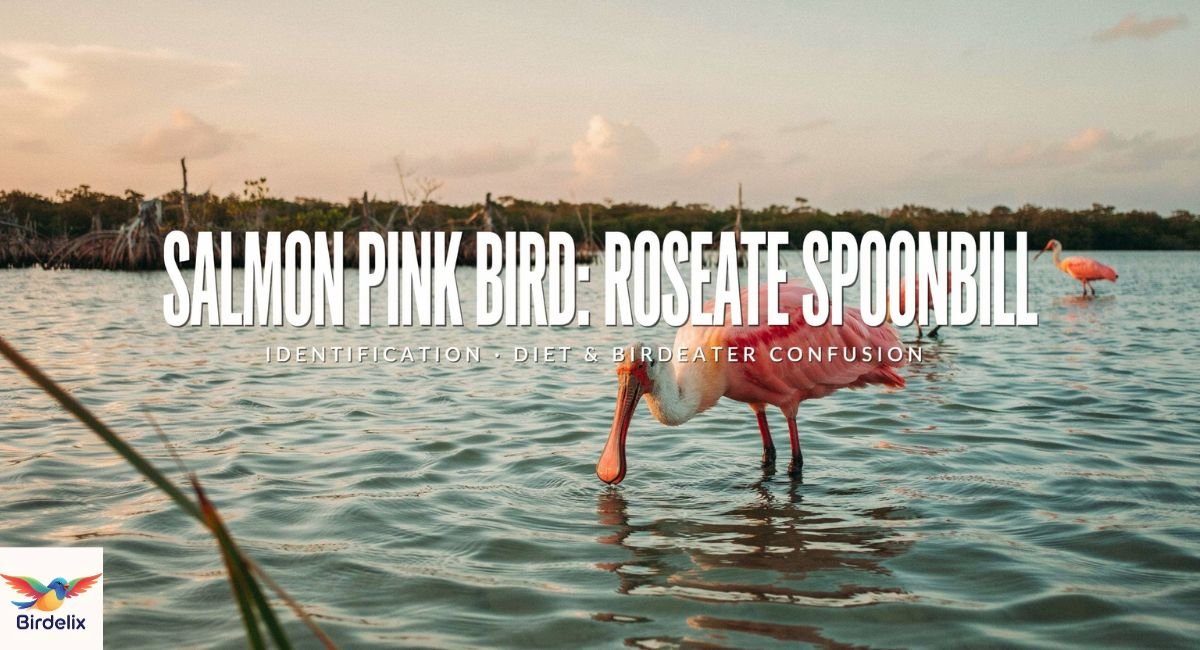
If you’ve ever spotted a salmon pink bird wading through shallow water, its unusual appearance is hard to forget. In most cases, you’re looking at the Roseate Spoonbill, a striking wetland bird with pink feathers and a long, spoon-shaped bill. Its color isn’t just beautiful; it’s closely linked to the aquatic diet that provides pigments for its feathers. This bird also has a fascinating feeding style, sweeping its bill through shallow water to find hidden prey.
But there’s another reason this search term causes confusion. The Brazilian Salmon Pink Birdeater is a large tarantula with salmon-colored hairs. This guide separates the bird from the spider and explores identification, habitat, diet, behavior, and more.
What Is the Salmon Pink Bird?
The Roseate Spoonbill is the main bird associated with this search phrase. It belongs to the ibis and spoonbill family, Threskiornithidae, and is the only spoonbill species native to the Western Hemisphere. Its bright pink body makes it stand out among North American wetland birds.
Its most famous feature is its wide bill. The tip spreads into a rounded spoon shape. This unusual structure helps the bird search through shallow water for food. In the United States, Florida is one of the most important places to look for this species.
Roseate Spoonbill (Platalea ajaja)
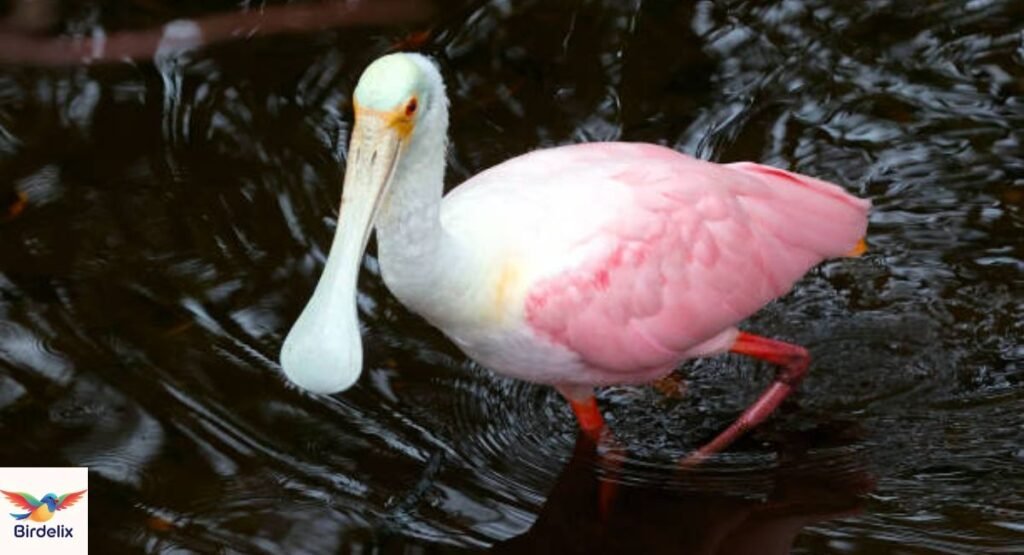
The Roseate Spoonbill is a medium-to-large wading bird with a football-shaped body, long legs, and broad wings. Adults have pink wings and underparts, brighter pink shoulders, and a partly bare yellowish-green head. Their scientific name is Platalea ajaja.
This pink wading bird is strongly connected with warm wetlands. It feeds in shallow fresh, brackish, and marine waters. It also nests and rests in trees or shrubs near water.
Why This Bird Has a Salmon-Pink Appearance
Its color comes largely from its food. Crustaceans and other aquatic prey contain carotenoids, which are natural pigments. As the bird feeds and grows new feathers, these pigments contribute to its pink and reddish tones.
That means the color isn’t simply decorative. The bird’s diet helps create the appearance people notice from a distance. In a way, its menu helps paint its feathers.
The Feature That Makes It Easy to Recognize
The spoon-shaped bill is the strongest identification clue. Unlike a heron with a narrow spear-like bill, the Roseate Spoonbill has a flattened bill that becomes wider toward the tip.
Its pink plumage, long legs, extended neck, and broad bill create a distinctive silhouette. If you see a pink bird sweeping its bill through shallow water, you’re likely looking at a Roseate Spoonbill.
Salmon Pink Bird Identification Guide
Identifying this species becomes much easier when you look at several features together. Color alone isn’t enough because lighting, distance, age, and viewing angle can change how the bird appears.
Look for a large pink wader with long legs and a broad spoon-shaped bill. Adults also have a partly bare head, bright shoulders, and pink underwings. Cornell describes adults as pale pink with stronger color around the shoulders and rump.
Long Down-Curved Bill and Spoon-Shaped Tip
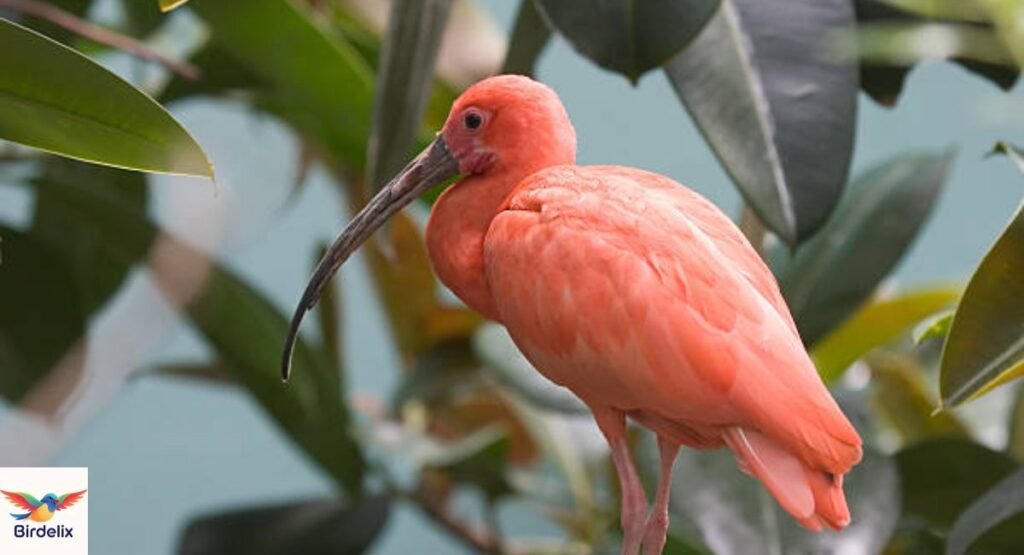
The bill is long, flattened, and slightly curved downward. Its end becomes noticeably wider, creating the spoon-like shape that gives the species its name.
This specialized bill isn’t just for appearance. Sensitive nerve endings help the bird detect prey while sweeping its bill through shallow water.
Pink Plumage, Red Shoulders, and Bare Head
Adult birds usually show pale pink feathers across much of the body. Their shoulders can become a deeper pink or reddish shade. The head is partly bare and can appear yellowish or greenish.
The contrast becomes especially obvious when the bird stands beside white ibises or egrets. Its pink plumage can look surprisingly bright in direct sunlight.
Size, Wingspan, Legs, and Body Shape
Roseate Spoonbills measure roughly 28 to 34 inches long, with a wingspan around 47 to 51 inches according to Cornell’s measurements. Their long legs help them move through shallow water while their broad wings provide powerful flight.
Their body often looks horizontal while feeding. That posture is another useful clue when you’re watching several wading birds together.
Juvenile and Adult Appearance
Young spoonbills look much paler than adults. Juveniles have a completely feathered head and softer pink coloration. Their adult appearance develops gradually as they mature.
This difference can cause confusion for new birdwatchers. A pale young bird may not immediately look like the vivid pink adult standing nearby.
Why Does the Roseate Spoonbill Turn Pink?
The Roseate Spoonbill’s color is closely tied to feeding ecology. Its food contains pigments that can influence the color of newly grown feathers.
The effect is similar to how natural pigments can change the color of other animals. Here, aquatic prey supplies compounds that contribute to the bird’s familiar coral-pink appearance.
The Connection Between Diet and Feather Color
Feathers don’t simply become pink because the bird lives near pink-colored water or soil. Instead, pigments from its diet become available to the body during feather growth.
This makes diet and feather color closely connected. Adults that regularly consume suitable pigment-rich prey can develop the vivid tones associated with the species.
Carotenoids From Aquatic Prey
Carotenoids are natural pigments found in many organisms. Shrimp and other crustaceans are especially important sources within the spoonbill’s diet.
Florida wildlife authorities specifically connect the bird’s pink coloration with carotenoids in the organisms it consumes.
Why Young Spoonbills Look Less Pink
Juveniles have not yet developed the same adult plumage. Their heads are feathered, and their body color is much paler.
As they grow and replace feathers, their appearance gradually becomes more adult-like. So, if you spot a pale spoonbill, don’t assume you’ve found a different species.
Where Can You Find a Salmon Pink Bird?
The Roseate Spoonbill occurs across warm parts of the Americas. In the United States, it is strongly associated with the southeastern coastal region, particularly Florida and parts of the Gulf Coast.
Its preferred environments contain shallow water and abundant aquatic prey. Cornell lists freshwater and saltwater wetlands, mangroves, forested swamps, rivers, bays, estuaries, mudflats, and lagoons among its habitats.
Florida and the Southern United States
Florida is one of the best-known U.S. locations for Roseate Spoonbills. The species occurs in areas such as Florida Bay and other suitable coastal and wetland habitats.
The Florida Fish and Wildlife Conservation Commission lists the species as state-designated threatened in Florida.
Wetlands, Marshes, Lagoons, and Estuaries
Spoonbills need productive shallow-water habitats. They can forage around coastal wetlands, mangroves, bays, mudflats, lagoons, and other areas where aquatic prey gathers.
Water depth matters. Cornell notes that these birds commonly forage in very shallow water, often less than five inches deep.
Mexico, the Caribbean, and Central America
The species also occurs through Mexico, the Caribbean, and coastal areas of Central America. These regions provide extensive warm wetlands suitable for feeding and nesting.
Its distribution isn’t limited to one habitat type. Local populations can use freshwater, brackish, and marine environments when suitable food is available.
South American Range
Farther south, Roseate Spoonbills occur in much of South America, generally east of the Andes. Their range includes extensive tropical and subtropical wetland systems.
This broad distribution explains why the species is considered a bird of the Americas rather than a bird restricted to the United States.
What Does the Salmon Pink Bird Eat?
Roseate Spoonbills are specialized wetland feeders. Their diet centers on small aquatic animals that can be detected in shallow water.
Their menu can include shrimp, crayfish, crabs, fish, aquatic insects, prawns, and other aquatic invertebrates. The exact mix changes with habitat and prey availability.
Small Fish and Aquatic Animals
Small fish can become part of the spoonbill’s diet. The bird sweeps its bill through shallow water and closes it when it detects suitable prey.
This feeding method works especially well in calm, shallow environments where small animals are concentrated near the bottom.
Shrimp, Crayfish, and Other Crustaceans
Shrimp, crayfish, prawns, and crabs are important foods. These crustaceans also help explain the bird’s striking pink coloration because many contain carotenoid pigments.
The bird doesn’t need to chase prey across open water. Instead, it slowly probes the shallows and lets its specialized bill do much of the searching.
Aquatic Insects and Other Invertebrates
Aquatic insects and other small invertebrates can also provide valuable food. The bird may encounter them while probing muddy or shallow areas.
Depending on the wetland, spoonbills can also consume mollusks and other small aquatic organisms. Their diet is flexible enough to change with local conditions.
How Its Bill Finds Hidden Prey
The spoon-shaped bill works like a sensory tool. Nerve endings help the bird detect prey while its partly opened bill moves through water.
Once the bird feels something suitable, it can quickly snap the bill shut. This tactile foraging method is especially useful when the water is cloudy.
How Does a Roseate Spoonbill Hunt for Food?
A Roseate Spoonbill doesn’t hunt like a hawk or heron. Instead, it slowly walks through shallow water with its bill partly submerged.
Its feeding style is one of the easiest behaviors to recognize. The bird moves its head from side to side while searching the bottom for prey.
The Side-to-Side Feeding Technique
The bird sweeps its bill from one side to the other. This movement lets the broad bill cover a useful area while the bird walks forward.
The technique works almost like a living underwater rake. Instead of stabbing one fish at a time, the bird searches a wider patch of shallow water.
Why Shallow, Cloudy Water Works So Well
Shallow water gives spoonbills easy access to the bottom. Cloudy water isn’t necessarily a problem because the bill provides important sensory information.
This makes the bird well suited to shallow wetlands where visibility may be poor but prey remains abundant.
Using Touch Instead of Sight
The bill contains sensitive structures that help the bird detect movement and contact with prey. This allows it to forage even when water conditions make visual hunting difficult.
Cornell describes the species as using its bill to feel for prey while moving through shallow water.
Feeding in Groups
Roseate Spoonbills are social. They can feed in groups ranging from just a few birds to much larger gatherings.
They also forage around other waders. Ibises, herons, and egrets may share the same productive wetland without using exactly the same feeding method.
Salmon Pink Bird Behavior and Daily Life
Daily life for a Roseate Spoonbill revolves around food, water, resting areas, and social groups. You may find these birds feeding together during productive periods and resting nearby when they are not foraging.
Their behavior also changes with the breeding season. Nesting colonies become busier, and adults spend more time gathering nesting material and feeding young.
Wading Through Shallow Water
Spoonbills slowly walk through shallow water while holding their bodies relatively horizontally. Their heads hang down as their bills move beneath the surface.
This unusual posture can help birdwatchers identify them from a distance. Cornell specifically notes the horizontal feeding posture as a useful field clue.
Flying Between Feeding Grounds
When they fly, spoonbills stretch their necks forward. Their broad wings produce deep, strong wingbeats.
The combination of pink wings, extended neck, and long legs creates a distinctive silhouette. Seeing that shape over a wetland can make identification much easier.
Preening, Resting, and Staying Cool
Like other birds, spoonbills spend time maintaining their feathers. They also rest in trees and shrubs near water.
They may sleep while standing, sometimes resting on one leg with the head tucked beneath a shoulder.
Social Behavior With Other Wading Birds
These birds often share colonies and roosting areas with other large waders. Herons, egrets, and ibises can appear alongside them.
That mixed-company behavior is especially common around productive wetlands. A single birding stop may reveal several species at once.
How Roseate Spoonbills Reproduce
Roseate Spoonbills usually breed in colonies. These colonies can include other wading birds, creating busy nesting communities around suitable wetlands.
Nesting sites are commonly found in trees and shrubs near water. Mangroves and other vegetation provide important structures for nests.
Courtship and Pair Formation
Courtship includes visual displays and bill-related behaviors. At colonies, males may bob their heads and present nesting material to females.
Cornell also records bill clicking and wing displays during courtship.
Nesting Colonies and Nest Sites
Spoonbills build bulky stick nests in trees and shrubs. Nests may sit above standing water or close to the wetland edge.
Mixed colonies can include herons, egrets, and ibises. This arrangement provides a useful example of how several wading species can depend on the same wetland ecosystem.
Eggs, Incubation, and Hatching
A typical clutch contains several eggs. Cornell lists one to five eggs, with incubation lasting about 22 days. Young birds generally remain in the nest for roughly 35 to 42 days.
Both parents contribute to raising the chicks. The young hatch helpless and depend on adults for food and protection.
How Young Spoonbills Develop Their Pink Color
Young spoonbills begin life looking much different from vivid adults. Their heads are fully feathered, and their plumage is paler.
As they mature, new feathers develop and their diet supplies pigments that help create stronger adult coloration.
Salmon Pink Bird vs Other Pink Birds
A pink bird in a wetland isn’t automatically a flamingo. The Roseate Spoonbill is actually much more widespread in the southern United States and has a very different body shape.
The easiest approach is to compare the bill, neck, legs, body size, and feeding behavior rather than relying on color alone.
Roseate Spoonbill vs Flamingo
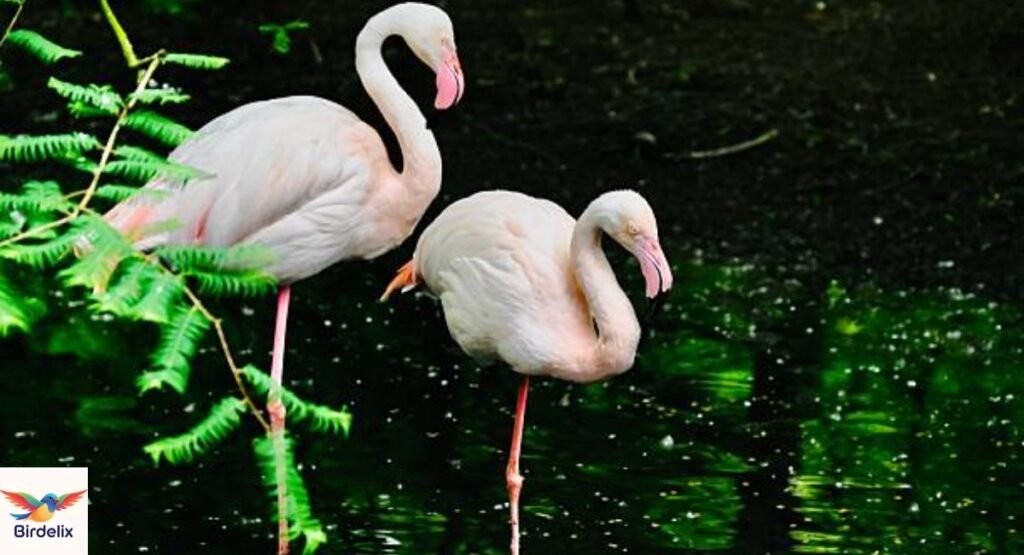
Flamingos are taller and have extremely long legs and a long, curved neck. Roseate Spoonbills have shorter necks and their bills expand into a spoon shape.
Cornell notes that flamingos are taller and have longer necks and legs, while spoonbills have the distinctive flattened spoon-like bill.
Roseate Spoonbill vs Other Pink Wading Birds
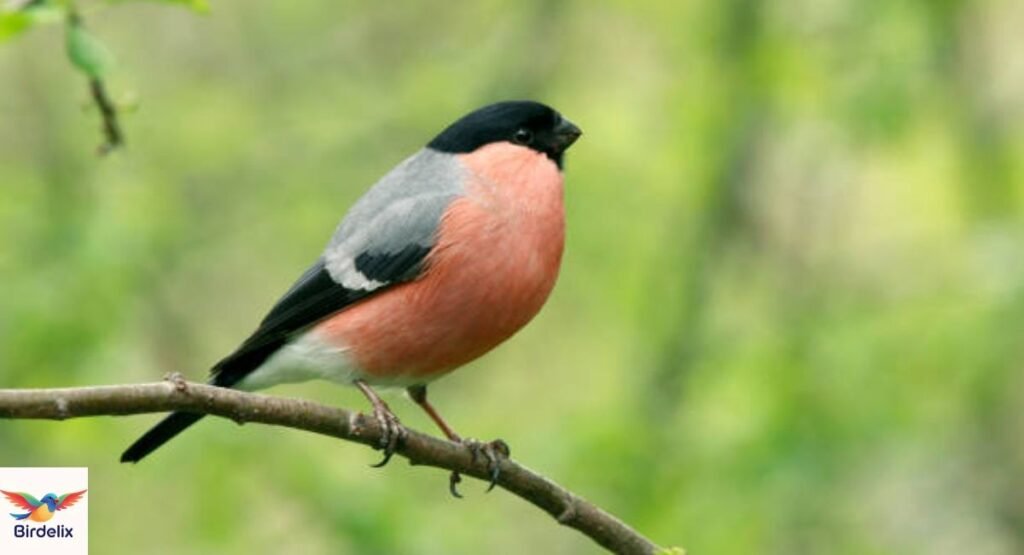
Other wading birds can show pink, red, or coral tones. However, few combine bright pink plumage with such a broad spoon-shaped bill.
The bill therefore becomes more useful than color when you’re identifying a distant bird.
Why the Bill Is the Best Identification Clue
Color can change with age, lighting, and feather condition. The spoon-shaped bill is much more distinctive.
If you’re unsure, watch the bird feed. A pink wader repeatedly sweeping a broad bill from side to side is a strong clue that you’ve found a Roseate Spoonbill.
Is the Salmon Pink Bird a Bird-Eating Spider?
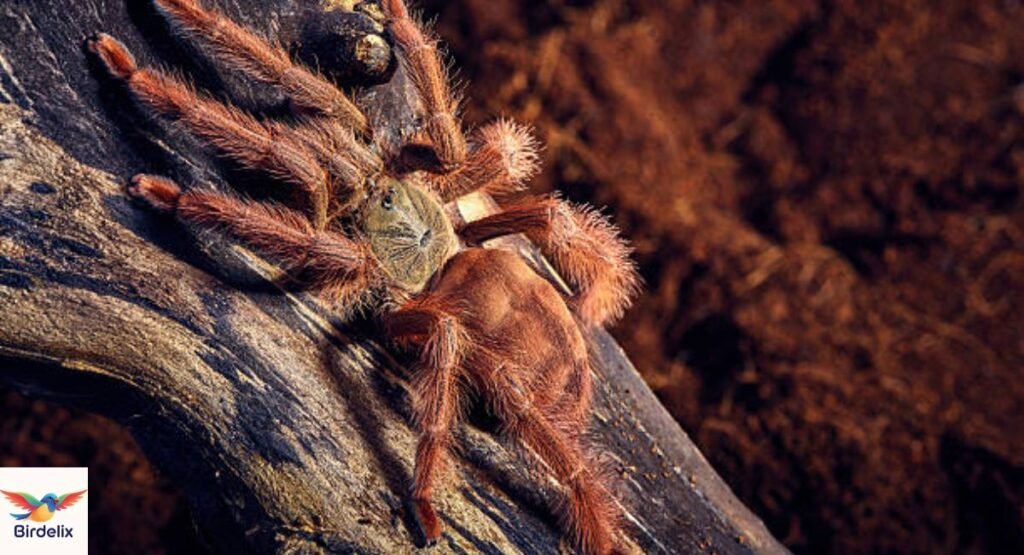
No. The bird and the spider are unrelated animals. The confusion happens because online searches combine similar words such as “salmon pink,” “bird,” and “bird-eating.”
The Brazilian Salmon Pink Birdeater is a tarantula. Its scientific name is Lasiodora parahybana. It has eight legs, a hairy body, and no feathers or wings.
Why These Search Terms Cause Confusion
Search phrases don’t always follow biological categories. Someone searching for a salmon-colored animal may encounter both a pink bird and a salmon-colored spider.
The word “bird-eater” creates even more confusion. It belongs to the tarantula’s common name rather than describing the Roseate Spoonbill.
Brazilian Salmon Pink Birdeater Explained
The Brazilian Salmon Pink Birdeater is a large terrestrial tarantula native to Brazil. It is known for its impressive size and salmon-colored hairs.
A museum profile records Lasiodora parahybana as a large tarantula that can reach around 25 centimeters in span.
Lasiodora parahybana and Its Salmon-Colored Hairs
The species has a dark brown body covered with noticeable pinkish or salmon-colored hairs. Those hairs become particularly striking around the legs and abdomen.
Unlike the spoonbill, it lives on the ground. It uses shelters, burrows, or natural spaces rather than nesting in trees like a bird.
Bird vs Spider: The Simple Difference
The distinction is simple. Platalea ajaja is a bird with feathers, wings, a bill, and two legs. Lasiodora parahybana is an arachnid with eight legs, fangs, and body hairs.
Their colors may sound similar in search queries, but their biology could hardly be more different.
Brazilian Salmon Pink Bird-Eating Tarantula Facts
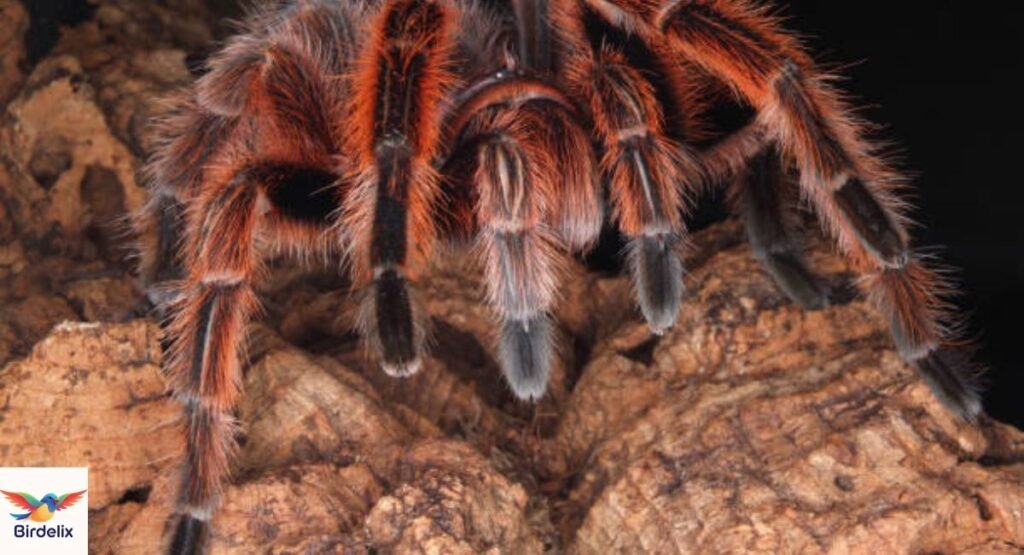
The Brazilian Salmon Pink Birdeater is one of the large tarantulas commonly discussed by arachnid keepers. Its combination of size and salmon-colored hairs makes it easy to recognize.
It is primarily terrestrial and associated with ground-level habitats in Brazil. It does not spin a large aerial web like a typical orb-weaving spider.
How Large Can the Salmon Pink Birdeater Get?
Adult specimens can reach an impressive leg span of around 20 to 25 centimeters. Some sources report individuals toward the upper end of that range.
That size explains why this species often appears in searches for giant tarantulas. Its large body and long legs give it a dramatic appearance.
Where Does It Live in Brazil?
Lasiodora parahybana is native to northeastern Brazil, with the type locality associated with Paraíba.
It is a terrestrial tarantula that uses the forest floor, natural shelters, and burrowing spaces. A museum source describes it as living on the forest floor and using caves or rock crevices for shelter.
What Does This Tarantula Actually Eat?
The tarantula is an opportunistic predator. In captivity, common feeder insects include crickets, roaches, and mealworms.
Large tarantulas can sometimes capture other small animals. However, insects and other small prey are far more useful when explaining their ordinary feeding ecology.
Why It Is Called a Bird-Eater
The name “birdeater” can sound alarming. It does not mean the spider spends its life hunting birds.
Large tarantulas are capable predators, but their common names often exaggerate unusual prey encounters. The Brazilian Salmon Pink Birdeater should therefore not be described as a bird specialist.
Does the Salmon Pink Birdeater Really Eat Birds?
The short answer is that birds are not its normal staple food. Its feeding behavior is much better understood as opportunistic predation on insects and other suitably sized animals.
The famous name reflects the broader “birdeater” tradition used for some large tarantulas. It shouldn’t be interpreted as a description of a specialized bird-hunting lifestyle.
Its Normal Diet in the Wild
The species is an opportunistic predator that can wait for prey and respond to movement or vibration. In captivity, keepers commonly feed it insects such as crickets and roaches.
This feeding strategy is very different from the Roseate Spoonbill, which searches shallow water for aquatic prey.
Small Vertebrates as Occasional Prey
A very large tarantula can potentially capture small vertebrates. Such events are possible because of its size and predatory equipment.
However, occasional prey should not be mistaken for a normal diet. An unusual meal doesn’t turn a tarantula into a specialist predator.
Why “Bird-Eater” Does Not Mean Bird Specialist
The phrase is a common-name issue rather than a scientific classification. The tarantula doesn’t belong to a special group of spiders that regularly depend on birds.
So, if someone searches for a “bird-eating spider,” the best response is to explain the common name and then describe the animal’s actual feeding behavior.
Salmon Pink Bird-Eating Spider vs Roseate Spoonbill
| Feature | Roseate Spoonbill | Brazilian Salmon Pink Birdeater |
| Animal | Bird | Tarantula |
| Scientific name | Platalea ajaja | Lasiodora parahybana |
| Color | Salmon-pink feathers | Salmon-colored body hairs |
| Main habitat | Wetlands | Terrestrial tropical habitats |
| Food | Aquatic prey | Mostly insects and other small prey |
| Key feature | Spoon-shaped bill | Eight legs and urticating hairs |
| Native range | Americas | Northeastern Brazil |
| Movement | Wades and flies | Walks and burrows |
The table makes the confusion easier to solve. One animal belongs to the bird family Threskiornithidae, while the other is a member of the tarantula family Theraphosidae.
Their similar common-name wording is the main connection. Biologically, they are entirely separate.
Salmon Pink Bird Eater: What Does the Search Mean?
Search engines may show several related phrases around this topic. Some describe the Roseate Spoonbill, while others refer to a Brazilian tarantula.
Understanding the scientific names removes almost all ambiguity. Platalea ajaja means the colorful wetland bird. Lasiodora parahybana means the large Brazilian tarantula.
Brazilian Salmon Pink Bird-Eating Spider
This phrase usually refers to the Brazilian Salmon Pink Birdeater, Lasiodora parahybana. The words “salmon pink” describe its characteristic body hairs.
It isn’t a pink bird eating another animal. It’s a spider whose common name contains both “salmon pink” and “bird-eating.”
Salmon Pink Bird Eating Tarantula
This phrase combines the bird-related wording with the tarantula search. It can sound as though a pink bird is eating a tarantula.
That’s not what the species name means. The intended search is generally about a salmon pink bird-eating tarantula.
Salmon Pink Goliath Bird-Eating Spider
This phrase creates another important mix-up. The Goliath birdeater is Theraphosa blondi, while the Brazilian Salmon Pink Birdeater is Lasiodora parahybana.
They are both large tarantulas, but they are different species. Don’t use “Goliath birdeater” as a synonym for the Brazilian Salmon Pink Birdeater.
Pink Salmon Bird-Eating Tarantula
This reversed wording can appear in searches because people rearrange descriptive terms. The safest approach is to identify the animal by its scientific name.
When the name is Lasiodora parahybana, you’re dealing with the Brazilian Salmon Pink Birdeater rather than the Roseate Spoonbill.
Is the Salmon Pink Bird Common in Florida?
Florida is particularly important for Roseate Spoonbill searches. The species uses a variety of Florida wetlands, including coastal areas, mangroves, bays, mudflats, and other shallow-water environments.
Florida wildlife authorities identify the species as state-designated threatened. They also note important habitats around Florida Bay, Tampa Bay, and Brevard County.
Florida Wetlands and Coastal Habitats
Florida provides an excellent mixture of shallow wetlands and coastal environments. These areas can support the aquatic prey spoonbills need.
The species can use both freshwater and saltwater habitats. Mangrove areas are particularly important for nesting and roosting.
Where Spoonbills Are Often Spotted
Birdwatchers may encounter spoonbills around Florida Bay, Tampa Bay, Brevard County, and other suitable wetland areas.
They can also appear around managed wetlands and other productive shallow-water sites. FWC notes that spoonbills share wetland habitats with herons, egrets, and ibises.
What to Look for When Birdwatching
Start with color. Then check the bill. A large pink bird with a broad spoon-shaped bill is a strong match.
Next, watch its feeding behavior. Side-to-side bill sweeping through shallow water is one of the best clues available.
Threats to Salmon Pink Birds
Roseate Spoonbills depend on wetlands for food, nesting, and resting. Changes to those environments can therefore affect several parts of their life cycle.
In Florida, the species is considered state-designated threatened. Habitat degradation, disturbance, food availability, pesticides, and other pressures can affect local populations.
Wetland Habitat Loss
Wetlands can disappear or become fragmented because of development and changes in water management. Losing shallow feeding areas can reduce access to prey.
For a bird that specializes in wetland feeding, even subtle habitat changes can matter.
Water Quality and Food Availability
Water conditions influence the small animals living in wetlands. Changes in salinity, water flow, pollution, or prey abundance can therefore affect feeding opportunities.
Cornell notes that Florida spoonbills can be affected by water-management changes that alter salinity and food availability.
Human Disturbance Around Nesting Areas
Nesting colonies can be sensitive to disturbance. Boating, recreation, and repeated human activity near colonies may interfere with breeding.
Cornell reports that disturbance around nesting sites can contribute to nest abandonment.
Protecting Important Wetland Habitat
Protecting wetlands helps preserve feeding and nesting areas at the same time. Healthy water systems also support the shrimp, crayfish, fish, and insects that spoonbills depend on.
In Florida, the species receives state protection and is also protected under the federal Migratory Bird Treaty Act.
Interesting Salmon Pink Bird Facts
The Roseate Spoonbill is unusual from almost every angle. Its bill, color, feeding behavior, and social habits all make it stand out among American waders.
It also has some surprising developmental traits. For example, a chick doesn’t hatch with a fully developed spoon-shaped bill.
Its Bill Looks Like a Spoon for a Reason
The rounded bill tip is an adaptation for searching shallow water. The bird sweeps it through the water and uses sensitive structures to detect prey.
The shape allows it to cover a broad area while feeding.
Its Pink Color Comes From What It Eats
Carotenoid pigments from aquatic prey contribute to its pink feathers. Shrimp and other crustaceans are important parts of this connection.
So the bird’s brilliant appearance is partly a reflection of its wetland diet.
Young Birds Are Much Less Colorful
Juveniles are paler than adults and have fully feathered heads. Their appearance becomes more dramatic as they mature.
This age difference can be useful when identifying family groups in the field.
It Can Feed Without Clearly Seeing Its Prey
The spoonbill doesn’t always need clear water to locate food. Its sensitive bill can detect prey while moving through shallow water.
That makes tactile feeding one of its most interesting adaptations.
It Often Shares Habitat With Other Wading Birds
Spoonbills commonly gather with ibises, herons, and egrets. These species can share the same wetlands while using different feeding strategies.
This makes a productive wetland a little like a busy neighborhood, with each species using its own niche.
Salmon Pink Bird Crossword Clue and Common Search Questions
If you found this topic through a crossword clue, the wording may be pointing toward the Roseate Spoonbill. The combination of pink coloration and a distinctive bill makes it a particularly recognizable answer.
However, searches involving “bird-eating” usually move into tarantula territory. That distinction is important when interpreting online results.
What Is the Salmon Pink Bird Called?
The bird is commonly called the Roseate Spoonbill. Its scientific name is Platalea ajaja.
What Bird Has a Salmon-Pink Color and Long Down-Curved Bill?
The Roseate Spoonbill fits this description because it has pink plumage and a broad, slightly down-curved bill that ends in a spoon-shaped tip.
What Is the Salmon Pink Bird-Eating Spider?
The phrase generally refers to the Brazilian Salmon Pink Birdeater, Lasiodora parahybana, a large terrestrial tarantula from Brazil.
Is the Salmon Pink Birdeater the Same as a Roseate Spoonbill?
No. The Roseate Spoonbill is a bird, while the Brazilian Salmon Pink Birdeater is a tarantula. Their similar common-name wording causes the confusion.
Does a Salmon Pink Bird Eat Spiders or Tarantulas?
The Roseate Spoonbill normally feeds on aquatic prey such as crustaceans, fish, and aquatic invertebrates. Tarantulas are not a normal part of its diet.
Conclusion
The Roseate Spoonbill is the animal most people mean when searching for a salmon pink bird. Its pink feathers, long legs, bare head, and spoon-shaped bill make it one of America’s most unusual wetland birds. Its color also tells a story because carotenoid-rich aquatic prey helps create those vivid shades.
The Brazilian Salmon Pink Birdeater is an entirely different creature. Lasiodora parahybana is a large tarantula from Brazil with salmon-colored hairs. The word “bird-eater” belongs to its common name and doesn’t mean it regularly hunts birds. Once you know the scientific names, the entire confusion becomes much easier to untangle.
FAQs
What is a salmon pink bird?
The Roseate Spoonbill is the most recognizable bird described by this phrase. It has pink plumage and a distinctive spoon-shaped bill.
What bird has a long down-curved bill?
The Roseate Spoonbill has a broad bill that curves slightly downward and expands into a spoon-like tip.
Where can I see a Roseate Spoonbill?
Florida is one of the best-known U.S. regions for this species, especially around suitable coastal and wetland habitats.
What gives the Roseate Spoonbill its pink color?
Carotenoid pigments from its aquatic diet help produce its characteristic pink and reddish feathers.
What does the salmon pink bird eat?
Its diet includes shrimp, crayfish, crabs, small fish, aquatic insects, and other small aquatic animals.
What is the Brazilian salmon pink bird-eating tarantula?
It is Lasiodora parahybana, a large terrestrial tarantula native to Brazil and known for its salmon-colored hairs.
Does the Brazilian Salmon Pink Birdeater actually eat birds?
Birds aren’t its normal staple food. It is primarily an opportunistic predator that commonly feeds on insects and other suitably sized prey.

Welcome to Birdelix! I’m Anam Sattar, an AI-powered SEO Specialist and Content Writer with over 5 years of experience in creating high-quality, search-optimized content. I help businesses improve their search engine rankings, increase organic traffic, and build beautiful, user-friendly websites. My mission is to make SEO, content creation, and web design simple, effective, and accessible for everyone. Let’s grow your online presence and achieve success together!