

If you’re searching for Birds That Start With I, you’re about to discover some truly fascinating species. From the brilliant Indigo Bunting to the striking Indian Roller, these birds come in many shapes, colors, and sizes. This guide explores interesting bird names, unique bird types, colorful species, and unusual four-letter possibilities. You’ll also learn where these birds live, what they eat, how they behave, and what makes them easy to identify.
Some are common across North America, while others live in distant forests, islands, wetlands, and coastal regions. Whether you’re a birdwatcher, student, nature lover, or simply curious about bird species, this complete guide makes exploring I-named birds simple, enjoyable, and informative.
What Birds Start With I?
Several well-known birds begin with I, including Ibis, Icterine Warbler, Indian Roller, Inca Tern, Indigo Bunting, and Ivory-billed Woodpecker. Other examples include Indian Peafowl, Indian Pitta, Island Thrush, Indian Skimmer, and Ivory Gull.
The names cover many bird species and habitats. Some live in forests, while others prefer rivers, islands, wetlands, or cold coastal areas. A few are familiar, while others are remarkably rare. That contrast makes I one of the more intriguing letters in an A–Z bird list.
50 Birds That Start With I
The table below gives you a quick reference for 50 I-named birds. Scientific names can vary slightly between taxonomic authorities, especially for groups with recent classification changes. The table therefore focuses on useful identification information for general readers.
| No. | Bird Name | Scientific Name | Color | Bird Type | Habitat | Region |
| 1 | Ibis | Threskiornithinae | White, black, brown | Wading bird | Wetlands | Worldwide |
| 2 | Icterine Warbler | Hippolais icterina | Yellow-green | Songbird | Woodlands | Europe, Asia |
| 3 | Indian Roller | Coracias benghalensis | Blue, brown | Roller | Grasslands, open woods | South Asia |
| 4 | Inca Tern | Larosterna inca | Gray, white | Seabird | Rocky coasts | South America |
| 5 | Indigo Bunting | Passerina cyanea | Brilliant blue | Songbird | Fields, woodland edges | North America |
| 6 | Ivory-billed Woodpecker | Campephilus principalis | Black, white, red | Woodpecker | Mature forests | Southeastern U.S. |
| 7 | Indian Peafowl | Pavo cristatus | Blue, green | Pheasant | Forest edges, open areas | South Asia |
| 8 | Indian Pitta | Pitta brachyura | Green, blue, yellow | Forest bird | Dense forests | South Asia |
| 9 | Island Thrush | Turdus poliocephalus | Brown, black, white | Thrush | Forests | Southeast Asia, Oceania |
| 10 | Indian Robin | Saxicoloides fulicatus | Black, brown | Songbird | Open woodland, gardens | South Asia |
| 11 | Imperial Shag | Leucocarbo atriceps | Black, white | Seabird | Rocky coasts | South America |
| 12 | Indian Vulture | Gyps indicus | Gray, white | Vulture | Open landscapes | South Asia |
| 13 | Indian Sparrow | Passer spp. | Brown, gray | Sparrow | Urban, rural areas | South Asia |
| 14 | Iago Sparrow | Passer iagoensis | Brown, gray | Sparrow | Dry areas | Cape Verde |
| 15 | Indigo-crowned Quail-Dove | Geotrygon purpurata | Purple, gray | Dove | Forest understory | Caribbean |
| 16 | Icelandic Gull | Larus glaucoides | White, gray | Gull | Coasts | North Atlantic |
| 17 | Indian Cuckoo | Cuculus micropterus | Gray, white | Cuckoo | Forests | Asia |
| 18 | Indian Skimmer | Rynchops albicollis | Black, white | Waterbird | Rivers, wetlands | South Asia |
| 19 | Ivory Gull | Pagophila eburnea | White | Seabird | Arctic coast | Arctic |
| 20 | Indo-Pacific Kingfisher | Todiramphus spp. | Blue, green | Kingfisher | Coasts, wetlands | Indo-Pacific |
| 21 | Indian Golden Oriole | Oriolus kundoo | Yellow, black | Songbird | Woodland | South Asia |
| 22 | Indian Grey Hornbill | Ocyceros birostris | Gray, black | Hornbill | Open woodland | South Asia |
| 23 | Indian Jungle Crow | Corvus culminatus | Black | Crow | Forests, towns | South Asia |
| 24 | Indian Nightjar | Caprimulgus asiaticus | Brown, gray | Nightjar | Scrub, open woodland | South Asia |
| 25 | Indian Pond Heron | Ardeola grayii | Brown, white | Heron | Wetlands | South Asia |
| 26 | Indian Pygmy Woodpecker | Yungipicus nanus | Brown, black | Woodpecker | Forests | South Asia |
| 27 | Indian Scops Owl | Otus bakkamoena | Brown, gray | Owl | Woodland | Asia |
| 28 | Indian Skimmer | Rynchops albicollis | Black, white | Waterbird | Rivers | South Asia |
| 29 | Indian Swiftlet | Aerodramus unicolor | Brown, gray | Swift | Cliffs, forests | South Asia |
| 30 | Indian Yellow Tit | Machlolophus aplonotus | Yellow, black | Songbird | Forests | South Asia |
| 31 | Indigo-winged Parrot | Hapalopsittaca fuertesi | Green, blue | Parrot | Mountain forest | Colombia |
| 32 | Intermediate Egret | Ardea intermedia | White | Egret | Wetlands | Africa, Asia, Oceania |
| 33 | Invisible Rail | Habroptila wallacii | Dark gray | Rail | Dense vegetation | Indonesia |
| 34 | Ivory-backed Woodswallow | Artamus monachus | Gray, white | Woodswallow | Open woodland | Southeast Asia |
| 35 | Ivory-breasted Pitta | Pitta maxima | Green, blue, white | Pitta | Forests | Indonesia |
| 36 | Ivory-headed Coucal | Centropus menbeki | Black, chestnut | Coucal | Tropical vegetation | New Guinea |
| 37 | Ivory-shouldered Parakeet | Pyrrhura spp. | Green, yellow | Parakeet | Forest | South America |
| 38 | Ivory-tailed Sylph | Aglaiocercus spp. | Green, blue | Hummingbird | Mountain forest | South America |
| 39 | Izu Leaf Warbler | Phylloscopus ijimae | Green, yellow | Warbler | Woodland | Japan |
| 40 | Izu Thrush | Turdus celaenops | Brown, gray | Thrush | Forest | Japan |
| 41 | Indian Greenfinch | Chloris spinoides | Green, yellow | Finch | Mountain woodland | South Asia |
| 42 | Indian Pied Starling | Gracupica contra | Black, white | Starling | Open habitats | South Asia |
| 43 | Indian Silverbill | Euodice malabarica | Gray, brown | Finch | Grassland, scrub | South Asia |
| 44 | Indo-Pacific Swift | Apus pacificus | Black, white | Swift | Open sky | Asia, Pacific |
| 45 | Inland Dotterel | Peltohyas australis | Brown, white | Shorebird | Arid plains | Australia |
| 46 | Inland Thornbill | Acanthiza apicalis | Brown, gray | Songbird | Scrubland | Australia |
| 47 | Isabelline Bush-hen | Amaurornis isabellina | Brown, gray | Rail | Wet grassland | Indonesia |
| 48 | Isabelline Shrike | Lanius isabellinus | Sandy brown | Shrike | Open country | Eurasia |
| 49 | Isabelline Wheatear | Oenanthe isabellina | Sandy brown | Songbird | Dry plains | Eurasia |
| 50 | Island Flycatcher | Eumyias panayensis | Blue-gray | Flycatcher | Island forest | Southeast Asia |
20 Most Popular Birds That Start With I
1. Ibis
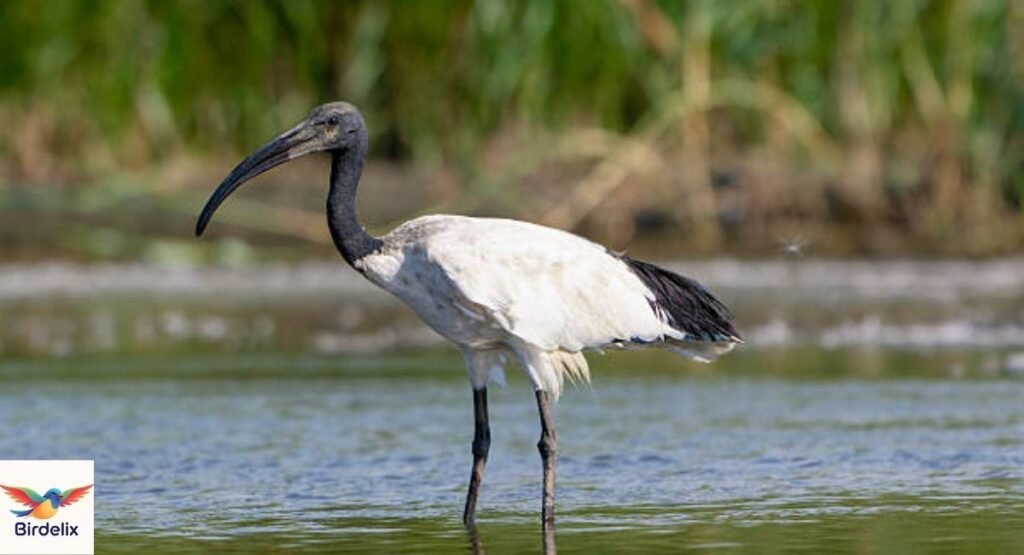
Scientific Name: Threskiornithinae
Family: Threskiornithidae
The Ibis is one of the most recognizable Birds That Start With I because of its long, curved bill, slender legs, and elegant body. It commonly lives around wetlands, marshes, rivers, lakes, and coastal areas. Ibises mainly eat insects, fish, frogs, crustaceans, and other small animals by probing soft mud with their specialized bills. Their size and appearance vary among species, with many showing white, brown, black, or reddish plumage. An interesting fact is that the curved bill helps an Ibis locate hidden prey beneath shallow water and wet soil.
2. Icterine Warbler
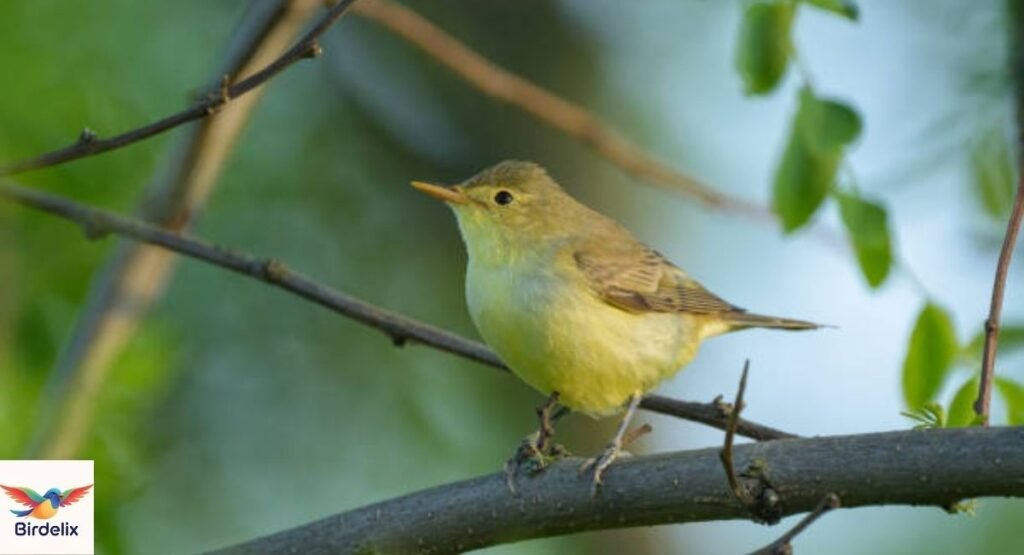
Scientific Name: Hippolais icterina
Family: Acrocephalidae
The Icterine Warbler is a small songbird known for its yellowish-green plumage, energetic behavior, and impressive vocal abilities. It commonly breeds in Europe and parts of western Asia, especially around woodland edges, gardens, shrubs, and open forests. This bird mainly eats insects, spiders, berries, and other small food items. Adults usually measure around 5 to 6 inches long with a wingspan of approximately 9 to 10 inches. A fascinating fact is that the Icterine Warbler can imitate sounds from other birds, making its rich song especially interesting to birdwatchers.
3. Indian Roller
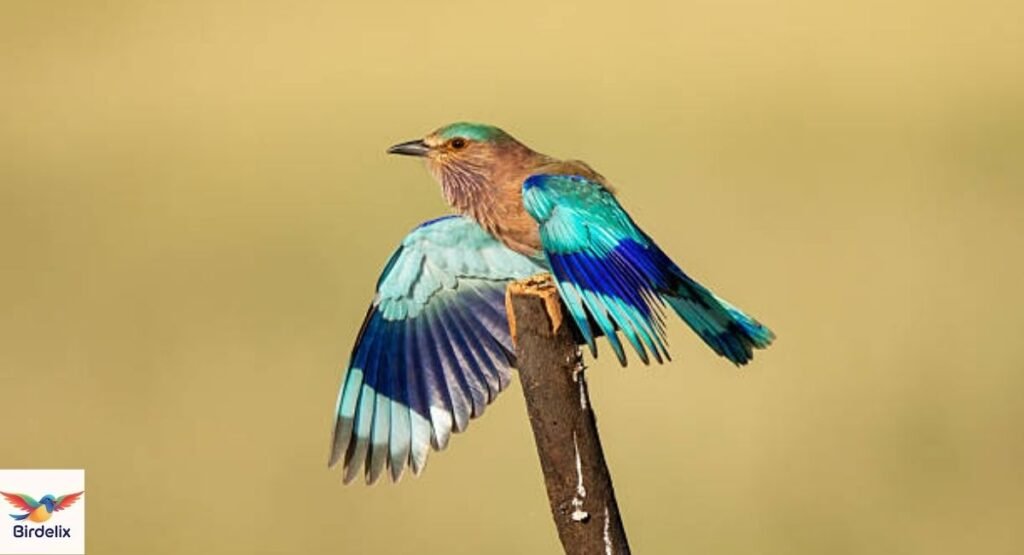
Scientific Name: Coracias benghalensis
Family: Coraciidae
The Indian Roller is a colorful Birds That Start With I species recognized for its brilliant blue wings, brown body, and spectacular rolling flight display. It commonly inhabits grasslands, farmland, open forests, roadsides, and urban areas across South Asia. Its diet includes insects, small reptiles, frogs, and other small animals. Adults generally reach about 12 to 13 inches in length with a wingspan of roughly 20 to 24 inches. An interesting fact is that its bright blue wings become especially noticeable when it performs dramatic aerial movements during courtship or territorial displays.
4. Inca Tern
Scientific Name: Larosterna inca
Family: Laridae
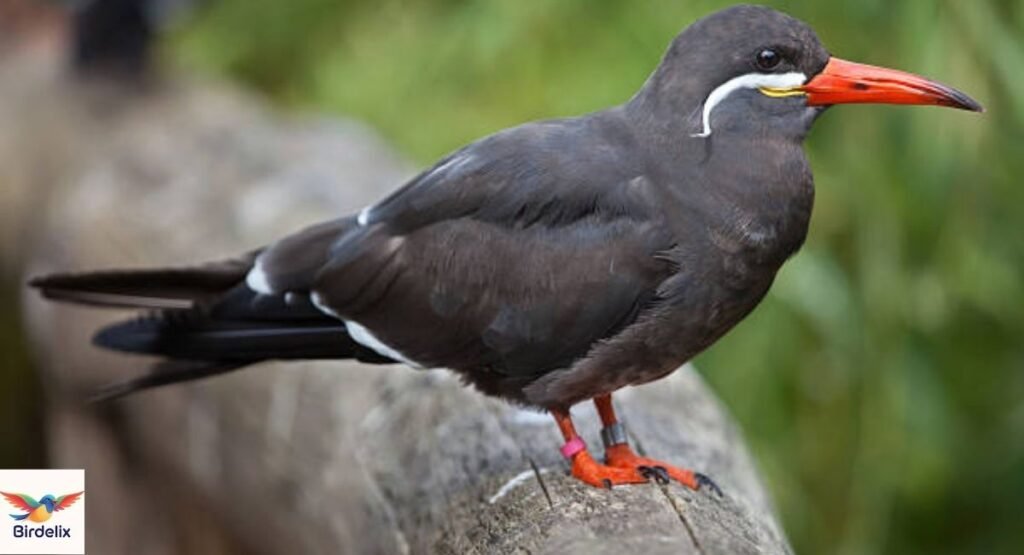
The Inca Tern is a striking seabird famous for its dark gray body, white facial markings, red-orange bill, and bright red feet. It lives mainly along the rocky Pacific coastline of Peru and Chile, where cold, nutrient-rich waters provide abundant food. These birds eat fish, crustaceans, and other marine prey, often catching food near the water surface. Adults are around 16 inches long with a wingspan of approximately 20 inches. A fascinating fact is that the Inca Tern has a distinctive white mustache-like facial marking that makes it easy to recognize.
5. Indigo Bunting
Scientific Name: Passerina cyanea
Family: Cardinalidae
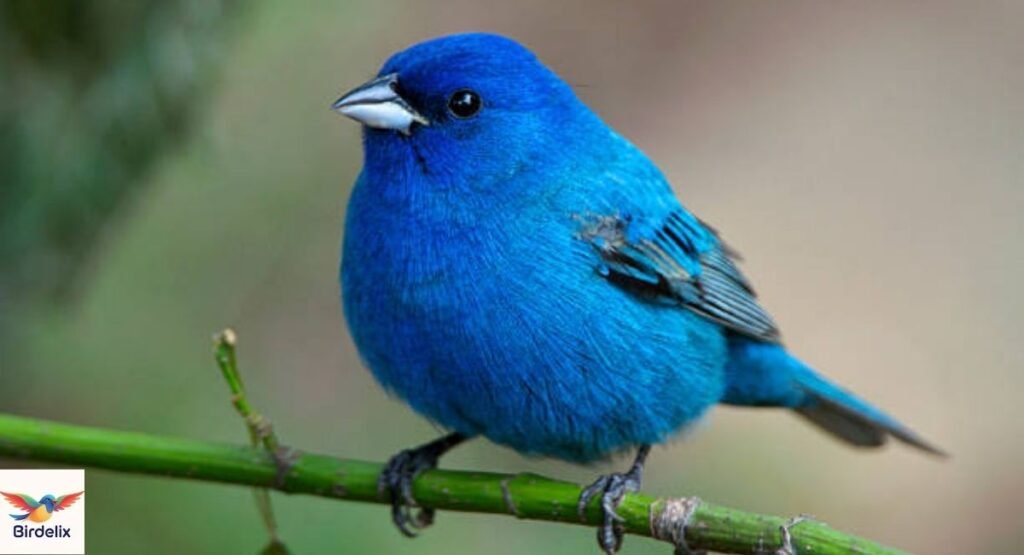
The Indigo Bunting is one of the most beautiful Birds That Start With I because breeding males develop brilliant blue plumage. It is common across much of eastern and central North America and can be seen in fields, woodland edges, roadsides, and brushy habitats. Indigo Buntings eat seeds, berries, insects, and other small foods. They are small birds measuring about 4.5 to 5 inches long with a wingspan of approximately 7 to 9 inches. An amazing fact is that their feathers don’t contain blue pigment; their feather structure creates the vivid blue appearance.
6. Ivory-billed Woodpecker
Scientific Name: Campephilus principalis
Family: Picidae
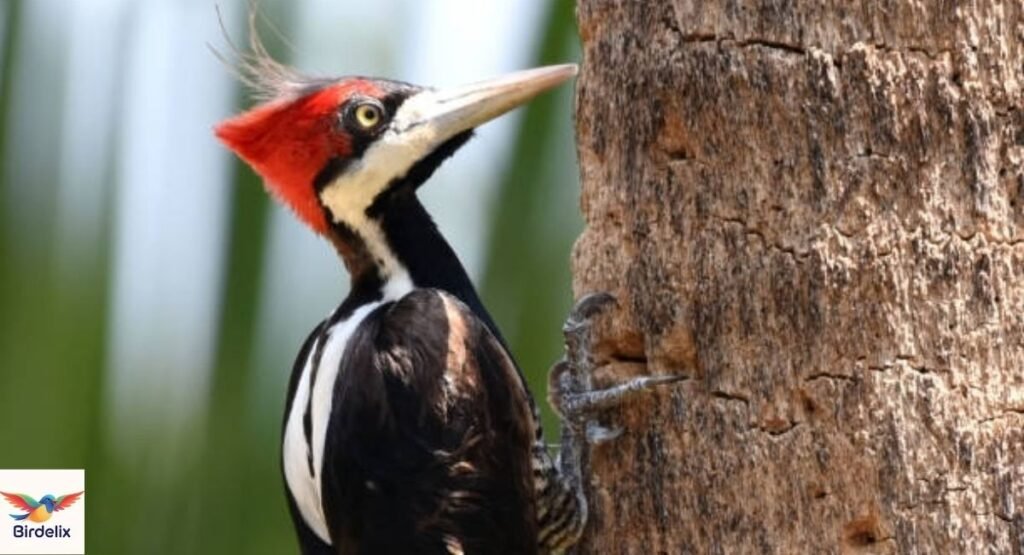
The Ivory-billed Woodpecker is a legendary Birds That Start With I species once found in mature forests of the southeastern United States and Cuba. It was a very large woodpecker with striking black-and-white plumage, a pale bill, and a red crest in males. Historically, it fed on insects and larvae found beneath tree bark and in dead or damaged wood. Adults reached about 18 to 21 inches long with a wingspan near 30 inches. An interesting fact is that the species became famous for its dramatic decline and uncertain status in modern times.
7. Indian Peafowl
Scientific Name: Pavo cristatus
Family: Phasianidae
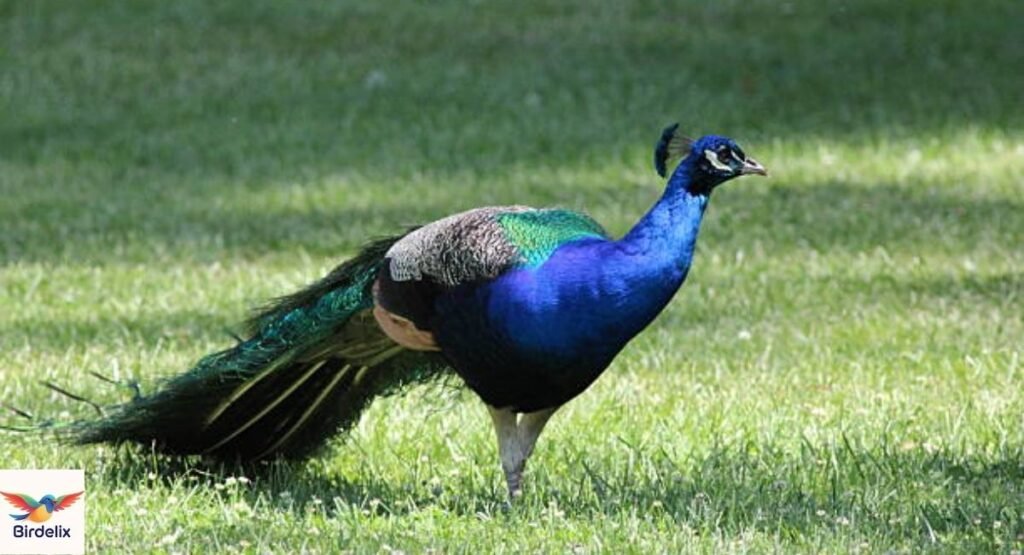
The Indian Peafowl is one of the most spectacular Birds That Start With I, especially because males display enormous blue-green trains covered with eye-like patterns. It naturally occurs across the Indian subcontinent and uses forests, grasslands, farmland, and areas near human settlements. Its diet includes seeds, fruits, insects, plants, and small animals. Adult males can reach around 39 to 47 inches in body length, excluding the train. A fascinating fact is that the famous “peacock” is specifically the male, while the species as a whole is called Indian Peafowl.
8. Indian Pitta
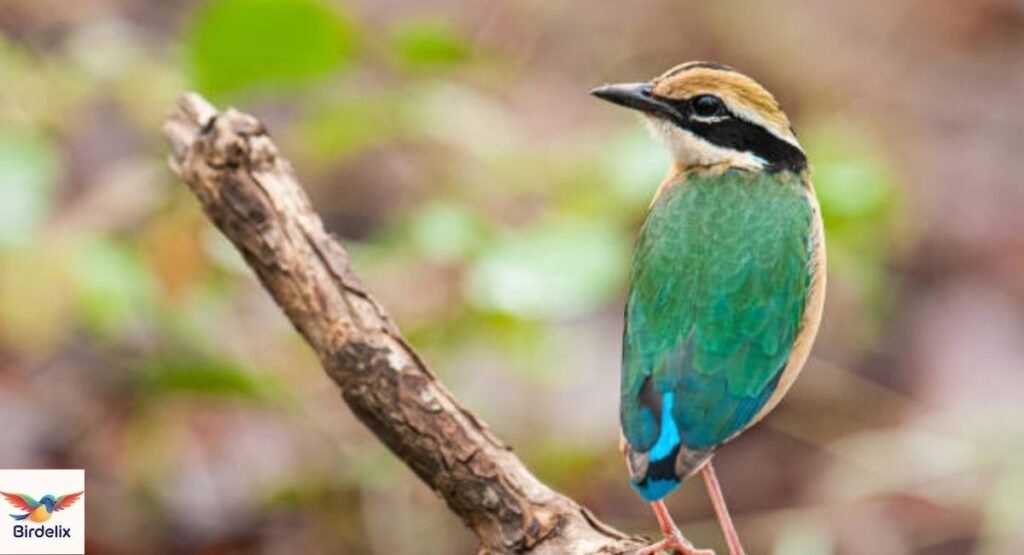
Scientific Name: Pitta brachyura
Family: Pittidae
The Indian Pitta is a brightly colored forest bird recognized by its green back, blue crown, yellow belly, and reddish-orange lower body. It lives mainly in forests, woodland areas, gardens, and dense vegetation across the Indian subcontinent. This small bird feeds on insects, worms, snails, and other invertebrates that it finds among leaves and forest soil. Adults are usually about 7 inches long with a wingspan close to 10 inches. An interesting fact is that its loud, clear calls can often reveal its location before the colorful bird comes into view.
9. Island Thrush
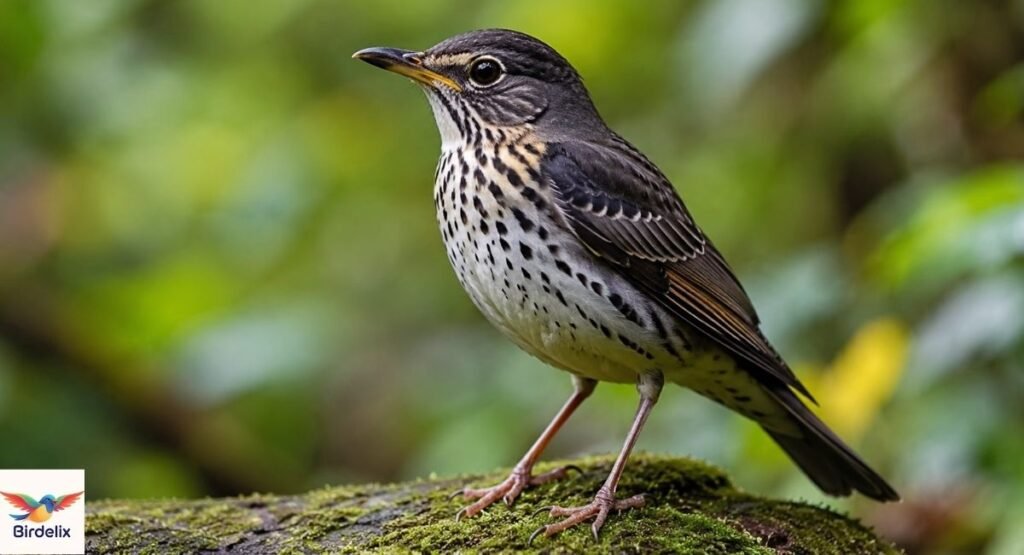
Scientific Name: Turdus poliocephalus
Family: Turdidae
The Island Thrush is a fascinating Birds That Start With I species found across various islands of Southeast Asia and the Pacific region. Its appearance can differ greatly between island populations, with plumage ranging from dark brown and black to lighter brown and white patterns. It commonly lives in forests, mountain areas, gardens, and other wooded habitats. Its diet includes insects, worms, fruits, and berries. Adults are generally around 8 to 10 inches long. An interesting fact is that different island populations can look surprisingly different because of their geographic isolation.
10. Indian Robin
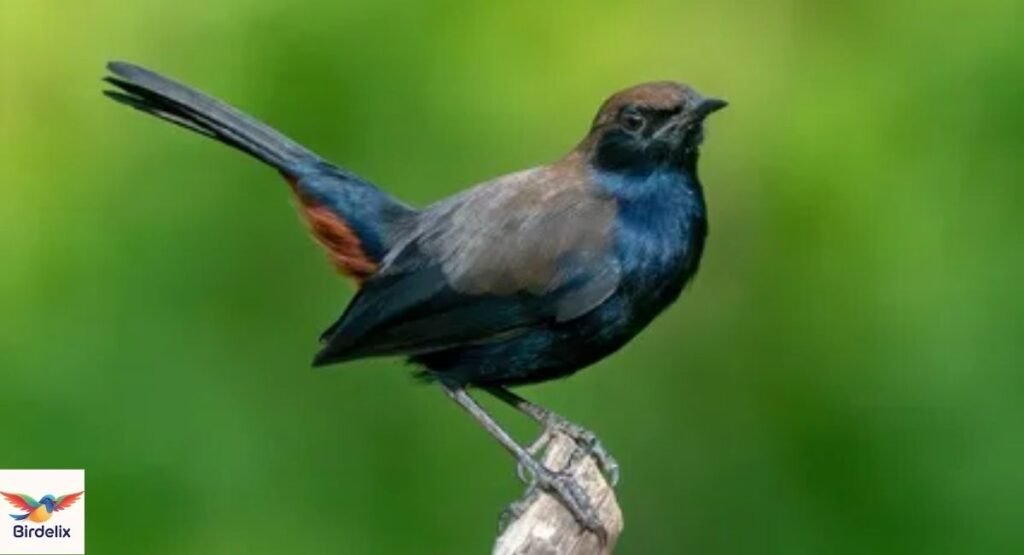
Scientific Name: Saxicoloides fulicatus
Family: Muscicapidae
The Indian Robin is a small and active songbird commonly found across the Indian subcontinent. Males often have dark blackish plumage with white markings, while females are generally browner and less striking. It prefers open woodland, scrub, farmland, gardens, rocky areas, and habitats close to people. Its diet includes insects, spiders, worms, and other small invertebrates. Adults usually measure around 7 inches long. A fascinating fact is that Indian Robins often move their tails while searching for food on the ground, making this behavior useful for identification.
11. Imperial Shag
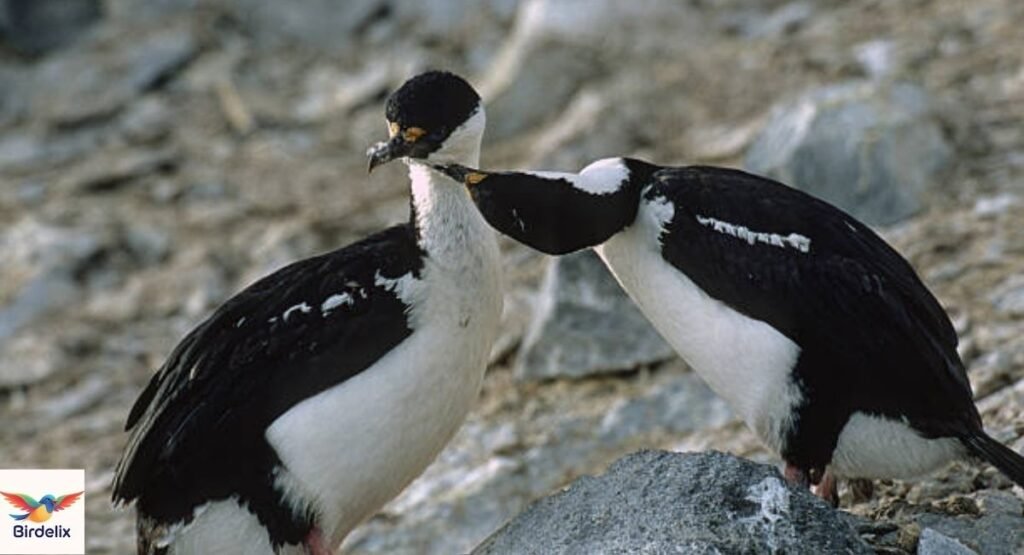
Scientific Name: Leucocarbo atriceps
Family: Phalacrocoracidae
The Imperial Shag is a striking coastal seabird recognized by its black-and-white plumage, long neck, and bright blue eyes. It lives around rocky coastlines and islands of southern South America, particularly in cold marine environments. Imperial Shags mainly eat fish, squid, and other marine animals that they catch while diving underwater. Adults can reach around 25 to 30 inches in length with broad wings suited for powerful swimming. An interesting fact is that these birds can dive beneath the surface and chase fish using their strong feet and streamlined bodies.
12. Indian Vulture
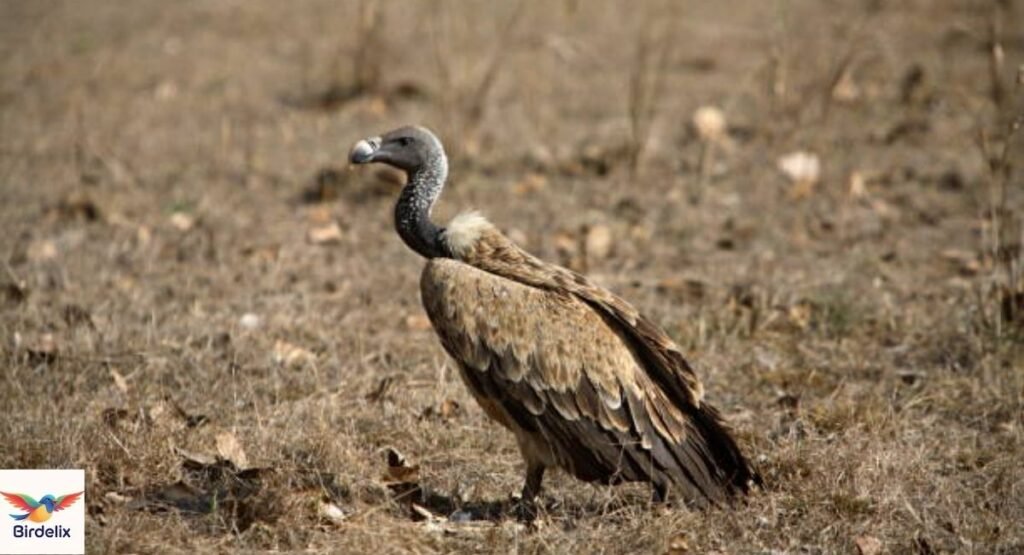
Scientific Name: Gyps indicus
Family: Accipitridae
The Indian Vulture is a large Birds That Start With I species known for its broad wings, bare head, and important role as a natural scavenger. It historically occupied dry open landscapes, cliffs, and areas where large animal carcasses were available across South Asia. Its diet consists mainly of carrion rather than live prey. Adults can reach around 31 to 41 inches long with wingspans approaching 8 feet. A fascinating fact is that Indian Vultures help clean ecosystems by removing animal remains and returning nutrients to the environment.
13. Indian Sparrow
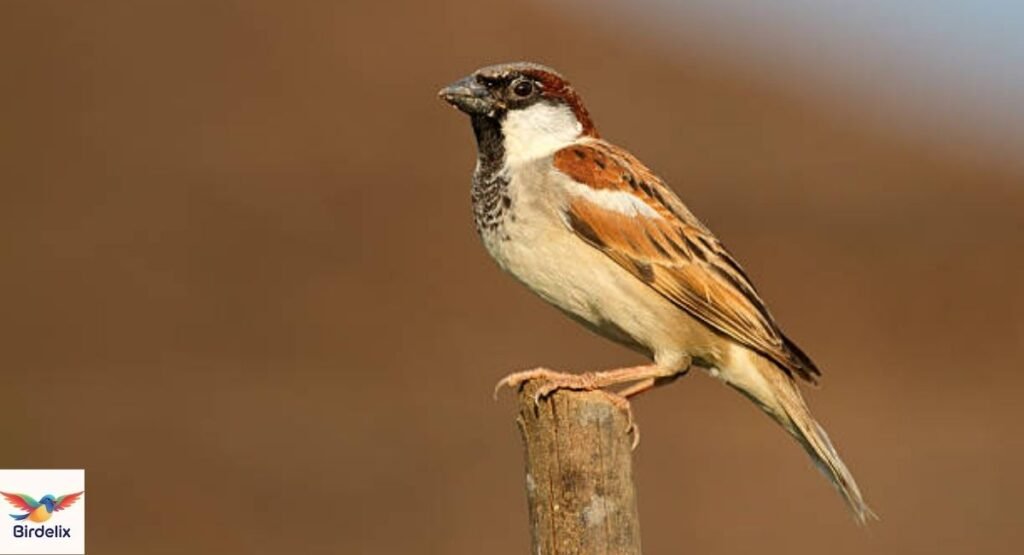
Scientific Name: Passer domesticus
Family: Passeridae
The Indian Sparrow is a familiar small bird associated with towns, villages, farms, gardens, and other human-dominated environments. It has a compact body, short bill, and mostly brown, gray, and black plumage. These birds mainly eat seeds, grains, insects, and food scraps when available. Adults generally measure around 6 inches long with a wingspan of approximately 9 to 10 inches. An interesting fact is that sparrows have adapted remarkably well to human settlements and can build nests in small spaces around buildings.
14. Iago Sparrow
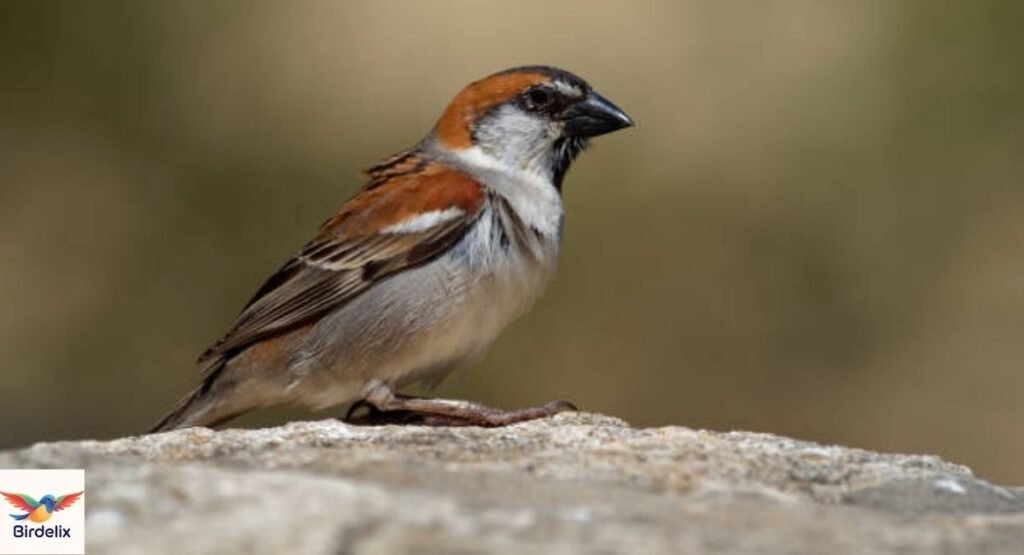
Scientific Name: Passer iagoensis
Family: Passeridae
The Iago Sparrow is a small island bird native to the Cape Verde archipelago off the coast of West Africa. It usually has brown, gray, and pale markings that provide useful camouflage in its dry surroundings. The species feeds mainly on seeds, grains, insects, and other available food. Adults are roughly 5 to 6 inches long and have the compact shape typical of sparrows. An interesting fact is that its restricted island distribution makes the Iago Sparrow an excellent example of how birds can adapt to isolated environments.
15. Indigo-crowned Quail-Dove
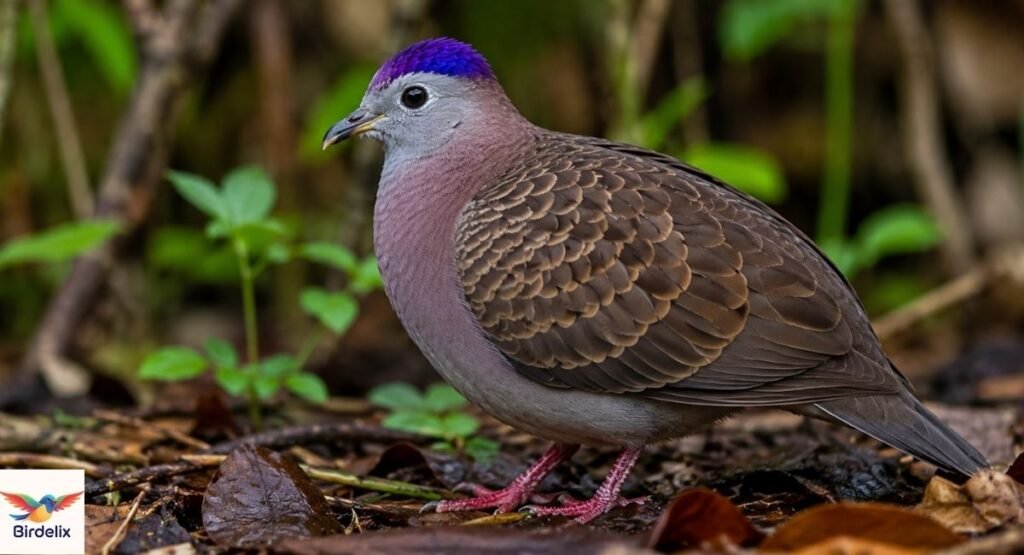
Scientific Name: Geotrygon purpurata
Family: Columbidae
The Indigo-crowned Quail-Dove is a secretive forest bird known for its rich purple-blue crown and subdued body coloration. It lives in tropical forest environments where thick vegetation provides shelter and feeding opportunities. This dove mainly searches the forest floor for seeds, fruits, and small food items. It has a compact body and rounded wings that suit short flights through dense vegetation. An interesting fact is that this bird can be difficult to observe because it spends much of its time quietly moving through the forest understory.
16. Icelandic Gull
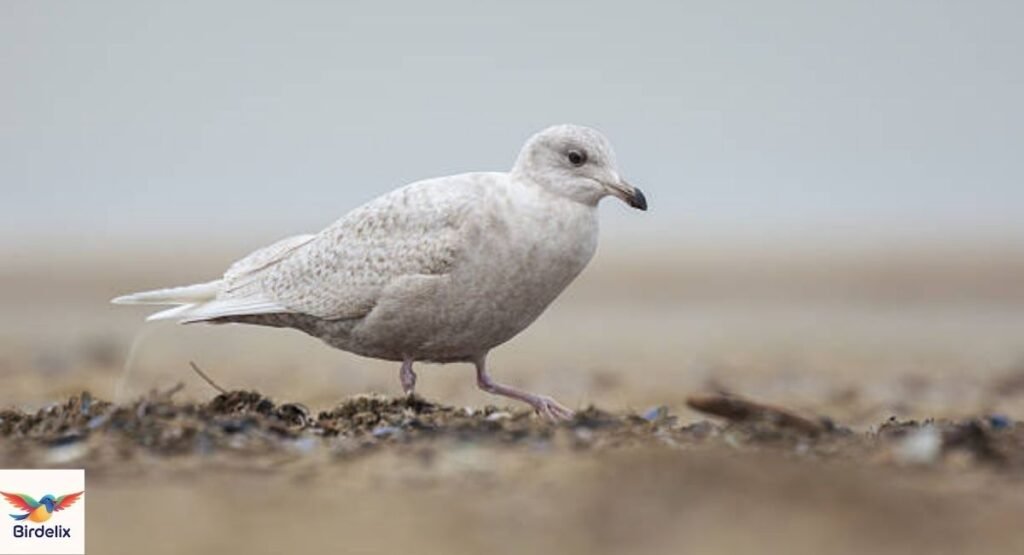
Scientific Name: Larus glaucoides
Family: Laridae
The Icelandic Gull is a pale-colored seabird associated with the North Atlantic and Arctic regions. It commonly occurs around coastlines, harbors, beaches, islands, and areas where marine food is available. Its diet includes fish, marine invertebrates, carrion, and food discarded by humans. Adults generally measure about 20 to 24 inches long with a wingspan of approximately 50 to 55 inches. An interesting fact is that despite its name, the Icelandic Gull isn’t restricted to Iceland and can travel widely across the North Atlantic region.
17. Indian Cuckoo
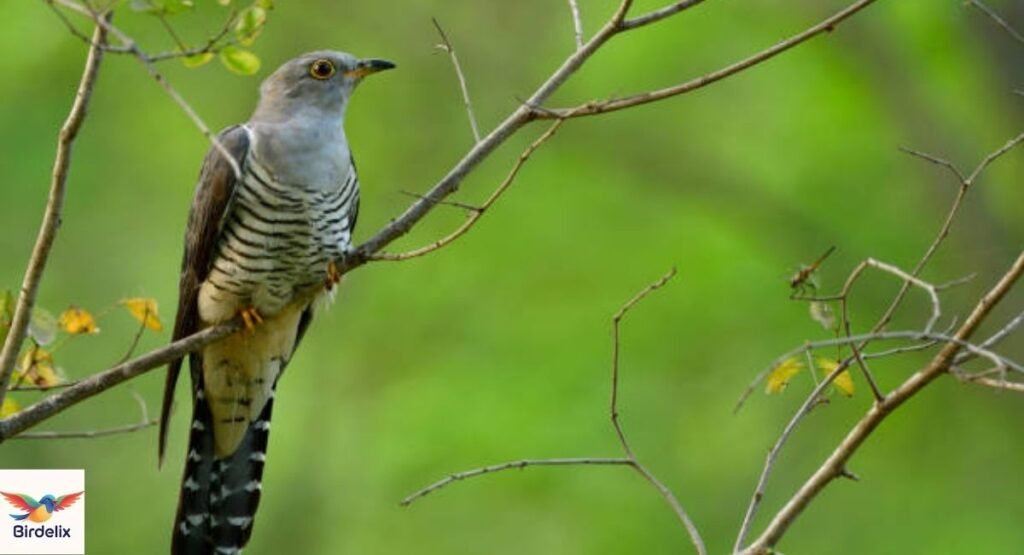
Scientific Name: Cuculus micropterus
Family: Cuculidae
The Indian Cuckoo is a medium-sized woodland bird recognized more easily by its distinctive call than by its appearance. It occurs across parts of South and Southeast Asia, especially in forests, wooded areas, and tree-rich landscapes. Its diet includes insects, caterpillars, fruits, and other small foods. Adults usually measure around 15 to 17 inches long with a wingspan of approximately 18 to 22 inches. A fascinating fact is that its repeated call can carry a considerable distance through forests, helping birdwatchers locate it even when the bird remains hidden.
18. Indian Skimmer
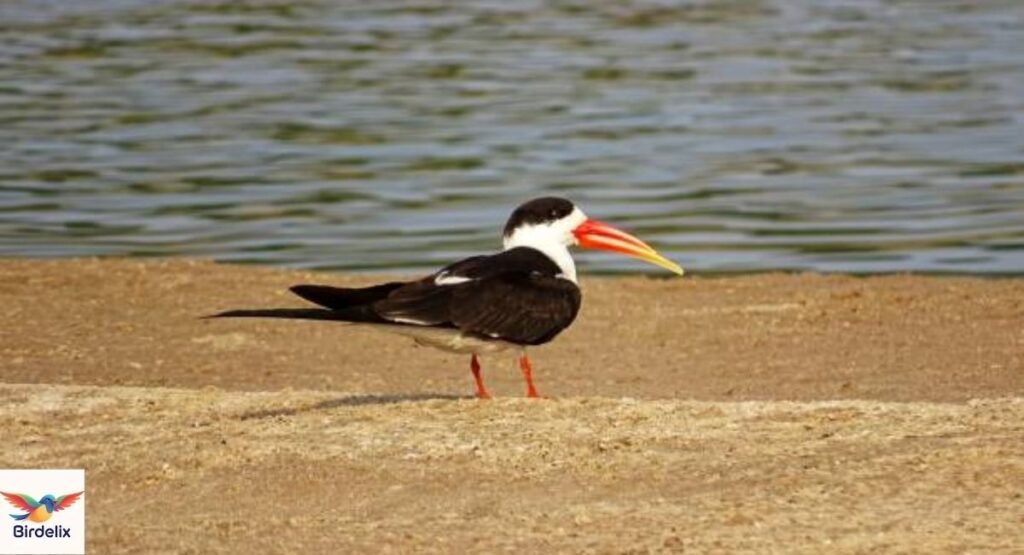
Scientific Name: Rynchops albicollis
Family: Laridae
The Indian Skimmer is an unusual waterbird recognized by its black-and-white body, bright orange-red bill, and highly specialized lower mandible. It lives mainly along large rivers, sandbanks, lakes, and wetlands across parts of the Indian subcontinent. It feeds on small fish, insects, and aquatic prey by flying low over the water with its lower bill cutting through the surface. Adults reach around 16 to 17 inches long with a wingspan near 3 feet. An interesting fact is that its unique bill allows it to catch prey without fully diving into the water.
19. Ivory Gull
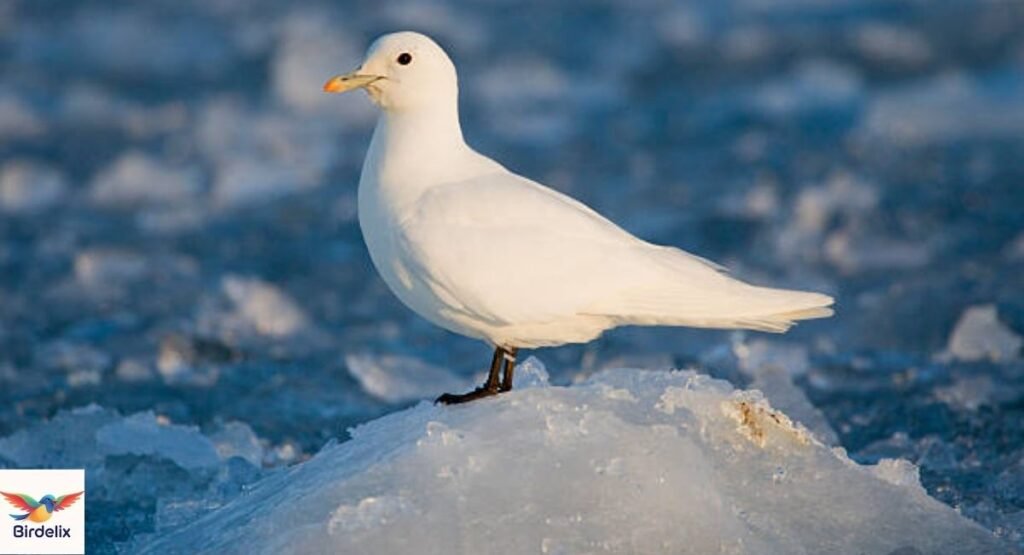
Scientific Name: Pagophila eburnea
Family: Laridae
The Ivory Gull is a beautiful Arctic seabird with almost entirely white adult plumage and a compact body. It lives around Arctic sea ice, rocky coastlines, islands, and northern marine environments where temperatures remain extremely cold. Its diet includes fish, marine invertebrates, carrion, and food associated with sea ice. Adults are usually about 16 to 17 inches long with a wingspan of approximately 42 to 43 inches. A fascinating fact is that its completely white appearance provides excellent camouflage against snowy and icy Arctic surroundings.
20. Indo-Pacific Kingfisher
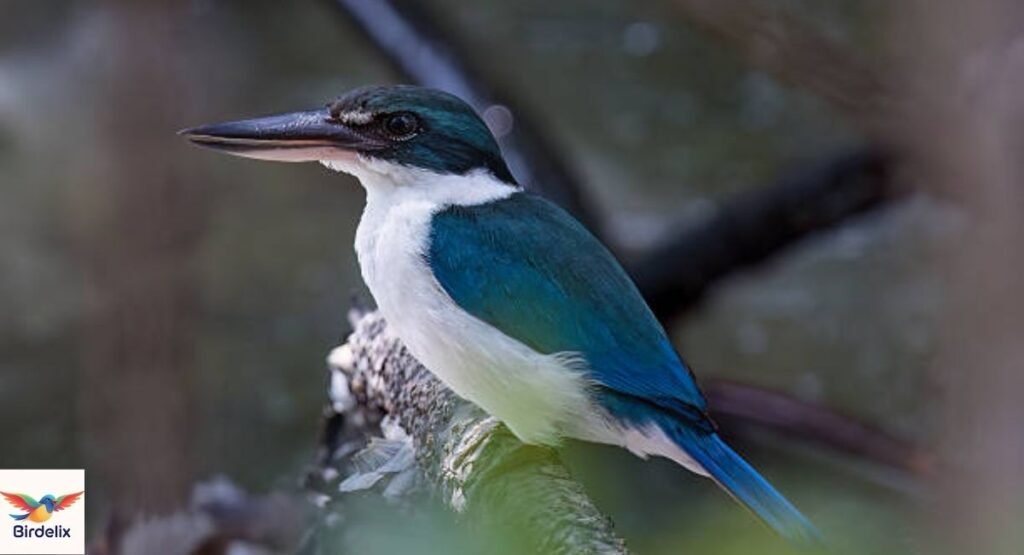
Scientific Name: Todiramphus spp.
Family: Alcedinidae
The Indo-Pacific Kingfisher represents a group of colorful kingfishers found across tropical and subtropical regions around the Indian and Pacific oceans. These birds commonly inhabit forests, wetlands, mangroves, riversides, and coastal areas. Their diet can include fish, insects, crustaceans, frogs, and small reptiles depending on the species. Many have strong bills, colorful plumage, and compact bodies designed for quick hunting. An interesting fact is that a kingfisher may sit motionless on a branch before suddenly diving or swooping toward prey with remarkable accuracy.
Types of Birds That Start With I
I-named birds belong to many groups. You can find songbirds, waterbirds, seabirds, raptors, owls, parrots, woodpeckers, and shorebirds. This diversity means the phrase types of birds covers far more than one simple category.
Their lifestyles differ just as much. Some hunt insects from branches, while others dive for fish or probe mud for prey. Several species also show strong links with islands, forests, rivers, or dry landscapes.
Songbirds That Start With I
Songbirds beginning with I include Icterine Warbler, Indigo Bunting, Indian Robin, and several smaller species. Their songs can carry through woodland or open habitats. For beginners, listening to bird calls can sometimes prove more useful than searching for movement in thick vegetation.
Water Birds That Start With I
Ibis, Indian Skimmer, Intermediate Egret, and other I-named waterbirds use rivers, marshes, lakes, and shallow wetlands. Their body shapes often reflect their feeding style. Long legs help waders walk through water, while specialized bills allow species to capture fish or probe soft mud.
Seabirds That Start With I
Inca Tern, Imperial Shag, Icelandic Gull, and Ivory Gull show how varied seabirds can be. Some plunge into water for fish, while others dive from rocky coasts. These marine birds often depend heavily on productive coastal waters and reliable food supplies.
Birds of Prey That Start With I
The Indian Vulture represents the best-known predatory or scavenging I-named bird. Vultures differ from hawks because they specialize in carrion rather than actively capturing most prey. Their broad wings and soaring ability allow them to travel long distances while searching for food.
Forest Birds That Start With I
Indian Pitta, Indian Cuckoo, Island Thrush, and several other species favor forests or woodland edges. Dense vegetation offers food and shelter. However, it can also make identification difficult. Learning habitat clues can narrow your choices before you even see the bird clearly.
Wading Birds That Start With I
Ibis and Intermediate Egret represent the wading side of I-named birds. Their long legs keep their bodies above shallow water while they search for prey. Their bills work like natural tools, allowing them to probe mud, snap at prey, or strike into shallow pools.
Woodpeckers That Start With I
The Ivory-billed Woodpecker is the most famous example. Indian Pygmy Woodpecker adds another smaller species to the group. Woodpeckers use strong bills and specialized feet to work along tree trunks. Their tree-foraging behavior helps them reach insects hidden beneath bark.
Sparrows and Small Birds That Start With I
Iago Sparrow, Indian Sparrow, Indian Silverbill, and other small birds show how many compact species carry I-names. Their diets often include seeds or insects. Small body size also helps them move through shrubs, grass, gardens, and woodland edges with impressive agility.
Blue Birds That Start With I
Blue is especially noticeable among several I-named birds. The Indigo Bunting is the clearest North American example, while Indian Roller and Indian Peafowl display vivid blue tones. The Imperial Shag adds striking blue eyes to its dark-and-white appearance.
Not every blue-looking feather contains blue pigment. In Indigo Buntings, microscopic feather structure changes how light reflects from the plumage. That optical effect creates the intense blue appearance. It’s a beautiful reminder that bird coloration can involve physics as much as chemistry.
Red Birds That Start With I
Some I-named birds show red through a bill, crest, face, or other body part rather than having completely red feathers. The Inca Tern has a vivid red bill and feet, while the male Ivory-billed Woodpecker historically showed a bright red crest.
When identifying red markings, look at their exact location. A red bill can separate one species from another even when the rest of the body looks fairly similar. Small details often solve bird-identification puzzles.
Black Birds That Start With I
The Indian Robin provides a strong example of a dark I-named bird. Male plumage can look glossy black, while the Imperial Shag combines black feathers with white areas. These contrasts become especially useful when sunlight reveals subtle feather patterns.
Dark birds can still show complex colors. Glossy feathers may reflect blue, green, or purple highlights under strong light. Therefore, don’t judge black plumage from one quick glance. Lighting and viewing angle can change the appearance dramatically.
White Birds That Start With I
The Ivory Gull is one of the strongest examples because adults have predominantly white plumage. Other I-named birds, including the Inca Tern and Imperial Shag, use white markings against darker bodies. These patterns can make species easier to recognize.
For white birds, check the wings, head, tail, and underparts separately. A bird may appear completely white from a distance while showing dark wing tips or facial markings up close. That small distinction can matter during identification.
Pink Birds That Start With I
The search for a pink bird beginning with I is more complicated than searches for blue or white birds. Several I-named species may appear warm, rosy, or pinkish under certain lighting. However, color alone shouldn’t determine the species.
If you see a seemingly pink bird, check its bill, body shape, habitat, and location first. Juvenile plumage, sunlight, camera settings, and feather wear can alter perceived color. A careful identification uses several clues together rather than relying on one shade.
Water Birds That Start With I
Water-associated I-birds include Ibis, Inca Tern, Imperial Shag, Indian Skimmer, Intermediate Egret, Icelandic Gull, and Ivory Gull. They occupy different environments, from freshwater rivers to rocky coasts and Arctic waters. Their feeding methods are equally varied.
An ibis may probe mud while an egret stalks through shallow water. The Indian Skimmer takes a completely different approach by flying close to the surface. These waterbird adaptations show how different species can solve the same food problem in very different ways.
4-Letter Birds That Start With I
The search for 4 letter birds beginning with I has a catch. Commonly recognized English bird names with exactly four letters are extremely limited, and many popular I-names are much longer. It’s better to give an honest answer than invent a questionable bird name.
For word games, quizzes, or classroom activities, always check the exact spelling used by the source or bird dictionary. Scientific names don’t count as ordinary English bird names. This distinction keeps a bird-name list accurate and useful.
Rare and Unusual Birds That Start With I
Some I-named species are memorable because they’re difficult to find, restricted to islands, or surrounded by conservation concerns. The supplied reference list includes several unusual examples, including Inaccessible Island Rail, Invisible Rail, Izu Leaf Warbler, and Izu Thrush.
These species also show why geographic isolation matters. Islands can produce unique bird populations, yet limited ranges can increase vulnerability. A storm, introduced predator, habitat change, or disease may affect a large share of a small population.
Inaccessible Island Rail
The Inaccessible Island Rail is associated with a highly restricted island environment. Its name alone hints at the challenge of studying it. Restricted-range island birds often attract conservation attention because their survival depends on a relatively small geographic area.
Invisible Rail
The Invisible Rail is an elusive rail from Indonesia. Rails often live among dense vegetation where their bodies disappear into shadows and grass. Their secretive habits make them difficult to observe, even for experienced birdwatchers. Sometimes the habitat reveals more than the bird itself.
Ivory-billed Woodpecker
The Ivory-billed Woodpecker remains one of North America’s most famous lost birds. The U.S. Fish and Wildlife Service describes it as presumed extinct in its five-year review, while its species page records no commonly agreed sighting after 1944.
Ivory-headed Coucal
The Ivory-headed Coucal is a tropical bird associated with New Guinea. Coucals are members of the cuckoo order but often behave very differently from the familiar brood-parasitic cuckoos. Their strong legs and dense-vegetation lifestyle make them fascinating examples of tropical bird diversity.
Ivory-shouldered Parakeet
The Ivory-shouldered Parakeet represents the colorful parrot side of I-named birds. Parakeets generally have strong curved bills and agile feet. Their forest lifestyle can involve fruit, seeds, flowers, and other plant foods, although exact diets differ among species.
Izu Leaf Warbler
The Izu Leaf Warbler is associated with Japan’s island environment. Leaf warblers are small, active birds that move through vegetation while searching for insects. Their size and constant movement can make small bird identification challenging without a good look or a clear call.
Izu Thrush
The Izu Thrush is another island-associated bird from Japan. Thrushes often forage on or near the ground while using forests for cover and nesting. Its restricted distribution makes it especially interesting for anyone studying island biodiversity and geographically limited bird populations.
Birds That Start With I by Habitat
Habitat provides one of the fastest ways to narrow an identification. A bird seen beside a river probably belongs to a different group than one found high in a mountain forest. This simple idea makes habitat identification extremely useful for beginners.
I-named birds occupy surprisingly varied environments. Their habitats include forests, grasslands, wetlands, coastlines, cities, islands, deserts, and open plains. Knowing where a species lives can often eliminate several wrong choices before you study its plumage.
Forest Birds
Indian Pitta, Indian Cuckoo, Island Thrush, and several warblers depend on trees or dense vegetation. Forests provide insects, fruit, nesting sites, and protection. Look for movement among branches, trunks, vines, and leaf litter when searching for these forest birds.
Grassland Birds
Open-country I-named birds include species that use fields, scrub, dry plains, and lightly wooded landscapes. Indian Roller is a good example. These habitats allow birds to spot insects and other prey more easily while offering fewer obstacles during flight.
Wetland and Freshwater Birds
Ibis, Indian Skimmer, Indian Pond Heron, and Intermediate Egret are linked with wetlands or freshwater habitats. Marshes, rivers, ponds, and mudflats offer abundant prey. Watch the waterline carefully because many wetland birds feed quietly and remain still between movements.
Coastal Birds
Inca Tern, Imperial Shag, Icelandic Gull, and Ivory Gull show the variety of coastal I-birds. Some depend on rocky cliffs, while others use beaches, sea ice, or offshore waters. Coastal birding can be rewarding because different habitats attract different feeding specialists.
Island Birds
Island Thrush, Iago Sparrow, Izu Leaf Warbler, and Izu Thrush highlight the special world of island species. Geographic isolation can produce unusual traits and local populations. However, limited range also means habitat problems can have an outsized effect on island ecosystems.
Urban Birds
Some I-named birds can use gardens, parks, farms, or settlements. Indian Robin and sparrow-related species show how adaptable birds can survive around people. In urban areas, food sources, nesting spaces, vegetation, and disturbance all influence where birds choose to live.
Birds That Start With I by Geographic Region
Geography adds another useful layer to bird identification. A species may look possible in a photograph, yet its known range can make the identification unlikely. For beginners, combining appearance with geographic range is often far more reliable.
The I-named birds in this guide stretch across several continents. North America has Indigo Bunting and the historical Ivory-billed Woodpecker. Asia contains many Indian-named birds. South America hosts species such as Inca Tern and Imperial Shag.
North American Birds
The Indigo Bunting is one of the best-known I-named birds in North America. The Ivory-billed Woodpecker historically occupied the southeastern United States. Their stories differ sharply, with one remaining a familiar birding species and the other representing a major conservation mystery.
South American Birds
South America features several striking I-named birds. Inca Tern lives along Pacific coasts, while Imperial Shag occurs around southern coastal waters. This region’s dramatic coastline supports a rich mix of seabirds and other marine specialists.
Asian Birds
Asia contains a large share of I-named birds, especially those carrying the word “Indian.” Indian Roller, Indian Pitta, Indian Peafowl, Indian Vulture, and Indian Skimmer all belong to this broad regional group. Their habitats range from forests and wetlands to open landscapes.
African Birds
Several I-named birds occur in Africa or have African populations. Ibis species are particularly widespread across the continent. Wetlands, grasslands, savannas, and river systems provide feeding opportunities for many African birds with I-based names.
European Birds
The Icterine Warbler is an important European example. Icelandic Gull also connects the letter I with northern Atlantic birdlife. European species often shift habitats seasonally, so migration and time of year can matter when identifying them.
Island Birds
Island species deserve special attention because isolation shapes their lives. Island Thrush, Iago Sparrow, Izu Thrush, and Izu Leaf Warbler show how birds can develop distinct local populations. Their stories also highlight why protecting small habitats can have major conservation value.
Birds That Start With I: Colors, Appearance & Identification
Identifying an unfamiliar I-named bird becomes easier when you break the bird into parts. Study its plumage color, bill shape, tail, body size, eye color, crest, and distinctive markings. Then consider the habitat and geographic range.
For example, a bright blue bird in North America might suggest an Indigo Bunting, while a vivid blue bird in South Asia could point toward an Indian Roller. Color starts the investigation. Location, shape, behavior, and sound finish it.
Birds That Start With I: Diet & Behavior
Bird behavior often tells a deeper story than appearance. Some I-named species eat insects, others consume seeds, while aquatic birds may specialize in fish. Vultures take a different path by consuming carrion. These feeding differences reflect each bird’s ecological niche.
Watching behavior can also improve identification. A bird that repeatedly dives differs from one that probes mud. A bird that flicks its tail differs from one that clings to bark. In other words, feeding behavior can become a living field guide.
Insect-Eating Birds
Icterine Warbler and many small woodland birds search leaves, branches, bark, and flowers for insects. Caterpillars, beetles, flies, and other invertebrates provide valuable protein. During breeding season, insect-rich diets can become especially important because growing chicks need nutrient-dense food.
Fish-Eating Birds
Inca Tern, Imperial Shag, Indian Skimmer, and kingfishers show several ways birds capture fish. Some dive, some plunge, and others skim. Their bills, wings, eyesight, and body shapes work together as specialized tools for aquatic hunting.
Seed-Eating Birds
Sparrows, finches, buntings, and some other small birds consume seeds as important food sources. Their bills often suit cracking or handling small food items. During colder months, seeds can become especially valuable when insects become harder to find.
Scavenging Birds
Indian Vulture demonstrates why scavenging matters. Vultures remove animal remains and return nutrients to ecosystems. Their soaring lifestyle also saves energy because they can travel long distances using rising air. Healthy scavenger populations provide an important ecological service.
Diving and Foraging Birds
Aquatic I-birds use different techniques to locate prey. Imperial Shag dives underwater, while Indian Skimmer flies close to the surface. These contrasting methods show how natural selection can produce different solutions to the same basic challenge: finding food.
Birds Known for Unique Calls
Icterine Warbler, Indian Pitta, and Indian Cuckoo all show how vocal behavior can aid identification. A clear call can reveal a hidden bird before you ever see it. For beginners, learning one common song at a time can make birdwatching skills improve quickly.
Endangered and Threatened Birds That Start With I
Conservation adds an important human dimension to this list. The Indian Vulture experienced severe population declines, while the Ivory-billed Woodpecker has long been treated as presumed extinct by U.S. wildlife authorities. These examples show how habitat change and human activity can reshape bird populations.
The U.S. Fish and Wildlife Service describes the Ivory-billed Woodpecker’s major historical threats as mature forest loss and collection. Its species page notes that the last commonly agreed sighting occurred in April 1944.
Interesting Facts About Birds That Start With I
I-named birds offer plenty of surprises. Indigo Buntings create their blue appearance through feather structure rather than blue pigment. Indian Peafowl males carry spectacular trains. Indian Skimmers have unusually shaped bills. Meanwhile, the Ivory-billed Woodpecker remains one of North America’s most famous presumed-extinct birds.
Another fascinating theme is adaptation. Birds can solve similar problems in very different ways. Some skim water, some dive, some probe mud, and others soar over landscapes. That variety makes avian behavior one of the best reasons to explore bird names alphabetically.
Conclusion
Exploring birds that start with I reveals far more than a simple alphabetical list. These birds range from tiny songbirds and colorful forest species to powerful scavengers, unusual waterbirds, and rare island specialists.
Their stories also show why bird identification involves more than color. Habitat, geography, body shape, feeding style, calls, and behavior all matter. Whether you’re building a school project, solving a bird-name puzzle, or enjoying backyard birding, these I-named species offer plenty of fascinating discoveries.
FAQs
1. What is a bird that starts with I?
Ibis, Indigo Bunting, Indian Roller, Inca Tern, and Indian Peafowl are well-known examples. Each has a very different appearance, habitat, and lifestyle.
2. What are the most common birds that start with I?
Ibis, Indigo Bunting, Indian Roller, Indian Peafowl, and Indian Pitta are among the more recognizable names. Their popularity comes from distinctive colors, shapes, behavior, or cultural importance.
3. Are there any blue birds that start with I?
Yes. Indigo Bunting is a standout blue bird in North America. Indian Roller and Indian Peafowl also display vivid blue tones, while Imperial Shag has striking blue eyes.
4. Is there a 4-letter bird that starts with I?
Four-letter English bird names beginning with I are uncommon. It’s better to use verified common names than invent shortened forms simply to satisfy a word-game search.
5. What water birds start with I?
Ibis, Inca Tern, Imperial Shag, Indian Skimmer, Intermediate Egret, Icelandic Gull, and Ivory Gull are useful examples. They occupy freshwater, wetland, coastal, or Arctic environments.

Welcome to Birdelix! I’m Anam Sattar, an AI-powered SEO Specialist and Content Writer with over 5 years of experience in creating high-quality, search-optimized content. I help businesses improve their search engine rankings, increase organic traffic, and build beautiful, user-friendly websites. My mission is to make SEO, content creation, and web design simple, effective, and accessible for everyone. Let’s grow your online presence and achieve success together!