

Looking for Birds That Start With J? You’ll find a fascinating mix of colorful, rare, tiny, and powerful species here. From the enormous Jabiru to the bright Jandaya Parakeet, these birds show remarkable differences in size, habitat, behavior, and diet. Some live in tropical forests, while others thrive around wetlands, mountains, grasslands, or coastal areas. You’ll also discover unusual bird names starting with J, including species from Japan, Java, Jamaica, and Africa.
This guide explores their bird types, natural ranges, physical features, feeding habits, and interesting facts. Whether you’re a birdwatcher, student, or curious nature lover, this collection makes discovering J birds simple, enjoyable, and informative from the very first name to the last
What Birds Start With J?
J birds include species such as Jabiru, Jack Snipe, Jackal Buzzard, Japanese Quail, Java Sparrow, Javan Hawk-Eagle, and Juniper Titmouse. Many birds beginning with J have names linked to places, people, habitats, or distinctive features. The list also contains several highly specialized island and tropical species.
For USA readers, the Juniper Titmouse is especially useful to know. Cornell describes it as a nonmigratory gray songbird of pinyon-juniper woodlands in the interior West. It feeds on seeds, insects, plant material, and spiders.
50 Birds That Start With J (Complete List)
The following table gives you a quick tour of 50 birds starting with the letter J. Scientific names help separate species that have similar common names. Habitat and range also reveal how widely these fascinating birds are scattered across the globe.
| No. | Bird Name | Scientific Name | Bird Type | Main Habitat | Geographic Range |
| 1 | Jabiru | Jabiru mycteria | Stork | Wetlands | Central and South America |
| 2 | Jack Snipe | Lymnocryptes minimus | Wader | Marshes | Eurasia and Africa |
| 3 | Jackal Buzzard | Buteo rufofuscus | Raptor | Mountains | Southern Africa |
| 4 | Jackson’s Hornbill | Tockus jacksoni | Hornbill | Woodland | East Africa |
| 5 | Jackson’s Spurfowl | Pternistis jacksoni | Gamebird | Montane woodland | East Africa |
| 6 | Jacky Winter | Microeca fascinans | Robin | Open woodland | Australia |
| 7 | Jacobin Cuckoo | Clamator jacobinus | Cuckoo | Woodland | Africa and Asia |
| 8 | Jamaican Crow | Corvus jamaicensis | Crow | Forests | Jamaica |
| 9 | Jamaican Owl | Asio grammicus | Owl | Forests | Jamaica |
| 10 | Jamaican Petrel | Pterodroma caribbaea | Seabird | Forests and ocean | Jamaica |
| 11 | Jamaican Tody | Todus todus | Tody | Forests | Jamaica |
| 12 | Jamaican Woodpecker | Melanerpes radiolatus | Woodpecker | Forests | Jamaica |
| 13 | Jambu Fruit Dove | Ptilinopus jambu | Dove | Tropical forest | Southeast Asia |
| 14 | Jameson’s Firefinch | Lagonosticta rhodopareia | Finch | Savanna | Africa |
| 15 | Jameson’s Snipe | Gallinago jamesoni | Wader | Wetlands | South America |
| 16 | James’s Flamingo | Phoenicoparrus jamesi | Flamingo | High-altitude lakes | Andes |
| 17 | Jandaya Parakeet | Aratinga jandaya | Parrot | Woodland | Brazil |
| 18 | Japanese Accentor | Prunella rubida | Accentor | Mountains | Japan |
| 19 | Japanese Bush Warbler | Horornis diphone | Warbler | Shrubland | East Asia |
| 20 | Japanese Cormorant | Phalacrocorax capillatus | Cormorant | Coasts | East Asia |
| 21 | Japanese Green Woodpecker | Picus awokera | Woodpecker | Forests | Japan |
| 22 | Japanese Grosbeak | Eophona personata | Finch | Forests | East Asia |
| 23 | Japanese Murrelet | Synthliboramphus wumizusume | Seabird | Coastal waters | Japan |
| 24 | Japanese Night Heron | Gorsachius goisagi | Heron | Forest wetlands | Japan |
| 25 | Japanese Paradise Flycatcher | Terpsiphone atrocaudata | Flycatcher | Forests | East Asia |
| 26 | Japanese Pygmy Woodpecker | Yungipicus kizuki | Woodpecker | Woodlands | East Asia |
| 27 | Japanese Quail | Coturnix japonica | Quail | Grasslands | East Asia |
| 28 | Japanese Scops Owl | Otus semitorques | Owl | Forests | Japan |
| 29 | Japanese Sparrowhawk | Accipiter gularis | Raptor | Forests | East Asia |
| 30 | Japanese Thrush | Turdus cardis | Thrush | Forests | East Asia |
| 31 | Japanese Tit | Parus minor | Songbird | Woodlands | East Asia |
| 32 | Japanese Wagtail | Motacilla grandis | Wagtail | Rivers and fields | Japan |
| 33 | Japanese Waxwing | Bombycilla japonica | Waxwing | Woodlands | East Asia |
| 34 | Java Sparrow | Lonchura oryzivora | Finch | Grasslands | Indonesia |
| 35 | Javan Blue Flycatcher | Cyornis banyumas | Flycatcher | Forests | Java |
| 36 | Javan Cuckooshrike | Coracina javensis | Cuckooshrike | Forests | Java |
| 37 | Javan Flameback | Chrysocolaptes strictus | Woodpecker | Forests | Java |
| 38 | Javan Frogmouth | Batrachostomus javensis | Frogmouth | Tropical forest | Java |
| 39 | Javan Green Magpie | Cissa thalassina | Magpie | Mountain forest | Java |
| 40 | Javan Hawk-Eagle | Nisaetus bartelsi | Eagle | Forests | Java |
| 41 | Javan Kingfisher | Halcyon cyanoventris | Kingfisher | Forests and wetlands | Indonesia |
| 42 | Javan Lapwing | Vanellus macropterus | Wader | Wetlands | Java |
| 43 | Javan Myna | Acridotheres javanicus | Myna | Open habitats | Indonesia |
| 44 | Javan Pond Heron | Ardeola speciosa | Heron | Wetlands | Southeast Asia |
| 45 | Javan Sunbird | Cinnyris solaris | Sunbird | Forests | Indonesia |
| 46 | Javan Trogon | Apalharpactes reinwardtii | Trogon | Mountain forest | Java |
| 47 | Jerdon’s Babbler | Chrysomma altirostre | Babbler | Grassland | South Asia |
| 48 | Jerdon’s Baza | Aviceda jerdoni | Raptor | Forests | South and Southeast Asia |
| 49 | Jerdon’s Courser | Rhinoptilus bitorquatus | Courser | Scrubland | India |
| 50 | Juniper Titmouse | Baeolophus ridgwayi | Titmouse | Open woodland | Western United States |
50 Popular Birds That Start With J (Detailed Guide)
1. Jabiru
Scientific Name: Jabiru mycteria
Family: Ciconiidae
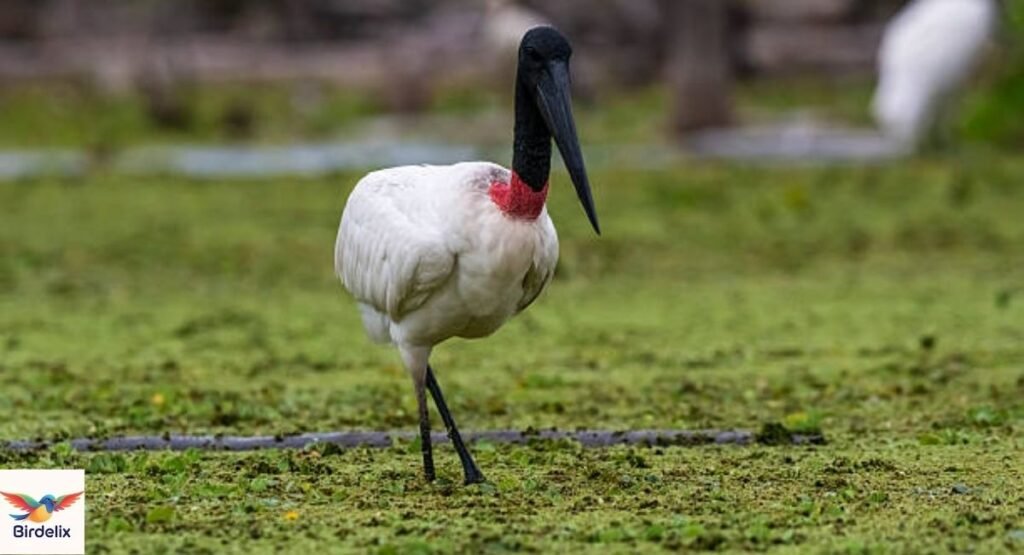
The Jabiru is one of the most impressive Birds That Start With J because of its huge body, long legs, and striking black head. It usually lives near wetlands, rivers, marshes, ponds, and flooded grasslands across Central and South America. This giant stork feeds on fish, frogs, insects, reptiles, and other small animals. Adults can stand more than 4 feet tall and have a very broad wingspan. An interesting fact is that the Jabiru often searches for prey by slowly walking through shallow water with its powerful bill ready to strike.
2. Jack Snipe
Scientific Name: Lymnocryptes minimus
Family: Scolopacidae
The Jack Snipe is a small and secretive bird that starts with J, famous for its excellent camouflage and quiet nature. It prefers marshes, bogs, wet meadows, and muddy ground where it can search for food. Its diet includes worms, insects, larvae, and other tiny invertebrates found beneath soft soil. The bird has a compact body with beautifully streaked brown feathers that blend into vegetation. An interesting fact is that the Jack Snipe often stays still when threatened, making it surprisingly difficult to notice in its natural habitat.
3. Jackal Buzzard
Scientific Name: Buteo rufofuscus
Family: Accipitridae
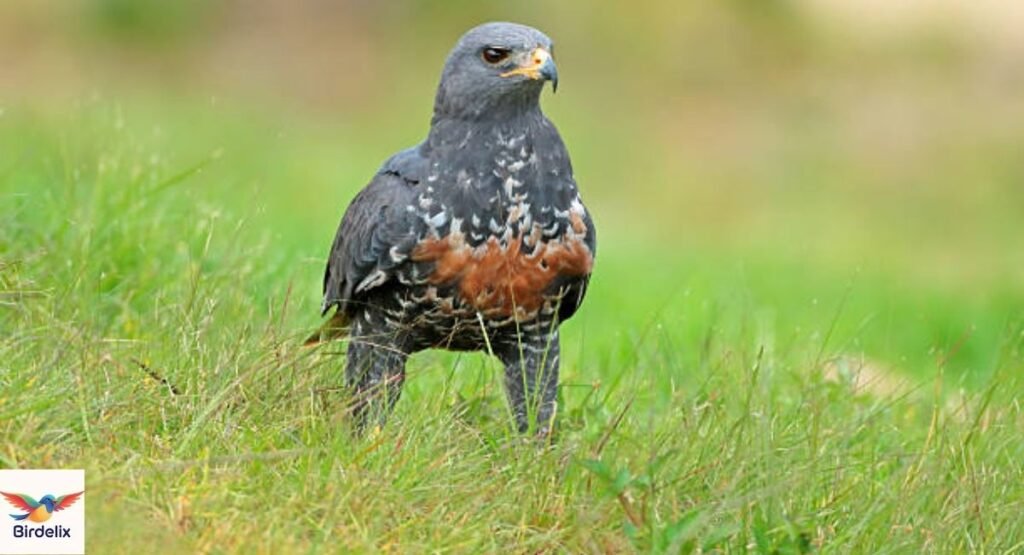
The Jackal Buzzard is a powerful bird of prey that starts with J, recognized by its dark plumage, reddish-brown underside, and bold body pattern. It commonly inhabits mountains, rocky slopes, cliffs, and open highland areas in southern Africa. This raptor hunts small mammals, birds, reptiles, and other suitable prey from elevated perches. Its broad wings also allow it to soar effortlessly above rugged landscapes while searching for food. An interesting fact is that its strong contrast of black, white, and reddish colors makes this buzzard easier to identify than many similar African raptors.
4. Jackson’s Hornbill
Scientific Name: Tockus jacksoni
Family: Bucerotidae
Jackson’s Hornbill is a distinctive bird starting with J known for its long curved bill, patterned feathers, and lively movements. It inhabits dry woodland, scrub, savanna, and bushy landscapes in parts of East Africa. This hornbill eats insects, fruits, seeds, and small animals while moving through trees and low vegetation. Its large bill helps it grab food that might be difficult for smaller birds to reach. An interesting fact is that hornbills often combine strong bills with agile movements, giving them an unusual feeding style among woodland birds.
5. Jackson’s Spurfowl
Scientific Name: Pternistis jacksoni
Family: Phasianidae
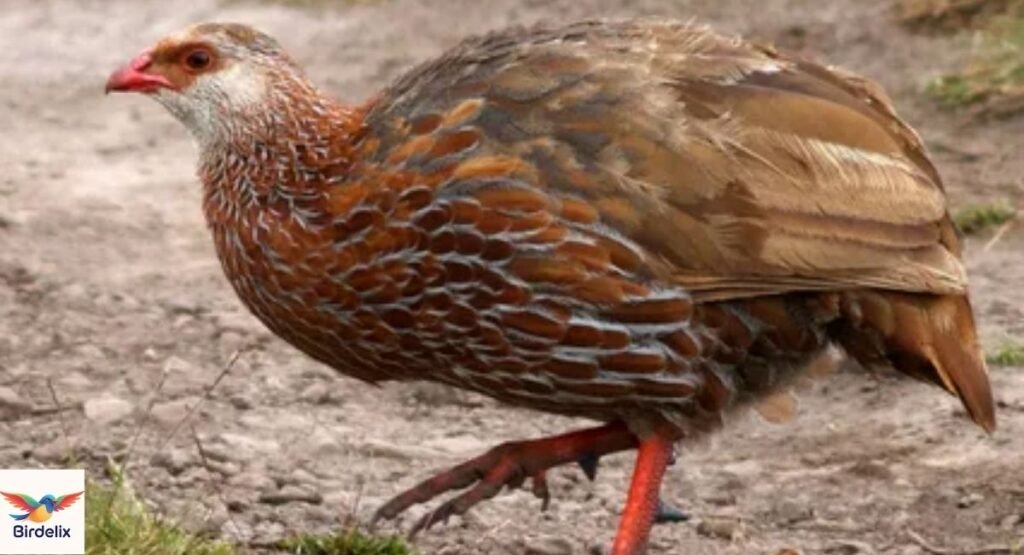
Jackson’s Spurfowl is a ground-dwelling J bird with a sturdy body, strong legs, and attractively patterned plumage. It prefers montane forests, bamboo areas, thick shrubs, and highland vegetation where dense cover provides protection. The bird feeds on seeds, shoots, berries, insects, and other small food items found near the ground. Unlike many tree-dwelling species, it spends much of its time walking through vegetation rather than flying between branches. An interesting fact is that its powerful legs help it move quickly through steep and tangled mountain habitats.
6. Jacky Winter
Scientific Name: Microeca fascinans
Family: Petroicidae
The Jacky Winter is a small Australian bird name that starts with J, admired for its soft gray-brown plumage and upright posture. It commonly lives in open woodland, dry forest, scrub, farmland, and lightly wooded areas. This insect-eating bird usually watches from a branch before quickly flying down to catch prey on or near the ground. Its diet includes beetles, flies, moths, and other insects. An interesting fact is that the Jacky Winter often returns to a familiar perch after catching food, giving patient observers repeated chances to spot it.
7. Jacobin Cuckoo
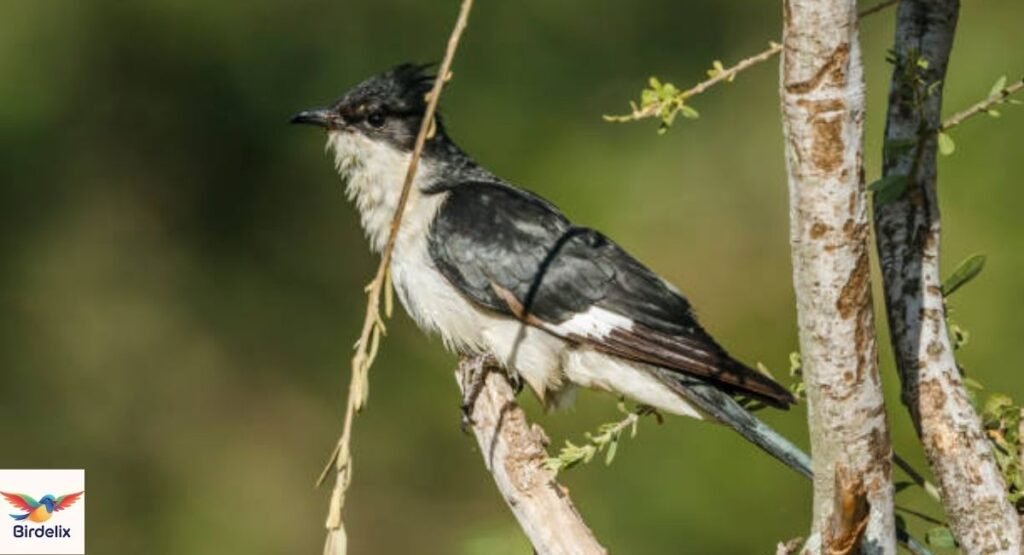
Scientific Name: Clamator jacobinus
Family: Cuculidae
The Jacobin Cuckoo is a striking bird that starts with J with contrasting black-and-white plumage and a slender body. It occurs across parts of Africa and Asia, where it uses woodland, open forests, savannas, and scrubby landscapes. The bird mainly eats insects, caterpillars, and other small creatures while moving through vegetation. Its pointed wings also help it travel efficiently across large areas. An interesting fact is that this cuckoo has a strong connection with seasonal weather patterns, and its arrival in some regions coincides with the beginning of rainy periods.
8. Jamaican Crow
Scientific Name: Corvus jamaicensis
Family: Corvidae
The Jamaican Crow is an intelligent island bird starting with J known for its dark plumage, sturdy bill, and adaptable behavior. It lives in forests, wooded hills, farmland, and areas where natural vegetation mixes with human activity across Jamaica. Its varied diet can include fruits, insects, seeds, small animals, and food scraps. Like other crows, it uses strong problem-solving skills while searching for food. An interesting fact is that this species can exploit many different food sources, which helps it survive across a range of Jamaican habitats.
9. Jamaican Owl
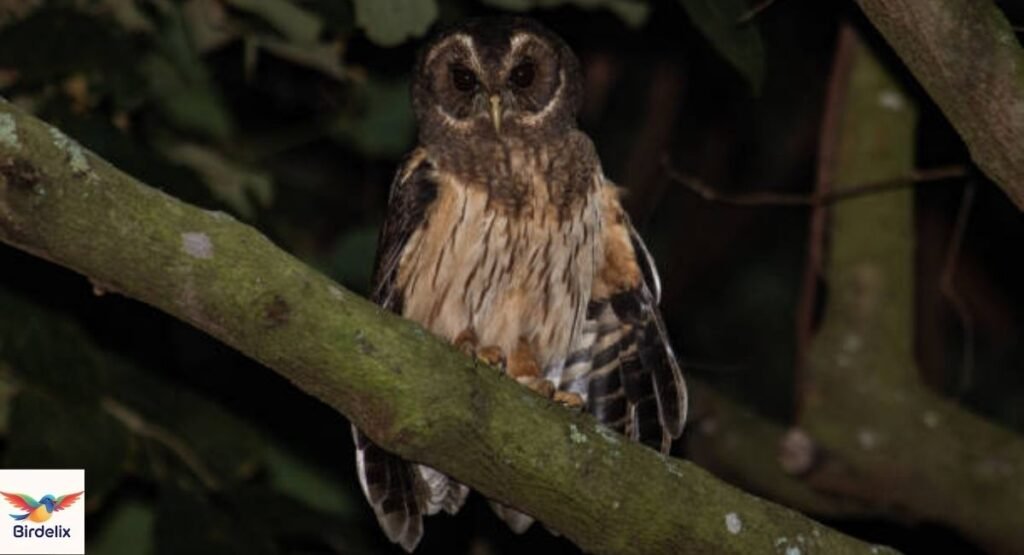
Scientific Name: Asio grammicus
Family: Strigidae
The Jamaican Owl is a mysterious owl that starts with J, associated with wooded areas and the island environment of Jamaica. Its muted brown plumage provides useful camouflage among branches and foliage, while its large eyes help it hunt after sunset. It feeds on insects, small mammals, reptiles, and other suitable prey. The owl spends much of its active period moving quietly through the darkness. An interesting fact is that nocturnal island birds can be difficult to study because their secretive behavior keeps them hidden for much of the day.
10. Jamaican Petrel
Scientific Name: Pterodroma caribbaea
Family: Procellariidae
The Jamaican Petrel is one of the most intriguing birds that start with the letter J because of its extremely elusive history. This seabird was associated with Jamaica and likely depended on remote forested mountain areas for nesting while spending much of its life over the ocean. Petrels generally feed on small marine creatures such as squid, fish, and crustaceans. Their long wings are adapted for efficient flight above open water. An interesting fact is that the Jamaican Petrel has become famous among bird enthusiasts because confirmed sightings are extraordinarily scarce.
11. Jamaican Tody
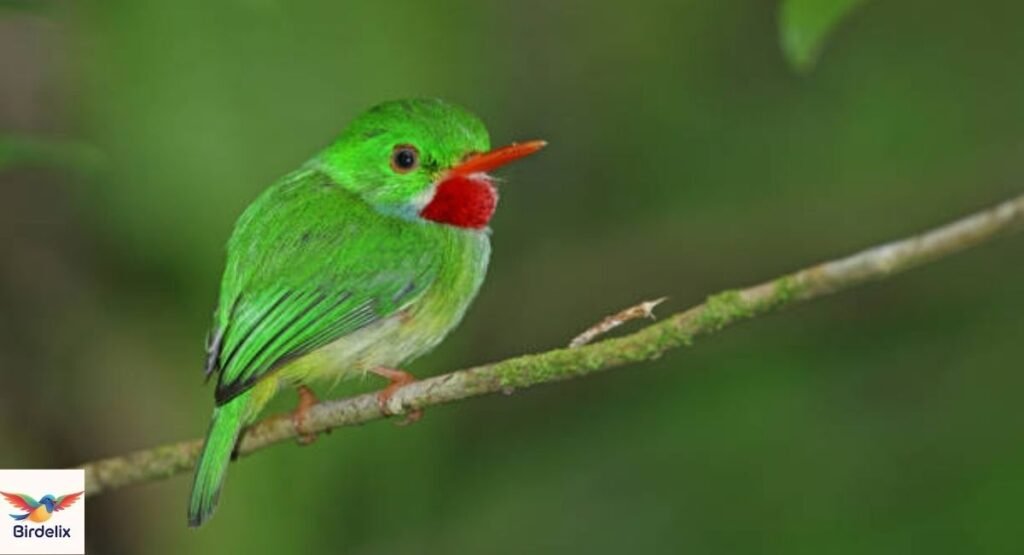
Scientific Name: Todus todus
Family: Todidae
The Jamaican Tody is a tiny and colorful bird that starts with J, easily recognized by its green body, small size, and bright throat area. It lives in forests, woodland edges, gardens, and other leafy habitats throughout Jamaica. This energetic bird feeds mainly on insects and other tiny invertebrates, often making quick movements between branches. Its short bill works well for capturing small prey. An interesting fact is that the Jamaican Tody can look almost jewel-like when sunlight catches its bright green feathers.
12. Jamaican Woodpecker
Scientific Name: Melanerpes radiolatus
Family: Picidae
The Jamaican Woodpecker is a lively woodpecker that starts with J, recognized by its patterned plumage, strong bill, and ability to climb tree trunks. It commonly occupies forests, gardens, plantations, and wooded areas across Jamaica. The bird searches bark and branches for insects while also eating fruit, seeds, and other plant material. Its stiff tail feathers help support its body against vertical surfaces. An interesting fact is that its repeated tapping isn’t simply noise; it helps the bird locate food hidden beneath bark.
13. Jambu Fruit Dove
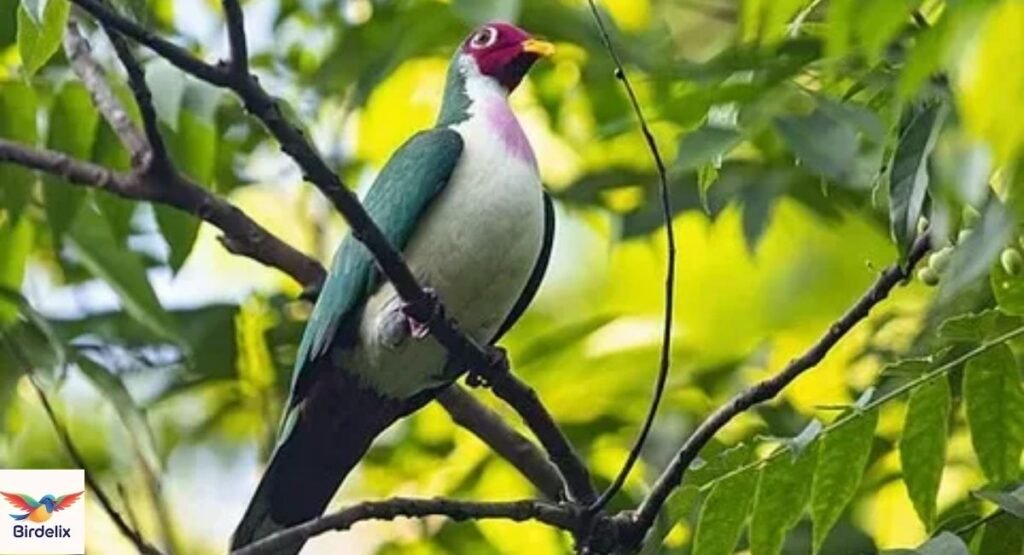
Scientific Name: Ptilinopus jambu
Family: Columbidae
The Jambu Fruit Dove is a beautiful bird name beginning with J, especially known for its green body and colorful facial markings. It inhabits tropical forests, forest edges, plantations, and other areas with fruit-bearing trees across Southeast Asia. Unlike birds that rely heavily on insects, this dove mainly eats fruits and soft plant material. Its short digestive system allows it to process fruit efficiently while spreading seeds through the forest. An interesting fact is that fruit-eating doves can quietly contribute to forest regeneration by carrying seeds away from the trees where they feed.
14. Jameson’s Firefinch
Scientific Name: Lagonosticta rhodopareia
Family: Estrildidae
Jameson’s Firefinch is a small African bird starting with J, admired for its warm reddish coloration and delicate appearance. It occurs in savannas, grasslands, woodland edges, and areas with suitable vegetation. Seeds form an important part of its diet while insects can provide additional nutrition. It often moves in pairs or small groups while searching the ground and low plants for food. An interesting fact is that its compact body and short bill are well suited to picking up tiny seeds with impressive precision.
15. Jameson’s Snipe
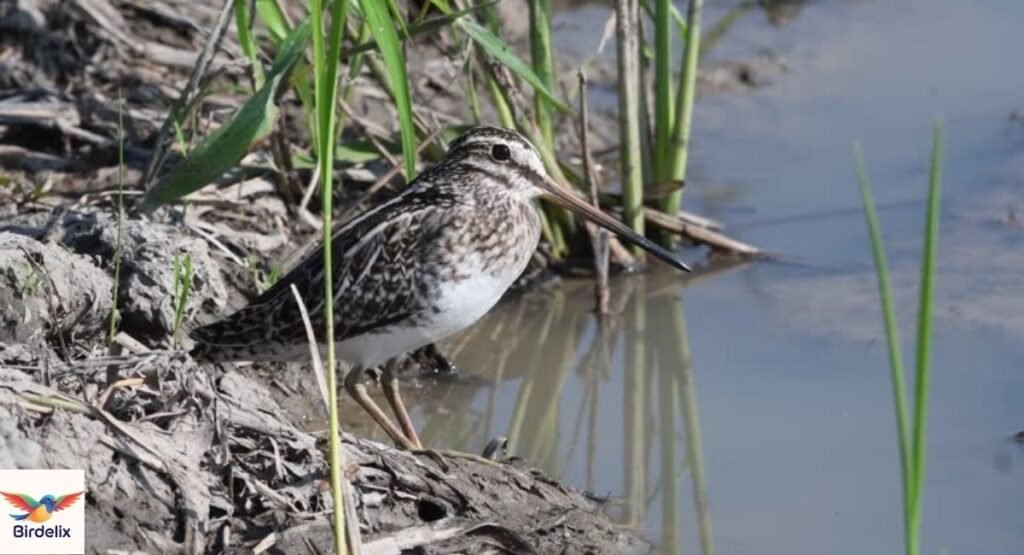
Scientific Name: Gallinago jamesoni
Family: Scolopacidae
Jameson’s Snipe is a secretive wading bird that starts with J, known for its brown, streaked plumage and long bill. It inhabits wet grasslands, marshy areas, and highland wetlands in parts of South America. The bird uses its sensitive bill to probe soft soil for worms, insects, and other small invertebrates. Its earthy colors provide excellent protection among grasses and muddy ground. An interesting fact is that this snipe can spend much of its time hidden in vegetation, so hearing movement may be easier than seeing the bird itself.
16. James’s Flamingo
Scientific Name: Phoenicoparrus jamesi
Family: Phoenicopteridae
James’s Flamingo is a striking bird that starts with J with pale pink plumage, a distinctive bill, and long legs. It lives mainly around high-altitude lakes and salt flats in the Andes, where the environment can be cold, dry, and harsh. The bird feeds by filtering tiny algae and other microscopic organisms from shallow water. Large groups may gather where food conditions are favorable. An interesting fact is that James’s Flamingo can live at elevations where thin air and freezing temperatures create challenging conditions for many other birds.
17. Jandaya Parakeet
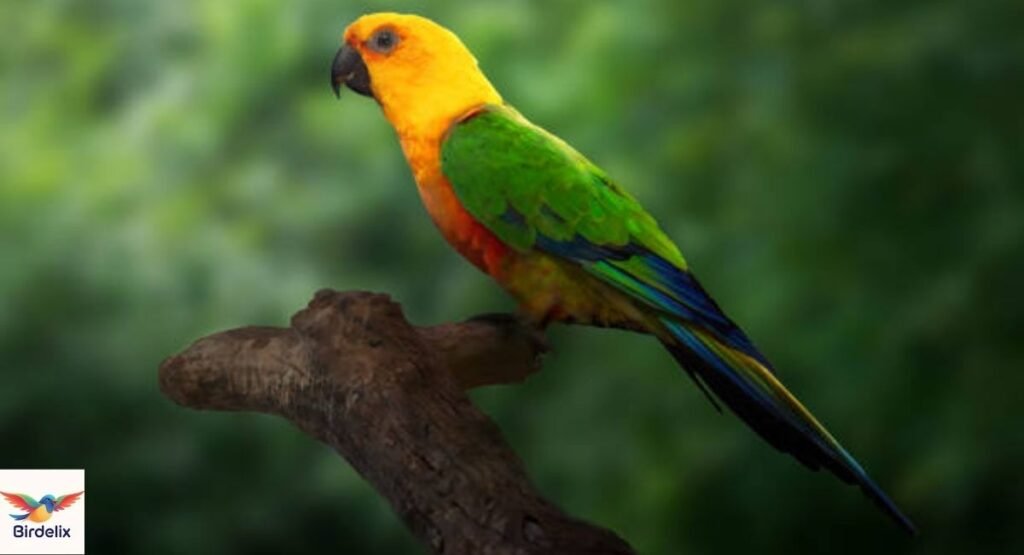
Scientific Name: Aratinga jandaya
Family: Psittacidae
The Jandaya Parakeet is one of the most colorful birds that start with J, featuring bright green, orange, yellow, and red tones. It naturally occurs in Brazil, where it uses woodland, savanna, forest edges, and open landscapes. This active parakeet feeds on fruits, seeds, flowers, berries, and other plant material. It usually remains social and vocal, especially when traveling with other birds. An interesting fact is that its vivid plumage can make a flying flock look like flashes of tropical color moving through the trees.
18. Japanese Accentor
Scientific Name: Prunella rubida
Family: Prunellidae
The Japanese Accentor is a small bird that starts with J adapted to cool mountain environments. It occurs mainly in Japan, where it inhabits rocky slopes, alpine areas, and high-elevation vegetation. The bird feeds on insects, seeds, berries, and other small foods depending on the season. Its brown and gray plumage provides useful camouflage against rocks and plants. An interesting fact is that this hardy species can remain active in mountain habitats where weather conditions change rapidly and food can become scarce.
19. Japanese Bush Warbler
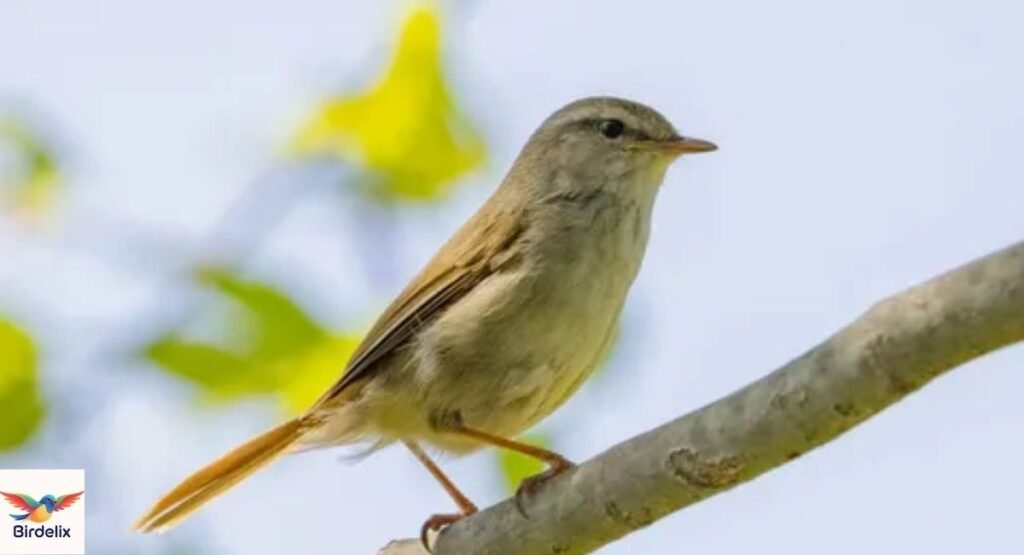
Scientific Name: Horornis diphone
Family: Cettiidae
The Japanese Bush Warbler is a well-known Japanese bird that starts with J, famous for its powerful and distinctive song. It lives in shrubs, forest edges, gardens, bamboo stands, and other areas with dense vegetation. Its diet includes insects, spiders, berries, and other small food sources. The bird often stays hidden within thick plants while calling loudly from nearby cover. An interesting fact is that you may hear a Japanese Bush Warbler many times before getting a clear view of the singer.
20. Japanese Cormorant
Scientific Name: Phalacrocorax capillatus
Family: Phalacrocoracidae
The Japanese Cormorant is a large coastal bird starting with J, recognized by its dark body, long neck, and excellent diving ability. It commonly lives around rocky shores, islands, bays, and coastal waters of East Asia. Fish make up much of its diet, which the bird catches by swimming underwater. Its powerful feet and streamlined body help it pursue prey beneath the surface. An interesting fact is that cormorants have a long cultural connection with traditional fishing practices in parts of Japan.
21. Japanese Green Woodpecker
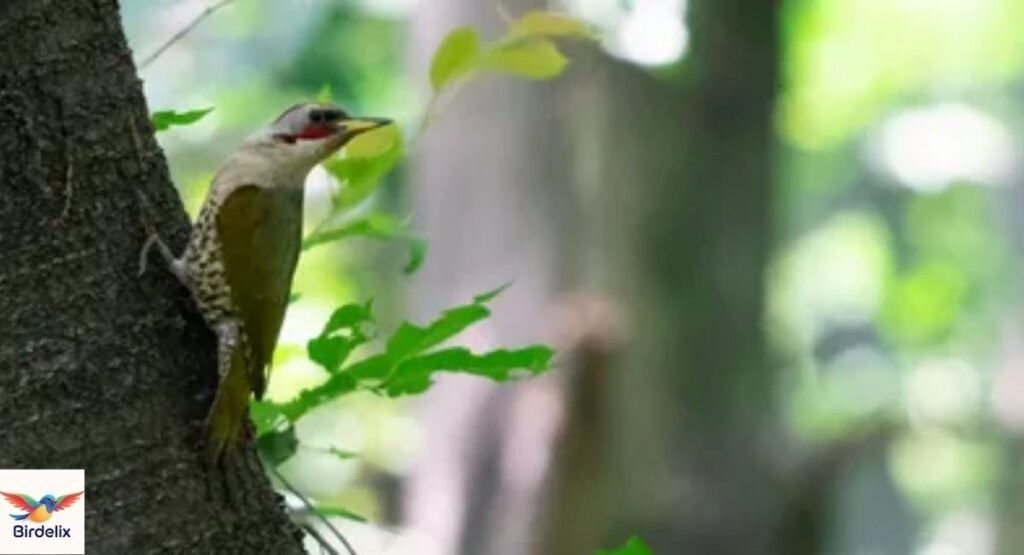
Scientific Name: Picus awokera
Family: Picidae
The Japanese Green Woodpecker is a distinctive woodpecker that starts with J, known for its green body and contrasting head markings. It inhabits forests, wooded parks, hillsides, and mature trees across Japan. The bird uses its strong bill to search trunks and branches for insects and larvae. It also communicates through calls and drumming sounds. An interesting fact is that its green plumage provides surprisingly effective camouflage when the bird moves among leafy branches.
22. Japanese Grosbeak
Scientific Name: Eophona personata
Family: Fringillidae
The Japanese Grosbeak is a sturdy bird that starts with J, best known for its oversized bill and powerful seed-crushing ability. It inhabits forests, woodland edges, parks, and areas with abundant trees across East Asia. Its diet includes hard seeds, fruits, buds, and insects. The thick bill allows it to crack foods that smaller songbirds struggle to handle. An interesting fact is that its feeding equipment is so specialized that the bill often looks disproportionately large compared with its head.
23. Japanese Murrelet
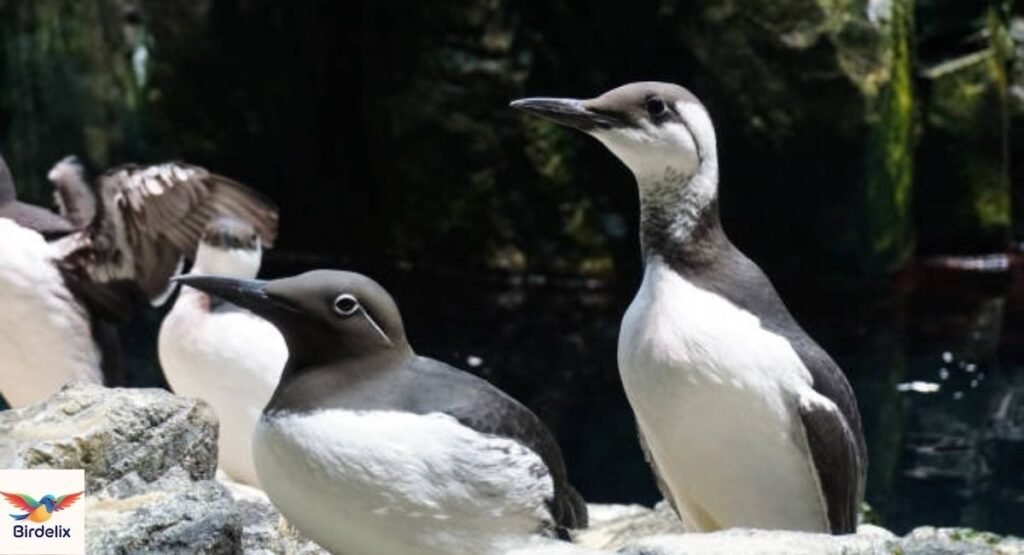
Scientific Name: Synthliboramphus wumizusume
Family: Alcidae
The Japanese Murrelet is a small marine bird starting with J that spends much of its life around coastal waters and rocky islands. Its compact body and strong wings allow it to dive beneath the surface in search of small fish and other marine prey. It breeds on remote islands where suitable nesting spaces provide protection. An interesting fact is that this seabird can spend most of its time at sea, returning to land mainly for breeding and raising young.
24. Japanese Night Heron
Scientific Name: Gorsachius goisagi
Family: Ardeidae
The Japanese Night Heron is a secretive heron that starts with J, recognized by its dark, streaked plumage and preference for wooded habitats. It often lives near forest streams, wetlands, and shaded areas where it can hunt quietly. Its diet includes frogs, fish, insects, and other small aquatic animals. The bird is mainly active around dusk and during the night. An interesting fact is that its hidden lifestyle makes it much harder to observe than the familiar daytime herons seen around open ponds.
25. Japanese Paradise Flycatcher
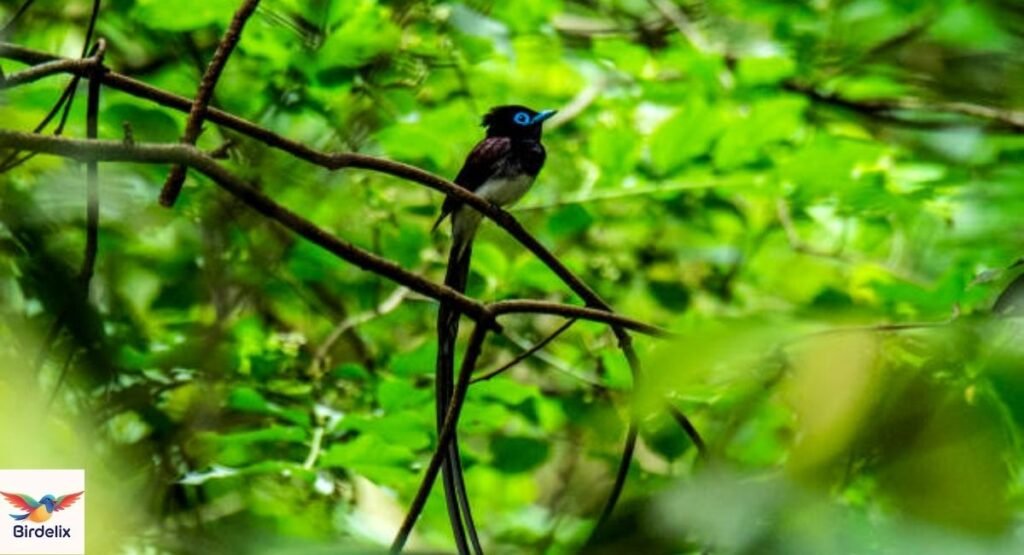
Scientific Name: Terpsiphone atrocaudata
Family: Monarchidae
The Japanese Paradise Flycatcher is an elegant bird name starting with J, famous for its long tail and graceful appearance. It inhabits mature forests, woodland edges, and shaded habitats across parts of East Asia. This flycatcher mainly eats insects caught during short aerial flights from exposed perches. Males often display especially impressive tails during the breeding season. An interesting fact is that its graceful appearance becomes even more striking when it makes quick turns while chasing flying insects.
26. Japanese Pygmy Woodpecker
Scientific Name: Yungipicus kizuki
Family: Picidae
The Japanese Pygmy Woodpecker is a tiny bird that starts with J, with a compact body, short bill, and beautifully patterned feathers. It lives in forests, gardens, parks, and wooded neighborhoods across East Asia. The bird searches small branches and tree trunks for insects, larvae, and other tiny prey. Its small size allows it to explore narrow spaces that larger woodpeckers may ignore. An interesting fact is that this miniature woodpecker can remain surprisingly active even while moving through dense branches.
27. Japanese Quail
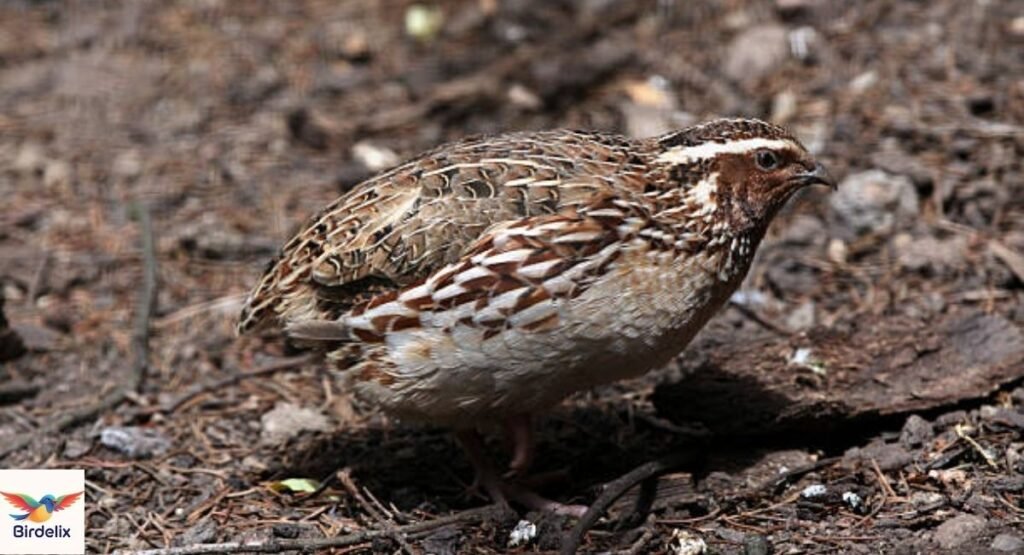
Scientific Name: Coturnix japonica
Family: Phasianidae
The Japanese Quail is a familiar bird starting with J, recognized by its rounded body, short tail, and finely patterned brown feathers. It prefers grasslands, fields, farmland, and other areas with low vegetation across East Asia. The bird eats seeds, grains, insects, and tender plant material while spending much of its time on the ground. It can fly quickly when disturbed despite its ground-oriented lifestyle. An interesting fact is that this quail has been closely associated with people for centuries through farming and domestication.
28. Japanese Scops Owl
Scientific Name: Otus semitorques
Family: Strigidae
The Japanese Scops Owl is a small owl that starts with J, perfectly suited to nighttime hunting. It lives in forests, wooded parks, and areas with mature trees where it can rest during daylight. Its diet includes insects, small mammals, lizards, and other tiny animals. Its soft, patterned feathers help it disappear against tree bark. An interesting fact is that its camouflage can be so effective that a resting owl may remain unnoticed only a few feet away.
29. Japanese Sparrowhawk
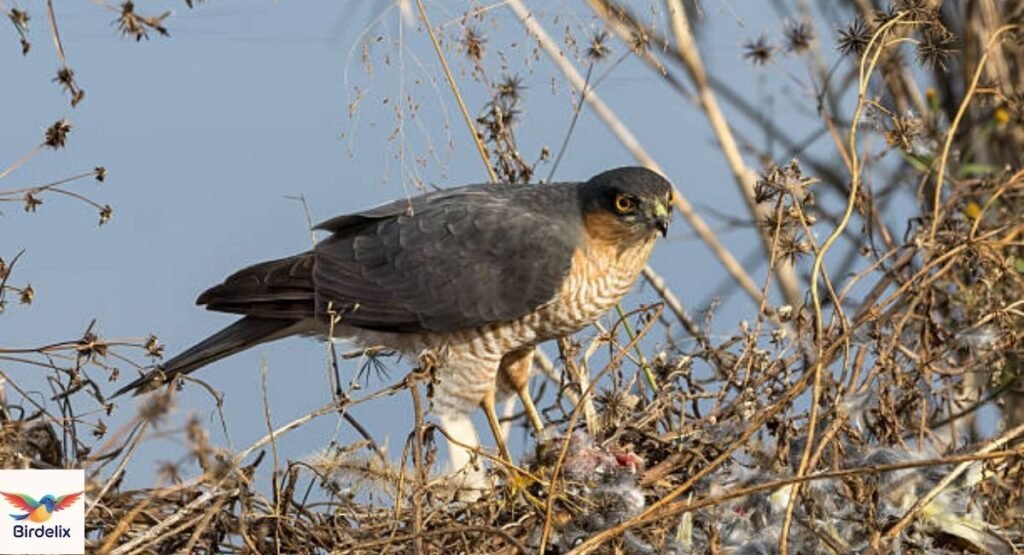
Scientific Name: Accipiter gularis
Family: Accipitridae
The Japanese Sparrowhawk is a swift bird of prey that starts with J, designed for chasing smaller birds through wooded areas. It has a slim body, long tail, and rounded wings that support quick turns. Its diet mainly consists of small birds and occasionally other small animals. It usually hunts by surprise rather than relying on long soaring flights. An interesting fact is that its compact shape gives it excellent control when navigating between branches at high speed.
30. Japanese Thrush
Scientific Name: Turdus cardis
Family: Turdidae
The Japanese Thrush is a medium-sized songbird that starts with J, recognized for its contrasting dark and pale plumage. It inhabits forests, woodland edges, and areas with thick ground cover across East Asia. Its varied diet includes insects, worms, berries, and other fruits. The bird often searches leaf litter and soil for hidden prey. An interesting fact is that its flexible diet allows it to adjust easily when seasonal food sources change.
31. Japanese Tit
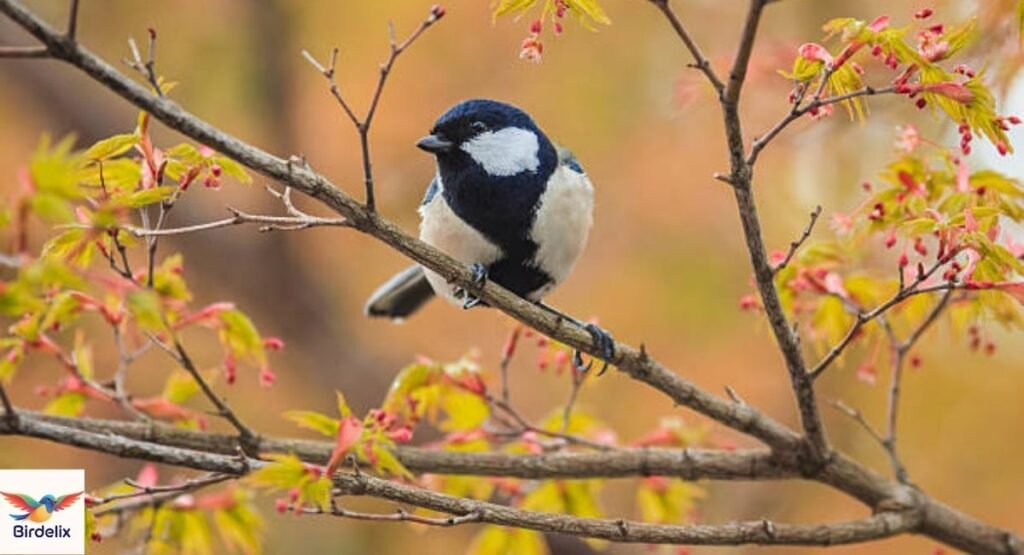
Scientific Name: Parus minor
Family: Paridae
The Japanese Tit is a lively small bird that starts with J, with contrasting black, white, gray, and yellowish markings. It lives in forests, gardens, parks, and wooded neighborhoods across East Asia. This active bird searches leaves and branches for insects while also eating seeds and other plant foods. It often moves quickly between nearby branches. An interesting fact is that its constant movement helps it inspect many small feeding spots in a short amount of time.
32. Japanese Wagtail
Scientific Name: Motacilla grandis
Family: Motacillidae
The Japanese Wagtail is an attractive bird name beginning with J, known for its black-and-white plumage and constantly moving tail. It usually lives near rivers, streams, fields, roadsides, and open ground where insects are easy to find. The bird walks or runs across the ground while searching for small prey. An interesting fact is that its rhythmic tail movement can make the bird instantly recognizable even from a distance.
33. Japanese Waxwing
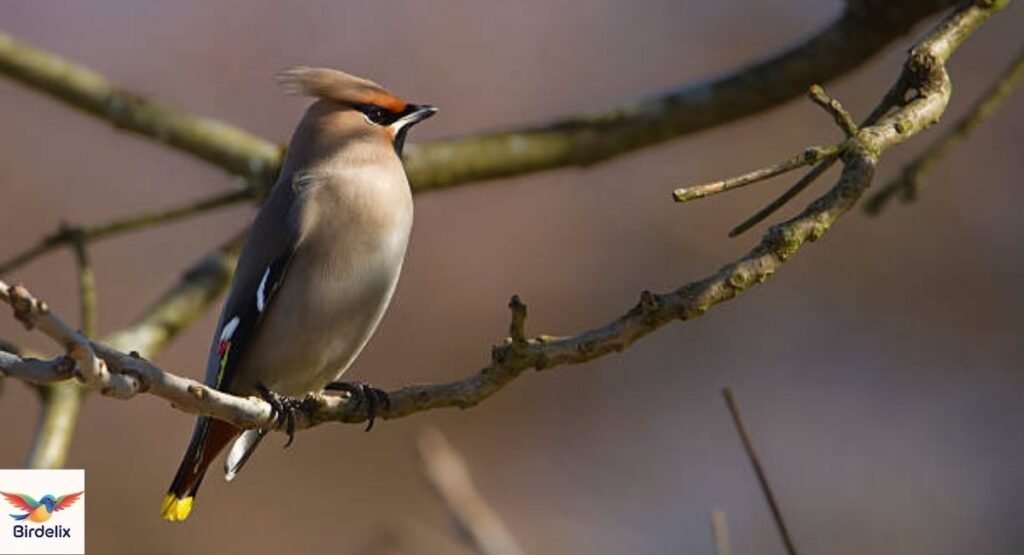
Scientific Name: Bombycilla japonica
Family: Bombycillidae
The Japanese Waxwing is a graceful bird that starts with J, recognized by its soft coloration, sleek body, and distinctive wing markings. It inhabits forests and woodland areas across East Asia where fruiting trees provide important food. Its diet consists largely of berries and other fruits, with insects adding protein during certain periods. It often travels in groups when food is plentiful. An interesting fact is that a fruit-rich tree can attract a whole flock of these elegant birds at once.
34. Java Sparrow
Scientific Name: Lonchura oryzivora
Family: Estrildidae
The Java Sparrow is a popular bird starting with J, known for its gray body, dark head, pinkish bill, and compact shape. It naturally occurs in Indonesia and favors grasslands, farms, fields, and areas where grains are available. Seeds and grains form a major part of its diet, although it may also consume other plant foods. It often travels in groups while feeding. An interesting fact is that its close association with rice has influenced how people view this bird in different parts of its range.
35. Javan Blue Flycatcher
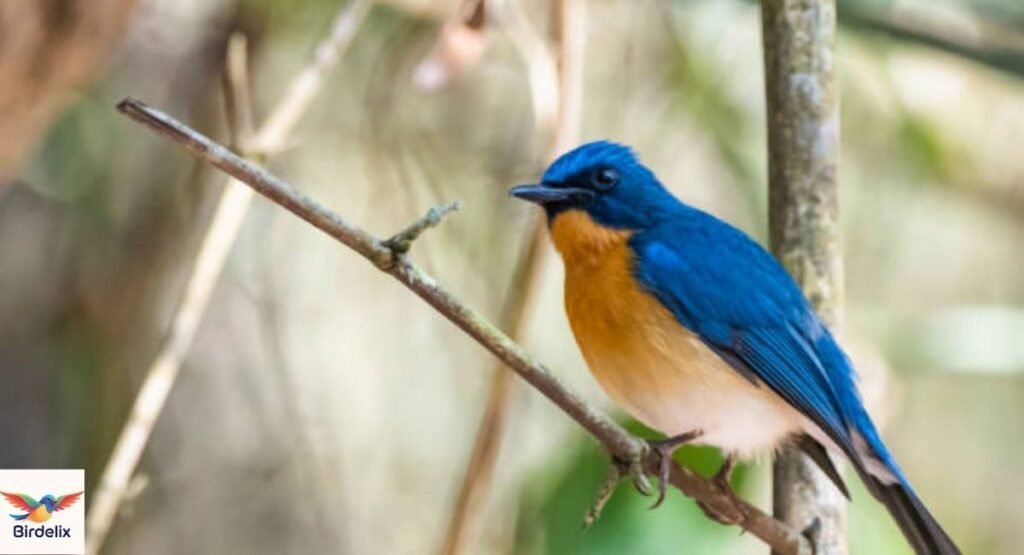
Scientific Name: Cyornis banyumas
Family: Muscicapidae
The Javan Blue Flycatcher is a beautiful Javan bird that starts with J, recognized for its blue upperparts and contrasting lower body. It prefers shaded forests, woodland edges, and areas with plenty of perching spots. The bird feeds mainly on insects, which it catches by launching from a branch and returning after a quick aerial dash. Its quiet behavior can make it easy to overlook. An interesting fact is that its hunting style resembles a tiny aerial ambush, with sudden bursts of movement followed by long pauses.
36. Javan Cuckooshrike
Scientific Name: Coracina javensis
Family: Campephagidae
The Javan Cuckooshrike is a medium-small bird that starts with J, adapted to life among the foliage of tropical forests. It has subdued grayish plumage that blends well with branches and leaves. The bird feeds on insects, fruits, and other small food items while moving through the canopy. Its steady movements help it search large areas without wasting much energy. An interesting fact is that despite the word “cuckoo” in its name, it isn’t a true cuckoo.
37. Javan Flameback
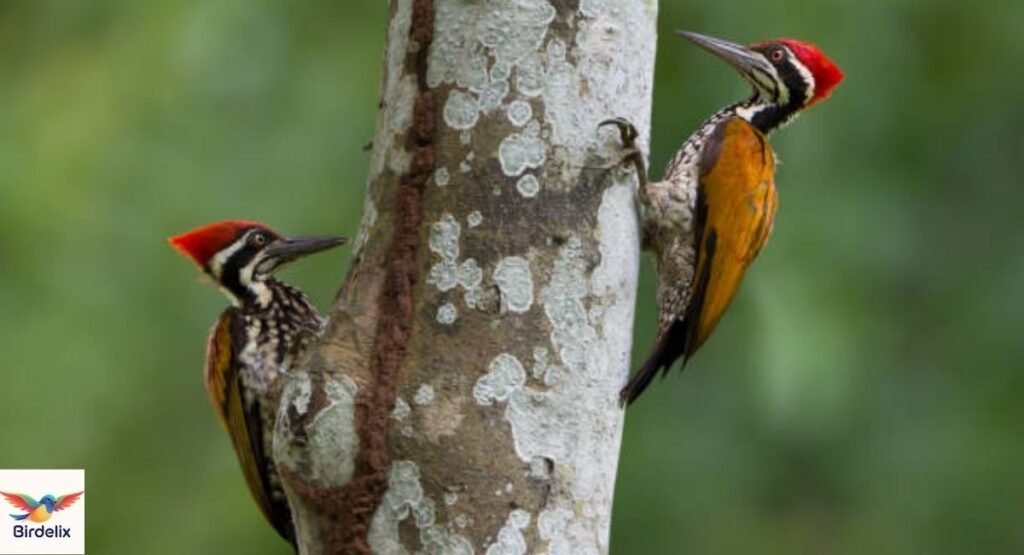
Scientific Name: Chrysocolaptes strictus
Family: Picidae
The Javan Flameback is a striking woodpecker that starts with J, known for its patterned feathers and bright coloration. It lives mainly in forested habitats where mature trees provide both food and nesting opportunities. The bird uses its strong bill to search bark for insects and larvae while gripping trunks with specialized feet. Its stiff tail provides additional support during climbing. An interesting fact is that woodpeckers can use their tails almost like a third leg when working vertically on trees.
38. Javan Frogmouth
Scientific Name: Batrachostomus javensis
Family: Podargidae
The Javan Frogmouth is an unusual bird starting with J, famous for its enormous mouth, broad head, and superb camouflage. It inhabits tropical forests where it spends daylight hours resting quietly on branches. At night, it becomes active and hunts insects and other small prey. Its mottled feathers can closely resemble tree bark. An interesting fact is that this remarkable camouflage can make the frogmouth look almost like a broken branch rather than a living bird.
39. Javan Green Magpie
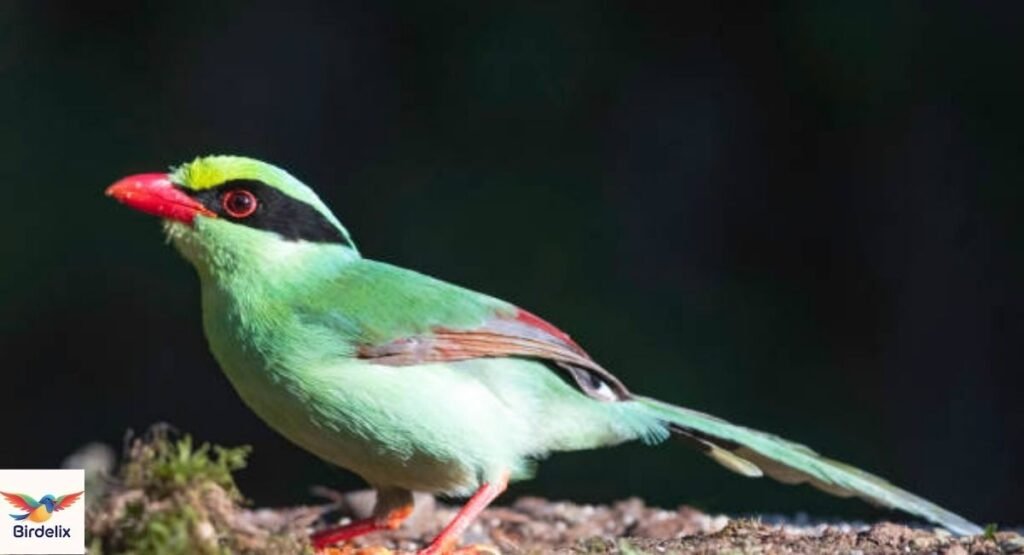
Scientific Name: Cissa thalassina
Family: Corvidae
The Javan Green Magpie is among the most colorful birds that start with J, displaying vivid green plumage with contrasting facial markings. It inhabits mountain forests on Java, where it searches branches and foliage for insects, small animals, and fruit. Like other corvids, it has an active and curious nature. An interesting fact is that its intense green appearance is unusual enough to make it one of the most memorable birds on this entire list.
40. Javan Hawk-Eagle
Scientific Name: Nisaetus bartelsi
Family: Accipitridae
The Javan Hawk-Eagle is a powerful bird of prey that starts with J, recognized by its strong body, hooked bill, and prominent crest. It lives mainly in forested areas of Java where it hunts birds, mammals, reptiles, and other small animals. Its broad wings help it move between forested slopes and hunting areas. An interesting fact is that its restricted range makes the preservation of Java’s remaining forests especially important for this impressive raptor.
41. Javan Kingfisher
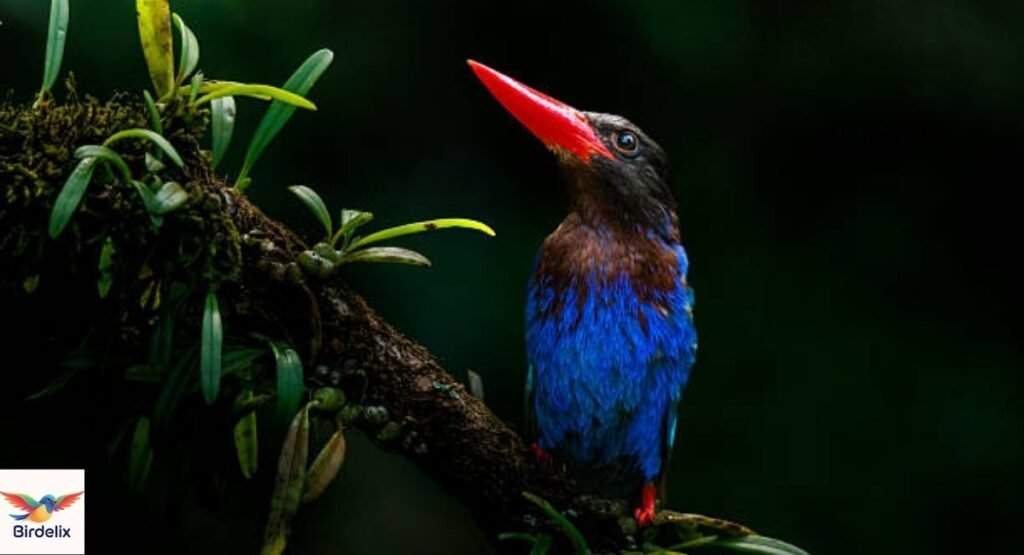
Scientific Name: Halcyon cyanoventris
Family: Alcedinidae
The Javan Kingfisher is a colorful kingfisher that starts with J, known for its vivid plumage and strong bill. It lives around forests, farmland, gardens, streams, and other habitats across Indonesia. Unlike some kingfishers that depend heavily on open water, it can hunt insects and small animals from land-based perches. The bird waits patiently before making a quick dive toward prey. An interesting fact is that its powerful bill can handle prey much larger than many people expect from such a compact bird.
42. Javan Lapwing
Scientific Name: Vanellus macropterus
Family: Charadriidae
The Javan Lapwing is a rare wading bird that starts with J, historically associated with wetlands and open lowland habitats on Java. It had long legs, a ground-oriented lifestyle, and adaptations suited to searching open areas for small invertebrates. The species has faced serious conservation concerns and is widely considered extinct. An interesting fact is that its disappearance shows how vulnerable restricted-range birds can become when their specialized habitats are lost.
43. Javan Myna
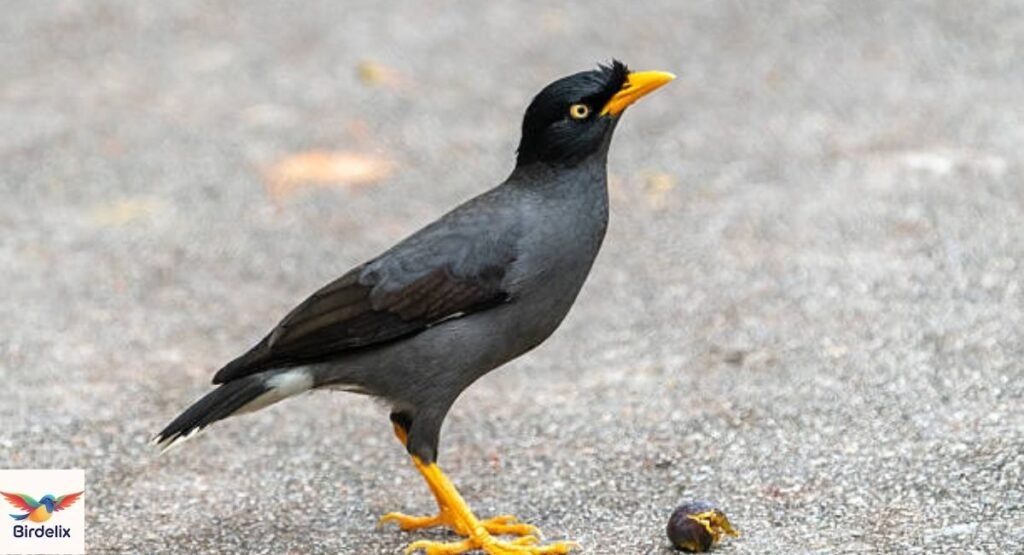
Scientific Name: Acridotheres javanicus
Family: Sturnidae
The Javan Myna is an adaptable bird name starting with J, recognized for its dark plumage, strong bill, and confident behavior. It can live in open country, farms, towns, gardens, and other human-modified environments. Its varied diet includes insects, fruits, seeds, and food scraps. The bird often searches for food on the ground while remaining alert to danger. An interesting fact is that its flexible feeding habits help it survive in places where natural landscapes have been heavily altered.
44. Javan Pond Heron
Scientific Name: Ardeola speciosa
Family: Ardeidae
The Javan Pond Heron is a patient heron that starts with J, often seen around ponds, rice fields, marshes, canals, and shallow wetlands. It feeds on fish, frogs, insects, crustaceans, and other small animals. The bird usually stands still before making a sudden strike with its sharp bill. Its breeding plumage can also become much more colorful than its ordinary appearance. An interesting fact is that this dramatic seasonal change can make the same bird look like two different species.
45. Javan Sunbird
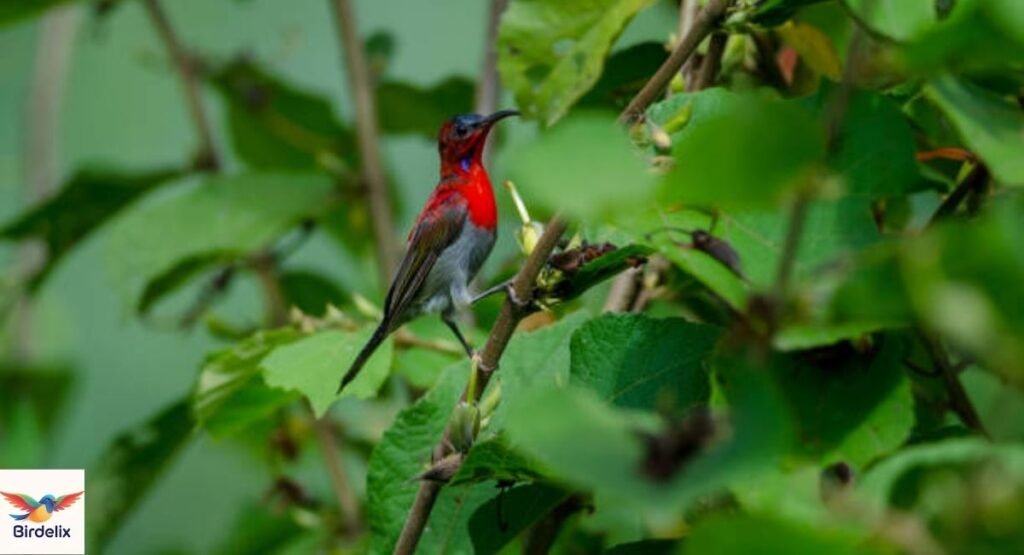
Scientific Name: Cinnyris solaris
Family: Nectariniidae
The Javan Sunbird is a tiny bird that starts with J, admired for its bright plumage and energetic movements around flowers. It lives in forests, gardens, plantations, and flowering landscapes where nectar is readily available. It also eats insects and spiders to obtain extra protein. Its curved bill and tongue help it reach deep into flowers. An interesting fact is that sunbirds can play an important role in pollination while moving between blossoms.
46. Javan Trogon
Scientific Name: Apalharpactes reinwardtii
Family: Trogonidae
The Javan Trogon is a beautiful tropical bird starting with J, known for its contrasting colors and quiet behavior. It lives mainly in mature mountain forests on Java where thick vegetation provides shelter and feeding opportunities. Its diet includes fruit and insects, which it gathers from the canopy and surrounding branches. The bird often sits quietly before moving to another perch. An interesting fact is that its calm nature can make it surprisingly difficult to notice despite its attractive plumage.
47. Jerdon’s Babbler
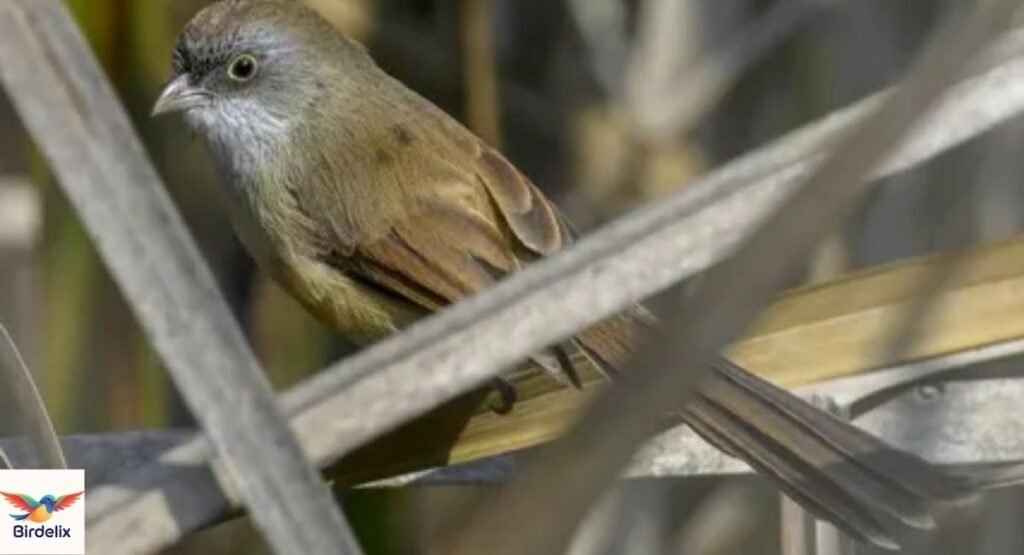
Scientific Name: Chrysomma altirostre
Family: Sylviidae
Jerdon’s Babbler is a secretive bird that starts with J, associated with tall grasslands, marsh edges, and dense vegetation. It has subdued plumage that helps it disappear among stems and leaves while searching for insects, seeds, and other small foods. The bird often moves through thick cover rather than flying in open spaces. An interesting fact is that birdwatchers may hear its calls before they ever see the bird moving through the grass.
48. Jerdon’s Baza
Scientific Name: Aviceda jerdoni
Family: Accipitridae
Jerdon’s Baza is a distinctive bird of prey that starts with J, recognized by its crest, broad wings, and patterned plumage. It inhabits forests and woodland across parts of South and Southeast Asia. The raptor feeds on insects, reptiles, small birds, and other small animals. It often watches patiently from a perch before moving toward prey. An interesting fact is that its unusual head shape and crest create a silhouette that can quickly separate it from many other forest raptors.
49. Jerdon’s Courser
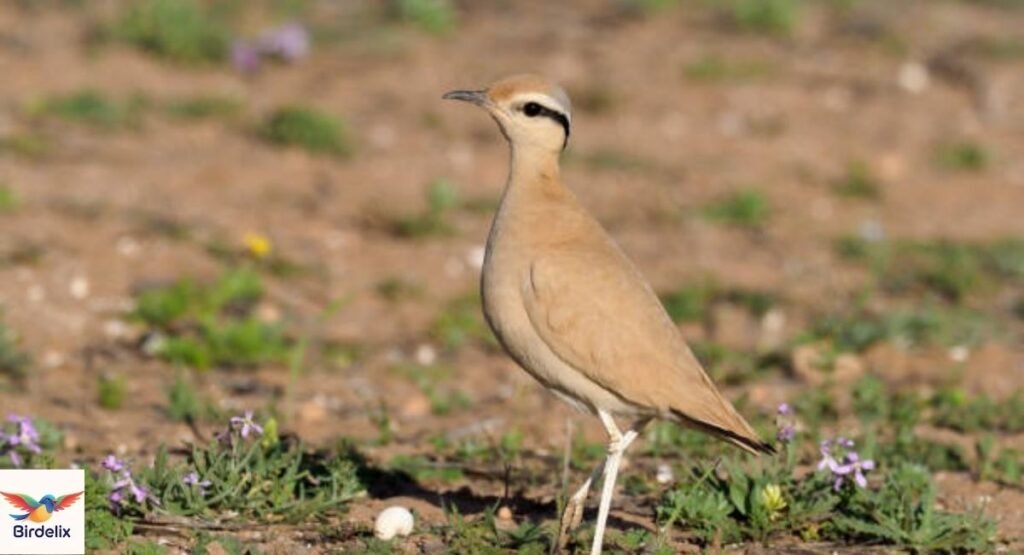
Scientific Name: Rhinoptilus bitorquatus
Family: Glareolidae
Jerdon’s Courser is an exceptionally rare bird starting with J, known for its secretive behavior and restricted habitat. It is associated with dry scrubland and open areas where it searches the ground for insects and other small invertebrates. The bird is mainly active during low-light periods, which makes observation difficult. Its conservation story is particularly remarkable. An interesting fact is that this species became famous for disappearing from view for many years before renewed evidence brought fresh hope for its survival.
50. Juniper Titmouse
Scientific Name: Baeolophus ridgwayi
Family: Paridae
The Juniper Titmouse is one of the best-known birds that start with J for USA birdwatchers, especially across the western interior. It lives mainly in pinyon-juniper woodland where mature trees provide food, shelter, and nesting cavities. This small gray songbird eats seeds, insects, spiders, berries, and other plant material. It remains active throughout the year instead of migrating long distances. An interesting fact is that its close association with juniper and pinyon woodland gives this titmouse its fitting and memorable name.
Birds That Start With J by Type
The J list becomes much easier to explore when grouped by lifestyle. You’ll find birds of prey that start with J, nocturnal owls, colorful parrots, woodpeckers, songbirds, and aquatic species. This classification also shows how one initial can span remarkably different ecological niches.
Birds of Prey
The main birds of prey include Jackal Buzzard, Japanese Sparrowhawk, Javan Hawk-Eagle, and Jerdon’s Baza. Their hunting methods differ considerably. Some rely on speed and surprise while others watch from elevated perches before dropping toward prey.
Owls
J-named owls include Jamaican Owl, Japanese Scops Owl, Javan Scops Owl, and Jungle Owlet. These nocturnal birds rely on camouflage, sharp hearing, and low-light vision. Their habitats range from tropical forests to island woodlands where darkness becomes their natural hunting cloak.
Parrots and Parakeets
Jandaya Parakeet, Jonquil Parrot, and Josephine’s Lorikeet represent the colorful parrot group. These colorful birds often have curved bills, strong feet, and social behavior. Their diets can include seeds, fruits, flowers, and nectar depending on the species and habitat.
Woodpeckers
Jamaican Woodpecker, Japanese Green Woodpecker, Japanese Pygmy Woodpecker, and Javan Flameback represent several woodpecker species beginning with J. Their reinforced skulls, gripping feet, and strong bills help them search bark and wood for insects, larvae, and other food.
Songbirds
Several songbirds that start with J include Japanese Tit, Japanese Thrush, Java Sparrow, Javan Sunbird, and Juniper Titmouse. Their diets vary widely, yet many forage among branches and shrubs. Calls and songs also play major roles in territory defense and mate communication.
Waterbirds
Water-associated J birds include Jabiru, Jack Snipe, Japanese Cormorant, Japanese Murrelet, and Javan Pond Heron. These species use wetlands, rivers, marshes, or coastal waters. Their feeding methods range from probing soft mud to diving beneath the surface after fish.
Birds That Start With J by Region
Geography creates some of the strongest patterns in birds that start with J. Jamaica, Japan, Java, Africa, the Andes, India, and isolated islands each contribute species with highly specialized lifestyles. These regional names often reveal where a bird first became familiar to scientists.
Jamaican Birds
Jamaica contributes several remarkable island birds, including Jamaican Crow, Jamaican Owl, Jamaican Petrel, Jamaican Tody, and Jamaican Woodpecker. Island environments can produce unusual species because populations become separated. However, that same isolation can make habitat loss especially serious for restricted-range birds.
Japanese Birds
Japanese birds beginning with J include Japanese Accentor, Japanese Bush Warbler, Japanese Cormorant, Japanese Quail, Japanese Tit, and Japanese Wagtail. These species occupy mountains, forests, wetlands, coasts, and farmland. Japan’s varied landscapes create a surprisingly rich setting for J-named birds.
Javan Birds
Java is another hotspot for Javan birds, including Javan Green Magpie, Javan Hawk-Eagle, Javan Kingfisher, Javan Trogon, and Javan Sunbird. Many depend on forest habitats. Because Java has experienced major land-use changes, protecting remaining forest can have an outsized conservation benefit.
African Birds
Africa contributes species such as Jackal Buzzard, Jackson’s Hornbill, Jackson’s Spurfowl, and Jameson’s Firefinch. Their habitats range from mountains and woodlands to open savannas. This variety shows that birds beginning with J aren’t limited to tropical forests or island environments.
Birds From Juan Fernández That Start With J
Juan Fernández Firecrown and Juan Fernández Petrel represent distinctive island birds associated with the Juan Fernández archipelago. Island species often evolve in unusual ways because of geographic isolation. Their limited ranges can also make conservation especially important when storms, predators, or habitat changes occur.
Birds From the Junín Region
The Junín name appears in species such as Junín Canastero, Junín Grebe, and Junín Tapaculo. These regional bird names reflect the importance of locality in ornithology. High-elevation environments can impose demanding conditions, from cold nights to sparse vegetation and limited food.
Small Birds That Start With J
Not every small bird starting with J is colorful or easy to notice. Jacky Winter, Japanese Tit, Java Sparrow, Javan Sunbird, Juniper Titmouse, and Jerdon’s Babbler occupy different habitats. Their small bodies help them move through branches, grass, shrubs, and dense vegetation.
Colorful Birds
Some colorful birds that start with J look like living brushstrokes. Jandaya Parakeet combines vivid warm and green tones while Javan Green Magpie has striking coloration. James’s Flamingo, Jambu Fruit Dove, and Juan Fernández Firecrown add further visual variety to this unusual group.
Rare Birds
Rarity gives several rare birds that start with J an especially compelling story. Jamaican Petrel, Jerdon’s Courser, Javan Lapwing, Javan Frogmouth, Jocotoco Antpitta, and Juan Fernández Petrel illustrate how restricted ranges and habitat pressure can shape conservation priorities. Jerdon’s Courser is particularly notable for its rediscovery history.
3-Letter Bird Names Starting With J
If you’re searching for a 3-letter bird name starting with J, the options are extremely limited. Standard English bird names rarely provide a widely recognized three-letter J example. Short forms can appear in puzzles or informal lists, but they shouldn’t be confused with accepted common species names.
Birds That Start With J in North America
North America has fewer bird names beginning with J than some other regions. Still, a few familiar species stand out for birdwatchers in the United States and Canada. The Juniper Titmouse is the clearest example, especially across dry western woodlands where pinyon and juniper trees dominate. The Jack Snipe may also interest North American birders because it can appear as a rare visitor, although it isn’t a regular species across the continent. Some J-named birds are introduced or occasional visitors rather than native residents. This makes finding a bird that starts with J in North America an exciting challenge for anyone keeping a regional bird list.
Birds That Start With J: Habitat Guide
Habitat explains much of a bird’s behavior. Forest specialists need trees for food and nesting while wetland species depend on shallow water or muddy ground. Mountain species face colder conditions. Meanwhile, tropical birds often exploit dense vegetation, flowers, fruit, and abundant insects.
Forest Birds
Forest-dwelling J birds include Jamaican Woodpecker, Japanese Green Woodpecker, Javan Trogon, Javan Hawk-Eagle, and Japanese Paradise Flycatcher. Trees provide nesting cavities, fruit, insects, shelter, and hunting perches. Forest structure can therefore determine whether a species thrives or disappears.
Wetland Birds
Wetland species such as Jabiru, Jack Snipe, Javan Pond Heron, and James’s Snipe depend on water-rich landscapes. These wetland birds use mud, shallow water, grasses, and aquatic vegetation to find prey. Even small changes in water levels can alter their feeding opportunities.
Grassland Birds
Open habitats support birds such as Japanese Quail and Jerdon’s Babbler. These grassland birds often forage near ground level where seeds, insects, and small invertebrates are available. Tall grasses can provide both food and cover from predators.
Coastal Birds
Japanese Cormorant and Japanese Murrelet represent coastal birds beginning with J. Their bodies support marine lifestyles, whether diving after fish or moving between rocky breeding islands and nearby feeding waters. Coastal pollution and disturbance can therefore affect their survival.
Mountain Birds
Mountain habitats host species such as Japanese Accentor, Jackal Buzzard, and James’s Flamingo. These mountain birds cope with colder temperatures, strong winds, thin air, or sparse vegetation. James’s Flamingo is particularly striking because it feeds on high Andean lakes.
Tropical Birds
Javan Green Magpie, Javan Sunbird, Javan Trogon, and Jambu Fruit Dove represent tropical birds with specialized diets. Tropical forests provide abundant fruit, insects, flowers, and shelter. Yet forest fragmentation can quickly isolate populations that depend on continuous canopy.
Island Birds
Jamaican Tody, Jamaican Petrel, Javan Hawk-Eagle, and other island birds demonstrate how isolation shapes avian life. Islands can produce unique species found nowhere else. Unfortunately, small ranges also mean that habitat damage can affect a large share of the global population.
Birds That Start With J: Diet and Feeding Habits
Diet varies enormously across birds that start with J. Raptors capture vertebrates while woodpeckers search bark for larvae. Sunbirds visit flowers, fruit doves swallow fruit, and cormorants dive after fish. These feeding styles show how body shape often mirrors a bird’s ecological job.
| Diet | Example J Bird | Main Feeding Strategy |
| Seeds and grains | Japanese Quail | Ground feeding |
| Insects | Japanese Bush Warbler | Foliage foraging |
| Fish | Jabiru | Wading and probing |
| Fruits | Jambu Fruit Dove | Canopy feeding |
| Nectar | Javan Sunbird | Flower feeding |
| Small vertebrates | Javan Hawk-Eagle | Predation |
Birds That Start With J: Conservation Status
Conservation becomes especially important for range-restricted birds. Island species face unique pressures while forest specialists can lose habitat through logging or land conversion. Jerdon’s Courser offers a powerful example. BirdLife reported its rediscovery in India in 2025 after more than two decades without documented records.
| Conservation Concern | Example | Main Issue |
| Restricted range | Jerdon’s Courser | Habitat loss |
| Island vulnerability | Jamaican Petrel | Limited known range |
| Forest dependence | Javan Hawk-Eagle | Forest degradation |
| Coastal dependence | Japanese Murrelet | Breeding and marine habitat |
| Habitat specialization | Juniper Titmouse | Woodland alteration |
Interesting Facts About Birds That Start With J
The world of J bird species contains some remarkable extremes. Jabiru is among the largest birds on this list while tiny sunbirds and todies occupy the opposite end. Juniper Titmouse is especially relevant to USA readers because it remains year-round in its western woodland habitat.
| Category | Notable J Bird |
| Largest-looking J bird | Jabiru |
| Small J bird | Jamaican Tody |
| Colorful J bird | Jandaya Parakeet |
| Rare J bird | Jerdon’s Courser |
| North American J bird | Juniper Titmouse |
| Powerful J raptor | Javan Hawk-Eagle |
| High-altitude J bird | James’s Flamingo |
| Distinctive seabird | Japanese Murrelet |
Conclusion
From enormous Jabirus to tiny Jamaican Todys, Birds That Start With J cover an impressive range of shapes, diets, habitats, and behaviors. You’ll find powerful raptors, secretive owls, colorful parrots, aquatic hunters, tropical songbirds, and rare island species. For USA birdwatchers, the Juniper Titmouse is a particularly useful species to know. Cornell’s detailed field guide also shows how closely this bird depends on pinyon-juniper woodland.
Exploring these birds beginning with J also reveals a bigger lesson about bird diversity. A single letter can connect species from Africa, Asia, the Americas, Australia, and remote islands. Some are common and adaptable while others survive in narrow ecological niches. That contrast makes J birds a surprisingly rewarding group to explore.
FAQs
What are some birds that start with J?
Some well-known bird names that start with J include Jabiru, Jack Snipe, Jackal Buzzard, Japanese Quail, Java Sparrow, Javan Hawk-Eagle, and Juniper Titmouse. These species represent many different bird groups and habitats.
What is the most common bird that starts with J?
There isn’t one worldwide “most common” J bird because abundance changes by region. For USA readers, Juniper Titmouse is one of the most relevant resident species. Cornell lists it as a year-round bird of western pinyon-juniper woodland.
What birds of prey start with J?
Several birds of prey that start with J include Jackal Buzzard, Japanese Sparrowhawk, Javan Hawk-Eagle, and Jerdon’s Baza. They differ in size, habitat, hunting style, and prey, yet all occupy predatory roles within their ecosystems.
Is there a bird that starts with J and has three letters?
Recognized English bird names beginning with J rarely have only three letters. Most standard bird names starting with J are longer. Puzzle lists may use abbreviations, but those aren’t necessarily accepted common species names.
What is a rare bird that starts with J?
Jerdon’s Courser is one of the most remarkable examples. This secretive Indian bird has an extraordinary rediscovery history. BirdLife reported a new documented record in 2025 after the species had gone without confirmed documentation for many years.

Welcome to Birdelix! I’m Anam Sattar, an AI-powered SEO Specialist and Content Writer with over 5 years of experience in creating high-quality, search-optimized content. I help businesses improve their search engine rankings, increase organic traffic, and build beautiful, user-friendly websites. My mission is to make SEO, content creation, and web design simple, effective, and accessible for everyone. Let’s grow your online presence and achieve success together!