

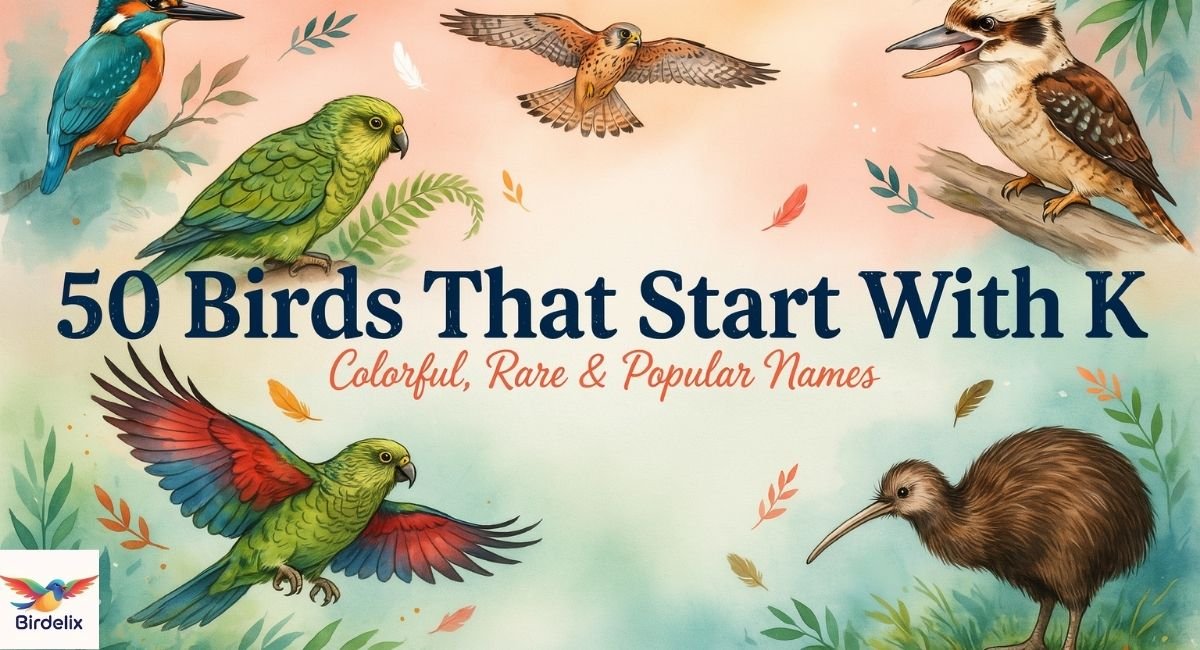
Finding Birds That Start With K can feel like opening a small window into the world’s birdlife. From colorful parrots to powerful raptors, this letter brings together an exciting mix of species. You’ll discover familiar names such as the Kestrel, Kookaburra, Kingfisher, and Kiwi alongside rare birds found on remote islands and distant forests. Some are tiny songbirds, while others are huge ground-dwellers with remarkable displays. Their habitats range from North American wetlands to African grasslands and Pacific islands.
This guide explores their bird names, bird species, appearance, behavior, diets, and habitats in simple terms. Whether you’re identifying a bird or building your knowledge, these K-named birds offer plenty of fascinating surprises for curious bird lovers.
What Birds Start With K?
The letter K introduces a surprisingly broad collection of birds. Bird names that start with K include Kestrel, Kookaburra, Kingfisher, Kiwi, Kakapo, Kagu, Kea, Kererū, Kittiwake, and many others. Some live close to people while others occupy remote forests or islands.
You’ll also find several types of birds that start with K, including parrots, shorebirds, seabirds, songbirds, waterbirds, and birds of prey. Their lifestyles differ sharply. For example, a Kookaburra hunts from a perch while a Kiwi searches forest soil for food after dark.
50 Birds That Start With K: Complete List
The table below gives you a quick way to compare the requested K-named species. Scientific names help with accurate identification while habitat and region show where each bird occurs. Colors describe the most noticeable adult plumage rather than every seasonal variation.
| No. | Bird Name | Scientific Name | Main Color | Bird Type | Habitat | Region |
| 1 | Kestrel | Falco spp. | Brown, gray | Falcon | Open country | Europe, Asia, Africa |
| 2 | Kookaburra | Dacelo spp. | Brown, white | Kingfisher relative | Woodland | Australia |
| 3 | Kingfisher | Alcedo and related genera | Blue, orange | Kingfisher | Rivers, wetlands | Worldwide |
| 4 | Kiwi | Apteryx spp. | Brown | Flightless bird | Forest | New Zealand |
| 5 | Kakapo | Strigops habroptilus | Green | Parrot | Native forest | New Zealand |
| 6 | Kagu | Rhynochetos jubatus | Gray | Ground bird | Forest | New Caledonia |
| 7 | Killdeer | Charadrius vociferus | Brown, white | Shorebird | Fields, shorelines | North America |
| 8 | Kentish Plover | Charadrius alexandrinus | Sandy brown, white | Shorebird | Beaches, wetlands | Worldwide |
| 9 | Kingbird | Tyrannus spp. | Gray, white | Flycatcher | Open woodland | Americas |
| 10 | Kittiwake | Rissa spp. | White, gray | Seabird | Cliffs, ocean | Northern oceans |
| 11 | Knob-billed Duck | Sarkidiornis melanotos | Black, white | Waterfowl | Wetlands | Africa, Asia |
| 12 | Kori Bustard | Ardeotis kori | Brown, cream | Bustard | Grassland | Africa |
| 13 | Kakariki | Cyanoramphus spp. | Green | Parrot | Forest | New Zealand |
| 14 | Kea | Nestor notabilis | Olive-green | Parrot | Alpine areas | New Zealand |
| 15 | Kererū | Hemiphaga novaeseelandiae | Green, white | Pigeon | Forest | New Zealand |
| 16 | Koel | Eudynamys spp. | Black or brown | Cuckoo | Woodland | Asia, Australia |
| 17 | Kotuku | Ardea modesta | White | Heron | Wetlands | New Zealand |
| 18 | King Eider | Somateria spectabilis | Black, white, orange | Sea duck | Arctic coast | Northern regions |
| 19 | King Penguin | Aptenodytes patagonicus | Black, white, orange | Penguin | Marine, islands | Southern oceans |
| 20 | King Quail | Synoicus chinensis | Brown, gray | Quail | Grassland | Asia, Australia |
| 21 | King Rail | Rallus elegans | Brown, gray | Rail | Marshes | North America |
| 22 | King Vulture | Sarcoramphus papa | White, black, orange | Vulture | Tropical forest | Central and South America |
| 23 | King Bird-of-paradise | Cicinnurus regius | Red, white, blue | Bird-of-paradise | Rainforest | New Guinea |
| 24 | King of Saxony Bird-of-paradise | Pteridophora alberti | Black, yellow | Bird-of-paradise | Mountain forest | New Guinea |
| 25 | Kirtland’s Warbler | Setophaga kirtlandii | Blue, yellow | Warbler | Pine forest | United States, Bahamas |
| 26 | Kashmir Flycatcher | Ficedula subrubra | Brown, orange | Flycatcher | Mountain forest | South Asia |
| 27 | Kashmir Nuthatch | Sitta cashmirensis | Blue-gray, buff | Nuthatch | Mountain woodland | South Asia |
| 28 | Karoo Lark | Calendulauda subcoronata | Brown | Lark | Dry scrub | Southern Africa |
| 29 | Karoo Thrush | Turdus smithi | Brown, orange | Thrush | Woodland, scrub | Southern Africa |
| 30 | Kalahari Scrub Robin | Cercotrichas paena | Brown, rufous | Robin | Dry scrub | Southern Africa |
| 31 | Kamchatka Leaf Warbler | Phylloscopus spp. | Greenish | Warbler | Forest | Northeast Asia |
| 32 | Kelp Gull | Larus dominicanus | Black, white | Gull | Coasts | Southern regions |
| 33 | Kelp Goose | Chloephaga hybrida | White, black | Goose | Rocky coasts | South America |
| 34 | Kerguelen Petrel | Aphrodroma brevirostris | Gray, white | Petrel | Open ocean | Southern Ocean |
| 35 | Kerguelen Shag | Leucocarbo verrucosus | Black, white | Cormorant | Rocky coast | Kerguelen Islands |
| 36 | Kermadec Petrel | Pterodroma neglecta | Gray, white | Petrel | Open ocean | Pacific |
| 37 | Key West Quail-Dove | Geotrygon chrysia | Gray, brown | Dove | Woodland | Caribbean, Florida |
| 38 | Knysna Turaco | Tauraco corythaix | Green, red | Turaco | Forest | South Africa |
| 39 | Knysna Warbler | Bradypterus sylvaticus | Brown | Warbler | Dense vegetation | South Africa |
| 40 | Knysna Woodpecker | Campethera notata | Green, black | Woodpecker | Woodland | South Africa |
| 41 | Koklass Pheasant | Pucrasia macrolopha | Brown, gray | Pheasant | Mountain forest | Asia |
| 42 | Kori Bustard | Ardeotis kori | Brown, cream | Bustard | Grassland | Africa |
| 43 | Kofiau Paradise Kingfisher | Tanysiptera ellioti | Blue, red | Kingfisher | Forest | Indonesia |
| 44 | Kosrae Fruit-Dove | Ptilinopus hernsheimi | Green | Fruit-dove | Island forest | Micronesia |
| 45 | Kosrae White-eye | Zosterops cinereus | Green, gray | White-eye | Forest | Micronesia |
| 46 | Krüper’s Nuthatch | Sitta krueperi | Blue-gray, buff | Nuthatch | Pine woodland | Turkey, Caucasus |
| 47 | Kuhl’s Lorikeet | Vini kuhlii | Green, red | Lorikeet | Island forest | Pacific |
| 48 | Kurrichane Thrush | Turdus libonyana | Brown, orange | Thrush | Woodland | Southern Africa |
| 49 | Kittlitz’s Plover | Charadrius pecuarius | Brown, white | Shorebird | Coast, wetlands | Africa |
| 50 | Kittlitz’s Murrelet | Brachyramphus brevirostris | Gray, white | Seabird | Coastal waters | Alaska |
50 Popular Birds That Start With K (Detailed Guide)
1. Kestrel
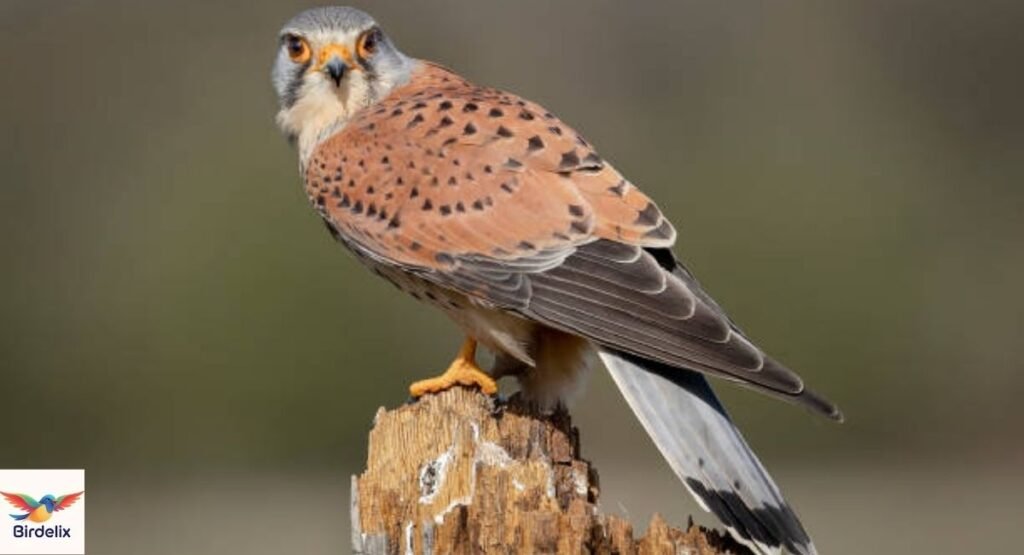
Scientific Name: Falco tinnunculus
Family: Falconidae
The Kestrel is one of the best-known Birds That Start With K because of its hovering flight and sharp hunting skills. It commonly lives in open fields, grasslands, farmland, cliffs, and urban areas across much of Europe, Asia, and Africa. This small falcon mainly eats mice, voles, insects, lizards, and other small prey. Its pointed wings and long tail help it maneuver quickly. An interesting fact is that the Kestrel can hover almost motionless while watching the ground for prey.
2. Kookaburra
Scientific Name: Dacelo novaeguineae
Family: Alcedinidae
The Kookaburra is a famous Australian bird recognized for its loud, laughing-like call. It usually lives in woodlands, forests, parks, gardens, and open areas where suitable trees are available. Its diet includes insects, reptiles, frogs, small mammals, and other creatures. The bird has a large head, strong bill, and sturdy body. An interesting fact is that its distinctive call often sounds like human laughter, although it actually serves as a territorial signal.
3. Kingfisher
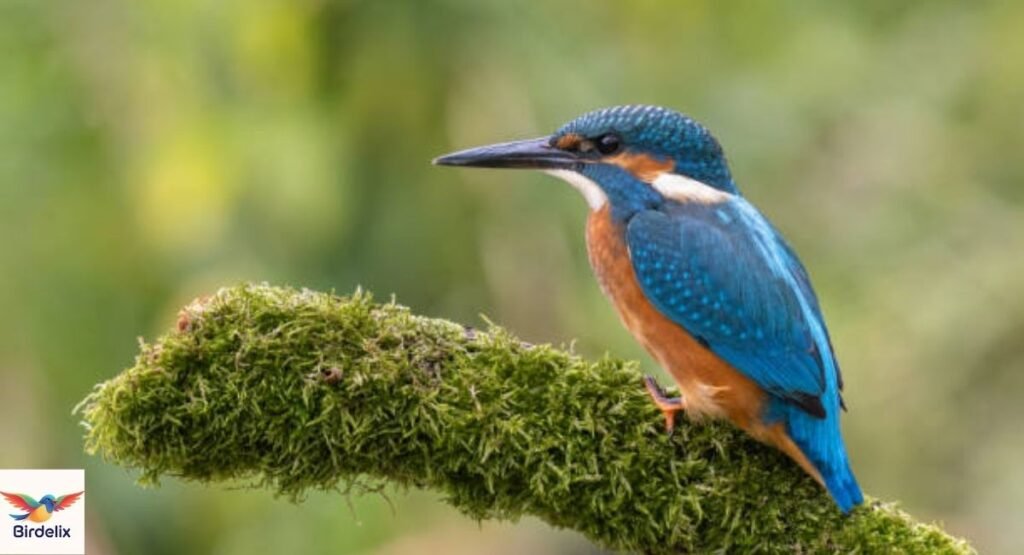
Scientific Name: Alcedo atthis
Family: Alcedinidae
The Kingfisher is a striking bird that starts with K and is famous for its brilliant blue and orange coloring. It often lives beside rivers, streams, lakes, ponds, and other freshwater habitats. Fish make up an important part of its diet, although it also catches insects, tadpoles, and small aquatic animals. Its long bill helps it grab prey from the water. An interesting fact is that a Kingfisher can dive rapidly from a perch with remarkable precision.
4. Kiwi
Scientific Name: Apteryx spp.
Family: Apterygidae
The Kiwi is an unusual flightless bird native to New Zealand. Unlike many birds, it has tiny wings and relies heavily on its powerful legs for movement. It lives in forests, scrublands, grasslands, and other areas with dense ground cover. Kiwis use their long bills to search for worms, insects, fruits, and other small food items. An interesting fact is that the Kiwi has nostrils near the tip of its bill, which helps it locate food by smell.
5. Kakapo
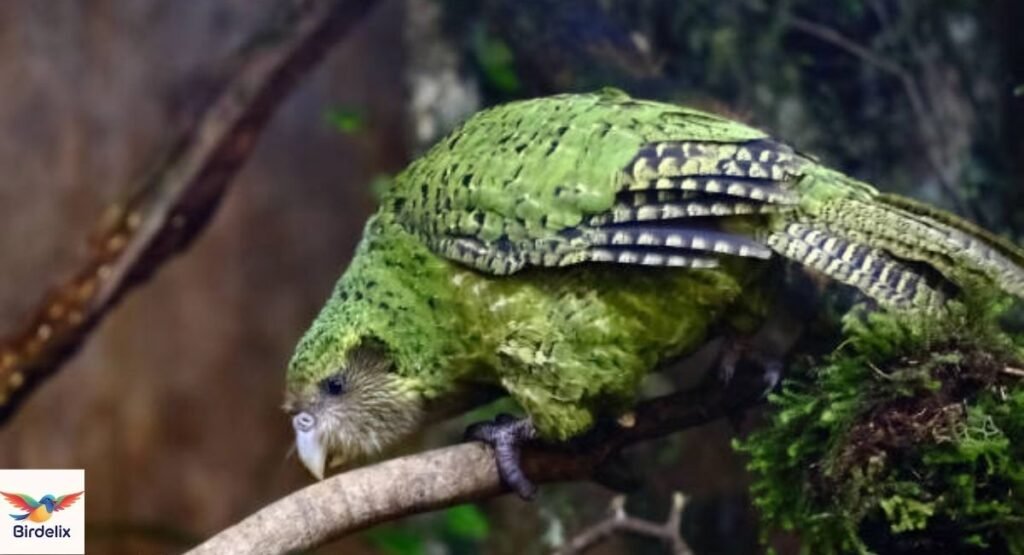
Scientific Name: Strigops habroptilus
Family: Strigopidae
The Kakapo is one of the world’s most unusual parrots and one of the rarest Birds That Start With K. This large, flightless parrot has soft green feathers that provide excellent camouflage among vegetation. It feeds mainly on plants, fruits, seeds, roots, and other vegetation. Kakapos are active mostly at night and use their strong legs to climb and move through forests. An interesting fact is that the Kakapo is the world’s heaviest living parrot.
6. Kagu
Scientific Name: Rhynochetos jubatus
Family: Rhynochetidae
The Kagu is a distinctive flight-limited bird found only on New Caledonia. Its pale gray body, long crest, and reddish legs make it easy to recognize. It prefers forest floors where it searches for insects, worms, lizards, and other small animals. Although it has wings, it rarely flies and usually walks through dense vegetation. An interesting fact is that the Kagu has unusual nasal coverings that help protect its nostrils from dust while feeding.
7. Killdeer
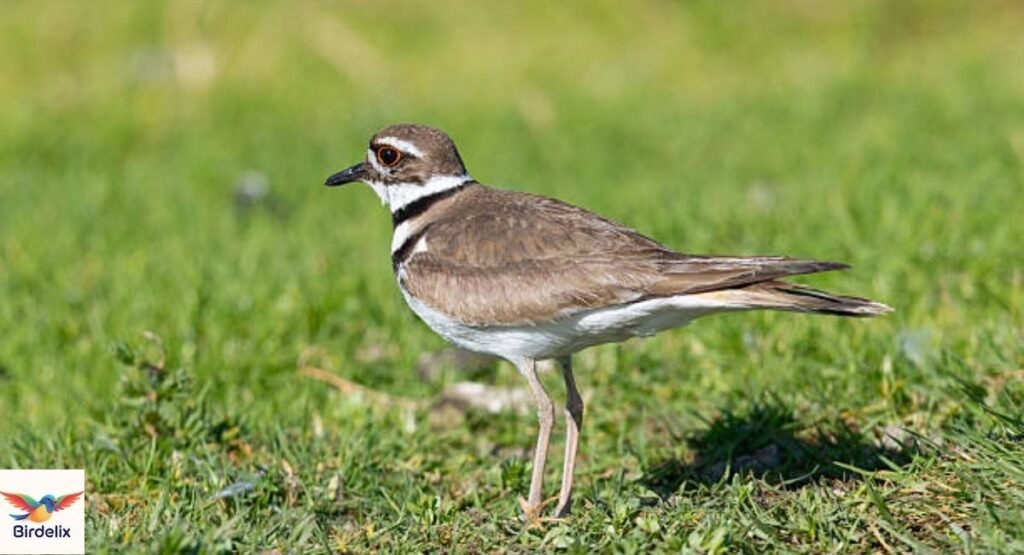
Scientific Name: Charadrius vociferus
Family: Charadriidae
The Killdeer is a familiar North American shorebird that often appears far from water. It can live around mudflats, fields, lawns, gravel areas, parking lots, and construction sites. Its diet includes insects, worms, beetles, and other small invertebrates. The bird has a brown back, white underside, and two dark bands across its chest. An interesting fact is that a parent may pretend to have a broken wing to lure predators away from its nest.
8. Kentish Plover
Scientific Name: Anarhynchus alexandrinus
Family: Charadriidae
The Kentish Plover is a small shorebird that prefers sandy beaches, salt marshes, mudflats, lagoons, and coastal flats. Its pale body helps it blend into sandy surroundings while it searches for insects and tiny marine creatures. It has slender legs and a short bill suited to picking prey from the ground. An interesting fact is that this adaptable plover can survive in coastal environments where temperatures, tides, and food conditions change frequently.
9. Kingbird
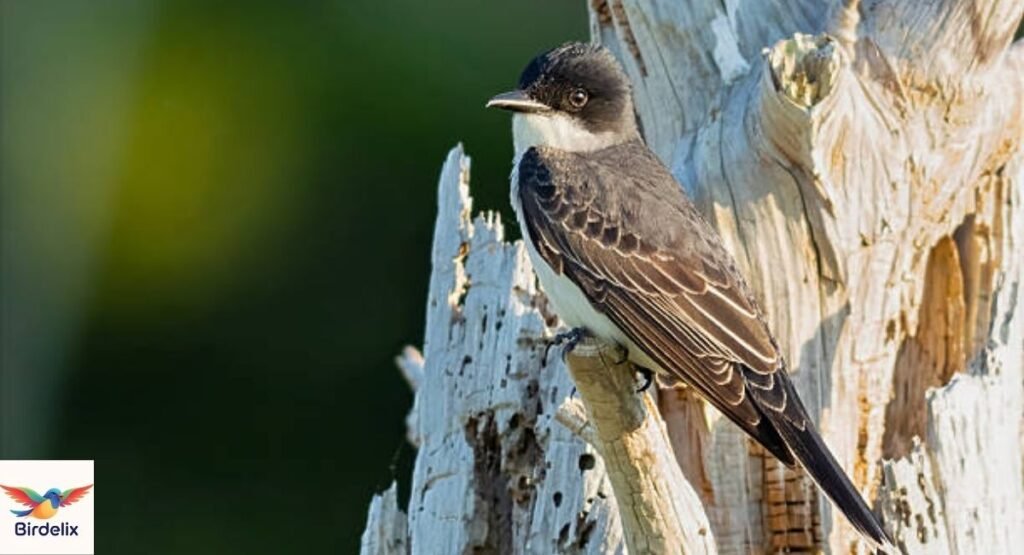
Scientific Name: Tyrannus spp.
Family: Tyrannidae
Kingbirds are energetic flycatchers known for defending feeding territories with surprising confidence. Species such as the Eastern Kingbird commonly occur across North America in fields, woodland edges, farms, and open areas. They mainly catch flying insects but may also eat fruits. Their upright posture and contrasting plumage make them easy to notice. An interesting fact is that a Kingbird may aggressively chase much larger birds that enter its nesting territory.
10. Kittiwake
Scientific Name: Rissa spp.
Family: Laridae
The Kittiwake is a graceful seabird commonly associated with cliffs and northern coastal waters. It has pale plumage, dark wing tips, and a yellowish bill. Kittiwakes feed on fish, marine invertebrates, and other small ocean creatures. They often gather in large breeding colonies along rocky coastlines. An interesting fact is that the Black-legged Kittiwake gets its name from its distinctive call, which sounds somewhat like “kitti-wake.”
11. Knob-billed Duck
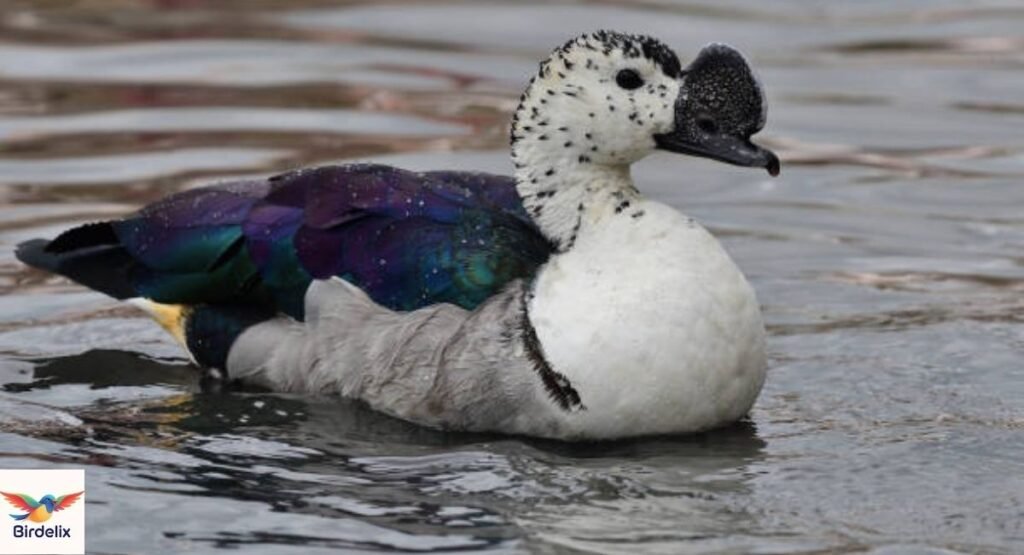
Scientific Name: Sarkidiornis melanotos
Family: Anatidae
The Knob-billed Duck is a large waterbird recognized by the prominent knob on the male’s bill. It usually lives around wetlands, lakes, rivers, flooded grasslands, and shallow freshwater habitats in Africa and parts of Asia. Its diet includes seeds, grasses, aquatic plants, insects, and small aquatic animals. Males are noticeably larger than females. An interesting fact is that the large bill knob becomes especially prominent during the breeding season.
12. Kori Bustard
Scientific Name: Ardeotis kori
Family: Otididae
The Kori Bustard is one of the heaviest flying birds in the world. It lives mainly in African grasslands, savannas, and dry open landscapes where it searches for insects, seeds, reptiles, and small animals. Its long legs and powerful body allow it to walk considerable distances while feeding. Males perform impressive displays during courtship. An interesting fact is that despite its great size, the Kori Bustard can still take flight when necessary.
13. Kakariki
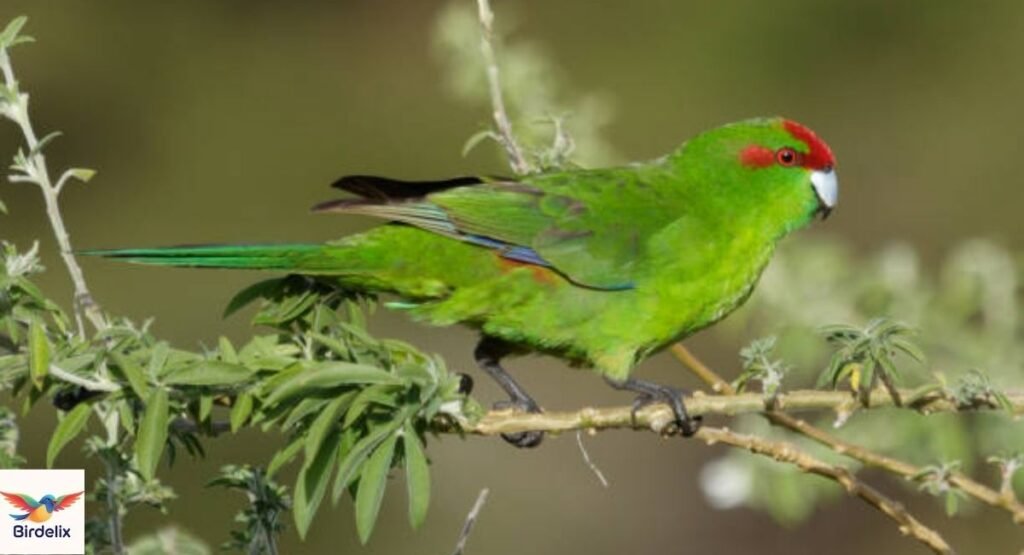
Scientific Name: Cyanoramphus spp.
Family: Psittaculidae
Kakariki is a name commonly used for several small New Zealand parrots. These colorful birds often have green plumage with red or other bright markings around the face and crown. They feed on seeds, fruits, flowers, leaves, and insects. Depending on the species, they live in forests, shrublands, and island habitats. An interesting fact is that Kakariki means “green” in the Māori language, reflecting the birds’ vivid green appearance.
14. Kea
Scientific Name: Nestor notabilis
Family: Strigopidae
The Kea is a large alpine parrot native to New Zealand’s South Island. It lives around mountain forests, rocky slopes, valleys, and high-altitude landscapes. Its olive-green body hides brilliant orange-red feathers beneath the wings. Keas eat roots, fruits, seeds, insects, and other available foods. They are highly intelligent and curious birds. An interesting fact is that Keas are famous for investigating unfamiliar objects with their strong bills and agile feet.
15. Kererū
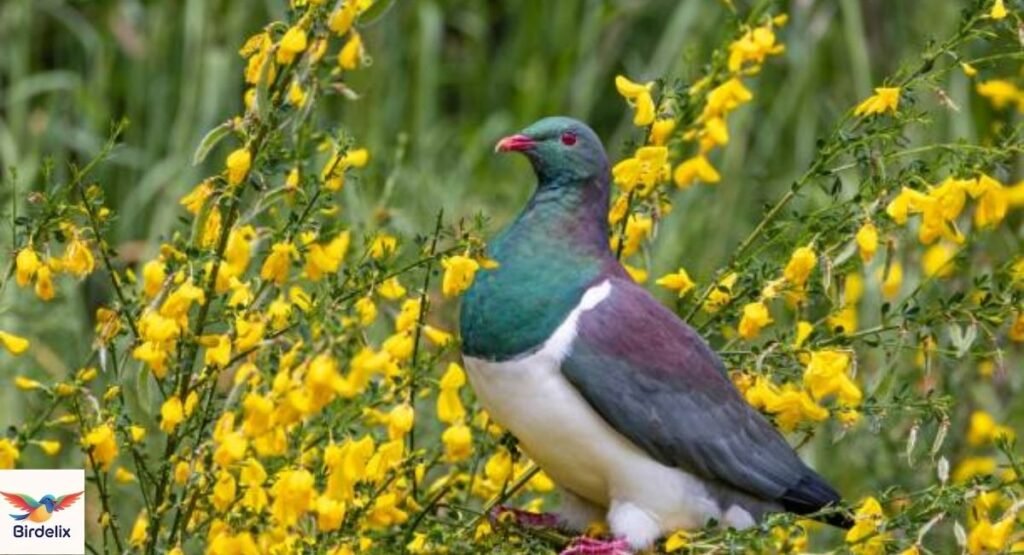
Scientific Name: Hemiphaga novaeseelandiae
Family: Columbidae
The Kererū is a large native pigeon of New Zealand with an attractive green and white body. It commonly lives in forests, gardens, parks, and urban areas where fruiting trees provide food. Fruits form an important part of its diet, especially during seasons when native trees produce abundant crops. Its wings create a distinctive loud beating sound during flight. An interesting fact is that Kererū can swallow relatively large fruits that smaller native birds cannot handle.
16. Koel
Scientific Name: Eudynamys scolopaceus
Family: Cuculidae
The Asian Koel is a cuckoo known for its powerful and repeated calls. It lives in forests, gardens, plantations, and urban areas across South and Southeast Asia. Fruits make up much of its diet, although young birds receive food provided by their hosts. The male has glossy black plumage while the female has brown, heavily spotted feathers. An interesting fact is that the Koel is a brood parasite, meaning it lays its eggs in other birds’ nests.
17. Kotuku
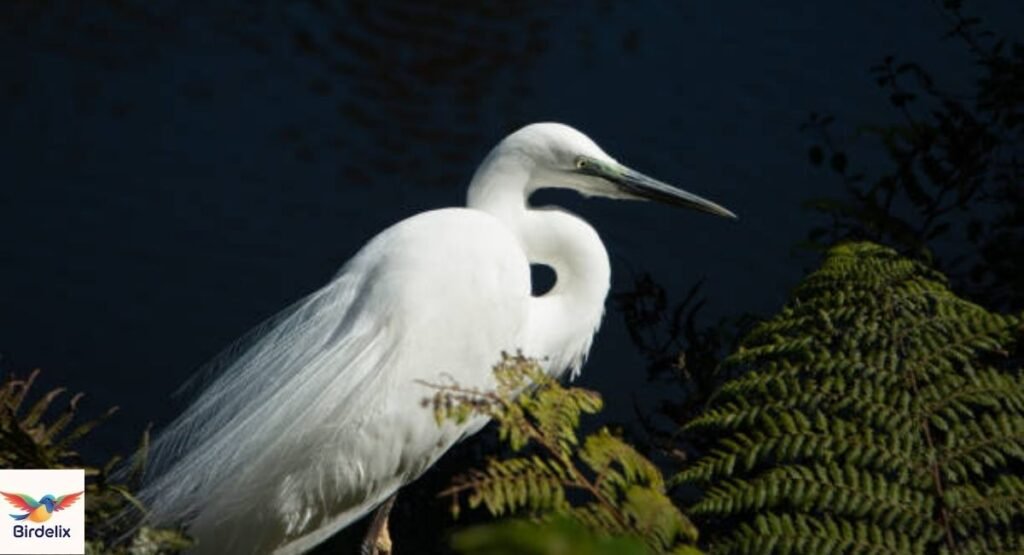
Scientific Name: Ardea modesta
Family: Ardeidae
Kotuku is the Māori name commonly associated with the White Heron found in New Zealand. This elegant wading bird has long legs, a long neck, and clean white plumage. It usually feeds around rivers, wetlands, lagoons, estuaries, and coastal waters. Fish, frogs, insects, and small aquatic creatures form much of its diet. An interesting fact is that White Herons are uncommon in New Zealand, making sightings especially memorable for birdwatchers.
18. King Eider
Scientific Name: Somateria spectabilis
Family: Anatidae
The King Eider is a striking Arctic sea duck known for the male’s colorful face and bold bill pattern. It breeds across northern Arctic regions and spends much of its time near cold coastal waters. It feeds on mollusks, crustaceans, marine invertebrates, and other aquatic prey. Males become especially colorful during the breeding season. An interesting fact is that King Eiders can dive underwater to search for food in surprisingly deep coastal waters.
19. King Penguin
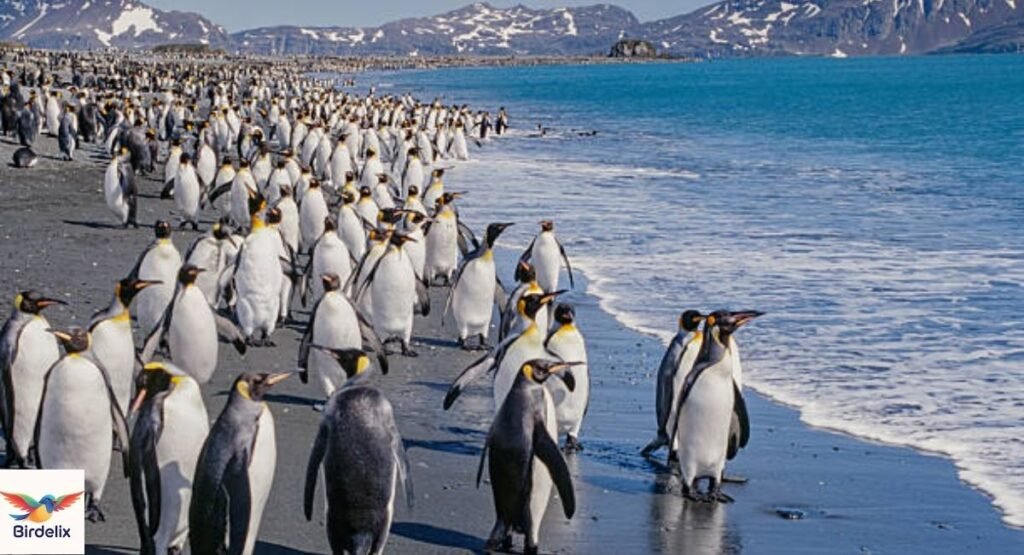
Scientific Name: Aptenodytes patagonicus
Family: Spheniscidae
The King Penguin is a large flightless seabird recognized by its orange-yellow markings around the neck and head. It breeds on subantarctic islands and spends much of its life around cold southern oceans. Its main food includes fish and squid, which it catches during deep underwater dives. Unlike flying birds, penguins use their wings as powerful underwater flippers. An interesting fact is that King Penguins can remain at sea for long periods while searching for food.
20. King Quail
Scientific Name: Synoicus chinensis
Family: Phasianidae
The King Quail is a tiny ground-dwelling bird found across parts of Asia and Australasia. It prefers grasslands, marsh edges, agricultural areas, and dense vegetation where it can hide easily. Its diet includes seeds, grains, insects, and other small food items. Males often have stronger color patterns than females. An interesting fact is that the King Quail is among the smallest quail species and can move quickly through thick grass despite its tiny size.
21. King Rail
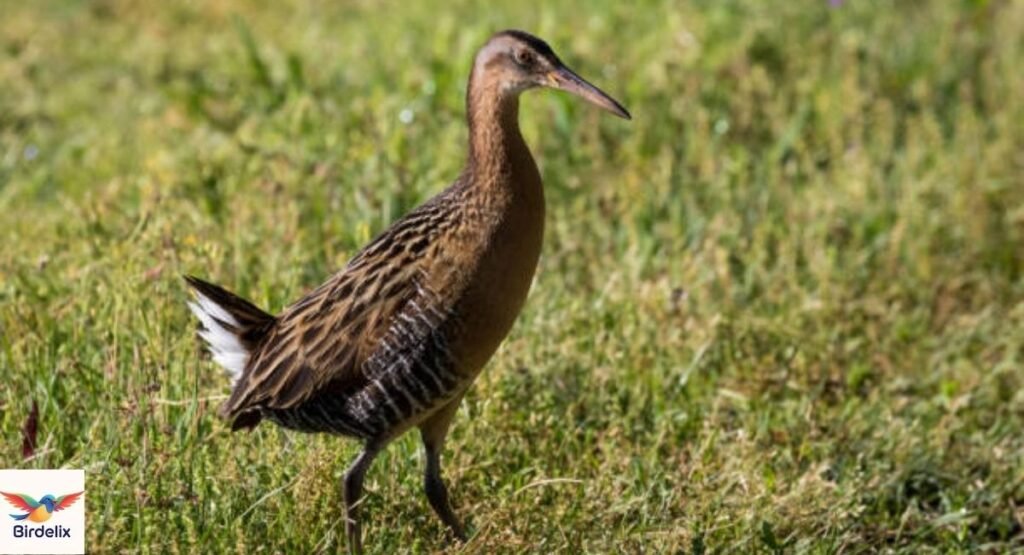
Scientific Name: Rallus elegans
Family: Rallidae
The King Rail is a large North American rail that spends much of its life around freshwater and coastal wetlands. It prefers marshes with dense vegetation where its brown, black, and white plumage provides useful camouflage. It feeds on crustaceans, fish, frogs, insects, and other small animals. The species can be difficult to spot because it often walks through thick reeds. An interesting fact is that King Rails may swim across water when necessary.
22. King Vulture
Scientific Name: Sarcoramphus papa
Family: Cathartidae
The King Vulture is a large and colorful scavenging bird found in tropical parts of Central and South America. Its white body contrasts with black wing feathers while its bare head shows striking orange, red, and yellow tones. It feeds mainly on carrion and helps remove dead animals from the ecosystem. An interesting fact is that its powerful bill allows it to open carcasses that some smaller scavengers cannot penetrate.
23. King Bird-of-paradise
Scientific Name: Cicinnurus regius
Family: Paradisaeidae
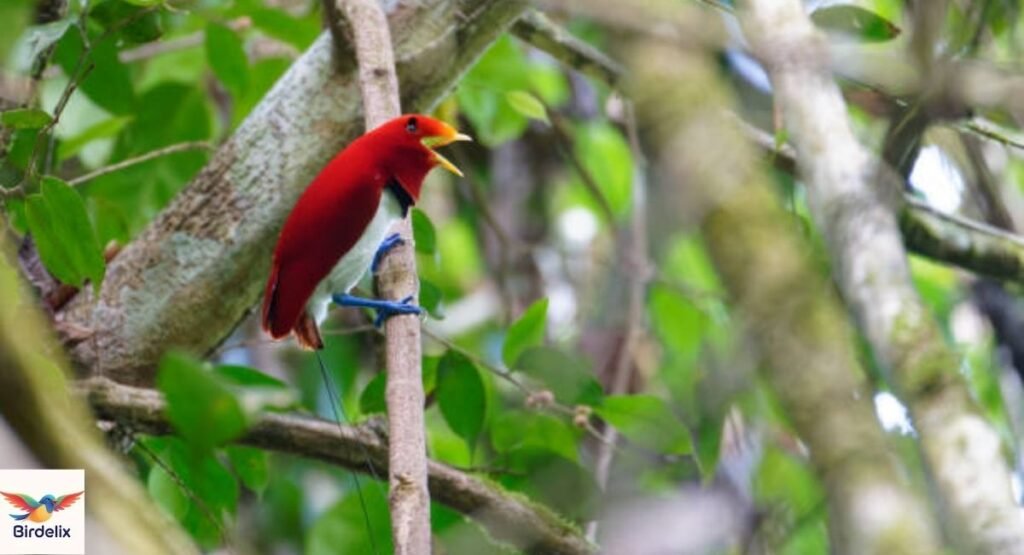
The King Bird-of-paradise is a tiny but spectacular bird native to New Guinea. Its bright red body, white belly, blue feet, and ornamental tail feathers create an unforgettable appearance. It lives mainly in tropical forests where it feeds on fruits and small insects. Males perform elaborate displays to attract females. An interesting fact is that the male’s tiny tail ornaments can move independently during courtship.
24. King of Saxony Bird-of-paradise
Scientific Name: Pteridophora alberti
Family: Paradisaeidae
The King of Saxony Bird-of-paradise is a remarkable mountain forest bird found in New Guinea. Males are famous for their two long, wire-like head plumes that rise dramatically above the body. They feed mainly on fruits and insects found within forest vegetation. Courtship involves unusual movements and vocal displays. An interesting fact is that the male can raise and control its long head feathers during an elaborate mating performance.
25. Kirtland’s Warbler
Scientific Name: Setophaga kirtlandii
Family: Parulidae
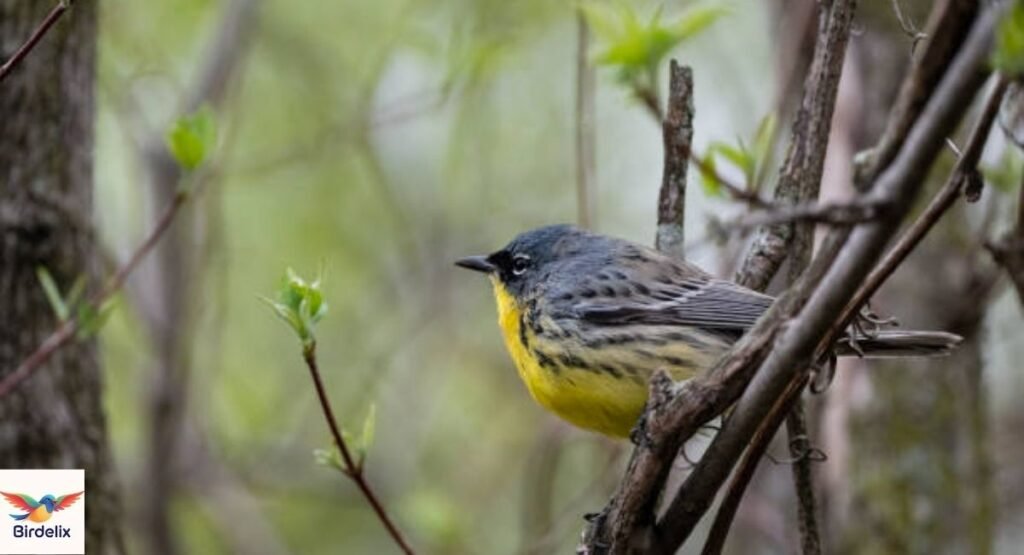
Kirtland’s Warbler is a small songbird strongly associated with young jack pine forests in Michigan and nearby regions. It has a blue-gray back, yellow underside, and distinctive dark markings. The species mainly eats insects and other small arthropods. Its breeding habitat depends on young pine trees with particular structural conditions. An interesting fact is that carefully managed habitat restoration has played an important role in helping this rare warbler recover.
26. Kashmir Flycatcher
Scientific Name: Ficedula subrubra
Family: Muscicapidae
The Kashmir Flycatcher is a small migratory bird associated with woodland habitats of the Indian subcontinent. It has subtle brownish upperparts with warm reddish coloring on the lower body. Small flying insects form an important part of its diet. During migration, it may appear in wooded gardens and forested areas. An interesting fact is that this species has a relatively restricted breeding range, making it a prized sighting for birdwatchers.
27. Kashmir Nuthatch
Scientific Name: Sitta cashmirensis
Family: Sittidae
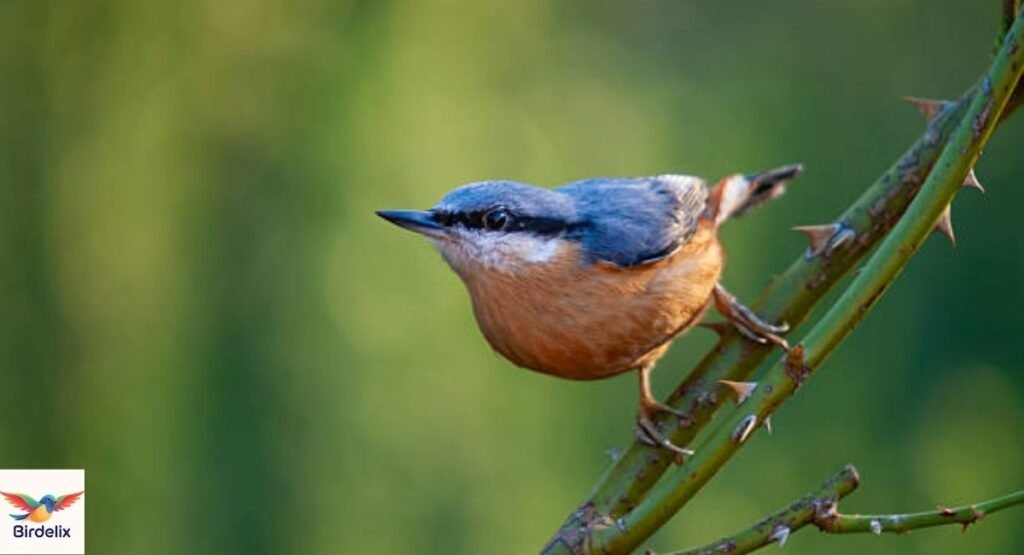
The Kashmir Nuthatch is a small climbing bird associated with mountainous forests in parts of the Himalayas. It moves skillfully along tree trunks and branches while searching for insects, seeds, and other food. Its strong feet and pointed bill help it exploit bark crevices. An interesting fact is that like other nuthatches, it can move down tree trunks headfirst, giving it an unusual advantage while searching for hidden prey.
28. Karoo Lark
Scientific Name: Calendulauda subcoronata
Family: Alaudidae
The Karoo Lark is a small bird associated with dry landscapes of southern Africa. It commonly occurs in scrubby areas, rocky plains, and open habitats where vegetation remains relatively sparse. It feeds mainly on seeds and small invertebrates. Its muted colors provide effective camouflage against the dry ground. An interesting fact is that its survival depends heavily on its ability to make efficient use of food in harsh and unpredictable environments.
29. Karoo Thrush
Scientific Name: Turdus smithi
Family: Turdidae
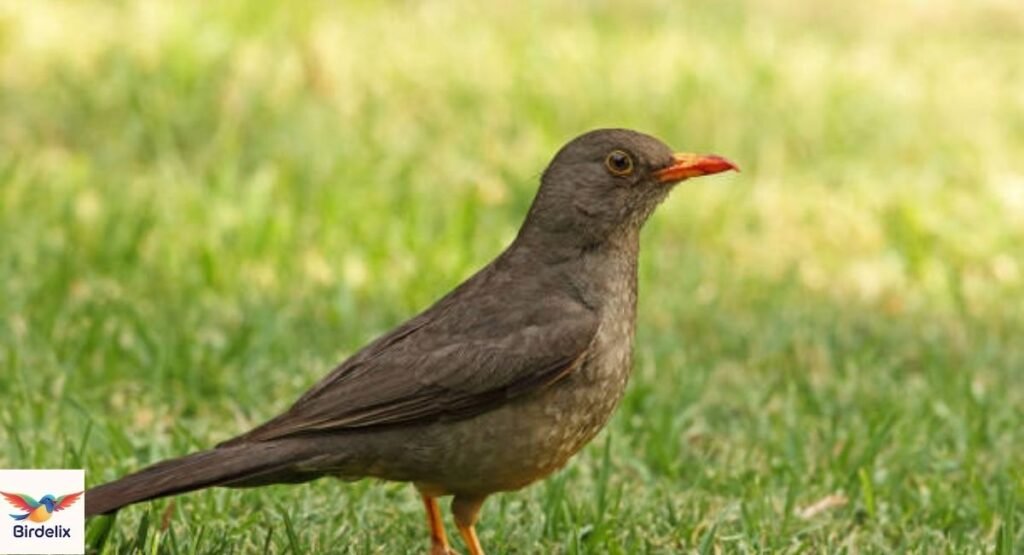
The Karoo Thrush is a medium-sized African songbird associated with woodland, scrub, gardens, and other habitats across southern Africa. It has subdued brown coloring that contrasts with its paler underside. The bird feeds on fruits, insects, worms, and other small food items. It often searches for food on the ground beneath vegetation. An interesting fact is that its flexible diet allows it to use both natural habitats and human-modified landscapes.
30. Kalahari Scrub Robin
Scientific Name: Erythropygia paena
Family: Muscicapidae
The Kalahari Scrub Robin is a small bird adapted to dry woodland, thornveld, and scrub habitats of southern Africa. Its brown and gray plumage helps it blend into branches, soil, and dry vegetation. It feeds mainly on insects and other small invertebrates. The bird often searches for prey among shrubs and on the ground. An interesting fact is that its muted appearance hides a surprisingly distinctive and varied vocal repertoire.
31. Kamchatka Leaf Warbler
Scientific Name: Phylloscopus examinandus
Family: Phylloscopidae
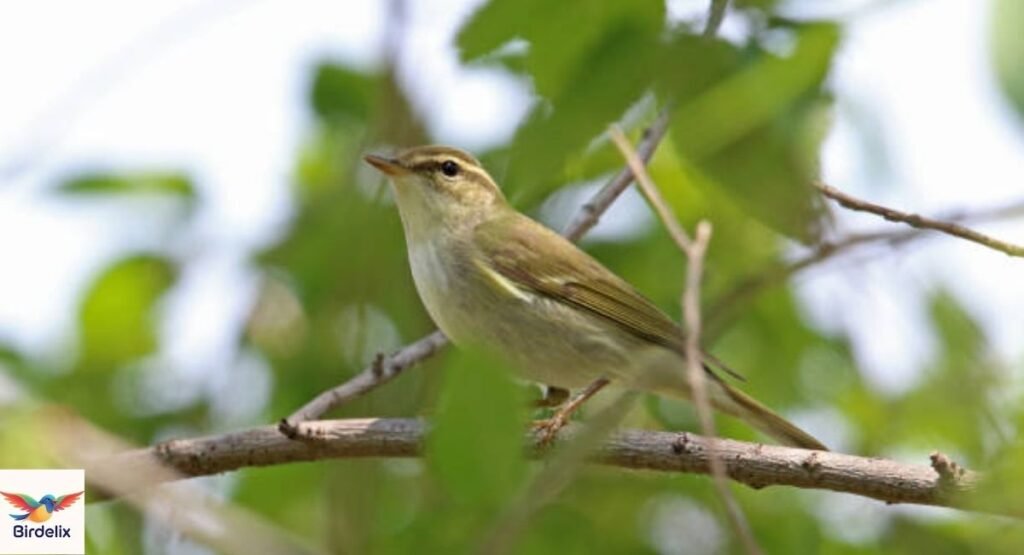
The Kamchatka Leaf Warbler is a small insect-eating songbird associated with northeastern Asia. It breeds in forested regions and migrates south during the colder season. Like many leaf warblers, it spends much of its time moving among foliage while searching for insects and larvae. Its small body and greenish coloring make it difficult to spot among leaves. An interesting fact is that careful identification may require attention to its song and subtle plumage details.
32. Kelp Gull
Scientific Name: Larus dominicanus
Family: Laridae
The Kelp Gull is a large coastal gull found across parts of the Southern Hemisphere. It commonly lives around beaches, rocky shores, estuaries, harbors, and offshore islands. Its varied diet includes fish, marine invertebrates, eggs, carrion, and discarded food. This adaptability allows it to live near both natural and developed coastlines. An interesting fact is that Kelp Gulls can exploit many different food sources when conditions change.
33. Kelp Goose
Scientific Name: Chloephaga hybrida
Family: Anatidae
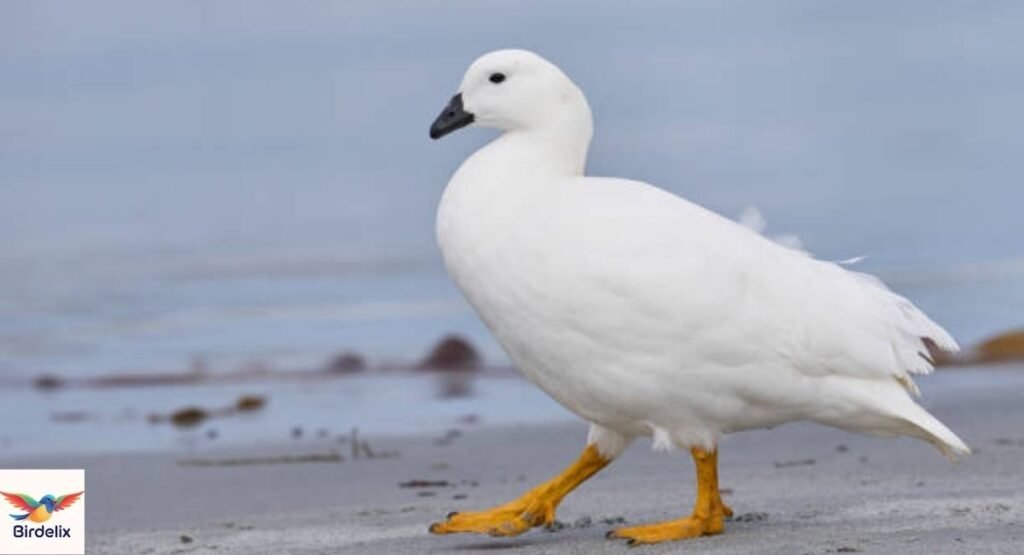
The Kelp Goose is a coastal waterbird associated with rocky shorelines and islands around southern South America. It feeds heavily on marine vegetation, especially algae and seaweed found along the shore. The species shows strong differences between male and female plumage, with males appearing much paler. An interesting fact is that its close relationship with the marine environment makes the Kelp Goose an excellent example of a bird adapted to coastal food resources.
34. Kerguelen Petrel
Scientific Name: Aphrodroma brevirostris
Family: Procellariidae
The Kerguelen Petrel is a seabird associated with the cold southern oceans around remote subantarctic islands. It spends much of its life at sea and returns to land mainly for breeding. Its diet includes small fish, squid, crustaceans, and other marine organisms. Like many petrels, it has excellent adaptations for life over open water. An interesting fact is that these birds can travel enormous distances across the ocean while searching for scattered food.
35. Kerguelen Shag
Scientific Name: Leucocarbo verrucosus
Family: Phalacrocoracidae
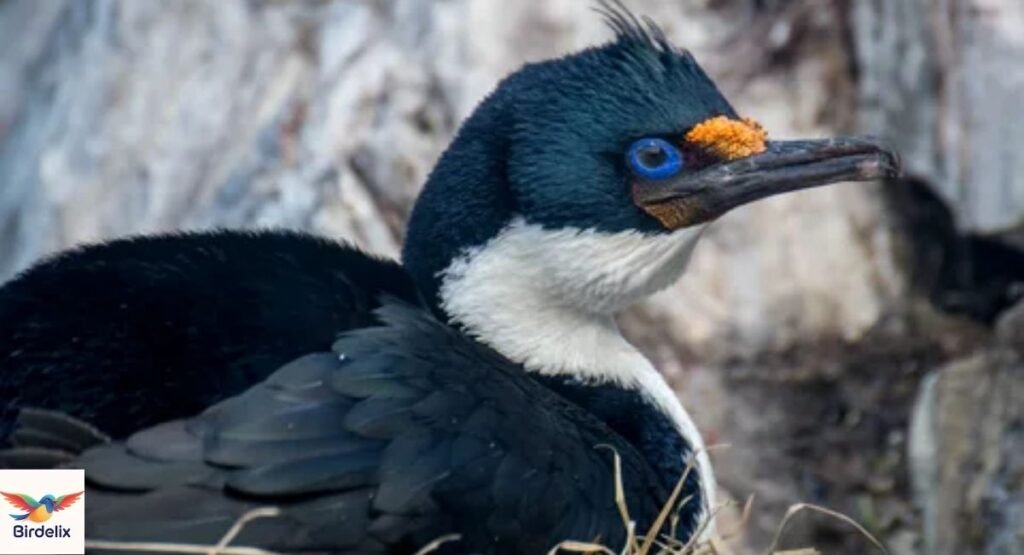
The Kerguelen Shag is a marine bird found around the remote Kerguelen Islands in the southern Indian Ocean. It spends much of its time along rocky coasts and feeds by diving underwater for fish and other marine animals. Its dark plumage and hooked bill are typical features of diving cormorants and shags. An interesting fact is that the species has a very restricted geographic range because it depends on isolated subantarctic islands.
36. Kermadec Petrel
Scientific Name: Pterodroma neglecta
Family: Procellariidae
The Kermadec Petrel is a wide-ranging seabird associated with tropical and subtropical oceans. It breeds on islands and spends long periods flying over open water while searching for fish, squid, and other marine prey. Its long wings make it highly suited to gliding over ocean currents. An interesting fact is that this petrel can travel vast distances away from breeding colonies while completing its feeding journeys.
37. Key West Quail-Dove
Scientific Name: Geotrygon chrysia
Family: Columbidae
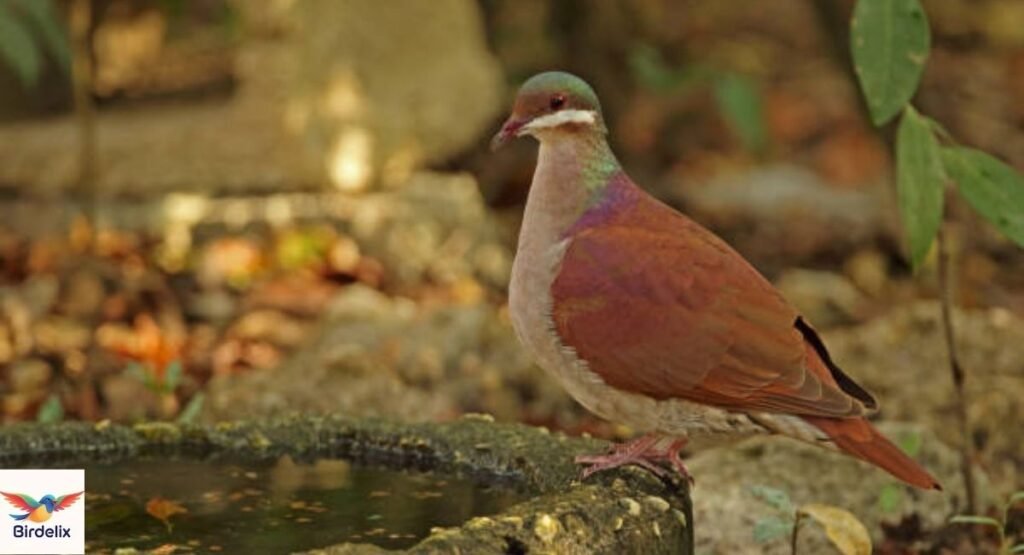
The Key West Quail-Dove is a shy ground-feeding dove associated with wooded habitats in parts of the Caribbean and southern Florida region. It has attractive plumage with subtle iridescent coloring that can appear especially striking in good light. It searches through leaf litter for seeds, fruits, and small invertebrates. An interesting fact is that its quiet behavior and preference for dense vegetation can make it surprisingly difficult to observe.
38. Knysna Turaco
Scientific Name: Tauraco corythaix
Family: Musophagidae
The Knysna Turaco is a beautiful forest bird native to southern Africa. Its green body, red wing feathers, and distinctive crest give it a dramatic appearance. It lives mainly in evergreen forests and feeds on fruits, flowers, and other plant material. The bird spends much of its time moving through tree canopies. An interesting fact is that its vivid red wing feathers become especially noticeable when it suddenly takes flight.
39. Knysna Warbler
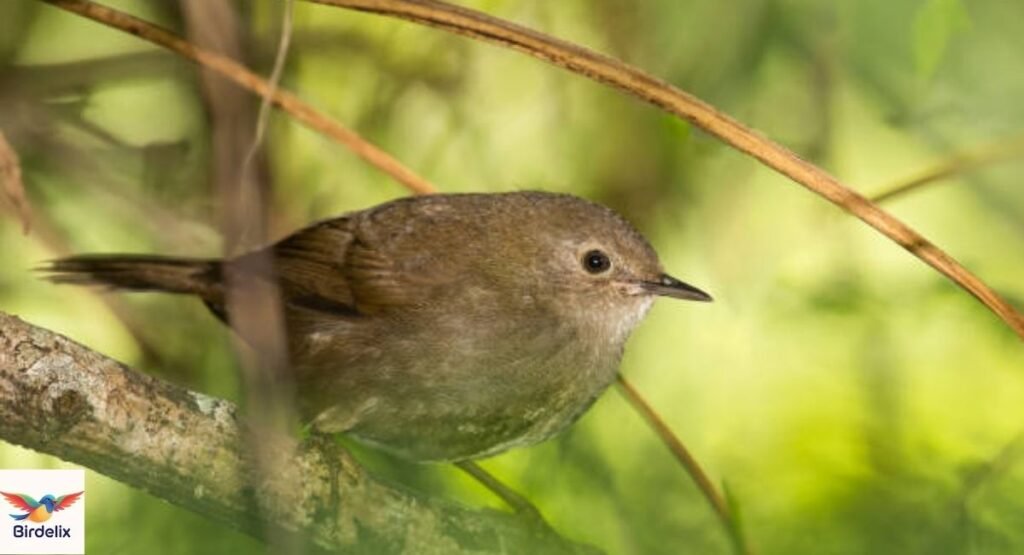
Scientific Name: Bradypterus sylvaticus
Family: Locustellidae
The Knysna Warbler is a secretive bird associated with dense vegetation and forest habitats in southern Africa. Its brown plumage helps it disappear among leaves, shadows, and tangled undergrowth. It mainly feeds on insects and other tiny invertebrates. Because it often stays hidden, its voice can be easier to detect than its body. An interesting fact is that patient birdwatchers often rely on its distinctive song to locate it.
40. Knysna Woodpecker
Scientific Name: Campethera notata
Family: Picidae
The Knysna Woodpecker is a medium-sized African woodpecker associated with forests, woodland, and wooded gardens. It uses its strong bill to probe bark and search for insects hidden inside trees. Fruits and other food may also supplement its diet. Its stiff tail feathers provide support while climbing trunks. An interesting fact is that its specialized tongue can reach into narrow spaces where insects attempt to hide.
41. Koklass Pheasant
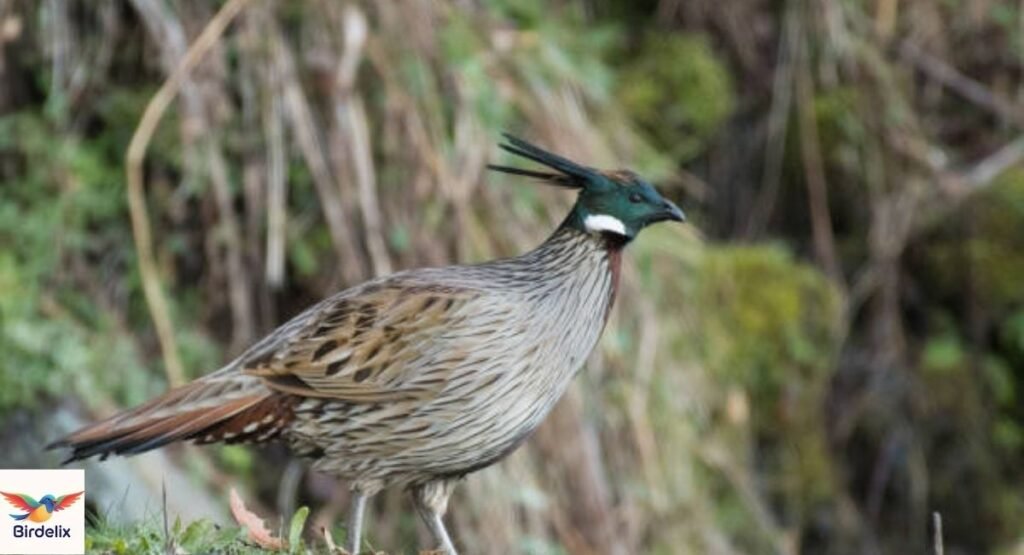
Scientific Name: Pucrasia macrolopha
Family: Phasianidae
The Koklass Pheasant is a secretive mountain bird found across parts of the Himalayas and nearby Asian regions. It prefers forested slopes, bamboo growth, and dense mountain vegetation where it can remain concealed. It feeds on seeds, roots, shoots, berries, and insects. The male has more striking plumage than the female. An interesting fact is that this pheasant spends much of its time walking quietly through dense vegetation rather than flying long distances.
42. Kori Bustard
Scientific Name: Ardeotis kori
Family: Otididae
The Kori Bustard is an enormous grassland bird and one of the most impressive large Birds That Start With K. It occurs in open African landscapes where it walks slowly while searching for insects, seeds, reptiles, and small vertebrates. Males become especially impressive during courtship displays. Their pale and patterned feathers blend well with dry grass. An interesting fact is that the Kori Bustard relies more on walking than flying for everyday movement.
43. Kofiau Paradise Kingfisher
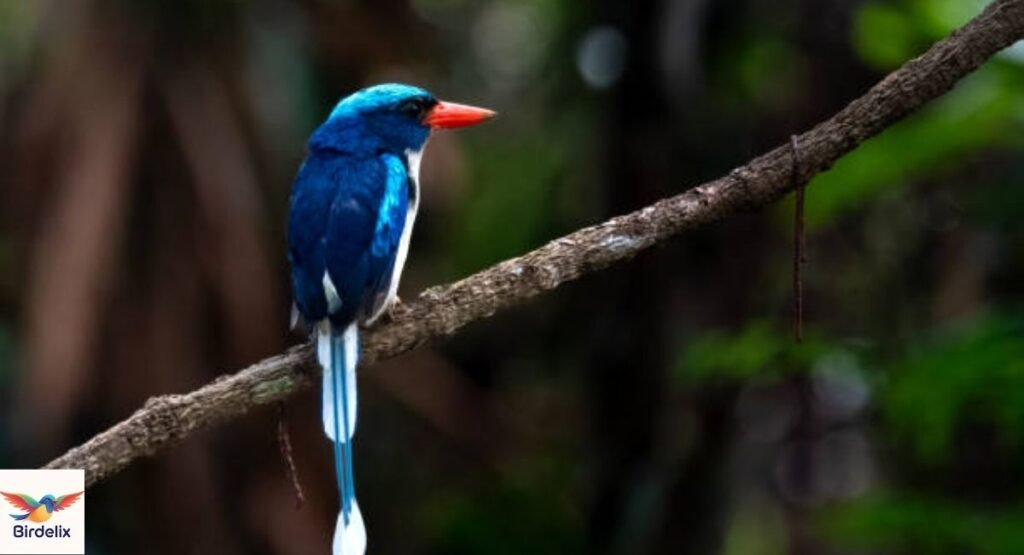
Scientific Name: Tanysiptera ellioti
Family: Alcedinidae
The Kofiau Paradise Kingfisher is a striking kingfisher associated with the island of Kofiau in Indonesia. Like other paradise kingfishers, it has an elegant appearance and a specialized bill suited to catching prey. It feeds mainly on insects and other small animals found in forest habitats. Its restricted island range makes it especially interesting to bird enthusiasts. An interesting fact is that island-restricted birds can face greater risks when their limited habitat changes.
44. Kosrae Fruit-Dove
Scientific Name: Ptilinopus porphyraceus
Family: Columbidae
The Kosrae Fruit-Dove is a colorful fruit-eating bird associated with tropical island forests. It spends much of its time in trees where it searches for fruits and other plant foods. Its compact body and attractive plumage help it blend into the lush greenery while still providing flashes of color. An interesting fact is that fruit-doves play an important ecological role by helping disperse seeds through their feeding habits.
45. Kosrae White-eye
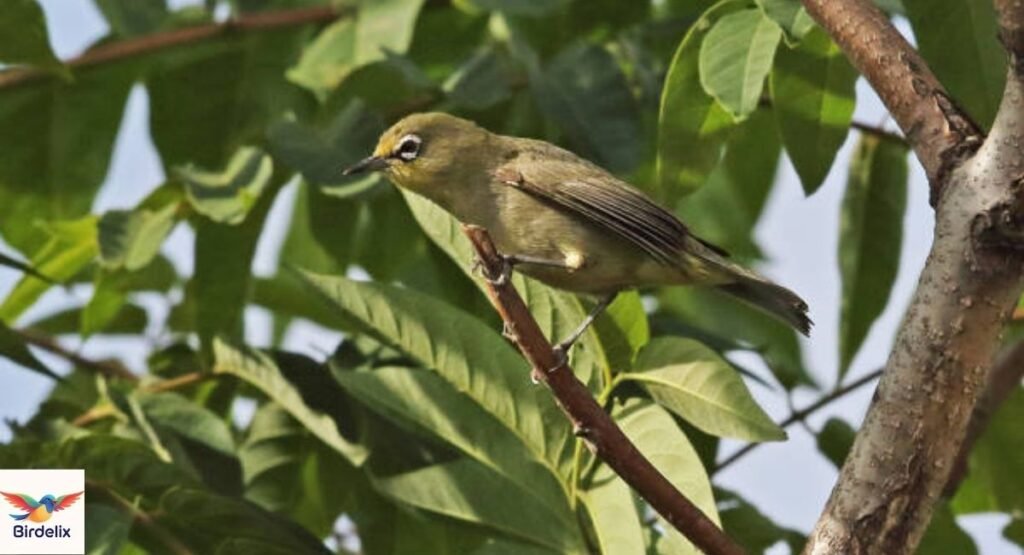
Scientific Name: Zosterops cinereus
Family: Zosteropidae
The Kosrae White-eye is a small island bird recognized by the pale ring around its eye. It lives in forested and cultivated areas on Kosrae in the Federated States of Micronesia. Its diet includes fruits, nectar, and small insects. Because of its small size, it can move quickly among leaves and branches. An interesting fact is that white-eyes often use their flexible feeding habits to exploit both native vegetation and flowering plants.
46. Krüper’s Nuthatch
Scientific Name: Sitta krueperi
Family: Sittidae
Krüper’s Nuthatch is a small tree-climbing bird found mainly in parts of Turkey and nearby regions. It is associated with coniferous and mixed forests where it searches tree bark for insects and other food. Seeds may also become important at certain times of year. Its strong feet help it move along trunks and branches. An interesting fact is that the species is closely linked to mature forest habitats and can be sensitive to habitat changes.
47. Kuhl’s Lorikeet
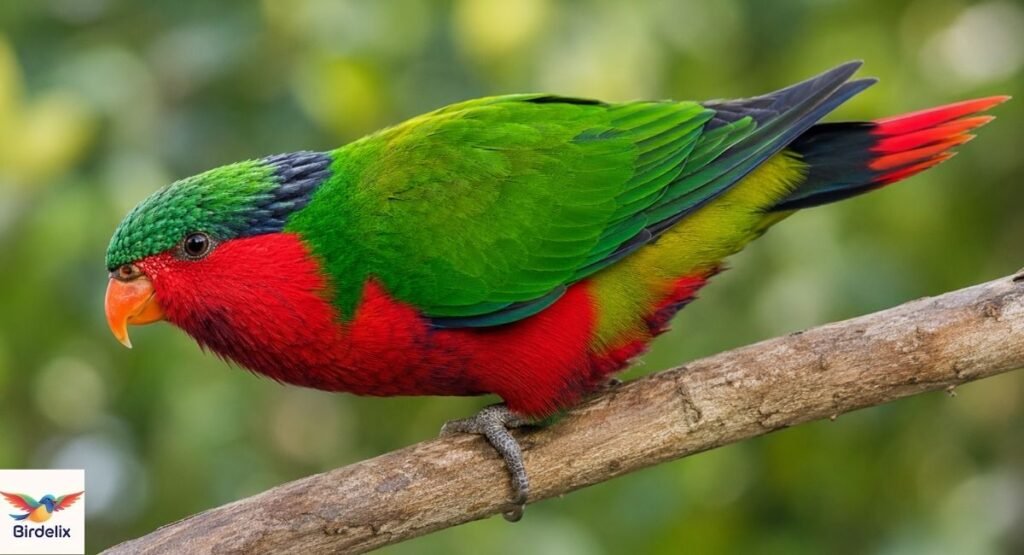
Scientific Name: Vini kuhlii
Family: Psittaculidae
Kuhl’s Lorikeet is a small, brightly colored parrot associated with tropical Pacific islands. Its vivid plumage helps it stand out among green vegetation and flowering plants. It feeds on nectar, flowers, fruits, and other plant resources. The species often moves quickly between trees while searching for food. An interesting fact is that nectar-feeding parrots can act as important pollinators as they visit flowers.
48. Kurrichane Thrush
Scientific Name: Turdus libonyana
Family: Turdidae
The Kurrichane Thrush is a medium-sized African songbird found in woodland, savanna, gardens, and other habitats with suitable cover. It feeds on fruits, insects, worms, and other small creatures. Its brownish body provides useful camouflage among branches and leaf litter. The species can forage both on the ground and in vegetation. An interesting fact is that its varied diet allows it to adjust its feeding behavior according to seasonal food supplies.
49. Kittlitz’s Plover
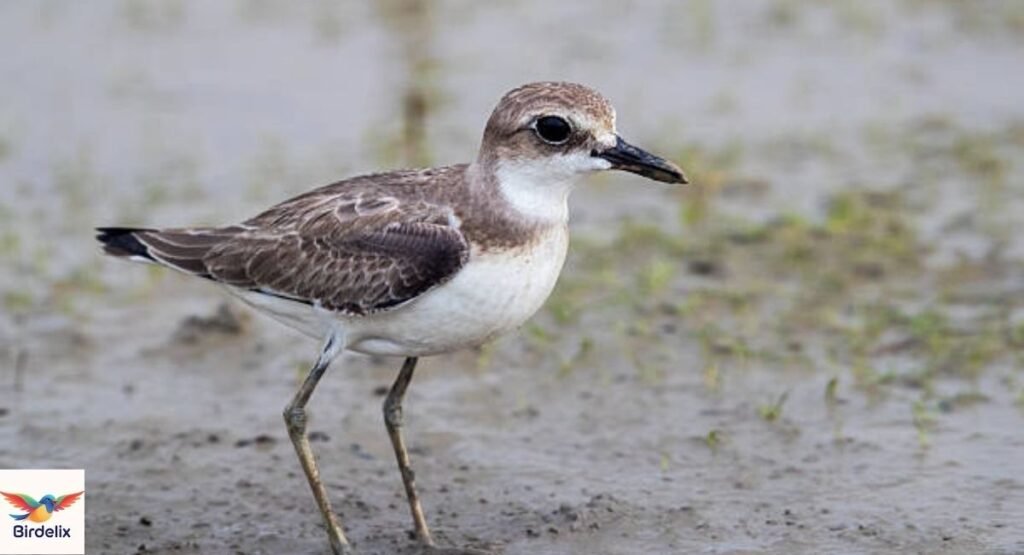
Scientific Name: Anarhynchus pecuarius
Family: Charadriidae
Kittlitz’s Plover is a small shorebird associated with sandy beaches, mudflats, lake edges, and other open areas near water. It has cryptic brown and sandy coloring that helps it disappear against the ground. The bird feeds on insects and other tiny invertebrates. It often runs quickly before stopping suddenly to pick up prey. An interesting fact is that its camouflage can make a whole group surprisingly difficult to detect from a distance.
50. Kittlitz’s Murrelet
Scientific Name: Brachyramphus brevirostris
Family: Alcidae
Kittlitz’s Murrelet is a small seabird associated with cold waters and coastal regions of Alaska and northeastern Russia. It feeds mainly on small marine prey that it catches during underwater dives. Unlike many seabirds that nest in large colonies, this species can use remote terrestrial nesting sites. An interesting fact is that its close connection with glacial and coastal environments makes it an important bird to watch when studying changes in northern ecosystems.
Colorful Birds That Start With K
Color can turn a difficult identification into an easy one. Some colorful birds in this group show blue, green, orange, red, or yellow feathers. Others rely on subtle shades that work as camouflage. Remember that lighting, age, sex, and season can change how plumage appears.
For birdwatchers, color works best when paired with habitat, size, shape, and behavior. A bright bird isn’t automatically easy to identify. Look at the whole picture. The bill, tail, wing pattern, and call often provide the missing clue.
Blue Birds That Start With K
Several K-named birds show blue or blue-marked plumage. Kingfishers can display brilliant blue backs while Kofiau Paradise Kingfishers combine blue with warmer tones. Kererū also develops an iridescent blue-green appearance. These shades often look especially vivid under direct sunlight.
Blue and Orange Birds That Start With K
Blue and orange combinations are especially eye-catching among kingfishers. Their vivid colors make them popular with photographers and birdwatchers. However, color alone shouldn’t decide identification. Compare the plumage pattern, bill shape, habitat, and body size before naming the species.
Blue and Yellow Birds That Start With K
Some K birds show blue or blue-green tones alongside yellow areas. Kirtland’s Warbler provides a useful example because its yellow underparts contrast with blue-gray upperparts. Looking at color placement matters. A yellow belly means something different from yellow wing bars.
Green Birds That Start With K
Green plumage appears in several parrots and forest birds beginning with K. Kakapo, Kakariki, Kea, Kererū, and Knysna Turaco all show green tones in different ways. Green feathers can provide camouflage among leaves. In other species, vivid shades help make social displays more noticeable.
Red, White & Black Birds That Start With K
Red, white, and black combinations create some of the strongest visual patterns in K birds. King Vultures show dramatic contrasts while King Bird-of-paradise has bright ornamental colors. These combinations can make species memorable. They also provide useful bird identification features when viewed alongside habitat.
Small Birds That Start With K
Small K birds include warblers, flycatchers, white-eyes, and other compact species. Their light bodies often support quick movements through vegetation. Small birds that start with K can be challenging to spot because they rarely stay still. Listen for calls, then scan branches and dense foliage carefully.
Size can also mislead beginners. A bird may look tiny because it sits far away or hides part of its body. Compare it with familiar objects or nearby birds when possible. Body shape, bill length, and tail proportions often give better clues than size alone.
Large Birds That Start With K
Large K birds span several groups, from bustards and vultures to penguins. The Kori Bustard stands out for its immense body while King Vultures rely on broad wings for soaring. King Penguins look large on land yet become streamlined swimmers once they enter the ocean.
When comparing large birds that start with K, consider height, weight, wingspan, and body structure separately. A tall bird isn’t always the heaviest. Likewise, a broad-winged bird can have a much greater wingspan than a heavier ground-dweller.
Rare & Endangered Birds That Start With K Table
Some K birds deserve special attention because their populations face serious pressures. Island species often face added risks because their entire world may fit within a small geographic area. Habitat loss, introduced predators, climate shifts, and restricted breeding ranges can all affect vulnerable birds.
| Bird | Why It Is Rare or Notable | Habitat | Region | Conservation Focus |
| Kakapo | Flightless and highly restricted | Native forest | New Zealand | Population recovery |
| Kagu | Restricted island species | Forest | New Caledonia | Habitat protection |
| Kirtland’s Warbler | Specialized breeding habitat | Jack pine forest | United States | Habitat management |
| Kauaʻi Nukupuʻu | Extremely rare island bird | Forest | Hawaii | Species protection |
| Kinglet Calyptura | Rare and elusive | Atlantic Forest | Brazil | Forest conservation |
Kakapo is particularly notable because its restricted population requires intensive conservation attention. Kagu also has a limited island range. These examples show why bird conservation often depends on protecting the exact habitats where a species breeds, feeds, and shelters.
Types of Birds That Start With K
The K category crosses nearly every major lifestyle. You can find predators, parrots, seabirds, shorebirds, waterfowl, songbirds, and forest specialists. This variety makes the keyword useful for readers who want more than a simple list of names.
Looking at bird groups also improves identification. If a bird is diving into water, it may belong to a different group than one hunting insects from a branch. Likewise, body shape often reveals whether you’re seeing a duck, raptor, parrot, or shorebird.
K Birds of Prey
Kestrels and vultures represent very different hunting strategies. Kestrels actively search for small prey while hovering or perching above open land. King Vultures specialize in scavenging. Their hooked bills, sharp eyesight, and soaring ability help them locate food across large areas.
K Waterbirds
K birds associated with water include King Eiders, King Penguins, Kittiwakes, and King Rails. Their bodies reflect very different environments. Some dive beneath waves while others walk through marsh vegetation. Waterbird habitats can therefore include Arctic seas, coastal cliffs, freshwater marshes, and wetlands.
K Songbirds
Warblers, thrushes, white-eyes, and related species form a large group of small K-named birds. Many feed on insects or fruit. Their songs often reveal their presence before their bodies become visible. Dense leaves can make these birds surprisingly difficult to observe.
K Parrots
Kakapo, Kea, Kakariki, and Kuhl’s Lorikeet represent several fascinating parrot lifestyles. Their strong bills help them process food while flexible feet assist climbing. Some live in forests while others occupy alpine or island environments. Their intelligence also makes parrot behavior especially interesting.
K Shorebirds
Killdeer, Kentish Plover, and Kittlitz’s Plover show how well small birds can adapt to exposed ground. Their longish legs help them move across mud, sand, and shallow water. Camouflage plays a major role because many nest directly on the ground.
K Forest Birds
Forest K birds range from parrots and pigeons to warblers, turacos, and kingfishers. Dense vegetation provides food, nesting sites, and protection. Some species stay in the canopy while others search the understory. This layered environment creates many ecological niches within one forest.
Birds That Start With K by Habitat
Habitat shapes almost everything a bird does. It influences available food, nesting locations, predators, movement, and seasonal behavior. Bird habitats associated with K species range from tropical forests and wetlands to deserts, alpine slopes, islands, and open oceans.
For readers in the United States, habitat is especially useful for narrowing identification. A bird seen beside an Alaska glacier needs a different shortlist from one spotted in a Florida marsh. Location and environment work together.
Forest Birds
Forest K birds use trees for food, shelter, nesting, and communication. Kakariki, Kakapo, Kea, Knysna Turaco, and many small warblers demonstrate different forest strategies. Some search branches while others forage on the ground. Forest structure often determines which species can survive there.
Rainforest Birds
Rainforest K birds benefit from abundant fruit, insects, flowers, and dense cover. King Vultures, King Bird-of-paradise, and several island species use tropical vegetation in different ways. High rainfall creates rich food webs. Yet rainforest fragmentation can quickly isolate small bird populations.
Wetland Birds
Wetlands support King Rails, Knob-billed Ducks, Kotuku, and many other water-associated birds. These places provide fish, insects, aquatic plants, and shallow feeding areas. Wetlands also serve as breeding and resting grounds. Protecting them can benefit many species at once.
Coastal & Ocean Birds
Kittiwakes, Kelp Gulls, Kelp Geese, Kerguelen Petrels, and Kittlitz’s Murrelets depend on marine environments. Some forage near shore while others spend months over open water. Their lives show how birds can survive in habitats that appear harsh to humans.
Grassland Birds
Grasslands suit Kori Bustards, Karoo Larks, King Quails, and other ground-oriented species. Open landscapes provide room for walking, running, displaying, and hunting. However, limited cover also increases exposure to predators. Many grassland birds rely on camouflage to remain unnoticed.
Desert Birds
Dry habitats demand careful use of water and shelter. Kalahari Scrub Robins and Karoo species show how birds can live among sparse vegetation. Their muted feathers blend with soil and scrub. Feeding patterns also shift according to rainfall and seasonal food availability.
Mountain Birds
Mountain K birds include Kea, Koklass Pheasant, Kashmir Nuthatch, and Kashmir Flycatcher. Cold temperatures, steep terrain, and changing weather shape their lives. Some birds forage among trees while others move into alpine zones. Strong legs, insulating feathers, and flexible diets can provide major advantages.
Island Birds
Islands produce some of the world’s most unusual birds. Kiwi, Kakapo, Kagu, Kosrae Fruit-Dove, and Kuhl’s Lorikeet show how isolation can shape evolution. However, island species can become vulnerable when predators or habitat changes arrive. Their small ranges leave little room for error.
Urban & Garden Birds
Some K-named birds can tolerate human-modified environments. Kookaburras, kingbirds, and certain kingfishers may occur around gardens, parks, farms, or urban edges. These places can provide food and shelter. However, human activity can also create hazards through traffic, pollution, and habitat loss.
Birds That Start With K by Geographic Region
The global distribution of K birds is remarkably broad. Some occur across several continents while others occupy one island or a small mountain range. Geographic distribution is therefore one of the easiest ways to narrow down an unfamiliar species.
For American readers, North America offers familiar options such as Killdeer, King Rail, Kingbird, and Kirtland’s Warbler. Travel farther, however, and the list becomes even more unusual.
North American K Birds
North America has several recognizable K species. Killdeer often appears around open ground while King Rails prefer marshes. Kingbirds hunt insects from exposed perches. Kirtland’s Warbler is more specialized, relying heavily on suitable jack pine habitat during breeding.
South American K Birds
South America supports tropical, coastal, and forest-associated K birds. King Vultures are especially notable because they soar over tropical forests while searching for carrion. Other K-named species occupy woodland, mountain, wetland, and coastal ecosystems across the continent.
European K Birds
Kestrels are among the best-known K birds in Europe. Kittiwakes also occur around northern coastal regions. These species occupy very different environments. One often hunts above fields while the other spends much of its life around marine cliffs and cold ocean waters.
African K Birds
Africa hosts an impressive selection of K birds. Kori Bustards roam grasslands while Kalahari Scrub Robins inhabit dry regions. Karoo species also show strong adaptations to southern Africa. Their different habitats demonstrate how one continent can support radically different bird lifestyles.
Asian K Birds
Asia contains Kestrels, Koels, Koklass Pheasants, Kashmir Flycatchers, and Kashmir Nuthatches. These species occupy forests, mountains, fields, and urban edges. Seasonal movement also matters. Some birds remain local while others travel considerable distances between breeding and wintering areas.
Australian K Birds
Australia is famous for Kookaburras and several other K-named species. Kookaburras use woodland and urban environments while hunting from elevated perches. Their familiar calls make them easy to recognize. Australia also supports a range of parrots, waterbirds, and grassland species.
New Zealand K Birds
New Zealand has an extraordinary collection of unusual K birds. Kiwi, Kakapo, Kea, Kakariki, Kererū, and Kotuku all show different adaptations. Flightlessness, island isolation, and specialized diets appear repeatedly. This makes New Zealand especially important for understanding unique bird species.
Pacific Island K Birds
Pacific islands support many restricted-range K birds. Kosrae species and Kuhl’s Lorikeet illustrate this pattern. Island forests can provide rich food resources. Yet small populations remain vulnerable to habitat change, introduced predators, storms, and other environmental pressures.
Birds That Start With K by Size
Size offers another useful identification shortcut. However, don’t judge a bird only by apparent height. Wingspan, body mass, leg length, and posture can create very different impressions. A bird standing tall may not weigh as much as a shorter but heavier species.
| Category | Examples |
| Tiny | Small white-eyes, warblers |
| Small | Killdeer, Kittiwake |
| Medium | Kingbird, Kookaburra |
| Large | King Vulture, King Penguin |
| Very Large | Kori Bustard |
Kori Bustard stands near the top of the size range among these examples. At the opposite end, tiny warblers and white-eyes can disappear into foliage. This contrast shows the remarkable physical range found among K bird species.
Birds That Start With K by Letter Length
Letter length may seem simple, yet it has real search value. Students, puzzle players, parents, and word-game fans often look for bird names based on character count. The safest approach is to count the commonly used English bird name.
Scientific names should not enter these calculations. Apostrophes and spaces can also create confusion. When a name contains multiple words, decide whether your word game counts spaces before comparing it with another list.
4-Letter Birds That Start With K
| Bird Name | Scientific Name | Main Type | Region |
|---|---|---|---|
| Kea | Nestor notabilis | Parrot | New Zealand |
| Kagu | Rhynochetos jubatus | Forest Bird | New Caledonia |
5-Letter K Bird Names
| Bird Name | Scientific Name | Main Type | Region |
|---|---|---|---|
| Koel | Eudynamys scolopaceus | Cuckoo | Asia |
| Kiwi | Apteryx spp. | Flightless Bird | New Zealand |
| Kori | Ardeotis kori | Bustard | Africa |
6-Letter K Bird Names
| Bird Name | Scientific Name | Main Type | Region |
|---|---|---|---|
| Kea | Nestor notabilis | Parrot | New Zealand |
| Kittiwake | Rissa spp. | Seabird | Northern Oceans |
| Kinglet | Regulus spp. | Songbird | North America & Eurasia |
7-Letter K Bird Names
| Bird Name | Scientific Name | Main Type | Region |
|---|---|---|---|
| Kestrel | Falco spp. | Bird of Prey | Worldwide |
| Killdeer | Charadrius vociferus | Shorebird | North America |
| Kingbird | Tyrannus spp. | Flycatcher | Americas |
| Kingfisher | Alcedinidae | Water-associated Bird | Worldwide |
10-Letter Birds That Start With K
| Bird Name | Scientific Name | Main Type | Region |
|---|---|---|---|
| Kookaburra | Dacelo spp. | Kingfisher | Australia & New Guinea |
| Knob-billed Duck | Sarkidiornis melanotos | Waterfowl | Africa & Asia |
| Kerguelen Petrel | Aphrodroma brevirostris | Seabird | Southern Ocean |
| Kerguelen Shag | Leucocarbo verrucosus | Seabird | Kerguelen Islands |
| Kittlitz’s Plover | Anarhynchus pecuarius | Shorebird | Africa & Asia |
Unique Features of K Birds
K birds have some remarkably unusual traits. Flightlessness, specialized bills, dramatic feathers, nocturnal habits, and memorable calls all appear within this group. These adaptations aren’t random decorations. Each helps a bird survive, communicate, find food, or reproduce.
For bird identification, unusual features can be more valuable than color alone. A long bill, strange tail, climbing behavior, or distinctive call may instantly narrow your choices. Watch how the bird moves. Behavior often tells a story that plumage cannot.
Birds With Long Bills
Long bills help birds reach food that shorter-billed species cannot access easily. Kingfishers use strong bills to seize prey while other species use specialized shapes for insects or nectar. Bill length also gives observers a practical identification clue when several birds share similar colors.
Birds With Distinctive Tails
Tails can help birds steer, balance, display, or communicate. King Bird-of-paradise has ornamental tail structures while some other K species use more practical tail shapes. When observing a bird, note whether the tail is forked, rounded, long, short, narrow, or unusually decorated.
Birds With Bright Plumage
Bright feathers can attract mates or help birds recognize their own species. King Bird-of-paradise, Knysna Turaco, and Kakariki demonstrate different forms of vivid coloration. However, not every bright bird uses color for courtship. Some colors may also serve recognition or species-specific communication.
Birds With Unusual Adaptations
K birds include some of nature’s strangest specialists. Kiwi use sensory adaptations while foraging at night. Kakapo abandoned flight as their ancestors adapted to island life. Kea developed remarkable problem-solving skills. Such traits show how evolution can produce surprising solutions to environmental challenges.
Flightless Birds
Kiwi and Kakapo are especially notable flightless birds. Their wings no longer support normal powered flight. Instead, their legs and ground-based behaviors dominate daily life. Flightlessness can work well on predator-poor islands. Once new predators arrive, however, that same adaptation can become a serious disadvantage.
Nocturnal K Birds
Nocturnal species become active when daylight fades. Kakapo and Kiwi both demonstrate strong nighttime adaptations. Darkness can reduce competition and provide protection from some visual predators. Sensitive senses, quiet movement, and specialized feeding habits help these birds navigate a world humans rarely see.
Birds With Distinctive Calls
Bird calls can identify a species even when foliage hides its body. Kookaburras produce their famous laughing calls while Koels deliver repeated, penetrating notes. These sounds help birds defend territory, attract mates, maintain contact, or warn others. Listening can therefore be as useful as looking.
Interesting Facts About Birds That Start With K
The K group contains plenty of memorable surprises. Kookaburras use laughter-like calls for territorial communication. Killdeers may pretend to have an injured wing to draw predators away from their nests. Kori Bustards perform dramatic displays. These behaviors make bird behavior especially rewarding to study.
Another fascinating theme is adaptation. Kiwi forage without flight while Kakapo move through forests at night. Keas thrive in alpine environments. Kingfishers hunt with rapid dives. Each example shows that birds don’t need the same strategy to succeed. Nature keeps changing the rules.
Conclusion
Exploring Birds That Start With K reveals far more variety than you might expect. From the bold Kestrel and colorful Kingfisher to the unusual Kakapo and powerful Kori Bustard, each species has its own story. Their different habitats, behaviors, sizes, and colors make them fascinating to study. Some live near people while others survive in remote forests, islands, mountains, or oceans.
Whether you’re identifying a bird, learning new bird names, or simply enjoying nature, K birds offer plenty to discover. Keep exploring, because every species can teach you something new about the remarkable world of birds.
FAQs
What is the most common bird that starts with K?
Kestrel, Kookaburra, Kingfisher, Kiwi, and Killdeer are among the best-known K bird names. Popularity depends strongly on location because some species occur only within particular regions.
What are some colorful birds that start with K?
Kakariki, Kea, Knysna Turaco, King Bird-of-paradise, and several kingfishers are visually striking. Their colors range from bright green and blue to vivid red and orange.
What is a blue bird that starts with K?
Kingfishers provide some of the clearest examples of blue K birds. Several species show brilliant blue backs or wings, often combined with orange, white, or other contrasting colors.
What bird starts with K and has 10 letters?
Long K names can vary depending on whether spaces, punctuation, or multiple words count. Kittlitz’s Murrelet is a useful example of a longer K bird name.
What are some small birds that start with K?
Small K birds include warblers, white-eyes, flycatchers, and other compact species. Many move quickly through foliage, making calls and movement useful identification clues.

Welcome to Birdelix! I’m Anam Sattar, an AI-powered SEO Specialist and Content Writer with over 5 years of experience in creating high-quality, search-optimized content. I help businesses improve their search engine rankings, increase organic traffic, and build beautiful, user-friendly websites. My mission is to make SEO, content creation, and web design simple, effective, and accessible for everyone. Let’s grow your online presence and achieve success together!