

If you love birdwatching or simply enjoy discovering new species, Birds That Start With the Letter L offer an exciting mix of songbirds, waterbirds, raptors, owls, and colorful parrots. From the haunting call of the Loon to the brilliant blue Lazuli Bunting, these birds show remarkable variety in size, habitat, and behavior. You’ll also find North American birds, tiny species, diving birds, and unusual birds with fascinating adaptations.
Some live around quiet lakes, while others thrive in forests, grasslands, beaches, or open oceans. In this guide, you’ll discover 50 L birds with useful facts about their appearance, habitat, diet, behavior, and unique characteristics.
What Birds Start With the Letter L?
Many bird species starting with L have memorable names and distinctive traits. Popular examples include Lapwing, Lark, Loon, Lorikeet, Limpkin, Lazuli Bunting, Loggerhead Shrike, and Long-eared Owl. Their lifestyles differ greatly, which makes this group especially interesting.
For U.S. readers, several L birds are familiar sights around lakes, gardens, forests, and wetlands. Others live far from North America. Their differences in size, color, calls, and feeding habits make L letter bird names useful for learning bird diversity.
50 Birds That Start With the Letter L: Complete List
The table below gives you a quick overview of the 50 featured species. It combines their names, scientific identities, bird groups, colors, and typical habitats. Use it as a simple reference before exploring each bird in greater detail.
| No. | Bird Name | Scientific Name | Bird Type | Main Color | Habitat |
| 1 | Lapwing | Vanellus spp. | Shorebird | Brown, white | Grasslands, wetlands |
| 2 | Loggerhead Shrike | Lanius ludovicianus | Songbird | Gray, black, white | Open country |
| 3 | Lark | Alaudidae | Songbird | Brown | Grasslands |
| 4 | Lorikeet | Trichoglossus spp. | Parrot | Green, blue, red | Forests |
| 5 | Loon | Gavia spp. | Waterbird | Black, white | Lakes |
| 6 | Limpkin | Aramus guarauna | Wading bird | Brown | Marshes |
| 7 | Lesser Flamingo | Phoeniconaias minor | Waterbird | Pink | Alkaline lakes |
| 8 | Laughing Kookaburra | Dacelo novaeguineae | Kingfisher | Brown, white | Woodlands |
| 9 | Long-tailed Tit | Aegithalos caudatus | Songbird | Black, white, pink | Woodlands |
| 10 | Lyrebird | Menura spp. | Ground bird | Brown | Rainforests |
| 11 | Lazuli Bunting | Passerina amoena | Songbird | Blue, chestnut | Shrublands |
| 12 | Lanner Falcon | Falco biarmicus | Raptor | Gray, rufous | Open habitats |
| 13 | Leach’s Storm-Petrel | Hydrobates leucorhous | Seabird | Dark brown | Open ocean |
| 14 | Lewin’s Honeyeater | Meliphaga lewinii | Songbird | Dark green | Australian forests |
| 15 | Little Owl | Athene noctua | Owl | Brown, white | Open countryside |
| 16 | Little Egret | Egretta garzetta | Wading bird | White | Wetlands |
| 17 | Linnet | Linaria cannabina | Finch | Brown, red | Farmland |
| 18 | Lanceolated Warbler | Locustella lanceolata | Warbler | Brown | Grasslands |
| 19 | Lapland Longspur | Calcarius lapponicus | Songbird | Brown, black | Arctic tundra |
| 20 | Large-billed Tern | — | Tern | White, gray | Coastal waters |
| 21 | Large-tailed Nightjar | Caprimulgus macrurus | Nightbird | Brown | Woodlands |
| 22 | Laughing Dove | Spilopelia senegalensis | Dove | Brown, pink | Open areas |
| 23 | Leadbeater’s Cockatoo | Lophochroa leadbeateri | Parrot | Pink, white | Australian woodlands |
| 24 | Least Bittern | Ixobrychus exilis | Wading bird | Brown | Marshes |
| 25 | Least Flycatcher | Empidonax minimus | Songbird | Olive, gray | Woodlands |
| 26 | Least Grebe | Tachybaptus dominicus | Waterbird | Brown, gray | Freshwater |
| 27 | Least Sandpiper | Calidris minutilla | Shorebird | Brown, gray | Mudflats |
| 28 | Least Tern | Sternula antillarum | Seabird | White, gray | Coasts |
| 29 | LeConte’s Sparrow | Ammospiza leconteii | Sparrow | Brown | Grasslands |
| 30 | Lesser Black-backed Gull | Larus fuscus | Seabird | Gray, white | Coasts |
| 31 | Lesser Cuckoo | Cuculus poliocephalus | Cuckoo | Gray, brown | Forests |
| 32 | Lesser Frigatebird | Fregata ariel | Seabird | Black | Tropical ocean |
| 33 | Lesser Goldfinch | Spinus psaltria | Finch | Yellow, black | Open woodland |
| 34 | Lesser Nighthawk | Chordeiles acutipennis | Nightbird | Brown | Open country |
| 35 | Lesser Scaup | Aythya affinis | Duck | Black, white | Lakes |
| 36 | Lesser Spotted Woodpecker | Dryobates minor | Woodpecker | Black, white | Woodlands |
| 37 | Lesser Whistling Duck | Dendrocygna javanica | Waterbird | Brown | Wetlands |
| 38 | Lewis’s Woodpecker | Melanerpes lewis | Woodpecker | Red, gray, green | Open woodland |
| 39 | Light-mantled Albatross | Phoebetria palpebrata | Seabird | Gray, black | Open ocean |
| 40 | Lilac Kingfisher | — | Kingfisher | Purple, blue | Forests |
| 41 | Lined Seedeater | Sporophila lineola | Songbird | Black, white | Grasslands |
| 42 | Little Auk | Alle alle | Seabird | Black, white | Arctic waters |
| 43 | Little Bee-eater | Merops pusillus | Bee-eater | Green, yellow | Woodlands |
| 44 | Little Blue Heron | Egretta caerulea | Wading bird | Blue-gray | Wetlands |
| 45 | Little Bronze Cuckoo | Chrysococcyx minutillus | Cuckoo | Green, bronze | Forests |
| 46 | Little Crake | Zapornia parva | Rail | Brown, gray | Wetlands |
| 47 | Little Curlew | Numenius minutus | Shorebird | Brown | Grasslands |
| 48 | Little Grebe | Tachybaptus ruficollis | Waterbird | Brown | Freshwater |
| 49 | Long-tailed Duck | Clangula hyemalis | Duck | Black, white | Lakes, coasts |
| 50 | Long-eared Owl | Asio otus | Owl | Brown, buff | Woodlands |
50 Birds That Start With L: Detailed Guide
1. Lapwing
Scientific Name: Vanellus spp.
Family: Charadriidae
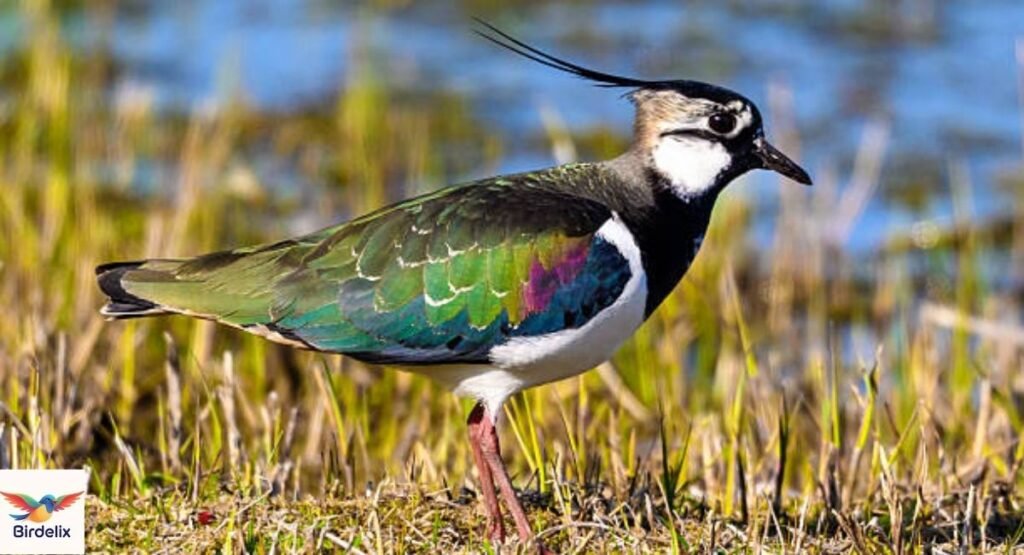
The Lapwing is one of the most recognizable Birds That Start With L because of its broad wings, long legs, and striking appearance. It commonly lives in grasslands, wetlands, farmland, marshes, and open fields. Most lapwings feed on insects, worms, larvae, and other small invertebrates found on the ground. Their strong legs help them move across open terrain while searching for food. An interesting fact is that many lapwings perform dramatic aerial displays during breeding season, using their broad wings and distinctive calls to attract mates and defend their territory.
2. Loggerhead Shrike
Scientific Name: Lanius ludovicianus
Family: Laniidae
The Loggerhead Shrike is a fascinating North American bird known for its unusual hunting behavior and bold black eye mask. It usually lives in open fields, grasslands, savannas, ranchlands, and areas with scattered shrubs. This small predator eats insects, lizards, frogs, small mammals, and occasionally other birds. Its hooked bill helps it tear prey apart. An interesting fact is that the Loggerhead Shrike may impale captured prey on thorns or sharp branches, creating food stores for later.
3. Lark
Scientific Name: Alaudidae
Family: Alaudidae
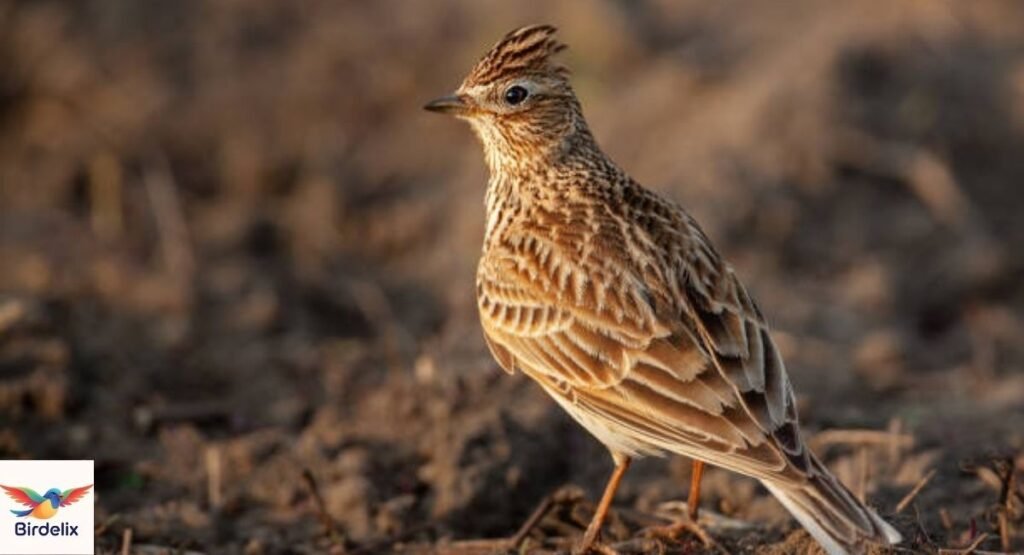
The Lark is a well-known group of Birds That Start With L recognized for beautiful songs and strong flying abilities. Larks mainly inhabit grasslands, open plains, farmland, deserts, and other areas with low vegetation. They feed mostly on seeds, grains, insects, and small invertebrates. Their brown or sandy plumage helps them blend into the ground. An interesting fact is that some larks sing while flying high above the ground, creating impressive musical displays that can continue for several minutes.
4. Lorikeet
Scientific Name: Trichoglossus spp.
Family: Psittaculidae
The Lorikeet is a colorful parrot famous for its bright feathers and energetic personality. It commonly lives in forests, woodlands, gardens, plantations, and urban areas across Australia and nearby regions. Lorikeets mainly eat nectar, pollen, fruit, and soft plant material. Their specialized brush-like tongues help them collect nectar from flowers. An interesting fact is that lorikeets can carry pollen between flowers while feeding, making them valuable contributors to pollination in many tropical and subtropical ecosystems.
5. Loon
Scientific Name: Gavia spp.
Family: Gaviidae
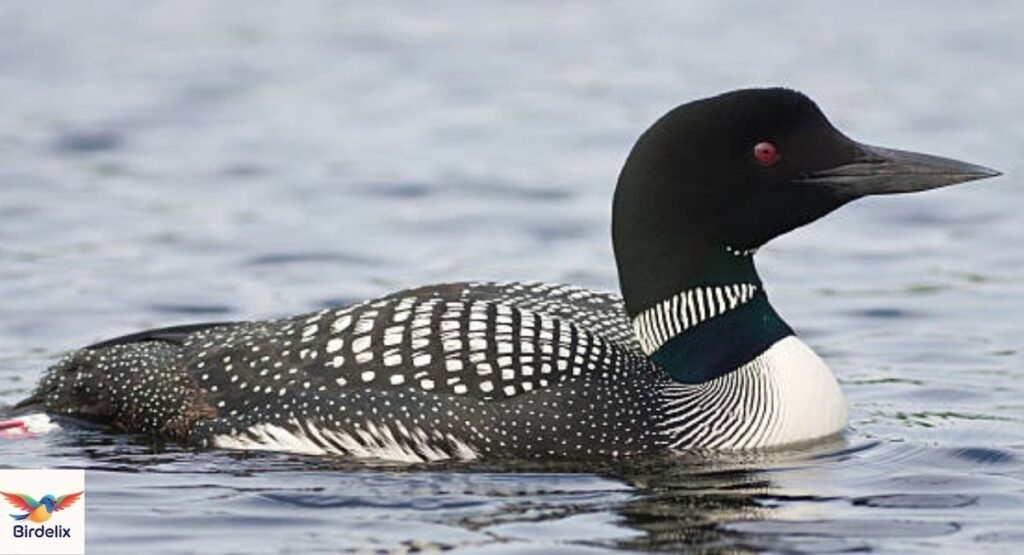
The Loon is a remarkable waterbird recognized for its powerful diving ability and haunting calls. It commonly lives around freshwater lakes, rivers, and coastal waters, especially across northern North America. Loons mainly eat fish, frogs, crustaceans, insects, and other aquatic prey. Their strong legs are positioned toward the back of the body, making them excellent swimmers but awkward walkers. An interesting fact is that a loon can disappear beneath the water almost instantly when chasing fish or escaping danger.
6. Limpkin
Scientific Name: Aramus guarauna
Family: Aramidae
The Limpkin is a distinctive wetland bird recognized for its long legs, curved bill, and unusual feeding habits. It commonly lives around freshwater marshes, swamps, ponds, lakes, and slow-moving waterways. Its diet consists largely of apple snails, although it also eats insects, frogs, crustaceans, and other small aquatic animals. The slightly curved bill helps it extract snails from their shells. An interesting fact is that the Limpkin has a loud, haunting call that can echo across quiet wetlands at night.
7. Lesser Flamingo
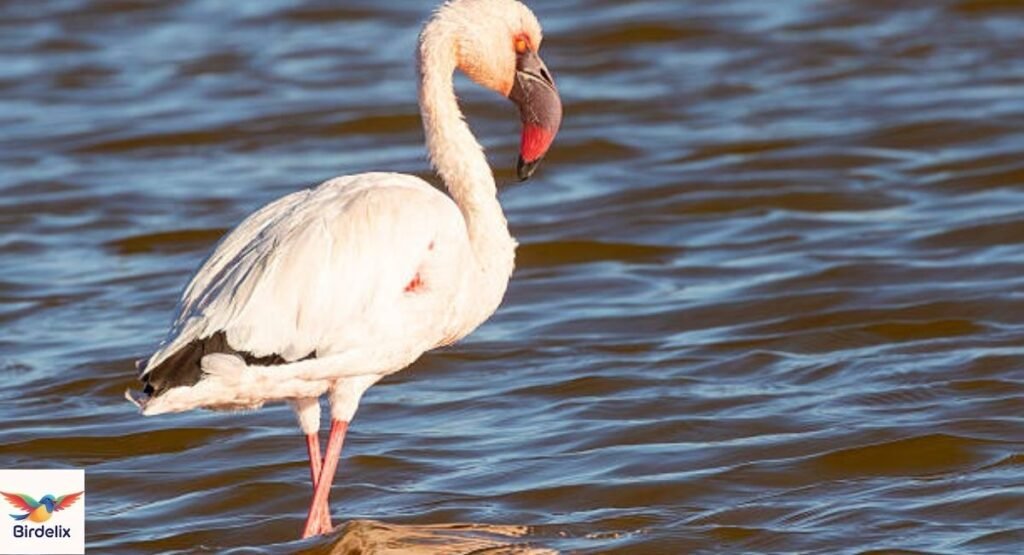
Scientific Name: Phoeniconaias minor
Family: Phoenicopteridae
The Lesser Flamingo is a beautiful pink waterbird famous for forming enormous colonies around suitable lakes. It mainly lives around alkaline and saline lakes in parts of Africa, where it feeds on algae and other tiny organisms. Its specially shaped bill allows it to filter food from shallow water efficiently. The pink coloration comes from pigments in its diet. An interesting fact is that huge gatherings of Lesser Flamingos can sometimes contain hundreds of thousands of birds, creating spectacular scenes across African wetlands.
8. Laughing Kookaburra
Scientific Name: Dacelo novaeguineae
Family: Alcedinidae
The Laughing Kookaburra is a famous Australian bird recognized for its loud call that sounds remarkably like human laughter. It commonly lives in woodlands, open forests, parks, gardens, and suburban areas where trees provide suitable nesting sites. Its diet includes insects, reptiles, frogs, small mammals, and other prey. The bird has a large head, powerful bill, and sturdy body. An interesting fact is that its famous laugh mainly serves as a territorial and social call rather than an expression of amusement.
9. Long-tailed Tit
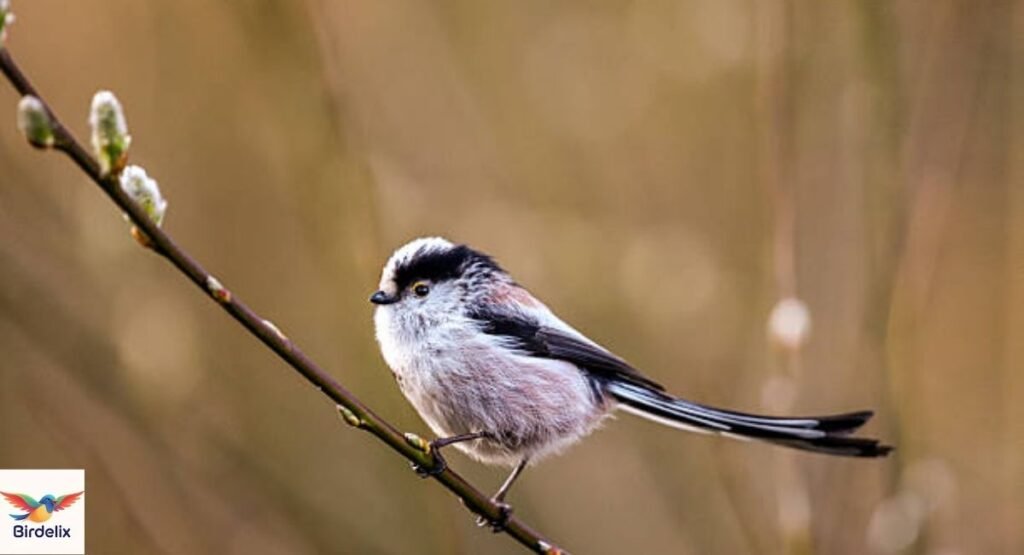
Scientific Name: Aegithalos caudatus
Family: Aegithalidae
The Long-tailed Tit is a tiny songbird recognized by its very long tail and rounded body. It commonly lives in woodlands, hedgerows, gardens, parks, and scrubland across parts of Europe and Asia. These small birds feed on insects, spiders, larvae, seeds, and other tiny foods. Their small size allows them to move quickly through branches while searching for prey. An interesting fact is that Long-tailed Tits often travel in family groups and may huddle together during cold weather to conserve body heat.
10. Lyrebird
Scientific Name: Menura spp.
Family: Menuridae
The Lyrebird is one of Australia’s most extraordinary birds because of its remarkable ability to imitate sounds. It usually lives in forests, rainforests, and densely vegetated woodland areas. Lyrebirds forage mainly on the forest floor, searching for insects, worms, spiders, and other small creatures. Males have elaborate tail feathers that become important during courtship displays. An interesting fact is that a male Lyrebird can accurately mimic calls from other birds and may even reproduce certain sounds created by humans.
11. Lazuli Bunting
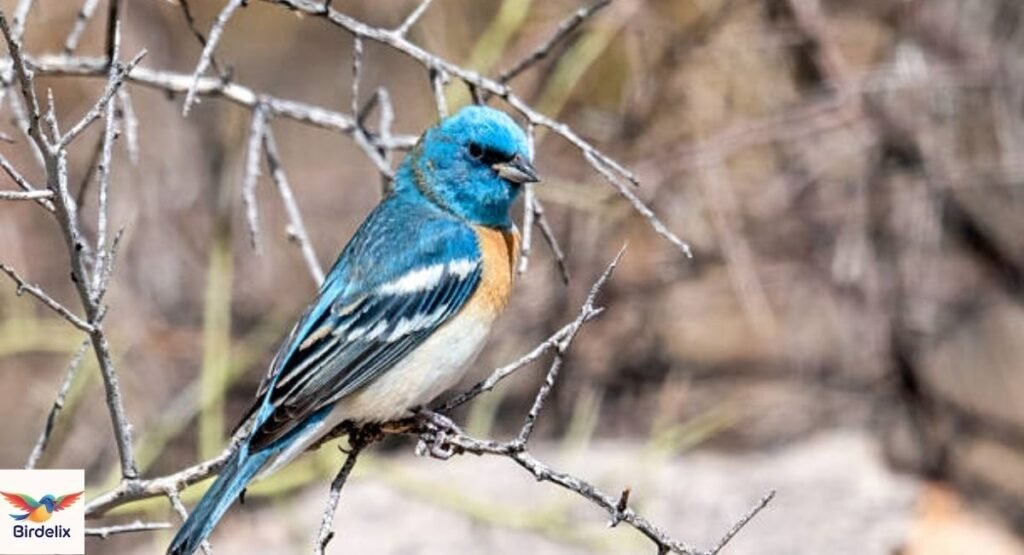
Scientific Name: Passerina amoena
Family: Cardinalidae
The Lazuli Bunting is a colorful North American songbird known especially for the brilliant blue plumage of adult males. It commonly lives in shrublands, woodland edges, brushy valleys, and open areas across the western United States and parts of Canada. It eats seeds, grains, berries, and insects. Females usually have much duller brown coloration than males. An interesting fact is that male Lazuli Buntings may perform singing flights during breeding season while competing for territories and attracting potential mates.
12. Lanner Falcon
Scientific Name: Falco biarmicus
Family: Falconidae
The Lanner Falcon is a powerful bird of prey recognized for its speed, agility, and strong hunting abilities. It commonly lives in open landscapes, rocky areas, savannas, grasslands, and semi-arid regions of Africa and parts of Europe and Asia. Its diet includes smaller birds, mammals, reptiles, and insects. The falcon has long pointed wings that support fast aerial movement. An interesting fact is that the Lanner Falcon has a long association with falconry because of its trainability and impressive hunting skills.
13. Leach’s Storm-Petrel
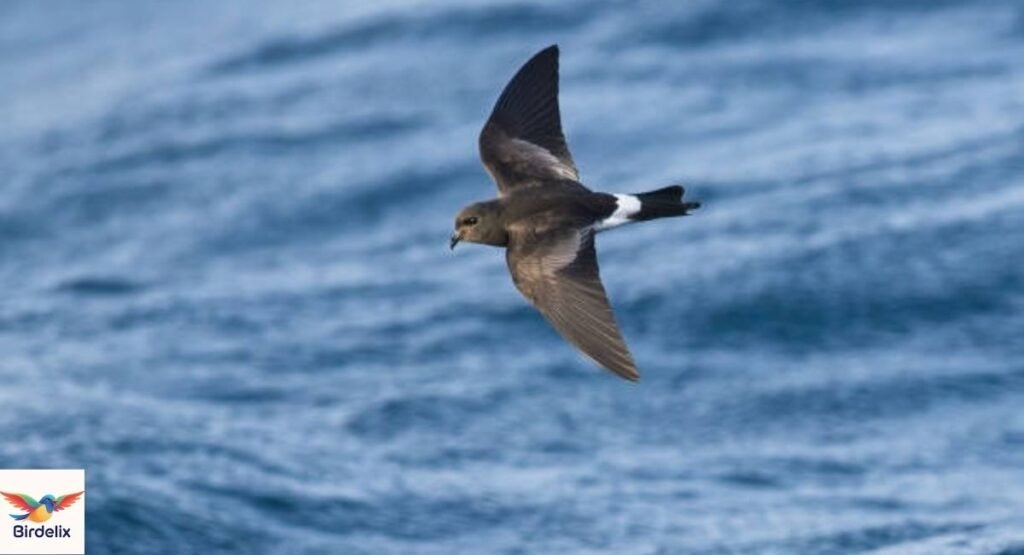
Scientific Name: Hydrobates leucorhous
Family: Hydrobatidae
Leach’s Storm-Petrel is a small oceanic seabird that spends much of its life far from land. It commonly occurs over the North Pacific and North Atlantic oceans and returns to remote islands to breed. It feeds on small fish, plankton, crustaceans, and other marine organisms near the water surface. Its long wings and forked tail help it maneuver over waves. An interesting fact is that these birds often visit their nesting colonies at night, which helps reduce exposure to some predators.
14. Lewin’s Honeyeater
Scientific Name: Meliphaga lewinii
Family: Meliphagidae
Lewin’s Honeyeater is an Australian songbird recognized by its dark plumage and distinctive yellow ear patch. It commonly lives in rainforests, wet forests, gardens, and wooded areas along eastern Australia. Its diet includes nectar, fruits, insects, and other small food sources. The species can become quite vocal when several birds gather together. An interesting fact is that Lewin’s Honeyeater can help transport pollen as it visits flowers while searching for nectar.
15. Little Owl
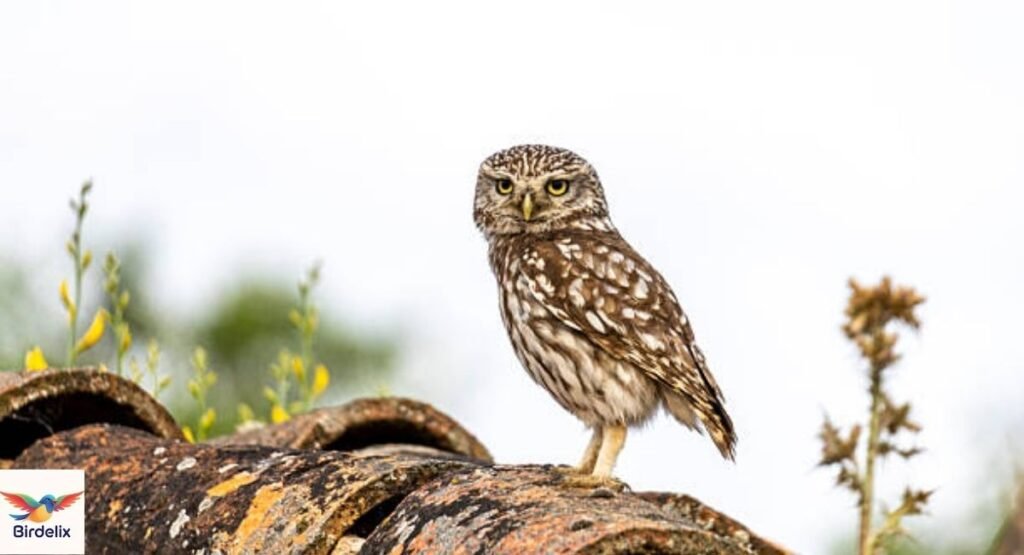
Scientific Name: Athene noctua
Family: Strigidae
The Little Owl is a small owl recognized by its rounded head, bright yellow eyes, and mottled brown feathers. It commonly lives in open countryside, farmland, orchards, rocky areas, and villages across parts of Europe, Asia, and North Africa. Its diet includes insects, worms, small mammals, reptiles, and other tiny animals. Unlike many owls, it can remain active during daylight. An interesting fact is that the Little Owl often uses old buildings, tree cavities, and natural holes as nesting sites.
16. Little Egret
Scientific Name: Egretta garzetta
Family: Ardeidae
The Little Egret is a graceful white wading bird recognized by its slim body, long black legs, and yellow feet. It commonly lives around marshes, rivers, ponds, lakes, estuaries, and coastal wetlands. Its diet includes fish, frogs, insects, crustaceans, and other small aquatic animals. The bird often walks slowly through shallow water while searching for prey. An interesting fact is that its bright yellow feet can help distinguish it from some other white heron and egret species.
17. Linnet
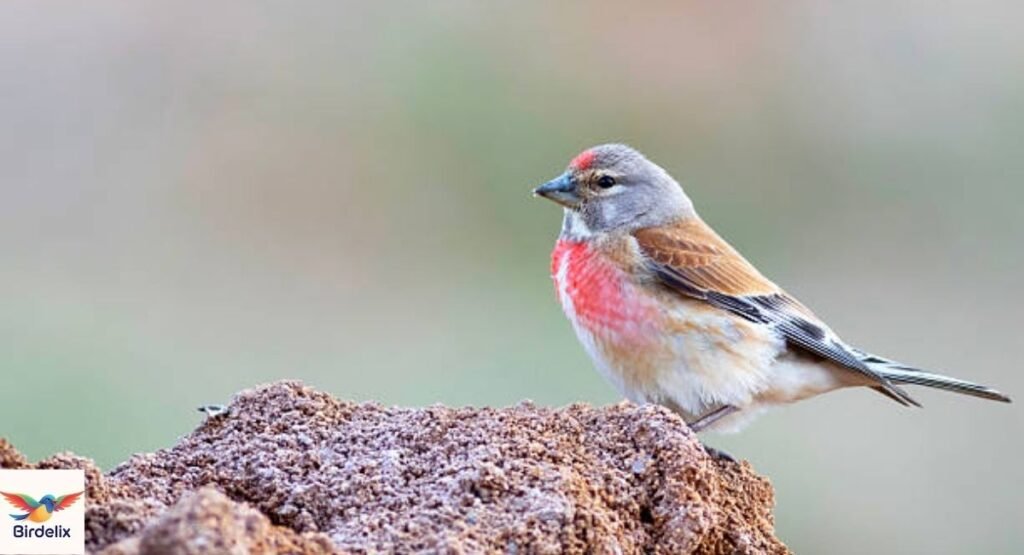
Scientific Name: Linaria cannabina
Family: Fringillidae
The Linnet is a small finch recognized for its slender body, pointed bill, and pleasant song. It commonly lives in farmland, heathland, grasslands, scrub, and open countryside across Europe, Asia, and parts of North Africa. Seeds make up much of its diet, especially during colder months. Breeding males develop reddish coloration on the forehead and breast. An interesting fact is that Linnets often gather in flocks outside the breeding season while searching for abundant seed sources.
18. Lanceolated Warbler
Scientific Name: Locustella lanceolata
Family: Locustellidae
The Lanceolated Warbler is a secretive small bird recognized by its heavily streaked brown plumage. It commonly lives in dense grass, wet meadows, marsh edges, and thick vegetation across parts of Asia. It feeds mainly on insects, spiders, larvae, and other tiny invertebrates. Its streaked feathers provide excellent camouflage among grasses. An interesting fact is that this bird can be difficult to observe even when it is nearby because it prefers to remain hidden within dense vegetation.
19. Lapland Longspur
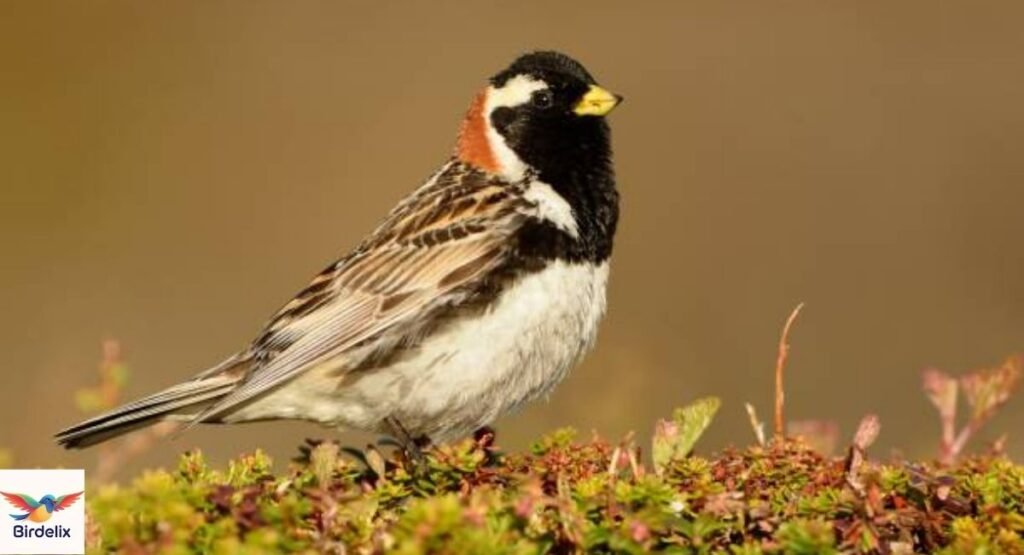
Scientific Name: Calcarius lapponicus
Family: Calcariidae
The Lapland Longspur is a hardy songbird that breeds in Arctic regions before migrating south for winter. It commonly lives on tundra, open fields, grasslands, and agricultural areas during different parts of the year. Its diet includes seeds, grains, and insects. Adult breeding males develop distinctive black, chestnut, and white markings. An interesting fact is that this small bird can survive extremely cold Arctic conditions during its breeding season.
20. Large-billed Tern
Scientific Name: Phaetusa simplex
Family: Laridae
The Large-billed Tern is a distinctive tern recognized by its unusually large bill and long pointed wings. It commonly lives around rivers, lakes, wetlands, and coastal areas of South America. It feeds mainly on small fish and aquatic creatures. The bird often searches from the air before diving toward the water to capture prey. An interesting fact is that its oversized bill gives it an appearance that can make identification easier compared with many other terns.
21. Large-tailed Nightjar
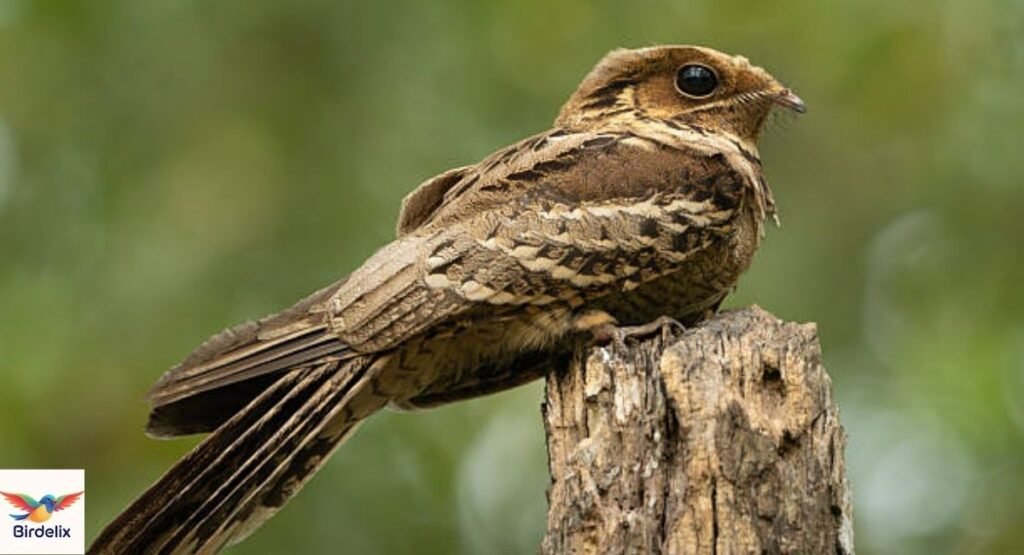
Scientific Name: Caprimulgus macrurus
Family: Caprimulgidae
The Large-tailed Nightjar is a nocturnal bird recognized by its cryptic brown plumage and long tail. It commonly lives in forests, woodland edges, plantations, and open areas across parts of South and Southeast Asia. It feeds mainly on flying insects caught during nighttime flights. Its muted feathers help it remain hidden during daylight. An interesting fact is that the Large-tailed Nightjar can sit almost motionless on branches or the ground, making it extremely difficult to detect.
22. Laughing Dove
Scientific Name: Spilopelia senegalensis
Family: Columbidae
The Laughing Dove is a slender dove recognized by its warm brown body and distinctive soft call. It commonly lives in open woodland, farmland, gardens, parks, and urban areas across Africa, the Middle East, and parts of Asia. Its diet consists mainly of seeds, grains, and small plant materials. It often feeds on the ground in pairs or small groups. An interesting fact is that its repetitive call can sound like quiet laughter, giving the species its memorable common name.
23. Leadbeater’s Cockatoo
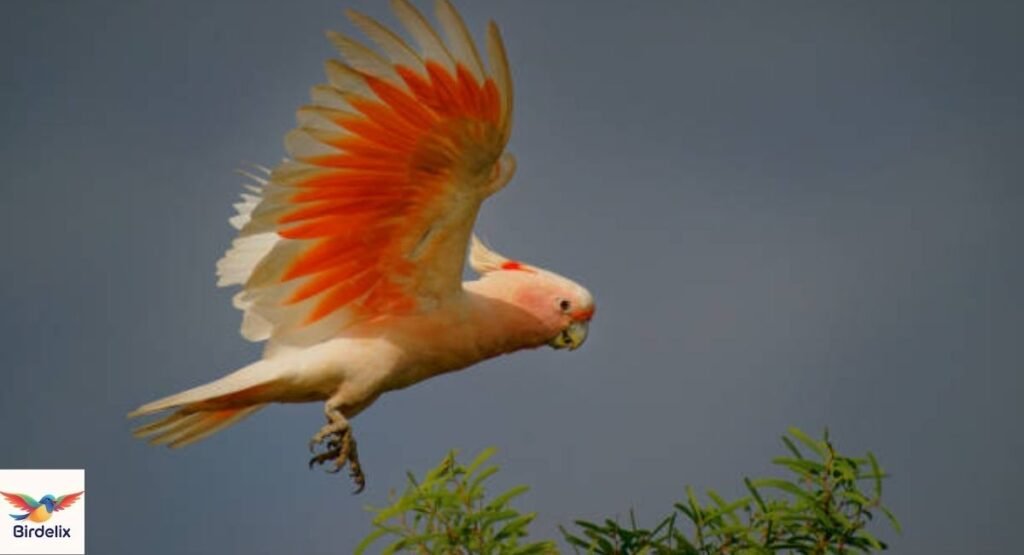
Scientific Name: Lophochroa leadbeateri
Family: Cacatuidae
Leadbeater’s Cockatoo is a striking Australian parrot recognized by its dramatic pink, white, yellow, and red crest. It commonly lives in open forests and woodland habitats across parts of inland Australia. Its diet includes seeds, roots, fruits, insects, and other plant material. Strong bills help these birds open food and manipulate objects. An interesting fact is that the spectacular crest can be raised during excitement, communication, or social interactions.
24. Least Bittern
Scientific Name: Ixobrychus exilis
Family: Ardeidae
The Least Bittern is one of the smallest herons and is recognized for its compact body and secretive behavior. It commonly lives in freshwater and coastal marshes with dense reeds and tall vegetation across North and Central America. It feeds on small fish, frogs, insects, and crustaceans. Its narrow body helps it move between reeds. An interesting fact is that the Least Bittern may grip reeds with its long toes while climbing through dense marsh vegetation.
25. Least Flycatcher
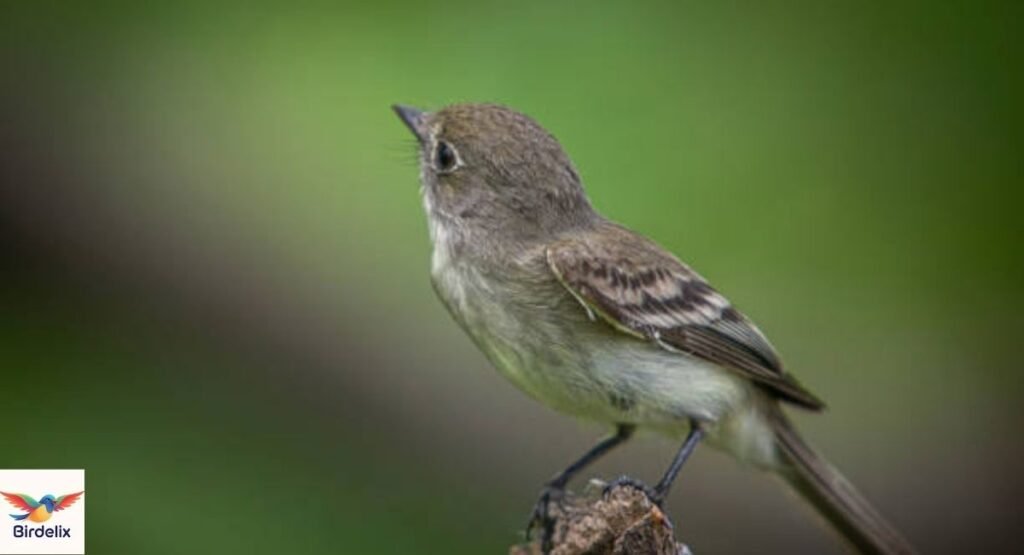
Scientific Name: Empidonax minimus
Family: Tyrannidae
The Least Flycatcher is a tiny North American songbird recognized by its olive-gray upperparts and pale underside. It commonly lives in deciduous woodlands, forest edges, parks, and shrubby habitats during the breeding season. It mainly eats flying insects and other small invertebrates. The bird often waits quietly on a branch before making a quick aerial dash. An interesting fact is that its short, repeated call can help birdwatchers locate it in thick foliage.
26. Least Grebe
Scientific Name: Tachybaptus dominicus
Family: Podicipedidae
The Least Grebe is a tiny waterbird recognized by its rounded body and short bill. It commonly lives on freshwater ponds, marshes, lakes, and slow-moving waterways across parts of the southern United States, Mexico, Central America, and South America. It feeds on insects, crustaceans, small fish, and aquatic larvae. An interesting fact is that the Least Grebe can dive quickly beneath the surface when searching for food or escaping danger.
27. Least Sandpiper
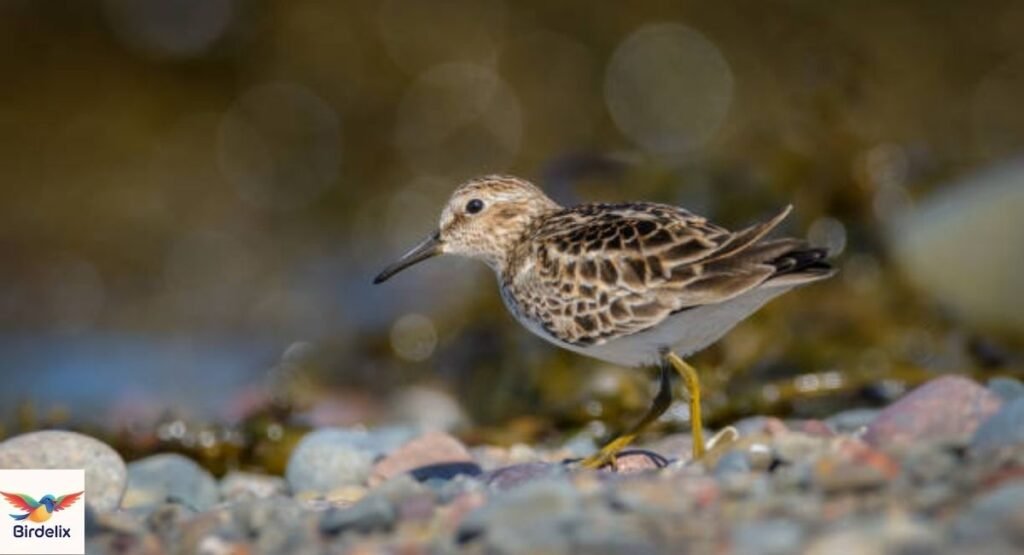
Scientific Name: Calidris minutilla
Family: Scolopacidae
The Least Sandpiper is one of the smallest shorebirds in North America. It commonly lives around mudflats, beaches, marshes, shallow ponds, and coastal wetlands during migration and winter. Its diet includes tiny insects, worms, crustaceans, and other invertebrates. Its yellowish legs can be useful for identification. An interesting fact is that huge numbers of Least Sandpipers migrate between breeding and wintering grounds each year.
28. Least Tern
Scientific Name: Sternula antillarum
Family: Laridae
The Least Tern is the smallest tern species found in North America and is recognized by its slim body and rapid flight. It commonly nests along sandy beaches, coastal islands, riverbanks, and other open shorelines. It mainly eats small fish caught through quick dives. An interesting fact is that the Least Tern can hover briefly above water before plunging downward to catch prey.
29. LeConte’s Sparrow
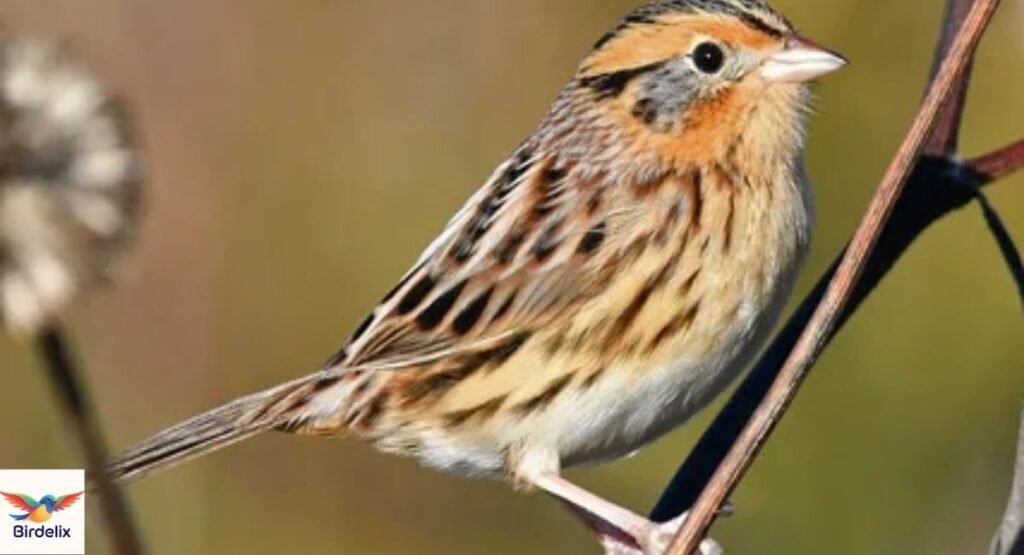
Scientific Name: Ammospiza leconteii
Family: Passerellidae
LeConte’s Sparrow is a small secretive songbird recognized by its warm brown plumage and delicate streaking. It commonly lives in wet grasslands, marshy fields, meadows, and dense vegetation across North America. It eats seeds and insects depending on the season. The bird usually stays low instead of sitting in exposed locations. An interesting fact is that its excellent camouflage can make it surprisingly difficult to spot even when it is only a short distance away.
30. Lesser Black-backed Gull
Scientific Name: Larus fuscus
Family: Laridae
The Lesser Black-backed Gull is a medium-to-large gull recognized by its dark back and pale body. It commonly lives along coasts, estuaries, beaches, harbors, lakes, and other water-rich environments. Its flexible diet includes fish, insects, carrion, eggs, and discarded human food. An interesting fact is that this adaptable gull can use both natural and human-modified environments successfully.
31. Lesser Cuckoo
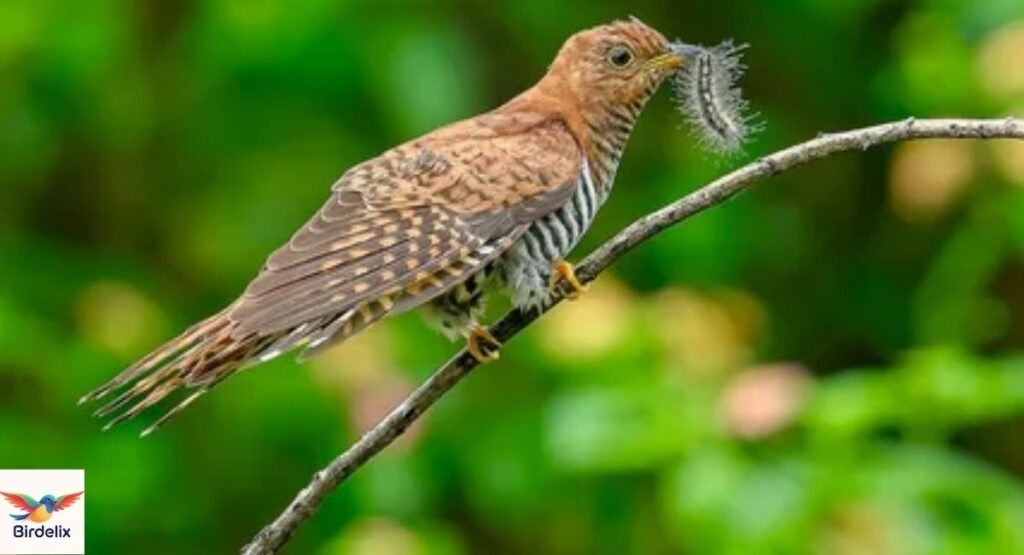
Scientific Name: Cuculus poliocephalus
Family: Cuculidae
The Lesser Cuckoo is a relatively small cuckoo recognized by its slender body and subtle gray-brown coloration. It commonly lives in forests, woodland edges, and dense vegetation across parts of Asia and Africa. It feeds largely on insects and other small creatures. Like several cuckoo species, its breeding behavior can involve laying eggs in other birds’ nests. An interesting fact is that its distinctive call can be heard well before the bird itself becomes visible.
32. Lesser Frigatebird
Scientific Name: Fregata ariel
Family: Fregatidae
The Lesser Frigatebird is a large seabird recognized by its extremely long wings and deeply forked tail. It commonly lives over tropical and subtropical oceans, nesting on islands and coastal locations. It feeds on fish, squid, and other marine food and may also steal prey from other seabirds. An interesting fact is that frigatebirds can remain airborne for long periods because their huge wings are highly efficient for soaring.
33. Lesser Goldfinch
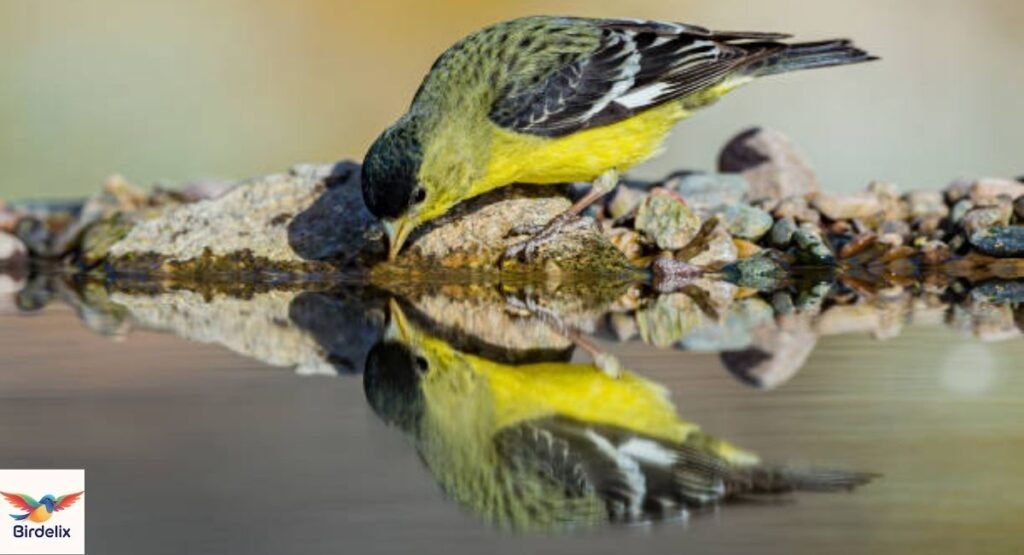
Scientific Name: Spinus psaltria
Family: Fringillidae
The Lesser Goldfinch is a small North American finch recognized by its yellow body and darker wings. It commonly lives in open woodland, scrub, gardens, parks, and suburban areas, especially across the western United States. It feeds mainly on seeds but also consumes insects and other foods. An interesting fact is that this adaptable finch may visit backyard feeders where sunflower seeds and other suitable foods are available.
34. Lesser Nighthawk
Scientific Name: Chordeiles acutipennis
Family: Caprimulgidae
The Lesser Nighthawk is a nocturnal bird recognized by its long pointed wings and cryptic brown plumage. It commonly lives in deserts, grasslands, scrublands, open woodland, and other dry habitats across the Americas. It catches flying insects during evening and nighttime flights. An interesting fact is that it can forage high above the ground while remaining almost invisible against the darkening sky.
35. Lesser Scaup
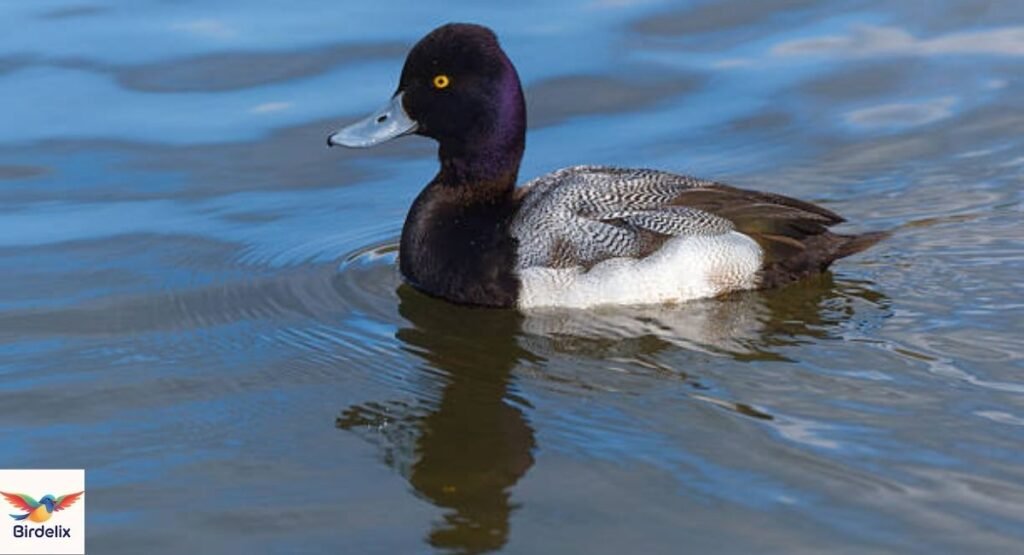
Scientific Name: Aythya affinis
Family: Anatidae
The Lesser Scaup is a diving duck commonly found across North America. It lives around lakes, ponds, wetlands, reservoirs, and coastal waters. Its diet includes aquatic insects, mollusks, crustaceans, seeds, and aquatic plants. Males have dark heads and backs with contrasting pale sides. An interesting fact is that the Lesser Scaup can dive underwater to search for food, making it a useful example of a duck with strong aquatic adaptations.
36. Lesser Spotted Woodpecker
Scientific Name: Dryobates minor
Family: Picidae
The Lesser Spotted Woodpecker is a small woodpecker recognized by its black-and-white plumage and compact body. It commonly lives in mature woodlands, parks, orchards, and areas with suitable trees across Europe and parts of Asia. It searches bark and branches for insects and larvae. An interesting fact is that its small size allows it to forage on thin branches that larger woodpeckers may avoid.
37. Lesser Whistling Duck
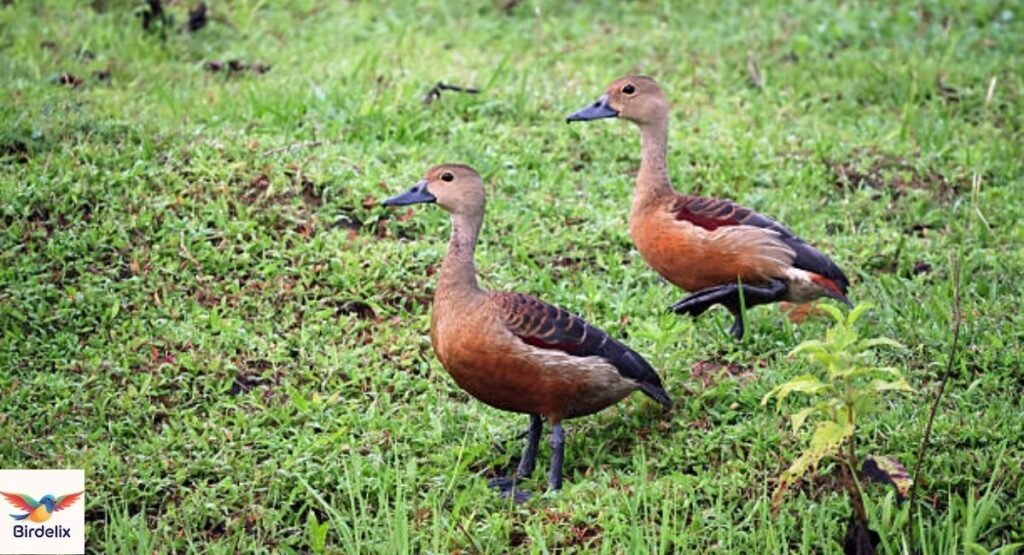
Scientific Name: Dendrocygna javanica
Family: Anatidae
The Lesser Whistling Duck is a warm brown waterbird recognized by its characteristic whistling call. It commonly lives around freshwater lakes, ponds, marshes, rice fields, and other wetlands across South and Southeast Asia. Its diet includes seeds, grains, aquatic plants, and small aquatic animals. An interesting fact is that these ducks can gather in large groups around suitable wetlands where food and shelter are plentiful.
38. Lewis’s Woodpecker
Scientific Name: Melanerpes lewis
Family: Picidae
Lewis’s Woodpecker is an unusual North American woodpecker recognized by its greenish-black back, gray collar, pink belly, and red face. It commonly lives in open pine forests, burned woodlands, and areas with scattered mature trees across the western United States. Unlike many woodpeckers, it catches many insects in flight. An interesting fact is that its aerial feeding behavior can make it look more like a flycatcher than a typical woodpecker.
39. Light-mantled Albatross
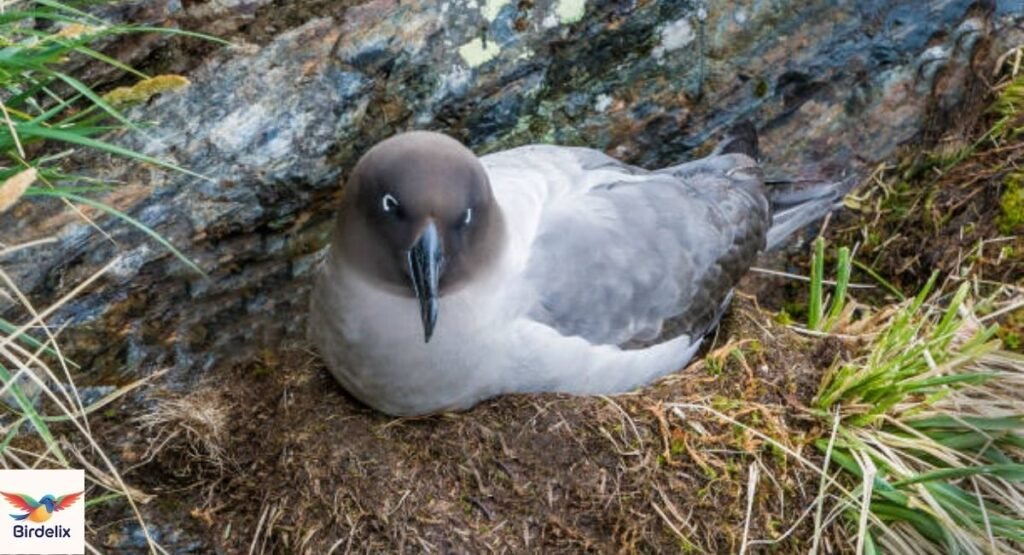
Scientific Name: Phoebetria palpebrata
Family: Diomedeidae
The Light-mantled Albatross is a graceful oceanic seabird recognized for its long wings and smoky gray coloration. It commonly lives across the Southern Ocean and surrounding waters. It feeds on squid, fish, crustaceans, and other marine organisms. Its enormous wings allow it to travel long distances with relatively little effort. An interesting fact is that this albatross can use wind currents to soar across huge areas of open ocean.
40. Lilac Kingfisher
Scientific Name: Cittura cyanotis
Family: Alcedinidae
The Lilac Kingfisher is a striking forest bird recognized for its attractive blue, purple, and lilac coloration. It is associated with forested habitats in parts of Southeast Asia. Its diet includes insects and small animals captured from perches. The bird relies on excellent eyesight and quick movements while hunting. An interesting fact is that its vivid plumage can make it look almost jewel-like when sunlight reaches its feathers.
41. Lined Seedeater
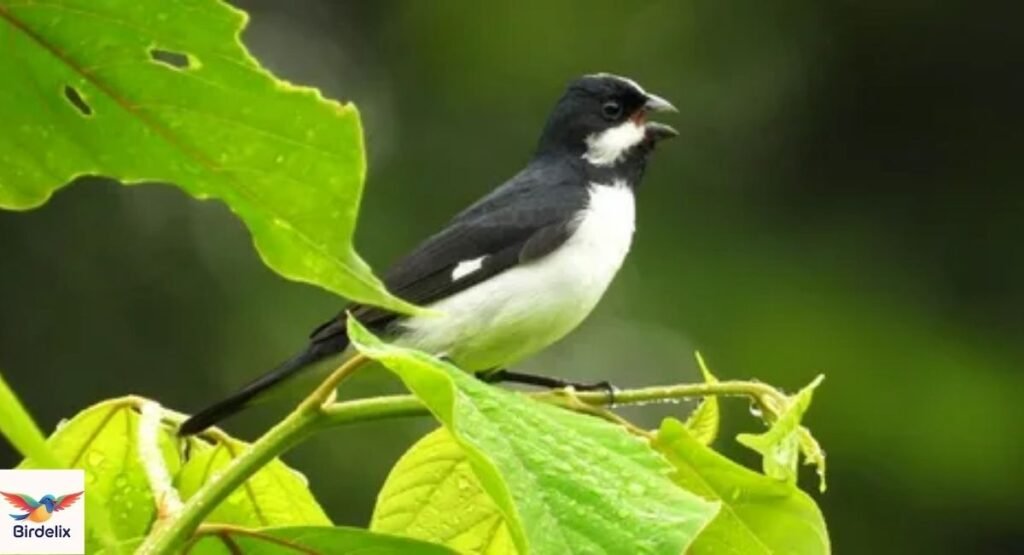
Scientific Name: Sporophila lineola
Family: Thraupidae
The Lined Seedeater is a small songbird recognized by its compact body and patterned plumage. It commonly lives in grasslands, fields, open woodland, and agricultural areas across parts of South America. As its name suggests, seeds form an important part of its diet. An interesting fact is that its short, sturdy bill is well suited for handling small seeds and grains.
42. Little Auk
Scientific Name: Alle alle
Family: Alcidae
The Little Auk is a tiny Arctic seabird recognized by its black-and-white plumage and compact body. It breeds in northern coastal regions and spends much of its nonbreeding period at sea. Its diet includes small crustaceans, plankton, and other marine organisms. It is an excellent diver despite its small size. An interesting fact is that Little Auks can gather in enormous breeding colonies on Arctic cliffs.
43. Little Bee-eater
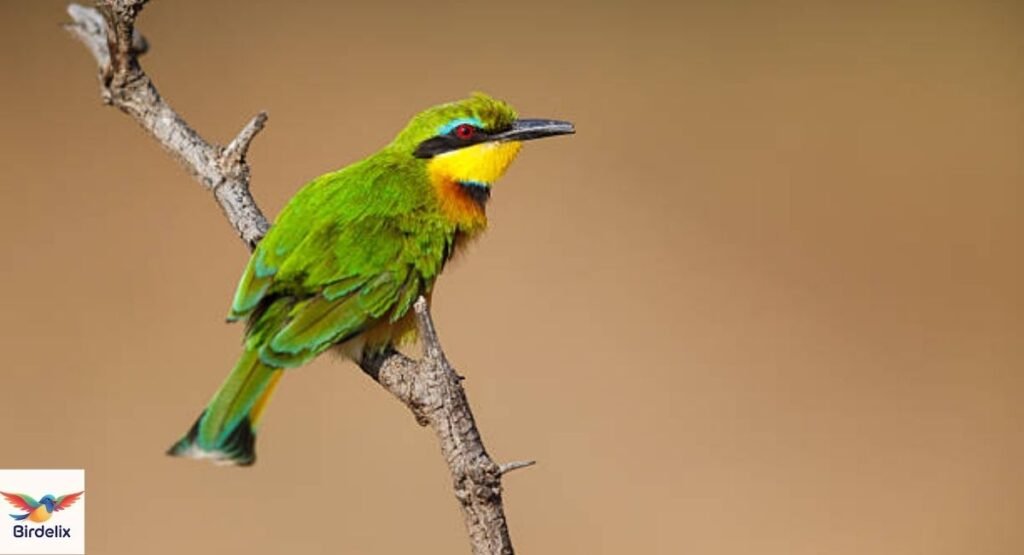
Scientific Name: Merops pusillus
Family: Meropidae
The Little Bee-eater is a colorful African bird recognized by its green body, yellow throat, and dark markings around the eye. It commonly lives in open woodland, savannas, grasslands, and forest edges. It mainly catches flying insects such as bees, wasps, and other insects. An interesting fact is that bee-eaters can remove dangerous parts of stinging insects before swallowing them.
44. Little Blue Heron
Scientific Name: Egretta caerulea
Family: Ardeidae
The Little Blue Heron is a North American wading bird recognized by its blue-gray adult plumage and long legs. It commonly lives around marshes, ponds, rivers, lakes, estuaries, and coastal wetlands. Its diet includes fish, frogs, insects, crustaceans, and other small aquatic prey. Young birds are noticeably whiter than adults. An interesting fact is that this color change can make immature birds look surprisingly different from mature Little Blue Herons.
45. Little Bronze Cuckoo
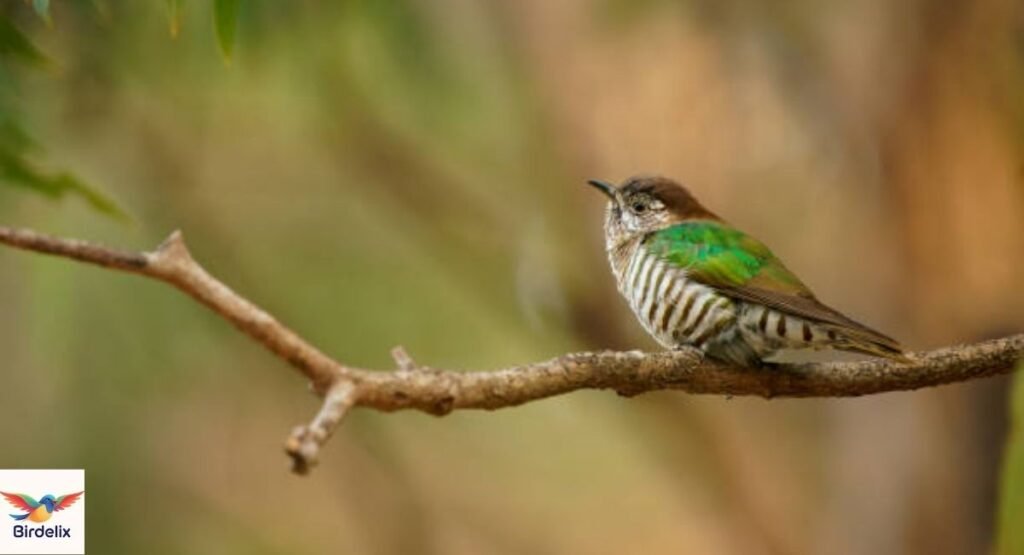
Scientific Name: Chrysococcyx minutillus
Family: Cuculidae
The Little Bronze Cuckoo is a small forest bird recognized by its metallic green and bronze coloration. It commonly lives in forests, woodland edges, gardens, and dense vegetation across parts of Southeast Asia and nearby regions. It feeds mainly on insects and other small creatures. Its compact size helps it move through dense foliage. An interesting fact is that its glossy feathers can appear dramatically different depending on the angle of sunlight.
46. Little Crake
Scientific Name: Zapornia parva
Family: Rallidae
The Little Crake is a small and secretive wetland bird recognized by its compact body and subtle plumage. It commonly lives among reeds, marshes, wet grasslands, and shallow freshwater habitats across parts of Europe and Asia. It feeds on insects, small aquatic animals, seeds, and plant material. An interesting fact is that its secretive nature makes it easier to hear than see when it moves through dense vegetation.
47. Little Curlew
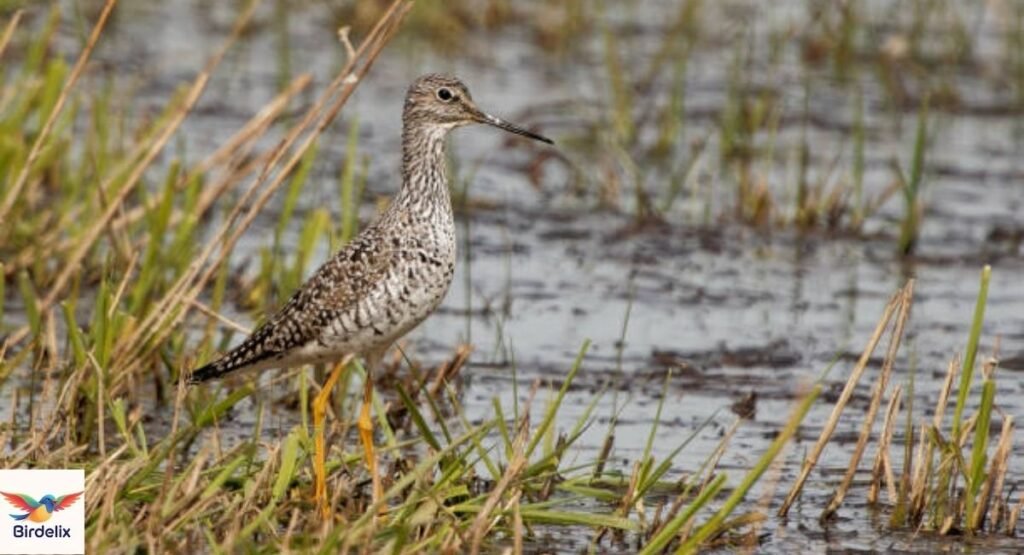
Scientific Name: Numenius minutus
Family: Scolopacidae
The Little Curlew is a small migratory shorebird recognized by its curved bill and brown patterned plumage. It breeds in northern regions of Asia and migrates toward warmer areas during winter. It feeds on insects, worms, and other small invertebrates found in open ground and wetlands. An interesting fact is that despite its name, it belongs to the curlew group and shows many of the bill adaptations associated with probing for prey.
48. Little Grebe
Scientific Name: Tachybaptus ruficollis
Family: Podicipedidae
The Little Grebe is a small freshwater bird recognized by its rounded body and strong diving ability. It commonly lives around ponds, lakes, marshes, canals, and slow-moving waterways across Europe, Asia, and Africa. It feeds on aquatic insects, larvae, crustaceans, and small fish. An interesting fact is that the Little Grebe can dive beneath the surface very quickly, making it another excellent answer to underwater-bird searches.
49. Long-tailed Duck
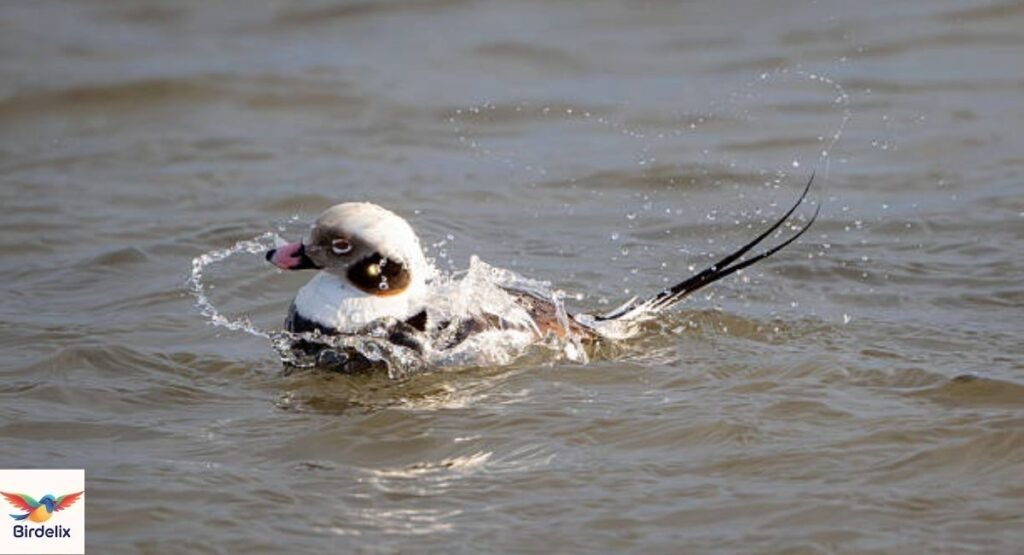
Scientific Name: Clangula hyemalis
Family: Anatidae
The Long-tailed Duck is a beautiful diving duck recognized by its long tail feathers and striking seasonal plumage. It commonly lives around northern lakes, coastal waters, and Arctic breeding areas. It feeds underwater on mollusks, crustaceans, insects, and other aquatic organisms. Both males and females can dive skillfully. An interesting fact is that the species has an unusual vocal nature, producing distinctive calls that are especially noticeable during breeding periods.
50. Long-eared Owl
Scientific Name: Asio otus
Family: Strigidae
The Long-eared Owl is a slender owl recognized by its prominent feather tufts that resemble ears. It commonly lives in woodlands, forest edges, open fields, and areas with dense vegetation across North America, Europe, and Asia. It mainly hunts small mammals such as mice and voles at night. An interesting fact is that its feather tufts aren’t actual ears; the real ears are positioned on the sides of its head and help it locate prey in darkness.
Birds That Start With L by Type
L birds represent many groups, which makes the letter surprisingly diverse. You’ll find songbirds, waterbirds, raptors, parrots, shorebirds, owls, and seabirds. Their body shapes reflect their lifestyles, from streamlined divers to broad-winged ocean travelers.
This variety also helps with bird identification. A hooked bill may suggest a predator, while webbed feet often indicate aquatic habits. Long legs suit wading birds. Short, sturdy bills often suit seed eaters. These clues turn identification into a fascinating puzzle.
Songbirds
Larks, Linnets, Lazuli Buntings, Long-tailed Tits, and Least Flycatchers represent the songbird group. Their lifestyles vary widely. Some specialize in seeds, while others catch insects. Their songs can also differ dramatically, from simple calls to elaborate aerial performances.
Water Birds
Loons, Little Grebes, Lesser Scaups, Limpkins, and Long-tailed Ducks show different aquatic adaptations. Some dive beneath the surface, while others wade through shallow water. Their aquatic habitats provide fish, insects, crustaceans, snails, and vegetation.
Birds of Prey
The Lanner Falcon and Long-legged Buzzard represent predatory L birds. Raptors usually possess sharp talons, hooked bills, and excellent eyesight. Their hunting styles differ. Some pursue prey in open skies, while others scan landscapes from elevated perches before striking.
Parrots
Lorikeets, Leadbeater’s Cockatoos, and Little Corellas show the colorful side of L birds. Their strong bills help process food and manipulate objects. Many also display complex social behavior. Bright feathers and expressive calls make parrots particularly popular with bird enthusiasts.
Shorebirds
Lapwings, Least Sandpipers, Little Stints, and Long-billed Curlews occupy shorelines, mudflats, grasslands, and wetlands. Their bills and legs often reveal their feeding styles. Many probe soft ground for insects, worms, crustaceans, and other tiny prey.
Owls
Little Owls and Long-eared Owls share the nocturnal world but look quite different. The Little Owl has a compact appearance. The Long-eared Owl carries prominent feather tufts. Both rely on sharp hearing and vision to locate prey in dim conditions.
Common Birds That Start With L
| Bird | Scientific Name | Type | Where You May See It | Key Feature |
| Loon | Gavia spp. | Waterbird | Northern lakes, coastal waters | Powerful underwater diver |
| Loggerhead Shrike | Lanius ludovicianus | Songbird | Open fields, grasslands | Hooked bill and hunting behavior |
| Lazuli Bunting | Passerina amoena | Songbird | Western U.S., shrublands | Bright blue male |
| Little Blue Heron | Egretta caerulea | Wading bird | Marshes, ponds, coasts | Blue-gray adult plumage |
| Lesser Scaup | Aythya affinis | Duck | Lakes, wetlands | Excellent diving ability |
| Lesser Goldfinch | Spinus psaltria | Finch | Gardens, woodland edges | Yellow and black plumage |
| Least Flycatcher | Empidonax minimus | Songbird | Forest edges, woodlands | Small insect hunter |
| Least Tern | Sternula antillarum | Seabird | Sandy beaches, coasts | Small size and quick flight |
| Lewis’s Woodpecker | Melanerpes lewis | Woodpecker | Western forests | Pink, red, gray, and green tones |
Small Birds That Start With L
| Bird | Scientific Name | Approximate Size | Bird Type | Distinctive Trait |
| Linnet | Linaria cannabina | 13–14 cm | Finch | Red forehead in males |
| Little Grebe | Tachybaptus ruficollis | 23–29 cm | Waterbird | Compact diving body |
| Least Flycatcher | Empidonax minimus | 13–15 cm | Songbird | Small insect catcher |
| Lesser Goldfinch | Spinus psaltria | 9–11 cm | Finch | Bright yellow plumage |
| Long-tailed Tit | Aegithalos caudatus | 13–15 cm | Songbird | Extremely long tail |
| Little Auk | Alle alle | 19–21 cm | Seabird | Tiny Arctic diver |
| Least Sandpiper | Calidris minutilla | 13–15 cm | Shorebird | One of the smallest shorebirds |
| Little Owl | Athene noctua | 21–23 cm | Owl | Small body and bright eyes |
Large Birds That Start With L
| Bird | Relative Size | Bird Type | Main Habitat | Notable Physical Feature |
| Light-mantled Albatross | Large | Seabird | Open ocean | Long wings |
| Lesser Frigatebird | Large | Seabird | Tropical oceans | Huge wings |
| Lanner Falcon | Medium-large | Raptor | Open landscapes | Powerful flight |
| Long-tailed Duck | Medium | Waterfowl | Lakes and coasts | Long tail |
| Lesser Flamingo | Medium-large | Waterbird | Alkaline lakes | Long legs and pink plumage |
| Loon | Medium-large | Waterbird | Lakes and coastal waters | Strong diving body |
| Little Egret | Medium | Wading bird | Wetlands | Long legs and neck |
Birds That Start With L That Swim Underwater
| Bird | Diving Ability | Main Underwater Food | Typical Habitat | Identification Clue |
| Loon | Excellent | Fish, crustaceans | Lakes and coastal waters | Long body and pointed bill |
| Long-tailed Duck | Excellent | Mollusks, crustaceans, aquatic prey | Northern lakes and coasts | Long tail and diving habit |
| Little Grebe | Excellent | Aquatic insects, small fish, larvae | Ponds and freshwater wetlands | Small rounded body |
Loon
The Loon is one of the best answers to the query “bird that swims underwater to catch fish starts with L.” It dives beneath the surface and uses its powerful legs to chase fish. Its body is specially adapted for aquatic movement. Unlike ducks, it sits low in the water and usually swims with impressive speed.
Long-tailed Duck
The Long-tailed Duck is an expert diver that searches beneath the water for mollusks, crustaceans, and other aquatic prey. It can forage in both freshwater and marine environments. Its compact body and strong swimming ability help it handle cold northern waters.
Little Grebe
The Little Grebe is a small freshwater diver that can disappear beneath the surface within seconds. It searches underwater for insects, larvae, small fish, and other prey. Its rounded body and short neck give it a very different appearance from the larger Loon.
Duck-Like Birds That Start With L
| Bird | Actually a Duck? | Water Behavior | Main Habitat | Similarity to Ducks |
| Long-tailed Duck | Yes | Deep diving | Lakes and coastal waters | Strong |
| Lesser Scaup | Yes | Diving and swimming | Lakes and wetlands | Strong |
| Loon | No | Deep diving | Lakes and coastal waters | Moderate |
| Little Grebe | No | Frequent diving | Freshwater ponds and marshes | Moderate |
| Lesser Whistling Duck | Yes | Swimming and dabbling | Tropical wetlands | Strong |
The Long-tailed Duck and Lesser Scaup are genuine ducks. Loons and Little Grebes can look duck-like because they swim and dive, yet they belong to different bird groups. Looking at the bill, feet, body position, and swimming style can help you tell them apart.
4-Letter Birds Starting With L
| Bird Name | 4 Letters? | Notes |
| Lark | Yes | A genuine common bird name |
| Loon | Yes | A familiar North American waterbird |
| Lory | Yes | A common name used for certain parrots |
| Lark | Yes | Refers to multiple species in the lark group |
For a strict 4-letter bird starting with L search, Lark and Loon are the clearest standard examples. “Lory” is also used as a bird name for certain parrots. Avoid forcing shortened scientific names or obscure abbreviations into this category because they can create misleading results.
Colorful Birds That Start With L
| Bird | Main Colors | Type | Where Found | What Makes It Colorful |
| Lorikeet | Green, blue, red, yellow | Parrot | Australia and nearby regions | Multicolored plumage |
| Lazuli Bunting | Blue, chestnut, white | Songbird | Western North America | Bright blue male |
| Lilac Kingfisher | Purple, blue, lilac tones | Kingfisher | Forest habitats | Jewel-like coloration |
| Lesser Flamingo | Pink, white | Waterbird | African lakes | Pink plumage |
| Lewis’s Woodpecker | Green, gray, pink, red | Woodpecker | Western North America | Unusual multicolored body |
Male Birds That Start With L
| Bird | Male Appearance | Female Appearance | Main Difference |
| Lazuli Bunting | Bright blue with chestnut | Brownish with subtle blue | Strong plumage contrast |
| Linnet | Gray-brown with reddish breast and forehead | More subdued brown | Male breeding colors |
| Lesser Goldfinch | Often brighter yellow and darker markings | Generally duller | Plumage intensity |
| Lewis’s Woodpecker | Dark green, gray, red, pink | Similar overall pattern | Less dramatic difference |
Male and female birds can sometimes look surprisingly different. The Lazuli Bunting provides one of the clearest examples among birds that start with L. Breeding males develop vivid colors that help attract mates, while females generally retain more subdued shades that provide useful camouflage.
Birds That Start With L in North America
| Bird | U.S./Canada Presence | Main Habitat | Best-Known Feature |
| Loon | Yes | Northern lakes, coasts | Haunting calls and diving |
| Lazuli Bunting | Yes | Shrublands, open woodland | Brilliant blue male |
| Loggerhead Shrike | Yes | Open country | Predator-like hunting |
| Little Blue Heron | Yes | Wetlands and coasts | Blue-gray adult plumage |
| Least Tern | Yes | Coastal areas | Small, agile seabird |
| Lesser Scaup | Yes | Lakes and wetlands | Diving behavior |
| Lewis’s Woodpecker | Yes | Western woodlands | Distinctive colorful plumage |
| Least Flycatcher | Yes | Forest edges | Small insect hunter |
| Long-eared Owl | Yes | Woodlands | Prominent feather tufts |
North America offers an impressive selection of L birds. Depending on where you live, you might see a Loon on a northern lake, a Lesser Goldfinch in the western United States, or a Little Blue Heron around wetlands. Migration also changes which species appear during different seasons.
Rare and Unusual Birds That Start With L
| Bird | What Makes It Unusual | Habitat | Notable Trait |
| Lyrebird | Exceptional mimic | Australian forests | Imitates many sounds |
| Loggerhead Shrike | Unusual hunting strategy | Open landscapes | Stores prey on sharp objects |
| Leach’s Storm-Petrel | Mostly oceanic lifestyle | Open ocean | Breeds on remote islands |
| Light-mantled Albatross | Extreme ocean traveler | Southern oceans | Long-distance soaring |
| Large-tailed Nightjar | Nocturnal and camouflaged | Tropical forests | Aerial insect hunter |
| Leadbeater’s Cockatoo | Distinctive crest | Australian woodlands | Social parrot |
| Little Crake | Highly secretive | Wetlands | Moves through dense vegetation |
| Lilac Kingfisher | Unusual coloration | Forests | Striking purple-blue tones |
Some rare and unusual birds that start with L are difficult to encounter because they live in remote habitats or remain highly secretive. Others stand out because of extraordinary behavior. The Lyrebird’s mimicry and the Loggerhead Shrike’s unusual food-storage habit are especially memorable examples.
Birds That Start With L by Habitat
Habitat strongly influences where you’ll encounter each species. Lakes favor divers. Marshes support waders. Grasslands suit larks and longspurs. Forests shelter owls and cuckoos. Open oceans belong to storm-petrels and albatrosses. Matching habitat with behavior can make field identification much easier.
| Habitat | Example L Birds |
| Lakes | Loon, Little Grebe |
| Wetlands | Limpkin, Little Egret |
| Forests | Long-eared Owl, Lyrebird |
| Grasslands | Lapwing, Lark |
| Coastal Areas | Least Tern, Lesser Black-backed Gull |
| Open Ocean | Leach’s Storm-Petrel, Light-mantled Albatross |
| Farmland | Linnet, Lesser Goldfinch |
| Rainforest | Lyrebird, Lilac Kingfisher |
Birds That Start With L by Size
L birds range from tiny songbirds to large ocean wanderers. The Least Flycatcher is small, while the Loon has a much heavier aquatic build. Light-mantled Albatrosses are far larger in wingspan. Size affects flight, feeding, nesting, and energy use.
A useful comparison is body design rather than length alone. Long-tailed birds can appear larger than their bodies suggest. Diving birds often carry dense bodies. Large birds usually need different feeding and flight strategies than tiny insect hunters.
Most Interesting Facts About Birds That Start With L
Some L birds behave like they belong in a nature documentary. Lyrebirds imitate astonishing sounds. Loons disappear underwater after a single dive. Loggerhead Shrikes preserve prey for later. Lorikeets transfer pollen between flowers. Long-tailed Tits huddle together during cold nights.
Their stories reveal how adaptable birds can be. Every habitat creates different challenges, from Arctic cold to tropical forests and deep oceans. Bird behavior becomes especially fascinating when you connect it with survival, feeding, courtship, and communication.
Conclusion
The world of birds that start with the letter L is far richer than a simple alphabetical list suggests. You’ve encountered aquatic divers, colorful parrots, skilled raptors, secretive owls, melodic songbirds, and remarkable seabirds. Each species carries its own ecological story and distinctive adaptations.
Whether you’re exploring a U.S. lake, woodland, grassland, or coastline, keep your eyes and ears open. A familiar call may reveal a Loon. A flash of blue could signal a Lazuli Bunting. With patient observation, every birdwatching trip can uncover another fascinating L bird.
FAQs
What is a common bird that starts with L?
The Loon is a well-known example in North America. Other recognizable choices include the Lesser Scaup, Little Blue Heron, and Lesser Goldfinch.
What bird starts with L and swims underwater to catch fish?
The Loon is the strongest answer. It dives beneath lakes and uses powerful legs to pursue fish underwater.
What is a duck-like bird that starts with L?
The Long-tailed Duck is a true duck with strong diving abilities. Loons and Little Grebes can also look duck-like but belong to different bird groups.
What are some 4-letter birds starting with L?
Four-letter bird names beginning with L require careful verification because common-name systems differ. It’s best to use recognized standard bird names rather than questionable abbreviations.
What are the most colorful birds that start with L?
Lorikeets, Lazuli Buntings, Lilac Kingfishers, and Lesser Flamingos are among the most visually striking examples. Their colors serve different roles in courtship, recognition, feeding, or survival.

Welcome to Birdelix! I’m Anam Sattar, an AI-powered SEO Specialist and Content Writer with over 5 years of experience in creating high-quality, search-optimized content. I help businesses improve their search engine rankings, increase organic traffic, and build beautiful, user-friendly websites. My mission is to make SEO, content creation, and web design simple, effective, and accessible for everyone. Let’s grow your online presence and achieve success together!