


Keeping a pet bird can bring joy, companionship, and fun into your home. Birds have unique personalities, beautiful colors, and interesting behaviors. However, they need proper care to stay healthy and happy. Learning how to take care of a pet bird starts with providing a safe cage, fresh water, balanced food, and daily attention. You also need to understand your bird’s exercise, bathing, and social needs.
Whether you choose a budgie, cockatiel, finch, or parrot, the right care makes a big difference. This beginner-friendly guide covers essential pet bird care, bird food, bird bathing, and baby bird care to help you become a responsible bird owner.
How to Take Care of a Pet Bird for Beginners
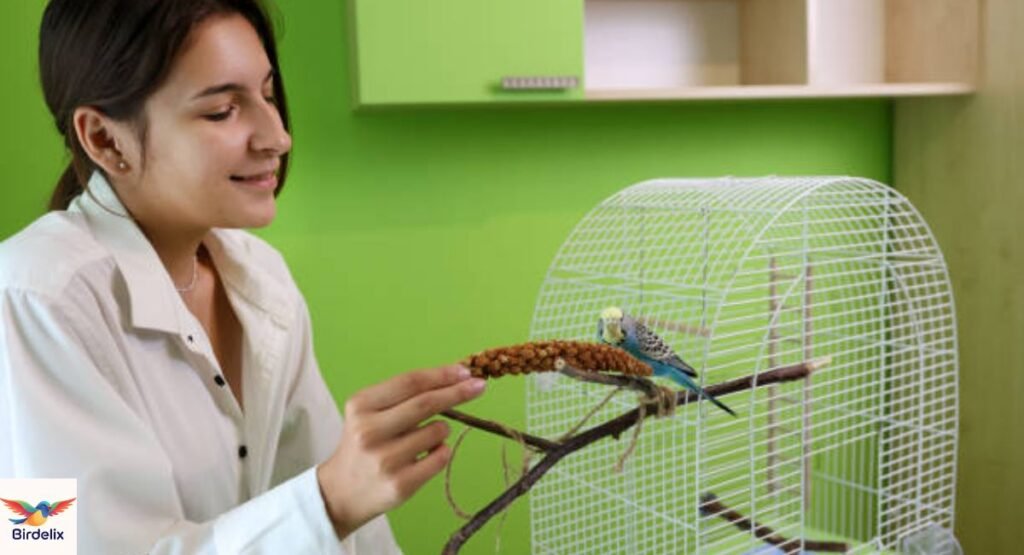
The first step in pet bird care is understanding the needs of your bird’s species. Budgies, cockatiels, canaries, finches, and parrots all have different needs. Some birds enjoy handling and training while others prefer less direct contact. Before choosing a bird, research its adult size, lifespan, noise level, diet, and social needs. This helps you select a bird that fits your home and daily routine.
New bird owners should prepare the bird’s environment before bringing it home. Choose a suitable cage, arrange food and water dishes, and find a qualified avian veterinarian, a veterinarian who treats birds. Place the cage in a safe, quiet area where the bird can observe family activities without feeling overwhelmed. Give your bird time to adjust. Move slowly, speak gently, and avoid forcing it to interact with you. Trust develops through patience and consistent care.
How to Choose the Right Pet Bird
Choosing the right bird is an important part of responsible pet ownership. A bird that suits one household may not suit another. Consider how much time you can provide each day, how much noise your home can handle, and whether you can afford long-term veterinary care. Some parrots live for decades, so adopting one may be a lifelong commitment. Never choose a bird based only on its color or ability to talk.
| Bird species | General characteristics | Important care needs |
| Budgie | Small, active, and social | Daily interaction, exercise, and a balanced diet |
| Cockatiel | Social and often affectionate | Enrichment, regular interaction, and safe exercise |
| Canary | Known for singing | Space to move, suitable housing, and a proper diet |
| Zebra finch | Active and social | Flight space and appropriate companionship |
| Lovebird | Energetic and curious | Enrichment, attention, and careful social management |
| African grey parrot | Highly intelligent | Extensive mental stimulation, social contact, and specialized care |
Birds differ as individuals, even within the same species. Research the needs of your chosen bird before adopting it. Avoid buying a bird simply because it is marketed as easy to care for. Every bird needs daily attention and a safe, enriching environment.
How to Set Up a Safe Bird Cage at Home
A bird cage should provide enough space for comfortable movement, stretching, climbing, and wing extension. The right size depends on the bird’s species, body size, activity level, and the amount of time it spends outside the cage. A cage should be wider than the bird’s wingspan and allow it to move between perches without hitting the bars. For birds that fly, wider cages are generally more useful than tall, narrow cages.
Choose a sturdy cage made from bird-safe materials with suitable bar spacing. The bird should not be able to squeeze its head between the bars or escape through gaps. Provide several perches with different safe textures and diameters to support natural foot movement. Place food and water dishes where droppings are unlikely to contaminate them. Use plain paper as a cage liner because it makes daily cleaning and monitoring droppings easier. Avoid sandpaper perches and dusty cage materials that may irritate the bird’s feet or respiratory system.
Where Should You Place a Pet Bird Cage?
Place the cage in a well-lit, draft-free area where your bird can observe normal household activity. Avoid direct, intense sunlight without a shaded area, kitchens, smoke, strong fumes, and places with sudden temperature changes. Nonstick cookware can release dangerous fumes when overheated, so birds should never be exposed to cooking fumes. Keep the cage away from scented candles, aerosols, tobacco smoke, and strong cleaning products.
Birds also need a quiet and dark period for sleep. Covering the cage may help some birds settle, but it is not suitable for every bird. Make sure the cover allows ventilation and does not cause fear or overheating. Most pet birds benefit from a regular sleep routine, often around 10–12 hours of quiet darkness, depending on their species and individual needs. Ask an avian veterinarian about the right schedule for your bird.
What Do Pet Birds Eat? A Complete Bird Food Guide

A balanced diet is one of the most important parts of how to take care of a pet bird. Feeding only seeds can cause nutritional problems in many pet bird species. Seeds may be high in fat and may not provide all the vitamins and minerals a bird needs. The correct diet depends on the species, age, health, and activity level of your bird.
Many companion parrots do well on a species-appropriate, high-quality formulated pellet diet, supplemented with suitable vegetables and limited amounts of fruit. Other birds, such as canaries and finches, may need different feeding plans. Fresh leafy greens, carrots, bell peppers, and other bird-safe vegetables can provide useful nutrients. Introduce new foods gradually and monitor what your bird actually eats. A bird that refuses a new food may need repeated, patient exposure rather than being forced to eat it.
Which Foods Are Safe for Pet Birds?
Fresh, clean food should be prepared carefully and offered in suitable portions. Wash fruits and vegetables thoroughly and remove spoiled food before it becomes contaminated. Fresh water should always be available. Clean food and water dishes every day, and check them more often if your bird drops food into them.
| Food | General guidance |
| Leafy greens | Offer suitable varieties, such as kale or romaine lettuce, in appropriate portions |
| Carrots and bell peppers | Good options when washed and served in bird-safe pieces |
| Apples and berries | Suitable for many species in small portions; remove apple seeds |
| Cooked plain grains | Some species can eat suitable cooked grains as part of a balanced diet |
| Formulated pellets | Appropriate for many parrots when selected for the species |
| Seeds and nuts | May be suitable in controlled amounts, depending on species and diet |
Never feed birds avocado, chocolate, caffeine, or alcohol. These can be dangerous or toxic. Avoid heavily salted foods, sugary snacks, moldy food, and foods containing artificial sweeteners. Onion and garlic should also be avoided unless an avian veterinarian has specifically advised otherwise. If your bird eats something potentially toxic, contact an avian veterinarian or an animal poison service promptly instead of waiting for symptoms.
How Often Should You Feed a Pet Bird?
Most pet birds need access to their appropriate daily food and fresh water. The exact feeding routine depends on the species, age, and health of the bird. Remove fresh foods after a few hours, especially in warm weather, to reduce spoilage. Check food bowls regularly because birds may scatter food or leave empty seed shells that make a bowl look full.
Watch your bird’s appetite and body condition. A sudden drop in eating, unusual weight loss, or a major change in droppings can signal illness. Birds often hide signs of sickness, so even a small change deserves attention. Never start a strict diet or make a sudden switch from seeds to pellets without a safe transition plan. An avian veterinarian can help you choose a balanced feeding routine.
How to Give a Pet Bird a Bath Safely
Bathing helps many birds maintain healthy feathers and remove dust. However, birds have different bathing preferences. Some enjoy a shallow dish of water, some prefer a gentle mist, and others like to bathe under a light stream of water. Never assume every bird enjoys the same method. Offer safe choices and let your bird decide whether to participate.
Use clean, lukewarm water without soap, shampoo, perfume, or other additives. A shallow dish should be stable and easy to leave. If your bird prefers misting, use a clean spray bottle that produces a gentle mist rather than a forceful stream. Never soak a bird against its will or pour water over its head. Stop if the bird becomes frightened or shows signs of distress.
How Often Should You Bathe a Pet Bird?
Many birds benefit from bathing several times a week, but the ideal frequency depends on their species, environment, and preferences. Some birds enjoy daily bathing while others bathe less often. Observe how your bird responds and provide opportunities without forcing it.
Allow the bird to dry naturally in a warm, draft-free room. Do not use a hair dryer unless an avian veterinarian has specifically recommended a safe method because hot air and fumes can be dangerous. Avoid bathing when the bird is cold, unwell, or unable to dry comfortably. If you notice persistent feather damage, unusual skin changes, or excessive itching, arrange a veterinary check rather than relying on bathing alone.
How to Take Care of a Baby Pet Bird
Baby birds require special care because their nutritional, temperature, and developmental needs differ from those of adult birds. A young bird may need help maintaining body temperature and may be unable to eat independently. Its needs also vary greatly by species and stage of development. A baby parrot, for example, should not be cared for in exactly the same way as a young finch.
If you are caring for a baby bird, contact an avian veterinarian or an experienced, qualified wildlife rehabilitator as soon as possible. Do not give cow’s milk, bread, or random household foods. Do not pour water directly into a baby bird’s beak because liquid can enter its airway. Young birds can become seriously ill if fed the wrong food, incorrect amounts, or formula at an unsafe temperature.
What Should Baby Pet Birds Eat?
Hand-feeding a baby bird is a specialized task. It requires the correct species-appropriate formula, safe preparation, suitable temperature, and proper feeding technique. Incorrect feeding can cause aspiration, crop burns, infections, and malnutrition. The crop, a pouch where food is temporarily stored before digestion, must be monitored carefully in species that have one. Problems with crop emptying can be serious.
Do not attempt hand-feeding based only on an online video or general instructions. Ask a qualified professional to demonstrate the correct method and help you develop a feeding schedule. If the baby bird is cold, weak, struggling to breathe, or unable to swallow normally, seek urgent veterinary help. Do not force food or liquid into its mouth.
How to Keep a Baby Bird Warm and Safe
Baby birds may need a controlled, species-appropriate temperature and humidity level. Too much heat can be just as dangerous as too little. A heat source should never come into direct contact with the bird or create an area where it cannot escape the heat. Temperature needs change as the bird grows, so professional guidance is essential.
Keep the baby bird in a clean, secure enclosure with suitable bedding and good ventilation. Protect it from pets, children, loud noises, and unnecessary handling. Clean feeding equipment carefully according to veterinary instructions. Monitor the bird’s weight, feeding response, activity, and droppings. A daily weight record can help a professional identify growth or feeding problems early.
How to Take Care of an Injured or Wild Baby Bird

Finding a young or injured bird outdoors can be worrying. However, not every baby bird found on the ground has been abandoned. Some fledglings leave the nest before they can fly well. Their parents may still feed them while they learn to move and fly. Watch from a distance before intervening, provided the bird is not in immediate danger.
If a bird is visibly injured, bleeding, weak, cold, or in danger from traffic or pets, contact a licensed wildlife rehabilitator. If safe and appropriate, a professional may advise placing the bird in a ventilated box in a quiet, warm location while help is arranged. Do not give food or water unless instructed. In the United States, native wild birds may be protected by federal or state law, so keeping one as a pet may be illegal without authorization.
How to Keep a Pet Bird Healthy
Birds can hide illness until they are seriously unwell. That is why regular observation and preventive veterinary care matter. Learn what is normal for your bird, including its appetite, posture, activity, vocalization, breathing, and droppings. Changes in these habits may be the first signs that something is wrong.
Arrange regular checkups with an avian veterinarian and ask how often your bird needs examinations. New birds should be checked before being introduced to other birds. A 30-day quarantine is commonly recommended for new birds before they share space with existing birds, but your veterinarian may advise a different period based on the circumstances. Separate food bowls and cleaning equipment during quarantine and wash your hands after handling each bird.
Signs That a Pet Bird May Be Sick
Watch for reduced appetite, unusual sleepiness, fluffed feathers for long periods, discharge from the eyes or nostrils, changes in droppings, vomiting, loss of balance, or difficulty breathing. Changes in weight can also indicate a problem. Birds may continue acting fairly normal despite illness, so do not wait for severe symptoms before seeking advice.
Difficulty breathing, collapse, active bleeding, seizures, or suspected poisoning require urgent veterinary attention. Keep the bird calm and minimize unnecessary handling while arranging help. Do not give human medicine or leftover pet medication unless a veterinarian tells you to. Early treatment can make a major difference to a bird’s recovery.
How to Keep a Pet Bird Happy and Active
Birds need mental stimulation and opportunities to behave naturally. A cage with food and water alone does not provide a good quality of life. Offer safe toys, foraging activities, climbing opportunities, and time to interact with you. Rotate toys gradually to provide variety without overwhelming your bird. Make sure toys do not contain loose threads, small parts, toxic materials, or gaps that could trap toes or beaks.
Many birds need daily exercise outside their cage in a secure, bird-safe area. Close windows and doors, turn off ceiling fans, cover large glass surfaces, and keep other pets away. Remove hazards such as open containers of water, hot cooking surfaces, exposed electrical cords, and toxic houseplants. Flight should only be allowed in a suitable, controlled environment. If your bird cannot fly safely or has limited mobility, ask an avian veterinarian about suitable alternatives for exercise.
Can Pet Birds Learn to Talk?
Some species, especially certain parrots, can learn to imitate human speech and household sounds. Others may whistle, chirp, or sing without copying words. Talking ability varies between individual birds, so it should not be the main reason for choosing a pet. A bird that never learns to speak can still be a wonderful companion.
Use short, consistent words and a calm voice during daily interaction. Reward desired behavior with suitable treats or praise. Avoid shouting, punishment, or forcing the bird to perform. Positive reinforcement helps build trust and encourages learning. Remember that vocalizing is natural bird behavior, not automatically a sign of a problem.
How to Clean a Pet Bird Cage
A clean cage helps reduce germs, odors, and exposure to contaminated droppings. Remove dirty cage liners daily and replace them with clean paper. Wash food and water dishes with hot water and dish soap, rinse them well, and allow them to dry before refilling. Remove fresh food that has spoiled and clean perches or surfaces when they become dirty.
Carry out deeper cage cleaning regularly, using products that are safe for birds and following their directions carefully. Move the bird to a safe area before using cleaning products. Avoid strong fumes, scented disinfectants, and aerosol sprays around birds. Wet contaminated surfaces before cleaning to reduce dust, and never dry-sweep or vacuum dried droppings in a way that sends particles into the air. Do not clean bird dishes or cage equipment in the kitchen sink where food is prepared.
Common Mistakes to Avoid When Caring for Pet Birds
One common mistake is feeding a bird only seeds without checking whether the diet is nutritionally complete. Another is buying a cage that is too small or filling it with unsafe toys. Some owners also assume birds can stay alone all day without social interaction or enrichment. These mistakes can affect a bird’s physical health and emotional well-being.
Avoid using scented products, exposing birds to cooking fumes, or allowing unsupervised contact with cats and dogs. Never assume a quiet bird is necessarily happy or a fluffed-up bird is simply sleepy. Do not force bathing, handling, or training. Instead, learn your bird’s body language and give it time to become comfortable. If you are unsure about food, behavior, or health, consult an avian veterinarian rather than relying on guesswork.
How Much Does It Cost to Care for a Pet Bird?
The cost of owning a bird varies by species, location, and health needs. The initial expense may include adoption or purchase fees, a suitable cage, perches, dishes, toys, and an initial veterinary examination. Ongoing costs include food, cage liners, enrichment, cleaning supplies, and routine health checks. Larger parrots may require more expensive housing and specialized veterinary care.
| Expense | What to consider |
| Initial setup | Cage, perches, bowls, toys, and safe transport |
| Food | Species-appropriate pellets, seeds where suitable, and fresh produce |
| Cleaning | Cage liners, dishwashing supplies, and bird-safe cleaning products |
| Veterinary care | Initial examination, routine checkups, and emergency treatment |
| Enrichment | Toys, foraging materials, and safe exercise opportunities |
Before adopting a bird, estimate both regular expenses and possible emergency costs. Do not choose a bird you cannot afford to care for properly. Access to an avian veterinarian is especially important because not every general veterinary clinic has extensive bird-care experience.
Conclusion
Learning how to take care of a pet bird means understanding more than feeding and cleaning. Birds need a safe environment, a suitable diet, regular exercise, social contact, and preventive health care. Their needs vary by species, age, and personality, so it is important to research your bird before bringing it home.
With patience, daily attention, and guidance from an avian veterinarian, you can help your bird stay healthy and feel secure. Choose your pet responsibly, observe changes in its behavior, and provide opportunities for natural activities. Good care builds trust and helps your bird enjoy a safer, healthier life.
FAQs
How do you take care of a pet bird at home?
Provide a suitable cage, fresh water, a balanced diet, daily enrichment, safe exercise, and regular veterinary care. Keep the bird away from fumes, toxic foods, and other household hazards.
Are pet birds easy to care for?
Some species have simpler needs than others, but all pet birds require daily care. Their social needs, diet, lifespan, and veterinary expenses should be considered before adoption.
What is the best food for a pet bird?
The best diet depends on the species. Many companion parrots need a suitable formulated pellet diet with vegetables and limited fruit, while finches and canaries may need different feeding plans.
How often should you bathe a pet bird?
Many birds enjoy bathing several times a week, while others prefer more or less frequent opportunities. Offer clean, lukewarm water and never force a bird to bathe.
Can you take care of a baby bird at home?
Baby birds often need specialized feeding, temperature control, and monitoring. Contact an avian veterinarian or qualified wildlife rehabilitator before attempting to raise one, especially if the bird is wild, injured, or not eating independently.

Welcome to Birdelix! I’m Anam Sattar, an AI-powered SEO Specialist and Content Writer with over 5 years of experience in creating high-quality, search-optimized content. I help businesses improve their search engine rankings, increase organic traffic, and build beautiful, user-friendly websites. My mission is to make SEO, content creation, and web design simple, effective, and accessible for everyone. Let’s grow your online presence and achieve success together!