

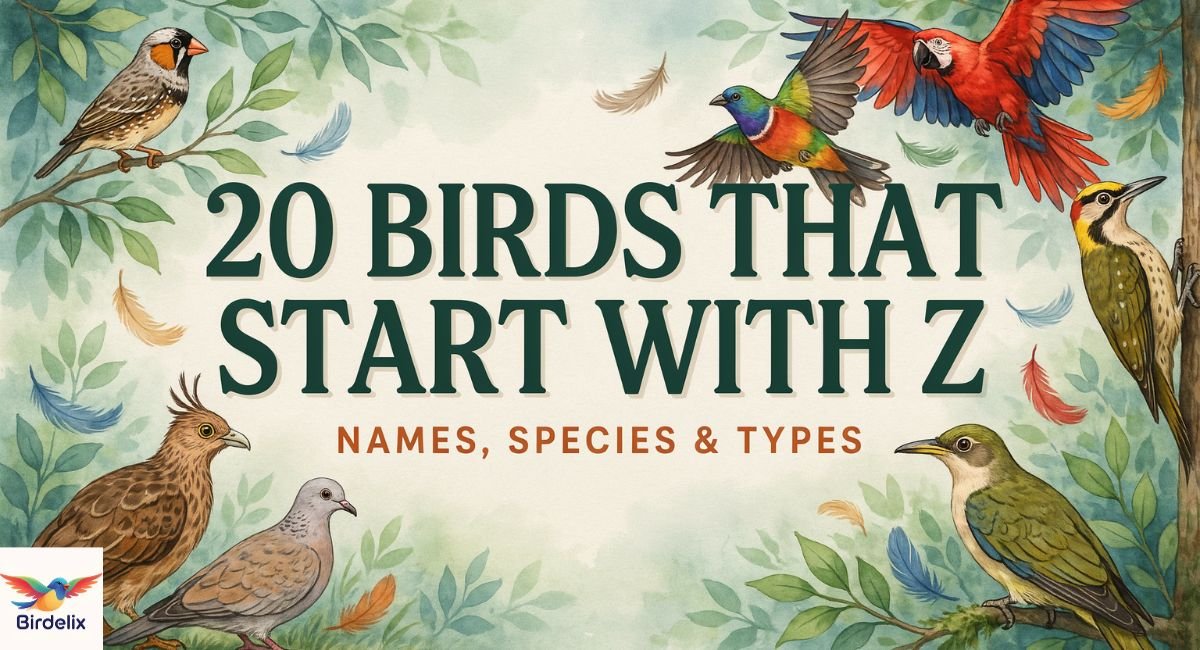
Finding Birds That Start With Z can feel like searching for hidden gems in the bird world. Unlike common letters, Z has surprisingly few familiar bird names, yet the species it offers are fascinating. From the patterned Zebra Finch to the graceful Zebra Dove, these birds show remarkable differences in appearance, habitat, behavior, and range. This guide explores bird names that start with Z from around the world, including rare Cuban species and colorful African birds.
You’ll also discover their scientific names, habitats, diets, and unique traits. Whether you’re a birdwatcher, student, or simply curious about bird species that start with Z, this collection makes your search easier and more enjoyable.
What Birds Start With Z?
Several recognized bird species have common names beginning with Z. Some well-known examples include the Zebra Dove, Zebra Finch, Zitting Cisticola, Zone-tailed Hawk, and Zapata Wren. Other bird names that start with Z include Zino’s Petrel, Zenaida Dove, Zebra Waxbill, Zappey’s Flycatcher, and Zapata Rail.
The fascinating part is their variety. A Zebra Finch is a small Australian finch, while a Zone-tailed Hawk is a large bird of prey found across the Americas. Zino’s Petrel is a rare ocean-going seabird. Meanwhile, several Zapata birds are closely linked with Cuba. So, although the list is short, birds beginning with Z represent many different families, habitats, and lifestyles.
20 Birds That Start With Z: Complete List
The table below gives you a quick look at 20 birds that start with the letter Z. Their ranges stretch from Australia and Asia to Africa, the Caribbean, and the Americas.
| No. | Bird Name | Scientific Name | Type | Main Habitat |
| 1 | Zebra Dove | Geopelia striata | Dove | Southeast Asia |
| 2 | Zebra Finch | Taeniopygia guttata | Finch | Australia |
| 3 | Zitting Cisticola | Cisticola juncidis | Songbird | Grasslands |
| 4 | Zone-tailed Hawk | Buteo albonotatus | Bird of prey | Americas |
| 5 | Zapata Sparrow | Torreornis inexpectata | Sparrow | Cuba |
| 6 | Zapata Wren | Ferminia cerverai | Wren | Cuba |
| 7 | Zapata Rail | Cyanolimnas cerverai | Rail | Cuba |
| 8 | Zambian Barbet | Lybius chaplini | Barbet | Zambia |
| 9 | Zimbabwe Batis | Batis reichenowi | Batis | Africa |
| 10 | Zanzibar Red Bishop | Euplectes nigroventris | Bishop | East Africa |
| 11 | Zanzibar Sombre Greenbul | Andropadus importunus | Greenbul | Zanzibar |
| 12 | Zebra Waxbill | Amandava subflava | Waxbill | Africa |
| 13 | Zenaida Dove | Zenaida aurita | Dove | Caribbean |
| 14 | Zino’s Petrel | Pterodroma madeira | Petrel | Atlantic Ocean |
| 15 | Zappey’s Flycatcher | Cyanoptila cumatilis | Flycatcher | Asia |
| 16 | Zanzibar Sunbird | Cinnyris pembae | Sunbird | East Africa |
| 17 | Zulu Kingfisher | Corythornis nais | Kingfisher | Southern Africa |
| 18 | Zululand Batis | Batis molitor | Batis | Southern Africa |
| 19 | Zwartkops Lark | Eremopterix australis | Lark | Southern Africa |
| 20 | Zulu Helmetshrike | Prionops plumatus | Shrike | Africa |
These names show just how unusual the final letter of the alphabet can be for bird names. Major bird-name references also list species such as Zapata Rail, Zapata Sparrow, Zapata Wren, Zappey’s Flycatcher, Zebra Dove, Zenaida Dove, Zino’s Petrel, Zitting Cisticola, and Zone-tailed Hawk.
20 Most Popular Birds That Start With Z
1. Zebra Dove
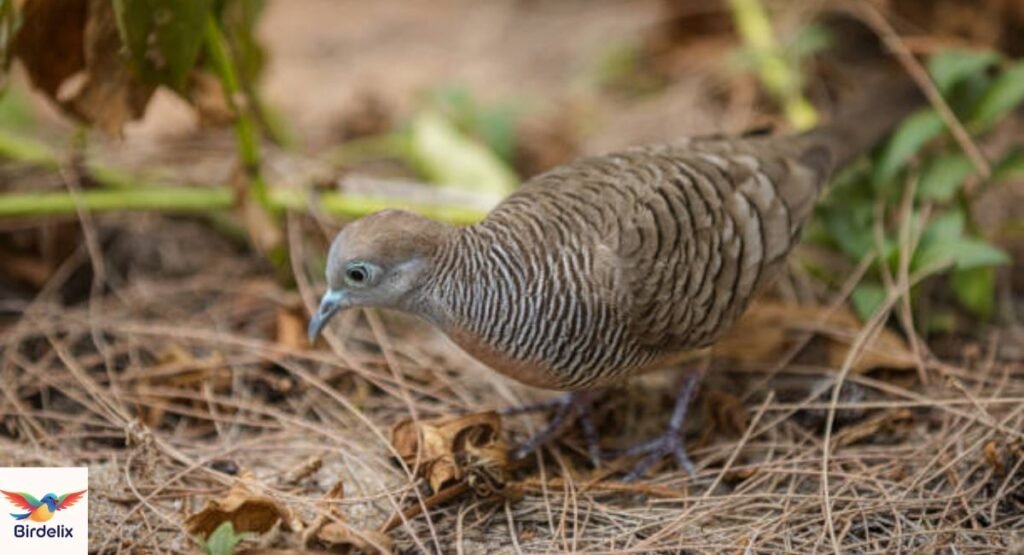
Scientific Name: Geopelia striata
Family: Columbidae
The Zebra Dove is one of the most familiar Birds That Start With Z. It has soft gray-brown plumage covered with fine black-and-white barring, giving it a delicate striped appearance. This small dove is native to Southeast Asia and often lives near gardens, farms, parks, and open woodland. It feeds mainly on seeds and grains while walking quietly on the ground. Its gentle, repetitive cooing call makes it easy to recognize. The Zebra Dove is also commonly seen around people because it adapts well to human-altered habitats.
2. Zebra Finch
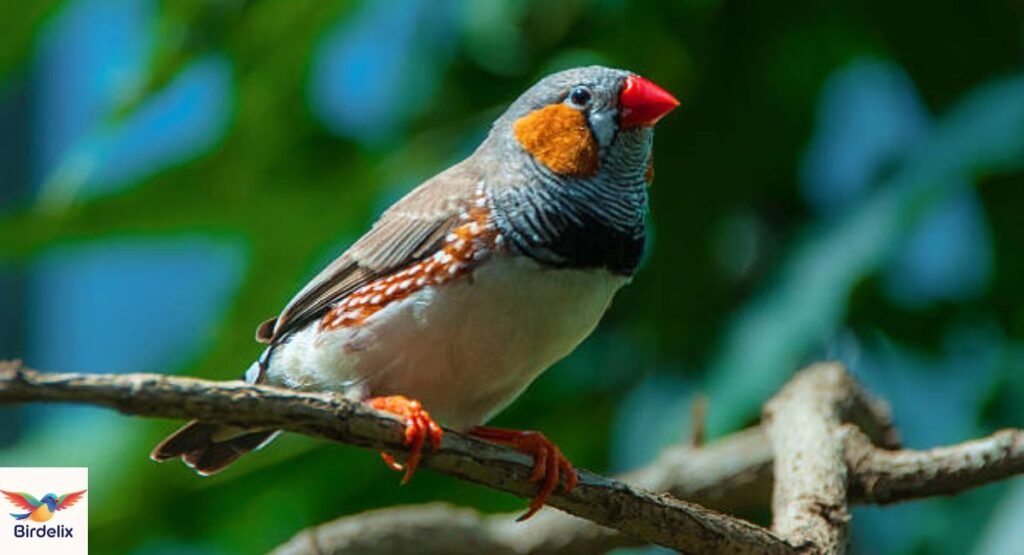
Scientific Name: Taeniopygia guttata
Family: Estrildidae
The Zebra Finch is one of the best-known bird names that start with Z, especially in Australia. It has gray upperparts, orange cheek patches, a reddish-orange bill, and distinctive black-and-white markings on the chest and sides. These small finches usually live in dry grasslands, open woodland, and scrub. They travel in social flocks and feed mostly on grass seeds. Their cheerful calls and active behavior make them popular among birdwatchers and bird enthusiasts. Zebra Finches are also widely kept as companion birds.
3. Zitting Cisticola
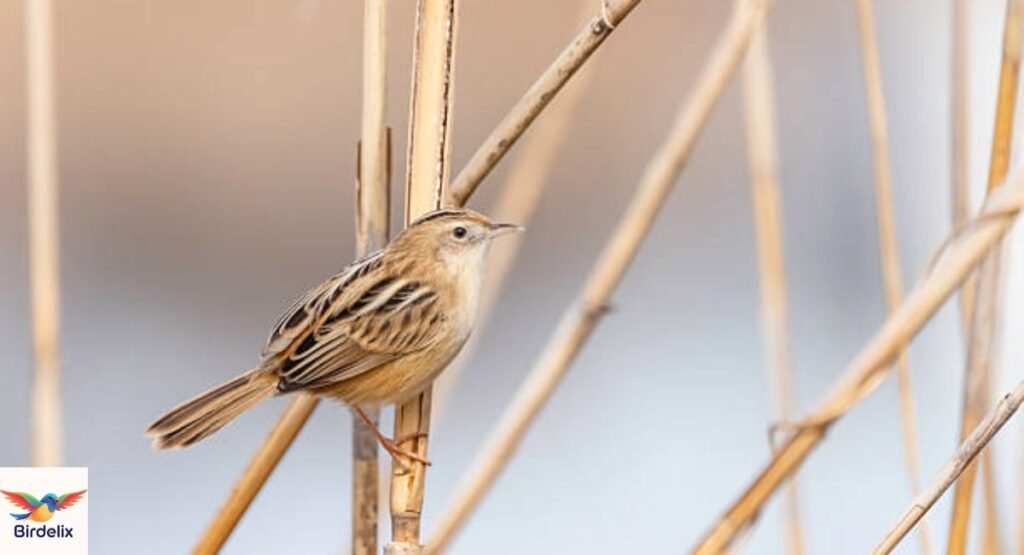
Scientific Name: Cisticola juncidis
Family: Cisticolidae
The Zitting Cisticola is a tiny bird that starts with Z known for its distinctive flight display. It has brown, streaked plumage that helps it blend into grasses and low vegetation. This insect-eating songbird lives in grasslands, marsh edges, farmland, and open countryside. During breeding season, the male often flies upward while producing repeated “zitting” sounds. It builds a small nest among grasses and feeds mainly on insects and other tiny invertebrates. Its wide distribution across Europe, Africa, and Asia makes it an interesting Z bird.
4. Zone-tailed Hawk
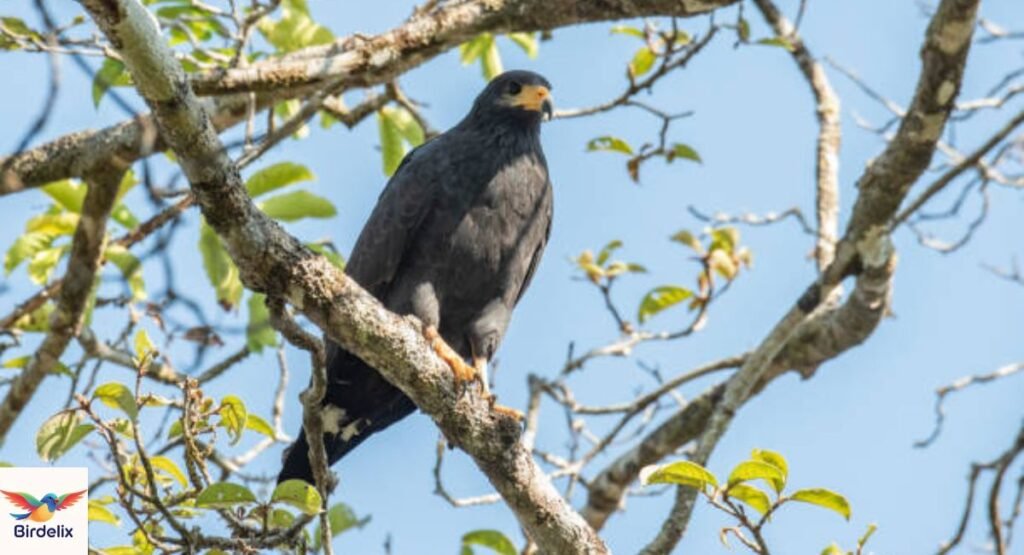
Scientific Name: Buteo albonotatus
Family: Accipitridae
The Zone-tailed Hawk is a dark bird of prey found across parts of the Americas. Its blackish plumage and strongly banded tail give it a distinctive appearance. Interestingly, it can resemble a Turkey Vulture while soaring, which may help it approach prey without attracting attention. It hunts small mammals, birds, reptiles, and other animals from the air. In the United States, it occurs mainly in the Southwest, including areas of Arizona, New Mexico, Texas, and California.
5. Zapata Sparrow
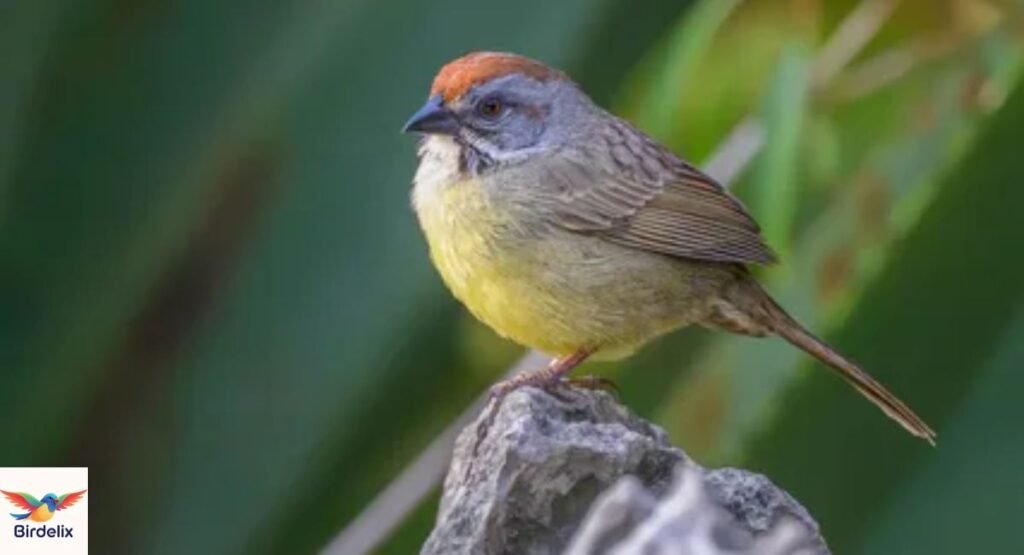
Scientific Name: Torreornis inexpectata
Family: Passerellidae
The Zapata Sparrow is a rare Cuban bird and one of the more unusual bird species that start with Z. It occurs in restricted habitats on the Zapata Peninsula and nearby areas. This small sparrow has brownish plumage with subtle markings that help it disappear among vegetation. It spends much of its time close to the ground while searching for seeds and small insects. Its limited range makes habitat protection especially important for this distinctive Cuban species.
6. Zapata Wren
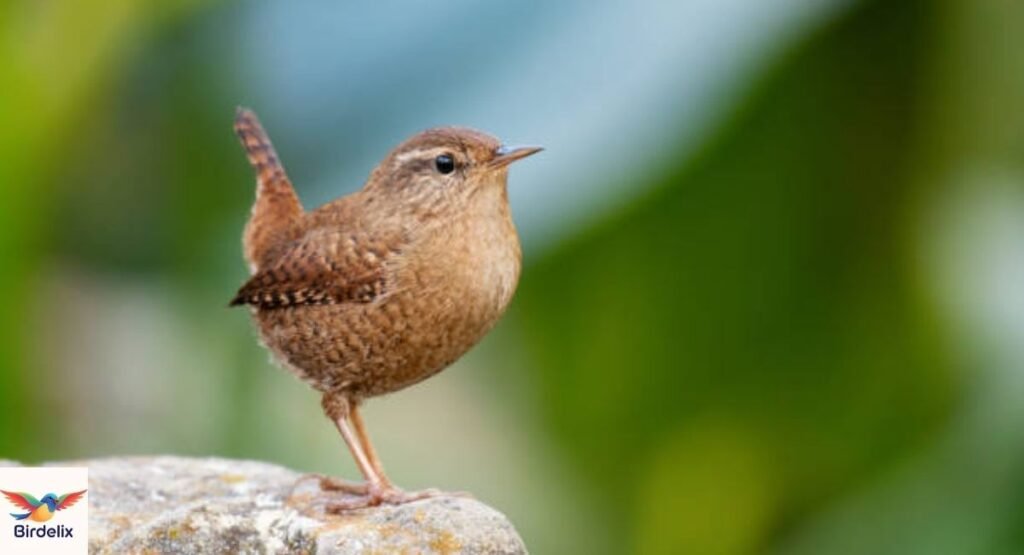
Scientific Name: Ferminia cerverai
Family: Troglodytidae
The Zapata Wren is an endemic Cuban songbird found mainly in the Zapata Swamp. Its brown, streaked body helps it blend into dense grasses and marsh vegetation. This secretive wren spends much of its time moving through thick cover while searching for insects and other small prey. Its restricted habitat makes it highly vulnerable to environmental changes. For birdwatchers, hearing its song may be much easier than getting a clear view of this elusive species.
7. Zapata Rail
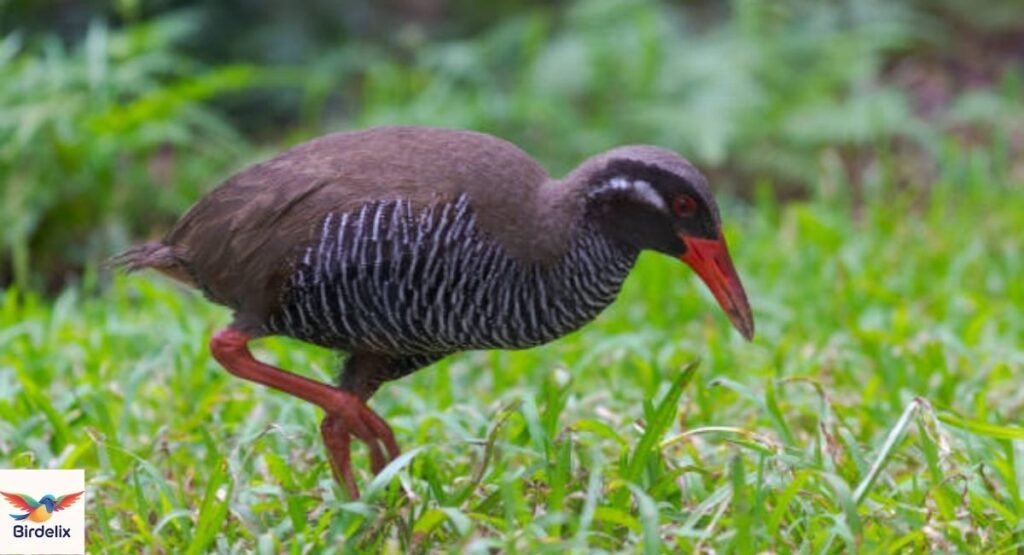
Scientific Name: Cyanolimnas cerverai
Family: Rallidae
The Zapata Rail is among the rarest birds beginning with Z. It is endemic to Cuba and closely associated with the wetland habitats of the Zapata Peninsula. This secretive rail has dark plumage, a white undertail area, and a reddish bill. It spends much of its life hidden among dense marsh vegetation. Habitat loss, wetland changes, and other human pressures have made conservation essential. Its secretive behavior also makes population monitoring extremely difficult.
8. Zambian Barbet
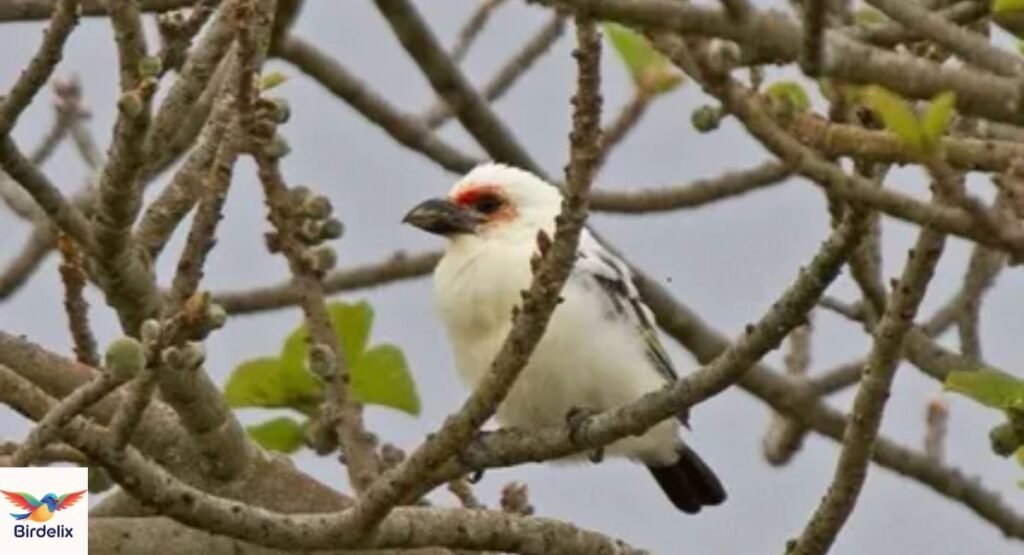
Scientific Name: Lybius chaplini
Family: Lybiidae
The Zambian Barbet is a striking African bird associated with woodland habitats in Zambia. It has colorful plumage and a strong bill suited to eating fruits, especially figs, along with insects. These barbets may live in small family groups and communicate through repeated calls. They also use tree cavities for nesting. Because it depends on suitable woodland and fruiting trees, habitat protection plays an important role in its survival. Its restricted distribution makes it a particularly interesting African Z bird.
9. Zimbabwe Batis
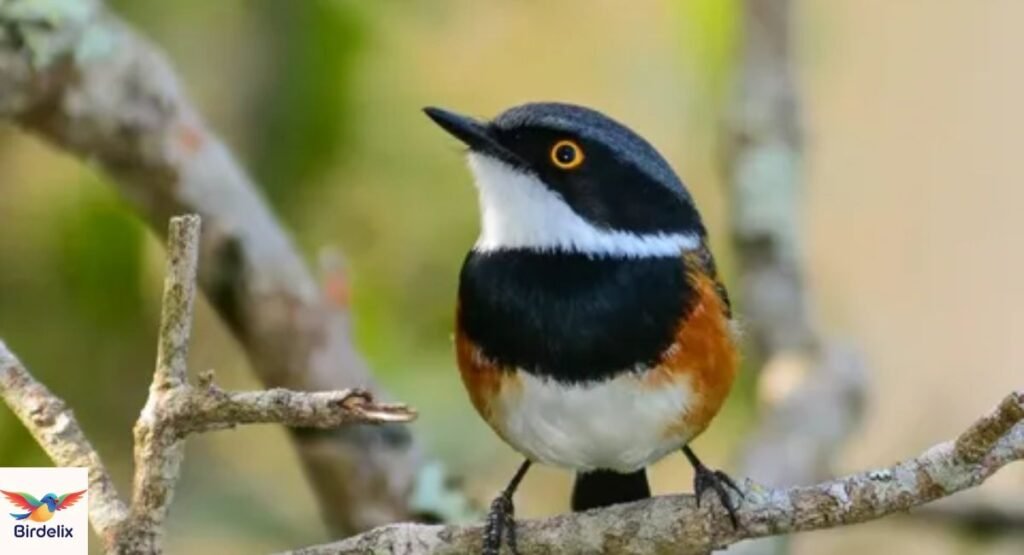
Scientific Name: Batis reichenowi
Family: Platysteiridae
The Zimbabwe Batis is a tiny African insect-eating bird with a compact body and short tail. It usually moves actively through woodland and forest vegetation while searching for insects. Its contrasting plumage can make identification easier when it pauses on a branch. Like other batis species, it often catches small insects from foliage or makes short aerial sallies. Its association with wooded habitats makes it a useful example of the ecological diversity found among birds that start with the letter Z.
10. Zanzibar Red Bishop
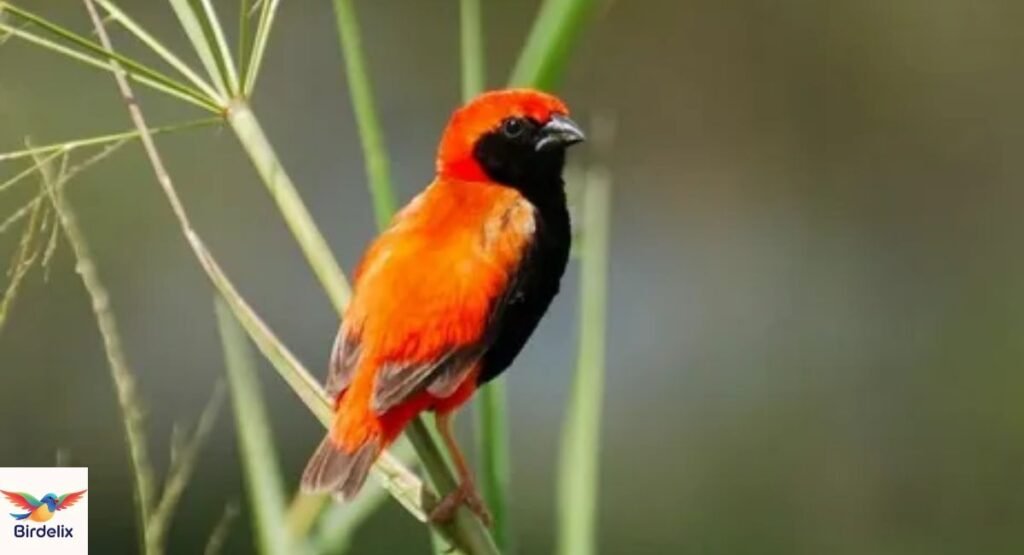
Scientific Name: Euplectes nigroventris
Family: Ploceidae
The Zanzibar Red Bishop is a colorful African weaver relative found in parts of East Africa. Breeding males develop striking black and reddish plumage, while females and nonbreeding birds appear much less colorful. These birds often inhabit grasslands, reed beds, wetlands, and cultivated areas. They mainly eat seeds but may also take small insects. Males use their bright breeding plumage and displays to attract females. Their bold colors make them one of the more memorable Z bird names.
11. Zanzibar Sombre Greenbul
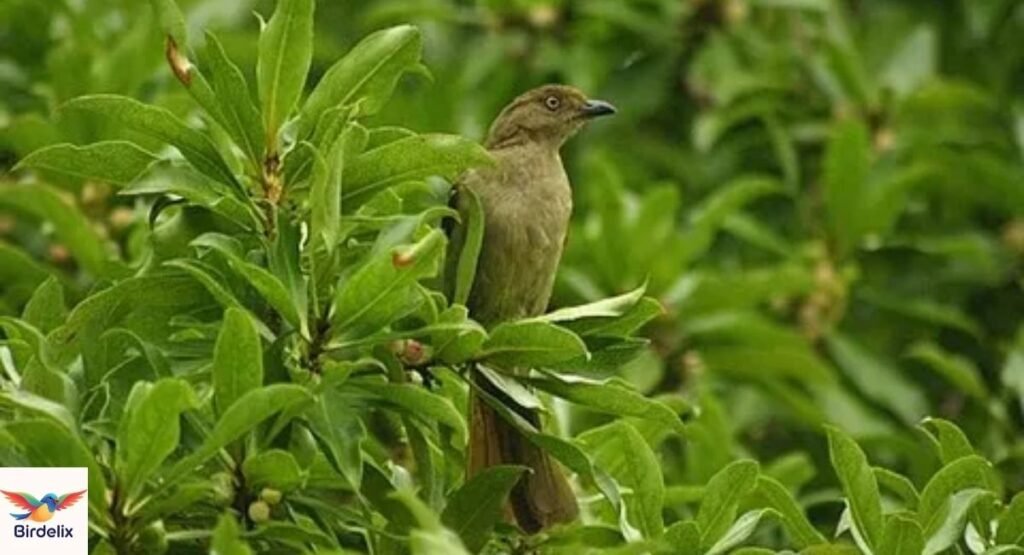
Scientific Name: Andropadus importunus
Family: Pycnonotidae
The Zanzibar Sombre Greenbul is a small African songbird associated with forest, woodland, and dense vegetation. Its relatively subdued greenish-brown appearance helps it remain hidden among leaves. It feeds on fruits, berries, insects, and other small food items. Like many greenbuls, it can be more easily detected by its vocalizations than by sight. Its feeding habits also allow it to contribute to seed dispersal, making this understated bird important within its habitat.
12. Zebra Waxbill
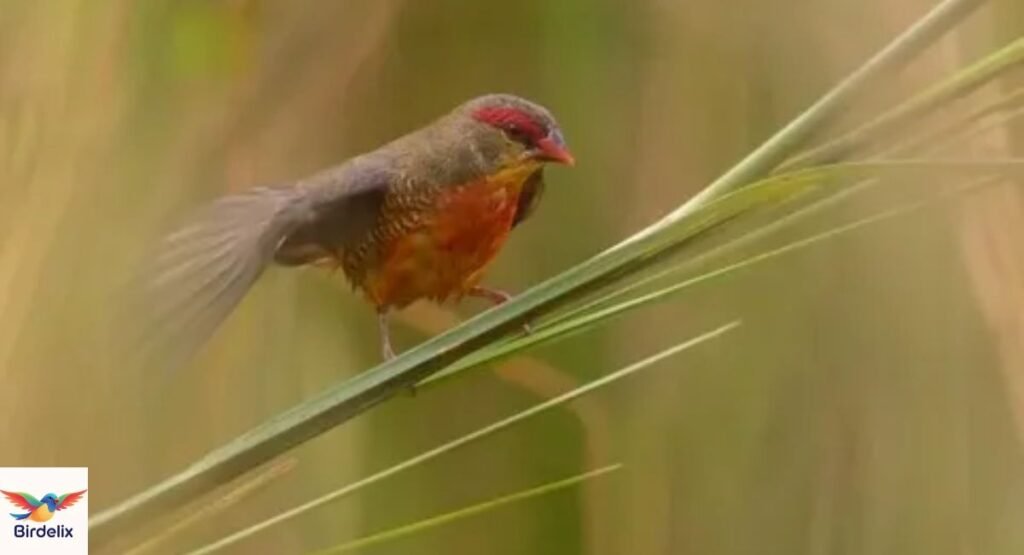
Scientific Name: Amandava subflava
Family: Estrildidae
The Zebra Waxbill is a small African finch-like bird recognized for its fine barred pattern and colorful markings. It commonly occurs in grassy areas, wetlands, savannas, and open habitats across parts of sub-Saharan Africa. These social birds often travel in pairs or small groups while searching for grass seeds. During the breeding season, males may use songs and displays to attract mates. Its delicate body and zebra-like markings make it an appealing example of colorful Z birds.
13. Zenaida Dove
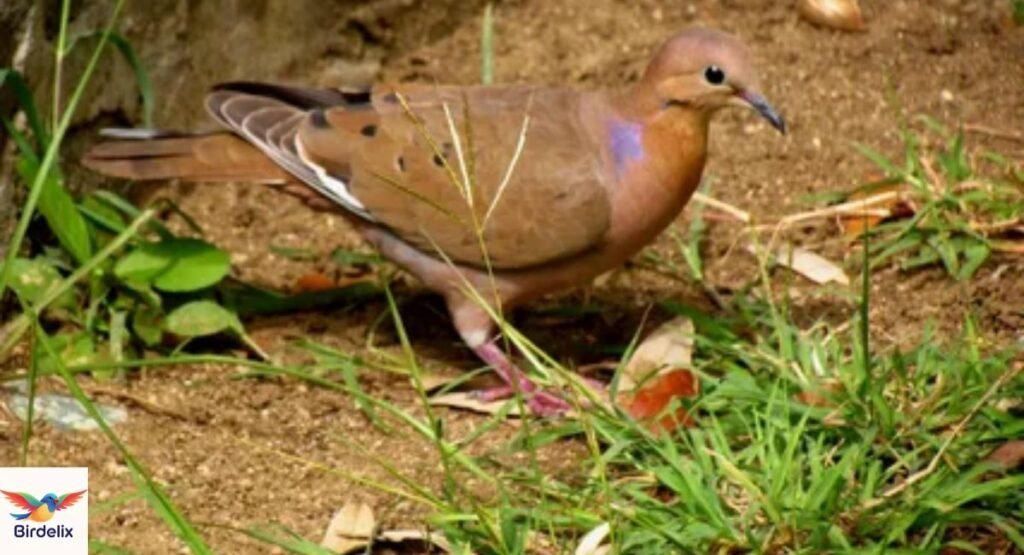
Scientific Name: Zenaida aurita
Family: Columbidae
The Zenaida Dove is a Caribbean dove with soft brown, gray, and pinkish tones. It commonly occurs on islands and coastal areas where it searches the ground for seeds and other food. Its flight is quick and direct, while its soft calls are characteristic of many dove species. The Zenaida Dove often lives in dry woodland, scrub, gardens, and other open habitats. Its Caribbean distribution gives it a distinctive place among bird names beginning with Z.
14. Zino’s Petrel
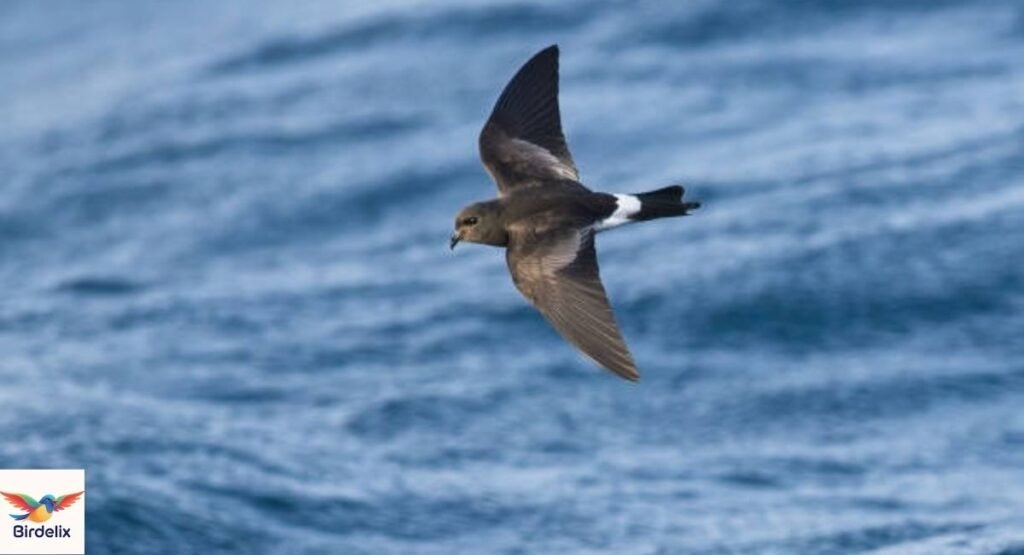
Scientific Name: Pterodroma madeira
Family: Procellariidae
Zino’s Petrel is a rare seabird associated with Madeira in the Atlantic Ocean. It spends most of its life at sea but returns to land to breed in remote mountain areas. This small petrel has a dark-and-white appearance and long, narrow wings suited to oceanic flight. It feeds on small marine organisms captured while flying over the water. Because its breeding range is extremely restricted, predators, habitat disturbance, and other threats can have serious effects on its population.
15. Zappey’s Flycatcher
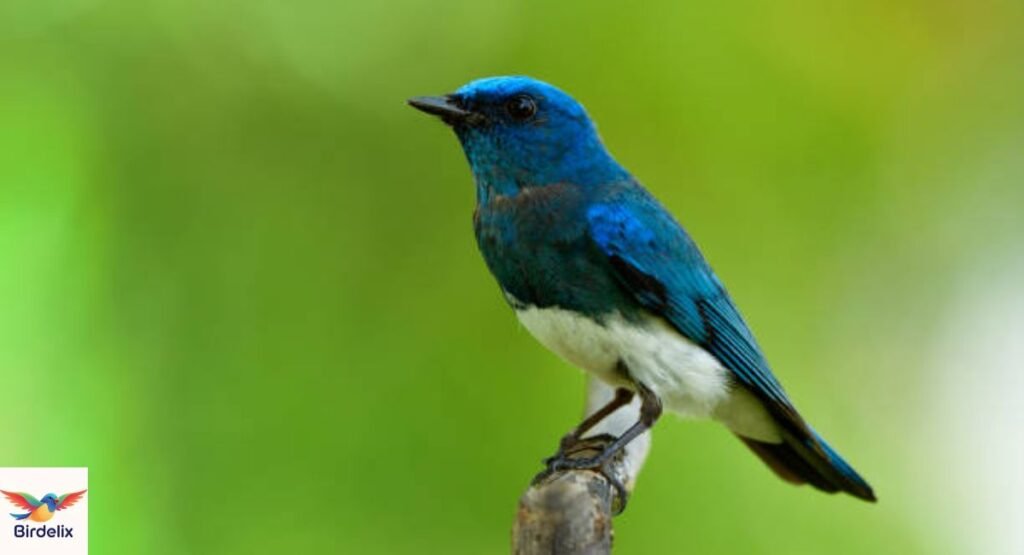
Scientific Name: Cyanoptila cumatilis
Family: Muscicapidae
Zappey’s Flycatcher is an attractive Asian flycatcher known for its blue and dark plumage. It breeds in parts of eastern Asia and migrates southward during the nonbreeding season. Like other flycatchers, it feeds mainly on flying insects and other small arthropods. It often watches from a perch before making a quick flight to capture prey. Its migration, compact body, and contrasting colors make it an interesting species for anyone exploring birds that start with Z.
16. Zanzibar Sunbird
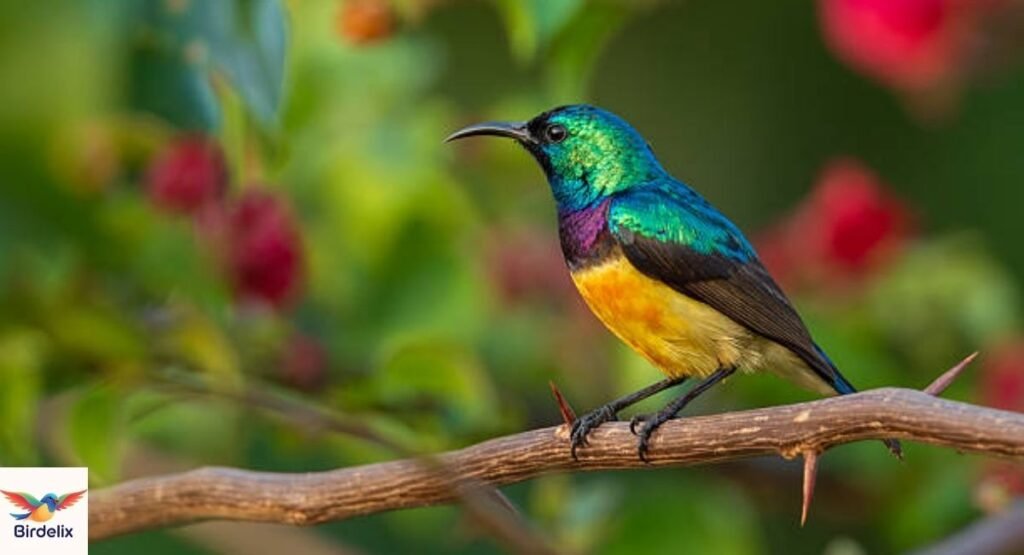
Scientific Name: Cinnyris pembae
Family: Nectariniidae
The Zanzibar Sunbird is associated with the islands of the Zanzibar region and is often known as the Pemba Sunbird in modern bird references. It has a slender, curved bill that helps it reach nectar inside flowers. These active birds also eat small insects and other tiny organisms. Their feeding behavior makes them useful pollinators in tropical habitats. Males are especially colorful, showing the brilliant plumage typical of many sunbirds. They are most closely linked with warm, vegetated island environments.
17. Zulu Kingfisher
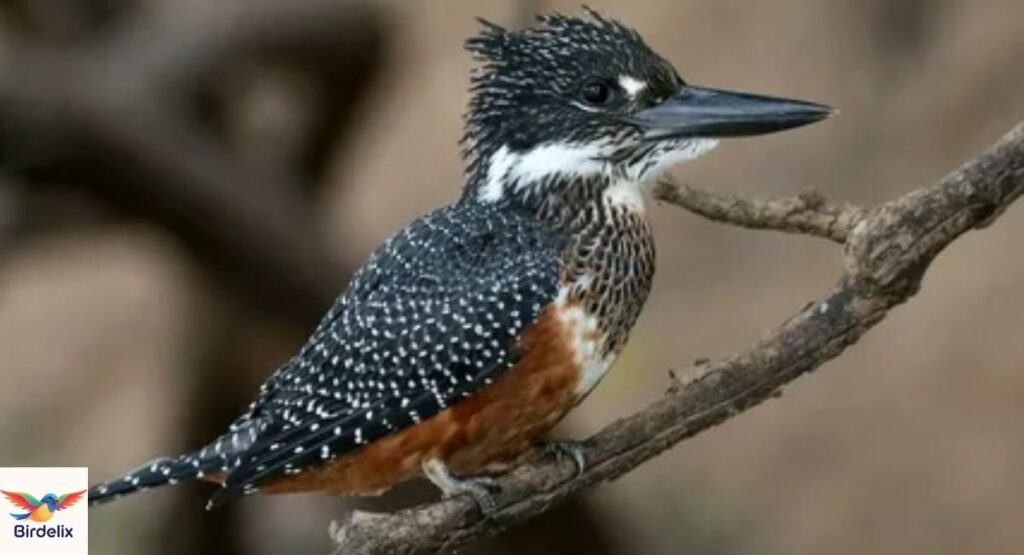
Scientific Name: Corythornis nais
Family: Alcedinidae
The Zulu Kingfisher is a small southern African kingfisher associated with freshwater habitats. It has a compact body, a strong pointed bill, and plumage suited to life around streams and rivers. It hunts by watching from a perch before diving quickly toward prey. Small fish, aquatic insects, and other tiny animals can form part of its diet. Its connection with water makes it a useful example of how types of birds that start with Z occupy very different ecological niches.
18. Zululand Batis
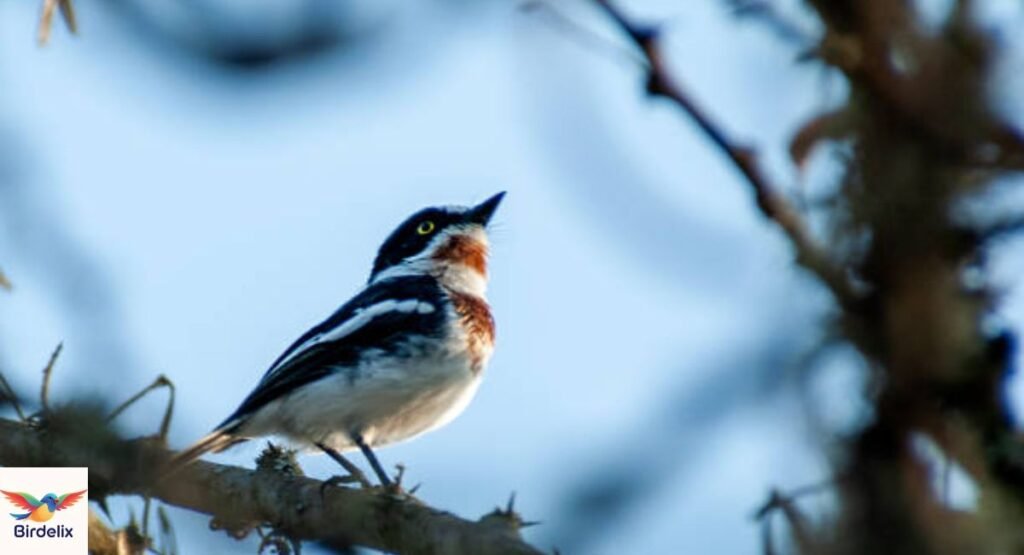
Scientific Name: Batis fratrum
Family: Platysteiridae
The Zululand Batis is a small southern African woodland bird that feeds mainly on insects. It has a compact shape, short tail, and contrasting facial and body markings. It often searches leaves and branches for tiny prey while moving quickly through vegetation. Its sharp calls can help birdwatchers locate it in dense habitat. The species is associated with southeastern Africa, where woodland and forest habitats provide important feeding and nesting areas.
19. Zwartkops Lark
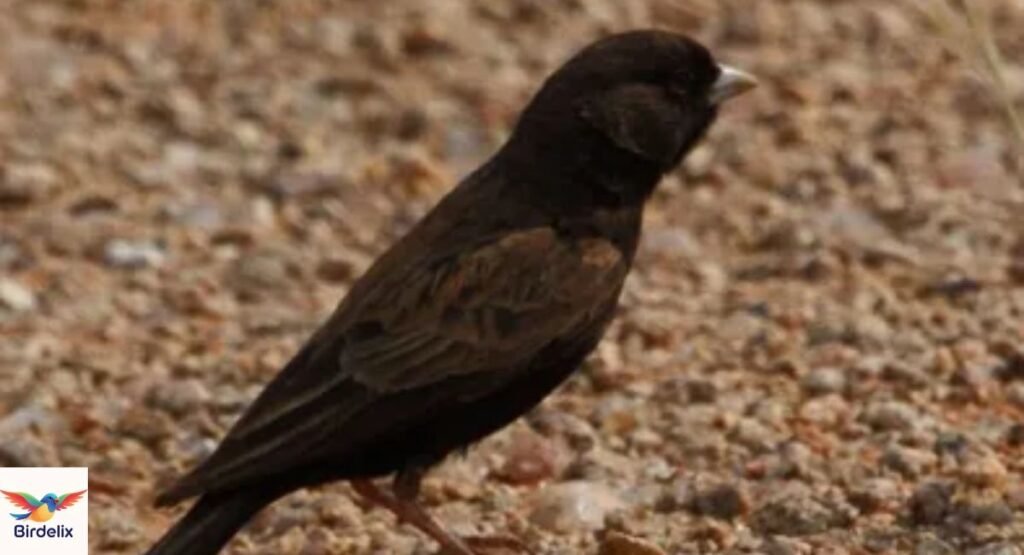
Scientific Name: Eremopterix australis
Family: Alaudidae
The Zwartkops Lark is a small southern African lark found in dry, open landscapes. Its earthy plumage provides excellent camouflage against sandy soil and sparse vegetation. It feeds mainly on seeds and insects while spending considerable time on the ground. During breeding periods, males may perform displays and produce songs to defend territory or attract mates. Its adaptation to arid environments shows how birds that start with the letter Z can thrive in challenging habitats.
20. Zulu Helmetshrike
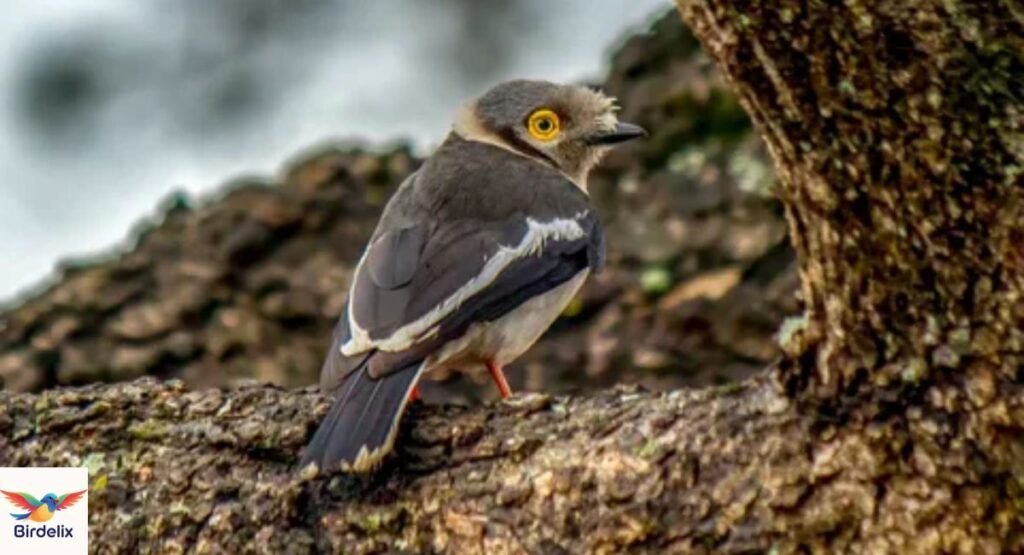
Scientific Name: Prionops plumatus
Family: Vangidae
The Zulu Helmetshrike is a social African bird with contrasting black, white, and gray plumage. It often travels in groups and moves actively through woodland while searching for insects and other small prey. Group members may communicate frequently as they forage together. Its strong social behavior makes it particularly interesting to observe in the field. The combination of bold markings, active movement, and cooperative behavior makes the Zulu Helmetshrike a memorable final entry in this Z bird list.
Birds of Prey That Start With Z
Zone-tailed Hawk
The Zone-tailed Hawk is the standout bird of prey that starts with Z. Its dark body, pale tail bands, and soaring flight create a distinctive combination. Yet its most fascinating feature may be its resemblance to the Turkey Vulture.
This resemblance is especially noticeable from below. The hawk often soars in a way that makes it look vulture-like. It hunts a wide range of prey, including birds, mammals, reptiles, and amphibians. In the United States, it is especially associated with rugged landscapes in the Southwest.
Water, Wetland & Coastal Birds That Start With Z
Not every bird that starts with Z lives in a forest or grassland. Some are closely associated with wetlands, islands, coastal vegetation, or the open ocean.
| Bird | Environment |
| Zapata Rail | Swamp and marsh |
| Zino’s Petrel | Open ocean |
| Zebra Dove | Open and semi-urban habitats |
| Zanzibar Sunbird | Tropical island habitats |
The Zapata Rail depends on wetland vegetation, while Zino’s Petrel represents the opposite extreme. It spends most of its life over the sea. These examples show how different bird habitats can be even within one alphabetical group.
North American Birds That Start With Z
North America has relatively few familiar birds that start with Z. The Zone-tailed Hawk is the clearest example for U.S. birders. It occurs in the southwestern United States and also ranges through Mexico and much farther south.
Zone-tailed Hawk
In the United States, Zone-tailed Hawks are most often associated with southern Arizona, New Mexico, western Texas, and parts of California. They prefer rugged terrain, including canyons, cliffs, foothills, and river corridors.
Zenaida Dove
The Zenaida Dove is mainly a Caribbean bird. It has a geographic connection to the broader North American region through the Caribbean, but it should not be described as a widespread bird of the continental United States. This distinction matters when answering searches for North American birds that start with Z.
Colorful Birds That Start With Z
Color can make bird identification much easier. Several colorful birds that start with Z have strong patterns that catch the eye.
| Bird | Notable Color or Pattern |
| Zebra Finch | Gray, orange, black, and white markings |
| Zebra Waxbill | Striped and warm-toned plumage |
| Zanzibar Red Bishop | Bright red and black breeding plumage |
| Zambian Barbet | White, black, yellow, and red details |
| Zulu Kingfisher | Contrasting kingfisher plumage |
The Zanzibar Red Bishop is particularly striking during breeding season. The Zambian Barbet also has a distinctive combination of white, black, yellow, and red around its body.
Black Birds That Start With Z
Black plumage does not always mean an entirely black bird. Many species combine black with red, gray, white, or brown. That contrast can become a useful bird identification clue.
| Bird | Dark or Black Markings |
| Zone-tailed Hawk | Mostly dark body with pale tail bands |
| Zanzibar Red Bishop | Extensive black with red breeding plumage |
| Zambian Barbet | Black wings and tail |
| Zulu Helmetshrike | Dark contrasting plumage |
For example, the Zone-tailed Hawk is largely dark but has distinctive bands across its tail. The Zanzibar Red Bishop combines black with vivid red in breeding males. These patterns help separate similar-looking birds.
Birds That Start With Z by Habitat
Habitat can often narrow down a bird’s identity before you even hear its call. A bird found over an ocean is unlikely to be the same species as one hiding in a grassland.
| Habitat | Examples |
| Grasslands | Zitting Cisticola, Zebra Finch |
| Forests | Zanzibar Sombre Greenbul, Zimbabwe Batis |
| Wetlands | Zapata Rail |
| Woodlands | Zambian Barbet, Zululand Batis |
| Coastal Areas | Zanzibar Sunbird |
| Open Ocean | Zino’s Petrel |
| Caribbean Islands | Zenaida Dove |
| Savanna and Dry Grasslands | Zwartkops Lark |
This habitat approach is useful when identifying birds beginning with Z in the wild. Look at the surroundings first. Then consider size, shape, color, behavior, and sound.
Birds That Start With Z by Bird Type
The list below organizes types of birds that start with Z into familiar groups. This makes it easier to understand how diverse the letter Z really is.
| Bird Type | Examples |
| Dove | Zebra Dove, Zenaida Dove |
| Finch | Zebra Finch |
| Hawk | Zone-tailed Hawk |
| Rail | Zapata Rail |
| Wren | Zapata Wren |
| Barbet | Zambian Barbet |
| Batis | Zimbabwe Batis, Zululand Batis |
| Waxbill | Zebra Waxbill |
| Petrel | Zino’s Petrel |
| Kingfisher | Zulu Kingfisher |
| Sunbird | Zanzibar Sunbird |
| Lark | Zwartkops Lark |
This range includes songbirds, birds of prey, doves, wetland birds, tropical birds, and seabirds. That diversity makes Z one of the more interesting letters for an alphabetical bird guide.
Short & Long Bird Names That Start With Z
Some bird names that start with Z are short and memorable. Others are surprisingly long. Long names often include a geographic word such as Zanzibar or Zululand.
| Category | Examples |
| Short Names | Zebra Finch, Zebra Dove |
| Medium Names | Zenaida Dove, Zapata Wren |
| Long Names | Zone-tailed Hawk, Zulu Helmetshrike |
| Very Long Names | Zanzibar Sombre Greenbul, Zanzibar Red Bishop |
Short Z Bird Names
Zebra Finch and Zebra Dove are among the easiest Z bird names to remember. Their names are short, familiar, and closely connected with their appearance. Zenaida Dove and Zapata Wren are also relatively compact names.
Long Z Bird Names
Zanzibar Sombre Greenbul and Zanzibar Red Bishop are much longer. These names also carry geographic information. The word Zanzibar immediately suggests an association with East Africa and its island ecosystems.
Endangered Birds That Start With Z
Conservation adds another important layer to Birds That Start With Z. Some species have broad ranges and stable populations, while others occupy tiny areas and face serious habitat pressures.
| Species | Main Conservation Concern |
| Zapata Rail | Restricted wetland habitat |
| Zapata Wren | Very limited Cuban range |
| Zapata Sparrow | Specialized habitat requirements |
| Zino’s Petrel | Extremely restricted breeding range |
| Zambian Barbet | Habitat loss and restricted distribution |
The Zambian Barbet is an especially useful example. It is endemic to Zambia and has been assessed as Vulnerable. Habitat changes are an important concern for this restricted species.
Zino’s Petrel faces a different challenge because its breeding range is extremely limited. The Zapata birds also demonstrate how wetland conservation can protect several specialized species at once.
Birds That Start With Z Around the World
The global distribution of birds that start with Z is surprisingly broad. These birds occur on several continents and many islands.
Africa
Africa contains numerous Z-named birds. These include Zambian Barbet, Zimbabwe Batis, Zanzibar Red Bishop, Zanzibar Sombre Greenbul, Zanzibar Sunbird, Zululand Batis, Zwartkops Lark, and Zulu Helmetshrike. Their habitats range from woodland and grassland to coastal and tropical environments.
Asia
Asia is home to familiar species such as Zebra Dove and Zappey’s Flycatcher. The Zitting Cisticola also has a broad Asian range.
Europe
The Zitting Cisticola is the main familiar example among European birds that start with Z. It favors warm open habitats and grasslands.
North & South America
The Zone-tailed Hawk is the strongest example for the Americas. It occurs from the southwestern United States through Mexico and Central and South America.
Australia
The Zebra Finch is one of Australia’s best-known Z birds. Its dry-country adaptability and social behavior have made it a familiar species in Australian bird life.
Caribbean
The Caribbean is especially important for unusual Z birds. The Zenaida Dove occurs across parts of the region, while Cuba’s Zapata area supports highly specialized species such as the Zapata Rail, Zapata Wren, and Zapata Sparrow.
How to Identify Birds That Start With Z
Identifying an unfamiliar Z bird species becomes easier when you use several clues together. Start with the bird’s size and body shape. Then check its bill, tail, wing pattern, colors, habitat, behavior, and call.
For example, a Zebra Finch is tiny and compact, with strong facial and body markings. A Zebra Dove is larger and more slender, with a noticeably long tail and fine barring. A Zone-tailed Hawk is much larger and has the broad wings and soaring style expected from a raptor.
| Identification Clue | What to Observe |
| Plumage | Main colors, stripes, spots, and contrast |
| Size | Tiny finch, medium dove, or large hawk |
| Bill | Shape and length |
| Tail | Length, bands, and shape |
| Habitat | Forest, grassland, wetland, or ocean |
| Behavior | Ground feeding, soaring, hunting, or flocking |
| Call | Song, whistle, coo, or repeated notes |
| Flight | Undulating, gliding, soaring, or fast wingbeats |
A good field habit is to avoid relying on one feature. Combine several clues before deciding on a species. That approach reduces mistakes and makes bird identification much more reliable.
“The habitat often tells you where to look before the plumage tells you what you’re seeing.”
What Is the Most Common Bird That Starts With Z?
There is no single answer to “most common” because the term can mean widespread, frequently encountered, or simply familiar. The Zebra Finch is certainly one of the most familiar birds that start with Z, especially because it is widely known in Australia and aviculture.
The Zebra Dove is another strong candidate for familiarity. It is common in suitable habitats and has also been introduced outside its native Southeast Asian range. Cornell describes it as common in open and disturbed habitats.
Are There Any Arctic Birds That Start With Z?
There are very few well-known Arctic birds that start with Z. Most recognizable Z-named species are associated with warmer regions such as Africa, Asia, Australia, the Caribbean, and the Americas.
It is important to distinguish true Arctic species from birds that can occasionally reach cold northern areas. For example, the Zone-tailed Hawk occurs in North America, but it is not an Arctic bird. Its U.S. range is concentrated much farther south, particularly in the Southwest.
Conclusion
Birds that start with Z may be less common, but they’re surprisingly diverse and fascinating. From the familiar Zebra Finch and Zebra Dove to rare species like the Zapata Rail and Zino’s Petrel, each bird has a unique story. We’ve explored their names, habitats, colors, behaviors, and global ranges throughout this guide.
Whether you’re a birdwatcher, student, or simply curious about bird names beginning with Z, this list makes exploring these unusual species much easier. Keep this guide handy whenever you want to discover more interesting birds from A to Z.
FAQs
What is a bird that starts with Z?
The Zebra Finch, Zebra Dove, Zitting Cisticola, Zone-tailed Hawk, Zapata Wren, Zenaida Dove, and Zino’s Petrel are examples of birds that start with Z.
What is the most common bird that starts with Z?
The Zebra Finch and Zebra Dove are among the most familiar Z-named birds. The Zebra Dove is common in suitable open habitats and has also been introduced beyond its native range.
What bird starts with Z and is found in North America?
The Zone-tailed Hawk is the clearest example. In the United States, it occurs mainly in the Southwest, including Arizona, New Mexico, Texas, and California.
What are some rare birds that start with Z?
Zapata Rail, Zapata Wren, Zapata Sparrow, and Zino’s Petrel are among the most notable rare or restricted-range Z bird species.
Are there any colorful birds that start with Z?
Yes. Zebra Finch, Zebra Waxbill, Zanzibar Red Bishop, and Zambian Barbet all have distinctive colors or patterns. The Zanzibar Red Bishop is particularly striking during breeding season.

Welcome to Birdelix! I’m Anam Sattar, an AI-powered SEO Specialist and Content Writer with over 5 years of experience in creating high-quality, search-optimized content. I help businesses improve their search engine rankings, increase organic traffic, and build beautiful, user-friendly websites. My mission is to make SEO, content creation, and web design simple, effective, and accessible for everyone. Let’s grow your online presence and achieve success together!