

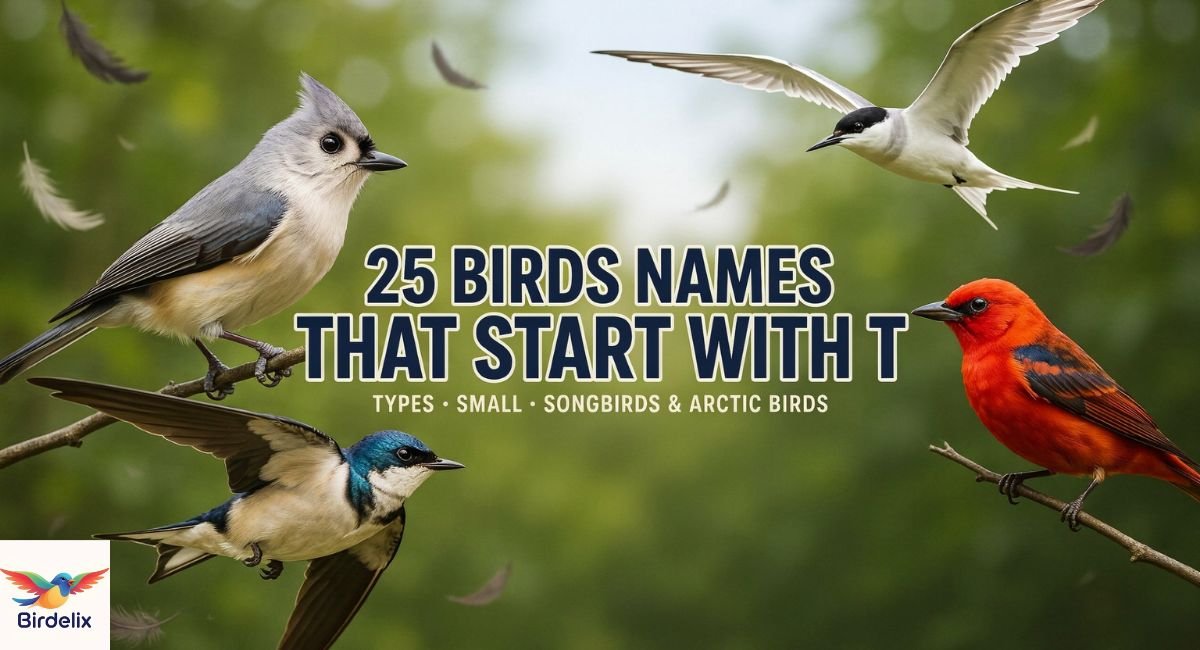
If you’re searching for Birds Names That Start With T, you’ll find a fascinating mix of familiar and unusual species. From the colorful Toucan and powerful Turkey Vulture to the gentle Trumpeter Swan and tiny Tree Sparrow, the letter T offers remarkable variety. This guide explores bird names beginning with T from forests, wetlands, coastlines, mountains, and open habitats. You’ll also discover small birds, songbirds, Arctic species, waterbirds, and birds of prey.
Each entry brings useful details about scientific names, appearance, habitat, behavior, diet, and interesting facts. Whether you’re a birdwatcher, student, parent, or nature lover, these T birds make learning about avian diversity both simple and enjoyable.
What Birds Names Start With T?
Many bird names beginning with T represent species or groups from very different families and regions. Examples include the Toucan from tropical forests, the Trumpeter Swan from North America, and the Tawny Owl from Eurasian woodlands. T also brings together songbirds, seabirds, shorebirds, raptors, finches, and flightless birds.
In simple terms, types of birds that start with T range from tiny Treecreepers to enormous Trumpeter Swans. Some spend their lives around trees, while others cross oceans during migration. This variety makes the letter T especially useful for learning about bird habitats, adaptations, and identification.
25 Birds Names That Start With T: Complete List
The table below gives you a quick view of 25 distinctive T birds. Scientific classifications can vary when a common name describes a genus or broader group. For that reason, group-level names are marked appropriately rather than being presented as single species.
| No. | Bird Name | Scientific Name | Type | Main Habitat |
| 1 | Toucan | Ramphastos spp. | Tropical bird | Tropical forests |
| 2 | Tawny Owl | Strix aluco | Owl | Woodlands |
| 3 | Trumpeter Swan | Cygnus buccinator | Waterbird | Lakes and rivers |
| 4 | Tree Sparrow | Passer montanus | Songbird | Farmland and woodland |
| 5 | Tropicbird | Phaethon spp. | Seabird | Tropical oceans |
| 6 | Turkey Vulture | Cathartes aura | Scavenger | Open landscapes |
| 7 | Tern | Sterna spp. | Seabird | Coasts and wetlands |
| 8 | Thrush | Turdidae | Songbird group | Forests and gardens |
| 9 | Titmouse | Baeolophus spp. | Songbird | Woodlands and gardens |
| 10 | Towhee | Pipilo spp. | Songbird | Shrublands and forests |
| 11 | Twite | Linaria flavirostris | Finch | Moorlands and coasts |
| 12 | Tragopan | Tragopan spp. | Pheasant | Asian mountains |
| 13 | Turnstone | Arenaria spp. | Shorebird | Coastal shores |
| 14 | Treecreeper | Certhia spp. | Woodland bird | Forests |
| 15 | Takahe | Porphyrio hochstetteri | Flightless bird | New Zealand |
| 16 | Taita Falcon | Falco fasciinucha | Falcon | African mountains |
| 17 | Taiwan Barwing | Actinodura morrisoniana | Songbird | Mountain forests |
| 18 | Talamanca Hummingbird | Eugenes fulgens | Hummingbird | Mountain habitats |
| 19 | Tamaulipas Crow | Corvus imparatus | Crow | Scrub and open woodland |
| 20 | Tambourine Dove | Turtur tympanistria | Dove | African forests |
| 21 | Tanager Finch | Oreothraupis arremonops | Finch | Mountain forests |
| 22 | Tanna Fruit Dove | Ptilinopus tannensis | Fruit dove | Island forests |
| 23 | Tapanuli Owlet | Glaucidium spp. | Owl | Forests |
| 24 | Tape-tailed Manakin | Manakin group | Tropical bird | Rainforests |
| 25 | Tennessee Warbler | Leiothlypis peregrina | Warbler | Forests |
25 Birds Names That Start With T (Complete Guide)
1. Toucan
Scientific Name: Ramphastos spp.
Family: Ramphastidae
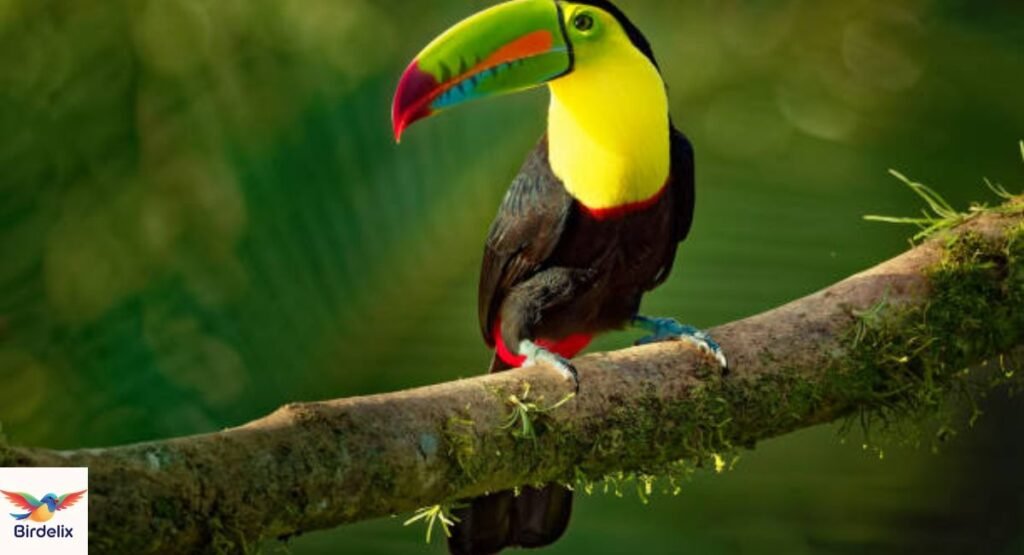
The Toucan is one of the most recognizable Birds Names That Start With T because of its enormous colorful bill. These tropical birds live mainly in Central and South American forests. Their large bills look heavy, but they have a lightweight structure that makes them surprisingly easy to carry. Toucans mostly eat fruits, although insects, eggs, and small animals can also become part of their diet. Their bright appearance makes them especially popular among birdwatchers and nature lovers.
2. Tawny Owl
Scientific Name: Strix aluco
Family: Strigidae
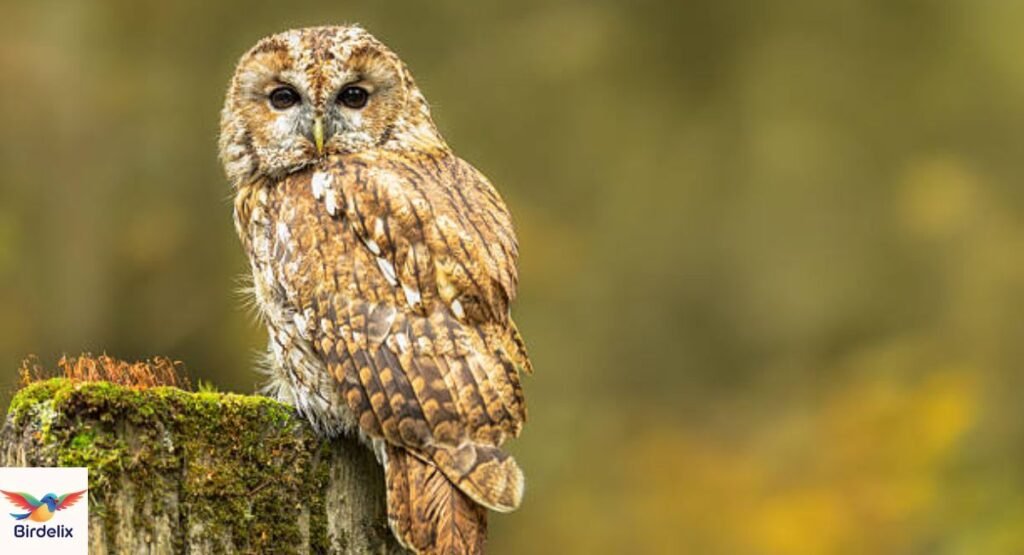
The Tawny Owl is a nocturnal Bird Name That Starts With T with soft brown plumage and a rounded body. It prefers mature woodlands where dense trees provide shelter and nesting sites. This owl hunts mostly at night and uses excellent hearing to locate prey in darkness. Small mammals, birds, and insects make up much of its diet. Its haunting calls can travel surprisingly far through quiet forests, making it easier to detect than see.
3. Trumpeter Swan
Scientific Name: Cygnus buccinator
Family: Anatidae
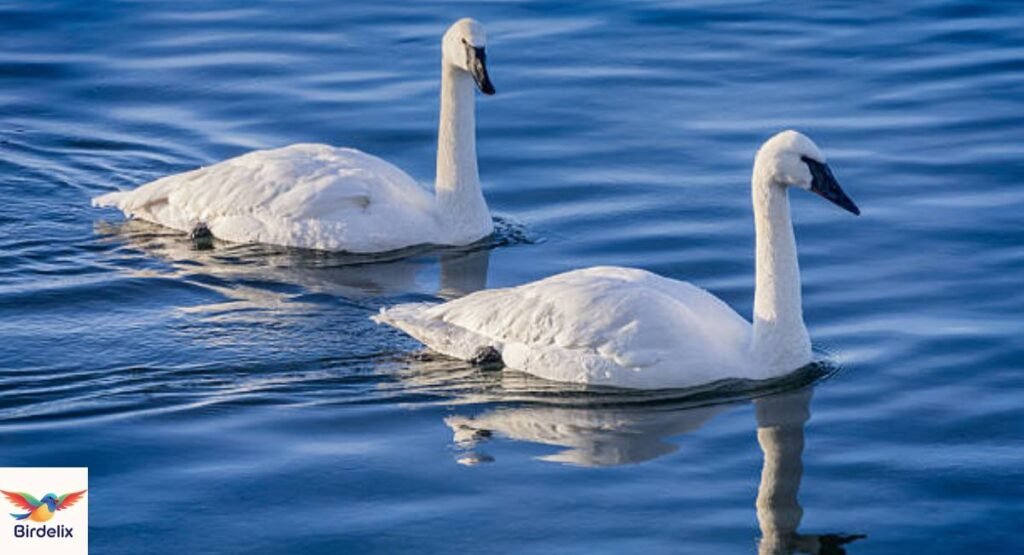
The Trumpeter Swan is among the largest North American birds and is famous for its deep, trumpet-like call. Its pure white body contrasts strongly with its black bill and feet. These impressive waterbirds usually live around lakes, rivers, wetlands, and other freshwater habitats. They feed heavily on aquatic plants while swimming or reaching underwater with their long necks. Their strong family bonds and graceful movements make them a favorite sight for wildlife observers.
4. Tree Sparrow
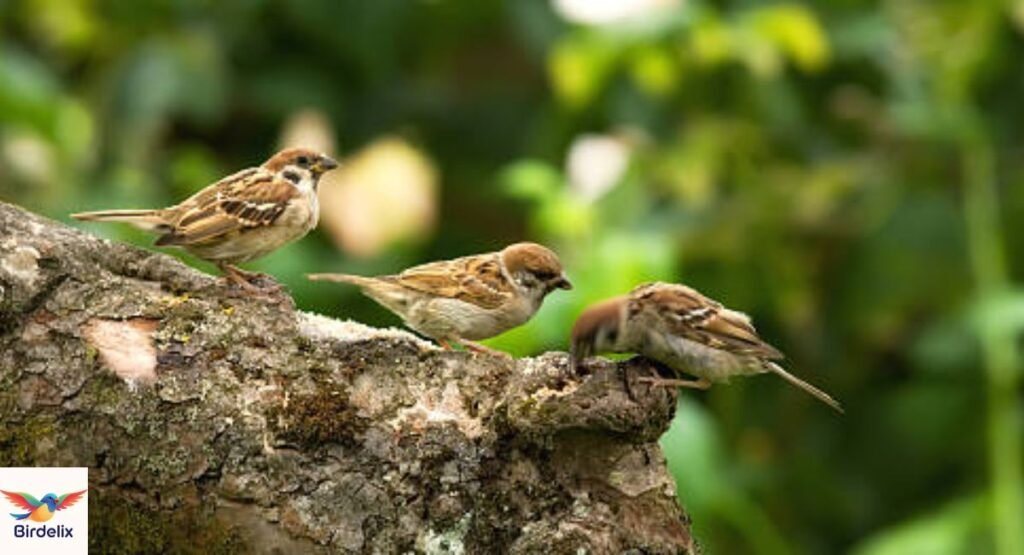
Scientific Name: Passer montanus
Family: Passeridae
The Tree Sparrow is a small songbird recognized by its chestnut-colored crown, white cheeks, and dark cheek spot. It commonly inhabits open woodland, farmland, grassland edges, and villages across much of Europe and Asia. These active birds feed mainly on seeds and grains while also taking insects during the breeding season. They often nest in tree cavities or suitable man-made spaces. Their social nature means you may see several birds feeding together.
5. Tropicbird
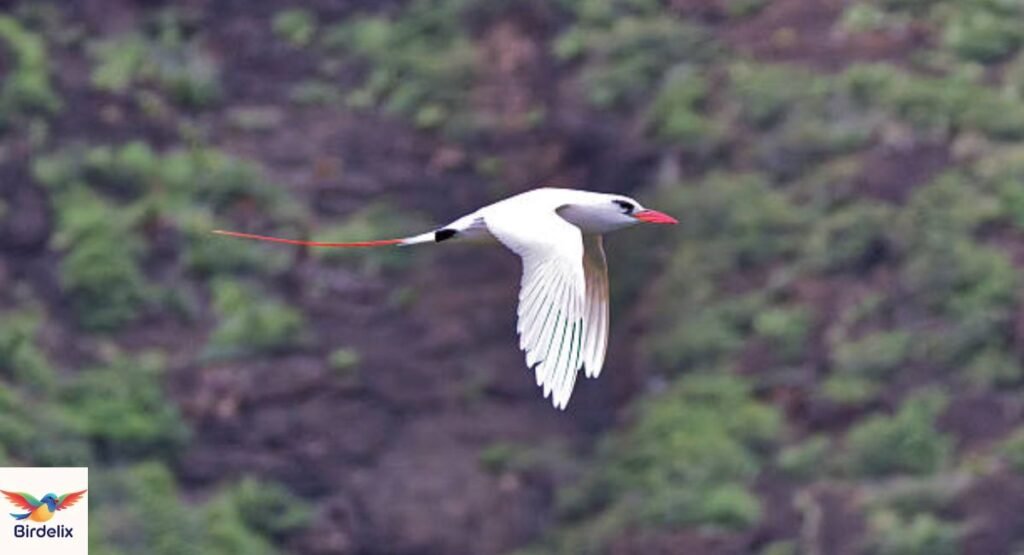
Scientific Name: Phaethon spp.
Family: Phaethontidae
The Tropicbird is an elegant seabird that spends much of its life above tropical and subtropical oceans. Its white plumage, dark markings, and long central tail feathers create a distinctive appearance. Tropicbirds are powerful fliers and can plunge into the ocean to catch fish and squid. They usually nest on remote islands and rocky coastal locations. Their graceful flight over bright blue water makes them one of the most beautiful tropical birds beginning with T.
6. Turkey Vulture
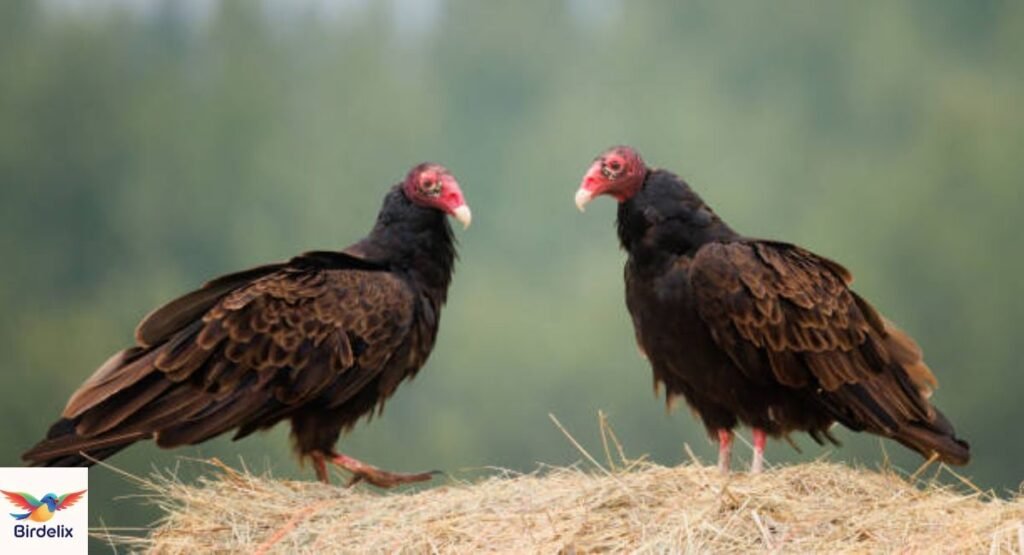
Scientific Name: Cathartes aura
Family: Cathartidae
The Turkey Vulture is a widespread Bird That Starts With T across the Americas and is especially familiar in the United States. It has dark wings, a red featherless head, and broad wings designed for soaring. Unlike hunting raptors, this bird mainly acts as a scavenger, feeding on carrion rather than actively killing prey. Its excellent sense of smell helps it locate food from the air. You can often spot Turkey Vultures circling slowly above roads, forests, fields, and open countryside.
7. Tern
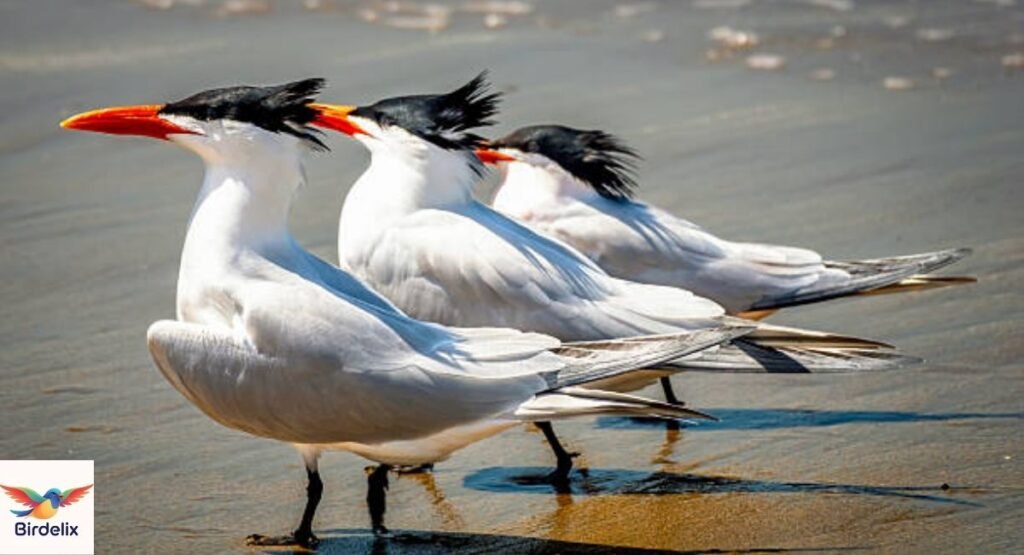
Scientific Name: Sterna spp.
Family: Laridae
The Tern is a slender waterbird with pointed wings, a narrow body, and a sharp bill. Different tern species occur around oceans, lakes, rivers, islands, and coastal wetlands. They often hover briefly before diving into water to catch fish. Among them, the Arctic Tern is especially famous for its extraordinary migration between northern and southern polar regions. Their agile flight and sharp turns make terns exciting birds to watch near beaches and inland waterways.
8. Thrush
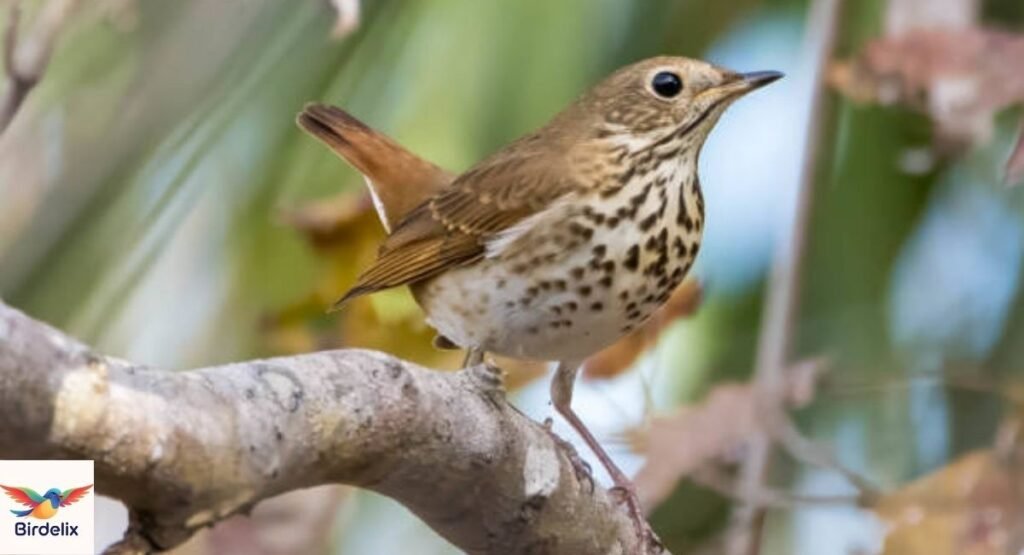
Scientific Name: Turdidae spp.
Family: Turdidae
The Thrush represents a group of songbirds known for their rich voices and varied songs. Many species have rounded bodies with spotted or patterned plumage that provides useful camouflage. Thrushes occupy forests, gardens, woodland edges, and other habitats where insects and berries are available. Their diet often includes worms, insects, snails, and fruit. Some species produce remarkably complex songs, which makes them especially interesting to birdwatchers who enjoy identifying birds by sound.
9. Titmouse
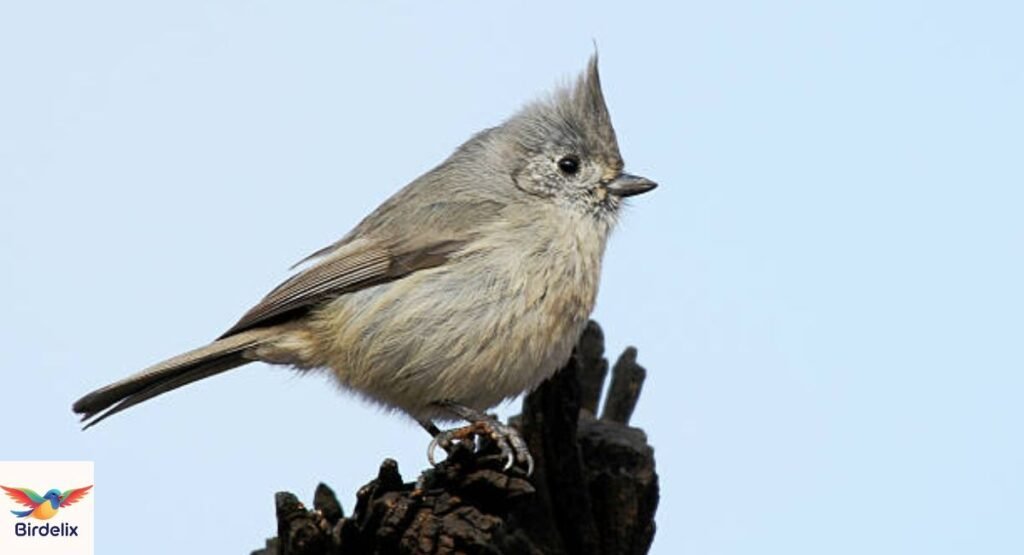
Scientific Name: Baeolophus spp.
Family: Paridae
The Titmouse is a small North American bird commonly found in forests, parks, gardens, and suburban neighborhoods. It has a compact body, short bill, and often a noticeable crest on its head. Titmice eat seeds, berries, insects, and other small foods. Their active behavior makes them easy to notice around backyard feeders. Despite their small size, these birds produce clear and surprisingly loud calls. Their curious nature also makes them enjoyable visitors for backyard birdwatchers.
10. Towhee
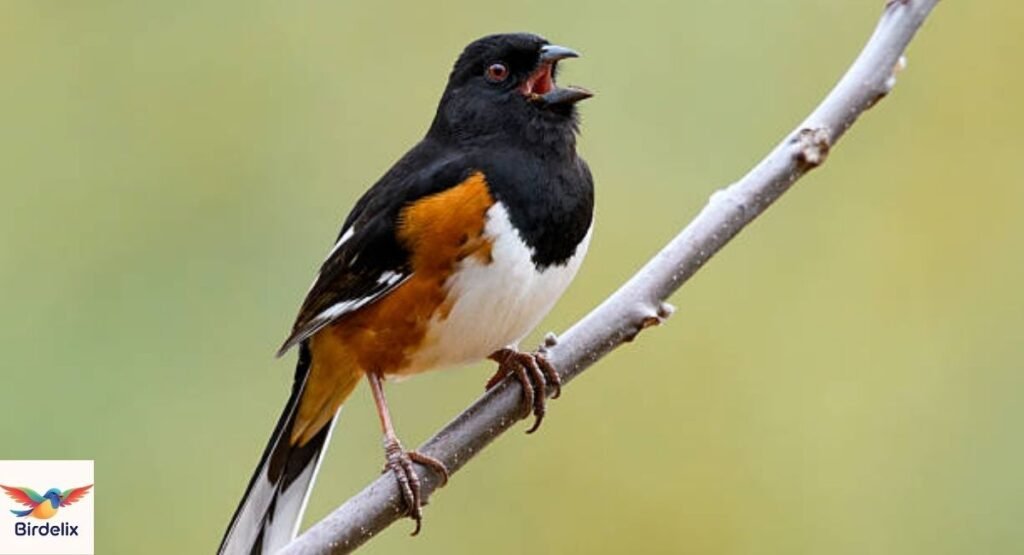
Scientific Name: Pipilo spp.
Family: Passerellidae
The Towhee is a familiar songbird of North America that often stays close to shrubs, woodland edges, and dense undergrowth. Many towhees have bold combinations of black, brown, white, or reddish coloring. They spend considerable time on the ground searching through fallen leaves for seeds and insects. A distinctive double-scratching movement helps them uncover hidden food. Their clear calls can also help you locate them when thick vegetation makes visual identification difficult.
11. Twite
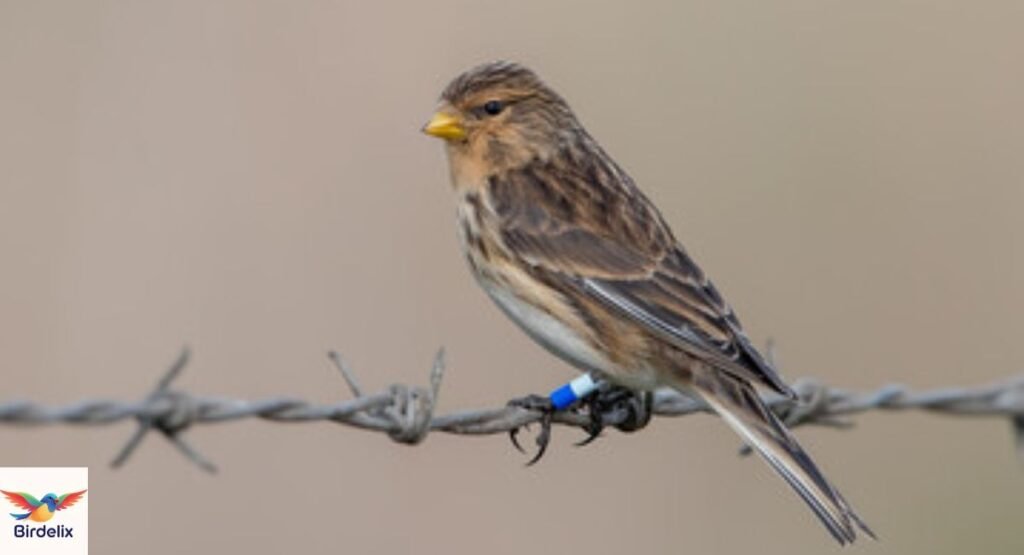
Scientific Name: Linaria flavirostris
Family: Fringillidae
The Twite is a small finch with streaky brown plumage that helps it disappear against rocky landscapes and vegetation. It occurs mainly in northern Europe and parts of Asia, often around moorlands, hills, and coastal areas. Seeds form an important part of its diet. The bird gets its unusual name from its characteristic call. Although it may look plain compared with colorful tropical birds, its hardy nature and specialized habitat make it an interesting T bird.
12. Tragopan
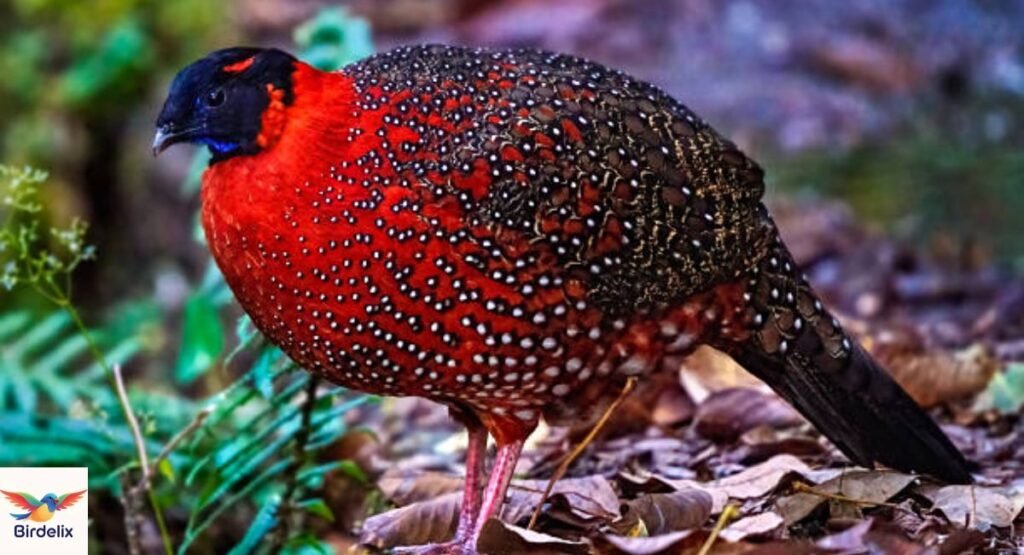
Scientific Name: Tragopan spp.
Family: Phasianidae
The Tragopan is a spectacular ground bird found in mountainous forests of Asia. Male tragopans are especially colorful, with vivid plumage and elaborate facial ornaments used during courtship. They usually remain close to dense vegetation where they can forage and hide from predators. Their diet includes plants, fruits, seeds, and small invertebrates. During breeding displays, males inflate brightly colored wattles and perform impressive movements to attract females. Few T-named birds have such dramatic courtship behavior.
13. Turnstone
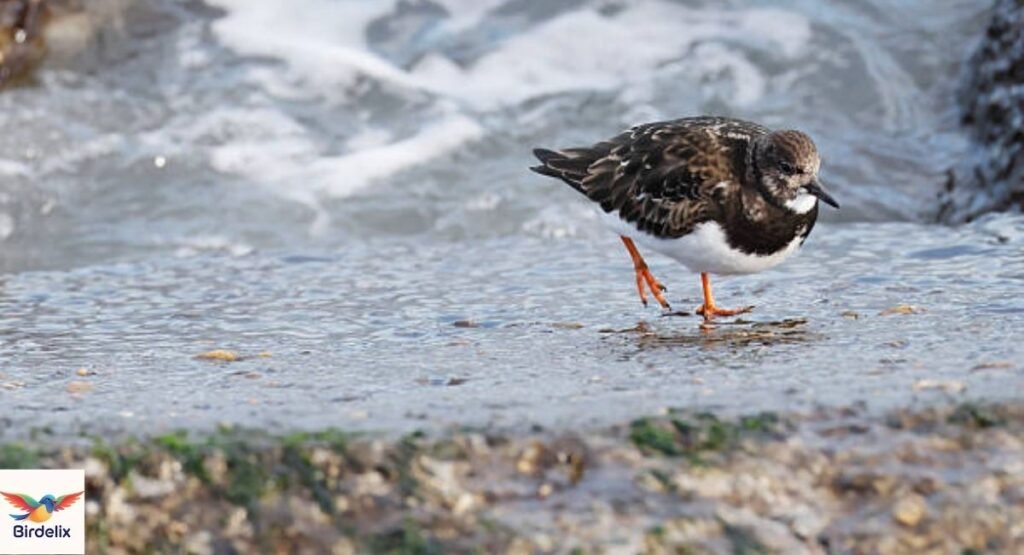
Scientific Name: Arenaria spp.
Family: Scolopacidae
The Turnstone is a compact shorebird famous for its unusual feeding technique. As its name suggests, it can flip stones, seaweed, shells, and other debris to uncover insects and small marine animals. Turnstones often appear along rocky beaches, mudflats, estuaries, and coastal islands. Their short, sturdy bills are well suited for probing and moving objects. This clever feeding strategy allows them to exploit food sources that many other coastal birds cannot easily reach.
14. Treecreeper
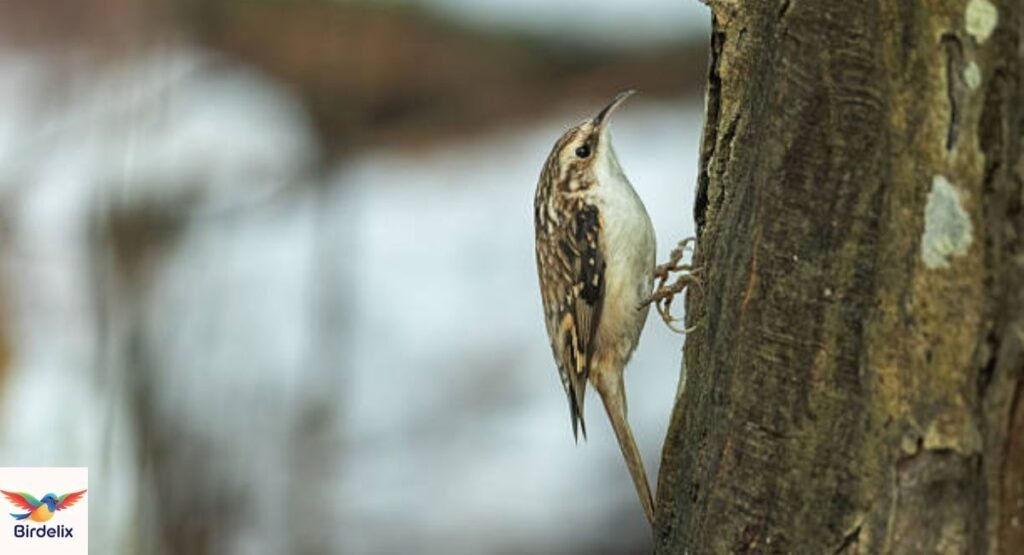
Scientific Name: Certhia spp.
Family: Certhiidae
The Treecreeper is a small woodland bird with cryptic brown plumage that closely resembles tree bark. Its curved bill allows it to probe cracks in bark while searching for insects and spiders. Specialized toes help the bird grip vertical trunks as it climbs upward in a spiral pattern. After reaching higher sections of a tree, it often flies down to another trunk and begins again. This unusual behavior makes the Treecreeper one of the most distinctive woodland birds starting with T.
15. Takahe
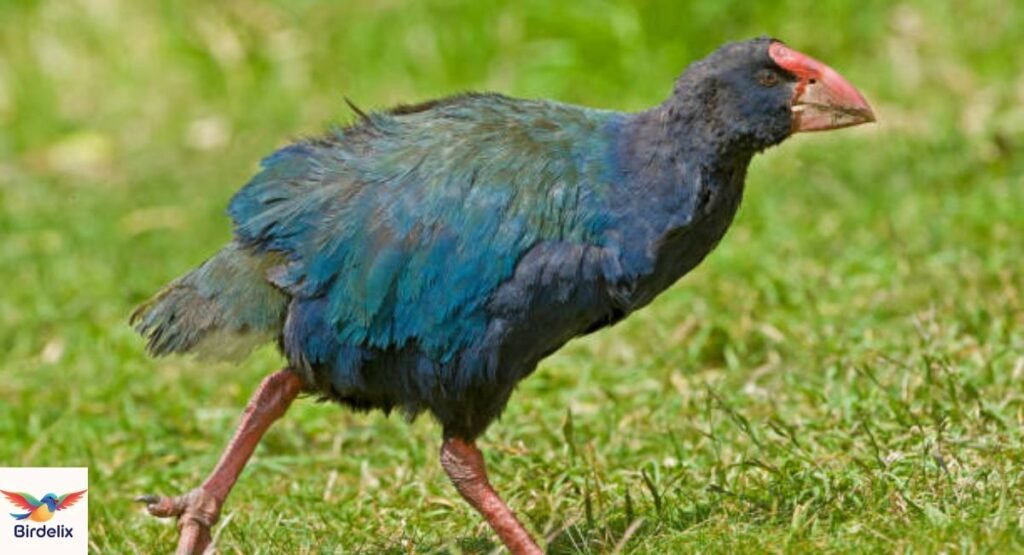
Scientific Name: Porphyrio hochstetteri
Family: Rallidae
The Takahe is a large flightless bird from New Zealand with striking blue-green plumage and a bright red bill. Its survival story is one of the most remarkable among endangered birds. Scientists once believed the species had disappeared until a population was rediscovered in the Murchison Mountains in 1948. Today, conservation programs protect remaining birds through breeding, habitat management, and predator control. The Takahe shows how dedicated conservation can give a rare species another chance.
16. Taita Falcon
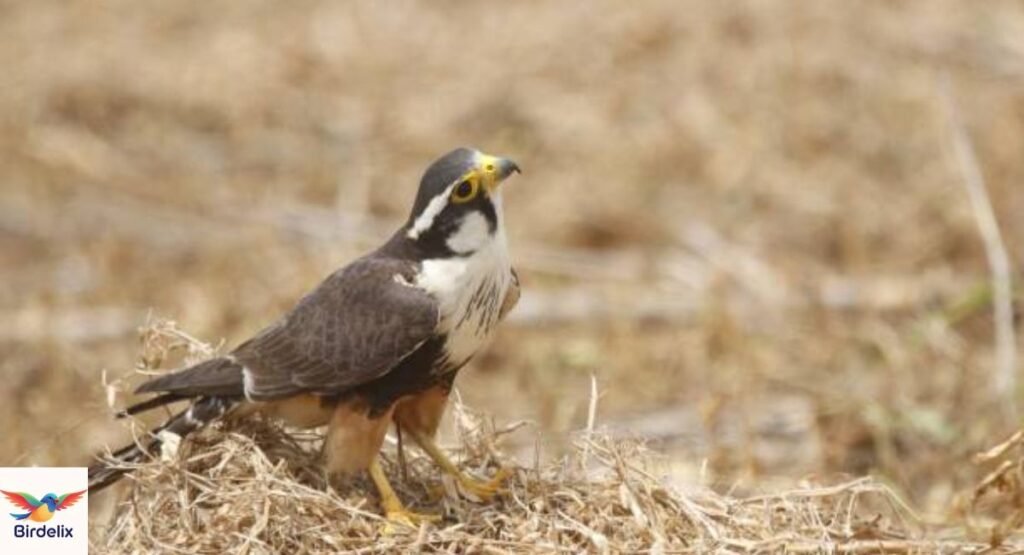
Scientific Name: Falco fasciinucha
Family: Falconidae
The Taita Falcon is a rare bird of prey associated with rocky and mountainous areas of eastern Africa. Like other falcons, it has a streamlined body, pointed wings, and powerful feet designed for catching prey. Its hunting style relies on speed and aerial maneuvering. Because sightings can be uncommon, birdwatchers consider this falcon a special discovery. Its restricted distribution also makes habitat protection important for maintaining healthy populations.
17. Taiwan Barwing
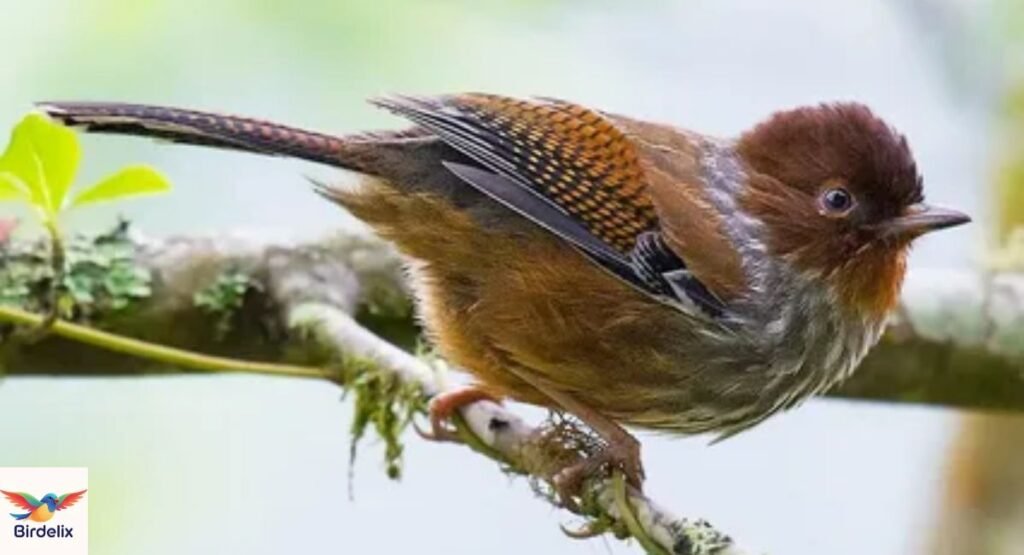
Scientific Name: Actinodura morrisoniana
Family: Leiothrichidae
The Taiwan Barwing is a distinctive songbird native to Taiwan’s mountainous forests. Its patterned wings and active behavior make it an appealing species for birdwatchers exploring high-elevation habitats. It usually moves through vegetation while searching for insects, fruits, and other food. Because it lives in forested mountain environments, changes to habitat can affect local populations. Its island range also gives it a special place among Asian birds beginning with T.
18. Talamanca Hummingbird
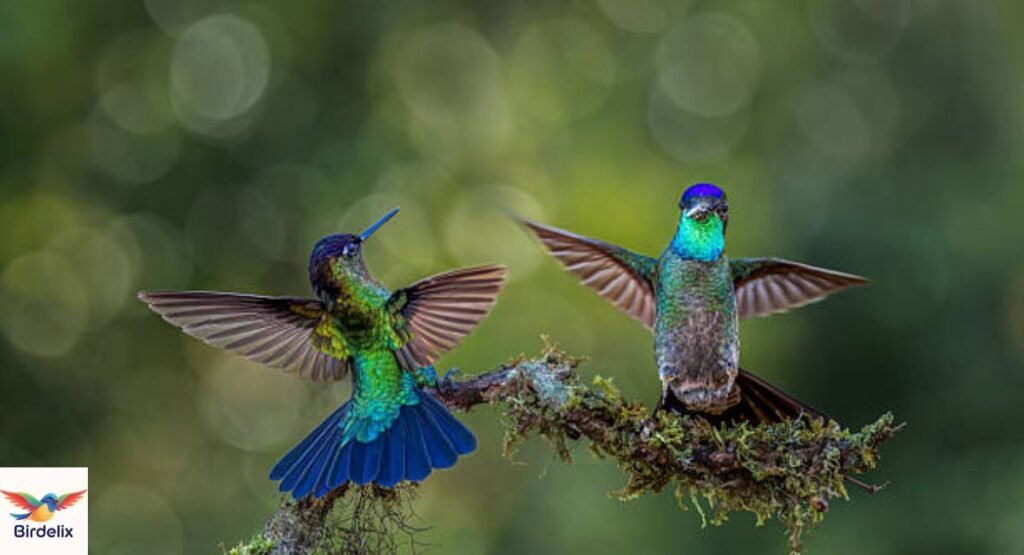
Scientific Name: Eugenes fulgens
Family: Trochilidae
The Talamanca Hummingbird is a small and energetic hummingbird associated with mountainous regions of Central America. Like other hummingbirds, it can hover while feeding from flowers with its specialized bill and tongue. Nectar provides quick energy, while tiny insects add valuable protein. Its rapid wingbeats and precise flight allow it to move between flowers with remarkable control. For birdwatchers, its size, flight style, and mountain habitat provide useful identification clues.
19. Tamaulipas Crow
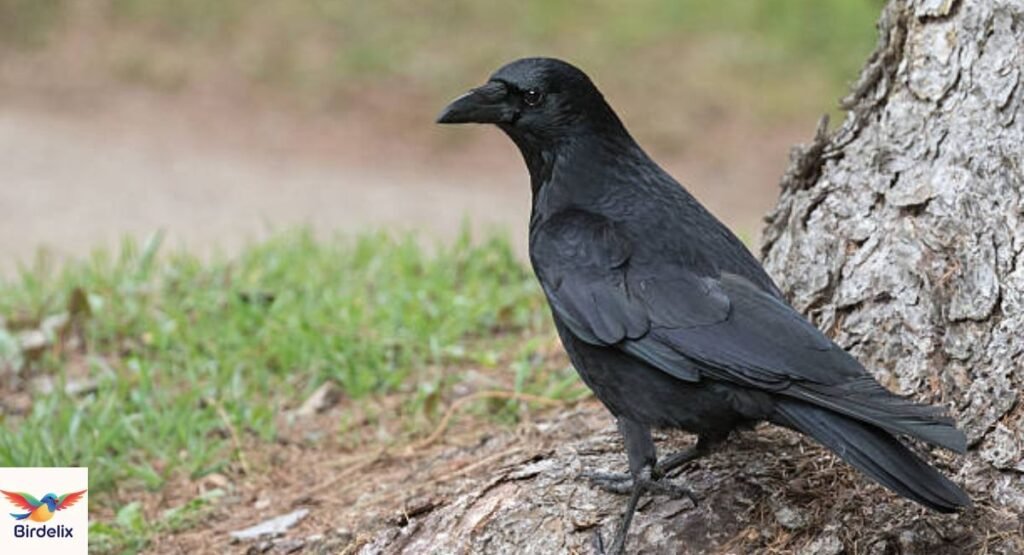
Scientific Name: Corvus imparatus
Family: Corvidae
The Tamaulipas Crow is a dark-colored crow associated with northeastern Mexico and nearby regions. It often lives in open woodland, scrub, farmland, and areas where trees are mixed with open ground. Like many corvids, it is intelligent and adaptable. Its diet can include insects, seeds, fruits, and other available foods. Social behavior is another useful clue because crows commonly communicate through a range of calls while moving and feeding together.
20. Tambourine Dove
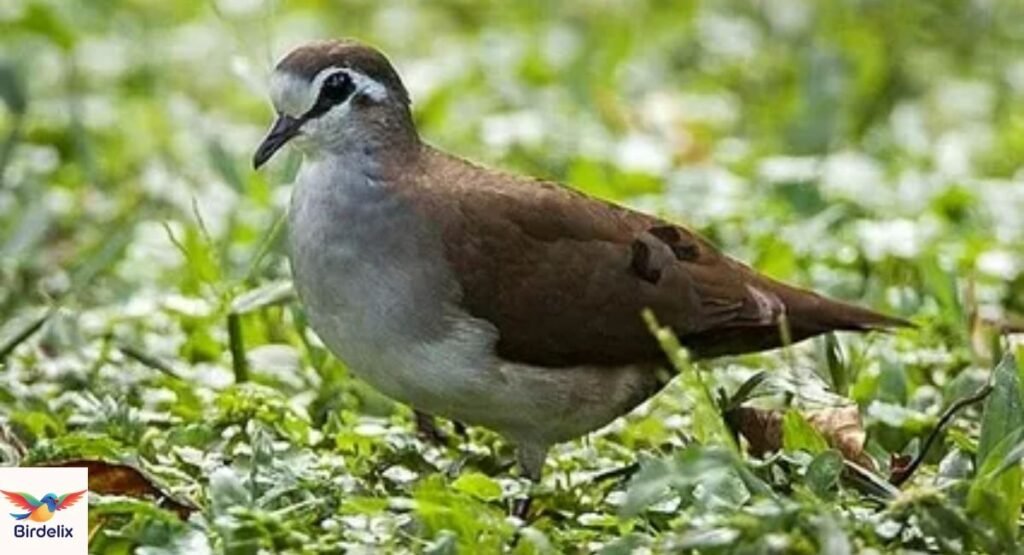
Scientific Name: Turtur tympanistria
Family: Columbidae
The Tambourine Dove is a small African forest bird with attractive markings and a soft, rhythmic call. It usually stays within woodland and forest habitats where dense vegetation provides food and shelter. Fruits, seeds, and other plant material form important parts of its diet. Its quiet behavior can make it difficult to spot even when it is nearby. Listening carefully to its distinctive call can therefore help birdwatchers locate this elusive dove.
21. Tanager Finch
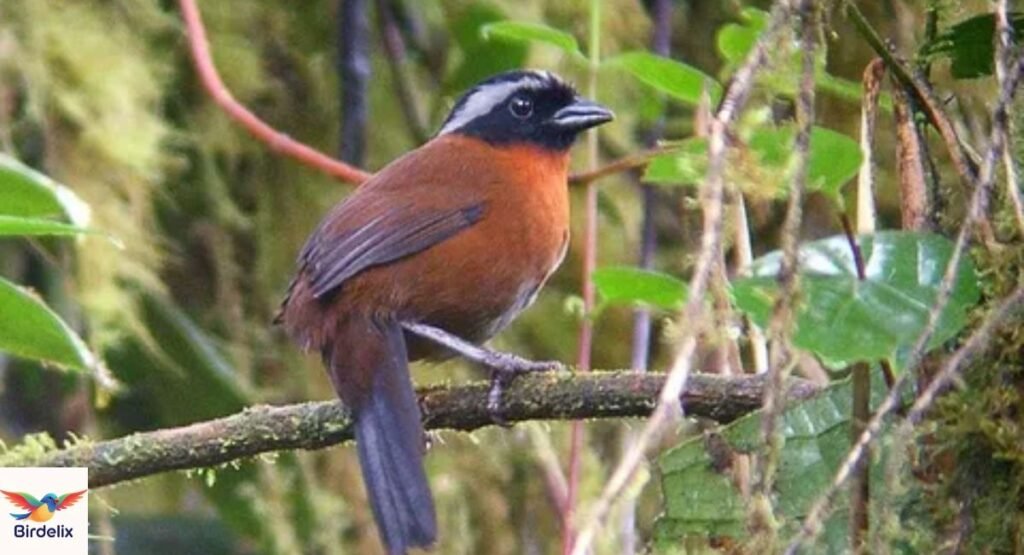
Scientific Name: Oreothraupis arremonops
Family: Thraupidae
The Tanager Finch is a specialized mountain bird associated with high-elevation forests in northwestern South America. Its habitat preference separates it from many familiar lowland birds. It searches vegetation for seeds and small food items while moving through dense forest growth. Because mountain habitats can be isolated, species living there may have restricted ranges. This makes the Tanager Finch an interesting example of how geography shapes bird distribution and behavior.
22. Tanna Fruit Dove
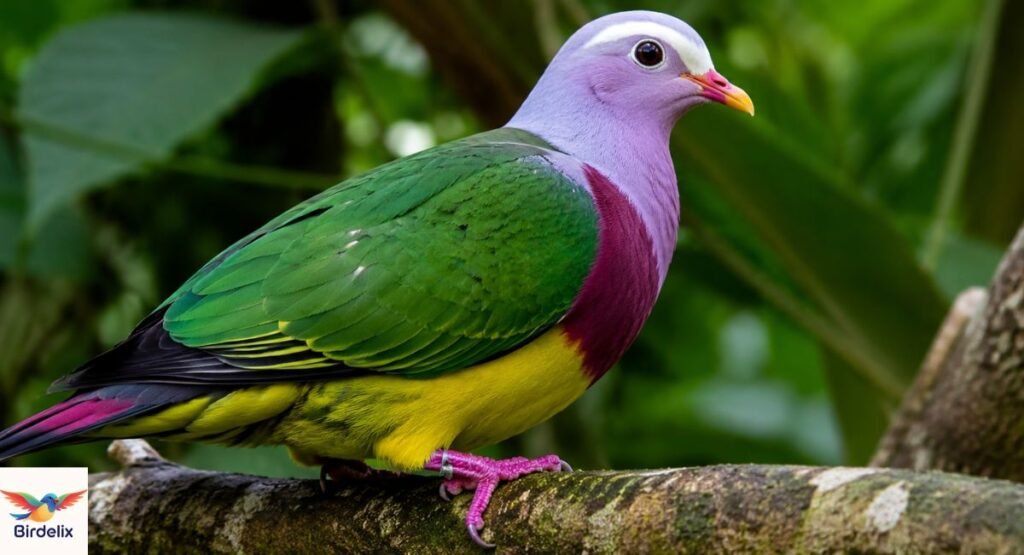
Scientific Name: Ptilinopus tannensis
Family: Columbidae
The Tanna Fruit Dove is a colorful fruit-eating bird associated with forest habitats on islands in the South Pacific. Its compact body and vivid plumage help distinguish it from more familiar pigeons and doves. Fruits form a major part of its diet, making it an important seed-dispersing bird. By carrying seeds away from parent trees, fruit doves can help forests regenerate. This small bird therefore plays a useful ecological role beyond its attractive appearance.
23. Tapanuli Owlet
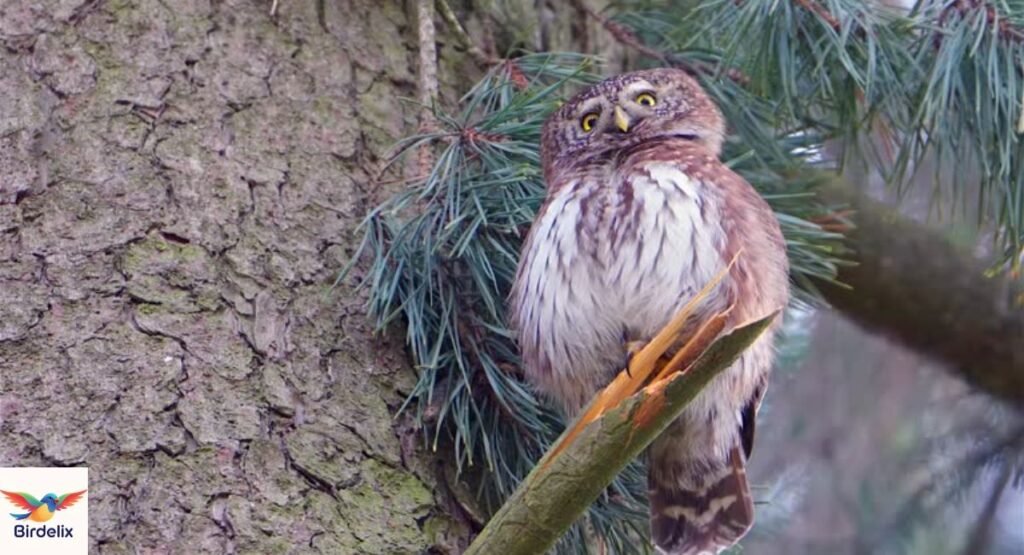
Scientific Name: Glaucidium spp.
Family: Strigidae
The Tapanuli Owlet is a small owl associated with forest habitats in Indonesia. Its compact body and nocturnal lifestyle fit the typical pattern of small owls that hunt insects and other small prey. Dense forest provides both hunting opportunities and places to hide during daylight. Because little-known forest birds can have restricted ranges, careful research and conservation work are important. Species like this also show how much biodiversity remains tucked away in tropical forests.
24. Tape-tailed Manakin
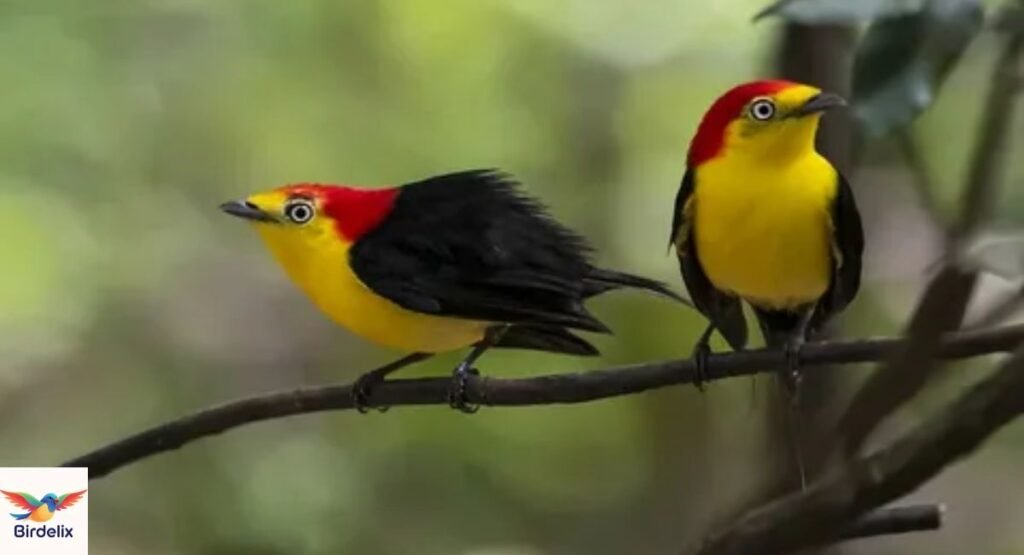
Scientific Name: Pipra spp.
Family: Pipridae
The Tape-tailed Manakin is an unusual tropical bird associated with forest environments. Manakins are especially famous for their energetic courtship displays, where males use movement, sound, and body posture to attract females. Their small size and quick movements can make them challenging to observe. Dense vegetation adds another layer of difficulty. Still, patient birdwatchers may spot them by watching fruiting plants and listening for activity within the forest canopy.
25. Tennessee Warbler
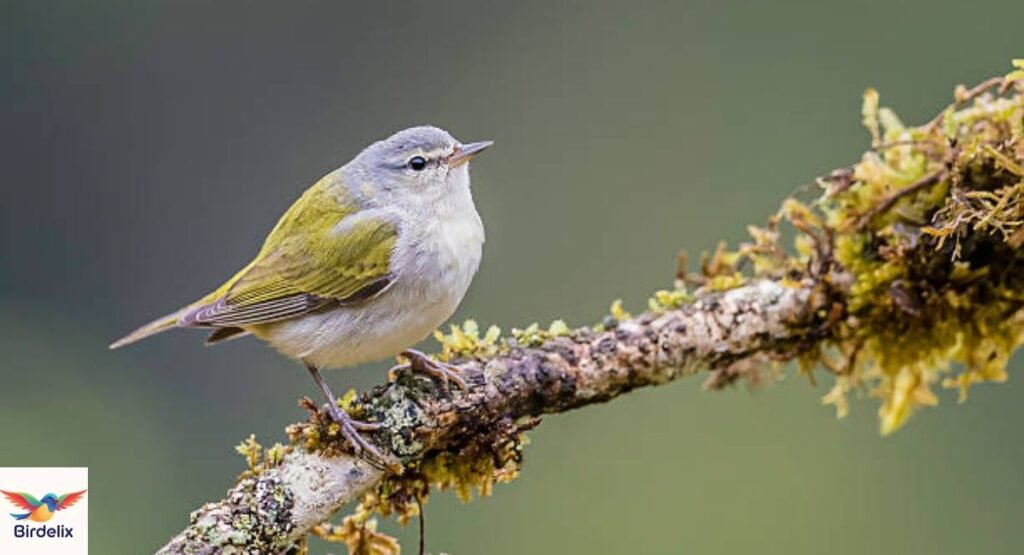
Scientific Name: Leiothlypis peregrina
Family: Parulidae
The Tennessee Warbler is a small migratory songbird that travels between breeding and wintering grounds across the Americas. Despite its name, it isn’t limited to Tennessee. During migration, it can appear in wooded areas where insects provide abundant food. Its small body and active feeding style help it move quickly through foliage. For USA birdwatchers, migration seasons offer one of the best opportunities to encounter this energetic warbler.
Small Birds That Start With T
Small T birds occupy forests, gardens, farmland, moorlands, and shrublands. Their compact bodies often help them move through dense vegetation. However, size alone can mislead you. Shape, behavior, habitat, and bill structure provide stronger clues when making a reliable identification.
| Bird | Size/Build | Habitat | Notable Feature |
| Tree Sparrow | Small and compact | Farmland and woodland | Chestnut crown |
| Titmouse | Small and rounded | Woodlands and gardens | Small crest |
| Twite | Small finch | Moorlands and coasts | Streaked body |
| Treecreeper | Small and slender | Woodlands | Curved bill |
| Towhee | Medium-small | Shrublands | Ground foraging |
Long Bird Names That Start With T
Long names often describe a bird’s color, body part, location, or behavior. For example, Taiwan Scimitar Babbler combines a geographic name with a bill-related description. These names are especially useful for people searching for long bird names that start with T or unusual names for word games.
| Bird Name | Name Structure | Identification Clue |
| Taiwan Scimitar Babbler | Three words | Curved bill |
| Tape-tailed Manakin | Two words | Distinctive tail |
| Tawny-breasted Honeyeater | Compound name | Tawny breast |
| Tawny-collared Nightjar | Compound name | Collar marking |
| Tawny-shouldered Blackbird | Compound name | Shoulder marking |
| Tawny-throated Dotterel | Compound name | Tawny throat |
Birds That Start With T by Letter Length
Letter-length searches are common in quizzes, classroom activities, crossword puzzles, and word games. However, counting bird names requires care. Spaces, hyphens, and multi-word names can change the result. A reliable section should therefore explain the counting method instead of forcing questionable names into a category.
3-Letter Birds That Start With T
| Bird Name | Letters | Type | Note |
| Tin | 3 | Informal/abbreviation | Not a standard bird common name |
4-Letter Birds That Start With T
| Bird Name | Letters | Type | Note |
| Teal | 4 | Waterfowl | A small duck found in wetlands |
5-Letter Birds That Start With T
| Bird Name | Letters | Type | Note |
| Terns | 5 | Seabird | Plural form of tern |
| Titis | 5 | — | Not generally used as a standard bird name |
6-Letter Birds That Start With T
| Bird Name | Letters | Type | Note |
| Towhee | 6 | Songbird | A familiar North American bird |
| Twite | 5 | Finch | A small finch, actually five letters |
7-Letter Birds That Start With T
| Bird Name | Letters | Type | Note |
| Toucan | 6 | Tropical bird | Famous for its large colorful bill |
| Titmouse | 8 | Songbird | Common in North American woodlands |
8-Letter Birds That Start With T
| Bird Name | Letters | Type | Note |
| Titmouse | 8 | Songbird | Small woodland bird with a distinctive crest |
| Treecreeper | 11 | Woodland bird | Climbs tree trunks while searching for insects |
Songbirds That Start With T
Songbirds use calls and songs for territory, courtship, alarm, and social contact. Several T-named birds fit this group, including Thrushes, Titmice, Towhees, Tree Sparrows, and Twites. Their voices differ greatly, which makes listening a valuable part of bird identification.
| Songbird | Main Habitat | Vocal Trait | Identification Clue |
| Thrush | Forests and gardens | Rich songs | Often patterned underparts |
| Titmouse | Woodlands | Clear calls | Small crest |
| Tree Sparrow | Farmland | Social calls | Chestnut crown |
| Twite | Moorlands | Short calls | Streaked plumage |
| Towhee | Shrublands | Distinctive calls | Ground foraging |
Arctic Birds That Start With T
The Arctic Tern is the standout answer for anyone searching for Arctic birds that start with T. It breeds in northern regions and later travels toward Antarctic waters. This enormous seasonal movement connects two polar environments within one annual life cycle.
| Bird | Arctic Connection | Key Feature |
| Arctic Tern | Arctic breeding grounds | Exceptional migration |
| Tern species | Northern coasts and waters | Long-distance movement |
North American Birds That Start With T
USA readers have several familiar T birds to watch for. Trumpeter Swans occur around suitable wetlands, Turkey Vultures soar over open landscapes, and Titmice commonly visit wooded neighborhoods. Towhees also occur in many areas, although exact species and ranges vary.
| Bird | North American Habitat | Recognition Clue |
| Trumpeter Swan | Lakes and wetlands | Large white body |
| Turkey Vulture | Open landscapes | Red head |
| Tree Sparrow | Open woodland | Chestnut crown |
| Towhee | Shrublands | Ground foraging |
| Titmouse | Woodlands and gardens | Small crest |
| Tern | Coasts and inland waters | Narrow pointed wings |
Colorful Birds That Start With T
Color makes some T birds instantly memorable. The Toucan has a dramatic multicolored bill, while male Tragopans display vivid ornamental plumage. Takahe also combines blue-green feathers with a red bill and legs. Such traits can help identification when combined with habitat and behavior.
| Bird | Color Feature | Typical Habitat |
| Toucan | Multicolored bill | Tropical forests |
| Tragopan | Vivid male plumage | Mountain forests |
| Takahe | Blue-green body and red bill | New Zealand |
| Tropicbird | White body and dark markings | Tropical oceans |
Birds of Prey That Start With T
Not every powerful-looking bird hunts live prey. Tawny Owls and Taita Falcons actively hunt animals, while Turkey Vultures primarily consume carrion. This distinction matters when discussing birds of prey that start with T because predation and scavenging represent different feeding strategies.
| Bird | Group | Feeding Style |
| Tawny Owl | Owl | Nocturnal predator |
| Taita Falcon | Falcon | Active hunter |
| Teita Falcon | Falcon | Predatory raptor |
| Turkey Vulture | Vulture | Scavenger |
Water & Coastal Birds That Start With T
T-named waterbirds occupy remarkably different environments. Trumpeter Swans prefer freshwater habitats, Terns often use coastal and inland waters, Tropicbirds spend much of their time over tropical oceans, and Turnstones forage along rocky shores.
| Bird | Water Habitat | Feeding Style |
| Trumpeter Swan | Freshwater | Aquatic feeding |
| Tern | Coasts and inland waters | Diving |
| Tropicbird | Tropical oceans | Plunge-diving |
| Turnstone | Rocky shores | Probing and turning |
T Birds by Habitat
Habitat can quickly narrow the possibilities when you are trying to identify an unfamiliar bird. A forest canopy suggests different candidates from a rocky shoreline. Likewise, wetlands, mountains, grasslands, and tropical forests each support different communities of bird species.
| Habitat | Example T Birds |
| Tropical Forests | Toucan, Tropicbird |
| Woodlands | Tawny Owl, Treecreeper |
| Freshwater | Trumpeter Swan |
| Coastal Areas | Tern, Turnstone |
| Mountains | Tragopan |
| Open Grasslands | Twite |
| Forest Floors | Towhee |
T Birds by Type
Bird type provides another useful way to organize T species. Some are songbirds, some are waterbirds, and others belong to specialized groups such as raptors or shorebirds. These categories can overlap because a bird may be both migratory and coastal or both a songbird and a forest species.
| Bird Type | Examples |
| Songbirds | Thrush, Titmouse, Towhee |
| Waterbirds | Trumpeter Swan, Tern |
| Raptors | Tawny Owl, Taita Falcon |
| Shorebirds | Turnstone |
| Tropical Birds | Toucan, Tropicbird |
| Ground Birds | Tragopan, Takahe |
| Finches | Twite |
Fascinating Facts About Birds That Start With T
T birds offer far more than interesting names. Their anatomy and behavior reveal how birds adapt to very different environments. A Toucan’s bill, a Treecreeper’s feet, a Turnstone’s feeding technique, and an Arctic Tern’s migration all solve different survival challenges.
| Bird | Fascinating Fact |
| Toucan | Its large bill has a lightweight internal structure. |
| Tawny Owl | Its vocal repertoire includes distinctive territorial calls. |
| Trumpeter Swan | Its deep call inspired its common name. |
| Turkey Vulture | It has an unusually strong sense of smell for a bird. |
| Arctic Tern | It makes an extraordinary annual polar migration. |
| Treecreeper | Its feet help it grip rough tree bark. |
| Tragopan | Males perform elaborate courtship displays. |
| Turnstone | It can move debris to uncover hidden prey. |
| Takahe | Its survival is closely linked with intensive conservation. |
How to Identify a Bird That Starts With T
Good bird identification rarely depends on one feature. Instead, look at the complete picture. Size, shape, plumage, bill, tail, habitat, movement, sound, location, and season can work together like pieces of a puzzle. Even a quick observation becomes more useful when several clues agree.
| Feature | What to Observe |
| Size | Compare it with familiar birds |
| Plumage | Look for colors, spots, and streaks |
| Beak | Check length, shape, and color |
| Tail | Observe length and pattern |
| Habitat | Note forest, coast, wetland, or open land |
| Flight | Watch wingbeats and soaring |
| Sound | Listen for songs and calls |
| Location | Consider region and season |
Endangered & Vulnerable Birds That Start With T
Conservation adds another important layer to Birds Names That Start With T. The Takahe is a powerful example because its survival depends on active management. Introduced predators, limited habitat, and small populations can make island birds especially vulnerable.
The Taliabu Leaf Warbler is another conservation-related example. For current status, always check an authoritative conservation database because categories can change as researchers receive new population data. Habitat restoration, predator control, protected areas, and careful monitoring can all support threatened bird species.
Conclusion
The world of Birds Names That Start With T reaches far beyond a simple alphabetical list. From the colorful Toucan and melodic Thrush to the soaring Turkey Vulture and extraordinary Arctic Tern, these birds occupy forests, wetlands, mountains, coasts, grasslands, and oceans. Their different bills, feathers, calls, diets, and behaviors show how varied bird life can be.
For USA birdwatchers, learning these names is only the beginning. Pay attention to habitat, season, shape, plumage, sound, and movement when identifying a bird. A little observation can turn an ordinary walk into a memorable wildlife encounter. The next time you spot a mysterious bird beginning with T, you’ll have a much better idea of where to start.
FAQs
What are some common birds that start with T?
Common examples include the Turkey Vulture, Trumpeter Swan, Tree Sparrow, Titmouse, Towhee, Tern, and Thrush. Exact availability depends on the region and species.
What is a small bird that starts with T?
Tree Sparrow, Titmouse, Twite, and Treecreeper are useful examples. Their body shapes and habitats differ even though all are relatively small.
What songbird starts with the letter T?
Thrush, Titmouse, Towhee, Tree Sparrow, and Twite are all useful songbird examples. Their calls, songs, habitats, and plumage vary considerably.
What Arctic bird starts with T?
The Arctic Tern is the best-known answer. It breeds in northern regions and makes an extraordinary seasonal journey toward Antarctic waters.
What bird starting with T is found in North America?
North America has several T birds, including Trumpeter Swan, Turkey Vulture, Towhee, Titmouse, and numerous Tern species.

Welcome to Birdelix! I’m Anam Sattar, an AI-powered SEO Specialist and Content Writer with over 5 years of experience in creating high-quality, search-optimized content. I help businesses improve their search engine rankings, increase organic traffic, and build beautiful, user-friendly websites. My mission is to make SEO, content creation, and web design simple, effective, and accessible for everyone. Let’s grow your online presence and achieve success together!