


Summer heat can be dangerous for pet birds, pigeons, and wild birds, especially when they cannot find shade or fresh water. Learning how to keep birds cool in summer helps protect birds from overheating and keeps them comfortable during hot weather. Simple steps, such as providing fresh drinking water, creating shaded resting areas, and improving airflow, can make a real difference.
A clean bird bath also gives wild birds a safe place to drink and bathe. Pet owners should keep cages away from direct sunlight and watch for warning signs like panting, weakness, and open-mouth breathing. With proper care, you can help birds stay safer throughout summer.
How to Keep Birds Cool in Summer
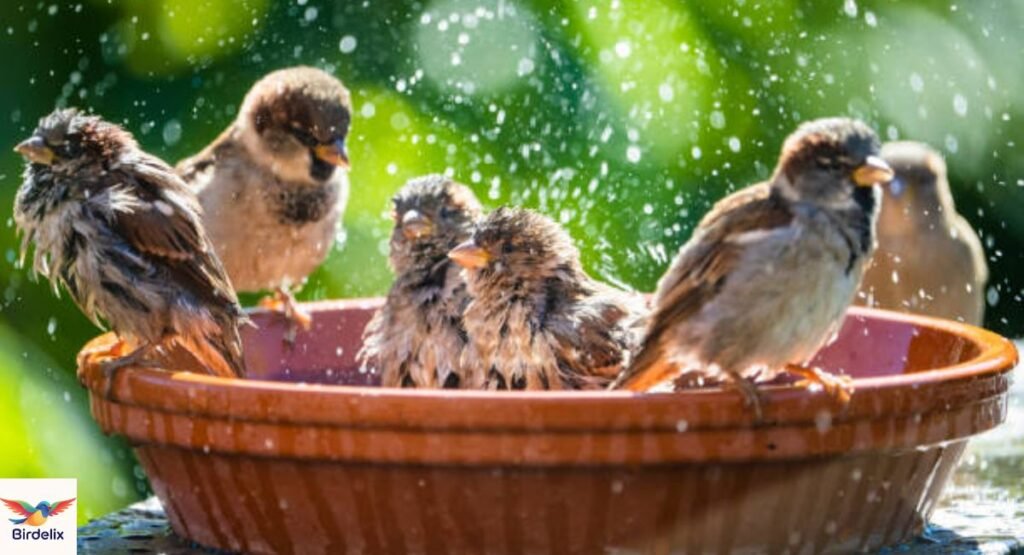
The best way to protect birds from summer heat is to make their surroundings cooler before they show signs of distress. Fresh water, shade, good airflow, and a safe place to rest can make a real difference. These steps help pet birds and wild birds, although their needs are not always the same.
Birds cannot sweat like humans. Instead, they use behaviors such as panting, spreading their wings, and bathing to release heat. The MSD Veterinary Manual explains that a panting bird may be too hot and need attention. Understanding these natural responses helps you decide when ordinary cooling measures are enough and when a bird needs urgent care.
Provide Fresh, Cool Drinking Water
Give your bird constant access to clean drinking water, especially during hot weather. Check the bowl several times a day because water can become dirty, warm, or empty. Wash the container before refilling it, and keep it away from direct sunlight whenever possible. Outdoor birds may need more than one water station, particularly when several birds share the same space. Fresh drinking water supports normal body functions, but it cannot correct severe heat stress on its own.
Create Plenty of Shade
Shade gives birds a place to escape direct sunlight and rest more comfortably. For outdoor cages and aviaries, use a stable shade structure or choose a location protected by trees. Remember that the sun moves throughout the day, so a shaded area in the morning may become exposed by afternoon. Make sure birds can move freely between sheltered and open areas. For wild birds, native trees and shrubs offer both natural shade and places to perch safely.
Improve Air Circulation
Good airflow helps prevent hot air from collecting around a cage or inside an aviary. Open suitable windows when outdoor conditions allow, or use air conditioning to keep an indoor bird room comfortable. A fan may help circulate room air, but it should be securely positioned and should not blow strong air directly at the bird. Avoid using a fan as the only cooling method during a heatwave. A room can remain dangerously hot even when air is moving.
Offer Safe Opportunities to Bathe
Many birds enjoy bathing in shallow water, and some appreciate gentle misting from a clean spray bottle. Offer a suitable dish and let your bird choose whether to use it. Never force a bird into water or spray it repeatedly when it appears frightened. Change the water after bathing because feathers, droppings, and food can contaminate it. A shallow bird bath can also help wild birds drink and maintain their feathers during summer.
Keep Birds Away From Direct Sunlight
A cage beside a sunny window may heat up quickly, even when the room feels comfortable to you. Move the cage away from direct sunlight, especially during the afternoon. Outdoor enclosures also need shade that remains available as the sun changes position. Do not cover the entire cage with thick fabric if this traps hot air inside. Instead, block direct sun while maintaining ventilation and giving the bird enough space to move away from warm areas.
Recognize Early Signs of Heat Stress
Watch for persistent panting, open-mouth breathing, wings held away from the body, unusual weakness, or loss of balance. These signs may indicate that a bird is struggling to control its body temperature. A bird that becomes unresponsive or has labored breathing needs urgent veterinary attention. Move a pet bird away from heat while arranging professional help. Do not wait for every symptom to appear before acting.
How to Keep a Bird Bath Cool in Summer
A bird bath provides wild birds with water for drinking and bathing, but direct sun can warm it quickly. The right placement and regular cleaning make the bath more useful during hot weather. A simple, shallow basin in partial shade is often more practical than a deep decorative bath.
The Cornell Lab of Ornithology recommends a bath with a gentle slope and shallow water, giving birds safer access. It also advises placing baths in shade during hot months. Read its guide to attracting birds with birdbaths.
Place the Bird Bath in Partial Shade
Position the bath where it receives shade during the hottest part of the day. A tree can provide useful protection, but make sure the basin is not hidden so completely that birds cannot spot approaching danger. Leave some open space around the bath so birds can watch for predators. If you use an artificial shade structure, secure it properly and keep it clear of the water. Check the location at different times because a shaded morning spot may become sunny later.
Change the Water Frequently
Replace bird bath water at least daily during hot weather, and change it sooner if it becomes dirty or unusually warm. Droppings, feathers, leaves, and food scraps can contaminate the basin. Emptying the bath also helps prevent stagnant water from becoming a breeding site for mosquitoes. A quick top-up is not always enough because it leaves dirty water behind. Empty, rinse, and refill the basin with fresh water instead.
Use a Light-Colored Bird Bath
A light-colored bath may absorb less solar heat than a similar dark surface, depending on its material and finish. However, color alone will not keep the water cool when the basin sits in full sun. Choose a stable, easy-to-clean design and place it in partial shade. Avoid glazed surfaces that become slippery or basins with steep sides. Practical placement and regular maintenance matter more than appearance.
Choose a Shallow Bath That Heats Up Slowly
Choose a shallow bath with a gently sloping edge so birds can enter and leave safely. The Cornell Lab suggests water no deeper than about one inch at the edges, with a maximum depth of around two inches in the middle.
Smaller birds may prefer even shallower areas. You can add clean, stable stones that rise above the water, creating places for birds to stand while drinking. Make sure the stones cannot shift or tip.
Keep Bird Bath Water Cool Without Ice Overuse
Fresh, cool tap water is usually the simplest option for maintaining a comfortable bird bath. Place the basin in shade and refill it whenever the water becomes warm or dirty. You do not need to keep adding ice throughout the day. Avoid relying on ice as a substitute for proper placement, cleaning, and access to fresh water. Never use chemical cooling products or anything that could contaminate the water.
Clean the Bird Bath to Prevent Algae and Bacteria
Scrub the basin regularly, especially when algae or a slippery film begins to appear. The Cornell Lab recommends changing water more frequently in warm weather and scrubbing away algae when it develops. See its advice on cleaning algae from birdbaths.
Use a dedicated brush, rinse thoroughly, and never leave cleaning products behind. If you use a disinfectant, follow trusted wildlife guidance and rinse the basin completely before refilling it.
How to Keep Bird Bath Water Cool in Summer
Even a well-positioned bird bath can warm up during a long, sunny afternoon. The goal is not to make the water ice-cold. Instead, keep it fresh, clean, accessible, and protected from direct heat.
Check the bath whenever you go outside, especially during a heatwave. A quick inspection helps you notice warm water, low water levels, algae, or other contamination before these problems become worse.
Refill the Bath With Fresh, Cool Water
Empty and refill the bath with fresh, cool water when needed. This replaces water that has warmed in the sun and removes dirt that may have collected throughout the day. If many birds visit your yard, check the basin more often because frequent use can quickly contaminate it. Keep a clean container nearby to make refilling easier. Fresh water and good shade are more dependable than trying to maintain an exact water temperature.
Move the Bath Away From Hot Surfaces
Concrete patios, asphalt, and metal surfaces can become very hot under direct sunlight. A bath placed on one of these surfaces may warm faster than one located in a cooler garden area. Choose a stable spot away from hot pavement where possible. Make sure the basin cannot tip over when birds land on its edge. Avoid placing it where water spills could create a hazard for people or pets.
Use Shade From Trees or a Shade Structure
A tree or properly installed shade structure can reduce direct sunlight on the bath. Natural shade also gives birds nearby branches where they can rest and preen after bathing. Choose a location with enough open space for birds to notice potential predators. Keep the bath accessible for cleaning and refilling. If you use shade cloth, secure it so it cannot fall into the basin or block the birds’ approach.
Check Water Temperature Throughout the Day
Touching the water can help you notice when it has become noticeably warm, but appearance alone is not a reliable guide. Check the water level, cleanliness, and surrounding conditions at the same time. During extreme heat, inspect the bath more frequently than usual. If the water warms quickly, move the basin into deeper shade or refill it with fresh water. The priority is to maintain a clean and usable water source.
How to Keep a Bird Cage Cool in Summer
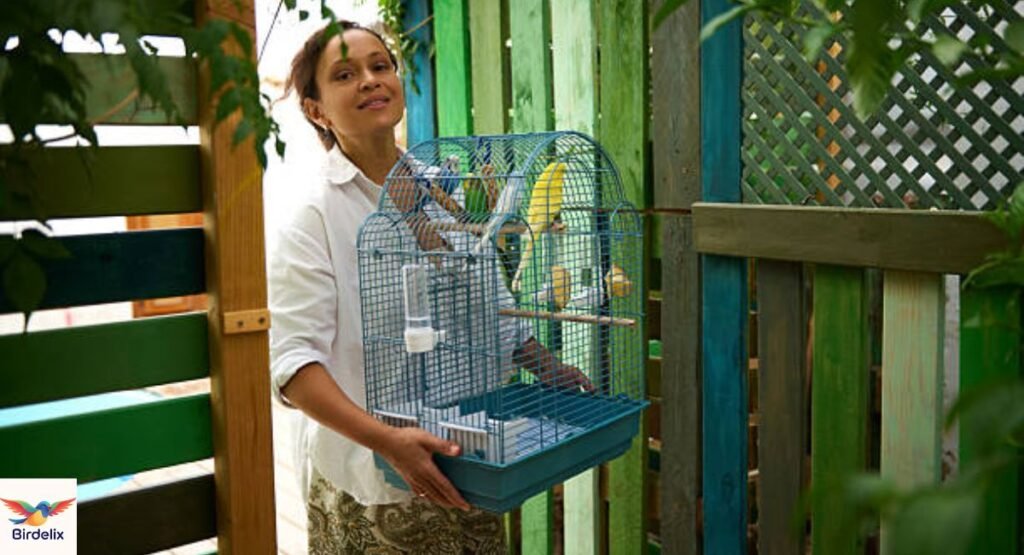
A bird cage can become hotter than the rest of your home when sunlight hits it directly. Glass windows, enclosed porches, and poorly ventilated rooms can also trap heat. Check the area around your bird’s cage throughout the day, especially when outdoor temperatures rise.
The safest approach combines shade, good ventilation, clean water, and a comfortable indoor temperature. A fan or a bath may help, but neither can make an overheated room safe by itself. Your bird should always have access to a cooler area.
Move the Cage Away From Direct Sunlight
Place the cage away from sunny windows and doors that receive strong afternoon sunlight. Even if the cage looks shaded in the morning, the sun may reach it later. If moving the cage is difficult, adjust the blinds to reduce direct sunlight while maintaining suitable airflow. Avoid placing the cage beside ovens, radiators, or other heat-producing appliances. A small thermometer near the cage can help you notice temperature changes.
Choose a Cool, Well-Ventilated Room
Choose a room that stays comfortable throughout the day. Avoid enclosed sunrooms, garages, and poorly ventilated spaces that heat up quickly. Keep the cage away from cooking fumes and household chemicals, which can also harm birds. The MSD Veterinary Manual explains why safe housing and careful observation are important parts of pet bird care.During hot weather, check conditions where your bird actually sits rather than relying only on a thermostat in another room.
Use Fans Safely Without Blowing Air Directly at Birds
A fan can help move air around a room, but it should not be the only cooling method during extreme heat. Position it securely and direct airflow around the room rather than straight at your bird. Keep cords and moving blades out of reach. Never assume that a fan makes a hot room safe simply because the air feels cooler against your skin. If the room remains hot, move the bird to a cooler location or use appropriate air conditioning.
Keep Curtains and Blinds Closed During Peak Heat
Close curtains or blinds before direct sunlight heats the room. This simple step can reduce the amount of solar heat entering through windows. You can open suitable windows when the outdoor air is cooler, provided doing so does not create escape risks or expose your bird to other hazards. Avoid wrapping the entire cage in thick fabric because trapped heat can make conditions worse. Keep the room ventilated and the bird’s surroundings easy to monitor.
Avoid Unsafe Cooling Methods and Sudden Temperature Changes
Do not place your bird in an ice bath or expose it to a sudden blast of cold air. Avoid putting frozen packs inside the cage where the bird could chew them or become chilled by direct contact. Cooling should focus on making the surrounding environment comfortable. If your bird is panting persistently, weak, or struggling to breathe, contact an avian veterinarian promptly rather than experimenting with home remedies.
When to Use Air Conditioning
Air conditioning can help maintain a stable indoor environment during hot weather, particularly in areas affected by prolonged heatwaves. Keep the cage away from direct cold airflow, and avoid abrupt temperature changes when moving your bird between rooms. Check the temperature near the cage after adjusting the system. If you experience a power outage, have a backup plan that includes a cooler room, shade, clean water, and a way to monitor conditions.
How to Keep Your Pet Bird Cool in Summer
Pet birds depend on their owners to provide a safe environment when temperatures rise. A comfortable room, clean water, and a suitable daily routine can help prevent overheating. Birds may hide signs of illness, so changes in behavior deserve attention.
Learning how to keep your bird cool in summer also means understanding your individual bird. A healthy adult cockatiel may respond differently from an elderly parrot or a bird recovering from illness. Watch your bird’s normal behavior so you can notice changes early.
Offer Fresh Water Throughout the Day
Keep clean drinking water available at all times. Check the bowl regularly because feathers, food, and droppings can contaminate it. Some birds splash water while bathing, so you may need to refill the container more often. If your bird tends to spill its bowl, consider a suitable, securely attached replacement that it can use comfortably. Do not add supplements or electrolyte products unless your avian veterinarian recommends them.
Provide a Bird-Safe Bath or Gentle Misting
Offer a shallow dish of clean water if your bird enjoys bathing. Some birds prefer misting, while others dislike spray bottles and feel stressed when sprayed. Let your bird choose and stop if it shows discomfort. Avoid soaking its feathers or leaving it wet in a cold, drafty room. Bathing is one part of summer care, not a replacement for shade, ventilation, or a comfortable temperature.
Adjust Exercise and Playtime During Hot Hours
Schedule energetic play, training, and flight time during cooler parts of the day. Exercise produces body heat, so strenuous activity may add to the challenge during very hot weather. Encourage quiet activities when temperatures rise, and allow your bird to rest without unnecessary handling. Do not force exercise simply to maintain a routine. If your bird becomes unusually tired or breathes heavily, stop the activity and assess its surroundings.
Keep Your Bird’s Environment Comfortable
Check the cage location, room temperature, airflow, and access to shade. Remove the cage from direct sunlight before the room heats up. Keep it away from hot appliances and avoid enclosed spaces with poor ventilation. Your bird should be able to rest comfortably without being exposed to a fan’s strong airflow. Regular checks are especially important if you leave home during the day.
Monitor Eating, Activity, and Breathing
Learn what normal eating, drinking, posture, and breathing look like for your bird. Reduced appetite, weakness, drooping wings, unusual inactivity, or breathing changes may indicate a health problem. These signs do not always result from heat, so avoid assuming that cooling alone will solve them. The MSD Veterinary Manual’s guide to illness in pet birds explains why changes in behavior and breathing need attention.Contact an avian veterinarian if symptoms persist or worsen.
How to Keep Your Bird Cool Outside in the Summer
Outdoor time can provide fresh air and natural stimulation, but summer conditions can change quickly. A shaded area may become sunny, and an outdoor enclosure can trap heat beneath its roof. Birds need protection from direct sunlight and a way to reach a cooler environment.Before taking a pet bird outdoors, consider the temperature, humidity, wind, and length of time it will be outside. Never assume that a bird accustomed to warm weather is safe in every heatwave. Outdoor bird safety depends on the entire environment, not just the weather forecast.
Provide Permanent Access to Shade
Make sure your bird can reach shade throughout the day. A tree, covered section, or properly installed shade structure may help, but check how the sun moves across the enclosure. A shaded corner in the morning may be exposed by afternoon. Keep water and resting perches accessible in the cooler area. Never leave a bird in a carrier or cage where it cannot escape direct sunlight.
Keep Outdoor Enclosures Well Ventilated
Outdoor cages and aviaries need airflow that allows hot air to escape. Avoid solid coverings that trap heat or block ventilation. Check the roof, walls, and corners because some areas may become warmer than others. Provide shade without sealing off the enclosure. During a heatwave, bring pet birds indoors if the outdoor environment cannot remain comfortable.
Avoid Leaving Birds in Cars or Enclosed Spaces
Never leave a pet bird unattended in a parked car during warm weather. A vehicle can heat rapidly, even when the windows are slightly open or the car is parked in shade. Similar risks occur in enclosed porches, sheds, and other spaces without adequate cooling. Take your bird directly to a safe, prepared location instead of leaving it in a vehicle while you run errands.
Bring Pet Birds Indoors During Extreme Heat
When a heat advisory or severe heatwave is expected, consider moving outdoor birds to a cooler indoor space. Prepare the room in advance with fresh water, suitable ventilation, and a secure cage. Avoid moving birds repeatedly between very different temperatures. If an outdoor bird already shows panting, weakness, or labored breathing, arrange veterinary advice promptly rather than assuming that moving it indoors will be enough.
Check Outdoor Temperatures Before Taking Birds Outside
Check local weather conditions before taking a pet bird outdoors. Consider humidity and direct sunlight as well as the reported air temperature. A shaded, breezy area may feel very different from a sunny patio surrounded by hot concrete. Start with short periods outside only when conditions are suitable for your bird. If you are unsure about a species’ heat tolerance, ask an avian veterinarian before planning outdoor time.
How to Keep Wild Birds Cool in Summer
Wild birds face challenges that pet birds do not. They must find water, avoid predators, and search for food while dealing with changing weather. In the United States, summer conditions vary widely, from humid southeastern states to dry regions of the Southwest.
You can help by providing clean water and improving backyard habitat. Avoid trying to catch or cool healthy wild birds. Wild bird conservation works best when you offer safe resources and allow birds to choose how they use them.
Provide Clean Drinking Water
A shallow basin can give wild birds a reliable place to drink. Choose a stable location and keep the water fresh. During hot weather, inspect it regularly because evaporation and frequent visits can quickly reduce water quality. Birds of different sizes may prefer different depths, so a gently sloping basin can offer several options. Keep the area safe from cats and other predators.
Create Shaded Bird Bathing Areas
Place the bird bath in partial shade so it receives less direct sunlight. Nearby branches or shrubs can provide places for birds to rest after bathing, but leave enough open space for them to notice danger. Choose a location that is easy to clean and refill. Avoid placing the bath directly beside thick cover where a cat could hide and ambush visiting birds.
Plant Native Trees and Shrubs
Native trees and shrubs can provide shade, shelter, nesting sites, and food for local wildlife. Choose plants suited to your region, soil, and water supply. Established trees may take time to grow, but they can provide lasting habitat benefits. Avoid using pesticides unnecessarily around bird feeding and bathing areas. A diverse garden can support more than one bird species while helping create cooler resting places.
Keep Bird Baths Clean and Refilled
Empty and refill the bath regularly, especially when the weather is hot. Remove leaves, droppings, and other debris, and scrub away algae as soon as it appears. Do not simply add fresh water to a dirty basin. The Cornell Lab of Ornithology recommends cleaning algae from bird baths and changing water more frequently in warm weather.Clean water helps make your backyard more welcoming and reduces avoidable hygiene problems.
Avoid Disturbing Nesting Birds
If you find a nest during hot weather, observe it from a distance. Parents may be shading or caring for their young even when you cannot see them. Do not open a nest box or move a nestling simply because the day feels hot. If chicks appear injured, extremely weak, or in immediate danger, contact a licensed wildlife rehabilitator for advice. Follow local wildlife guidance before handling any wild bird.
Help Wild Birds Without Interfering With Their Natural Behavior
Provide clean water, native vegetation, and safe resting places, then allow birds to make their own choices. Avoid chasing birds toward water, spraying them with a hose, or attempting to catch them for cooling. If a wild bird appears seriously distressed, contact a wildlife rehabilitator or local wildlife agency. For guidance on young birds, read Audubon’s advice on when to rescue baby birds.
How to Keep Pigeons Cool in Summer
Pigeons can struggle in hot lofts and outdoor enclosures when water, shade, and ventilation are inadequate. Their surroundings matter as much as the weather outside. A crowded loft with a hot roof can become uncomfortable even when the outdoor temperature seems manageable.
Pigeon keepers should prepare for hot weather before a heatwave arrives. Check the loft at different times of day, keep water containers clean, and watch how the birds behave. Persistent panting or weakness should never be dismissed as normal summer behavior.
Provide Fresh Drinking Water at All Times
Keep clean drinking water available throughout the day. Use containers that pigeons can access easily and that are stable enough not to tip over. Check them frequently because droppings, feed, and debris can contaminate the water. Multiple water stations may help when several birds share a loft. Wash the containers regularly and refill them with fresh water.
Improve Ventilation in Pigeon Lofts
Good ventilation allows hot air to escape and reduces stagnant conditions. Check whether the loft has airflow through suitable openings without exposing birds to harsh drafts. Roofs and enclosed corners may trap heat, so inspect these areas during the hottest part of the day. A fan may help move air, but it cannot compensate for a poorly designed or dangerously hot enclosure.
Create Shaded Resting Areas
Provide shaded perches and resting spaces that remain protected as the sun moves. A roof that absorbs or traps heat can make the loft uncomfortable, so inspect the temperature beneath it. Make sure every pigeon can reach a cooler area without being pushed away by other birds. During extreme heat, consider moving birds to a safer, cooler enclosure if the loft cannot remain comfortable.
Offer a Clean, Shallow Bath
Many pigeons enjoy bathing, so a suitable shallow container can provide an opportunity to wet their feathers. Place it in shade and use fresh water. Make sure birds can enter and leave without slipping. Remove the bath after use if the water becomes dirty, then clean and refill it before the next session. Bathing can support normal feather care, but it is not a treatment for serious overheating.
Avoid Overcrowding
Overcrowding can limit movement, increase competition for water, and make ventilation less effective. Provide enough room for pigeons to rest and reach drinking containers without constant competition. Observe whether weaker or younger birds are being pushed away from water. If you notice persistent conflict or restricted access, adjust the housing arrangement. Keep any separation of sick birds consistent with veterinary advice and the needs of the flock.
Recognize Heat Stress in Pigeons
Watch for open-mouth breathing, wings held away from the body, unusual inactivity, weakness, or loss of balance. These signs may indicate overheating or another serious illness. Move an affected pet pigeon to a cooler, quiet environment and contact an avian veterinarian promptly. Do not force water into its mouth or submerge it in cold water. Severe breathing difficulty or collapse requires urgent professional attention.
How to Keep Aviary Birds Cool in Hot Weather
An aviary may house several birds with different needs, so cooling requires more than one shaded corner. The roof, flooring, walls, and water stations all affect the conditions inside. A well-designed aviary gives birds space to move away from heat and reach fresh water without competition.
Inspect the aviary before summer begins, then check it regularly during hot spells. A thermometer placed in different areas can reveal hot spots that a single reading might miss. Aviary ventilation and reliable shade are especially important when birds cannot move to another environment.
Design Aviaries for Shade and Airflow
Position the aviary to reduce strong afternoon sun while maintaining good airflow. Provide several shaded resting areas so birds can choose where they feel comfortable. Make sure the design does not create enclosed pockets where hot air collects. Inspect the enclosure from the birds’ level because conditions near the roof may differ from those near the ground. During a heatwave, monitor the birds and the environment more frequently.
Install Roof Coverings That Reduce Heat
A roof can protect birds from sunlight, but some materials absorb heat or trap warm air underneath. Choose suitable roofing and shade coverings that reduce solar exposure without blocking ventilation. Avoid making changes that could introduce sharp edges, loose materials, or unsafe gaps. Check the temperature beneath the roof during the afternoon. If the aviary remains hot despite shade and airflow, arrange access to a cooler environment.
Provide Multiple Water Stations
Place several clean water stations around the aviary when space and flock size make this appropriate. This helps reduce competition and gives birds more than one place to drink. Position containers where they remain accessible but are less likely to collect droppings. Check water levels throughout the day and clean containers regularly. During hot weather, water stations should be part of a planned routine rather than something you inspect only once.
Monitor Hot Spots Inside the Aviary
Check areas near the roof, sunny walls, and enclosed corners because these locations may become warmer than the rest of the aviary. Use a thermometer where practical, and observe how birds behave in each area. If they repeatedly avoid one section, investigate whether it is too hot, exposed, or uncomfortable. Do not rely on a single measurement taken in a shaded corner to judge the entire enclosure.
Adjust Care During Heatwaves
During a heatwave, check shade, airflow, and water more often than usual. Reduce unnecessary handling and strenuous activity, and make sure every bird can reach a comfortable resting area. Prepare for power outages by identifying a cooler backup location in advance. If birds show persistent panting, weakness, or breathing difficulty, seek veterinary help. Moving birds to a safer environment is important, but serious heat stress may need medical treatment.
How to Keep Baby Birds Cool in Summer
Baby birds are especially vulnerable because young nestlings may not control their body temperature as effectively as adults. They also have limited mobility and may be unable to escape a hot nest. Extreme temperatures can become dangerous when nests or nest boxes receive direct sunlight for long periods.
Wild baby birds need a different approach from chicks raised by experienced bird keepers. Avoid changing nest conditions or attempting treatment without suitable advice. If a young bird appears distressed, contact a licensed wildlife rehabilitator or an avian veterinarian for guidance.
Why Baby Birds Are Especially Vulnerable to Heat
Young birds may depend on their parents for shade, protection, and normal care. A nest inside a sun-exposed box or beneath a hot roof can become much warmer than the surrounding air. Audubon reports that nest-box temperatures can rise above 107°F during extreme heat, creating serious risks for nestlings. Read its article on protecting nest boxes during extreme heat.The exact risk depends on the nest, species, weather, and duration of exposure.
How to Help a Nestling in a Hot Nest
Observe the nest from a distance and look for signs of distress without disturbing the parents. Do not open a nest box, remove nesting material, or move chicks simply because the weather is hot. If the nest appears dangerously exposed or the young birds seem weak, contact a wildlife rehabilitator for instructions. Nest-box improvements, such as better placement and ventilation, are best planned before nesting begins whenever possible.
What to Do if You Find a Baby Bird in Extreme Heat
First, determine whether the bird is a feathered fledgling learning to fly or a younger nestling that belongs in a nest. A healthy fledgling may spend time on the ground while its parents continue to feed it. Keep people and pets away, and observe from a distance. If the bird is injured, weak, struggling to breathe, or unable to stand, contact a licensed wildlife rehabilitator promptly rather than trying to cool or feed it yourself.
When to Contact a Wildlife Rehabilitator
Seek professional advice if a young bird shows signs of injury, severe weakness, breathing difficulty, or possible heat stress. A rehabilitator can help you decide whether the bird needs intervention and how to minimize further harm. In the United States, you can search for a licensed wildlife rehabilitator through your state wildlife agency or a local wildlife organization. Avoid giving food or water unless a qualified professional specifically instructs you to do so.
Why You Should Never Pour Water on a Nest or Force Water Into a Baby Bird’s Mouth
Pouring water into a nest can disturb its conditions and may chill or harm young birds. Forcing water into a baby bird’s mouth can cause liquid to enter its airway. Even well-meaning attempts to help can create additional problems when a chick is weak or unable to swallow normally. Keep your distance, avoid unnecessary handling, and follow instructions from a qualified wildlife professional.
How to Keep Lovebirds and Other Exotic Birds Cool in Summer
Lovebirds, parakeets, cockatiels, and large parrots all need suitable temperatures and access to fresh water. However, their heat tolerance can vary according to species, health, age, and acclimation. A bird’s natural habitat does not mean it can safely tolerate any temperature in captivity.
Make summer care part of your normal routine. Check the cage location, provide opportunities for safe bathing, and observe breathing and activity. Exotic bird care should be based on the individual bird rather than a general assumption about tropical species.
How to Keep Lovebirds Cool in Summer
Keep your lovebird in a comfortable room away from direct sunlight and heat-producing appliances. Provide clean drinking water and a shallow bath if your bird enjoys bathing. Make sure the cage has good ventilation without strong airflow directed at the bird. Avoid leaving a lovebird in an outdoor cage that becomes hot during the afternoon. Persistent panting, unusual weakness, or breathing difficulty calls for prompt veterinary advice.
How to Protect Parakeets and Cockatiels From Heat
Parakeets and cockatiels need a cool, well-ventilated environment and constant access to clean water. Move their cages away from sunny windows before the room heats up. Offer bathing opportunities based on their preferences, and reduce energetic play during the hottest hours. Watch for changes in posture, appetite, and breathing. If a bird remains unusually quiet or breathes with its mouth open, do not assume the cause is simply warm weather.
Special Considerations for Large Parrots
Large parrots also need shade, clean water, comfortable housing, and safe opportunities to bathe. Their size does not make them immune to heat stress. Ensure they can move away from warm areas and rest without unnecessary activity. Avoid using outdoor enclosures that trap heat beneath a roof. If your parrot has a chronic health problem or has previously struggled in hot weather, ask your avian veterinarian for a suitable summer-care plan.
Why Species, Acclimation, and Health Affect Heat Tolerance
A bird’s response to heat depends on several factors, including species, age, health, humidity, and how gradually it has become accustomed to warmer conditions. Birds with existing illness may be less able to cope with environmental stress. Direct sunlight can also create a much hotter area than the reported outdoor temperature suggests. Rather than relying on a single temperature rule, monitor your bird’s surroundings and ask an avian veterinarian about its specific needs.
How to Tell If a Bird Is Too Hot
Birds cannot sweat, so they rely on other ways to manage excess body heat. Panting and spreading the wings may help release heat, but these behaviors can also signal that conditions have become uncomfortable. Severe or persistent symptoms need prompt attention.
The MSD Veterinary Manual explains that panting may indicate overheating and that urgent veterinary attention may be necessary.Because breathing problems can have causes other than heat, do not diagnose a bird based on one symptom alone.
Birds Panting in Heat
A hot bird may breathe rapidly with its beak open. Panting can help release heat, but persistent panting while resting is concerning. Move a pet bird away from direct heat and into a cooler, quiet environment. Check its surroundings without excessive handling. If the panting continues, worsens, or occurs with weakness, contact an avian veterinarian promptly.
Bird Panting With Mouth Open
Bird panting with mouth open may indicate heat stress, but it can also be a sign of respiratory illness. Watch for tail bobbing, noisy breathing, weakness, or unusual posture. Avoid assuming that a cooler room will solve the problem. If breathing looks labored or remains abnormal, seek urgent veterinary care. The VCA Animal Hospitals guide to respiratory disease in birds explains that open-mouth breathing can occur with respiratory problems too.
Holding Wings Away From the Body
A bird may hold its wings away from its body to help release heat. This behavior is more concerning when it continues for long periods or appears with panting and reduced activity. Check whether direct sunlight, poor ventilation, or a hot room could be contributing. Provide a cooler environment and observe the bird closely. If its condition does not improve quickly or other symptoms appear, contact a veterinarian.
Lethargy, Weakness, or Loss of Balance
A bird that becomes unusually quiet, weak, unsteady, or unable to perch may be seriously ill. These signs can occur with heat stress, but other medical conditions can cause them as well. Move the bird away from heat and minimize handling while arranging veterinary care. Do not wait for it to collapse before seeking help. Birds can hide illness, so noticeable changes in activity deserve attention.
When Heat Stress Becomes an Emergency
Severe breathing difficulty, collapse, loss of balance, seizures, or reduced responsiveness require urgent veterinary attention. Move a pet bird away from heat while contacting an avian veterinarian or emergency clinic. Keep the bird calm and avoid forcing it to drink. Do not use an ice bath or extreme cooling method. Early action can reduce further heat exposure, but serious symptoms need professional assessment.
What Temperature Is Too Hot for Birds?
There is no single temperature that is safe for every bird. Species, humidity, direct sunlight, airflow, age, and health all affect how well a bird manages heat. A temperature that one healthy, acclimated bird tolerates may be dangerous for another bird in a sunny, enclosed space.
Instead of relying only on a weather forecast, measure conditions near the bird and watch for changes in behavior. The goal is to prevent overheating before warning signs appear. Ask an avian veterinarian for guidance if you need a temperature range for a particular species or a bird with health concerns.
Do All Bird Species Tolerate Heat Differently?
Yes. Different species have different natural adaptations, and individual birds may respond differently because of age, health, or acclimation. A wild bird also has more freedom to seek shade than a pet bird confined to a cage. Do not assume that a tropical species can tolerate extreme heat in a poorly ventilated room. Provide suitable housing and seek species-specific advice when needed.
How Humidity Affects Heat Stress
Humidity influences how effectively heat can be released from the body. High humidity can make hot conditions more challenging, particularly when airflow is poor. Consider both humidity and temperature when deciding whether an outdoor enclosure is suitable. If your bird pants or appears weak, move it away from heat and contact a veterinarian if symptoms persist. Never rely on a single weather number to judge the bird’s condition.
Why Direct Sunlight Can Be Dangerous Even at Lower Temperatures
Direct sunlight can heat a cage, nest box, or enclosed patio much more than the surrounding air. Dark roofing, metal surfaces, and enclosed spaces may make the problem worse. A thermometer placed in a shaded part of the room may not reveal how hot the cage becomes in sunlight. Check the bird’s actual environment and make sure it can escape direct sun throughout the day.
When to Move Birds to a Cooler Environment
Move a pet bird to a cooler, shaded location when its current environment becomes uncomfortably hot or cannot be ventilated properly. Do this before the bird develops signs of distress whenever possible. If panting, weakness, or breathing difficulty has already started, arrange veterinary advice. A cooler location can reduce continued exposure, but it does not replace treatment when heat stress is severe.
What to Do if a Bird Is Overheating
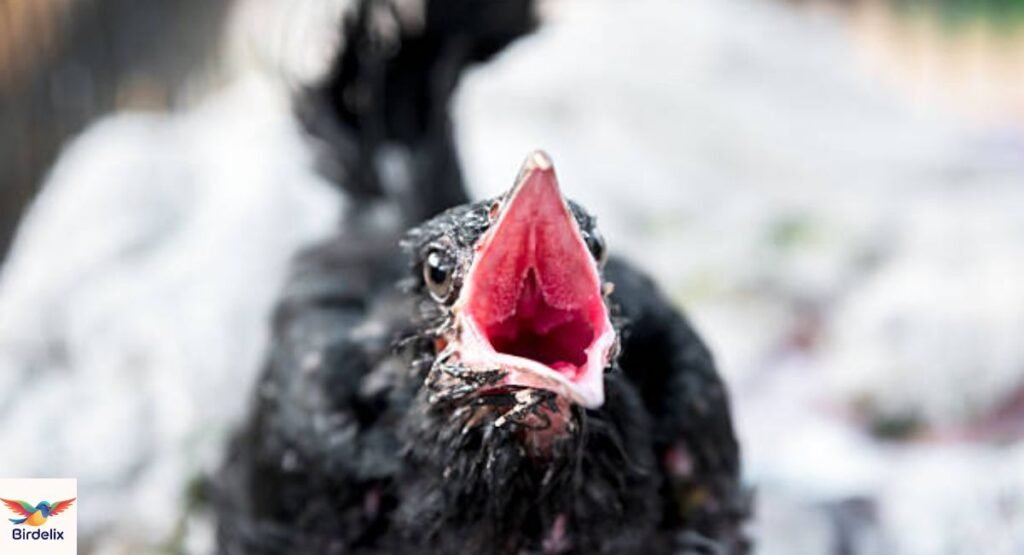
If you suspect heat stress, act calmly and quickly. First, reduce the bird’s exposure to heat and avoid unnecessary handling. Do not spend time testing several home remedies when a bird is weak or struggling to breathe.
For a pet bird, arrange veterinary advice promptly if symptoms are persistent or severe. For a wild bird, contact a licensed wildlife rehabilitator or wildlife agency before attempting unnecessary handling. The right response depends on the bird’s condition and whether it is a companion animal or wildlife.
Move the Bird to a Cooler, Shaded Area
Move a pet bird away from direct sunlight and into a cooler, quiet place with suitable ventilation. Avoid sudden exposure to very cold air or ice water. If the bird is severely weak, minimize handling and contact an avian veterinarian urgently. For a wild bird, do not chase or capture it unless a wildlife professional instructs you to do so or immediate safety requires intervention.
Improve Ventilation and Reduce Stress
Make sure air can circulate around the bird without directing a strong fan straight at it. Reduce noise, handling, and activity because stress can make a sick bird’s condition harder to manage. Keep other pets and children away while you assess the situation. If the bird continues to pant or appears weak, do not wait for ventilation alone to solve the problem.
Offer Water Without Forcing It to Drink
Make clean water available to an alert pet bird, but never force water into its beak. A weak or unresponsive bird may be unable to swallow safely. Do not syringe water into a bird’s mouth unless a qualified professional has specifically instructed you. If the bird shows severe symptoms, prioritize urgent veterinary care instead of trying to make it drink.
Contact an Avian Veterinarian for Urgent Symptoms
Contact an avian veterinarian promptly if the bird has persistent panting, labored breathing, marked weakness, loss of balance, or collapse. Explain the bird’s symptoms, the conditions it was exposed to, and any steps you have taken. If your regular veterinarian is unavailable, seek an emergency clinic that treats birds. Do not assume that the bird has recovered just because it appears calmer after moving to a cooler room.
Avoid Ice Baths and Extreme Temperature Changes
Do not submerge an overheated bird in ice water or attempt to cool it rapidly with extreme temperatures. Sudden chilling and excessive handling can add stress. Focus on reducing heat exposure and getting professional guidance. If symptoms are severe, do not delay veterinary care while trying different cooling methods.
Common Mistakes to Avoid When Cooling Birds in Summer
Even caring bird owners can make mistakes when trying to help during hot weather. Some methods provide little benefit, while others can create additional risks. The safest plan focuses on the bird’s surroundings, access to water, and early recognition of warning signs.
Remember that heat prevention is easier than responding to a serious emergency. Check the cage, aviary, or bird bath before the hottest part of the day. Make changes early instead of waiting until a bird starts panting.
Leaving Bird Baths in Full Sun
A bird bath in direct sunlight may become warm quickly and lose water through evaporation. Move it into partial shade and refill it with fresh water as needed. Check the basin regularly for algae, droppings, and debris. A shaded, clean bath is generally more useful than a decorative basin left in the sun.
Using Ice-Cold Water as the Only Cooling Method
Adding ice will not solve poor ventilation, direct sunlight, or an overheated enclosure. Fresh, cool water is usually sufficient for an outdoor bird bath when combined with shade and regular cleaning. Never use an ice bath to treat a pet bird that appears overheated. A bird showing serious symptoms needs prompt professional advice.
Spraying Birds Excessively
Some birds enjoy gentle misting, while others find it frightening. Allow your bird to choose whether it wants to bathe, and stop if it becomes distressed. Avoid soaking feathers or spraying a bird repeatedly in an attempt to cool it. Bathing can support comfort, but it cannot replace a suitable environment.
Blocking Ventilation With Covers
Covering a cage completely with thick fabric can trap warm air. If you need to block direct sunlight, cover only the area necessary while maintaining ventilation. Check the temperature inside the cage rather than assuming the cover has solved the problem. Make sure your bird can move away from any remaining warm area.
Assuming All Birds Tolerate the Same Temperatures
Birds differ in their heat tolerance because of species, age, health, acclimation, and environmental conditions. A bird with an existing medical problem may need extra care during a heatwave. Avoid applying one temperature rule to every pet or wild bird. Ask an avian veterinarian for advice when you are unsure about a particular bird’s needs.
Ignoring Panting and Other Warning Signs
Persistent panting, open-mouth breathing, weakness, or loss of balance should never be dismissed as ordinary summer behavior. These signs may indicate heat stress or another medical problem. Move a pet bird away from heat and seek veterinary guidance. Severe breathing difficulty, collapse, or reduced responsiveness requires urgent care.
Conclusion
Keeping birds safe during hot weather doesn’t have to be difficult. Fresh water, shaded areas, good airflow, and clean bird baths can help pet birds, pigeons, and wild birds stay comfortable. When learning how to keep birds cool in summer, remember to check their surroundings regularly and watch for signs of overheating. Small changes can make a big difference, especially during heatwaves.
Every bird has different needs, so choose cooling methods that suit its species, age, and environment. Never leave a bird in a hot, enclosed space or force it into cold water. With proper care and attention, you can help birds stay healthier and safer throughout summer.
FAQs
How Do Birds Keep Cool in Hot Weather?
Birds use behaviors such as panting, spreading their wings, seeking shade, and bathing to help manage body heat. Fresh water, suitable shelter, and good airflow also help them cope with warm conditions.
Do Birds Open Their Mouths When They Are Hot?
Yes, birds may pant with their mouths open when overheated. Persistent or labored breathing can also signal illness, so seek veterinary advice promptly if it continues.
What Temperature Is Too Hot for Birds?
There is no single temperature limit for every bird. Species, humidity, direct sunlight, airflow, and health all affect heat tolerance, so monitor the bird and consult an avian veterinarian when needed.
How Often Should You Change Bird Bath Water in Summer?
Check the bath daily and change the water at least daily during hot weather, or sooner if it becomes dirty or warm. Scrub the basin regularly to prevent algae and contamination.
Can You Use a Fan to Cool a Pet Bird?
A fan can help circulate room air, but avoid directing strong airflow straight at the bird. During extreme heat, provide a cooler environment and contact an avian veterinarian if symptoms of overheating appear.

Welcome to Birdelix! I’m Anam Sattar, an AI-powered SEO Specialist and Content Writer with over 5 years of experience in creating high-quality, search-optimized content. I help businesses improve their search engine rankings, increase organic traffic, and build beautiful, user-friendly websites. My mission is to make SEO, content creation, and web design simple, effective, and accessible for everyone. Let’s grow your online presence and achieve success together!