

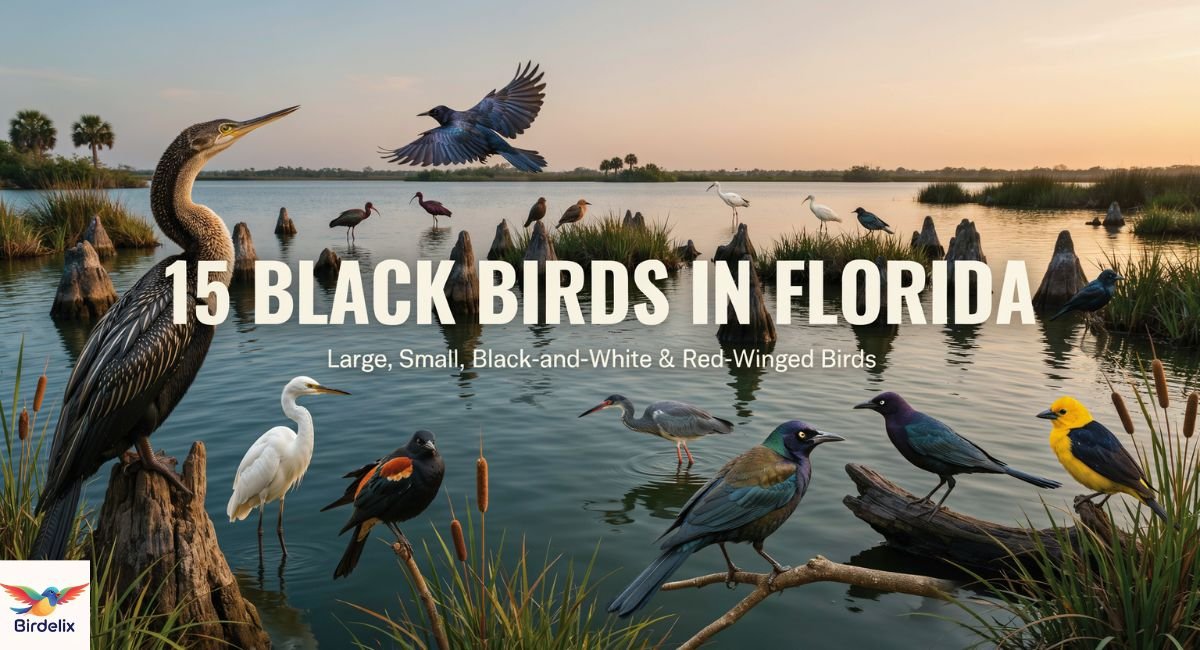
Florida is home to many fascinating black birds in Florida, from glossy grackles and clever crows to soaring vultures and dark water birds. Some species are easy to recognize, while others can look surprisingly similar at first glance. Their size, bill shape, tail, flight pattern, habitat, and colorful markings can reveal their identity. You may spot these birds around Florida wetlands, quiet lakes, coastal beaches, forests, parks, or even your backyard.
Some have bright red wings, while others show white patches or colorful bills. In this guide, you’ll discover large black birds, small black birds, and black and white birds found across Florida, along with simple clues that make identification easier for beginners and birdwatchers.
Black Birds in Florida at a Glance
The table below gives you a quick way to compare the most useful identification clues. Florida’s bird communities also change with habitat and season. For example, UF/IFAS records Red-winged Blackbirds and Boat-tailed Grackles in agricultural wetlands, while Fish Crows and American Crows occur in developed and woodland settings.
| Bird | Size | Main color | Distinctive markings | Habitat | Common Florida locations | Presence |
| Common Grackle | Medium-large | Glossy black | Long tail, iridescent head | Fields, parks, towns | Statewide | Year-round/seasonal |
| Red-winged Blackbird | Medium | Black | Red-yellow shoulder patch | Marshes, wetlands | Statewide | Year-round/seasonal |
| American Crow | Large | Black | Heavy bill, broad wings | Forests, farms, cities | Statewide | Year-round |
| Boat-tailed Grackle | Large | Glossy black | Long V-shaped tail | Coasts, marshes | Coastal Florida | Year-round |
| Fish Crow | Medium | Black | Nasal call, shorter profile | Waterways, cities | Coastal and central areas | Year-round |
| Common Gallinule | Medium | Dark black | Red-yellow bill, white flank | Marshes, ponds | Statewide | Year-round/seasonal |
| Anhinga | Large | Dark brown-black | Long neck, pointed bill | Lakes, canals | Statewide | Year-round |
| Double-crested Cormorant | Large | Dark black | Hooked bill, long neck | Lakes, rivers, coast | Statewide | Year-round |
| American Oystercatcher | Large | Black-white | Orange-red bill | Beaches, mudflats | Coastal Florida | Year-round |
| Black Skimmer | Medium-large | Black-white | Red-black bill | Beaches, estuaries | Coastal Florida | Year-round/seasonal |
| Black Vulture | Large | Black | Bare dark head | Open areas, cities | Statewide | Year-round |
| Turkey Vulture | Large | Dark brown-black | Red head | Open land, forests | Statewide | Year-round |
| American Coot | Medium | Dark gray-black | White bill and shield | Lakes, ponds | Statewide | Year-round/seasonal |
| Smooth-billed Ani | Medium | Glossy black | Large curved bill | Shrubs, fields | Central/South Florida | Year-round |
What Are the Most Common Black Birds in Florida?
Florida’s most noticeable dark birds include grackles, crows, vultures, Red-winged Blackbirds, and several black water birds. Their abundance changes by habitat. UF/IFAS records American Crow, Fish Crow, Boat-tailed Grackle, Common Grackle, and Red-winged Blackbird across Florida settings.
You can often identify common black birds in Florida without knowing their names first. Start with silhouette and size. Then examine the bill and tail. Habitat adds another clue. Finally, listen to the call. Florida’s Ornithology Collection also provides recordings for species such as Red-winged Blackbird, Boat-tailed Grackle, and Common Grackle.
15 Black Birds in Florida
1. Common Grackle
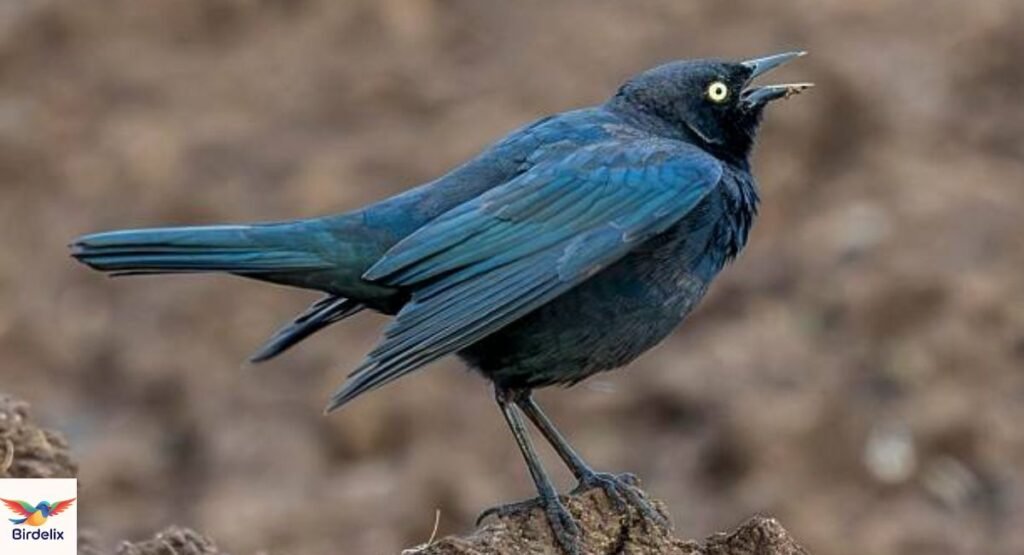
The Common Grackle has long, glossy black plumage with an iridescent head. Its body looks slimmer than a crow, and its tail is noticeably long. Look around parks, lawns, fields, wetlands, and neighborhoods. Its varied diet and adaptable behavior help make it one of the common black birds in Florida.
2. Red-winged Blackbird
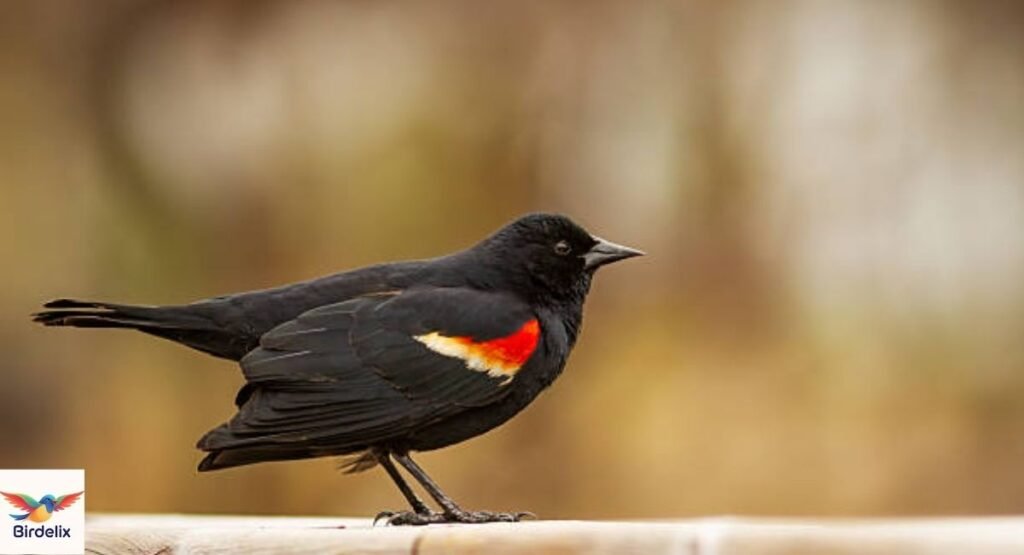
The male Red-winged Blackbird is easy to recognize when its bright red and yellow shoulder patch is visible. Females look very different and are brown and streaked. Wetlands, marshes, and agricultural areas provide important habitat. This makes it the classic red wing black bird in Florida.
During breeding, males often defend territories around wet vegetation. Females build nests close to water and dense plants. The red patch can disappear when the wings fold, so don’t reject an identification simply because you cannot see it. Its call can provide another useful clue.
3. American Crow
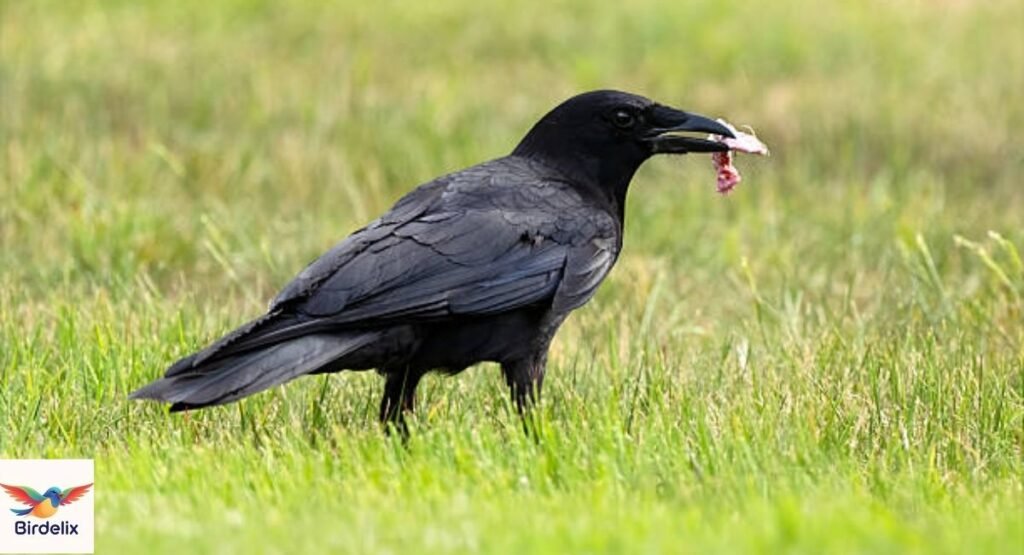
The American Crow is a large, completely black bird with a sturdy body, broad wings, and a strong bill. It occurs in forests, agricultural areas, neighborhoods, and cities. Its familiar caw is often the first clue. Compared with a grackle, a crow looks heavier and has a shorter-looking tail.
American Crows are highly adaptable birds. They can forage on the ground, perch in trees, and gather socially. Florida records show them across all seasons in some urban forest settings. Their combination of size, behavior, and voice makes identification easier.
4. Boat-tailed Grackle
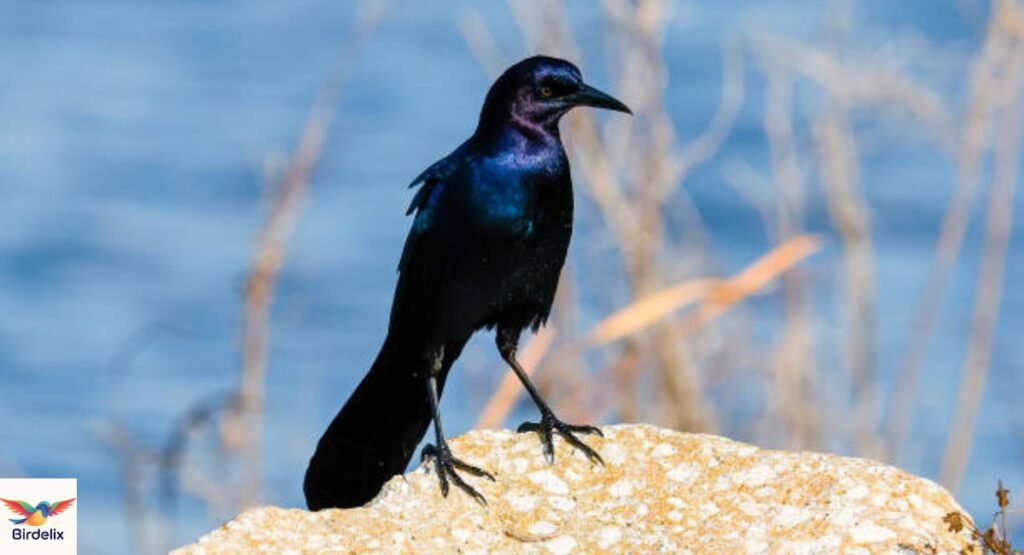
The Boat-tailed Grackle is one of the most striking large black birds in Florida. Males have glossy black plumage, long legs, and a large V-shaped tail. Females are smaller and brown. The species is strongly associated with coastal habitats, marshes, waterways, and developed waterfront areas.
Its name comes from the boat-like shape of the tail. That feature is especially helpful when the bird is perched. Boat-tailed Grackles are also found around people. In Florida, they may forage near parking areas, restaurants, parks, and waterfronts.
5. Fish Crow
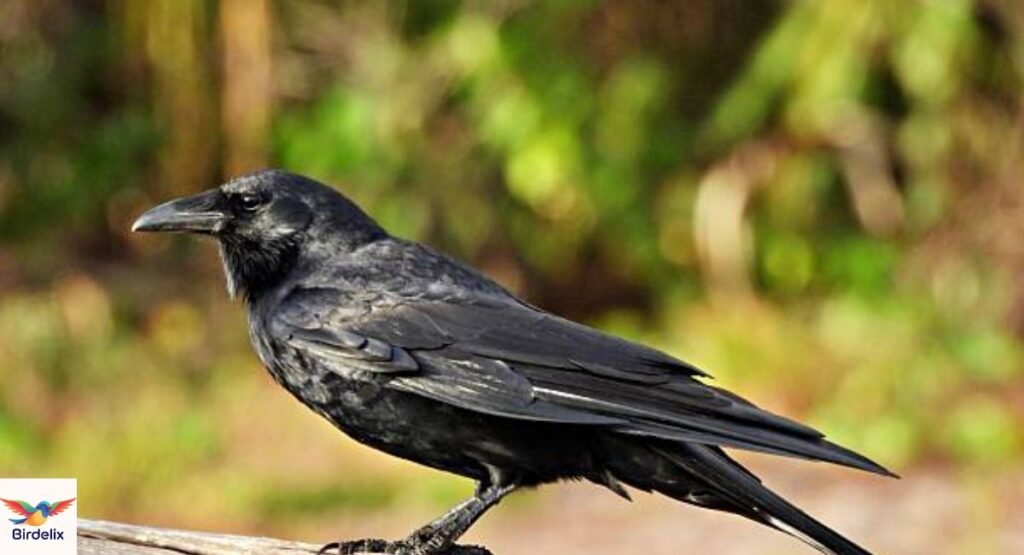
The Fish Crow resembles a smaller American Crow, so visual identification can be difficult. Its shorter profile and somewhat smaller size help, but its voice is often more useful. The call has a nasal quality that separates it from the familiar American Crow.
Fish Crows frequently use waterways and developed areas. They can occur around rivers, lakes, wetlands, and coastal environments. UF/IFAS lists Fish Crow among Florida’s aquatic and agricultural bird communities. Listen carefully when two similar crows appear together.
6. Common Gallinule
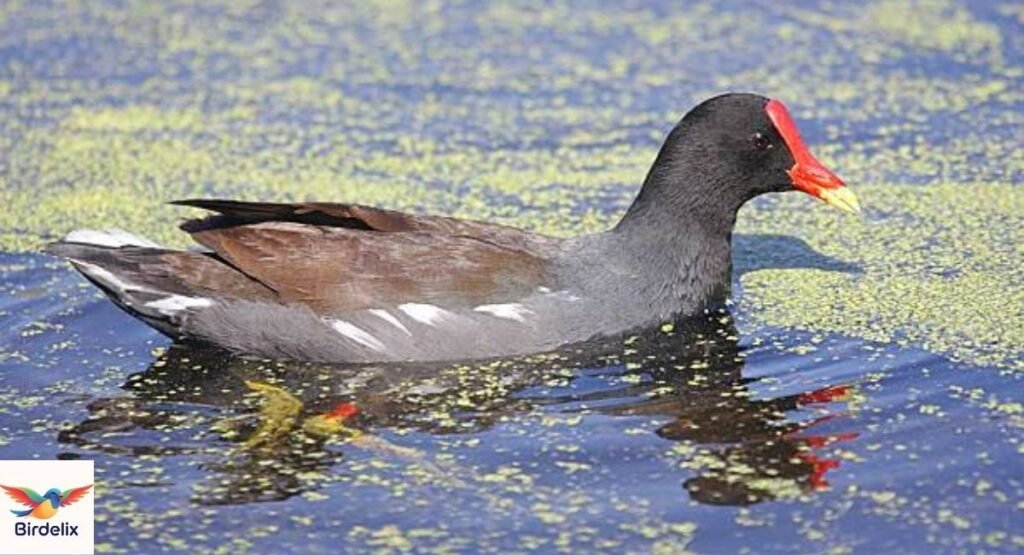
The Common Gallinule is a dark black water bird with a striking red-and-yellow bill and forehead shield. White markings near the sides add contrast. It lives around marshes, ponds, canals, and shallow wetlands. Its ability to swim and walk across vegetation makes it especially interesting to watch.
This bird can look almost entirely black from a distance. A closer view reveals its colorful face. When identifying it, focus on the bill and forehead shield. Also compare it with the American Coot, which has a white rather than red-and-yellow facial structure.
7. Anhinga
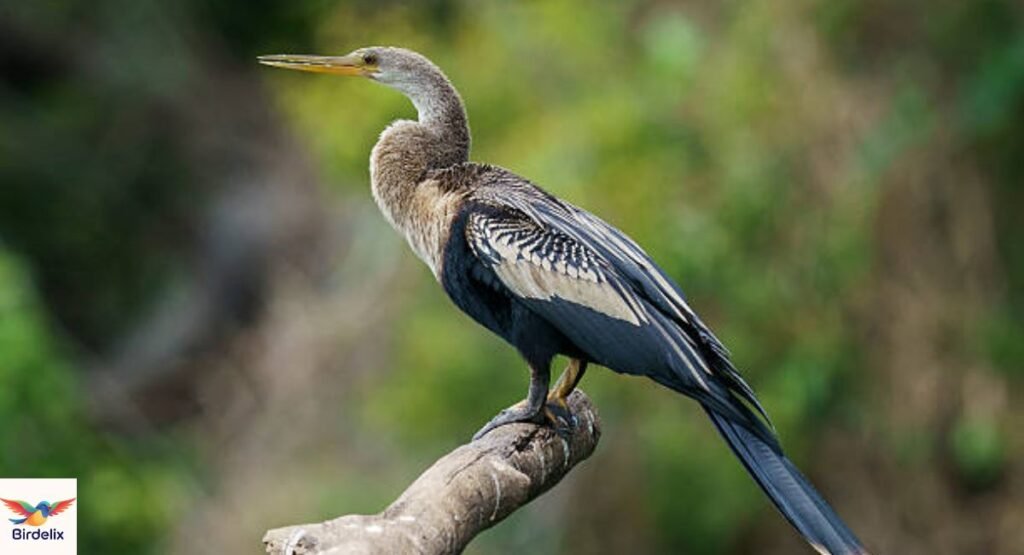
Anhingas have dark bodies, long necks, pointed bills, and narrow silhouettes. They often swim with much of the body below the surface. This unusual posture can make them resemble a snake moving through the water. After diving, they commonly perch with their wings spread to dry.
Florida’s lakes, canals, ponds, rivers, and wetlands provide excellent Anhinga habitat. Their long neck and straight bill help separate them from cormorants. Watch the bird’s posture carefully. An Anhinga often appears more slender and snake-like than the heavier Double-crested Cormorant.
8. Double-crested Cormorant
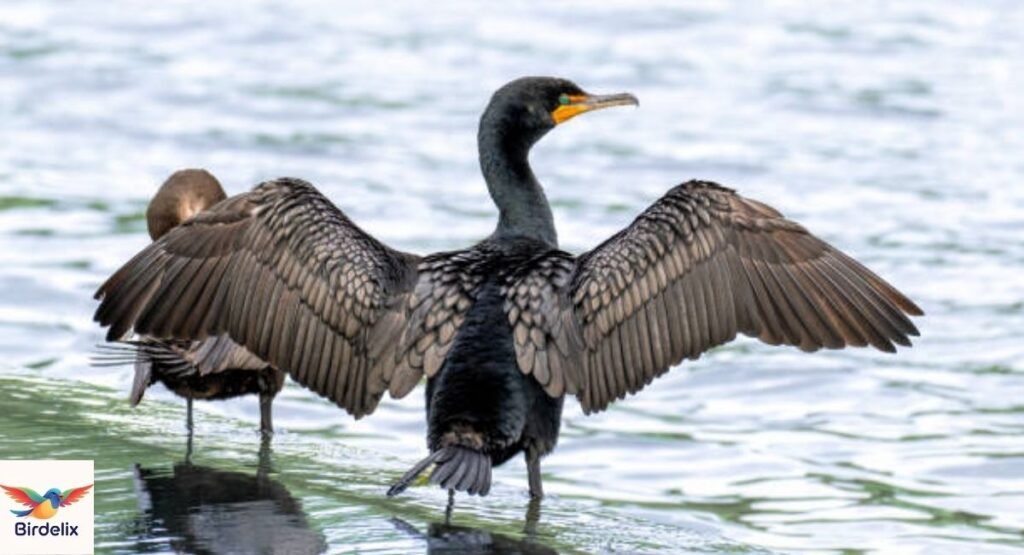
The Double-crested Cormorant is a large, dark water bird with a long neck, hooked bill, and broad wings. It dives underwater to catch fish. You may see it swimming low in the water or sitting with its wings spread. Florida lakes and coastal waters provide suitable habitat.
A cormorant usually looks heavier than an Anhinga. Its bill also has a noticeable hook. Both species dive well, but body shape helps separate them. When you see a dark bird drying its wings beside a Florida lake, check the neck, bill, and overall body profile.
9. American Oystercatcher
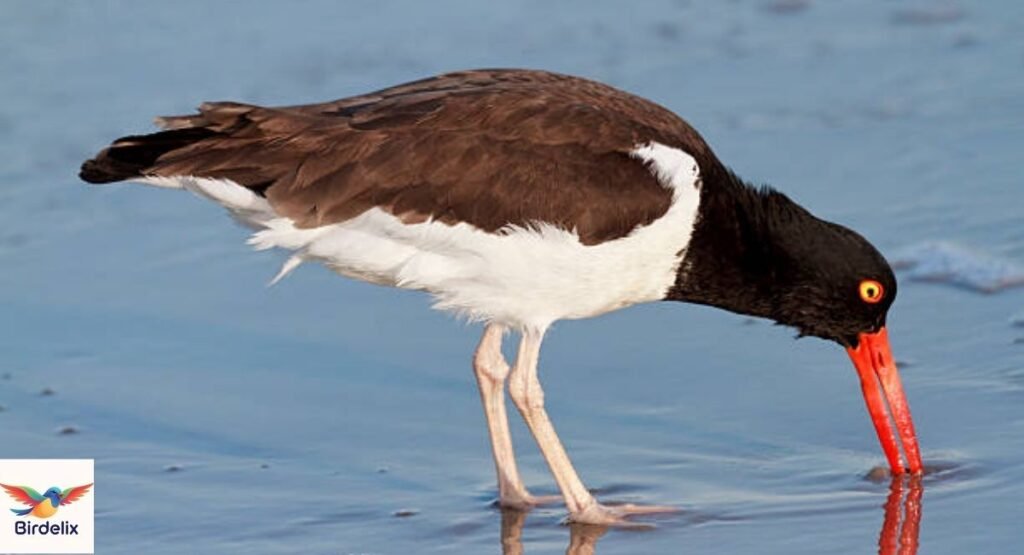
The American Oystercatcher is a striking example of black and white birds in Florida. Its body combines black upperparts with white underparts. The bright orange-red bill is another excellent clue. Look for it along beaches, mudflats, oyster beds, and other coastal habitats.
Its long bill is built for opening and handling shellfish. That feeding style fits its coastal lifestyle. When identifying a distant bird, first look for the strong black-and-white contrast. Then check for the bright reddish bill and coastal setting.
10. Black Skimmer
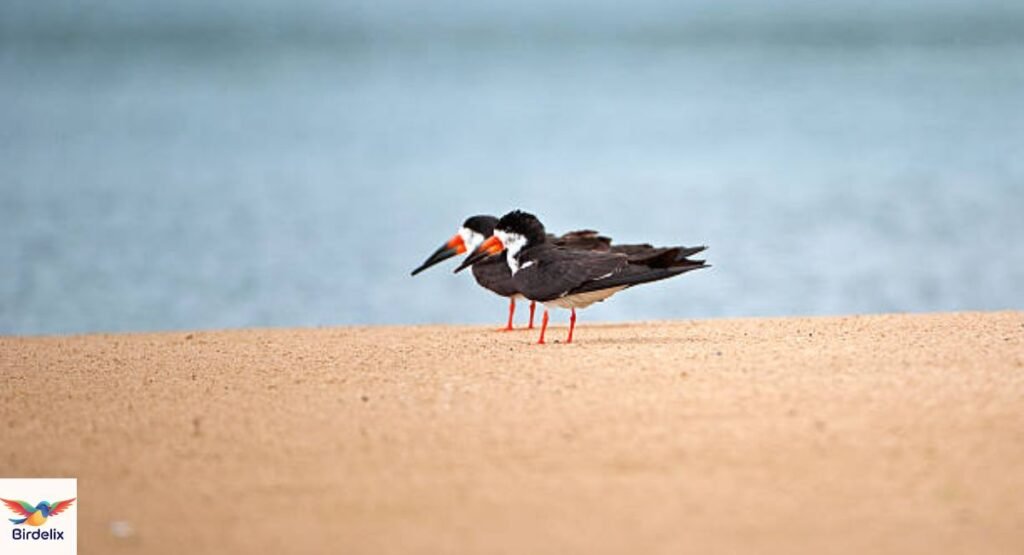
The Black Skimmer has dramatic black-and-white plumage and a unique red-and-black bill. Its lower mandible extends farther than the upper one. That unusual structure helps the bird feed by skimming its bill through shallow water while flying.
This species is strongly associated with Florida’s coastal environment. Beaches, sandbars, lagoons, estuaries, and other open shorelines can attract it. The combination of black and white plumage, a distinctive bill, and low water-level flight makes identification fairly straightforward.
11. Black Vulture
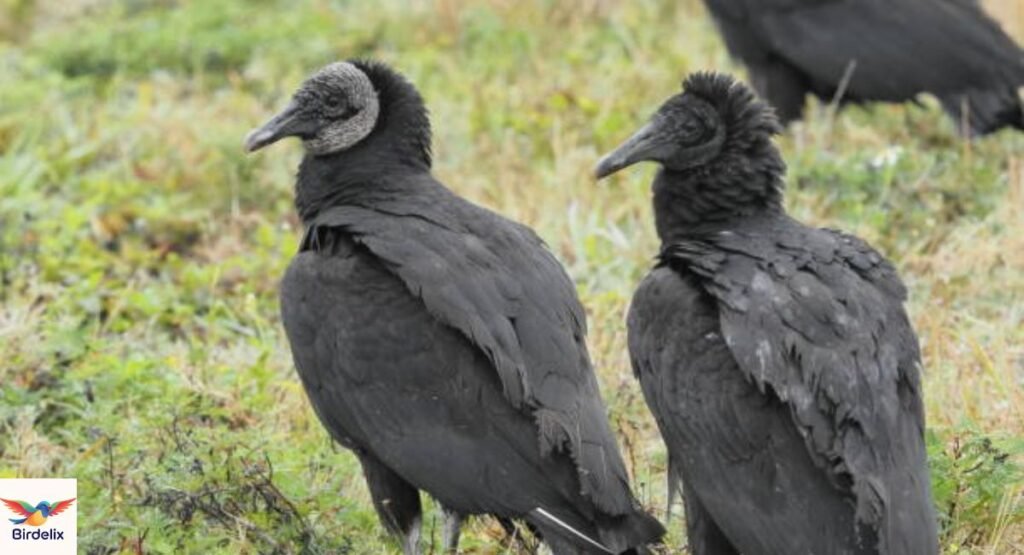
The Black Vulture is a powerful-looking big black bird in Florida. It has broad wings, a short tail, and a bare dark gray head. Unlike many songbirds, it often appears high above the ground. Watch for groups soaring over roads, fields, forests, and developed areas.
Black Vultures are scavengers. Their feeding habits give them an important ecological role. They can also occur around human development. When comparing them with Turkey Vultures, focus on the head, tail, wing shape, and flight pattern. Those clues work better than body color alone.
12. Turkey Vulture
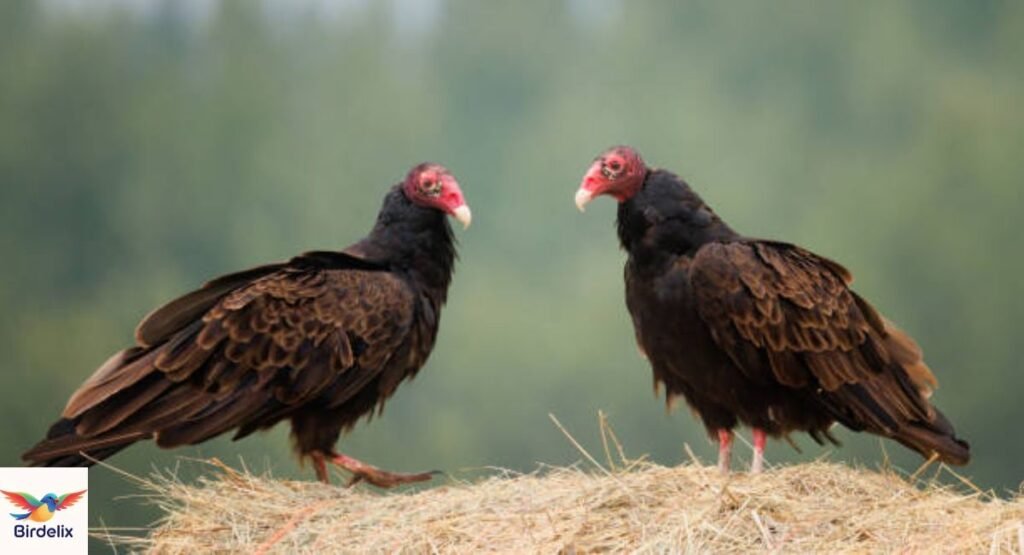
Turkey Vultures have dark bodies and broad wings, but their bare heads are red. They often soar with their wings held in a shallow V. This graceful flight pattern makes them easy to spot over open Florida landscapes, forests, roads, and fields.
The red head creates a useful identification clue for anyone searching for a black bird with red head in Florida. Turkey Vultures are scavengers and locate food while soaring. Compared with Black Vultures, they generally show a longer tail and different wing pattern.
13. American Coot
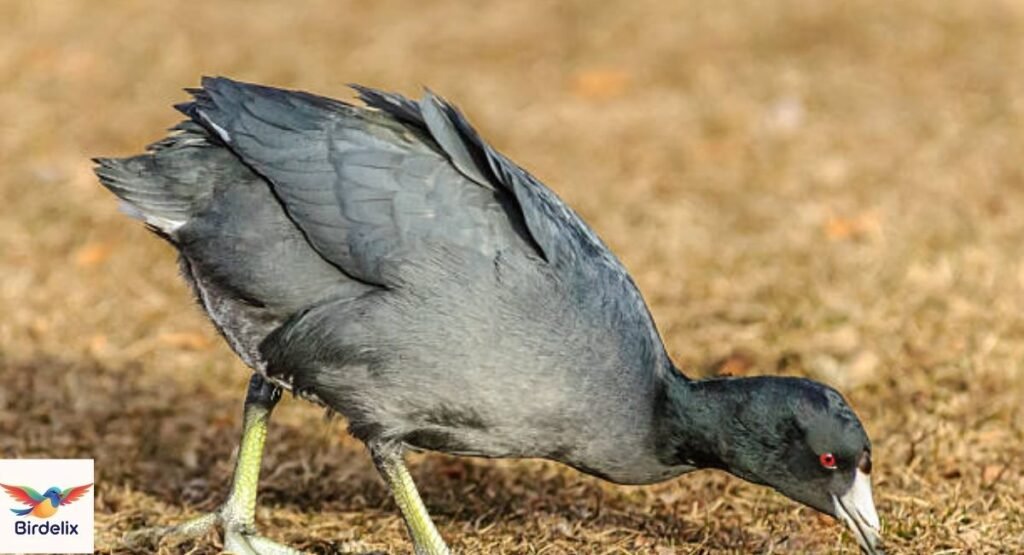
The American Coot is a dark water bird with a bright white bill and white forehead shield. It swims across lakes, ponds, canals, and marshes. Unlike many ducks, it has lobed toes rather than typical webbed feet. Those feet help it move through water and across vegetation.
Coots can be mistaken for Common Gallinules. The easiest clue is the face. A coot has a white bill and shield, while a Common Gallinule shows a red-and-yellow bill. Behavior also helps. Both species swim, walk, and forage around shallow wetlands.
14. Boat-tailed Grackle Female
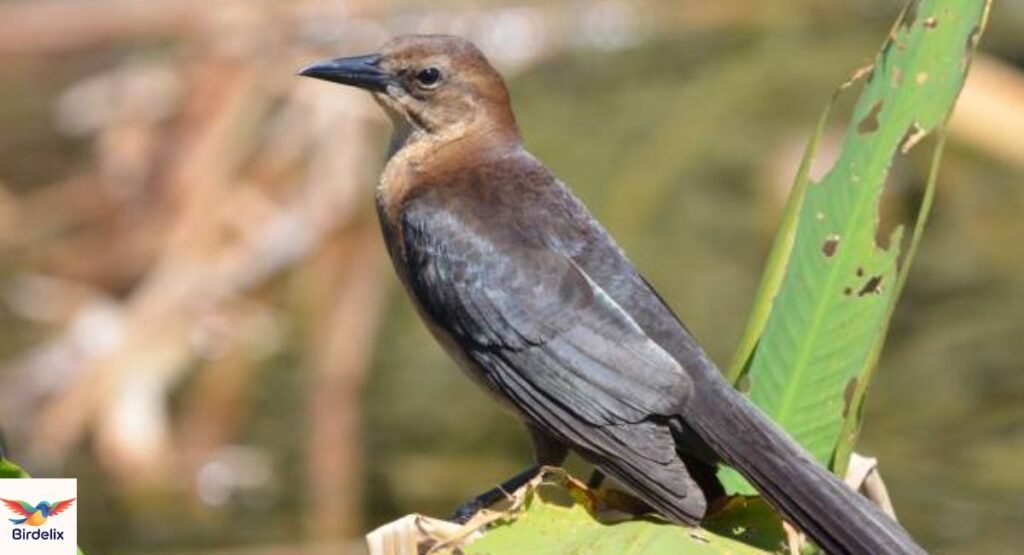
Female Boat-tailed Grackles are brown rather than glossy black. They are also smaller than males. This difference can confuse beginners who expect every member of the species to look black. The female’s long tail, body shape, habitat, and behavior remain useful identification clues. Florida sources specifically note that males are shiny black while females are brown.
Because the female is not a separate species, she should not technically be counted as another bird in a list of 15 species. Still, her appearance deserves attention. If you see a brown bird beside glossy black Boat-tailed Grackles near coastal water, the female may be the answer.
15. Smooth-billed Ani
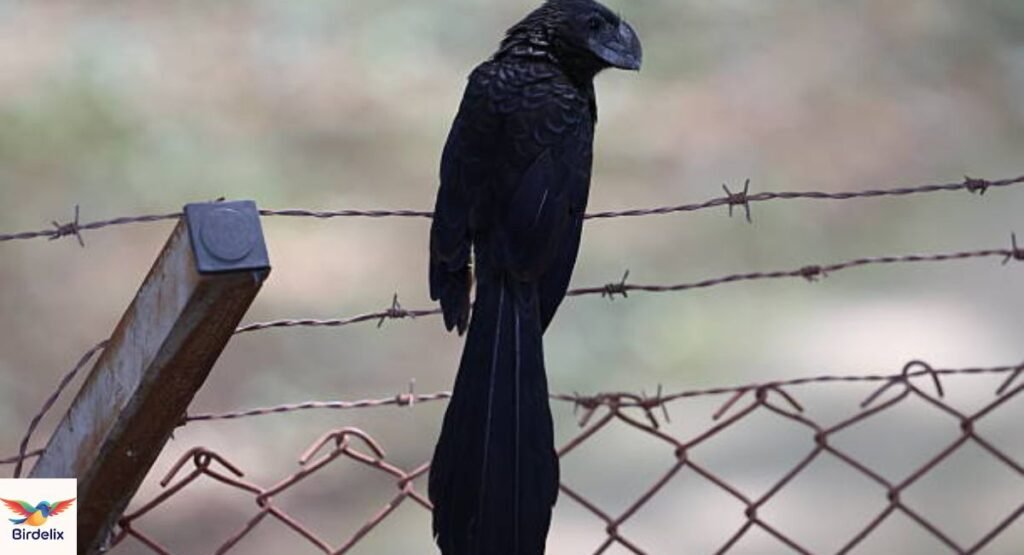
The Smooth-billed Ani has glossy black plumage and an unusually large, curved bill. Its body is slimmer than a crow’s, but its oversized bill creates a distinctive profile. It often lives in shrubby habitats, fields, pastures, and open areas, especially in warmer parts of Florida.
Social behavior is another useful clue. Anis often occur in groups and move through vegetation together. When identifying this small black bird, don’t focus only on color. The large curved bill is the feature that quickly separates it from many grackles and other dark birds.
Large Black Birds in Florida
Which Large Black Birds Are Common in Florida?
Some of the most noticeable large black birds in Florida include the Black Vulture, Turkey Vulture, Boat-tailed Grackle, Anhinga, and Double-crested Cormorant. They occupy very different habitats. Vultures soar over land, while cormorants and Anhingas spend much of their time around water.
Size alone can mislead you. A long-tailed grackle may look larger than it really is, while a soaring vulture appears enormous against the sky. Compare the entire silhouette. Body shape, wingspan, tail, neck, and flight style provide better clues than apparent size.
How to Identify a Big Black Bird in Florida
When you see a big black bird in Florida, first ask whether it is flying over land or sitting near water. A broad-winged soaring bird may be a vulture. A long-tailed bird may be a Boat-tailed Grackle. A dark bird beside a lake may be an Anhinga or cormorant.
Next, study the head and bill. A red head points toward Turkey Vulture. A hooked bill suggests a cormorant. A long straight bill fits an Anhinga. A heavy bill and broad body suggest a crow. These simple comparisons make identification much easier.
Small Black Birds in Florida
Common Small Black Birds to Watch For
Not every dark bird in Florida is truly small. Distance can make a medium bird look tiny. Red-winged Blackbirds, Fish Crows, and Smooth-billed Anis are useful examples when searching for small black birds in Florida. Their proportions and markings are more useful than size alone.
Red-winged Blackbirds often reveal themselves through red shoulder patches. Fish Crows look like smaller crows and rely heavily on vocal clues. Smooth-billed Anis stand out through their oversized curved bills. Comparing these features helps prevent mistaken identifications.
How to Tell Small Black Birds Apart
Start with the bill. A thick bill, long bill, or strongly curved bill can quickly narrow your choices. Then inspect the tail. Long tails point toward grackles, while shorter proportions may suggest crows or other species. Markings provide the next layer of evidence.
Habitat is equally important. A black bird in a marsh deserves a different first guess from one in a suburban parking lot. Watch the bird for several seconds. Its feeding method, walking style, flight, and calls can reveal more than color.
Black and White Birds in Florida
Common Black-and-White Birds
Florida has several birds with strong black-and-white patterns. The American Oystercatcher and Black Skimmer are especially noticeable along the coast. Some woodpeckers and other species also show substantial dark and white plumage, so habitat remains important when identifying a bird.
The American Oystercatcher has an orange-red bill and coastal lifestyle. The Black Skimmer has a remarkable red-and-black bill and specialized feeding behavior. Those details help separate two birds that might otherwise look similar at a distance.
How to Identify a Black and White Bird in Florida
Look at the pattern rather than simply asking whether the bird is black and white. Check the wings, belly, chest, face, and tail. Then inspect the bill. Bill color can provide a surprisingly strong clue, especially among coastal species.
Finally, consider behavior. A bird walking on a beach has a different set of likely identities than one climbing a tree. Black and white birds in Florida become easier to identify when color, habitat, and behavior are considered together.
Black Birds With Red Markings in Florida
Red-winged Blackbird
The Red-winged Blackbird is the most familiar answer when someone describes a black bird with red on wings in Florida. Males have a bright red shoulder patch bordered with yellow. The patch may be hidden when the wings are folded, so check carefully.
Breeding males often display the shoulder patch during territorial behavior. Females lack the dramatic black-and-red appearance. They are brown and streaked instead. This difference is one reason beginners sometimes think they are looking at two different species.
Black Birds With Red or Orange Bills
Several Florida birds have dark bodies but colorful bills. The Black Skimmer has a red-and-black bill. The American Oystercatcher has a bright orange-red bill. The Common Gallinule combines a red-and-yellow bill with a colorful forehead shield.
Bill shape matters as much as bill color. The skimmer’s unusual uneven bill is unmistakable up close. The oystercatcher has a long, straight bill. The gallinule has a shorter, compact bill and lives around marsh vegetation.
Black Birds With Red Heads
The Turkey Vulture is the clearest example of a black bird with red head in Florida. Its body is dark, but the head is bare and reddish. This contrast becomes obvious when the bird flies overhead or perches nearby.
The Black Vulture provides a useful comparison. Its head is much darker and lacks the Turkey Vulture’s bright red appearance. If you can see the head clearly, this single feature can save considerable identification time.
Black Water Birds in Florida
Florida’s lakes, marshes, canals, rivers, and coastal waters support many dark-plumaged birds. Common examples include the Common Gallinule, American Coot, Anhinga, and Double-crested Cormorant. UF/IFAS aquatic-bird resources document these species in Florida water habitats.
Behavior is the key. Coots and gallinules swim and walk around vegetation. Anhingas dive with their long necks and pointed bills. Cormorants dive with a heavier body and hooked bill. When identifying black water birds in Florida, movement often tells you more than color.
Black Birds by Florida Habitat
Black Birds in Backyards and Urban Areas
Urban Florida can support surprisingly diverse black birds. American Crows, Fish Crows, grackles, and some other adaptable species use lawns, parks, roadsides, rooftops, and neighborhood trees. Urban forest surveys in Florida record American Crow and Fish Crow throughout the year in some locations.
Black Birds Around Lakes and Ponds
Lakes and ponds attract Anhingas, Double-crested Cormorants, American Coots, Common Gallinules, and Fish Crows. UF/IFAS aquatic-bird data include these species among birds using Florida lakes. Look for diving, swimming, wing drying, and shoreline feeding.
Black Birds in Wetlands and Marshes
Wetlands are especially productive places for birdwatching. Red-winged Blackbirds use wet vegetation, while gallinules and coots move through shallow water. Boat-tailed Grackles also use wet habitats. Florida agricultural areas can provide wet conditions where several of these species occur together.
Black Birds Along Florida’s Coast
Florida’s coastline supports species that are less likely to appear inland. Boat-tailed Grackles, Black Skimmers, American Oystercatchers, and cormorants are examples. Beaches, estuaries, salt marshes, mudflats, and waterfronts each create different opportunities for observation.
Black Birds in Forests and Open Areas
Forests and open land support very different dark birds. American Crows can use wooded and developed landscapes, while vultures often search open areas for food. Smooth-billed Anis favor shrubby and open habitats. Looking at the landscape around the bird can therefore narrow your choices quickly.
Black Birds in North, Central, and South Florida
Black Birds in North Florida
North Florida offers forests, marshes, rivers, agricultural land, and freshwater habitats. Red-winged Blackbirds are especially relevant around wet vegetation. Other species may appear in parks, neighborhoods, and open fields. Seasonal movements also influence which birds are easiest to see.
Black Birds in Central Florida
Central Florida’s lakes, wetlands, parks, and suburban areas create excellent conditions for dark birds. Coots, gallinules, Anhingas, cormorants, grackles, and crows can all fit different parts of this landscape. Water is often the first clue when identifying an unfamiliar dark bird.
Black Birds in South Florida
South Florida has extensive coastal and tropical habitats. Boat-tailed Grackles are strongly associated with coastal settings, while canals, wetlands, parks, and urban areas add more opportunities. Local habitat can change quickly, so a bird’s exact surroundings remain an important identification clue.
How to Identify a Black Bird in Florida
The best way to identify a black bird is to combine several clues instead of relying on color. First, estimate its size. Then inspect the bill and tail. Look for red, white, yellow, orange, or blue markings. After that, identify whether it is on land, in water, or flying.
Habitat provides another strong clue. A marsh, beach, lake, forest, and city block each support different species. Finally, listen to the bird. Calls can separate visually similar species such as Fish Crow and American Crow. Florida’s Museum of Natural History provides recordings for several blackbird and grackle species.
Black Bird vs. Similar-Looking Florida Birds
Grackle vs. Crow
A grackle generally looks slimmer and more elongated. Its tail is long, and its plumage may show blue or bronze iridescence. A crow looks heavier, with a broader body and stronger bill. Tail shape and overall silhouette are often more useful than color.
American Crow vs. Fish Crow
These two crows can be extremely difficult to separate visually. Size and proportions help, but voice is often more useful. Fish Crow has a noticeably nasal call. Both can occur near water and human development, so listening carefully can be important.
Black Vulture vs. Turkey Vulture
Both vultures have dark bodies and broad wings. Turkey Vultures have a red bare head and commonly show a longer-looking tail. Black Vultures have a darker head and a different wing profile. Their flight patterns can also help when viewed from below.
Anhinga vs. Double-crested Cormorant
Anhingas look slimmer and have very long necks with straight pointed bills. Cormorants look heavier and have hooked bills. Both dive and swim well. If the bird resembles a dark snake with a long neck, Anhinga deserves serious consideration.
Common Gallinule vs. American Coot
The face gives away much of the answer. A Common Gallinule has a colorful red-and-yellow bill and shield. An American Coot has a white bill and white forehead shield. Both use wetlands, swim well, and forage around aquatic vegetation.
Red-winged Blackbird vs. Other Dark Songbirds
The male Red-winged Blackbird’s shoulder patch is the strongest clue. However, the patch can be hidden. Its marsh habitat, medium size, and distinctive song then become useful. Female Red-winged Blackbirds look brown and streaked, so identification requires more than body color.
Conclusion
Florida’s dark birds are far more diverse than their simple color suggests. Some are glossy songbirds. Others are powerful scavengers or specialized water hunters. You may find them in a backyard, marsh, lake, forest, beach, or busy city park.
When identifying black birds in Florida, don’t stop at feather color. Check the size, bill, tail, markings, habitat, behavior, and call. Those clues work together like pieces of a puzzle. Once you learn to notice them, even a distant black silhouette becomes much easier to identify.
FAQs
What is the most common black bird in Florida?
There isn’t one species that is equally common everywhere in Florida. Common Grackles, American Crows, Fish Crows, Red-winged Blackbirds, and other dark birds can be frequent depending on habitat and season.
What are the large black birds in Florida?
The main large dark birds include Black Vultures, Turkey Vultures, Boat-tailed Grackles, Anhingas, and Double-crested Cormorants. Their habitats differ, so flight and location are useful identification clues.
What are the small black birds in Florida?
Fish Crows, Red-winged Blackbirds, and Smooth-billed Anis can fit descriptions of smaller dark birds. Their bills, tails, calls, and habitats help separate them.
What black bird has red wings in Florida?
The Red-winged Blackbird is the classic example. Males have bright red shoulder patches with yellow bordering. The red patch can be hidden when the bird folds its wings.
What black bird has a red beak in Florida?
Several species have reddish or orange bills. Black Skimmers, American Oystercatchers, and Common Gallinules are especially useful possibilities. Bill shape and habitat help identify the exact species.

Welcome to Birdelix! I’m Anam Sattar, an AI-powered SEO Specialist and Content Writer with over 5 years of experience in creating high-quality, search-optimized content. I help businesses improve their search engine rankings, increase organic traffic, and build beautiful, user-friendly websites. My mission is to make SEO, content creation, and web design simple, effective, and accessible for everyone. Let’s grow your online presence and achieve success together!