

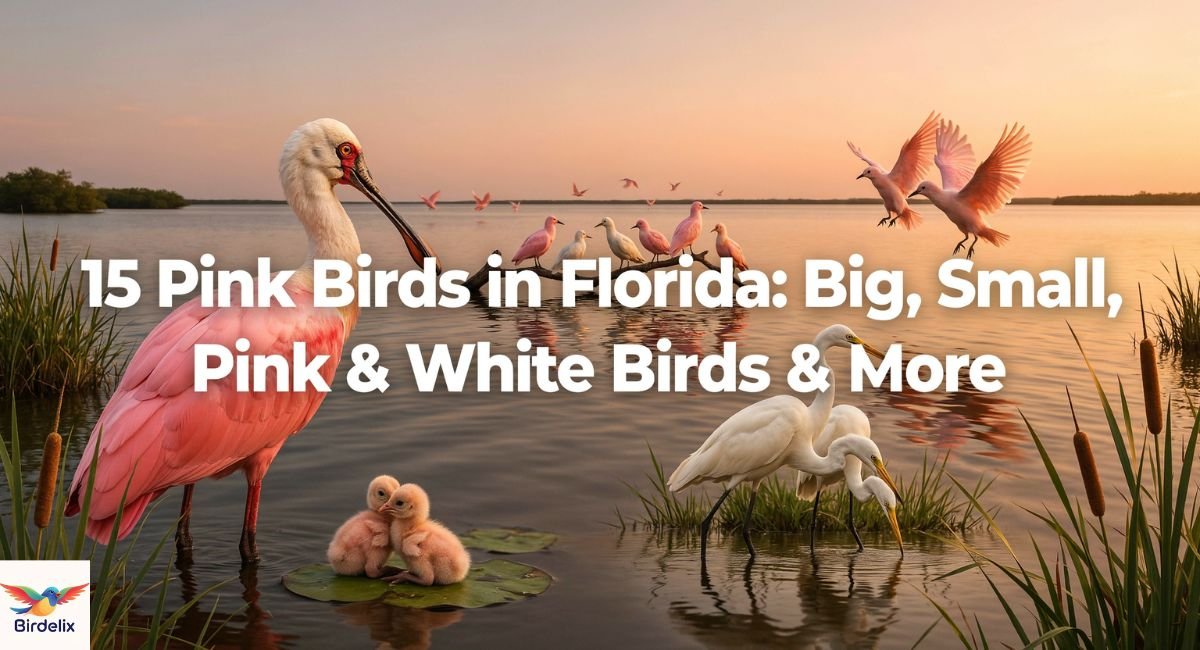
Florida is full of surprising bird colors, but pink ones often steal the show. From vivid Roseate Spoonbills to delicate rosy songbirds, these species appear in many shapes and sizes. Some have pink plumage, while others show rosy legs, coral bills, or warm facial skin. That’s why identifying pink birds in Florida can be trickier than it first seems. You might spot a huge wader beside shallow water or a tiny finch perched nearby. Some even resemble flamingos from a distance.
In this guide, you’ll discover pink wading birds, coastal species, and smaller colorful birds found across Florida. You’ll also learn their habitats, identification clues, and why carotenoid pigments create such striking natural colors.
Pink Birds in Florida at a Glance
The table below gives you a quick field-guide view of these pink bird species. Look beyond color when identifying a bird. Bill shape, body size, habitat, and flight style often provide a much stronger clue.
| Bird | Size | Pink Feature | Habitat | Florida Region | Best Identification Clue |
|---|
| Roseate Spoonbill | Large | Bright pink body, wings, and legs | Wetlands, lagoons, mangroves | South & Central Florida | Long spoon-shaped bill |
| American Flamingo | Large | Overall pink plumage and legs | Shallow coastal wetlands | South Florida & Florida Keys | Extremely long legs and curved bill |
| Rose-breasted Grosbeak | Medium | Rose-red to pink breast | Woodlands, parks, gardens | North & Central Florida | Bold pink breast patch |
| Scarlet Ibis | Large | Brilliant scarlet-pink plumage | Wetlands and coastal habitats | South Florida, occasional | Entire body is vivid red-pink |
| Pine Grosbeak | Medium | Rosy-pink body in adult males | Forests and wooded areas | Northern Florida, rare | Pink-red head and breast |
| Purple Finch | Small | Raspberry-pink head and underparts | Woodlands, gardens | North Florida, seasonal | Pink-red head and breast |
| House Finch | Small | Rosy-red head, breast, and rump | Urban areas, gardens, open habitats | Throughout Florida | Red-pink face and breast |
1. Roseate Spoonbill
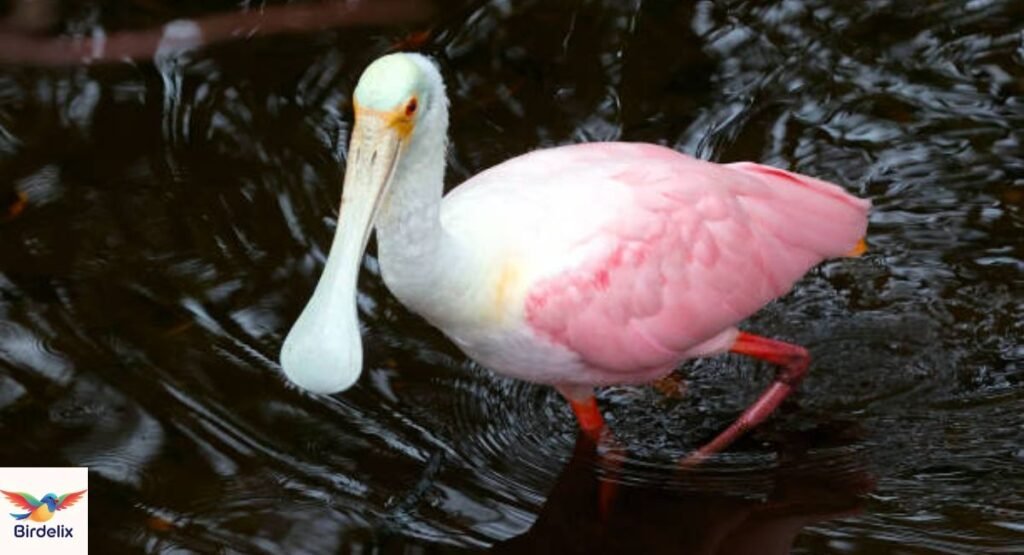
Few pink wading birds are as unmistakable as the Roseate Spoonbill. Adults have vivid pink bodies, crimson shoulder feathers, and a strangely flattened bill. They forage in shallow marshes, lagoons, mudflats, and mangroves by sweeping that specialized bill through the water.
The species is especially associated with coastal Florida and the Everglades. Its bill is the giveaway feature. Unlike a flamingo’s strongly hooked bill, a spoonbill ends in a broad, spoon-like tip. Juveniles look much paler, which can make young birds surprisingly difficult to identify.
2. American Flamingo
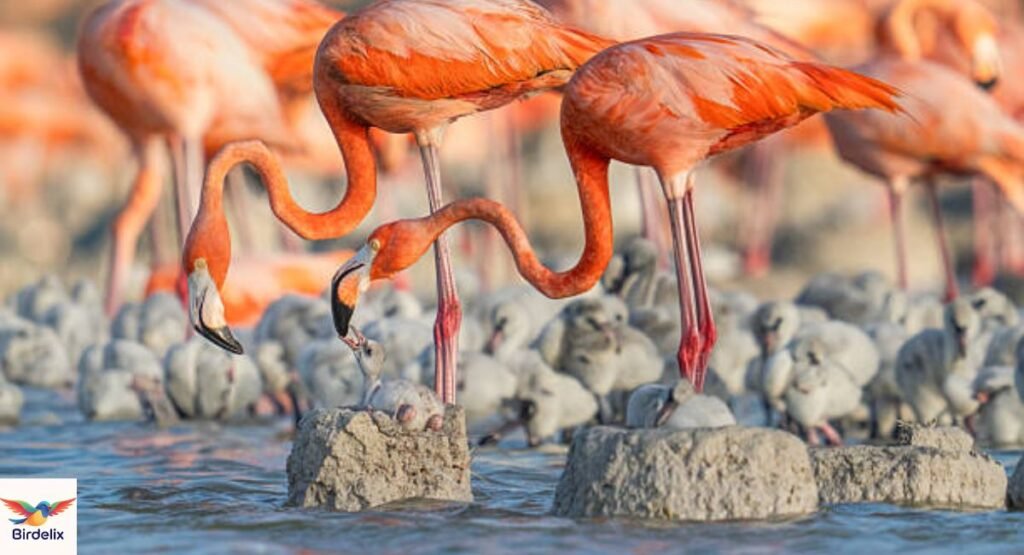
The American Flamingo is the bird most people picture when they hear “pink bird.” It has brilliant pink plumage, an exceptionally long neck, and extremely long legs. Its bill is pink near the base and black toward the tip, creating another useful identification clue.
Florida has a fascinating flamingo history. Wild birds once occurred regularly around Florida Bay, while modern sightings require careful interpretation because escaped birds have also appeared. After Hurricane Idalia in 2023, wild flamingos reached Florida, and a 2024 survey recorded 101 wild birds across the state.
3. Rose-breasted Grosbeak
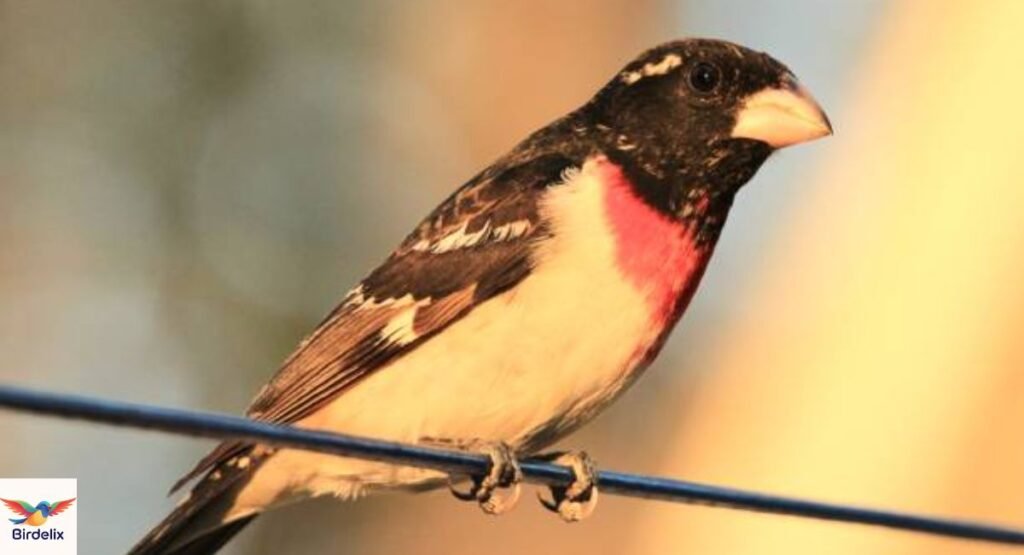
The male Rose-breasted Grosbeak has a striking rose-red to pink breast patch against black-and-white plumage. It is much smaller than Florida’s wading birds and spends most of its time around trees and shrubs. During migration, birdwatchers may encounter it in gardens, wooded areas, and forest edges.
4. Scarlet Ibis
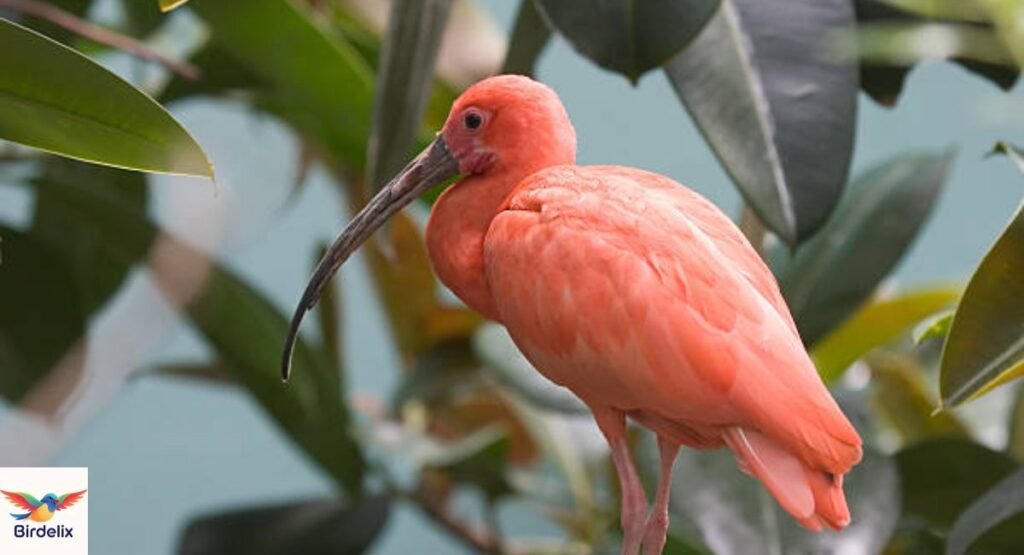
The Scarlet Ibis is famous for its intensely red-pink plumage, although it isn’t a common wild bird throughout Florida. Its brilliant coloration comes from pigments in its diet. When seen, its long legs, slender body, and vivid scarlet feathers make it difficult to confuse with ordinary Florida wading birds.
5. Pine Grosbeak
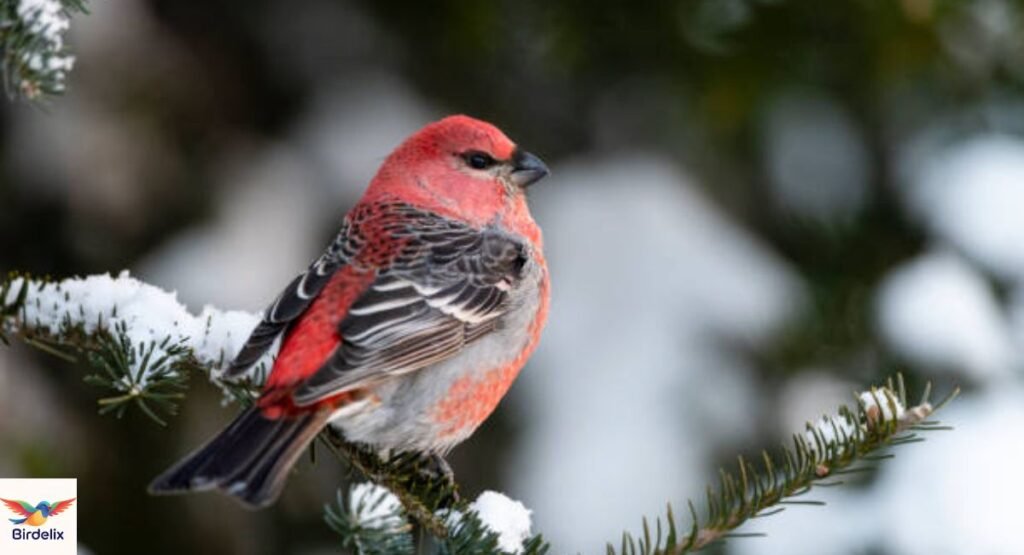
The male Pine Grosbeak develops beautiful rosy-red or pinkish plumage across the head, breast, and upper body. It is primarily a northern species and only occurs very rarely in Florida. Its unusual appearance would make any Florida sighting noteworthy, especially during an unexpected winter movement.
6. Purple Finch
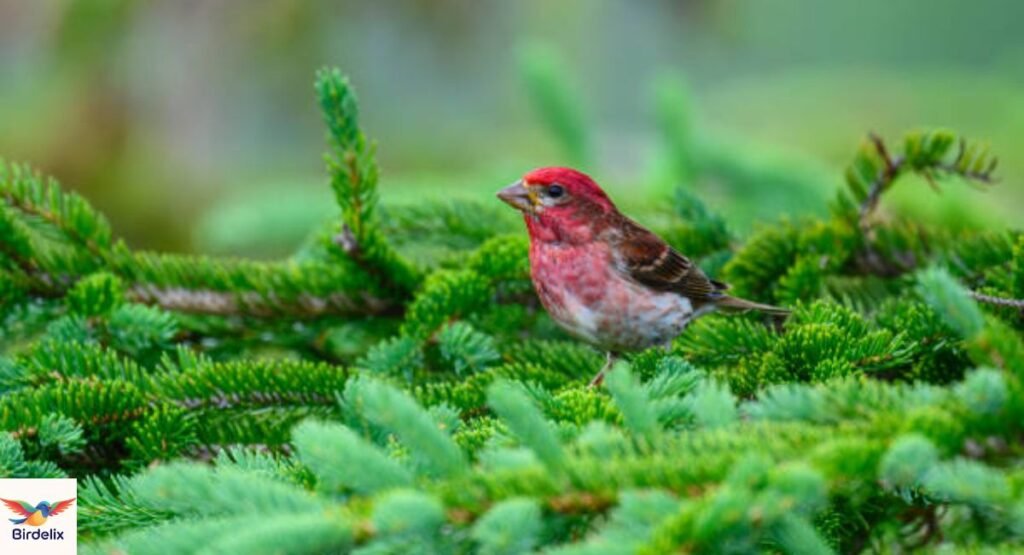
The male Purple Finch has a raspberry-pink wash across the head, breast, back, and rump. This color looks especially vivid in good light. It is a small songbird that favors woodland edges and feeding areas, although it is an uncommon Florida visitor compared with more familiar backyard finches.
7. House Finch
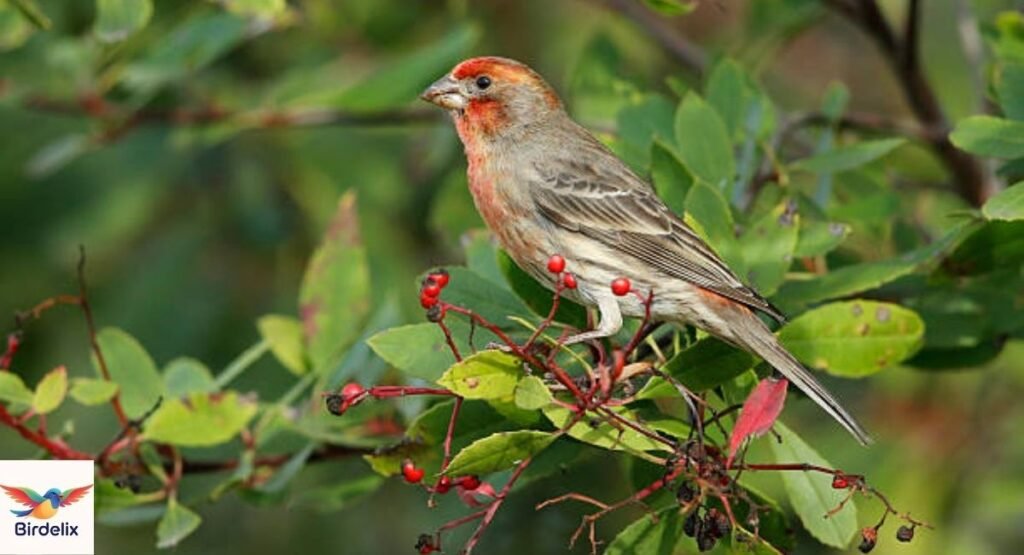
Male House Finches can show rosy-red or pinkish coloration across the face, throat, breast, and rump. The exact intensity varies with diet and individual bird. They often visit gardens, feeders, parks, and developed areas, making them one of the easier small pink-toned birds to encounter around human settlements.
Why Do Some Birds in Florida Look Pink?
The secret often starts with food. Many colorful birds obtain carotenoid pigments from organisms they eat. Shrimp, crustaceans, algae, and other aquatic foods can supply compounds that contribute to red, orange, coral, and pink coloration in feathers.
Think of carotenoids as natural color ingredients rather than a simple dye. A bird processes these compounds and deposits pigments into growing feathers. That is why diet can influence pink plumage color so strongly. Roseate Spoonbills are a classic example of this relationship between food and feather color.
Big Pink Birds in Florida vs. Small Pink Birds
Size can immediately narrow your choices. Large waders include spoonbills, flamingos, storks, and pelicans, while smaller birds include terns, gallinules, finches, and skimmers. Their body shapes and habitats differ dramatically, even when photographs make their colors seem similar.
A giant pink bird standing in shallow water is probably a wader. A tiny rosy bird perched in vegetation belongs to a different ecological group. This simple size check makes pink bird identification much easier before you study finer details.
Pink and White Birds in Florida
The phrase pink and white birds in Florida often leads people toward White Ibises, Wood Storks, pelicans, and Roseate Spoonbills. These species can combine white plumage with pink bills, legs, wings, or exposed skin. Their color patterns become especially noticeable against dark wetlands.
If you’re searching for a white bird with pink wings, don’t rely on color alone. Check the bill and legs first. A long curved bill suggests an ibis, while a broad spoon-shaped bill points toward a spoonbill. Body size can then settle the mystery.
Pink Birds in Florida That Are Not Flamingos
Not every tall pink-looking bird is a flamingo. Roseate Spoonbills are the biggest source of confusion because they have long legs, pink bodies, and a graceful wetland posture. Yet their broad spoon-shaped bills immediately separate them from flamingos.
White Ibises and Wood Storks can also appear pinkish from a distance because of their bills, legs, or bare facial skin. The key is to combine several features. Birds that look like flamingos often become easy to identify once you examine their bill structure.
Which Pink Birds Look Like Flamingos?
Flamingos have an unusually tall, slender profile with very long legs and necks. Their strongly curved bills also differ from the flat, spatulate bill of a spoonbill. Roseate Spoonbills may look similar from afar, yet their proportions and feeding methods reveal the difference.
Habitat adds another useful clue. Both species favor shallow wetlands, but spoonbills sweep their bills from side to side through water and mud. Flamingos use specialized bills to filter-feed. That behavior can solve an identification puzzle when color alone cannot.
Where Pink Birds Live Across Florida
Florida’s wetlands form a giant patchwork of habitats. Florida wetlands, marshes, mangroves, estuaries, lagoons, mudflats, and coastal islands all support different bird communities. Water depth matters too because many waders need shallow areas where prey becomes accessible.
Birds often gather where food becomes concentrated. Falling water can expose mudflats, while tides can reveal feeding areas along the coast. For that reason, a habitat-first approach can sometimes identify a bird faster than staring at its color.
South Florida and the Everglades
South Florida is especially important for colorful wetland birds. The Everglades contains freshwater marshes, coastal wetlands, mangroves, and shallow feeding areas. Roseate Spoonbills, White Ibises, Wood Storks, and other waders depend on this interconnected landscape.
The Everglades also has a remarkable flamingo story. Historical records document flamingos in the region, while modern monitoring continues to track wild birds. In 2024, Audubon reported more than 50 wild flamingos in Florida Bay during its statewide survey.
Florida Bay and the Keys
Florida Bay is a major landscape for pink water birds in Florida because its shallow waters and mangrove islands create rich feeding habitat. Roseate Spoonbills have been studied here for decades, making the area important for both birdwatching and conservation research.
Water depth can make a surprising difference. Spoonbills need shallow feeding conditions to reach prey efficiently. Audubon researchers have documented how water levels in Florida Bay can influence spoonbill nesting success, showing how closely birds respond to changing wetland conditions.
Central Florida Wetlands
Central Florida offers a different mix of inland wetlands, lakes, marshes, and seasonal feeding areas. These habitats can attract White Ibises, Wood Storks, gallinules, pelicans, and many other waterbirds depending on local conditions.
Water levels often control the action. When shallow areas develop, fish and aquatic prey become easier for wading birds to reach. This is why one wetland can seem quiet one week and suddenly become packed with feeding birds later.
Gulf Coast Marshes
The Gulf Coast contains extensive estuaries, coastal marshes, mangroves, mudflats, and shallow bays. These habitats support both wading birds and coastal species. Roseate Spoonbills are locally common in coastal Florida, according to Audubon’s species guide.
Southwest Florida is especially interesting for birdwatchers because freshwater and saltwater habitats meet across a complex shoreline. That mixture creates different feeding opportunities. Watch exposed mud, mangrove edges, shallow pools, and tidal flats for active birds.
Coastal Estuaries and Mudflats
Estuaries work like natural dining rooms for many Florida birds. Tides uncover mudflats and shallow water where fish, crabs, shrimp, and other prey become accessible. Spoonbills, ibises, gulls, terns, skimmers, and pelicans may all use these environments.
Look at the ground before looking at the bird. If you see an exposed mudflat packed with feeding activity, you’re already holding a useful identification clue. Habitat often tells you what species to expect before plumage confirms it.
How to Spot a Pink Bird in Florida
Start with size, then study the silhouette. Next, examine the bill, legs, wings, and body color. A pink bird identification attempt becomes much easier when you use several clues together rather than relying on one bright color.
Distance also matters. A bird viewed through heat shimmer may look completely different from one seen through binoculars. Notice its habitat and flight pattern first. Then use magnification to inspect details such as bill shape, wing markings, and leg color.
When Are Pink Birds Easiest to See?
Early morning often gives you calmer conditions and active feeding birds. Late afternoon can also be productive, especially when birds return to roosting or feeding areas. Soft light may reveal subtle pink tones that disappear under harsh midday sunlight.
Season matters too. During drier periods, shrinking wetlands can concentrate prey in shallow pools. Exposed mudflats may then attract large numbers of waders. Still, the ideal timing varies by species, location, weather, and water conditions.
Pink Birds in Florida That Fly: What Do They Look Like?
Flying birds can look completely different from standing birds. A spoonbill becomes a broad-winged pink silhouette, while a flamingo shows an exceptionally long neck and legs. Terns appear slender and pointed, whereas pelicans have broad wings and powerful gliding flight.
Watch the wings before judging the color. Pink flying birds in Florida can lose their obvious body markings when they rise into bright sky. Wing shape, flight rhythm, tail structure, and the position of the legs often remain visible.
Conclusion
The world of pink birds in Florida is much broader than flamingos. Some species wear vivid pink plumage, while others show rosy legs, coral bills, or pink facial skin. That variety makes Florida especially rewarding for birdwatchers who look beyond obvious colors.
When you spot a pinkish bird, don’t guess too quickly. Check its size, bill, legs, habitat, and flight style. With those clues working together, even a distant silhouette can start to tell its own story.
FAQs
What are the pink birds in Florida called?
Florida has several pink or pink-toned birds, including Roseate Spoonbills, American Flamingos, White Ibises, and smaller species with rosy feathers, legs, or bills.
What is the pink spoonbill bird in Florida?
The pink spoonbill is the Roseate Spoonbill, Platalea ajaja. Its bright pink body and broad spoon-shaped bill make it one of Florida’s most recognizable wading birds.
Are there pink birds in Florida that are not flamingos?
Yes. Roseate Spoonbills are the clearest example. White Ibises, Wood Storks, pelicans, terns, skimmers, and some smaller birds can also show pink or reddish-pink features.
What are the big pink birds in Florida?
Roseate Spoonbills and American Flamingos are the most obvious large pink birds. Wood Storks and pelicans can also appear pinkish because of their bills, legs, or facial skin.
What are the small pink birds in Florida?
House Finches and Purple Finches can show rosy or reddish-pink plumage. Some small wetland and coastal birds also have pinkish legs rather than pink bodies.

Welcome to Birdelix! I’m Anam Sattar, an AI-powered SEO Specialist and Content Writer with over 5 years of experience in creating high-quality, search-optimized content. I help businesses improve their search engine rankings, increase organic traffic, and build beautiful, user-friendly websites. My mission is to make SEO, content creation, and web design simple, effective, and accessible for everyone. Let’s grow your online presence and achieve success together!