

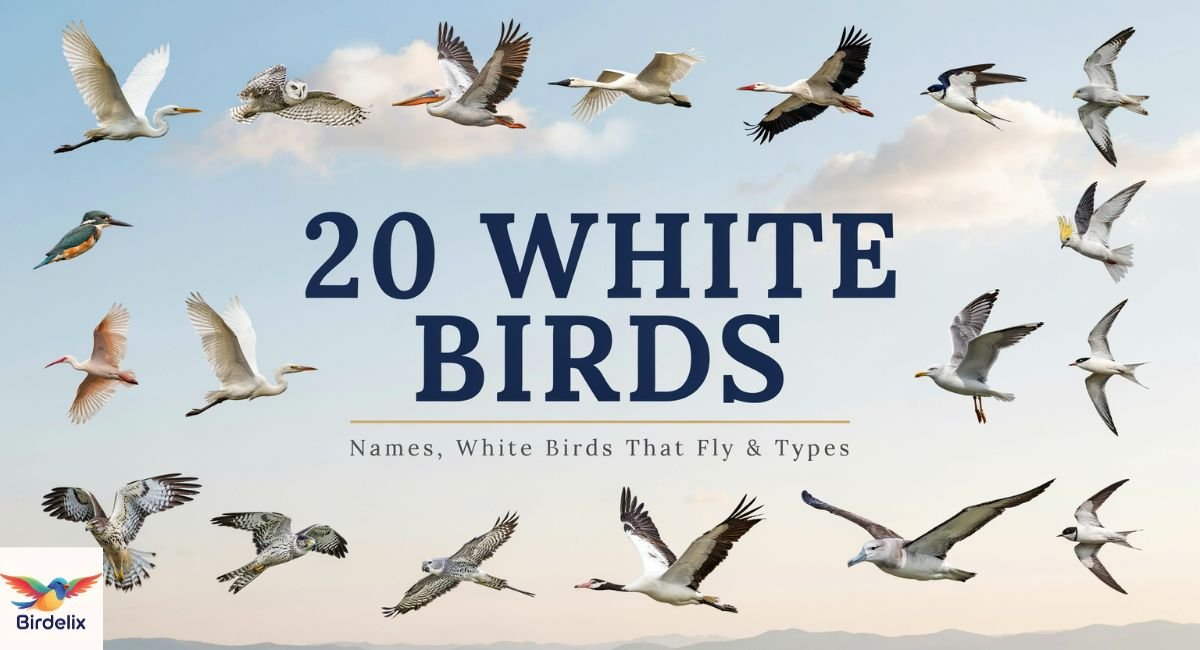
White birds can look almost magical when they glide across a blue sky or stand quietly beside a pond. From elegant swans to tiny shorebirds, these white bird species come in many shapes, sizes, and habitats. Some have pure white plumage, while others show black wings, colorful bills, or subtle gray markings. In this guide, you’ll discover 20 fascinating white birds found across the USA and beyond.
You’ll also learn about small white birds that fly, large waterbirds, backyard visitors, and rare species. Whether you’re a birdwatcher or simply curious about white bird names, this guide will help you recognize these striking birds with confidence.
What Are White Birds?
White birds are species whose plumage is completely or mostly white. Many are naturally white throughout adulthood. Others have white bodies with darker wings, heads, tails, or facial markings. Waterbirds make up a large share of these species because white plumage is especially common among birds that spend much of their lives around water.
The term white birds doesn’t always mean a bird is pure white from head to tail. For example, the American White Pelican has a snowy-white body but shows black flight feathers when its wings spread. The Wood Stork also looks white at rest but reveals strong black wing markings during flight. These contrasts make identification much easier once you know what to watch for.
Why Are Some Birds White?
White plumage comes from the way pigments are produced, distributed, or absent in feathers. In some species, being white is a normal part of their inherited appearance. In snowy habitats, pale feathers can also provide useful camouflage. The Snowy Owl is a classic example because its white plumage helps it blend into northern landscapes.
Habitat matters, too. Many white waterbirds spend time around lakes, marshes, rivers, beaches, and coastal waters. Their pale bodies can create a striking silhouette against darker vegetation or water. Some white seabirds also have darker wing feathers that become visible only when they fly.
Albino vs. Leucistic White Birds
A completely white bird isn’t automatically an albino. Albinism in birds involves a genetic condition that greatly reduces or prevents melanin production. True albino birds usually have noticeably pale or reddish eyes because pigment is also affected there. Leucistic birds are different. Leucistic birds can have white or unusually pale feathers while retaining normal eye color.
This difference matters when you’re trying to identify an unusual bird. A naturally white species, such as a Snowy Egret, isn’t albino or leucistic because white plumage is part of its normal appearance. An unusually white individual of a normally darker species may have a pigmentation condition instead.
White Birds Quick Comparison Table
| No. | Bird Name | Size | Main Color | Habitat | Flying? |
| 1 | Snowy Egret | Medium | White | Wetlands, coasts | Yes |
| 2 | American White Pelican | Very Large | White | Lakes, rivers | Yes |
| 3 | White Ibis | Medium | White | Wetlands, marshes | Yes |
| 4 | Cattle Egret | Small | White | Fields, wetlands | Yes |
| 5 | Trumpeter Swan | Very Large | White | Lakes, ponds | Yes |
| 6 | Snowy Owl | Large | White | Fields, tundra | Yes |
| 7 | Snowy Plover | Small | White and pale gray | Beaches, shores | Yes |
| 8 | Whooping Crane | Very Large | White | Wetlands, grasslands | Yes |
| 9 | Wood Stork | Large | White and black | Wetlands | Yes |
| 10 | White Tern | Small | White | Coastal areas | Yes |
| 11 | Great White Egret | Large | White | Wetlands, waterways | Yes |
| 12 | Snow Bunting | Small | White and black | Arctic, fields | Yes |
| 13 | Rock Pigeon | Medium | White and gray varieties | Cities, cliffs | Yes |
| 14 | Mourning Dove | Medium | Gray-brown and white | Backyards, fields | Yes |
| 15 | White-winged Dove | Medium | Gray and white | Woodlands, suburbs | Yes |
| 16 | Ring-billed Gull | Medium | White and gray | Lakes, coasts | Yes |
| 17 | Tundra Swan | Very Large | White | Lakes, wetlands | Yes |
| 18 | Northern Gannet | Large | White and black | Ocean, coasts | Yes |
| 19 | White Pelican | Very Large | White | Lakes, rivers | Yes |
| 20 | White-tailed Tropicbird | Medium | White | Tropical coasts | Yes |
20 White Birds
1. Snowy Egret
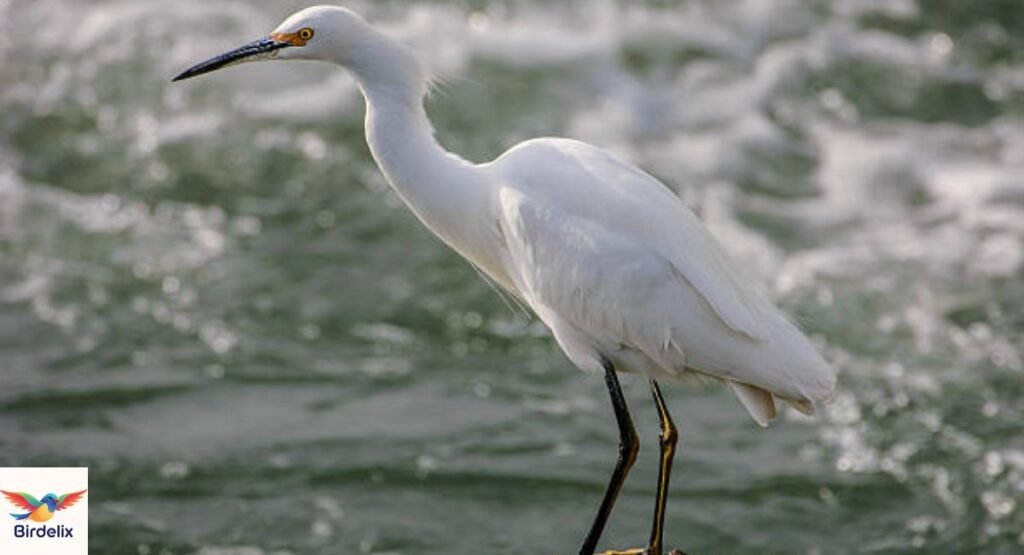
The Snowy Egret is one of the most elegant white birds in the USA. It is a medium-sized heron with brilliant white feathers, a black bill, black legs, and bright yellow feet. Adults also have a yellow patch of skin near the eye. Its slender neck and long legs give it a delicate appearance, especially when it walks through shallow water. Cornell Lab lists its typical length at about 22.1 to 26 inches, with a wingspan near 39.4 inches.
You can find this white wading bird along coastlines, beaches, mudflats, wetlands, rivers, and lakes. It often hunts small fish and aquatic animals in shallow water. Interestingly, it doesn’t always stand still like a statue. It may run through water with its wings spread while chasing prey. During breeding season, its long ornamental plumes make it even more striking.
2. American White Pelican
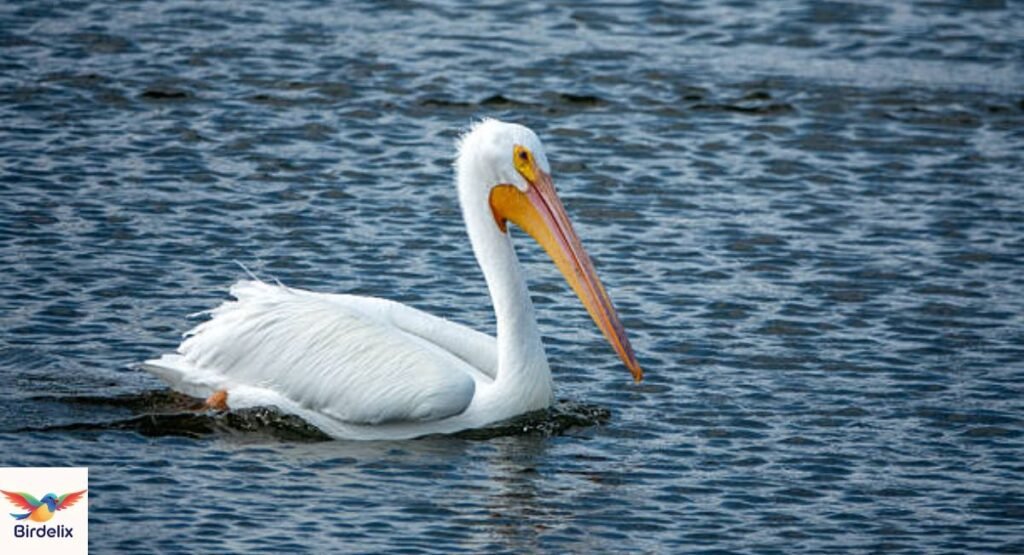
The American White Pelican is among the largest white flying birds in North America. It has a huge body, broad wings, a long neck, and an enormous bill. Adults have snowy-white bodies with black flight feathers that become obvious when the wings open. Breeding adults can also develop a distinctive yellow plate on the upper bill. Its wingspan can reach roughly 9.5 feet.
Despite its enormous size, this pelican is an excellent flier. It often soars in large groups with slow, powerful wingbeats. During breeding season, it commonly uses shallow inland wetlands, while wintering birds may gather around coastal waters, bays, and estuaries. Unlike Brown Pelicans, American White Pelicans usually don’t plunge from the air to catch fish.
3. White Ibis
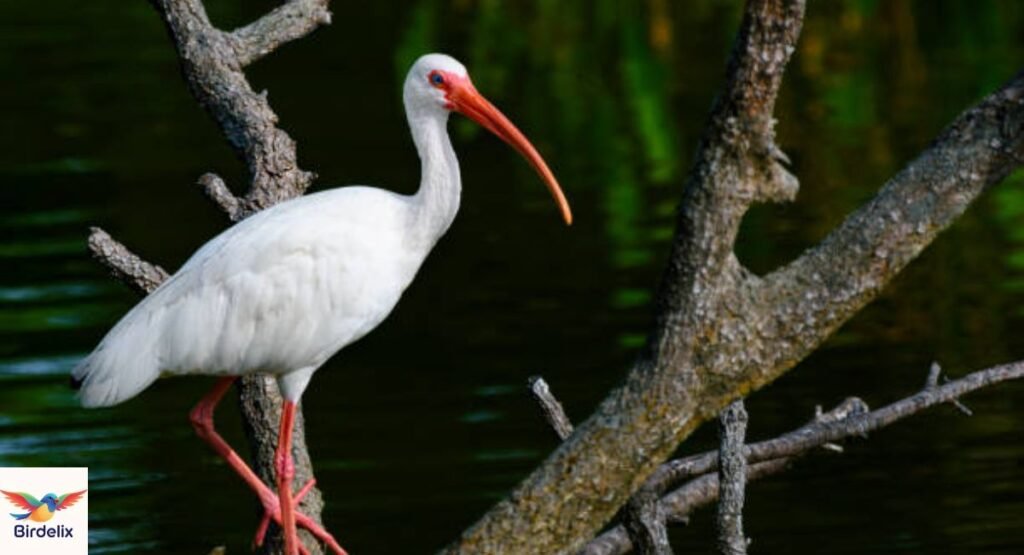
The White Ibis is a beautiful white wading bird with a long, curved bill and pinkish legs. Adults have bright white bodies and dark wingtips that become easier to notice when they fly. Their bare facial skin also has a pink tone. This combination creates an unusual but memorable appearance.
In the United States, White Ibises are especially associated with the Southeast. They feed around marshes, shallow wetlands, ponds, and other wet areas. Their long bills are useful tools because they probe mud and shallow water for food. Young birds look quite different at first, with darker plumage that gradually changes as they mature.
4. Cattle Egret
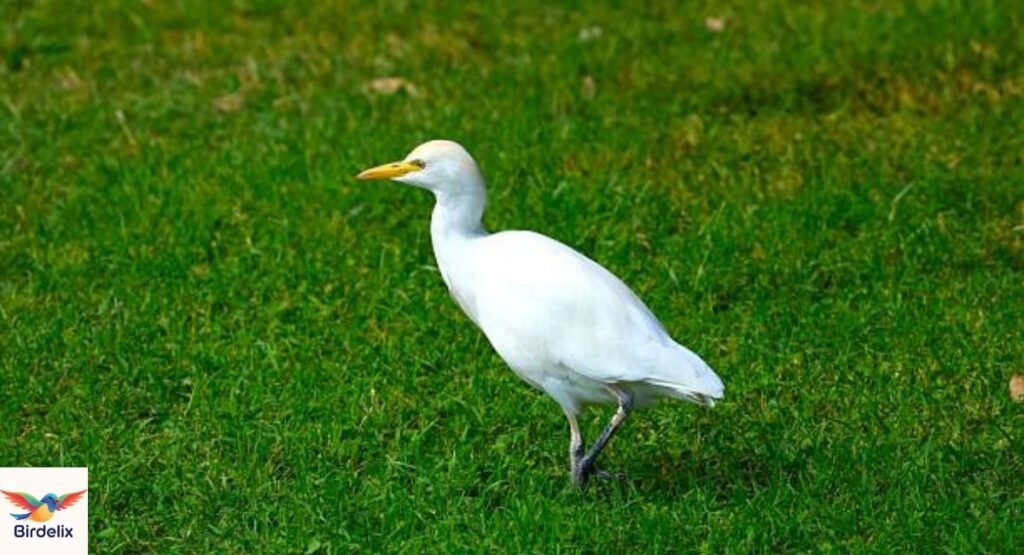
The Cattle Egret is a relatively small member of the white bird species group. Its normal nonbreeding plumage is mostly white, while breeding adults develop warm buff or orange areas on the head, neck, and back. It also has a yellow bill and yellowish legs. Compared with the Snowy Egret, it looks shorter, stockier, and less delicate.
Its name gives away one of its most unusual habits. This small white bird often follows cattle and other large animals through fields. Moving animals disturb insects, giving the egret an easy feeding opportunity. It may even follow farm machinery as it moves through vegetation. The species became established in North America during the twentieth century and has spread widely.
5. Trumpeter Swan
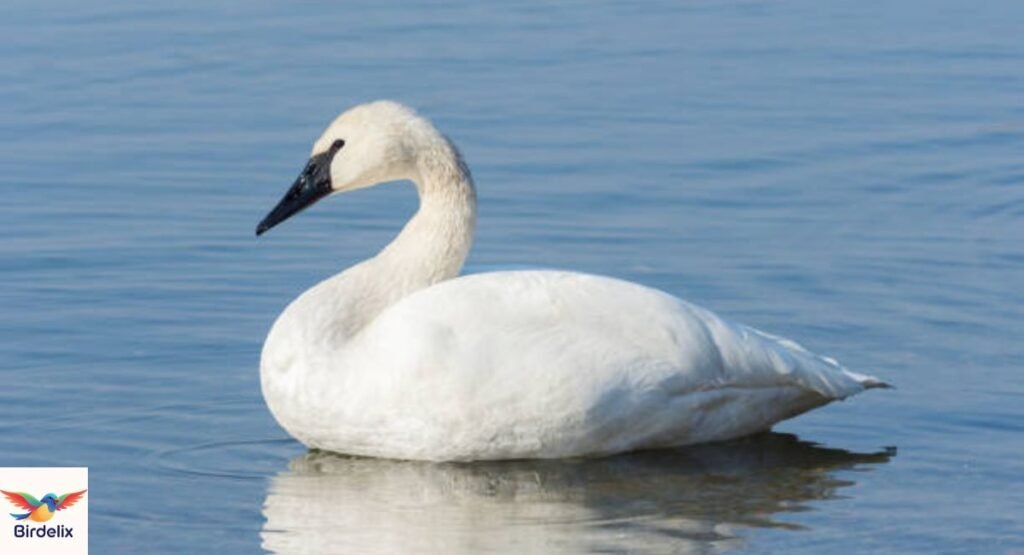
The Trumpeter Swan is a gigantic white waterbird with an entirely white adult body and a black bill. It is one of the heaviest flying birds in North America. Its long neck, broad wings, and enormous body make it easy to recognize once you see it at close range.
These swans use shallow waters, wetlands, lakes, and nearby fields. They occur across parts of the United States, Canada, and Alaska. Despite their bulky appearance, Trumpeter Swans can fly strongly and migrate between seasonal habitats. Their size can be surprising because photographs often fail to show just how massive these birds are.
6. Snowy Owl
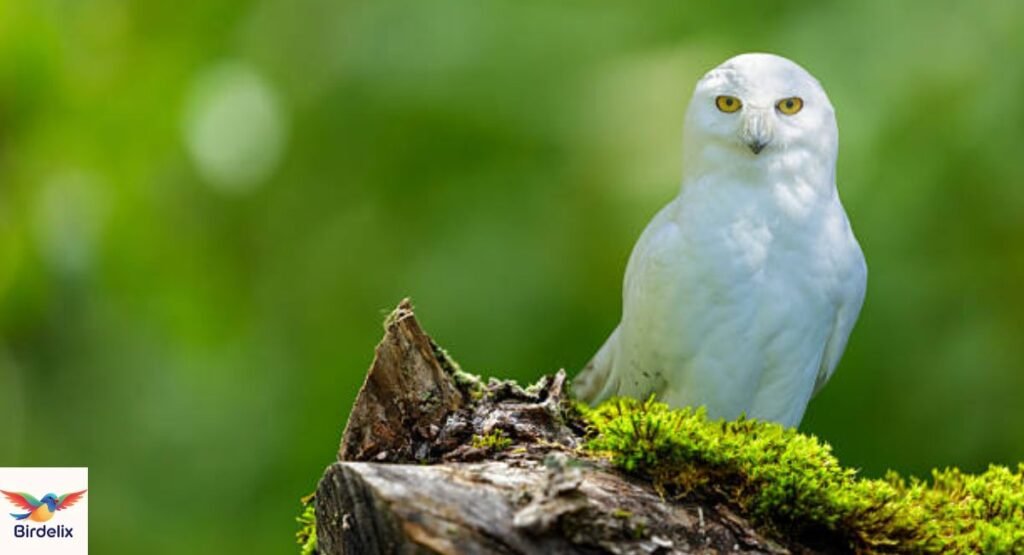
The Snowy Owl is one of the most famous white birds in North America. It has a large rounded body, broad wings, and striking pale plumage. Adult males can become almost entirely white, while females and younger birds usually show more dark barring. This difference makes some Snowy Owls look much whiter than others.
Its natural home is strongly connected with Arctic environments. However, Snowy Owls sometimes move farther south, particularly during periods when food or environmental conditions change. Unlike many owls, they can be active during daylight. When one appears in an open field or coastal area, its bright plumage can make it look almost like a piece of drifting snow.
7. Snowy Plover
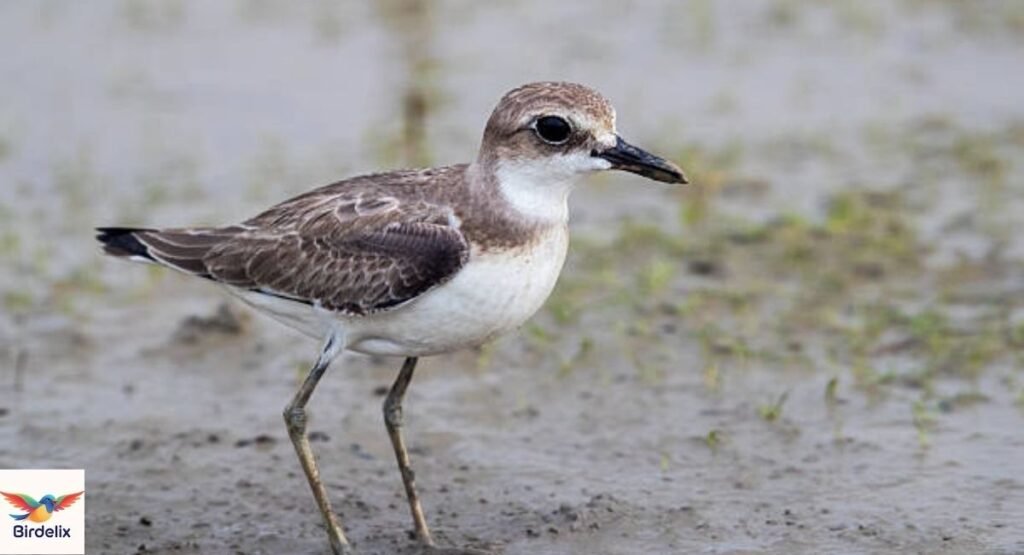
The Snowy Plover is a small white bird that flies along sandy and coastal habitats. Its body is pale gray and white, while dark markings appear around the face and other parts of the body. Its compact size helps distinguish it from larger white shorebirds and wading birds.
This species is closely connected with beaches and open shorelines. Its pale colors can provide useful camouflage against sand. Snowy Plovers also have an interesting nesting strategy because they place their eggs directly on the ground. If you see a tiny pale bird moving quickly across a beach, its size and black facial markings can provide important identification clues.
8. Whooping Crane
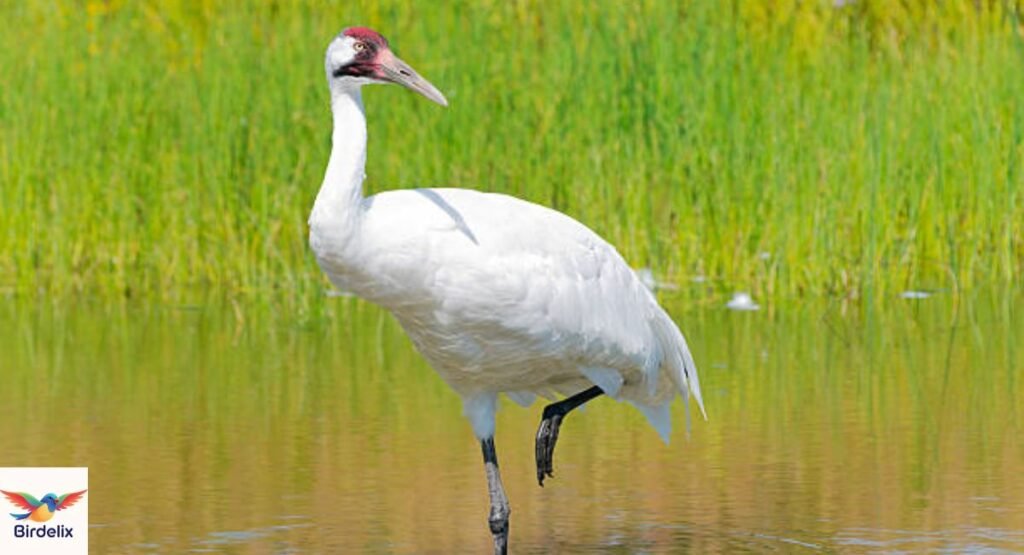
The Whooping Crane is one of the tallest and rarest white birds in the USA. Adults have mostly white bodies, black wing feathers that show strongly in flight, black legs, and a vivid red patch on the face and crown. Their long necks and tall bodies create an unmistakable silhouette.
Whooping Cranes use wetlands, shallow waters, and open grasslands during different parts of their annual cycle. They are also famous for their elaborate courtship displays. Pairs may jump, bow, stretch their wings, and move together in a remarkable dance. Seeing one in the wild is a special experience because the species has a limited population and a carefully managed conservation history.
9. Wood Stork
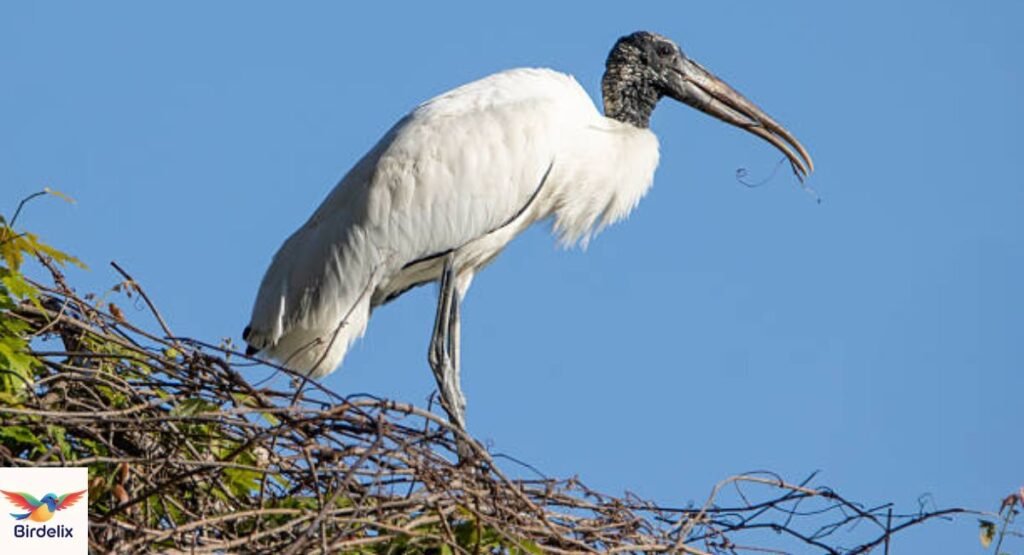
The Wood Stork is a large white bird with black wings. At rest, its body can look almost completely white. Once it takes off, however, its dark flight feathers become obvious. It also has a bare, dark face and a long bill that gives it a distinctive profile.
This species is strongly associated with wetlands in the southeastern United States. It uses marshes, swamps, ponds, and shallow waters where fish and other aquatic prey gather. Wood Storks often feed by moving their bills through shallow water. Their unusual appearance makes them one of the easier large white birds to recognize when you know the wing pattern.
10. White Tern
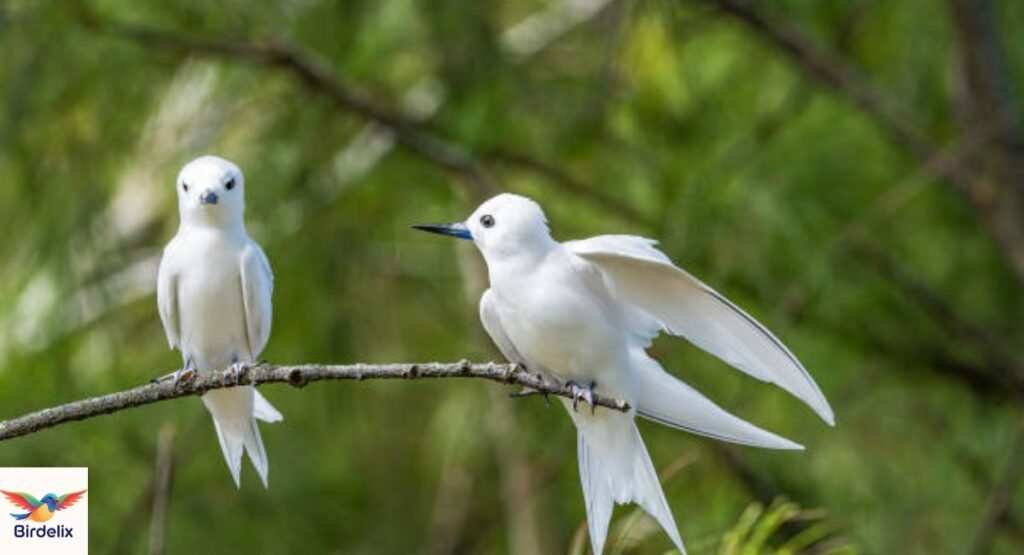
The White Tern is a fascinating small white seabird with a delicate body, dark eyes, and a distinctive dark-tipped bill. It is strongly associated with tropical and subtropical islands, including Hawaii. Unlike many birds, it can lay its single egg directly on a branch without constructing a conventional nest.
This bird spends much of its life around the ocean. It catches small fish and other marine prey and can look almost weightless while flying. Its completely pale body makes its dark eye especially noticeable. If you’re searching for unusual white bird names, the White Tern deserves a place near the top.
11. Great White Egret
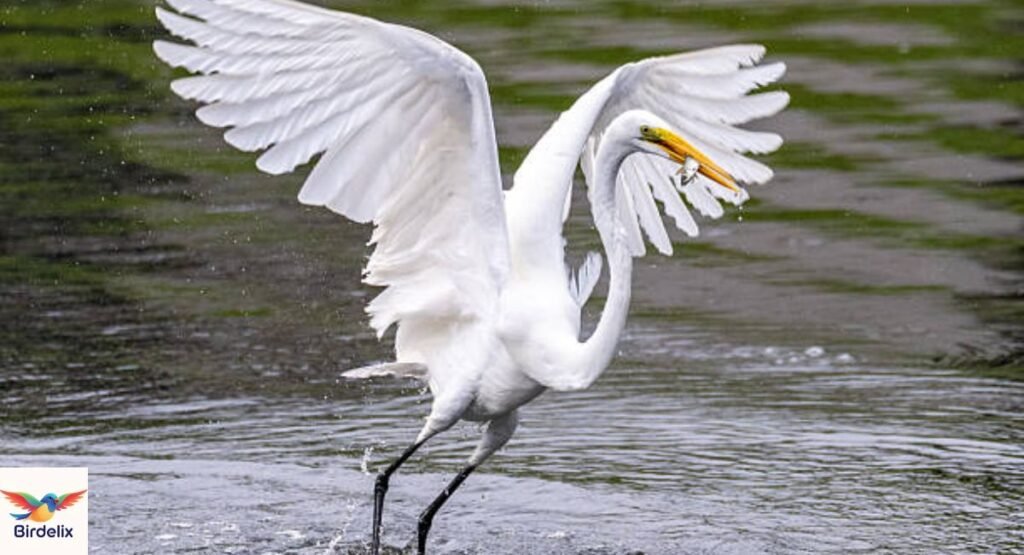
The Great White Egret is a tall, elegant white bird with long legs and a long neck. It has a yellow bill and dark legs, which help separate it from the smaller Snowy Egret. When it stands in shallow water, it often looks almost statue-like.
This egret occurs around wetlands, rivers, lakes, ponds, marshes, and coastal habitats. It hunts by walking slowly or standing still before striking at prey with its long bill. During flight, it holds its long neck in an S-shaped curve. That posture is a useful clue when you’re trying to identify a large white heron from a distance.
12. Snow Bunting
The Snow Bunting is an unusual example of a mostly white land bird. It is smaller than most of the waterbirds on this list and has white plumage mixed with darker wing markings. Its appearance changes with the seasons, making individual birds look different depending on when you see them.
Snow Buntings are closely connected with northern environments, especially Arctic and sub-Arctic areas. They can also appear farther south during winter. Their pale feathers help them blend into snowy surroundings. Unlike egrets and pelicans, they don’t depend on wetlands for their identity, which makes them especially interesting when discussing why completely white land birds are less common.
13. Rock Pigeon
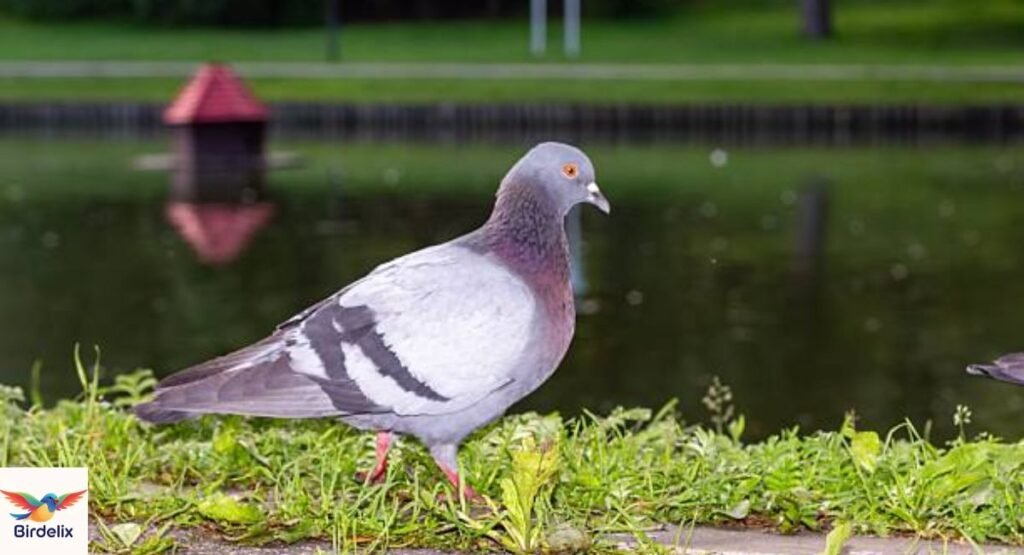
The Rock Pigeon is one of the most familiar white backyard birds in American cities. Wild Rock Pigeons usually have gray bodies with darker heads and wings, but domestic and feral populations show considerable color variation. Some individuals can appear almost entirely white.
You may notice these pigeons around buildings, bridges, parks, sidewalks, rooftops, and other urban spaces. Their strong wings allow them to navigate busy city environments with ease. When identifying a white pigeon, body shape and behavior matter more than color alone because many pigeon color forms can look dramatically different.
14. Mourning Dove
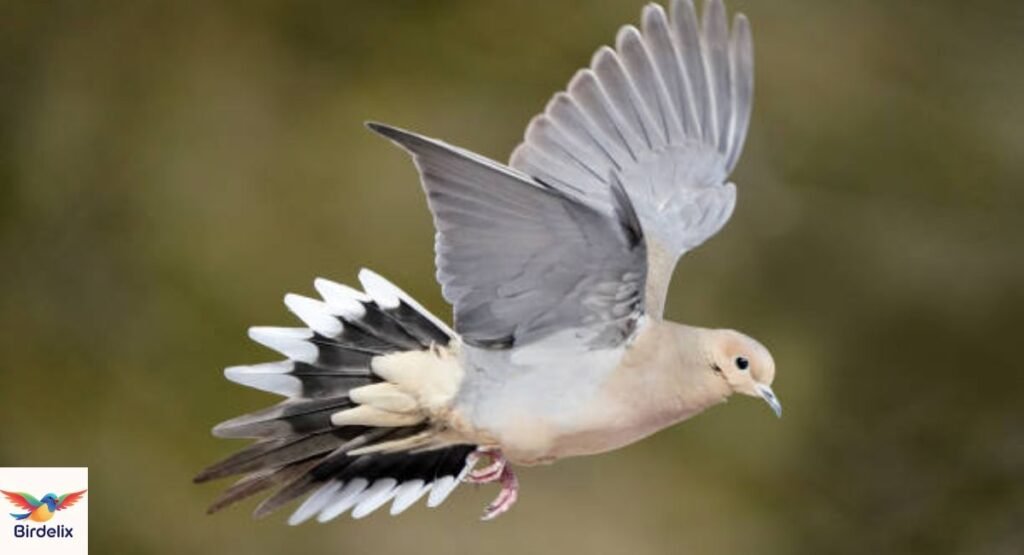
The Mourning Dove isn’t a pure-white species, but its pale body can look surprisingly light under bright conditions. It has soft gray-brown plumage, a slender shape, pointed wings, and a long tail. White edges on the tail become more visible when the bird flies away.
Mourning Doves are common around yards, gardens, farms, fields, and open woodland. Their gentle appearance often makes people mistake them for other pale doves. Their distinctive flight is another useful clue. When startled, they launch quickly with strong wingbeats before settling somewhere nearby.
15. White-winged Dove
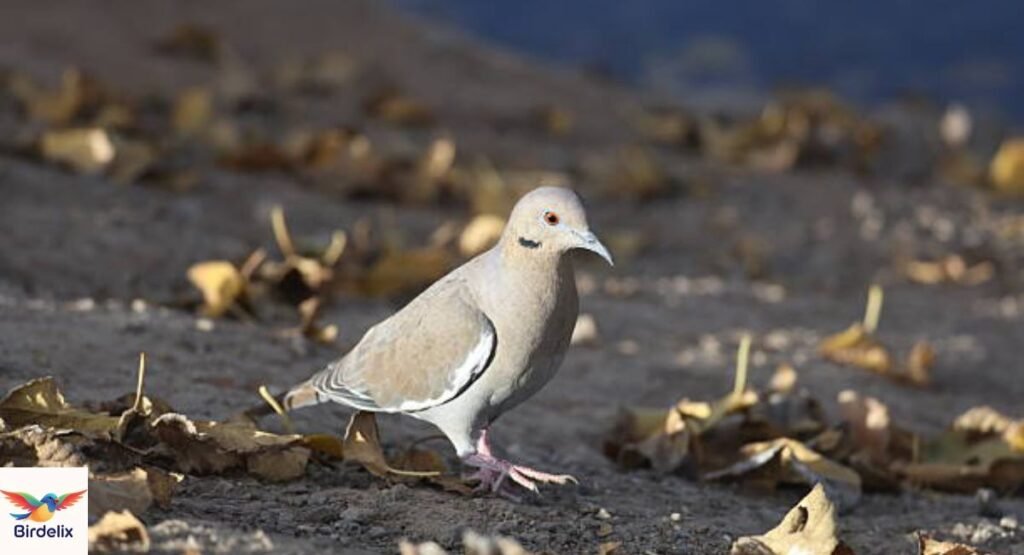
The White-winged Dove is a medium-sized dove with a grayish body and a bold white patch along each wing. Those patches are especially easy to notice when the bird flies. This makes it a useful example of a white bird with black or gray markings rather than a truly all-white species.
These doves often use open woodland, desert edges, suburbs, and other semi-open habitats. They can visit yards and feeding areas where suitable food is available. If you see a pale dove with obvious white wings, focus on the wing patch, tail shape, and overall body color before deciding which species you’ve found.
16. Ring-billed Gull
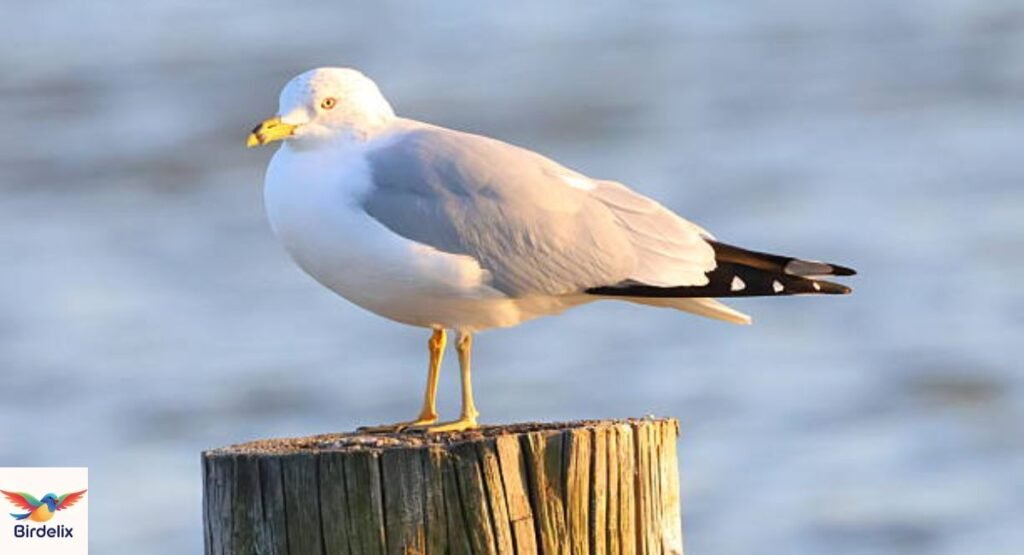
The Ring-billed Gull is a familiar white and gray bird across much of North America. Adults have white heads and bodies with gray wings, while the bill carries a dark ring near its tip. That bill marking gives the species its common name.
You can encounter these gulls around lakes, rivers, beaches, parking lots, reservoirs, and coastal areas. They are highly adaptable and often live close to people. Their broad wings make them easy to recognize in flight, especially when they glide over water or circle above beaches.
17. Tundra Swan
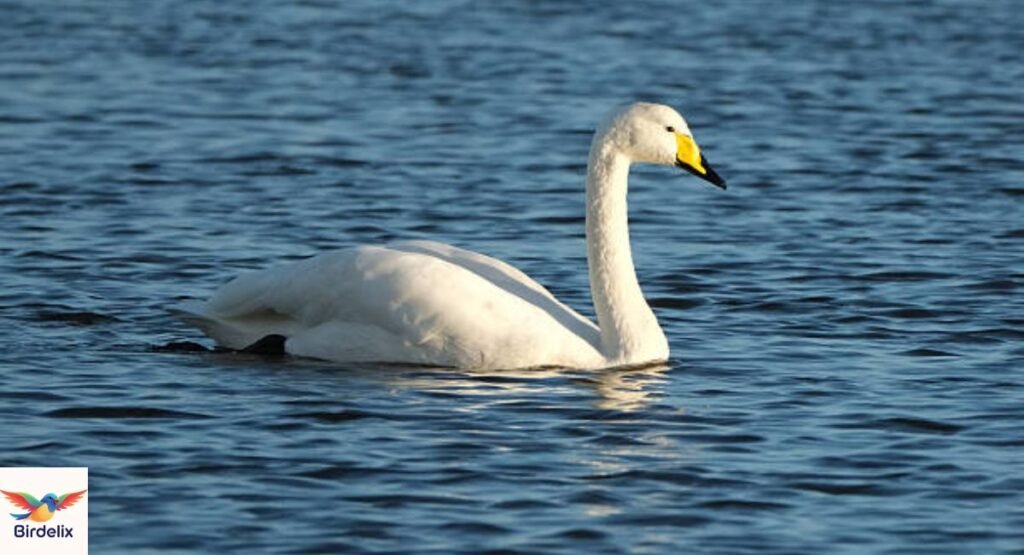
The Tundra Swan is a large white bird with a black beak. Adults have bright white bodies and dark bills, creating a clean contrast. Compared with smaller white waterbirds, its enormous body and long neck immediately stand out.
Tundra Swans migrate through parts of the United States and use lakes, wetlands, rivers, and agricultural areas during different seasons. They often gather in groups, especially where food and open water are plentiful. Their size can make them look similar to Trumpeter Swans, so bill shape and overall body proportions are useful identification clues.
18. Northern Gannet
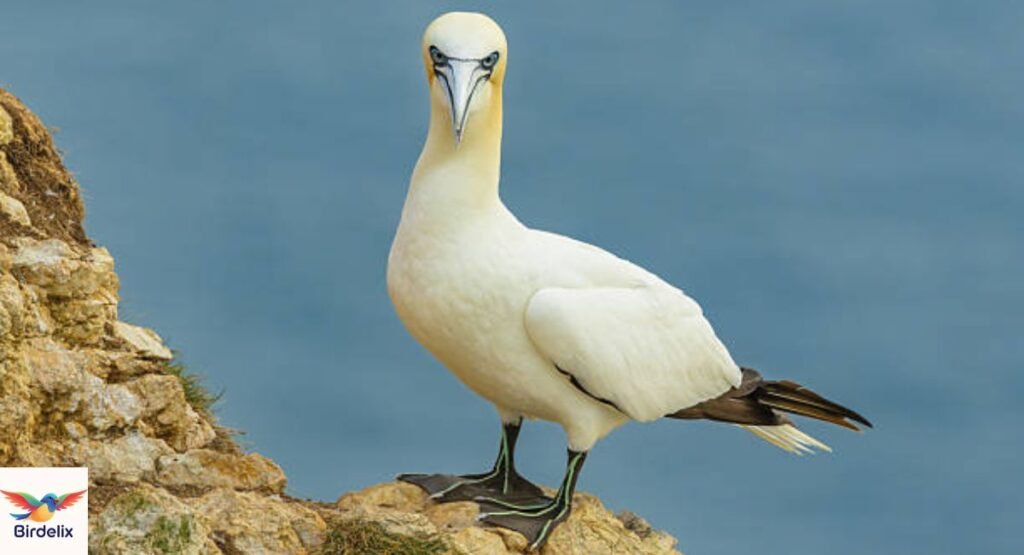
The Northern Gannet is a large white seabird with striking dark wing tips and a distinctive head pattern. It spends most of its life around the ocean and is built for powerful flight. Its long, pointed wings allow it to travel efficiently over marine waters.
One of its most impressive behaviors is plunge diving. A gannet can spot fish from above and dive toward the water with remarkable speed. When viewed from a distance, the combination of a white body, dark wingtips, and long narrow wings makes it quite distinctive among coastal birds.
19. Snow Goose
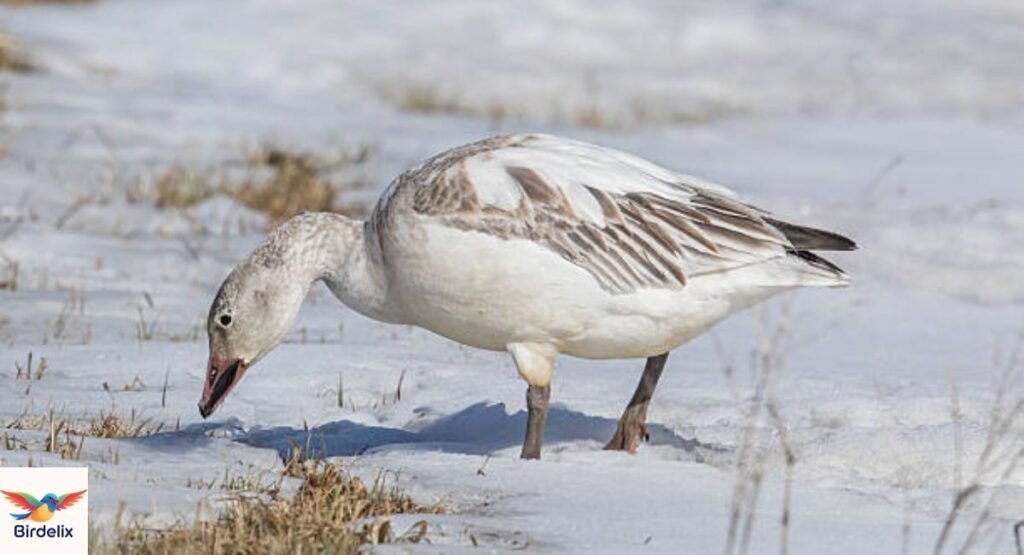
The Snow Goose is a striking white waterfowl species with black wingtips that become especially noticeable when it takes flight. It breeds in the Arctic and migrates through many parts of the United States during winter. You’ll often find it in wetlands, agricultural fields, lakes, and coastal areas. Its loud calls and large flocks make it easier to notice than many other white birds.
The species has two main color forms, with the white morph being the classic snowy appearance most people recognize. Its dark bill and black wing edges also make identification easier from a distance.
20. White-tailed Tropicbird
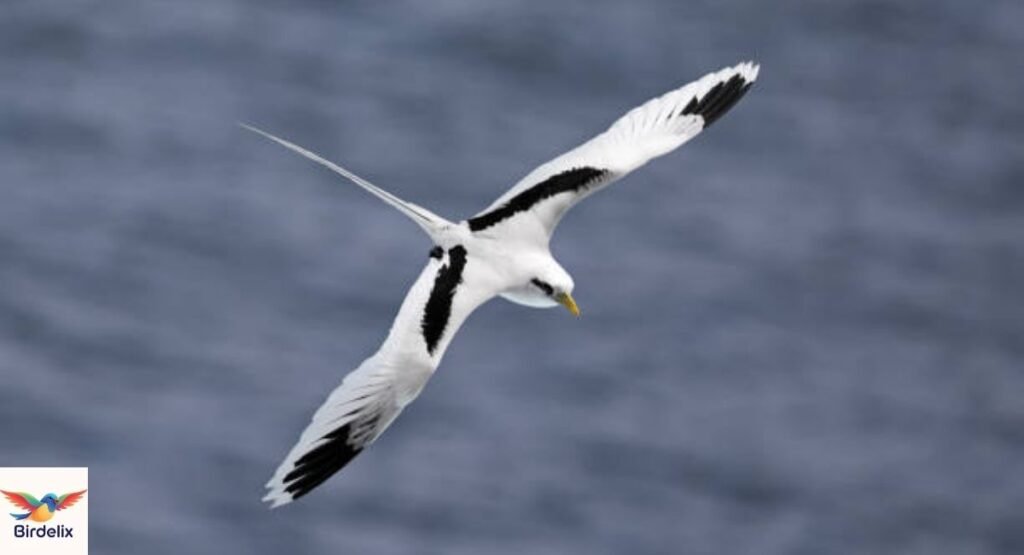
The White-tailed Tropicbird is a striking tropical seabird with mostly white plumage and long tail streamers. Its slim body and elongated tail give it a very different shape from bulky pelicans or swans. When it flies, those tail feathers create a distinctive silhouette.
This bird is associated with tropical and subtropical marine environments. It spends much of its time around islands and coastal waters. Its graceful flight and bright body make it a memorable species for birdwatchers who explore warmer coastal regions.
Small White Birds That Fly
Small white birds that fly can be surprisingly difficult to identify. A pale bird may appear white because of sunlight, distance, or a strong white patch. True small white species include birds such as the Snowy Plover and White Tern, while other small birds may only have mostly white plumage. Size should therefore be your first clue, not your only clue.
When you spot a small pale bird, watch how it moves. A quick beach runner behaves differently from a fluttering backyard bird. Wing shape, tail length, facial markings, and habitat can quickly narrow the possibilities. This approach is much more reliable than judging color alone.
Small White Backyard Birds
Backyards can attract several pale birds, although truly all-white species are uncommon. Doves and pigeons are among the most familiar examples. Some individuals have naturally pale plumage or domestic ancestry that makes them appear almost white.
Look closely at the bird’s body shape before naming it. A compact pigeon has a different profile from a slender dove. Tail shape also helps. If the bird takes off, watch the wings because white patches may become obvious only during flight.
Tiny White Birds Seen Near Homes
Tiny birds that look white around homes may not actually be white species. Bright sunlight can wash out gray feathers and make pale birds look much lighter. Distance can create the same illusion, especially against dark trees.
A good identification habit is to observe the bird for several seconds. Notice its size, flight style, tail, bill, and surroundings. If it lands, look again before making a final identification. One feature can mislead you, but several matching features usually tell a clearer story.
Small White Birds With Black Markings
Some of the easiest small pale birds to identify have strong black markings. The Snowy Plover is a useful example because its pale body contrasts with darker facial areas. The Snow Bunting also combines extensive white plumage with darker wing markings.
These contrasts act almost like a fingerprint. When you see a small white bird, check the face first. Then look at the wings and tail. A small white bird with black markings can become much easier to identify once you notice where the dark areas sit.
Large White Birds That Fly
Large white birds that fly are often easier to notice than small species. Their size creates a strong silhouette, especially when they soar over lakes or wetlands. Pelicans, swans, cranes, egrets, and large seabirds all show different flight styles.
The key is to study movement. Some species flap slowly and steadily. Others glide for long periods. A crane holds its neck differently from a swan, while an egret folds its neck during flight. These small details can solve an identification puzzle from surprisingly far away.
Large White Birds With Long Wings
American White Pelicans have exceptionally broad wings, while Northern Gannets have long, narrow wings designed for marine flight. Gulls also have broad wings that help them glide efficiently. Wing shape can therefore separate several large white species that otherwise seem similar.
Pay attention to the rhythm of flight. A bird that glides for long stretches may be using rising air to conserve energy. A bird with frequent, steady wingbeats may depend more heavily on powered flight. These patterns can tell you more than color alone.
Large White Birds Soaring Over Water
A white bird soaring above water may be a pelican, gull, stork, crane, or another large species. The American White Pelican is especially impressive because it can use rising air to travel long distances with minimal flapping.
The easiest way to narrow the choice is to combine wingspan with body shape. A massive bird with broad wings suggests a pelican. A tall bird with a long neck suggests a crane or swan. A smaller bird with pointed wings may be a gull or seabird.
Big White Birds With Long Necks
Swans, cranes, and egrets all have long necks, but their flight postures differ. Swans usually stretch the neck forward. Cranes also fly with the neck extended. Egrets and herons, however, fold the neck into an S-shaped curve.
That single detail can save you a lot of guessing. If you see a large white bird crossing the sky, watch the neck before focusing on color. Body size and neck posture together provide a much stronger identification clue.
White Birds With Black Wings or Markings
White and black plumage creates some of the most memorable bird patterns. The contrast can make a species easy to recognize even when you’re viewing it from far away. Some birds have black wingtips, while others have dark faces, tails, or entire sections of their wings.
This pattern is especially useful when a bird is flying. A white body may blend into bright clouds, but black wing feathers can stand out immediately. That is why learning white bird identification often begins with looking beyond the obvious white color.
White Birds With Black Wing Tips
Several large white birds show dark wing feathers when they fly. The American White Pelican is a classic example. Its body appears white on the ground, but black flight feathers become visible as soon as the wings spread.
The Wood Stork provides another strong example. Its white body contrasts with black flight feathers, creating a sharp pattern in the sky. These wing markings can help you distinguish species that look nearly identical while standing.
White and Black Birds
Some white and black birds have nearly equal amounts of light and dark plumage. Others are mostly white with just a few dark sections. The exact location of the darker feathers matters.
When identifying one, check whether the black is on the wing, head, tail, face, or back. Also note the bird’s size. A black-and-white gull can have a completely different body shape from a crane with black wingtips.
White Birds With Black Heads or Facial Markings
Facial markings can be extremely helpful because they remain visible when a bird is perched. Dark eyes, black facial patches, and contrasting bills can make a pale bird much easier to recognize.
For the Snowy Plover, for example, the dark markings around its face contrast with its pale body. Similar contrasts appear in other shorebirds. If you’re trying to identify a white bird from a photograph, zooming in on the head can reveal more useful information than looking at the whole body.
White Birds With Different Beak Colors
A bird’s bill is one of the strongest clues for identification. Two birds may both have white bodies, but their bills can differ in color, length, thickness, and shape. Those differences often point directly toward the correct species.
For example, the Snowy Egret has a black bill and yellow feet, while the American White Pelican has a huge yellow-orange bill. This is why bill details should always be included when describing white bird types.
White Birds With Yellow Beaks
Yellow bills occur in several white waterbirds. The American White Pelican has a massive yellow-orange bill, while the Great White Egret has a long yellow bill. The bill shapes are very different, which makes identification easier.
A large, broad bill suggests a pelican. A long, narrow bill points more toward an egret. Always consider shape and color together because color alone can overlap between species.
White Birds With Orange or Pink Beaks
Pink and orange tones can appear on several waterbirds, especially around the face or bill. The White Ibis is a useful example because adults have pinkish facial skin and legs. These warm colors contrast strongly with its white feathers.
Breeding season can make some birds even more colorful. Hormonal changes may intensify certain soft red, pink, yellow, or orange areas. So, if two photographs of the same species look slightly different, season may explain the difference.
White Birds With Black Beaks
Black bills are especially noticeable against white feathers. The Snowy Egret has a black bill, while swans such as the Trumpeter Swan and Tundra Swan also have dark bills.
Bill shape separates these species quickly. A thin, pointed bill suggests an egret or other wading bird. A broad, heavy bill points toward a swan. When you combine bill shape with body size, identification becomes much easier.
White Birds by Habitat
Habitat is one of the most useful tools for identifying white birds in the USA. A white bird standing in a marsh probably belongs to a different group than a white bird soaring over the ocean. The surroundings provide an important piece of the puzzle.
Think of habitat as a shortcut. Waterbirds often have long legs, specialized bills, or broad wings. Coastal birds often have streamlined bodies and strong flight. Arctic species show different adaptations again. Knowing where the bird lives can eliminate many incorrect possibilities immediately.
White Birds Near Lakes and Ponds
Lakes and ponds can attract swans, pelicans, egrets, ibises, gulls, and other pale birds. Shallow edges are especially productive because they provide feeding opportunities.
Watch the shoreline carefully. Egrets often walk through shallow water. Pelicans may float farther offshore. Swans may graze near the water’s edge. These behaviors can help you distinguish species even before you see detailed markings.
White Birds Near the Ocean
Coastal areas support many white seabirds and wading birds. Gulls, terns, gannets, pelicans, and egrets may all occur around marine habitats. Some stay close to shore, while others spend most of their time over open water.
Flight style becomes particularly useful here. Gannets dive from the air. Gulls glide and circle. Pelicans often soar in broad groups. Terns usually look lighter and more agile. These behaviors can be as useful as plumage.
White Birds on Beaches
Beaches attract several pale shorebirds because sandy areas provide feeding and nesting habitat. Snowy Plovers are a good example. Their pale plumage can blend beautifully with sand, which makes them easy to overlook.
If you’re scanning a beach, avoid focusing only on birds flying overhead. Look along the ground too. Small shorebirds may run quickly between waves or pause near seaweed, shells, and small pools.
White Birds in Wetlands and Marshes
Wetlands are excellent places to look for white wading birds. Snowy Egrets, Great Egrets, White Ibises, Wood Storks, and cranes may use these habitats.
Shallow water is particularly important because many of these species feed there. Marsh vegetation also provides nesting and shelter. If you see several tall white birds together in a wetland, check leg length and bill shape before identifying them.
White Birds in Fields and Grasslands
Not every white bird depends on water. Cattle Egrets often forage in dry fields, especially around grazing animals. Snow Buntings may use open fields during colder months.
Fields can also attract pale birds because insects and seeds are easier to find in open areas. Look for feeding behavior rather than assuming a white bird must be near water.
White Birds in Arctic Regions
Arctic habitats are home to some of the most striking white birds. Snowy Owls and Snow Buntings are adapted to northern environments where snow and ice dominate the landscape.
White plumage can provide camouflage in these conditions. However, these birds aren’t simply “white because it snows.” Their coloration is the result of complex evolutionary and genetic traits shaped by their natural environments.
White Birds Commonly Seen in Florida
Florida is an excellent state for spotting white birds because it contains beaches, marshes, wetlands, freshwater lakes, and coastal habitats. Egrets, ibises, pelicans, storks, gulls, and other pale birds can occur across different parts of the state.
Wetlands are especially productive. If you’re birdwatching in Florida, look around shallow water and marsh edges first. The combination of warm climate and abundant aquatic habitat creates excellent conditions for many white wading birds.
White Birds in Flight
Flying birds can look completely different from perched birds. Wings open, hidden markings become visible, and body shape changes dramatically. A bird that looks entirely white on the ground may suddenly reveal black flight feathers in the sky.
This is why white birds in flight should be identified by movement and structure. Watch the wings, tail, neck, and flight rhythm. Even a few seconds of observation can reveal more than a quick glance.
White Birds Flying Over Water
White birds flying over water may include pelicans, gulls, terns, egrets, swans, and storks. Bright sunlight can make them look even whiter, especially when viewed from below.
Look at the wings first. Broad wings suggest a pelican or large soaring bird. Narrower pointed wings may indicate a seabird. Also watch whether the bird flaps continuously or glides between wingbeats.
White Birds Soaring in the Sky
Large white birds can use thermals and rising air to gain height without constant flapping. American White Pelicans are especially skilled soarers and may travel in large groups.
If you see a large white flock circling high above a lake, don’t assume it’s made up of gulls. Check the wing shape and size. Very broad wings and slow, steady movement can point toward pelicans.
How to Identify a White Bird While Flying
Start with size. Then examine wingspan, wing shape, neck position, tail length, and dark markings. After that, consider the habitat where you saw the bird.
For example, a huge white bird with broad wings over a lake may be an American White Pelican. A tall white bird with an extended neck may be a crane or swan. A white bird with black wing tips and a long narrow profile could point toward a seabird such as a Northern Gannet.
White Waterbirds and Seabirds
Many of the most recognizable white birds in North America live around water. Their long legs, broad wings, specialized bills, and strong swimming or fishing abilities reflect their aquatic lifestyles.
Some feed in shallow marshes. Others dive into the sea. Still others soar over lakes or coastlines. This variety explains why white plumage appears so frequently among water-associated birds.
White Wading Birds
Wading birds usually have long legs that allow them to move through shallow water. Egrets, ibises, and storks are excellent examples.
Their bills are equally important. Egrets have long pointed bills for striking prey. Ibises use curved bills to probe soil and mud. Storks have strong bills suited to catching aquatic prey. These differences reveal how each bird has adapted to its habitat.
White Shorebirds
Shorebirds live around beaches, mudflats, tidal areas, and shallow coastal waters. Snowy Plovers are among the smaller pale species associated with sandy habitats.
Their compact bodies and rapid movements distinguish them from larger wading birds. Shorebirds also tend to stay close to the ground when feeding, while egrets and cranes usually appear taller and more upright.
White Gulls and Coastal Birds
Gulls are among the most familiar white coastal birds in the USA. Ring-billed Gulls have white bodies, gray wings, and their characteristic bill markings.
Other coastal birds, such as terns and gannets, have different body shapes and flight patterns. If you see a white bird over the ocean, don’t immediately call it a gull. Narrow wings, long tails, diving behavior, or unusual flight can suggest another species.
White Birds That Fish
Pelicans, terns, gannets, and several other birds specialize in catching aquatic prey. Their feeding methods vary greatly.
American White Pelicans usually feed from the water’s surface rather than plunge-diving. Northern Gannets can plunge into the sea after fish. Terns often make agile movements over water before catching prey. These feeding styles provide excellent identification clues.
Most Common White Birds in the USA
The most familiar white birds in the USA vary by region. Coastal areas may produce many gulls, egrets, terns, and pelicans. Wetlands can be excellent for ibises, storks, cranes, and egrets. Northern areas may offer Snowy Owls, Snow Buntings, and migrating swans.
The Snowy Egret is a particularly recognizable example. It is widespread in the United States and is associated with beaches, wetlands, lakes, rivers, and wet agricultural areas. American White Pelicans are also highly visible around suitable large bodies of water, particularly during migration and seasonal movements.
Rare and Unusual White Birds
Some white birds are unusual because their species are rare. Others are unusual because an individual has unexpected plumage. These two situations shouldn’t be confused.
A rare species has a naturally limited population or distribution. An unusual white individual may simply have a pigmentation difference. Understanding that distinction helps prevent mistaken identifications.
Rare White Birds to Look For
The Whooping Crane is one of the most notable rare white birds in North America. Its tall body, red facial patch, black wing feathers, and white plumage make it unmistakable once you know its features.
Rare sightings can also occur when birds move outside their normal range. Weather, food availability, migration, and seasonal conditions can all influence where birds appear. A birdwatcher who pays attention to unusual locations may occasionally find something unexpected.
Unusual White Plumage in Wild Birds
Sometimes a bird that is normally dark or patterned appears unusually white. This may happen because of leucism, albinism, or other pigment-related variation.
A leucistic bird can have patches of white feathers while maintaining normally colored eyes. An albino bird has a much broader loss of pigment. These conditions can make identification challenging because the bird may no longer resemble typical photographs of its species.
Why Completely White Land Birds Are Uncommon
Completely white land birds are less common than many white waterbirds. One reason is that many naturally white species are strongly associated with aquatic or snowy habitats. In other environments, highly conspicuous plumage may provide fewer advantages.
The supplied U.S. white-bird source similarly notes that all-white land and songbirds are rare, while white water and sea birds are more numerous. That makes species such as Snow Buntings especially interesting because they show that white land birds certainly do exist.
How to Identify White Birds
Good white bird identification starts with more than color. White feathers are common across several unrelated bird groups, so you need additional clues.
Think like a detective. First determine the bird’s size. Then check its bill, legs, wings, tail, habitat, and behavior. Finally, consider whether the bird is naturally white or simply an unusually pale individual.
Size and Body Shape
Size is often the quickest way to narrow down a bird. A tiny beach bird is unlikely to be a pelican. A massive white bird with a huge bill is unlikely to be a dove.
Body shape adds another layer. Egrets are tall and narrow. Pelicans are massive and broad. Swans have long necks and heavy bodies. Gulls have streamlined bodies and broad wings.
Beak and Leg Color
Bill and leg colors are excellent clues. Snowy Egrets have black bills, black legs, and yellow feet. American White Pelicans have enormous yellow-orange bills. Swans have dark bills.
Don’t overlook the feet. They can sometimes be easier to see than the bill, especially in shallow water. A white bird with bright yellow feet may be pointing you toward an egret rather than a swan or gull.
Wing and Tail Patterns
Wing patterns become especially useful when the bird flies. Black wingtips can distinguish an otherwise white bird from another pale species.
Tail feathers can help too. Some birds have long streamers, while others have short square tails. If you’re taking photographs, capture the bird from several angles when possible. One image may reveal the body while another shows the wings.
Habitat and Behavior
Ask where the bird is standing. Is it in a marsh, field, beach, city, lake, or Arctic landscape?
Then ask what it’s doing. A bird walking behind cattle is behaving very differently from a bird plunge-diving into the ocean. The Cattle Egret’s field-following behavior is a particularly strong example of how behavior can identify a species.
Flight Pattern and Movement
Flight style can solve difficult identifications. Swans and cranes stretch their long necks forward. Egrets and herons fold their necks. Pelicans use broad wings and often soar. Gulls glide with flexible wingbeats.
The more you observe, the easier this becomes. Eventually, you’ll recognize a bird’s silhouette almost like recognizing a friend’s face from across a room.
White Birds by Size
| Size | White Bird Examples | Main Habitat |
| Tiny | Snow Bunting, small doves | Fields, gardens |
| Small | Snowy Plover, White Tern | Beaches, coasts |
| Medium | Snowy Egret, White Ibis | Wetlands |
| Large | Great White Egret, Trumpeter Swan | Lakes, marshes |
| Very Large | American White Pelican, Whooping Crane | Waterways, wetlands |
Size provides a useful first filter when identifying white bird types, but it shouldn’t be your final answer. Birds can look larger or smaller depending on distance, posture, camera angle, and surrounding objects.
For example, a Great White Egret may look enormous beside a small shorebird but much smaller beside a pelican. The best approach is to combine size with bill shape, neck length, wing pattern, and habitat. That combination gives you a far more reliable identification.
Conclusion
The world of white birds is far more varied than it first appears. Some are tiny shorebirds, while others are enormous pelicans, swans, and cranes. You can find them around lakes, beaches, wetlands, fields, backyards, and even Arctic landscapes. Their white feathers may be their most obvious feature, but they’re rarely the best identification clue alone.
When you spot a white bird, look beyond its color. Check its size, bill, legs, wings, tail, habitat, and flight style. These details can turn a quick sighting into a confident identification. Whether you discover a Snowy Egret near a marsh or a huge pelican soaring overhead, every sighting offers a closer look at the remarkable variety of birds around the USA.
FAQs
What is the most common white bird in the USA?
There isn’t one single most common white bird across every part of the country. Snowy Egrets, gulls, pigeons, doves, and other pale species are familiar in different regions.
What are some small white birds that fly?
Snowy Plovers and White Terns are good examples of small or relatively small white birds. Some pigeons and doves can also appear mostly white because of natural plumage variation.
What white birds are commonly seen in backyards?
Rock Pigeons, Mourning Doves, and White-winged Doves can occur around homes depending on your location. Some individual pigeons may appear almost completely white.
What white bird has black wing tips?
Several white birds show dark wing feathers. American White Pelicans and Wood Storks are strong examples, while Northern Gannets also have striking dark wingtips.
Are all white birds albino?
No. Many white birds are naturally white as part of their normal species coloration. Albinism and leucism are pigmentation conditions and are different from naturally white plumage.

Welcome to Birdelix! I’m Anam Sattar, an AI-powered SEO Specialist and Content Writer with over 5 years of experience in creating high-quality, search-optimized content. I help businesses improve their search engine rankings, increase organic traffic, and build beautiful, user-friendly websites. My mission is to make SEO, content creation, and web design simple, effective, and accessible for everyone. Let’s grow your online presence and achieve success together!