

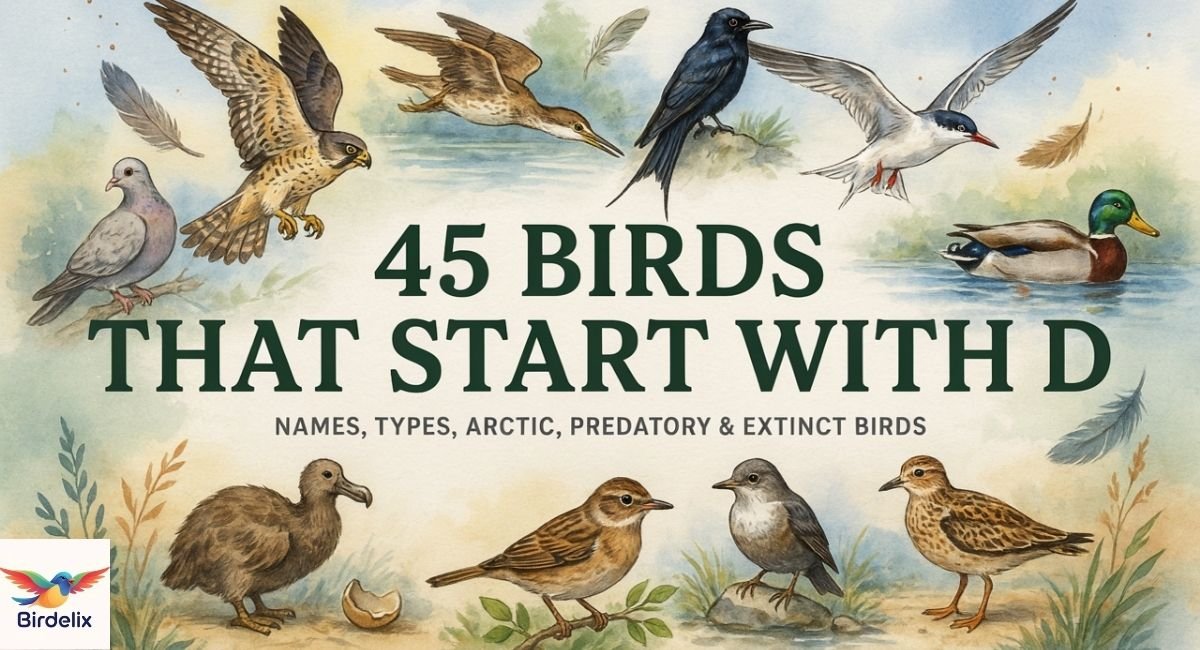
From peaceful Doves to clever Drongos and powerful birds of prey, Birds That Start With D include some of the most fascinating species on Earth. These birds live in forests, wetlands, grasslands, deserts, mountains, and even the frozen Arctic, showing incredible diversity in size, color, and behavior. Some are expert swimmers, while others are skilled hunters or talented singers. In this complete guide, you’ll discover 45 remarkable birds that begin with the letter D, along with their scientific names, habitats, diets, and unique characteristics.
Whether you’re a beginner, birdwatcher, student, or wildlife enthusiast, this article will help you identify bird names that start with D, explore types of birds that start with D, and learn amazing facts about these bird species from around the world.
What Are Birds That Start With D?
Birds That Start With D include hundreds of species from different bird families across the world. Some are colorful forest dwellers while others live near rivers, coastlines, deserts, or snowy Arctic regions. Well-known examples include the Dove, Duck, Drongo, and Darter. Each species has its own appearance, feeding habits, and survival skills that make it unique.
From graceful waterbirds to clever songbirds, these birds play an important role in nature by spreading seeds, controlling insects, pollinating flowers, and maintaining healthy ecosystems. Some species migrate thousands of miles each year while others spend their entire lives in one habitat. Learning about bird species starting with D helps you understand their behavior, recognize them more easily in the wild, and appreciate the incredible diversity of the bird world.
Complete List of 45 Birds That Start With D
| No. | Bird Name | Scientific Name | Bird Type | Habitat | Diet | Native Region |
| 1 | Dove | Columbidae | Songbird | Forests, Cities, Woodlands | Seeds, Fruits | Worldwide |
| 2 | Duck | Anatidae | Water Bird | Lakes, Rivers, Wetlands | Plants, Insects, Fish | Worldwide |
| 3 | Drongo | Dicruridae | Songbird | Forests, Savannas | Insects | Africa, Asia, Australia |
| 4 | Darter | Anhingidae | Water Bird | Rivers, Lakes, Marshes | Fish | Tropical Regions |
| 5 | Dunnock | Prunella modularis | Songbird | Gardens, Hedges, Woodlands | Seeds, Insects | Europe, Asia |
| 6 | Dipper | Cinclidae | Songbird | Streams, Rivers | Aquatic Insects, Fish | Europe, Asia, Americas |
| 7 | Dickcissel | Spiza americana | Songbird | Grasslands, Prairies | Seeds, Insects | North America |
| 8 | Dowitcher | Limnodromus spp. | Shorebird | Mudflats, Wetlands | Worms, Insects | North America |
| 9 | Dunlin | Calidris alpina | Shorebird | Arctic Tundra, Coastlines | Insects, Crustaceans | Arctic Regions |
| 10 | Diamond Dove | Geopelia cuneata | Dove | Grasslands, Shrublands | Seeds | Australia |
| 11 | Dollarbird | Eurystomus orientalis | Roller | Open Forests | Insects | Asia, Australia |
| 12 | Desert Cardinal | Cardinalis sinuatus | Songbird | Deserts, Scrublands | Seeds, Insects | USA, Mexico |
| 13 | Double-crested Cormorant | Nannopterum auritum | Water Bird | Lakes, Coasts | Fish | North America |
| 14 | Divine Starling | Cinnyricinclus sharpii | Songbird | Tropical Forests | Fruits, Insects | Central Africa |
| 15 | Dusky Flycatcher | Empidonax oberholseri | Flycatcher | Woodlands, Mountains | Insects | North America |
| 16 | Downy Woodpecker | Dryobates pubescens | Woodpecker | Forests, Parks | Insects, Seeds | North America |
| 17 | Dark-eyed Junco | Junco hyemalis | Songbird | Forests, Backyards | Seeds, Insects | North America |
| 18 | Demoiselle Crane | Anthropoides virgo | Wading Bird | Grasslands, Wetlands | Seeds, Insects | Europe, Asia |
| 19 | Dracula Parrot | Psittrichas fulgidus | Parrot | Rainforests | Fruits, Figs | Papua New Guinea |
| 20 | Dwarf Kingfisher | Ceyx erithaca | Kingfisher | Tropical Forests | Insects, Small Fish | Southeast Asia |
| 21 | Dovekie | Alle alle | Seabird | Arctic Oceans | Crustaceans | Arctic |
| 22 | Dark Chanting Goshawk | Melierax metabates | Bird of Prey | Savannas | Small Mammals, Birds | Africa |
| 23 | Double-toothed Kite | Harpagus bidentatus | Bird of Prey | Tropical Forests | Lizards, Insects | Central & South America |
| 24 | Dwarf Sparrowhawk | Accipiter minullus | Bird of Prey | Woodlands | Small Birds | Africa |
| 25 | Dark-bellied Brent Goose | Branta bernicla bernicla | Waterfowl | Arctic Coastlines | Grasses, Seaweed | Arctic, Europe |
| 26 | Dalmatian Pelican | Pelecanus crispus | Water Bird | Lakes, Marshes | Fish | Europe, Asia |
| 27 | Damara Tern | Sternula balaenarum | Seabird | Coastal Beaches | Small Fish | Southern Africa |
| 28 | Darwin’s Finch | Geospizinae | Finch | Islands, Shrublands | Seeds, Insects | Galápagos Islands |
| 29 | David’s Fulvetta | Fulvetta davidi | Songbird | Mountain Forests | Insects | China |
| 30 | Derbyan Parakeet | Psittacula derbiana | Parrot | Forests | Seeds, Fruits | China, Tibet |
| 31 | Desert Finch | Rhodospiza obsoleta | Finch | Deserts | Seeds | Middle East, Asia |
| 32 | Desert Sparrow | Passer simplex | Sparrow | Sandy Deserts | Seeds, Insects | North Africa |
| 33 | Desert Warbler | Curruca nana | Warbler | Desert Shrubs | Insects | North Africa, Asia |
| 34 | Diademed Plover | Phegornis mitchellii | Shorebird | High Andes Wetlands | Insects | South America |
| 35 | Dimorphic Egret | Egretta dimorpha | Wading Bird | Coastal Wetlands | Fish | Madagascar |
| 36 | Djibouti Francolin | Pternistis ochropectus | Game Bird | Mountain Forests | Seeds, Insects | Djibouti |
| 37 | Dominican Gull | Larus dominicanus | Seabird | Coastlines | Fish, Carrion | Southern Hemisphere |
| 38 | Dot-winged Antwren | Microrhopias quixensis | Songbird | Rainforests | Insects | South America |
| 39 | Double-banded Courser | Smutsornis africanus | Ground Bird | Dry Grasslands | Insects | Africa |
| 40 | Double-banded Sandgrouse | Pterocles bicinctus | Game Bird | Dry Plains | Seeds | Africa |
| 41 | Double-collared Seedeater | Sporophila caerulescens | Finch | Grasslands | Seeds | South America |
| 42 | Downy Emerald | Chlorostilbon swainsonii | Hummingbird | Tropical Forests | Nectar, Insects | Central America |
| 43 | Dusky Antbird | Cercomacroides tyrannina | Songbird | Rainforests | Insects | Central & South America |
| 44 | Dusky Grouse | Dendragapus obscurus | Game Bird | Mountain Forests | Buds, Berries | North America |
| 45 | Dusky Warbler | Phylloscopus fuscatus | Warbler | Woodlands | Insects | Asia |
Most Popular Birds That Start With D (Detailed Guide)
1. Dove
Scientific Name: Columbidae
Family: Columbidae
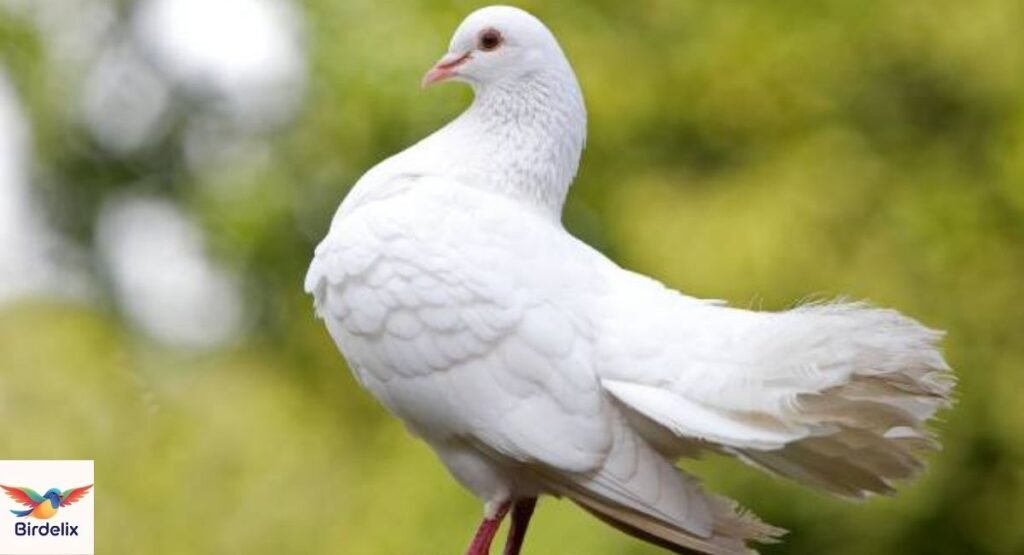
The Dove is one of the most recognized Birds That Start With D because of its gentle appearance and peaceful nature. This beautiful bird has a compact body, a small head, soft grey, white, or brown feathers, and a pleasant cooing call. Doves live in forests, parks, gardens, farmland, and cities across almost every continent except Antarctica. They mainly feed on seeds, grains, berries, and small fruits while occasionally eating tiny insects. Most species measure between 9 and 15 inches long and build simple nests in trees or shrubs. An interesting fact is that many Dove species form lifelong pairs and work together to raise their young, making them a universal symbol of peace and love.
2. Duck
Scientific Name: Anatidae
Family: Anatidae
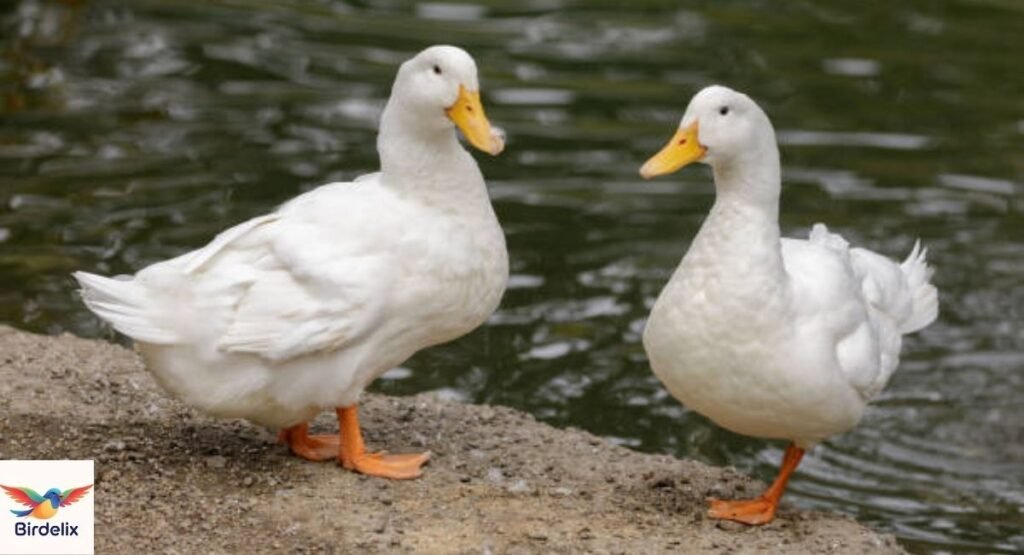
The Duck is among the most familiar Birds That Start With D, known for its broad body, webbed feet, and flat bill. Ducks are excellent swimmers that live in lakes, ponds, rivers, marshes, wetlands, and coastal areas around the world. Their diet includes aquatic plants, insects, snails, worms, small fish, and seeds depending on the species and season. Adult Ducks range from 14 to 26 inches in length and display colorful plumage during the breeding season. One fascinating fact is that Ducks have waterproof feathers coated with natural oils, allowing them to float effortlessly and stay warm even in cold water.
3. Drongo
Scientific Name: Dicruridae
Family: Dicruridae
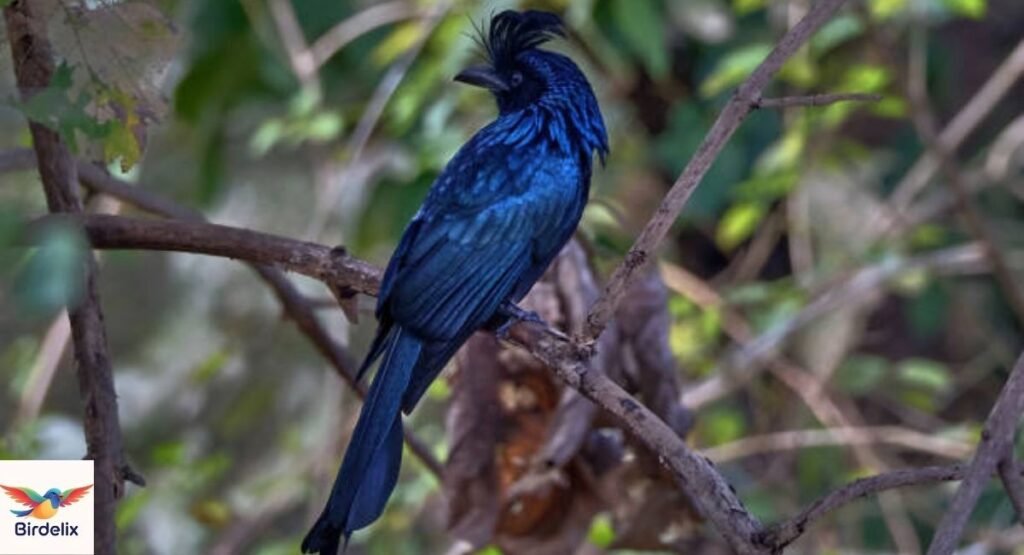
The Drongo is one of the smartest Birds That Start With D, admired for its glossy black feathers and deeply forked tail. This agile bird lives in forests, savannas, open woodlands, and farmland across Africa, Asia, and Australia. Drongos mostly feed on flying insects, although they also eat small reptiles, nectar, and fruits when food is limited. Adults usually grow between 10 and 15 inches long and are fearless despite their moderate size. A remarkable fact is that Drongos can imitate the calls of many birds and mammals, often using these sounds to distract animals and steal food.
4. Darter
Scientific Name: Anhingidae
Family: Anhingidae
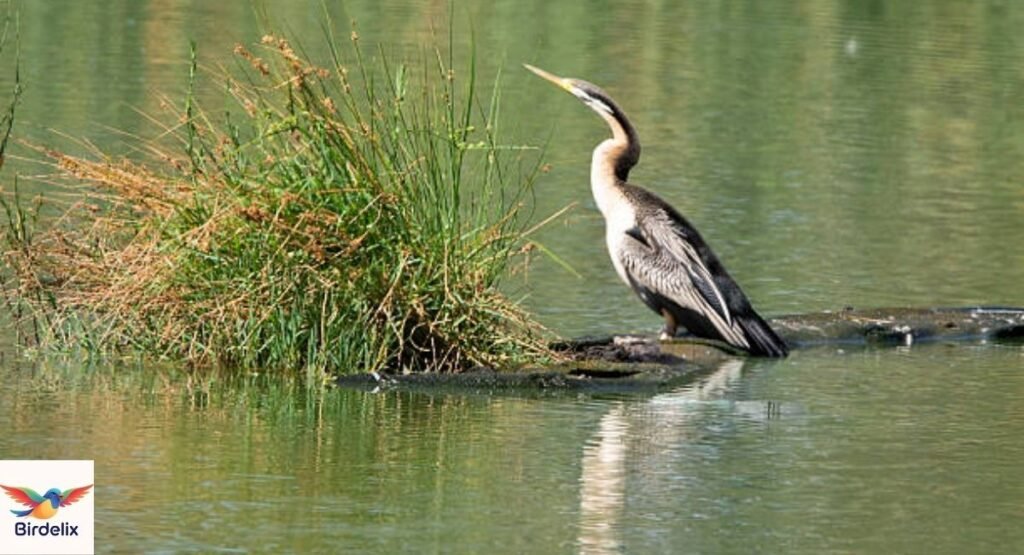
The Darter is a unique member of the Birds That Start With D family because of its long neck and spear-like bill. While swimming, only its neck remains above the water, giving it the nickname “snake bird.” Darters inhabit rivers, lakes, marshes, swamps, and freshwater wetlands throughout tropical and subtropical regions. Their diet mainly consists of fish, frogs, and aquatic insects, which they catch with lightning-fast strikes. Adult Darters grow between 30 and 38 inches long with broad wings designed for soaring. An amazing fact is that their feathers absorb water, helping them dive deeper before they spread their wings to dry in the sun.
5. Dunnock
Scientific Name: Prunella modularis
Family: Prunellidae
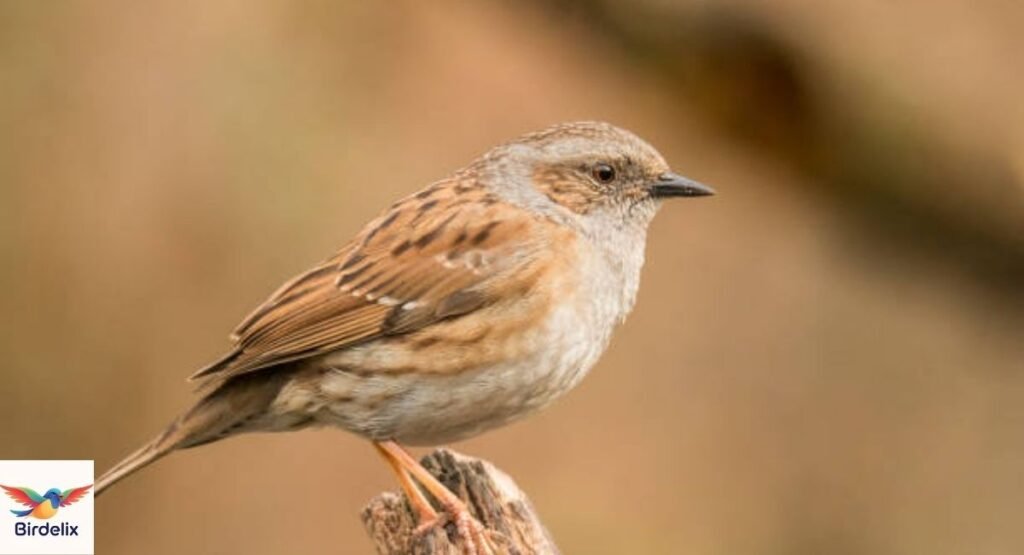
The Dunnock is a charming little bird that deserves a place among the most interesting Birds That Start With D. It has soft brown feathers, a grey face, fine pointed bill, and a slim body that often resembles a sparrow. Dunnocks are commonly found in gardens, hedgerows, parks, forests, and woodland edges throughout Europe and western Asia. They feed on insects, spiders, worms, seeds, and berries throughout the year. Most adults measure about 5.5 inches in length and spend much of their time quietly searching for food on the ground. One surprising fact is that Dunnocks have one of the most unusual mating systems in the bird world, with some groups including multiple males and females caring for the same nest.
6. Dipper
Scientific Name: Cinclus cinclus
Family: Cinclidae
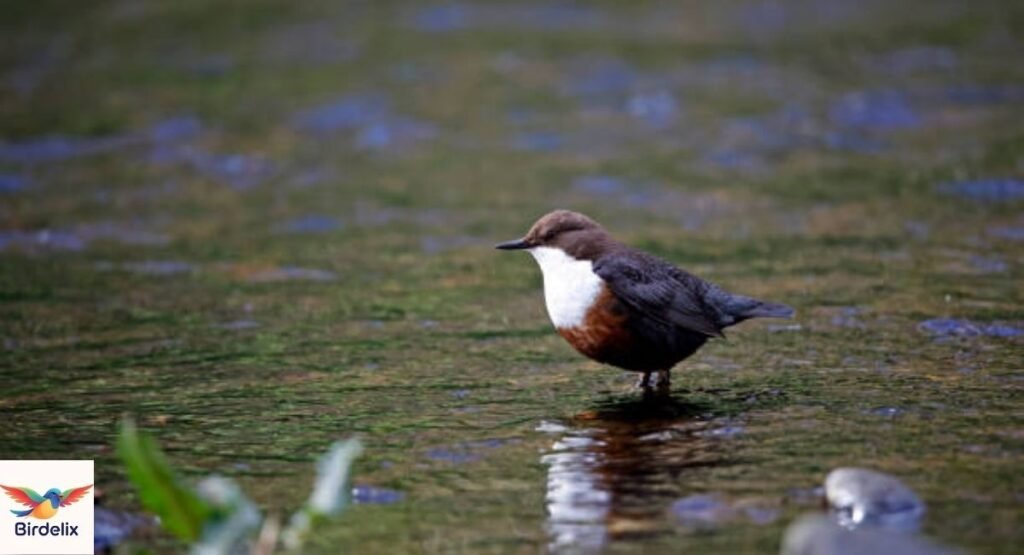
The Dipper is one of the most remarkable Birds That Start With D because it is the only true songbird that can walk and hunt underwater. This small, sturdy bird has dark brown or slate-grey feathers, a short tail, and a bright white chest that makes it easy to identify. Dippers live beside fast-flowing rivers, mountain streams, and rocky creeks across Europe, Asia, and North America. They feed mainly on aquatic insects, insect larvae, small fish, and freshwater crustaceans. Adults usually grow between 7 and 8 inches long and are excellent swimmers despite their small size. An interesting fact is that Dippers can close their nostrils underwater and use their strong legs to walk along riverbeds while searching for food.
7. Dickcissel
Scientific Name: Spiza americana
Family: Cardinalidae
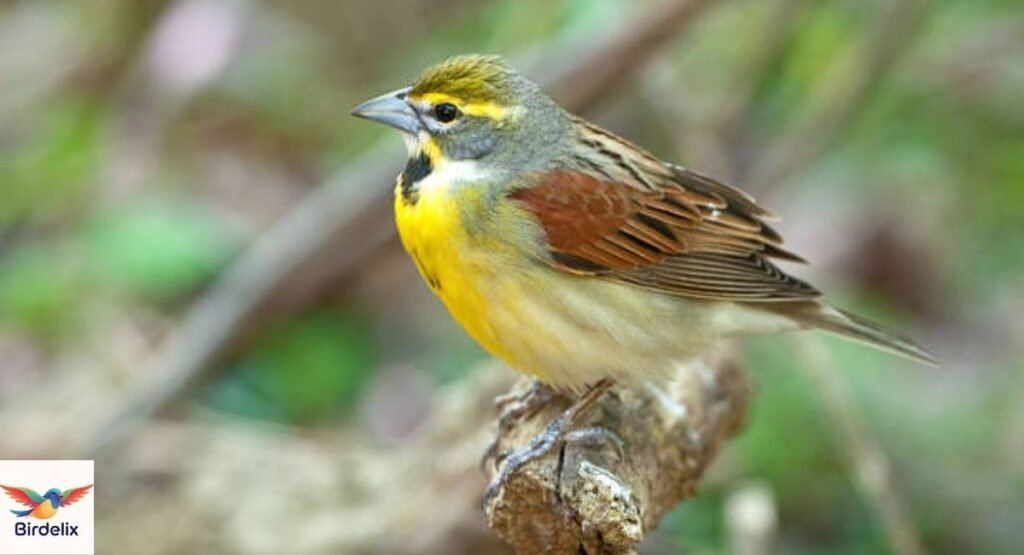
The Dickcissel is a colorful grassland bird and one of the most attractive Birds That Start With D found in North America. It has a bright yellow breast, a black V-shaped patch on its throat, and brown streaked wings that resemble a sparrow. Dickcissels prefer open prairies, meadows, farmlands, and grasslands where tall vegetation provides safe nesting sites. Their diet includes seeds, grains, insects, caterpillars, and small beetles throughout the year. Most adults measure about 6 to 7 inches long with a wingspan of nearly 10 inches. One fascinating fact is that Dickcissels migrate thousands of miles every year, traveling from the United States to South America for the winter season.
8. Dowitcher
Scientific Name: Limnodromus spp.
Family: Scolopacidae
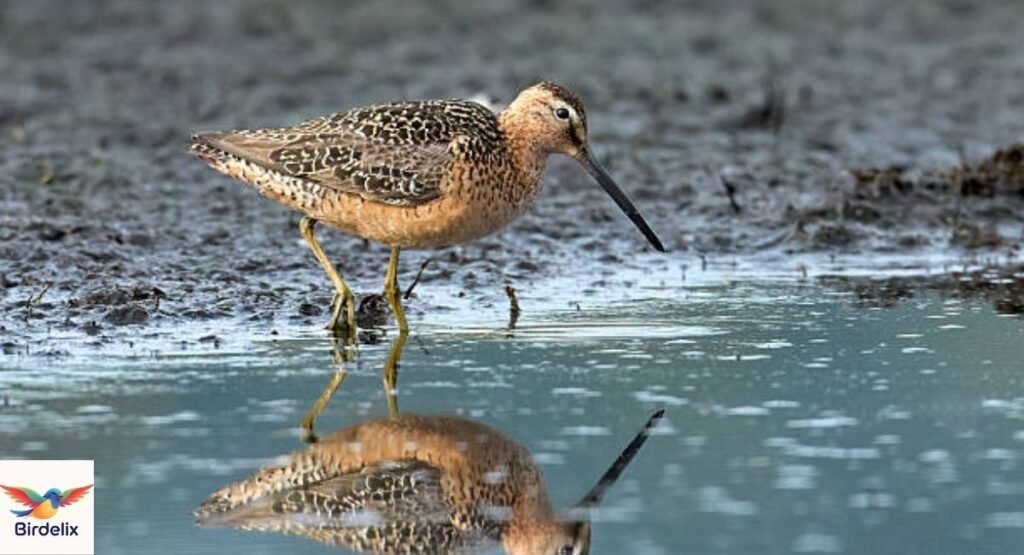
The Dowitcher is an elegant shorebird that stands out among Birds That Start With D because of its exceptionally long bill and rapid feeding style. It has brown and grey feathers, long legs, and a straight bill perfectly designed for probing soft mud. Dowitchers inhabit wetlands, marshes, estuaries, mudflats, and coastal shorelines across North and Central America. Their diet mainly consists of worms, aquatic insects, mollusks, and tiny crustaceans hidden beneath the mud. Adults usually reach 10 to 12 inches in length and often gather in large flocks during migration. An interesting fact is that birdwatchers often recognize Dowitchers by their fast “sewing machine” feeding motion as they repeatedly probe the mud for food.
9. Dunlin
Scientific Name: Calidris alpina
Family: Scolopacidae
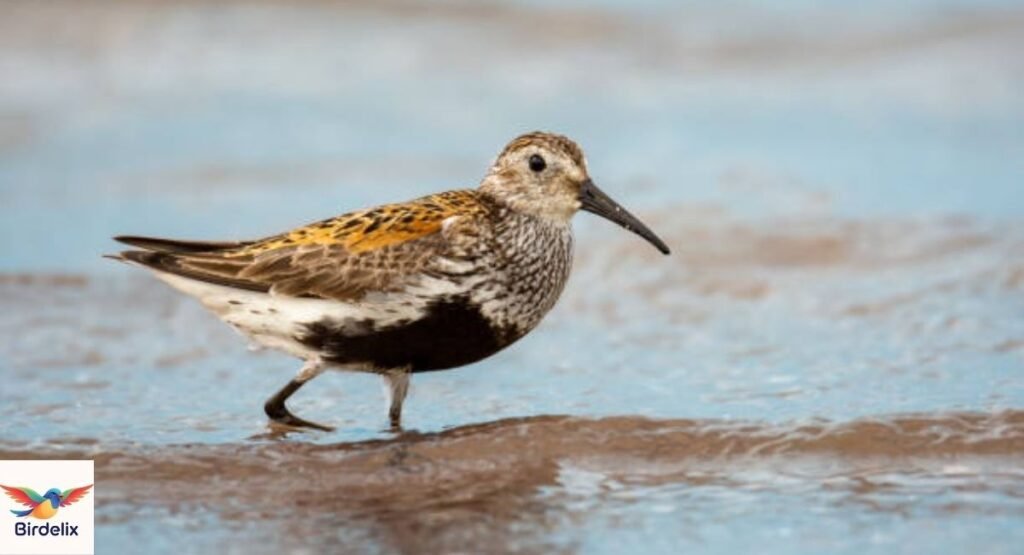
The Dunlin is one of the best-known Birds That Start With D living in Arctic regions and coastal wetlands. This small shorebird has a slender black bill, reddish-brown breeding plumage, and a distinctive black patch on its belly during the nesting season. Dunlins breed across the Arctic tundra before migrating to beaches, mudflats, and estuaries around the world. They feed on insects, marine worms, mollusks, and tiny crustaceans found along the shoreline. Adults measure about 7 to 9 inches long and are highly social throughout the year. A remarkable fact is that thousands of Dunlins perform breathtaking synchronized flights, creating beautiful patterns across the sky to confuse predators.
10. Diamond Dove
Scientific Name: Geopelia cuneata
Family: Columbidae
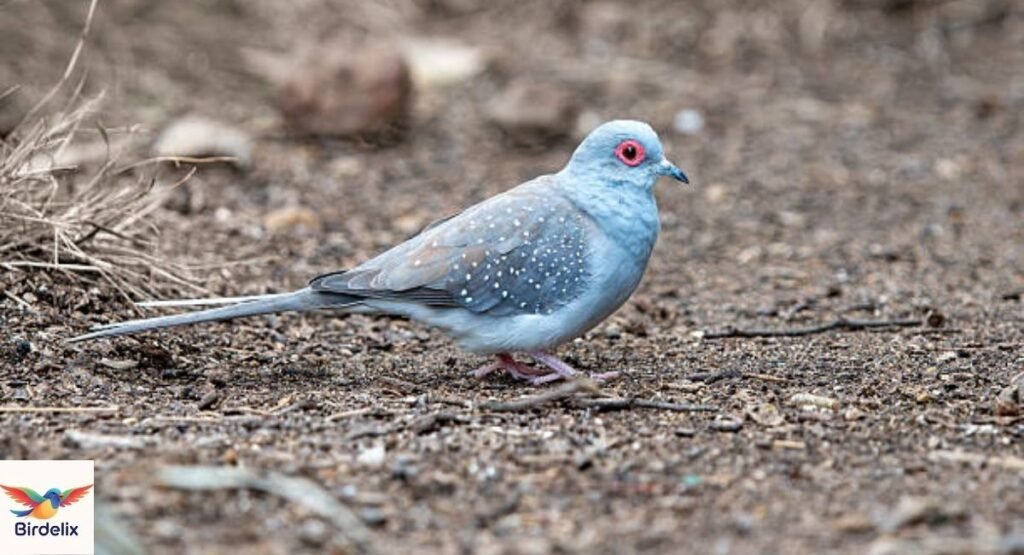
The Diamond Dove is one of the smallest and most beautiful Birds That Start With D, admired for its delicate appearance and peaceful behavior. This tiny dove has soft grey feathers covered with brilliant white spots that sparkle like diamonds, along with bright orange-red eye rings. Diamond Doves naturally inhabit dry grasslands, scrublands, and open woodlands throughout Australia. Their diet mainly includes grass seeds, small grains, and tiny insects found while foraging on the ground. Adults usually grow between 7 and 8 inches long, making them one of the world’s smallest dove species. One interesting fact is that Diamond Doves are gentle, quiet birds that often remain with the same partner for life and communicate using soft, soothing cooing sounds.
11. Dollarbird
Scientific Name: Eurystomus orientalis
Family: Coraciidae
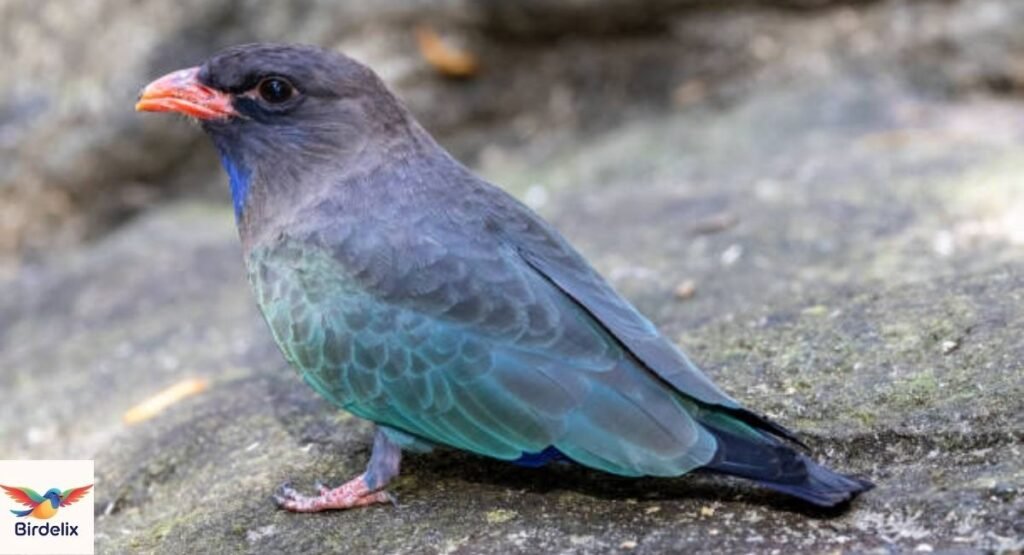
The Dollarbird is one of the most colorful Birds That Start With D, famous for the round silver-blue patches on its wings that resemble shiny coins during flight. This medium-sized bird has glossy blue-green feathers, a strong red-orange bill, and broad wings that make it an excellent flier. Dollarbirds inhabit open forests, woodland edges, mangroves, and farmland across Asia, Australia, and the Pacific Islands. They mainly feed on flying insects such as beetles, grasshoppers, dragonflies, and cicadas, catching them with impressive speed. Adults usually measure between 11 and 13 inches long. An interesting fact is that Dollarbirds often return to the same nesting tree every breeding season and perform spectacular aerial displays to attract a mate.
12. Desert Cardinal
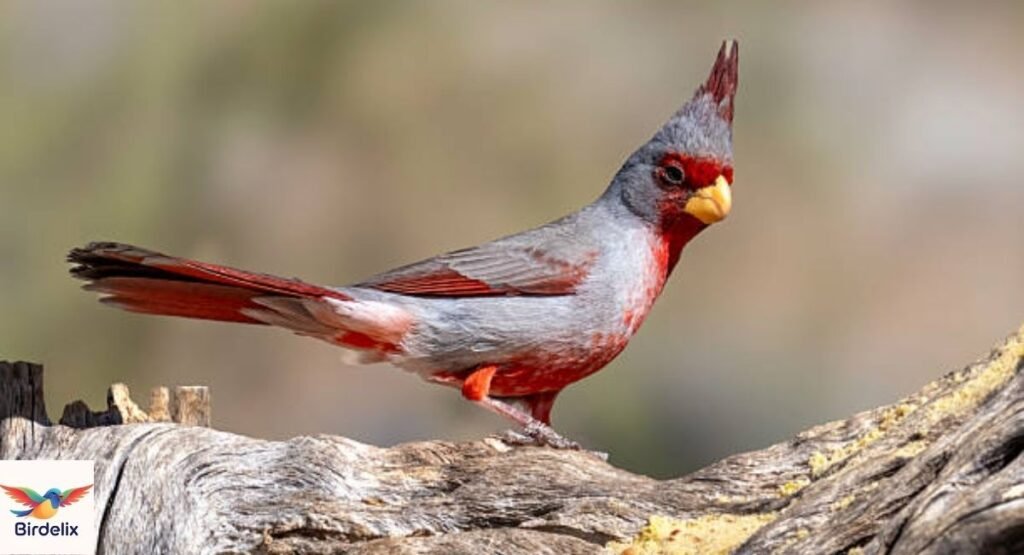
Scientific Name: Cardinalis sinuatus
Family: Cardinalidae
The Desert Cardinal is one of the most eye-catching Birds That Start With D, recognized by its bright red face, tall crest, and soft grey body. Unlike the Northern Cardinal, this species has adapted perfectly to hot, dry environments. It lives in deserts, thorny scrublands, and cactus-covered landscapes across the southwestern United States and northern Mexico. Its diet includes seeds, berries, insects, and small fruits that are available throughout the year. Adult birds grow between 8 and 9 inches long with a sturdy orange bill. A fascinating fact is that the Desert Cardinal can survive extreme desert temperatures by remaining active during the cooler hours of the morning and evening.
13. Double-crested Cormorant
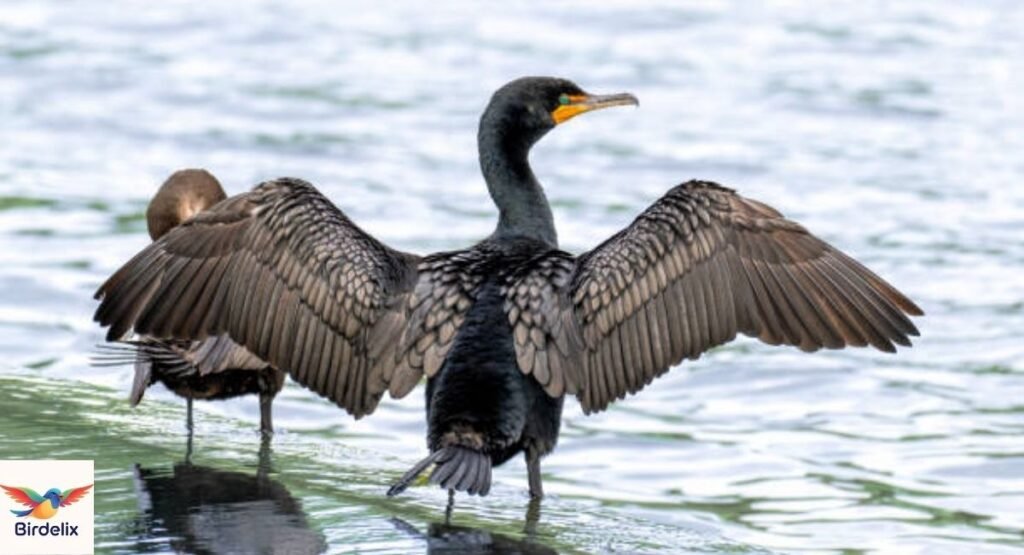
Scientific Name: Nannopterum auritum
Family: Phalacrocoracidae
The Double-crested Cormorant is among the largest Birds That Start With D commonly seen around lakes, rivers, and coastal waters in North America. This striking waterbird has glossy black feathers, a long neck, webbed feet, and a slightly hooked bill designed for catching fish. During the breeding season, adults develop two small feather tufts on their heads, giving the species its unique name. They feed almost entirely on fish, diving deep beneath the water with remarkable speed and accuracy. Most adults measure between 28 and 35 inches long with an impressive wingspan. An interesting fact is that Double-crested Cormorants often spread their wings wide after diving because their feathers are less waterproof than those of ducks.
14. Divine Starling
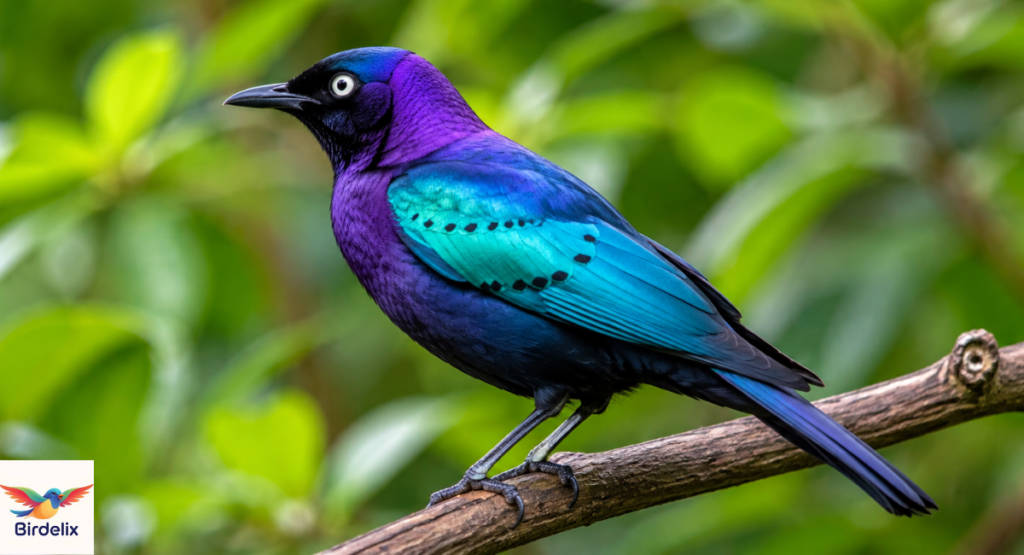
Scientific Name: Cinnyricinclus sharpii
Family: Sturnidae
The Divine Starling is one of the most dazzling Birds That Start With D, admired for its shimmering purple, blue, and green feathers that sparkle in sunlight. This beautiful bird lives in tropical rainforests and woodland habitats throughout Central Africa. It feeds on fruits, berries, insects, and other small invertebrates found high in the forest canopy. Adults are about 7 inches long and are often seen moving through trees in small, active flocks. One remarkable fact is that male Divine Starlings display brilliant iridescent colors during the breeding season, helping them attract females while defending their territory.
15. Dusky Flycatcher
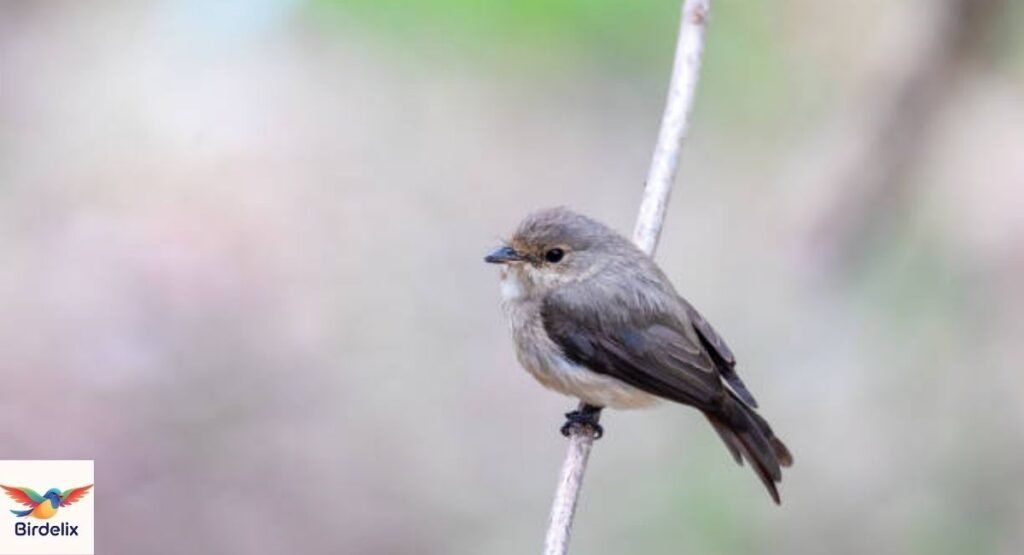
Scientific Name: Empidonax oberholseri
Family: Tyrannidae
The Dusky Flycatcher is a small but energetic member of the Birds That Start With D family, easily recognized by its olive-grey feathers, pale throat, and slender pointed bill. It prefers mountain forests, woodland edges, shrubby valleys, and open pine forests across western North America. This active bird feeds mainly on flying insects, including flies, beetles, moths, and mosquitoes, which it catches during short flights from low branches. Adults usually measure about 5 to 6 inches in length with a wingspan of around 9 inches. An interesting fact is that the Dusky Flycatcher frequently returns to the same perch after catching an insect, making it easier for birdwatchers to observe its hunting behavior.
16. Downy Woodpecker
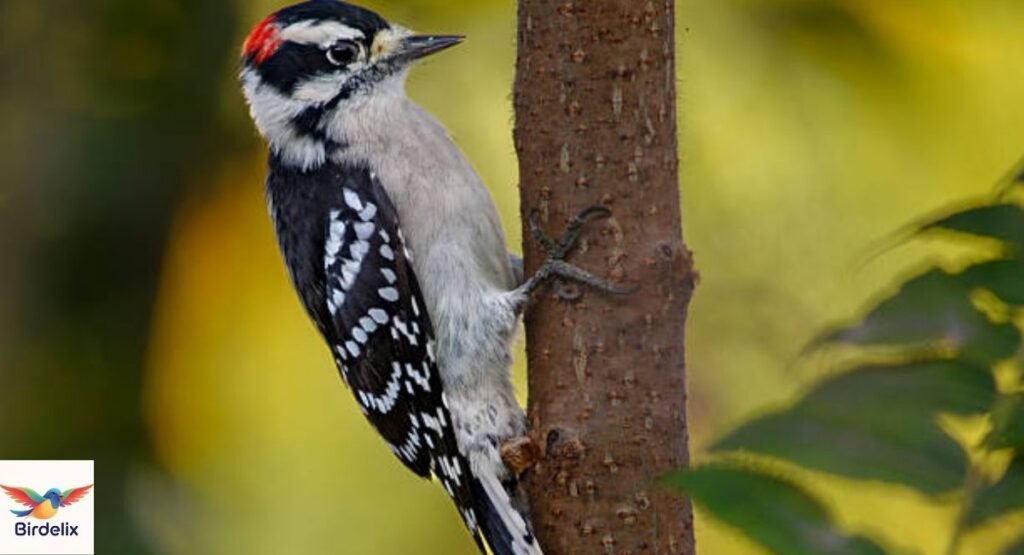
Scientific Name: Dryobates pubescens
Family: Picidae
The Downy Woodpecker is one of the most familiar Birds That Start With D in North America. This small woodpecker has black and white plumage, a bright white back, and a short pointed bill that helps it drill into tree bark. Males also have a small red patch on the back of the head. It lives in forests, parks, orchards, and suburban gardens where mature trees are plentiful. Its diet includes insects, beetle larvae, ants, seeds, berries, and tree sap. Adults usually grow between 5 and 7 inches long. An interesting fact is that the Downy Woodpecker uses its stiff tail feathers as support while climbing vertical tree trunks in search of food.
17. Dark-eyed Junco
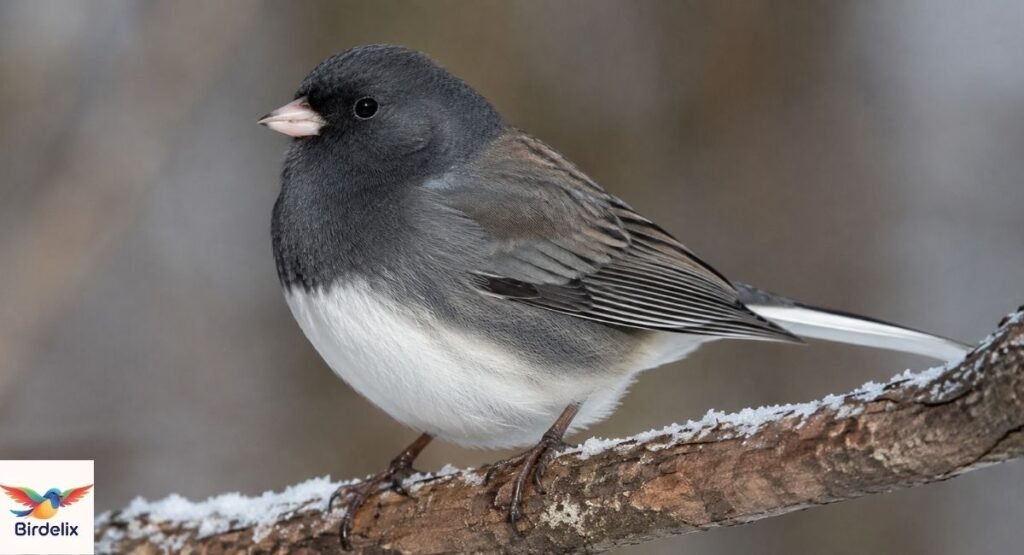
Scientific Name: Junco hyemalis
Family: Passerellidae
The Dark-eyed Junco is one of the most widespread Birds That Start With D, especially during winter across the United States and Canada. This attractive songbird has smooth grey or black feathers, a white belly, and a pale pink bill that makes it easy to identify. It is commonly found in forests, mountain woodlands, parks, and backyard feeders during colder months. Dark-eyed Juncos feed mainly on seeds, berries, insects, and small spiders depending on the season. Adults measure around 5 to 6 inches in length with a wingspan of about 9 inches. One fascinating fact is that many people call it the “Snowbird” because it often appears when winter weather arrives.
18. Demoiselle Crane
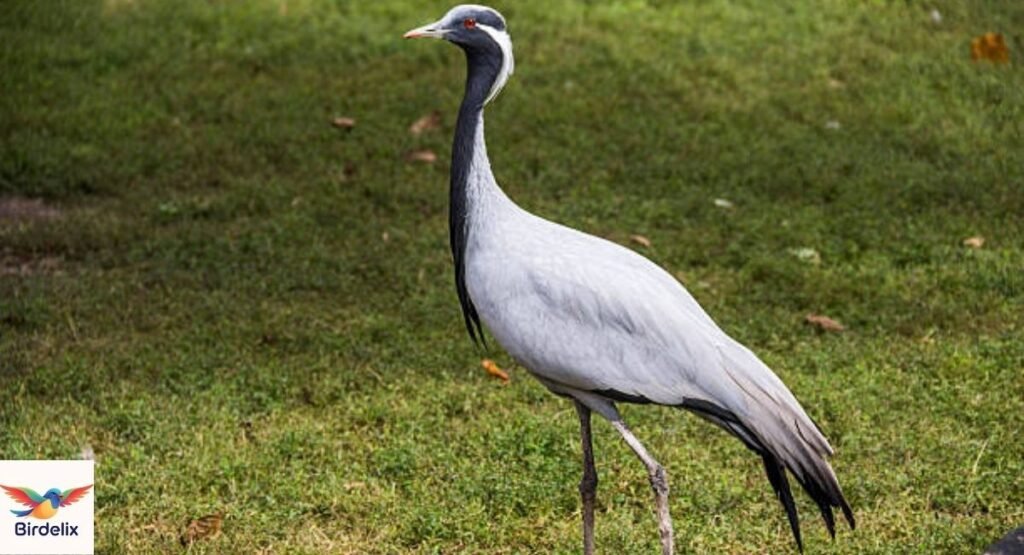
Scientific Name: Anthropoides virgo
Family: Gruidae
The Demoiselle Crane is one of the most elegant Birds That Start With D, admired for its graceful movements and striking appearance. It has a slender grey body, long black neck feathers, and distinctive white plumes flowing behind its eyes. These beautiful cranes inhabit grasslands, steppes, farmlands, and open plains across Europe, Asia, and parts of Africa. Their diet includes seeds, grains, insects, small reptiles, and plant material. Adults stand about 35 to 40 inches tall with a wingspan reaching nearly 6 feet. An amazing fact is that Demoiselle Cranes migrate across the Himalayan Mountains, making one of the highest bird migrations in the world.
19. Dracula Parrot
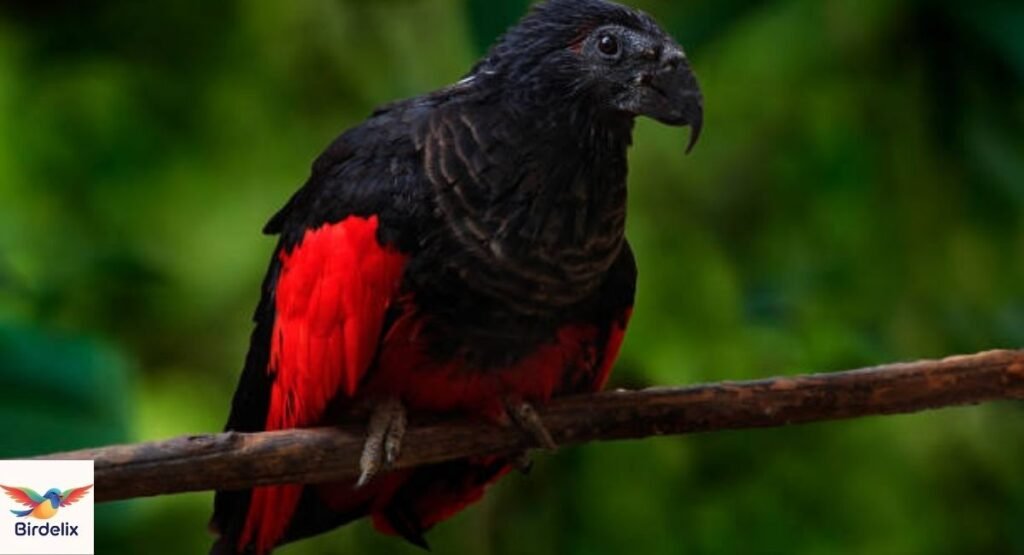
Scientific Name: Psittrichas fulgidus
Family: Psittrichasiidae
The Dracula Parrot is one of the most unusual Birds That Start With D, famous for its dramatic black and crimson feathers that resemble a vampire’s cloak. This rare parrot lives in the tropical rainforests of New Guinea, where it spends most of its time high in the forest canopy. It mainly feeds on figs, berries, and other soft fruits that grow in dense forests. Adult birds can reach about 18 inches in length with broad wings and a powerful hooked beak. A remarkable fact is that the Dracula Parrot has very few feathers on its face, which helps keep sticky fruit juice from clinging to its skin while feeding.
20. Dwarf Kingfisher
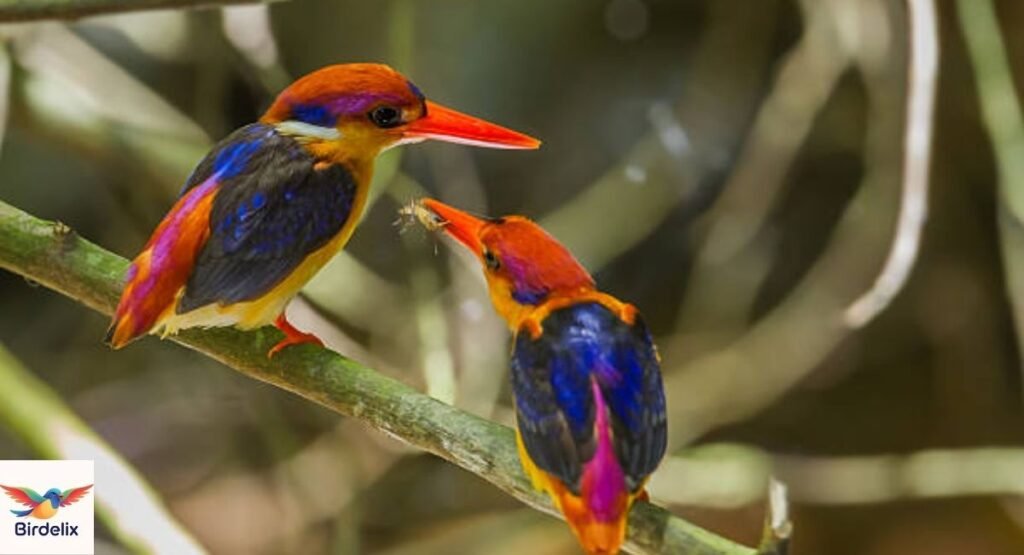
Scientific Name: Ceyx erithaca
Family: Alcedinidae
The Dwarf Kingfisher is one of the smallest and brightest Birds That Start With D, celebrated for its dazzling orange, blue, purple, and red plumage. This tiny bird lives in dense tropical forests, shaded streams, and woodland habitats across Southeast Asia. It feeds on insects, spiders, small frogs, tiny fish, and other invertebrates found near freshwater. Adults usually measure only 5 to 6 inches long, yet they are swift and highly skilled hunters. An interesting fact is that the Dwarf Kingfisher digs its nest inside soft riverbanks or earthen slopes, creating a safe tunnel where it raises its chicks.
Types of Birds That Start With D
Birds that begin with the letter D belong to many different families and habitats. Some are beautiful songbirds, while others are powerful hunters, skilled swimmers, colorful parrots, or graceful wading birds. Learning these groups makes it easier to identify Birds That Start With D and understand how they survive in the wild.
Different bird types have unique body shapes, feeding habits, and behaviors that help them adapt to forests, wetlands, deserts, grasslands, and coastal regions. Below are the major groups of birds whose names begin with the letter D.
Songbirds
Songbirds are the largest group of Birds That Start With D. They are known for their pleasant songs, colorful feathers, and excellent ability to communicate. Most songbirds feed on insects, seeds, berries, and small fruits while living in forests, gardens, and open woodlands. Popular examples include the Drongo, Dunnock, Dark-eyed Junco, Divine Starling, and Dickcissel. Their beautiful calls play an important role in attracting mates and defending territories during the breeding season.
Water Birds
Water Birds spend most of their lives around rivers, lakes, marshes, ponds, and coastal waters. These birds have webbed feet, waterproof feathers, or long legs that help them swim or hunt efficiently. Ducks, Darters, and Double-crested Cormorants are excellent examples of water birds beginning with D. Many species are powerful swimmers and skilled fish hunters that can dive beneath the water in search of prey.
Shorebirds
Shorebirds are commonly found along beaches, mudflats, estuaries, and wetlands where they search for food in soft sand and shallow water. Most have long legs and slender bills that help them catch worms, insects, mollusks, and tiny crustaceans. Well-known shorebirds include the Dowitcher, Dunlin, and Diademed Plover. Many of these birds migrate thousands of miles every year between their breeding and wintering grounds.
Birds of Prey
Birds of Prey are powerful hunters equipped with sharp talons, hooked beaks, and exceptional eyesight. They mainly feed on small mammals, reptiles, birds, and insects while helping maintain balanced ecosystems. The Dark Chanting Goshawk, Double-toothed Kite, and Dwarf Sparrowhawk are excellent predatory birds whose names start with D. Their speed, precision, and hunting skills make them some of nature’s most efficient predators.
Parrots
Parrots are intelligent birds famous for their bright plumage, curved beaks, and playful personalities. They usually live in tropical forests where they feed on fruits, seeds, flowers, and nuts. The Dracula Parrot and Derbyan Parakeet are two remarkable parrots that begin with D. Some parrots can imitate sounds and human speech, making them among the smartest birds in the world.
Game Birds
Game Birds are mostly ground-dwelling species with strong legs that allow them to run quickly through grasslands and open habitats. These birds usually eat seeds, grains, insects, and young plant shoots. The Double-banded Sandgrouse and Djibouti Francolin are good examples of game birds starting with D. Their excellent camouflage helps them avoid predators while nesting on the ground.
Wading Birds
Wading Birds are easily recognized by their long legs and long bills, which allow them to hunt in shallow water without getting completely wet. They search for fish, frogs, insects, and small aquatic animals in wetlands, marshes, and riverbanks. The Demoiselle Crane, Dimorphic Egret, and Darter are well-known wading birds whose names begin with D. Their slow, graceful movements and remarkable hunting skills make them fascinating birds to observe.
Arctic Birds That Start With D
Several Birds That Start With D have adapted to survive in the harsh Arctic environment, where freezing temperatures, strong winds, and long winters create challenging conditions. These birds develop thick feathers, seasonal migration patterns, and specialized feeding habits that help them thrive in one of Earth’s coldest regions.
Dunlin
The Dunlin is one of the best-known Arctic shorebirds. It breeds across the Arctic tundra before migrating to coastlines around the world during winter. Its long bill helps it find worms, insects, and tiny crustaceans hidden beneath wet sand and mud.
Dovekie
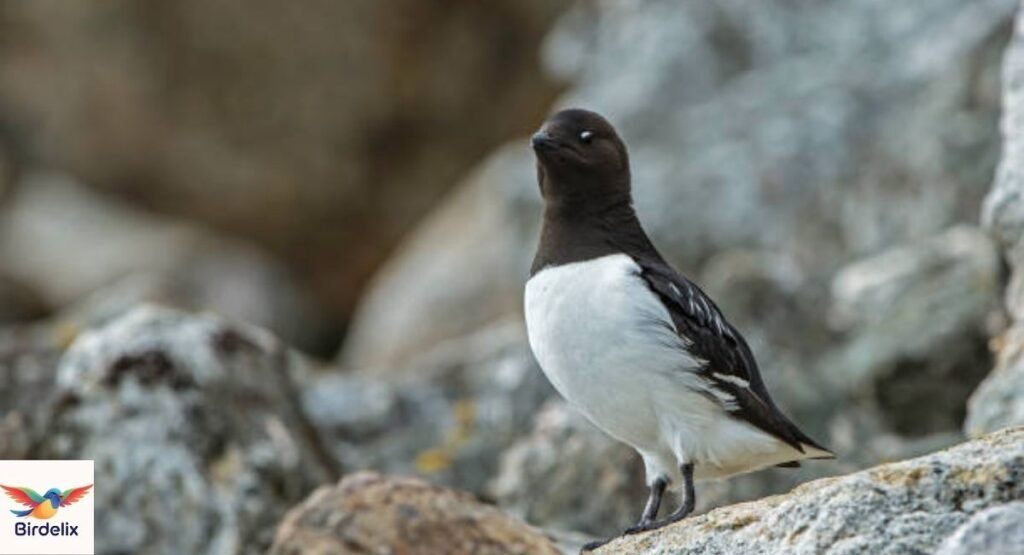
The Dovekie is a small seabird that spends most of its life in the icy waters of the North Atlantic and Arctic Ocean. It is an excellent diver that catches tiny crustaceans underwater using its short wings as powerful paddles.
Double-banded Sandgrouse
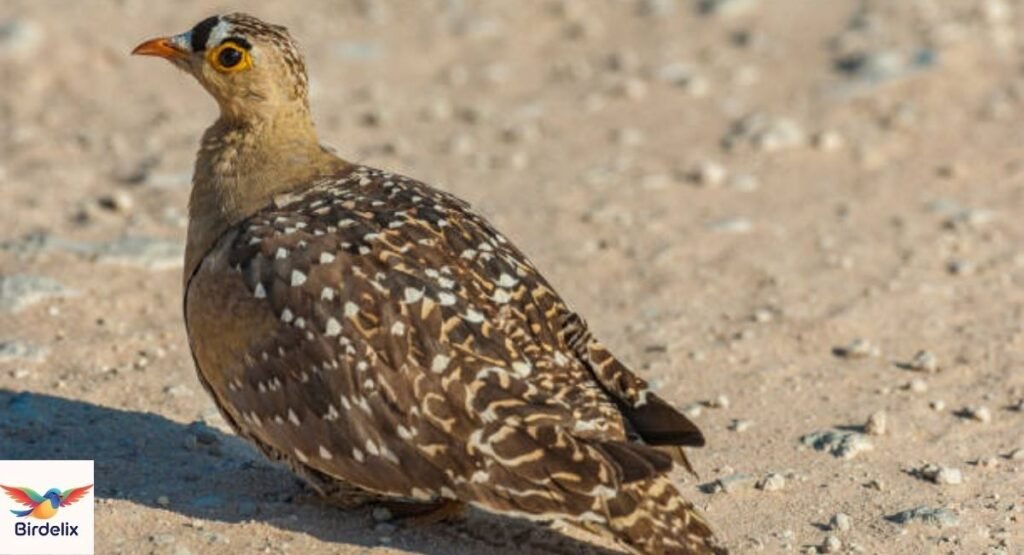
Although the Double-banded Sandgrouse is mainly associated with dry regions of Africa, it is sometimes included in alphabetical bird collections for comparison with northern species. It survives in harsh environments by traveling long distances to reach reliable water sources.
Dark-bellied Brent Goose
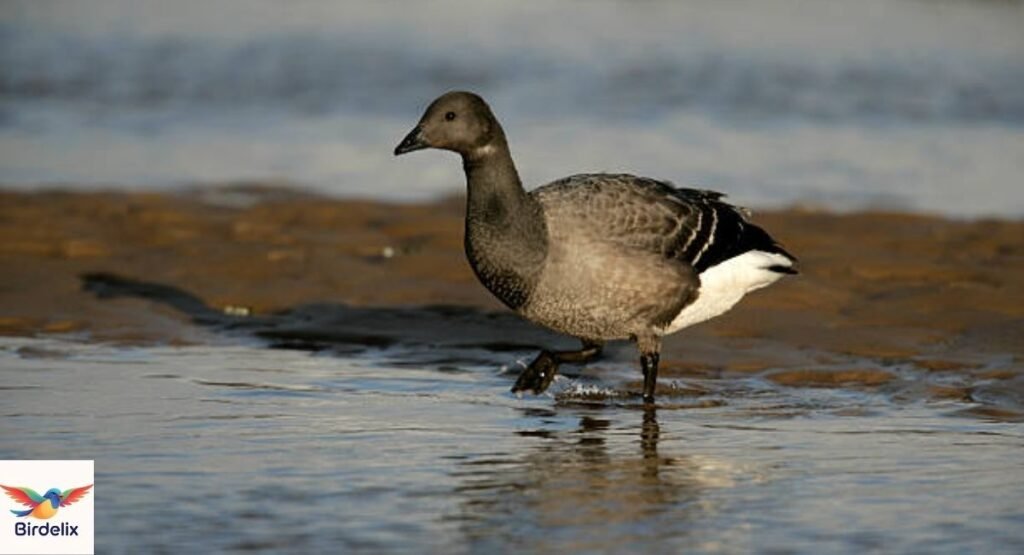
The Dark-bellied Brent Goose breeds in Arctic tundra habitats before migrating to coastal Europe during winter. It feeds mainly on grasses, seaweed, and marine vegetation while traveling thousands of miles every year during migration.
Predatory Birds That Start With D
Several Birds That Start With D are skilled hunters that use sharp eyesight, hooked beaks, and powerful talons to capture prey. These birds help control populations of rodents, reptiles, insects, and smaller birds, making them an important part of healthy ecosystems.
Dark Chanting Goshawk
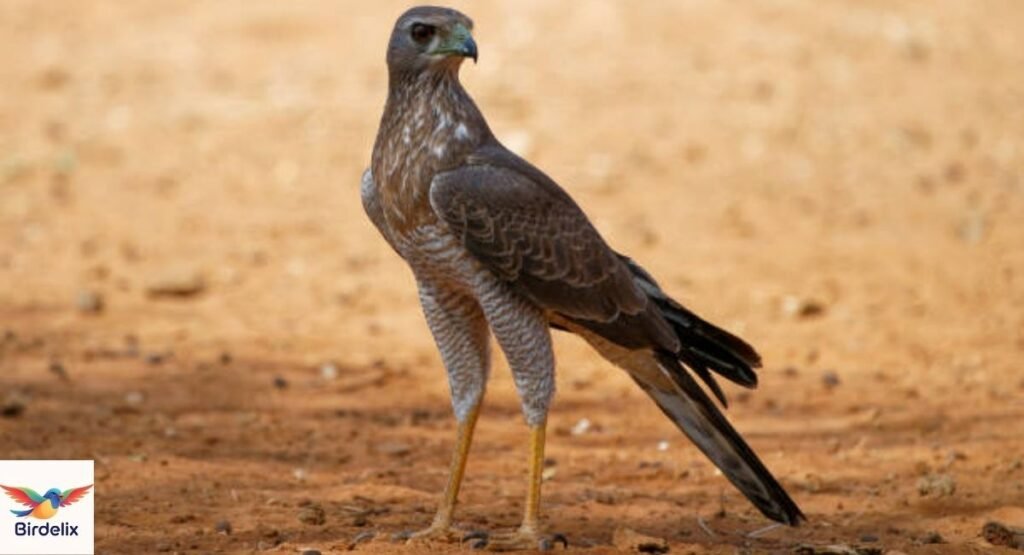
The Dark Chanting Goshawk is a medium-sized African raptor that hunts from tall trees and open grasslands. It feeds on rodents, reptiles, birds, and large insects while using its impressive vision to detect movement from great distances.
Double-toothed Kite
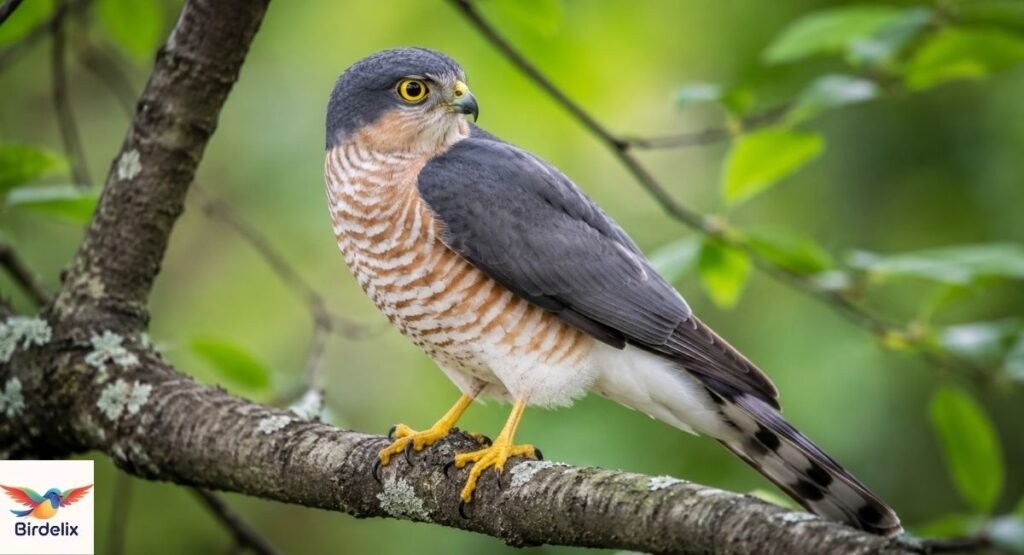
The Double-toothed Kite is a tropical bird of prey found in Central and South American forests. It often follows monkey troops to catch insects and small animals disturbed by their movement through the trees.
Dwarf Sparrowhawk
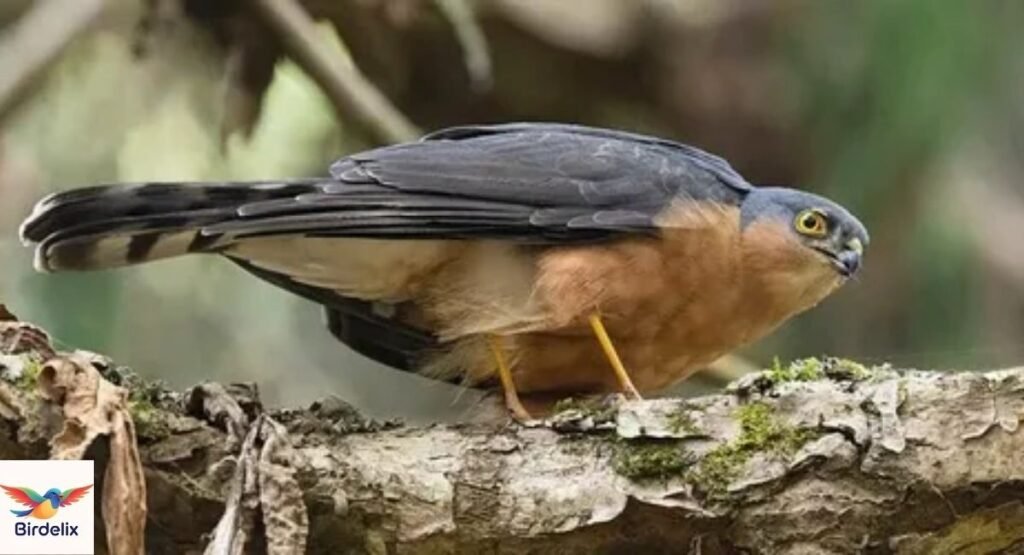
The Dwarf Sparrowhawk is one of Africa’s smallest hawks. Despite its size, it is a fast and agile hunter that captures small birds using sudden surprise attacks through dense woodland vegetation.
Drongo (Opportunistic Hunter)
Although the Drongo is not a true bird of prey, it is an intelligent opportunistic hunter. It catches insects in flight and sometimes steals food from other animals by cleverly mimicking alarm calls, making it one of the smartest Birds That Start With D.
Extinct Birds That Start With D
The story of extinct Birds That Start With D reminds us how quickly wildlife can disappear when habitats are destroyed or species are overhunted. Some of these birds vanished centuries ago, while others disappeared more recently because of human activities, invasive animals, and environmental changes.
Although these birds no longer exist, scientists continue studying fossils, historical records, and museum collections to understand their lives. Their stories have also inspired stronger conservation efforts to protect endangered bird species around the world.
| Bird | Extinction Status | Last Known Habitat |
| Dodo | Extinct (1681) | Mauritius |
| Delaware Valley Passenger Pigeon (Historical Reference) | Extinct | Eastern North America |
| Dirk’s Ground Bird* | Historical Reference | Uncertain/Historical Records |
*Dirk’s Ground Bird is mentioned in some historical references but is not widely recognized as an officially accepted bird species by modern ornithologists.
Birds That Start With D by Habitat
The habitat where a bird lives shapes its appearance, feeding habits, nesting behavior, and survival strategies. Birds That Start With D occupy almost every environment on Earth, from dense rainforests and dry deserts to wetlands and frozen Arctic coastlines.
Understanding bird habitats also helps birdwatchers identify species more easily. Birds living in forests often have strong climbing abilities, while wetland species develop long legs or webbed feet to move efficiently through water.
Forest Birds
Forest habitats provide food, shelter, and nesting sites for many D birds. The Drongo, Downy Woodpecker, Dracula Parrot, Divine Starling, Derbyan Parakeet, and Dusky Flycatcher spend most of their lives among trees where they feed on insects, fruits, seeds, and nectar while avoiding predators beneath the forest canopy.
Wetland Birds
Wetlands support birds that depend on rivers, lakes, marshes, and ponds throughout the year. Ducks, Darters, Double-crested Cormorants, Dowitchers, and Dimorphic Egrets thrive in these environments where fish, frogs, insects, and aquatic plants provide a constant food supply.
Desert Birds
Desert birds have evolved to survive intense heat and limited water. Desert Cardinals, Desert Finches, Desert Sparrows, and Desert Warblers are perfectly adapted to dry climates by finding shade during the hottest hours and obtaining moisture from seeds, fruits, and insects.
Arctic Birds
The Arctic is home to some of the toughest Birds That Start With D. Dunlins, Dovekies, and Dark-bellied Brent Geese breed in frozen tundra landscapes before migrating south as winter approaches. Thick feathers and seasonal migration help them survive harsh Arctic conditions.
Coastal Birds
Coastal birds live near beaches, estuaries, rocky shorelines, and ocean cliffs where seafood is abundant. Dollarbirds, Dominican Gulls, Double-crested Cormorants, and Dowitchers are commonly seen searching for fish, shellfish, and marine invertebrates along the coastline.
Grassland Birds
Open grasslands provide excellent feeding grounds for birds that search for seeds and insects on the ground. Dickcissels, Demoiselle Cranes, Double-banded Sandgrouse, and Double-banded Coursers depend on wide open landscapes where they can easily detect approaching predators.
Birds That Start With D by Diet
Different Birds That Start With D have evolved specialized diets that allow many species to live together without competing for the same food. Their beaks, claws, and hunting techniques reflect the type of food they eat every day.
Some birds are expert hunters while others survive on seeds, fruits, insects, or fish. Learning their feeding habits helps explain why each species prefers certain habitats and behaviors.
Carnivorous Birds
Carnivorous birds feed mainly on meat, including small mammals, reptiles, birds, and amphibians. Dark Chanting Goshawks, Double-toothed Kites, and Dwarf Sparrowhawks are powerful hunters equipped with hooked beaks and razor-sharp talons for catching live prey.
Omnivorous Birds
Omnivorous birds eat both plants and animals depending on seasonal food availability. Ducks, Drongos, Divine Starlings, and Demoiselle Cranes consume seeds, berries, fruits, insects, and small animals, making them highly adaptable to changing environments.
Insect-Eating Birds
Many small birds help control insect populations by feeding almost entirely on bugs. Dusky Flycatchers, Downy Woodpeckers, Drongos, Dunnocks, and Dippers catch insects from trees, leaves, bark, rivers, and even while flying through the air.
Seed-Eating Birds
Seed-eating birds play an important role in spreading plants throughout nature. Doves, Diamond Doves, Desert Finches, Dickcissels, and Dark-eyed Juncos mainly feed on seeds, grains, and berries found in grasslands, forests, and gardens.
Fish-Eating Birds
Several Birds That Start With D depend on rivers, lakes, and oceans for food. Darters, Double-crested Cormorants, Ducks, and Dippers catch fish using excellent eyesight, quick diving skills, and specially adapted bills that help them grip slippery prey.
Birds That Start With D by Continent
Birds That Start With D are found on every continent except Antarctica. Some species have adapted to tropical rainforests while others prefer Arctic coastlines, mountain valleys, grasslands, or freshwater wetlands. Their wide distribution shows how birds have evolved to survive in many different climates and ecosystems.
Knowing where a bird naturally lives makes identification much easier. Whether you are birdwatching in North America or exploring Australia’s forests, understanding each species’ native range helps you recognize local birds with greater confidence.
North American D Birds
North America is home to many familiar Birds That Start With D, including the Duck, Downy Woodpecker, Dark-eyed Junco, Dickcissel, Double-crested Cormorant, Dowitcher, Dusky Flycatcher, and Desert Cardinal. These birds inhabit forests, wetlands, mountains, grasslands, and suburban parks throughout the United States and Canada.
European D Birds
Europe supports several beautiful D birds, especially in forests and open countryside. The Dunnock, Dove, Demoiselle Crane, Dalmatian Pelican, Dunlin, and Dark-bellied Brent Goose are among the best-known species found across the continent. Many migrate south during the colder months.
Asian D Birds
Asia has an impressive variety of bird species beginning with D. Darter, Derbyan Parakeet, Desert Warbler, David’s Fulvetta, Dollarbird, Dwarf Kingfisher, and Demoiselle Crane are widely distributed across forests, wetlands, mountains, and tropical regions.
African D Birds
Africa’s diverse landscapes provide ideal habitats for many unique Birds That Start With D. Popular examples include the Drongo, Dark Chanting Goshawk, Divine Starling, Damara Tern, Double-banded Courser, Double-banded Sandgrouse, Dwarf Sparrowhawk, and Djibouti Francolin.
Australian D Birds
Australia is famous for its unique wildlife, including several remarkable D birds. The Diamond Dove, Dollarbird, Darter, and Dusky Woodswallow are commonly found in forests, grasslands, wetlands, and open woodlands throughout the country.
Interesting Facts About Birds That Start With D
The world of Birds That Start With D is filled with incredible surprises. The Dodo became one of history’s most famous extinct birds and remains a symbol of wildlife conservation. The Drongo is known for its remarkable ability to imitate other animals, while the Dipper is the only songbird capable of walking underwater in search of food. The Demoiselle Crane completes one of the world’s highest migrations by flying across the Himalayan Mountains, and the Downy Woodpecker can strike tree trunks thousands of times each day without suffering brain injuries.
Many D birds also display extraordinary adaptations that help them survive. Ducks have waterproof feathers that keep them warm in icy water, Diamond Doves are among the smallest dove species on Earth, and Dollarbirds receive their unusual name from the silver-blue spots visible on their wings during flight. Together, these fascinating birds highlight the amazing diversity found within the global bird population.
Conclusion
Birds That Start With D include some of the world’s most fascinating bird species, from peaceful Doves and colorful Dollarbirds to intelligent Drongos and powerful birds of prey. Each species has unique adaptations that allow it to survive in forests, wetlands, deserts, mountains, and even the frozen Arctic. Some birds are expert swimmers, others are incredible migrants, while a few have become important symbols of wildlife conservation.
Whether you enjoy birdwatching, studying wildlife, or simply learning something new, these remarkable birds demonstrate the rich diversity of nature. By understanding their habitats, diets, behaviors, and conservation needs, you can appreciate the important role every bird plays in maintaining healthy ecosystems around the world.
FAQs
What bird starts with the letter D?
Many birds begin with the letter D, including Dove, Duck, Drongo, Darter, Dunnock, Dipper, Dunlin, and Downy Woodpecker.
Which Birds That Start With D live in North America?
Common North American species include the Downy Woodpecker, Dark-eyed Junco, Dickcissel, Double-crested Cormorant, Desert Cardinal, Duck, and Dowitcher.
Are there any Arctic Birds That Start With D?
Yes. Dunlin, Dovekie, and Dark-bellied Brent Goose are well-known Arctic birds that breed in northern tundra regions before migrating south.
Which predatory bird starts with D?
Dark Chanting Goshawk, Double-toothed Kite, and Dwarf Sparrowhawk are powerful birds of prey that begin with the letter D.
Which extinct bird starts with D?
The Dodo is the most famous extinct bird beginning with D. It lived on Mauritius and became extinct during the 17th century because of hunting and introduced animals.

Welcome to Birdelix! I’m Anam Sattar, an AI-powered SEO Specialist and Content Writer with over 5 years of experience in creating high-quality, search-optimized content. I help businesses improve their search engine rankings, increase organic traffic, and build beautiful, user-friendly websites. My mission is to make SEO, content creation, and web design simple, effective, and accessible for everyone. Let’s grow your online presence and achieve success together!