

Birds are among the most fascinating creatures on Earth, and Birds That Start With C include some of the most colorful, intelligent, and unique species found across the globe. From the cheerful Canary and striking Cardinal to the towering Cassowary and clever Crow, these birds thrive in forests, wetlands, mountains, grasslands, and coastal regions. Whether you’re interested in bird species that start with C, improving your bird identification skills, or discovering remarkable avian species, this guide has everything you need.
You’ll explore scientific names, habitats, diets, behaviors, conservation status, and fascinating facts about each bird. By the end, you’ll have a deeper appreciation for these incredible feathered creatures and their vital role in nature.
What Are Birds That Start With C?
Birds That Start With C are bird species whose common names begin with the letter C. This diverse group includes tiny songbirds like the Canary and Chickadee, colorful parrots such as the Cockatoo, majestic wading birds like the Crane, and powerful raptors including the Condor and Caracara. You’ll also find unique flightless birds, intelligent passerines, and beautiful tropical species that live in a wide range of environments around the world.
These bird species that start with C inhabit forests, wetlands, grasslands, mountains, deserts, coastal areas, and tropical rainforests. Some are common backyard birds that are easy to spot, while others are rare or endangered and found only in specific regions. Exploring these birds beginning with C helps improve bird identification skills, introduces the richness of global bird diversity, and highlights the importance of wildlife conservation. Whether you’re a beginner, student, or experienced birdwatcher, this guide offers a closer look at some of the most interesting birds with the letter C.
Complete List of 45 Birds That Start With C
The following table features a carefully selected collection of 45 Birds That Start With C, ranging from familiar backyard visitors to rare tropical and coastal species. It includes each bird’s common name, scientific name, bird type, natural habitat, diet, and current conservation status, making it a useful reference for bird enthusiasts, students, and wildlife researchers. Whether you’re exploring bird names that start with C, improving your bird identification skills, or learning about avian species from around the world, this comprehensive list offers a quick and informative overview.
| No. | Bird Name | Scientific Name | Bird Type | Habitat | Diet | Conservation Status |
| 1 | Canary | Serinus canaria | Songbird | Forests, gardens | Seeds, insects | Least Concern |
| 2 | Cardinal | Cardinalis cardinalis | Songbird | Woodlands, gardens | Seeds, fruits, insects | Least Concern |
| 3 | Cockatoo | Cacatuidae | Parrot | Forests, savannas | Seeds, nuts, fruits | Least Concern* |
| 4 | Cassowary | Casuarius casuarius | Flightless Bird | Tropical rainforests | Fruit, fungi, insects | Least Concern* |
| 5 | Crow | Corvus spp. | Passerine | Worldwide | Omnivore | Least Concern |
| 6 | Crane | Gruidae | Wading Bird | Wetlands, grasslands | Plants, insects, fish | Varies by species |
| 7 | Cuckoo | Cuculidae | Songbird | Forests, woodlands | Caterpillars, insects | Least Concern |
| 8 | Curlew | Numenius spp. | Shorebird | Coasts, wetlands | Worms, crustaceans | Varies by species |
| 9 | Cormorant | Phalacrocoracidae | Seabird | Lakes, rivers, coasts | Fish | Least Concern |
| 10 | Chickadee | Poecile spp. | Songbird | Forests, parks | Insects, seeds | Least Concern |
| 11 | Chough | Pyrrhocorax spp. | Passerine | Cliffs, mountains | Insects, seeds | Least Concern |
| 12 | Canvasback | Aythya valisineria | Waterfowl | Marshes, lakes | Aquatic plants | Least Concern |
| 13 | Condor | Vultur gryphus | Bird of Prey | Mountains | Carrion | Vulnerable |
| 14 | Caracara | Caracara plancus | Bird of Prey | Grasslands | Small animals, carrion | Least Concern |
| 15 | Crossbill | Loxia spp. | Finch | Conifer forests | Seeds | Least Concern |
| 16 | Catbird | Dumetella carolinensis | Songbird | Shrublands | Insects, berries | Least Concern |
| 17 | Capercaillie | Tetrao urogallus | Game Bird | Boreal forests | Leaves, berries | Least Concern |
| 18 | Curassow | Crax spp. | Game Bird | Tropical forests | Fruit, insects | Vulnerable |
| 19 | Cotinga | Cotingidae | Tropical Bird | Rainforests | Fruit, insects | Varies by species |
| 20 | Crested Pigeon | Ocyphaps lophotes | Pigeon | Grasslands | Seeds | Least Concern |
| 21 | Cagou | Rhynochetos jubatus | Flightless Bird | Forests | Insects, snails | Endangered |
| 22 | Cock-of-the-rock | Rupicola spp. | Tropical Bird | Cloud forests | Fruit | Least Concern |
| 23 | Cochoa | Cochoa spp. | Songbird | Mountain forests | Insects, berries | Least Concern |
| 24 | Cinclodes | Cinclodes spp. | Passerine | Coasts, mountains | Insects | Least Concern |
| 25 | Cordon-bleu | Uraeginthus spp. | Finch | Savannas | Seeds, insects | Least Concern |
| 26 | Cariama | Cariama cristata | Terrestrial Bird | Grasslands | Insects, reptiles | Least Concern |
| 27 | Chaffinch | Fringilla coelebs | Finch | Woodlands | Seeds, insects | Least Concern |
| 28 | Chlorophonia | Chlorophonia spp. | Songbird | Tropical forests | Fruit | Least Concern |
| 29 | Cisticola | Cisticola spp. | Songbird | Grasslands | Insects | Least Concern |
| 30 | Chat | Cercomela spp. | Songbird | Deserts, scrublands | Insects | Least Concern |
| 31 | Coot | Fulica spp. | Water Bird | Lakes, marshes | Plants, insects | Least Concern |
| 32 | Coucal | Centropus spp. | Cuckoo | Wetlands, forests | Insects, reptiles | Least Concern |
| 33 | Cissa | Cissa spp. | Jay | Tropical forests | Insects, small animals | Least Concern |
| 34 | Cinnamon Teal | Spatula cyanoptera | Duck | Wetlands | Seeds, aquatic insects | Least Concern |
| 35 | Cape Bunting | Emberiza capensis | Songbird | Grasslands | Seeds | Least Concern |
| 36 | Cape Vulture | Gyps coprotheres | Bird of Prey | Mountains | Carrion | Vulnerable |
| 37 | Chinese Egret | Egretta eulophotes | Wading Bird | Coastal wetlands | Fish | Vulnerable |
| 38 | Common Eider | Somateria mollissima | Seaduck | Coastal waters | Mollusks | Near Threatened |
| 39 | Common Myna | Acridotheres tristis | Passerine | Urban areas | Omnivore | Least Concern |
| 40 | Common Poorwill | Phalaenoptilus nuttallii | Nightjar | Deserts, scrublands | Insects | Least Concern |
| 41 | California Quail | Callipepla californica | Game Bird | Shrublands | Seeds, insects | Least Concern |
| 42 | California Condor | Gymnogyps californianus | Bird of Prey | Mountains, canyons | Carrion | Critically Endangered |
| 43 | Common Raven | Corvus corax | Passerine | Mountains, forests | Omnivore | Least Concern |
| 44 | Crested Auklet | Aethia cristatella | Seabird | Coastal cliffs | Krill, plankton | Least Concern |
| 45 | Crimson Rosella | Platycercus elegans | Parrot | Forests, woodlands | Seeds, fruit | Least Concern |
Most Popular Birds That Start With C
Birds that start with the letter C include some of the world’s most recognizable and fascinating species. From colorful songbirds and intelligent crows to majestic cranes and giant flightless birds, these birds occupy a wide variety of habitats across the globe. Below are the first seven of the most popular Birds That Start With C, along with their scientific names, families, and interesting facts.
1. Canary
Scientific Name: Serinus canaria
Family: Fringillidae
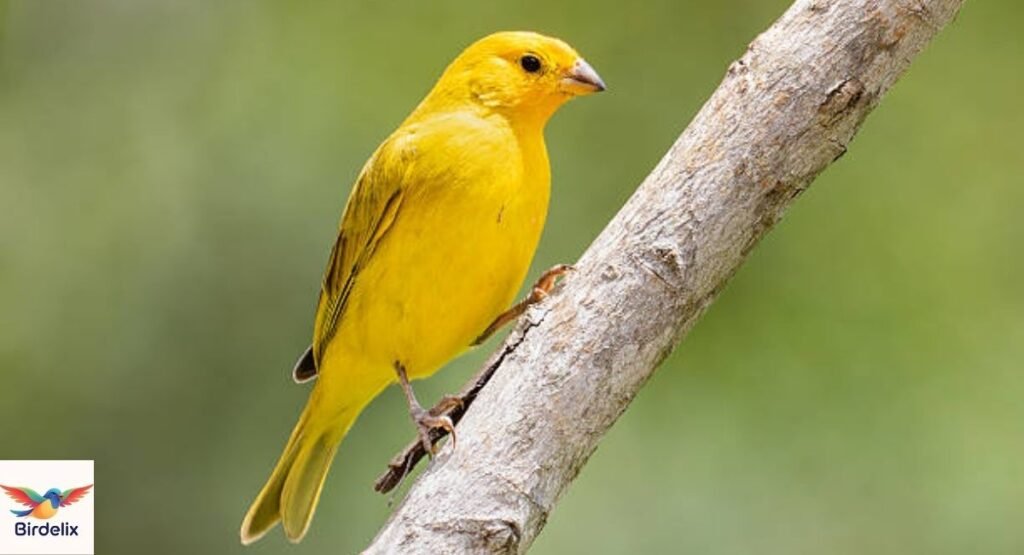
The Canary is one of the most beloved Birds That Start With C because of its cheerful singing and bright yellow plumage. Native to the Canary Islands, Madeira, and the Azores, this small songbird has been kept as a pet for centuries due to its pleasant voice and friendly nature. Wild Canaries usually display yellow-green feathers, while domesticated varieties come in many different colors. They mainly feed on seeds, fresh greens, and small insects. Adult Canaries measure around 5 inches long and can live between 10 and 15 years with proper care. One interesting fact is that male Canaries sing more frequently than females, especially during the breeding season.
2. Cardinal
Scientific Name: Cardinalis cardinalis
Family: Cardinalidae
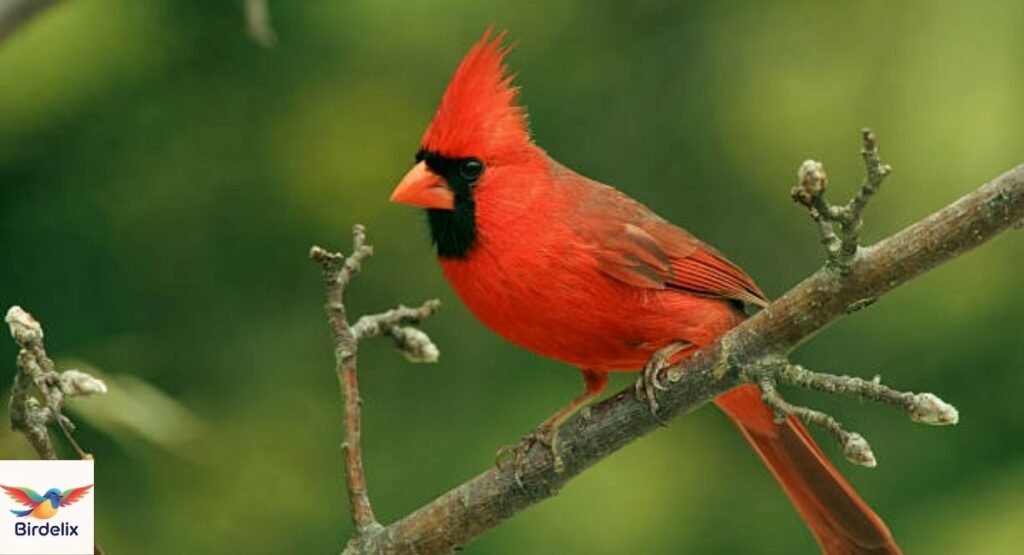
The Cardinal is one of the most recognizable Birds That Start With C in North America. Male Cardinals are famous for their brilliant red feathers, black facial mask, and pointed crest, while females have warm brown plumage with reddish highlights. These beautiful birds are commonly seen in gardens, forests, parks, and suburban backyards. Their diet includes seeds, berries, fruits, and insects throughout the year. Cardinals are non-migratory birds, meaning they remain in the same region during every season. A fascinating fact is that Cardinal pairs often sing together, strengthening their bond while defending their territory.
3. Cockatoo
Scientific Name: Cacatuidae
Family: Cacatuidae
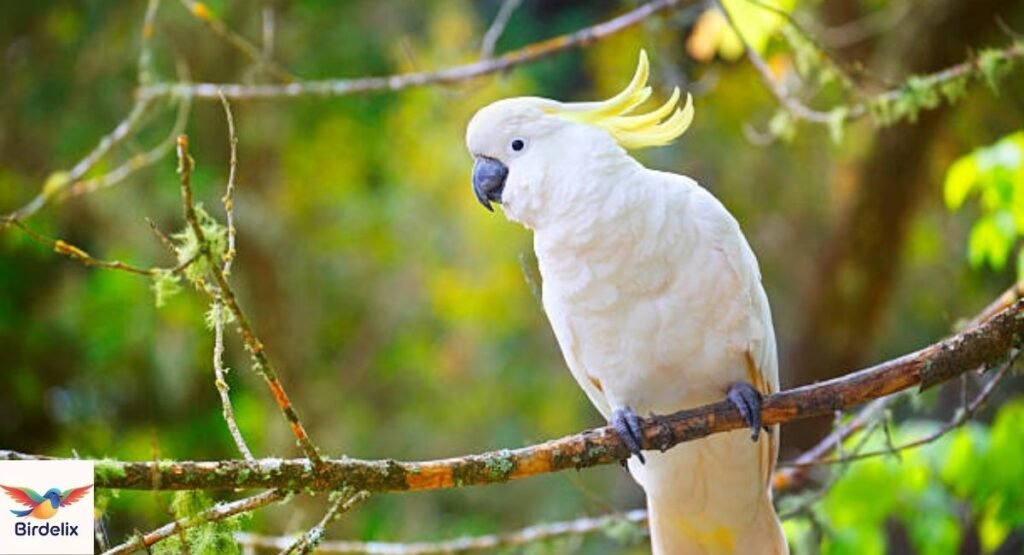
The Cockatoo is a highly intelligent parrot and one of the most popular Birds That Start With C. Recognized by its expressive crest and curved beak, this bird is native to Australia, Indonesia, Papua New Guinea, and nearby islands. Cockatoos feed on seeds, nuts, fruits, flowers, and roots. Many species are excellent problem-solvers and quickly learn tricks or human speech in captivity. Depending on the species, they can live between 40 and 70 years. One remarkable fact is that Cockatoos use their movable crest feathers to communicate emotions such as excitement, curiosity, or caution.
4. Crow
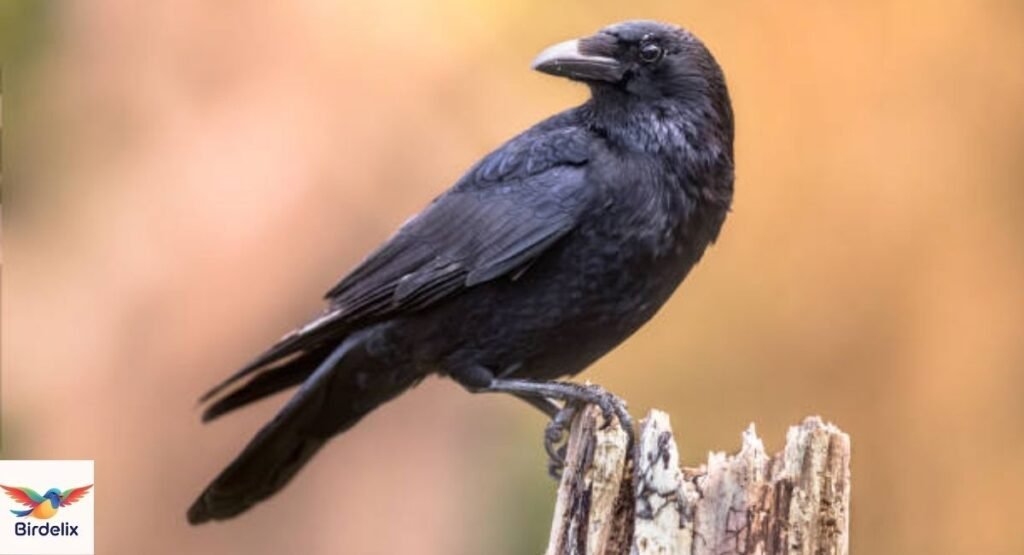
Scientific Name: Corvus spp.
Family: Corvidae
The Crow is among the smartest Birds That Start With C and is admired for its remarkable intelligence and adaptability. Crows are found across forests, farms, cities, and coastal areas on nearly every continent. They have glossy black feathers, powerful beaks, and exceptional problem-solving skills. Their diet is highly varied and includes insects, fruits, seeds, small animals, and carrion. These social birds often live in family groups and communicate using a wide range of calls. An amazing fact is that Crows can recognize human faces and remember both friendly and threatening people for many years.
5. Crane
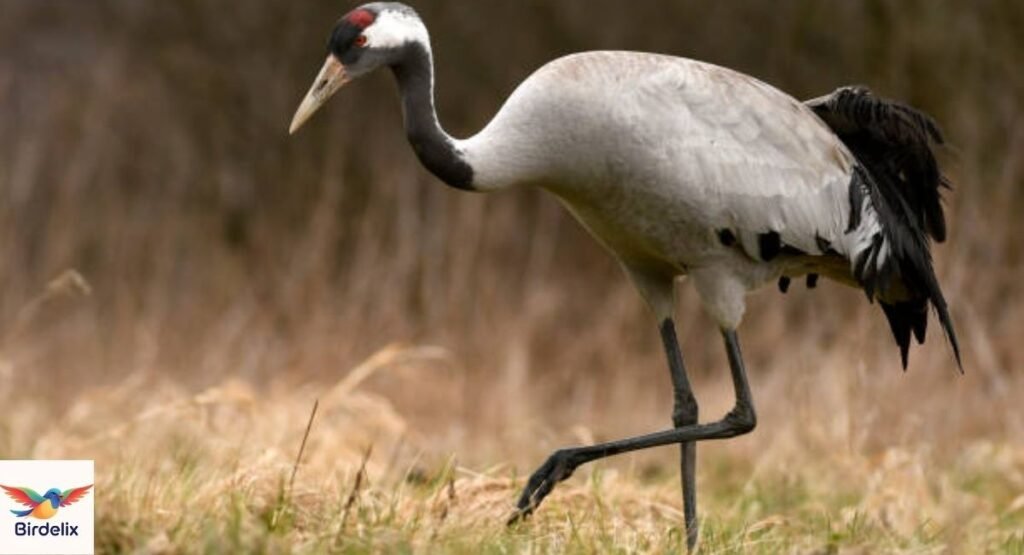
Scientific Name: Gruidae
Family: Gruidae
The Crane is a graceful wading bird and one of the tallest Birds That Start With C. Known for its long legs, elegant neck, and broad wings, the Crane inhabits wetlands, grasslands, and marshes across many parts of the world. It feeds on insects, fish, frogs, grains, seeds, and aquatic plants. Many Crane species migrate thousands of miles between breeding and wintering grounds every year. Their spectacular courtship dances include jumping, bowing, and wing spreading. These displays help strengthen pair bonds and are among the most impressive behaviors seen in the bird world.
6. Cuckoo
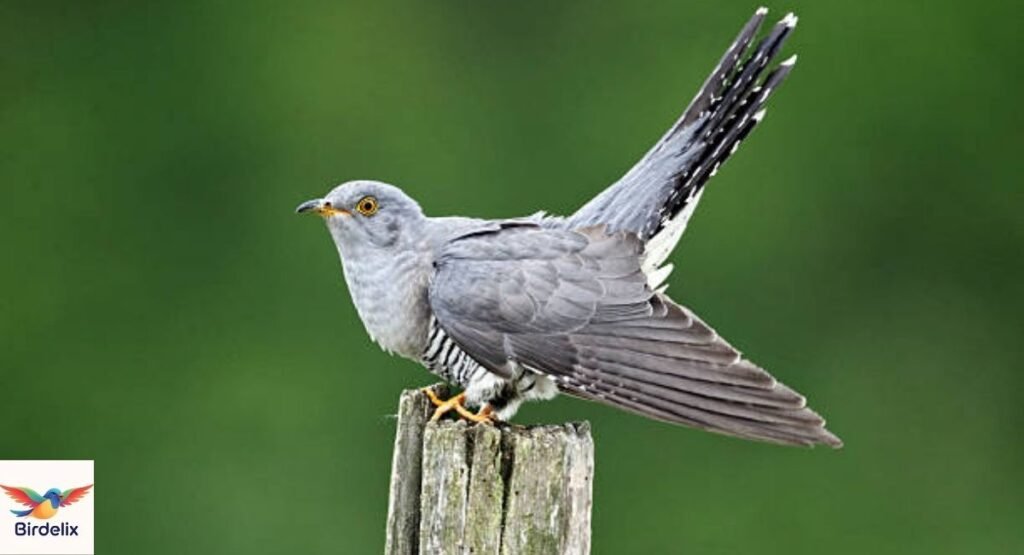
Scientific Name: Cuculidae
Family: Cuculidae
The Cuckoo is one of the most fascinating Birds That Start With C because of its unusual nesting behavior. Found throughout Europe, Asia, Africa, and Australia, Cuckoos usually inhabit forests, woodlands, and open countryside. They mainly eat caterpillars, insects, and other small invertebrates. Many Cuckoo species are brood parasites, meaning they lay their eggs in the nests of other birds instead of building their own. The host parents unknowingly raise the young Cuckoo. This remarkable strategy has made the bird famous among ornithologists worldwide.
7. Curlew
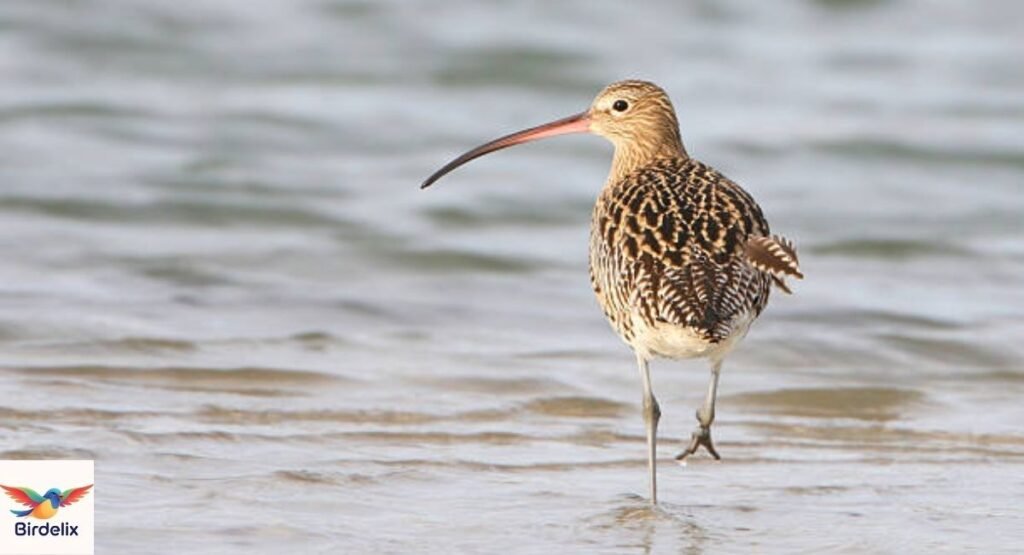
Scientific Name: Numenius spp.
Family: Scolopacidae
The Curlew is a distinctive shorebird and one of the most elegant Birds That Start With C. It is easily recognized by its long, downward-curved bill, which is perfectly adapted for probing mud and sand in search of worms, crustaceans, and small shellfish. Curlews are commonly found along coastlines, estuaries, wetlands, and grasslands across Europe, Asia, Africa, and the Americas. Many species migrate long distances between breeding and wintering areas each year. An interesting fact is that the Eurasian Curlew has one of the longest bills of any shorebird, allowing it to reach prey hidden deep beneath soft mud.
8. Cassowary
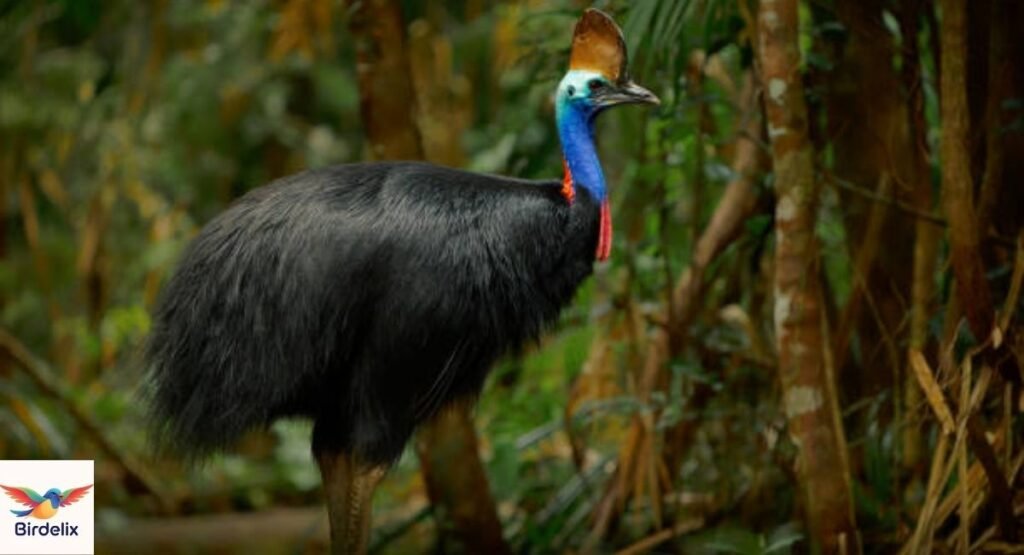
Scientific Name: Casuarius casuarius
Family: Casuariidae
The Cassowary is one of the most remarkable Birds That Start With C because of its enormous size and striking appearance. Native to the tropical rainforests of Australia and New Guinea, this flightless bird has glossy black feathers, a bright blue neck, and a helmet-like casque on its head. Cassowaries mainly feed on fallen fruits, berries, fungi, and small animals, making them important seed dispersers in rainforest ecosystems. They can grow over 6 feet tall and weigh more than 130 pounds. One fascinating fact is that the Cassowary is considered one of the world’s most dangerous birds due to its powerful legs and sharp claws.
9. Cormorant
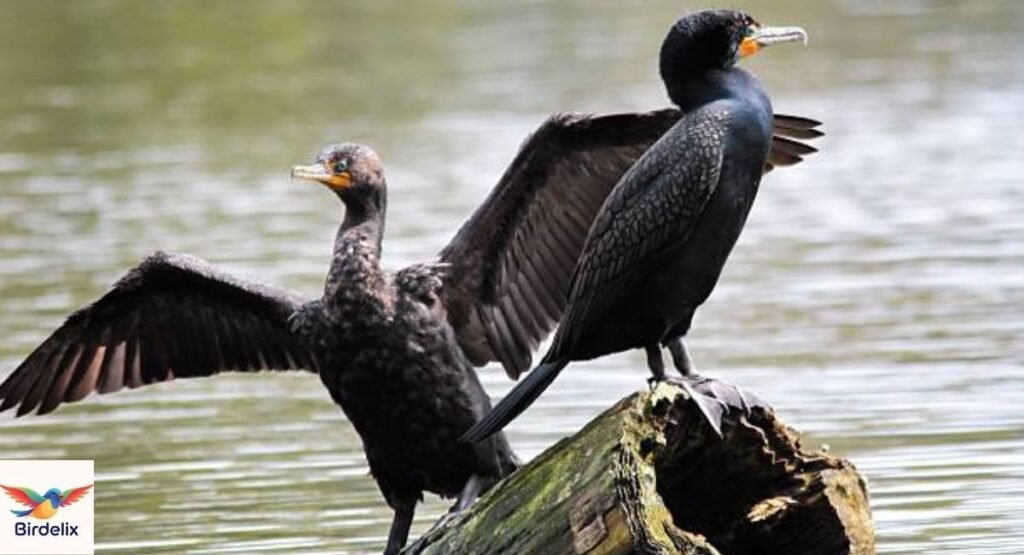
Scientific Name: Phalacrocoracidae
Family: Phalacrocoracidae
The Cormorant is a skilled diving bird and one of the most adaptable Birds That Start With C. These birds live near lakes, rivers, wetlands, and coastal waters across much of the world. Their streamlined bodies, webbed feet, and hooked bills make them excellent fish hunters. After diving underwater, Cormorants are often seen spreading their wings to dry because their feathers absorb more water than those of many other water birds. Most species feed mainly on fish, although they also eat amphibians and crustaceans. Their impressive underwater swimming ability allows them to chase prey with great speed and precision.
10. Chickadee
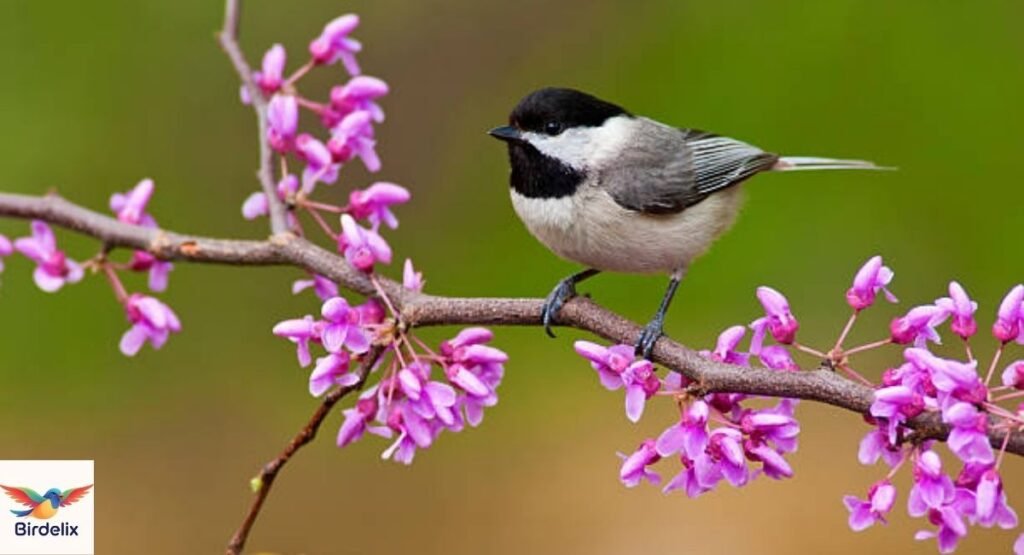
Scientific Name: Poecile spp.
Family: Paridae
The Chickadee is a tiny but energetic Bird That Starts With C, loved for its friendly behavior and cheerful calls. These small songbirds are commonly found in forests, gardens, and parks throughout North America. Chickadees have soft grey feathers, black caps, white cheeks, and short pointed bills. Their diet consists of insects, seeds, berries, and tree buds. During winter, they often visit backyard bird feeders and can remember thousands of food hiding places. An amazing fact is that Chickadees can lower their body temperature at night to conserve energy during extremely cold weather.
11. Chough
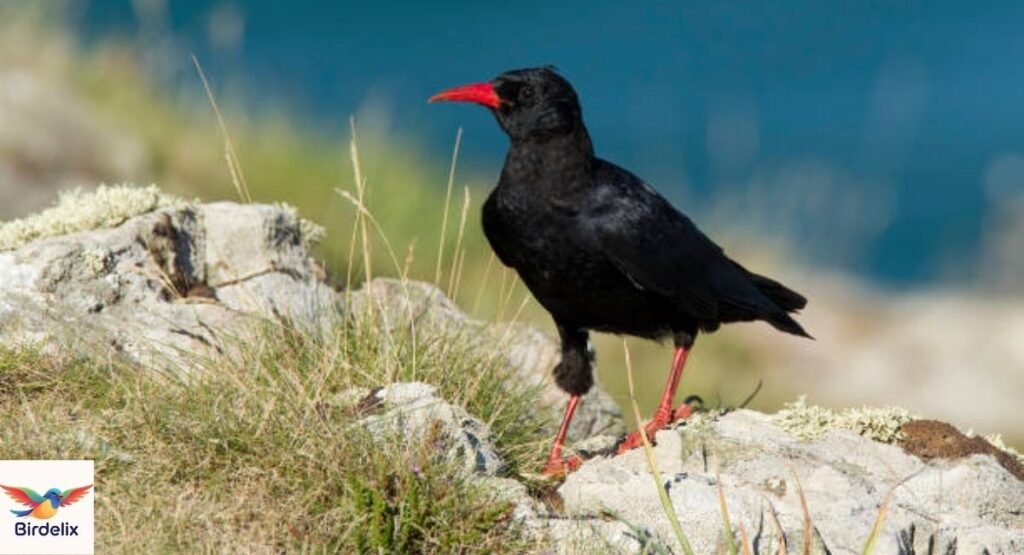
Scientific Name: Pyrrhocorax spp.
Family: Corvidae
The Chough is an intelligent member of the crow family and one of the most distinctive Birds That Start With C. It is recognized by its glossy black plumage, bright red or yellow bill, and colorful legs. Choughs inhabit coastal cliffs, rocky mountains, and open grasslands across Europe, Asia, and North Africa. They feed on insects, worms, seeds, and small fruits found in grassy habitats. These social birds often fly in noisy flocks and perform impressive aerial acrobatics. Their playful behavior and strong family bonds make them fascinating birds to observe in the wild.
12. Canvasback
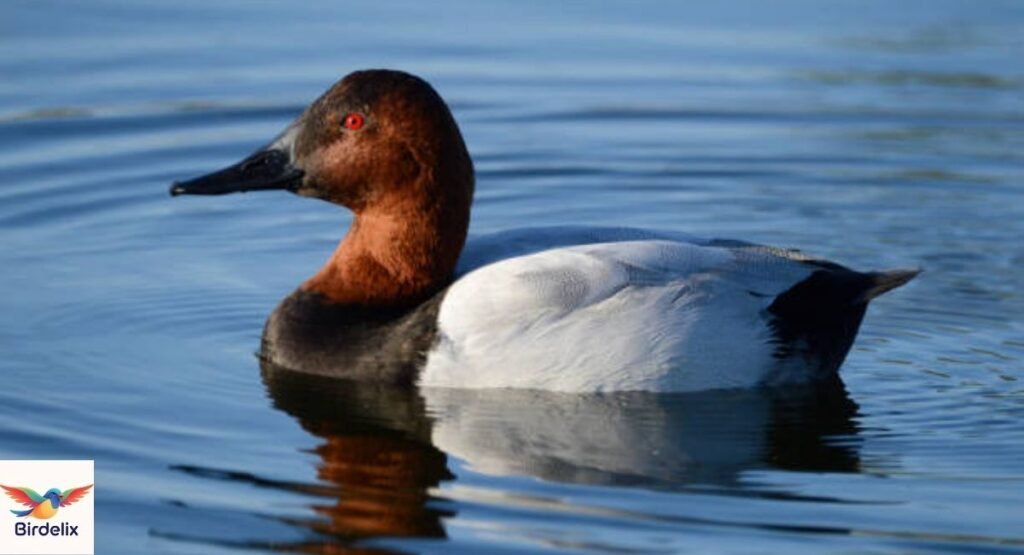
Scientific Name: Aythya valisineria
Family: Anatidae
The Canvasback is one of the largest diving ducks among the Birds That Start With C. It breeds in North America’s prairie wetlands and spends winter along lakes, rivers, and coastal bays. Canvasbacks are easily identified by their sloping forehead, long black bill, chestnut-red head, and pale grey body. Their diet mainly includes aquatic plants, seeds, snails, and small invertebrates. These powerful swimmers dive beneath the water to search for food. An interesting fact is that Canvasbacks can remain underwater for more than 20 seconds while feeding.
13. Condor
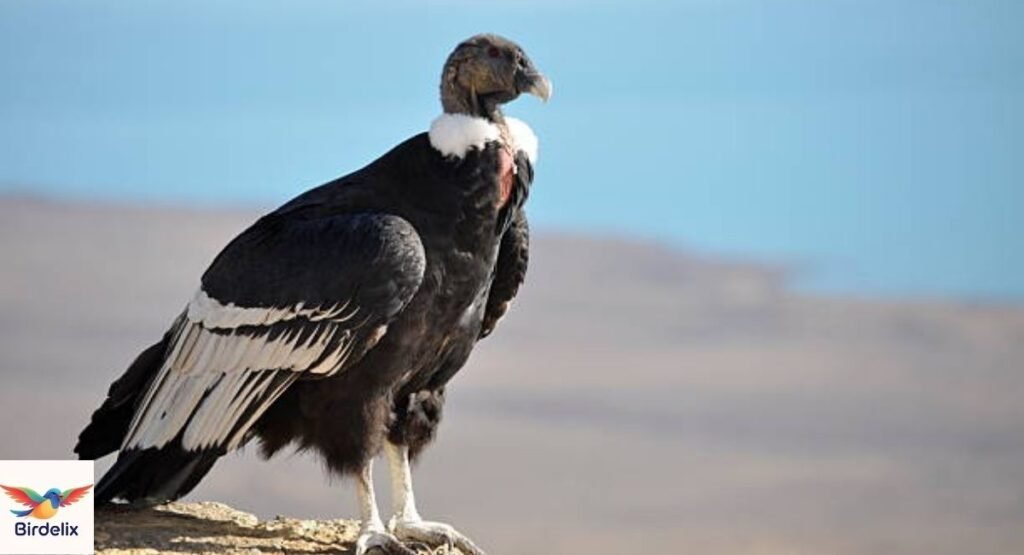
Scientific Name: Vultur gryphus
Family: Cathartidae
The Condor is one of the largest flying Birds That Start With C, famous for its enormous wingspan and soaring flight. Found mainly in the Andes Mountains of South America, Condors prefer cliffs, mountains, and open landscapes where rising air currents help them glide effortlessly. They feed primarily on carrion, playing a vital role in keeping ecosystems clean by removing dead animals. Adult Condors can have a wingspan exceeding 10 feet, making them among the world’s largest flying birds. One remarkable fact is that they can soar for hours without flapping their wings.
14. Caracara
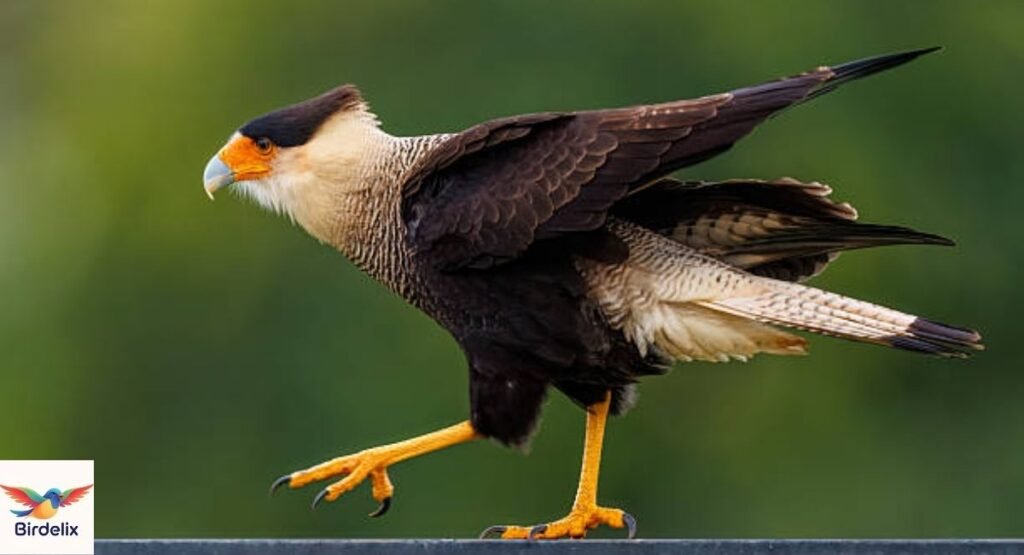
Scientific Name: Caracara plancus
Family: Falconidae
The Caracara is a unique bird of prey and one of the most adaptable Birds That Start With C. Unlike many falcons, Caracaras spend a great deal of time walking on the ground in search of food. They are found in grasslands, savannas, deserts, and open countryside across Central and South America, with some species extending into the southern United States. Their diet includes insects, reptiles, small mammals, birds, and carrion. Caracaras are known for their intelligence and curiosity, often investigating unfamiliar objects. A fascinating fact is that they frequently work together to chase larger predators away from food sources.
15. Crossbill
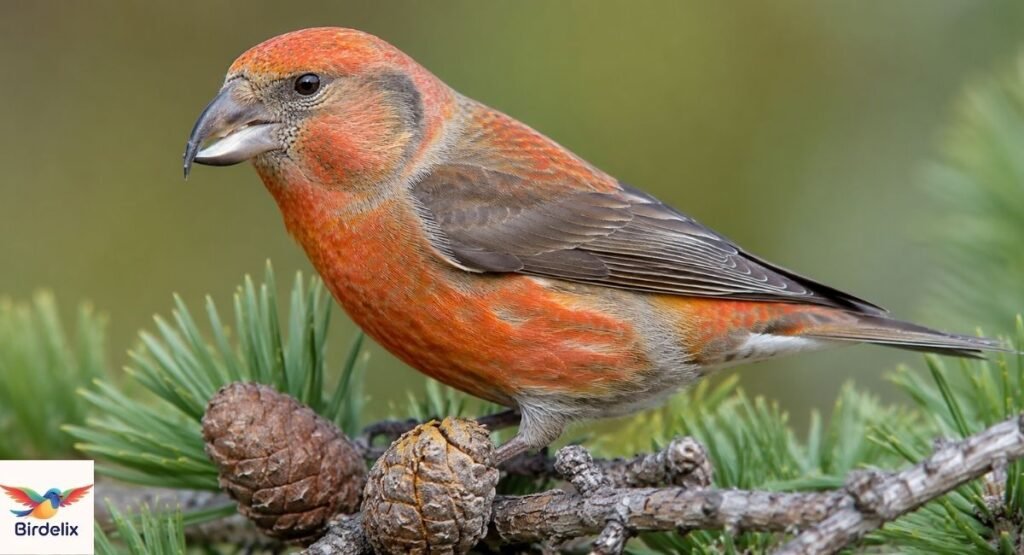
Scientific Name: Loxia spp.
Family: Fringillidae
The Crossbill is one of the most unusual Birds That Start With C because of its uniquely crossed beak. This special adaptation allows it to extract seeds from pine cones with remarkable efficiency. Crossbills are commonly found in conifer forests across North America, Europe, and Asia. Their diet mainly consists of conifer seeds, although they also eat insects and berries when available. These active birds travel widely in search of cone crops and can breed at almost any time of the year if food is abundant. An interesting fact is that different Crossbill species have beaks specially shaped for different types of pine cones.
16. Catbird
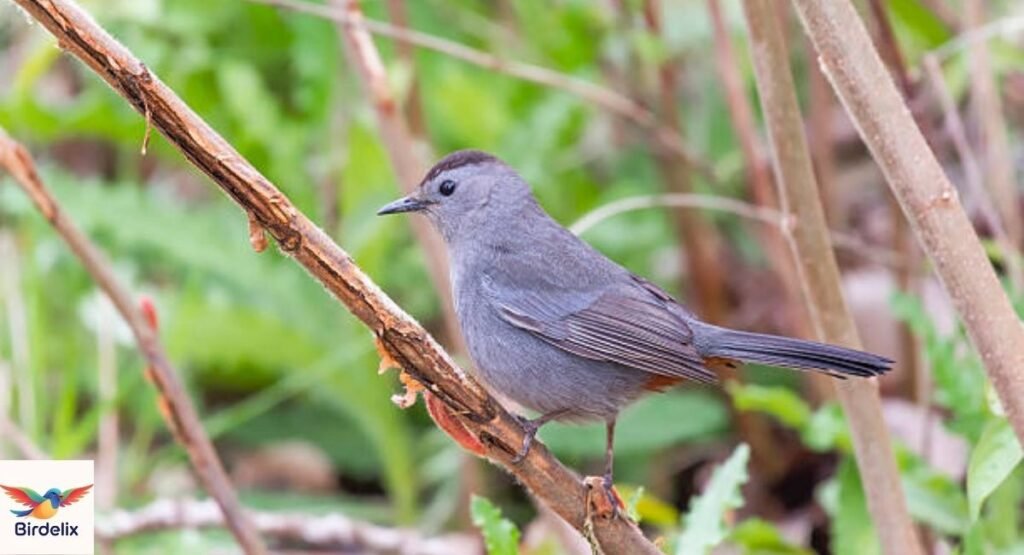
Scientific Name: Dumetella carolinensis
Family: Mimidae
The Catbird is a fascinating Bird That Starts With C known for its remarkable ability to mimic sounds. It has soft slate-grey feathers, a black cap, and a rusty patch beneath its tail. Catbirds are commonly found in forests, gardens, and dense shrubs throughout North America. They feed on insects, berries, fruits, and small invertebrates. Their songs are made up of whistles, chirps, and imitations of other birds. One fascinating fact is that the Catbird gets its name from its distinctive “meow” call, which closely resembles the sound of a domestic cat.
17. Capercaillie
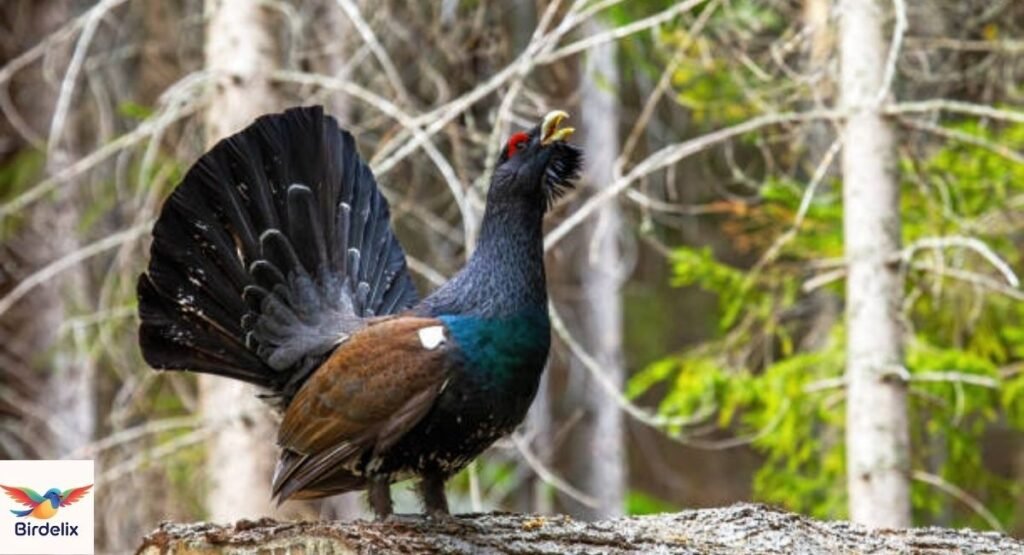
Scientific Name: Tetrao urogallus
Family: Phasianidae
The Capercaillie is the largest member of the grouse family and one of the most impressive Birds That Start With C. It inhabits dense pine and spruce forests across Europe and northern Asia. Males are much larger than females and display glossy black feathers with metallic green coloring on the chest. Their diet includes pine needles, berries, buds, and insects. During the breeding season, males perform spectacular courtship displays by spreading their tails, lowering their wings, and producing unique clicking sounds. These displays help attract females and establish dominance over rivals.
18. Curassow
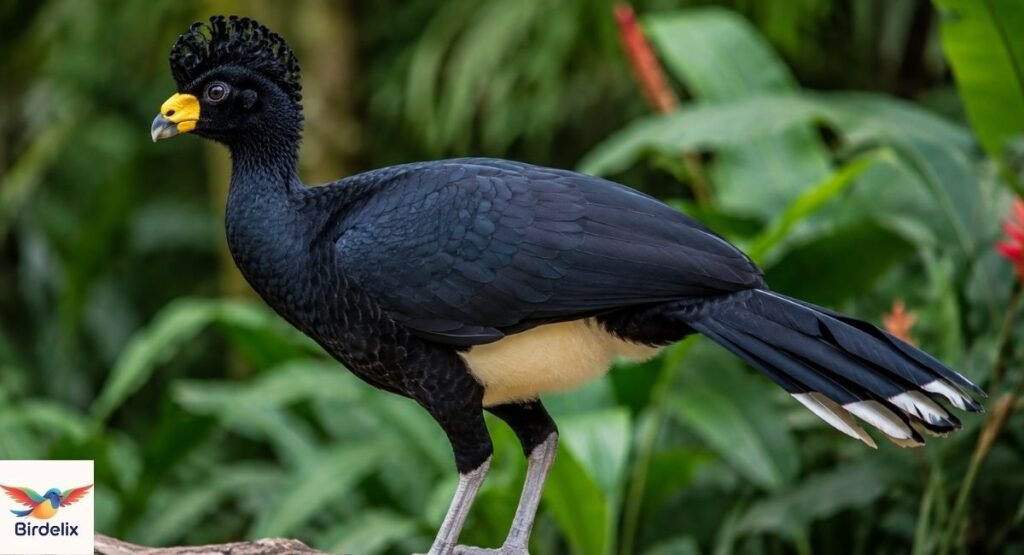
Scientific Name: Crax spp.
Family: Cracidae
The Curassow is a large tropical bird and one of the most beautiful Birds That Start With C found in Central and South America. It lives in dense rainforests where it spends much of its time walking along the forest floor. Curassows feed mainly on fruits, seeds, insects, and small animals. Many species have glossy black plumage, curly head crests, and brightly colored facial skin. Unfortunately, several Curassow species are threatened by habitat loss and hunting. Their role as seed dispersers makes them important for maintaining healthy rainforest ecosystems.
19. Cotinga
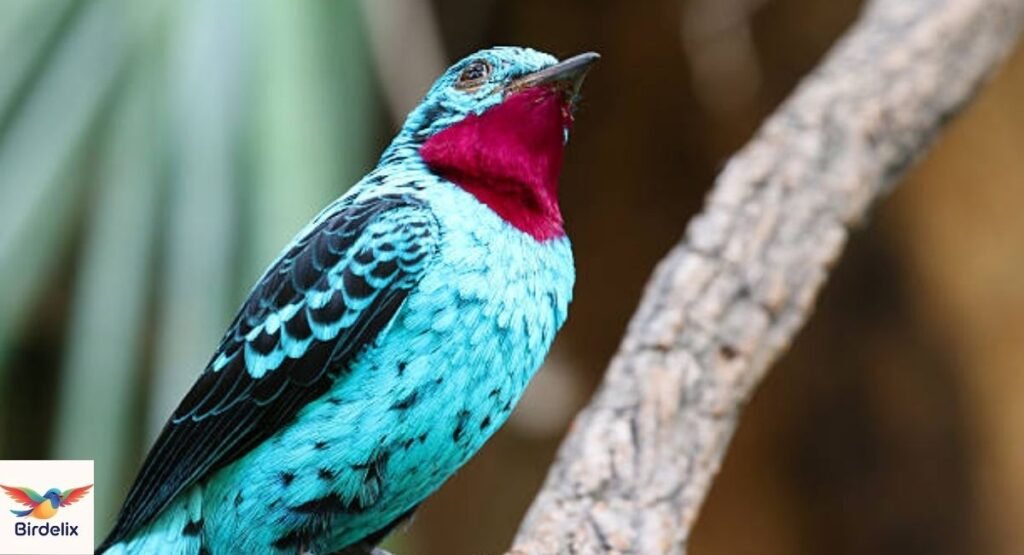
Scientific Name: Cotingidae
Family: Cotingidae
The Cotinga is one of the most colorful Birds That Start With C, admired for its brilliant plumage and tropical beauty. These birds are native to the rainforests of Central and South America, where they usually live high in the forest canopy. Depending on the species, Cotingas display vibrant shades of blue, turquoise, purple, or pink. They feed primarily on fruits but also eat insects and small vertebrates. Their bright colors play an important role in attracting mates during the breeding season. Some Cotinga species are considered among the most beautiful birds in the world.
20. Crested Pigeon
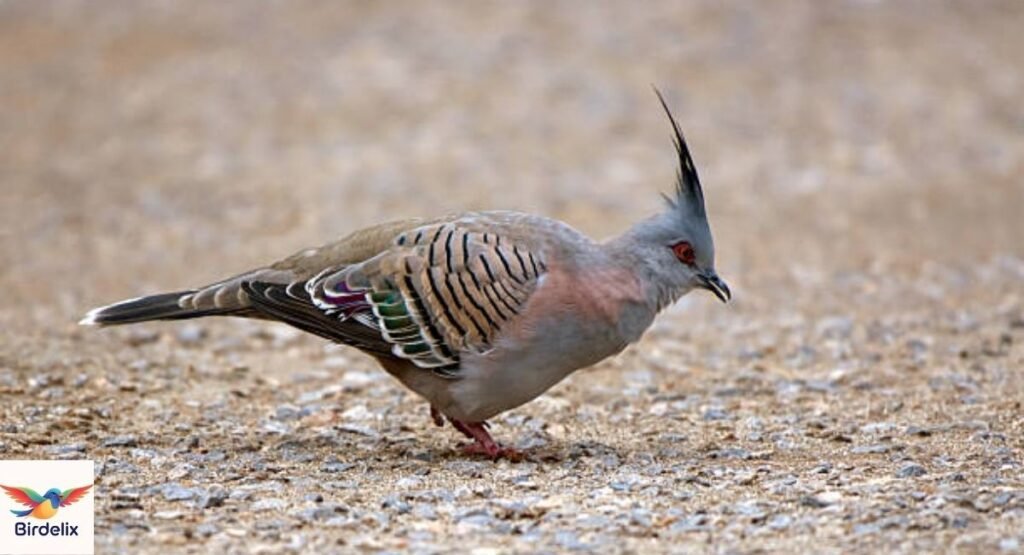
Scientific Name: Ocyphaps lophotes
Family: Columbidae
The Crested Pigeon is a graceful Bird That Starts With C native to Australia. It is easily recognized by the slender crest on its head and the distinctive whistling sound produced by its wings during flight. Crested Pigeons are commonly found in open woodlands, grasslands, parks, farms, and urban areas. Their diet mainly consists of seeds, grains, and small plants gathered from the ground. These social birds often travel in pairs or small flocks. An interesting fact is that the whistling noise made by their wings helps warn other pigeons of approaching danger.
Birds That Start With C by Bird Type
Birds That Start With C belong to many different bird groups, reflecting the incredible diversity of the avian world. Some are colorful songbirds known for their beautiful calls, while others are powerful birds of prey, graceful wading birds, or large flightless birds. There are also parrots, seabirds, and water birds that thrive in a wide range of habitats across the globe.
Songbirds
Canary, Cardinal, Chickadee, Catbird, Chaffinch, Cisticola, Crossbill, Cotinga, Chough
Birds of Prey
Condor, Caracara, Cape Vulture, California Condor
Water Birds
Canvasback, Coot, Cormorant, Common Eider, Cinnamon Teal
Flightless Birds
Cassowary, Cagou
Parrots
Cockatoo, Cockatiel, Conure, Crimson Rosella
Seabirds
Cormorant, Crested Auklet, Common Eider
Wading Birds
Crane, Curlew, Chinese Egret
Birds That Start With C by Habitat
Different Birds That Start With C thrive in a wide variety of habitats, from dense tropical rainforests and quiet wetlands to rugged mountains and dry deserts. Each species has evolved unique adaptations that help it survive in its preferred environment. Understanding where these birds live makes bird identification easier and highlights the incredible diversity of avian species around the world.
Forest Birds
Forests provide food, shelter, and nesting sites for many C birds. Species such as the Cockatoo, Catbird, Crossbill, Capercaillie, Curassow, Cotinga, Chickadee, and Chaffinch depend on woodland habitats for survival. These birds feed on seeds, berries, fruits, insects, and tree buds while helping maintain healthy forest ecosystems.
Wetland Birds
Wetlands support numerous birds that rely on shallow water and marsh vegetation for feeding and breeding. The Crane, Canvasback, Coot, Cormorant, Chinese Egret, and Cinnamon Teal are commonly found in marshes, lakes, rivers, and freshwater wetlands where fish, aquatic plants, insects, and crustaceans are plentiful.
Coastal Birds
Coastal habitats are home to birds specially adapted to life near the sea. Curlew, Cormorant, Common Eider, Crested Auklet, and some Cinclodes species forage along beaches, rocky shores, estuaries, and coastal cliffs. Many of these birds have strong swimming or diving abilities that help them catch fish and marine invertebrates.
Desert Birds
Although deserts seem harsh, several C birds are well adapted to these dry environments. Chat, Caracara, and the Common Poorwill inhabit arid landscapes where they survive by feeding on insects, reptiles, and small animals while conserving water efficiently.
Tropical Rainforest Birds
Tropical rainforests contain some of the world’s most colorful Birds That Start With C. The Cassowary, Cock-of-the-rock, Cotinga, Curassow, Cochoa, Cagou, and Cockatoo live in lush forests filled with fruit-bearing trees and dense vegetation. Many of these birds play an essential role in seed dispersal, helping regenerate rainforest ecosystems.
Mountain Birds
Mountain habitats provide cool climates and rocky landscapes for several remarkable bird species. Condor, Chough, Cinclodes, Cochoa, and Capercaillie are commonly associated with mountainous regions, where they nest on cliffs, forage in alpine meadows, or inhabit high-elevation forests.
Grassland Birds
Open grasslands and savannas support birds that prefer wide spaces for feeding and nesting. Cariama, Crane, Caracara, Cape Bunting, and Crested Pigeon are frequently found in these habitats, where they hunt insects, gather seeds, and search for small vertebrates.
Birds That Start With C by Continent
Birds beginning with C are distributed across every continent except Antarctica. Some species have worldwide ranges, while others are found only in specific regions. Learning where these birds naturally occur helps birdwatchers and wildlife enthusiasts identify species more accurately during travel or outdoor exploration.
North American Birds
North America is home to many familiar C birds, including the Cardinal, Chickadee, Canvasback, Catbird, California Condor, California Quail, Common Raven, and Cinnamon Teal. These birds inhabit forests, wetlands, deserts, grasslands, and suburban gardens throughout the continent.
South American Birds
South America boasts incredible bird diversity with species such as the Caracara, Curassow, Cotinga, Cock-of-the-rock, Cinclodes, Cariama, and Andean Condor. Many of these birds live in tropical rainforests, mountain ranges, and open grasslands.
European Birds
Europe is home to well-known birds like the Canary, Curlew, Chough, Capercaillie, Chaffinch, Crossbill, and several Cormorant species. They can be found in forests, coastal regions, wetlands, and mountainous landscapes.
African Birds
Africa supports a rich variety of C birds, including the Cordon-bleu, Cape Vulture, Cape Bunting, Cisticola, Caracara (in limited regions), and some Curlew species during migration. These birds inhabit savannas, wetlands, mountains, and open woodlands.
Asian Birds
Asia is home to fascinating species such as the Cochoa, Chinese Egret, Crossbill, Cormorant, Curlew, Cockatoo (in Southeast Asia), and Cuckoo. These birds occupy forests, wetlands, coastal regions, and mountainous habitats.
Australian Birds
Australia is famous for unique Birds That Start With C, including the Cassowary, Cockatoo, Crested Pigeon, Crimson Rosella, Curlew (Bush Stone-curlew), and Common Bronzewing. These birds live in rainforests, eucalyptus woodlands, grasslands, and coastal environments, making Australia one of the best places in the world to observe distinctive avian wildlife.
Largest Birds That Start With C
Some Birds That Start With C are among the largest and most powerful birds on Earth. These species stand out because of their impressive height, broad wingspans, and heavy bodies. While the Cassowary dominates among flightless birds, the Condor is famous for having one of the largest wingspans of any flying bird. The comparison below highlights five of the biggest C birds.
| Bird | Height | Wingspan | Weight | Native Region |
| Cassowary | Up to 6 ft (1.8 m) | Flightless | Up to 154 lb (70 kg) | Australia & New Guinea |
| Andean Condor | Up to 4.3 ft (1.3 m) | Up to 10.5 ft (3.2 m) | Up to 33 lb (15 kg) | South America |
| Crane (Whooping Crane) | Up to 5 ft (1.5 m) | Up to 7.5 ft (2.3 m) | Up to 17 lb (7.7 kg) | North America |
| Curassow | Up to 3.3 ft (1 m) | Up to 5 ft (1.5 m) | Up to 11 lb (5 kg) | Central & South America |
| Great Cormorant | Up to 3.3 ft (1 m) | Up to 5.3 ft (1.6 m) | Up to 11 lb (5 kg) | Worldwide |
Small Birds That Start With C
Not all Birds That Start With C are large. Many are tiny songbirds known for their colorful feathers, beautiful songs, and energetic behavior. These birds are often seen in gardens, forests, and woodland habitats where they feed on seeds, berries, and insects.
| Bird | Length | Weight | Habitat |
| Canary | 4.7–5.5 in (12–14 cm) | 15–20 g | Gardens, forests |
| Chickadee | 4.7–5.9 in (12–15 cm) | 9–14 g | Forests, parks |
| Cisticola | 4–5 in (10–13 cm) | 8–15 g | Grasslands, wetlands |
| Chaffinch | 5.5–6.3 in (14–16 cm) | 18–29 g | Woodlands, gardens |
| Chlorophonia | 4.5–5.5 in (11–14 cm) | 15–22 g | Tropical forests |
Rare and Unusual Birds That Start With C
Several Birds That Start With C are rarely seen in the wild because of their limited distribution, unusual appearance, or specialized habitats. These fascinating species are favorites among birdwatchers and wildlife photographers.
| Bird | Why It’s Unique | Native Region |
| Cagou | Flightless bird with powder-grey feathers and a striking crest | New Caledonia |
| Cock-of-the-rock | Brilliant orange plumage and spectacular courtship displays | South America |
| Cochoa | Secretive forest bird with vibrant blue-green feathers | Asia |
| Cinclodes | Thrives in rocky mountains and coastal shorelines | South America |
| Cordon-bleu | Tiny finch with bright blue plumage and elegant appearance | Africa |
| Cariama | Long-legged ground bird that hunts snakes and insects | South America |
Birds That Start With C by Letter Length
Bird names beginning with the letter C come in many different lengths. Organizing them by the number of letters makes them useful for word games, educational activities, and quick bird identification.
4-Letter Birds That Start With C
These bird names contain only four letters but represent a variety of habitats and lifestyles.
- Chat
- Coot
- Crow
5-Letter Birds That Start With C
Five-letter bird names are common and include several well-known species.
- Crane
- Chough
- Coucal
- Cissa
6-Letter Birds That Start With C
These six-letter bird names include colorful songbirds, shorebirds, and birds of prey.
- Canary
- Curlew
- Condor
- Cochoa
9-Letter Birds That Start With C
Longer bird names often belong to distinctive species that are easy to recognize.
- Chickadee
- Cormorant
- Cassowary
- Crossbill
Pet Birds That Start With C
Many Birds That Start With C are popular pets because of their intelligence, colorful feathers, and engaging personalities. While some species adapt well to life in captivity, others are protected by wildlife laws and should only be appreciated in their natural habitats. Before choosing any pet bird, it’s important to understand its care requirements, lifespan, and noise level.
| Bird | Pet Friendly | Noise Level | Lifespan | Beginner Friendly |
| Canary | Yes | Low | 10–15 years | Yes |
| Cockatiel | Yes | Medium | 15–25 years | Yes |
| Cockatoo | Yes | High | 40–70 years | No |
| Conure | Yes | Medium to High | 20–30 years | Moderate |
| Cardinal | No (Protected Wildlife) | Medium | 10–15 years | No |
Exotic Birds That Start With C
Some Birds That Start With C are admired for their extraordinary appearance, rare habitats, and unique behaviors. These exotic birds are found mainly in tropical forests, remote islands, and grasslands, making them prized sightings for birdwatchers and wildlife photographers.
- Cassowary : A giant flightless bird with a colorful blue neck and powerful legs found in Australia and New Guinea.
- Cock-of-the-rock : Famous for its brilliant orange plumage and spectacular courtship dances in South American cloud forests.
- Cotinga : A rainforest bird known for its dazzling blue, purple, and turquoise feathers.
- Curassow : A large tropical bird with a distinctive curly crest that inhabits Central and South American forests.
- Cariama : A long-legged ground bird recognized for hunting snakes and other small animals across South American grasslands.
- Cagou : A rare flightless bird found only in New Caledonia with soft grey feathers and an elegant crest.
- Cochoa : A secretive mountain forest bird admired for its rich blue-green plumage and elusive behavior.
Fun Facts About Birds That Start With C
The world of Birds That Start With C is full of amazing surprises. Here are some fascinating facts about these remarkable birds.
- Smartest C Bird: The Crow is famous for solving puzzles, using tools, and recognizing human faces.
- Fastest Flyer: The Caracara is an agile flier that combines soaring with walking while hunting.
- Strongest Kick: The Cassowary delivers one of the most powerful kicks in the bird world using its sharp claws.
- Best Singer: The Canary is celebrated worldwide for its beautiful and melodious songs.
- Longest Lifespan: Some Cockatoos can live for more than 70 years with excellent care.
- Most Colorful Species: The Cotinga displays some of the brightest blue and turquoise feathers of any tropical bird.
- Largest Wingspan: The Andean Condor has an enormous wingspan that can exceed 10 feet.
- Best Mimic: The Catbird can imitate the songs of many other birds and even some environmental sounds.
- Best Seed Disperser: The Cassowary plays a vital role in spreading rainforest seeds over long distances.
- Master Diver: The Cormorant can swim underwater with remarkable speed while catching fish.
Why Birds That Start With C Matter in Nature
Every Bird That Starts With C plays an important role in maintaining healthy ecosystems. Together, these birds contribute to biodiversity, food chains, and the balance of natural environments around the world.
Many species, including the Cassowary, Curassow, and Cotinga, help disperse seeds by eating fruits and carrying seeds to new locations, allowing forests to regenerate naturally. Songbirds such as the Canary, Chickadee, and Cardinal help control insect populations, while birds like the Condor and Caracara clean the environment by feeding on carrion. Water birds such as the Crane, Cormorant, and Canvasback contribute to healthy wetland ecosystems by maintaining balanced aquatic food webs.
Protecting these birds also helps preserve the habitats they depend on. Conservation efforts focused on forests, wetlands, grasslands, and coastal environments benefit countless other wildlife species, making bird conservation an essential part of protecting global biodiversity.
Birdwatching Tips for Spotting C Birds
Whether you’re a beginner or an experienced birder, observing Birds That Start With C can be both exciting and rewarding. A little preparation greatly improves your chances of seeing these fascinating species in the wild.
Best Seasons
Spring and autumn are ideal for birdwatching because many migratory birds are actively moving between breeding and wintering grounds. Early mornings usually offer the highest bird activity.
Best Habitats
Visit forests for Chickadees, Crossbills, and Catbirds. Explore wetlands to find Cranes, Canvasbacks, and Cormorants, while tropical rainforests are perfect for spotting Cassowaries, Curassows, and Cotingas.
Recommended Binoculars
A pair of 8×42 or 10×42 binoculars provides an excellent balance of magnification, brightness, and field of view for most birdwatching situations.
Bird Photography Tips
Use natural lighting during the early morning or late afternoon, keep a respectful distance, and use a telephoto lens whenever possible to capture detailed photographs without disturbing the birds.
Bird Identification Tips
Pay close attention to feather color, body shape, beak size, wing patterns, bird calls, and habitat. Carrying a field guide or using a reliable bird identification app can make identifying species much easier.
Common Beginner Mistakes
Avoid making loud noises, approaching nests too closely, or chasing birds for photographs. Patience, quiet observation, and respect for wildlife are the keys to becoming a successful birdwatcher.
Conclusion
Birds That Start With C represent an incredible variety of species, from colorful songbirds and intelligent crows to majestic cranes, powerful condors, and giant flightless cassowaries. Each bird has unique characteristics, habitats, and behaviors that make the avian world both diverse and fascinating. Whether you’re exploring bird names that start with C for education, birdwatching, or simple curiosity, these species demonstrate the remarkable diversity found across every continent.
By learning about these bird species that start with C, you also gain a greater appreciation for wildlife conservation and the importance of protecting natural habitats. Every bird plays a valuable role in maintaining healthy ecosystems through pollination, seed dispersal, pest control, and ecological balance. Hopefully, this guide has helped you discover new and interesting birds while inspiring you to continue exploring the amazing world of birds.
FAQs
What is the most common bird that starts with C?
The Crow is one of the most common birds that starts with C. It is found on nearly every continent and is well known for its intelligence, adaptability, and ability to thrive in both urban and rural environments.
Which bird that starts with C cannot fly?
The Cassowary is the most famous flightless bird that starts with C. Native to Australia and New Guinea, it relies on its powerful legs for running and defending itself instead of flying.
What is the largest bird that starts with C?
The Cassowary is the largest and heaviest bird that starts with C, reaching heights of over 6 feet (1.8 meters). Among flying birds, the Andean Condor has the largest wingspan.
Which C bird makes the sweetest song?
The Canary is widely regarded as the sweetest singing bird that starts with C. Its melodious voice has made it one of the world’s most popular pet songbirds for centuries.
Are there pet birds that start with C?
Yes. Popular pet birds that start with C include the Canary, Cockatiel, Cockatoo, and Conure. However, wild birds like the Cardinal should not be kept as pets because they are protected under wildlife laws in many countries.

Welcome to Birdelix! I’m Anam Sattar, an AI-powered SEO Specialist and Content Writer with over 5 years of experience in creating high-quality, search-optimized content. I help businesses improve their search engine rankings, increase organic traffic, and build beautiful, user-friendly websites. My mission is to make SEO, content creation, and web design simple, effective, and accessible for everyone. Let’s grow your online presence and achieve success together!