

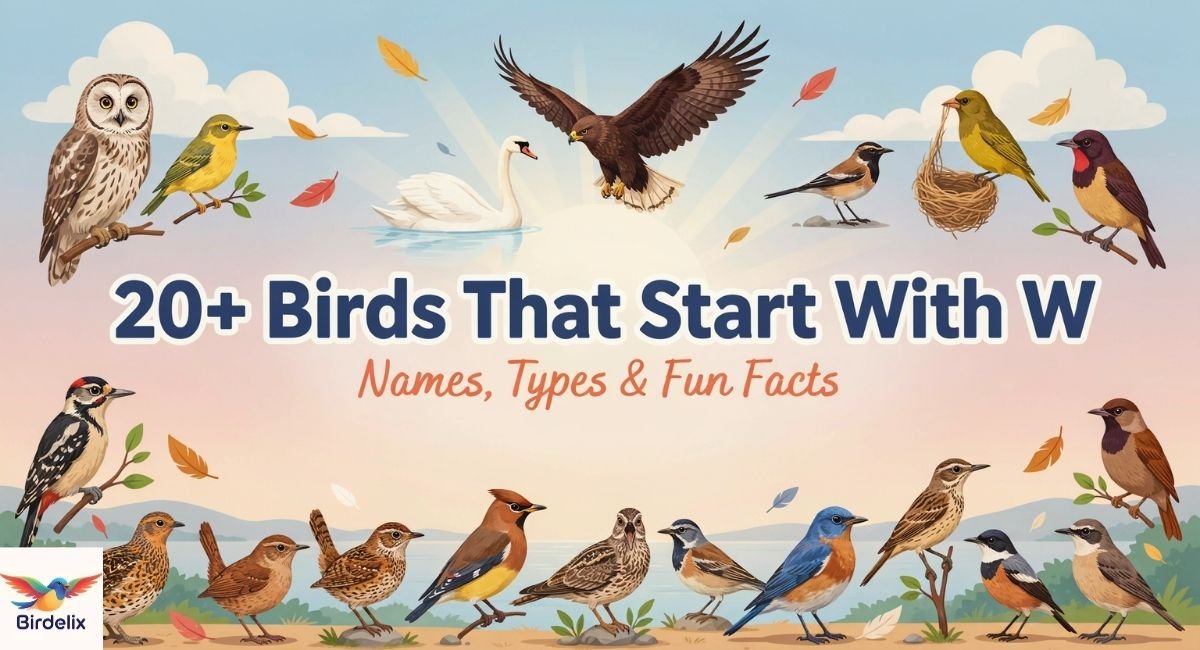
Finding Birds That Start With W can be more exciting than you might expect. The letter W brings together tiny wrens, colorful waxwings, powerful woodpeckers, and graceful waterbirds. Some species live in North America, while others thrive in tropical forests, mountain cliffs, wetlands, or open oceans. In this guide, you’ll discover bird names that start with W, along with their scientific names, habitats, diets, behaviors, and fascinating facts.
We’ll also explore small birds, songbirds, shorebirds, and unusual species that deserve more attention. Whether you’re a beginner birdwatcher, student, parent, or nature lover, this collection makes learning about W bird names simple, enjoyable, and surprisingly interesting.
What Birds Start With W?
Many fascinating birds beginning with W include Wren, Waxwing, Woodpecker, Warbler, Wagtail, and Wood Stork. The letter W also introduces names such as Whimbrel, Whinchat, White-eyed Vireo, and Willow Ptarmigan. These birds vary greatly in size, appearance, behavior, and habitat.
Importantly, W names don’t always describe one exact species. Terms such as Warbler, Weaver, and Waterthrush can refer to related groups or several species. That makes types of birds that start with W especially interesting for birdwatchers and students.
Quick List of Birds That Start With W
The table below gives you a quick snapshot of 25 notable W birds. Their scientific names and habitats show just how broad this group really is. Some live close to people, while others spend most of their lives over remote oceans.
| No. | Bird Name | Scientific Name | Type | Habitat |
| 1 | Wren | Troglodytes spp. | Songbird | Woodlands, gardens |
| 2 | Waxwing | Bombycilla spp. | Songbird | Forests, orchards |
| 3 | Woodpecker | Picidae | Woodpecker | Forests, parks |
| 4 | Warbler | Various | Songbird | Woodlands, shrubs |
| 5 | Weaver | Ploceidae | Weaverbird | Savannas, grasslands |
| 6 | Whip-poor-will | Antrostomus spp. | Nightjar | Open woodland |
| 7 | Woodswallow | Artamus spp. | Aerial bird | Woodlands, open country |
| 8 | Wheatear | Oenanthe spp. | Songbird | Open, rocky land |
| 9 | White-eye | Zosteropidae | Songbird | Forests, gardens |
| 10 | Wood Pigeon | Columba palumbus | Pigeon | Woodland, farmland |
| 11 | White-tailed Tropicbird | Phaethon lepturus | Seabird | Tropical oceans |
| 12 | Wattled Crane | Bugeranus carunculatus | Crane | African wetlands |
| 13 | Wandering Albatross | Diomedea exulans | Seabird | Southern Ocean |
| 14 | Wagtail | Motacilla spp. | Songbird | Grasslands, wetlands |
| 15 | Wallcreeper | Tichodroma muraria | Passerine | Rocky mountains |
| 16 | Waterthrush | Parkesia spp. | Songbird | Streams, wetlands |
| 17 | Whimbrel | Numenius spp. | Shorebird | Beaches, mudflats |
| 18 | Whinchat | Saxicola rubetra | Songbird | Grasslands |
| 19 | Whiskered Tern | Chlidonias hybrida | Tern | Marshes, lakes |
| 20 | White-crowned Sparrow | Zonotrichia leucophrys | Sparrow | Shrublands, fields |
| 21 | White-eyed Vireo | Vireo griseus | Songbird | Scrub, thickets |
| 22 | White-faced Ibis | Plegadis chihi | Wading bird | Marshes |
| 23 | White-throated Kingfisher | Halcyon smyrnensis | Kingfisher | Open country |
| 24 | White-winged Dove | Zenaida asiatica | Dove | Deserts, towns |
| 25 | Willow Ptarmigan | Lagopus lagopus | Grouse | Tundra |
20+ Birds That Start With W
These species show why W bird names cover far more than familiar backyard birds. You’ll find expert flyers, skilled climbers, nocturnal hunters, long-distance migrants, and highly specialized wetland feeders. Each bird below offers a different glimpse into avian life.
1. Wren
Scientific Name: Troglodytes spp.
Family: Troglodytidae
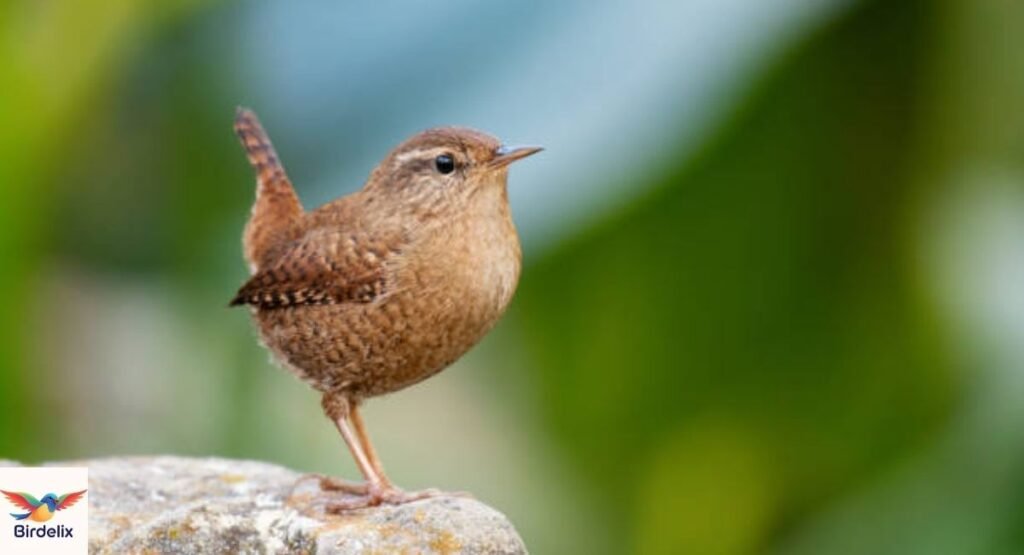
The Wren is one of the most familiar Birds That Start With W in gardens, forests, and wooded areas. These tiny birds have compact bodies, short wings, and upright tails. Despite their small size, wrens produce surprisingly loud and complex songs. They mainly feed on insects, spiders, and other small invertebrates. Wrens often search through dense vegetation, fallen leaves, and tree crevices for food. Several wren species occur across North America, including the House Wren and Carolina Wren. Their energetic movements and powerful voices make them easy to notice, even when their small bodies stay hidden.
2. Waxwing
Scientific Name: Bombycilla spp.
Family: Bombycillidae
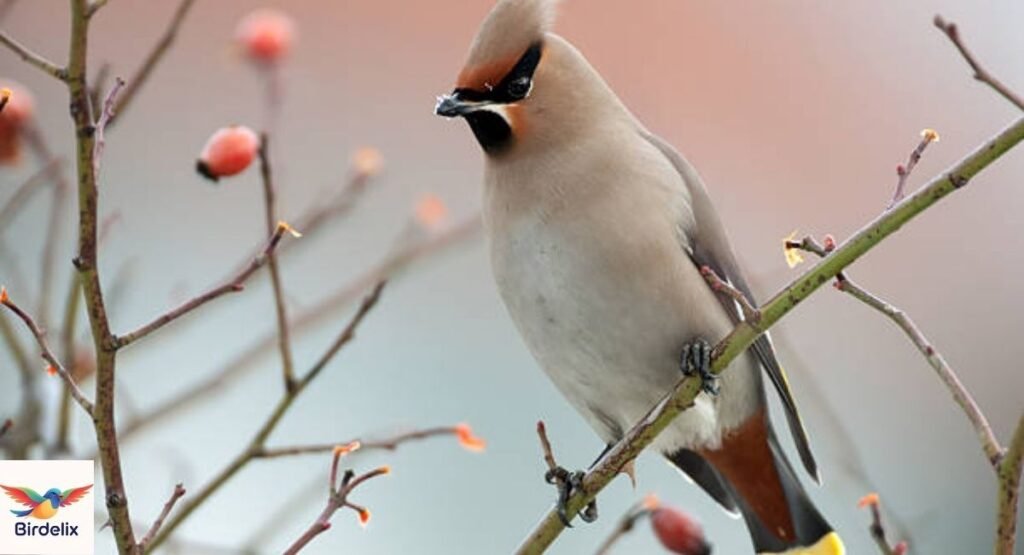
The Waxwing is a sleek and social Bird That Starts With W known for its silky feathers and colorful markings. Cedar Waxwings are especially familiar across North America. Their plumage combines soft brown, gray, and yellow tones with a distinctive black facial mask. Small red wax-like tips can appear on their wing feathers. Waxwings mainly eat berries and other fruits, although they also catch insects during warmer months. They often travel in flocks and may gather around fruiting trees in large numbers. Their fruit-heavy diet makes them quite unusual among North American songbirds.
3. Woodpecker
Scientific Name: Picidae
Family: Picidae
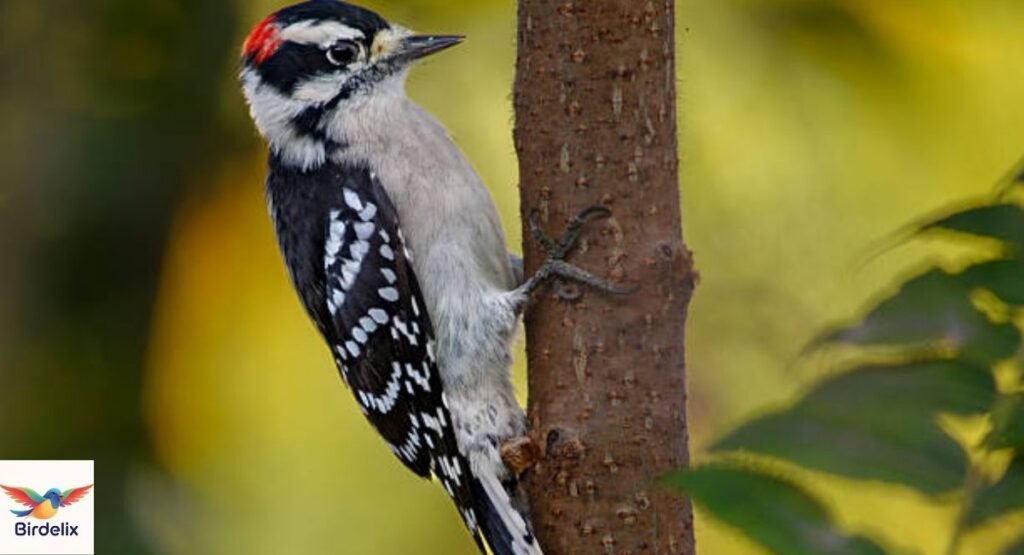
The Woodpecker is one of the best-known Birds That Start With W, especially around forests and mature trees. These birds have strong bills designed for drilling into wood while their specialized feet help them cling to tree trunks. Their stiff tail feathers provide additional support as they climb. Woodpeckers search for insects, larvae, and other food hidden beneath bark. Many species also excavate cavities for nesting and shelter. Those abandoned cavities later become valuable homes for other wildlife. Their rapid drumming is often the first clue that a woodpecker is nearby.
4. Warbler
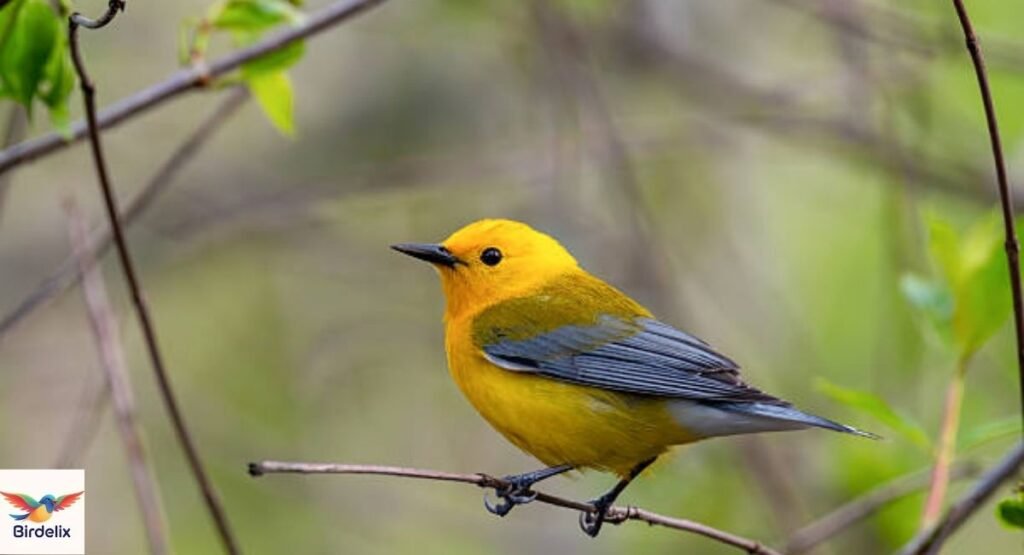
Scientific Name: Various genera
Family: Various families
The Warbler represents a broad group of small Birds That Start With W that are famous for active behavior and distinctive songs. Many warblers have colorful plumage with yellow, green, blue, or gray tones. They commonly search leaves and branches for insects, spiders, and other tiny prey. Many species migrate between North America and Central or South America. Their songs become especially noticeable during spring migration and breeding season. Because several species can look similar, birdwatchers often rely on habitat, behavior, plumage, and song to identify them accurately.
5. Weaver
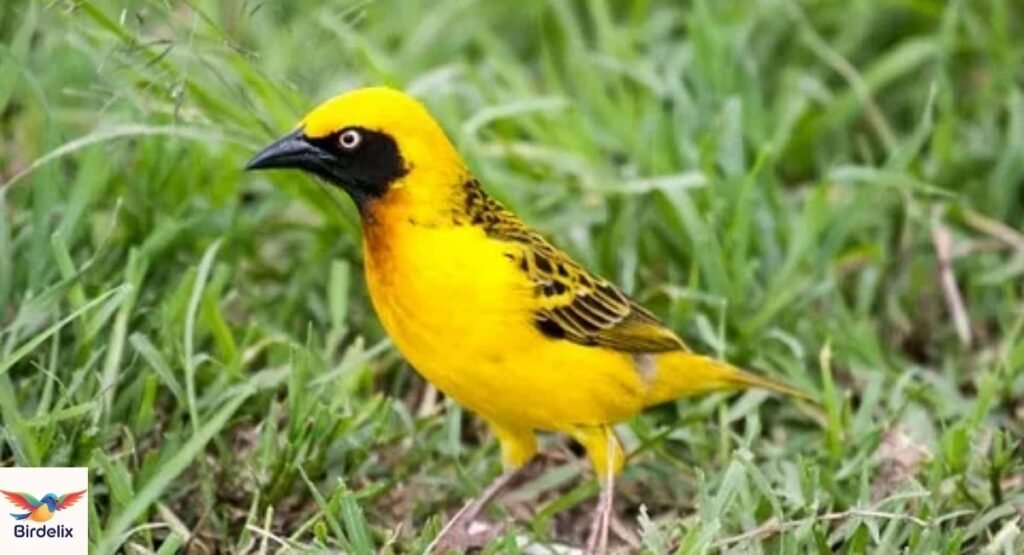
Scientific Name: Ploceidae
Family: Ploceidae
The Weaver is a remarkable Bird That Starts With W famous for its elaborate nest-building skills. Many weaverbirds use long strips of grass and plant fibers to create carefully woven structures. Male weavers often construct nests as part of courtship and breeding behavior. Their colonies can contain many nests hanging close together in trees or reeds. Most species occur across Africa, although related weaverbirds also live in parts of Asia. Their strong bills help them manipulate plant fibers with impressive precision. Few birds demonstrate such extraordinary architectural behavior.
6. Whip-poor-will
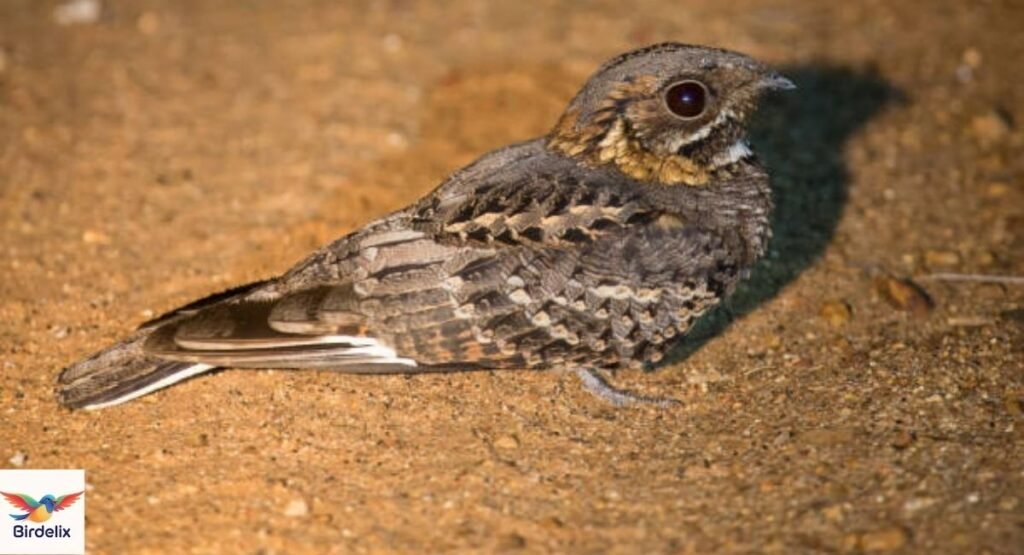
Scientific Name: Antrostomus vociferus
Family: Caprimulgidae
The Whip-poor-will is a secretive nocturnal Bird That Starts With W found mainly in eastern North American woodlands. Its mottled brown feathers provide excellent camouflage against leaf litter and tree bark. This bird becomes active around dusk and during the night when it hunts flying insects. Its wide mouth helps it capture moths, beetles, and other insects in midair. The species gets its common name from its repeated nighttime call. Although you may hear a Whip-poor-will clearly, spotting one can be surprisingly difficult.
7. Woodswallow
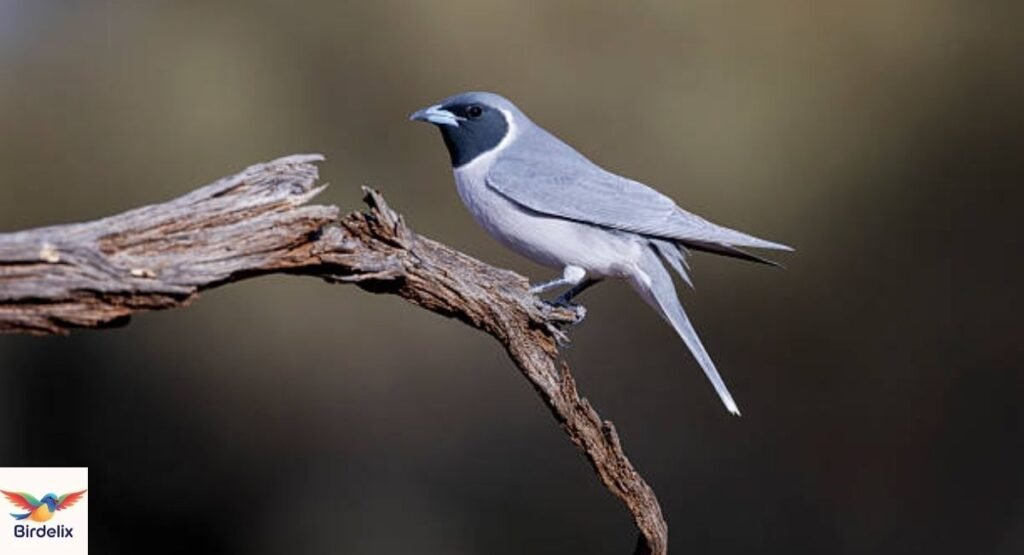
Scientific Name: Artamus spp.
Family: Artamidae
The Woodswallow is an agile Bird That Starts With W found mainly across Australia and parts of Asia. Despite its name, it isn’t closely related to true swallows. These birds have pointed wings that help them catch insects while flying. Woodswallows are highly social and often gather in groups when resting or feeding. Some species also consume nectar and other plant foods when available. Their communal behavior can create impressive gatherings in suitable habitats. Their aerial feeding style makes them particularly interesting to observe.
8. Wheatear
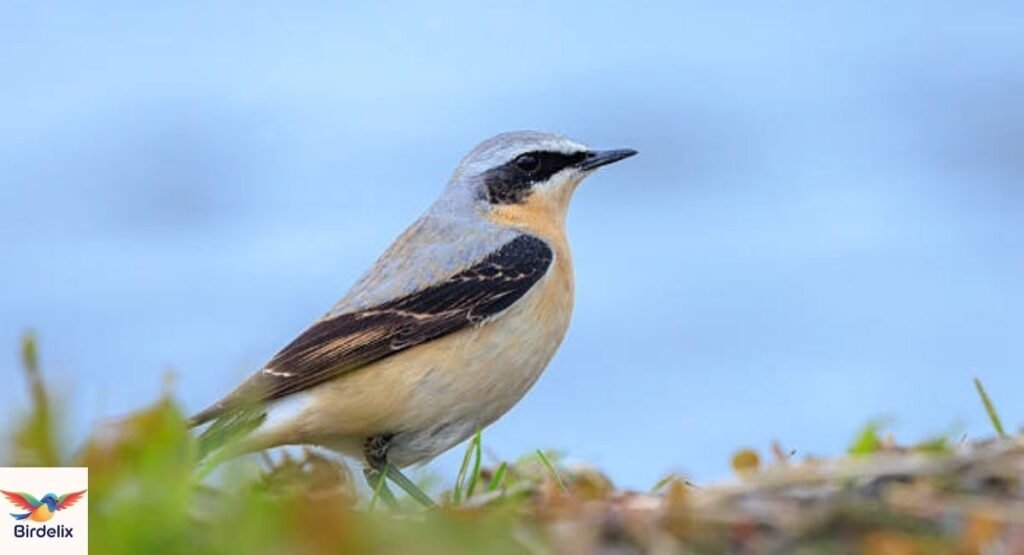
Scientific Name: Oenanthe spp.
Family: Muscicapidae
The Wheatear is a small Bird That Starts With W that prefers open landscapes rather than dense forests. Its pale rump and contrasting body markings provide useful identification clues. Wheatears commonly feed on insects and other small invertebrates while moving across the ground. They inhabit rocky slopes, grasslands, deserts, and other open environments. Several species undertake long migrations between breeding and wintering areas. Their ability to cross enormous distances is especially impressive for such small birds.
9. White-eye
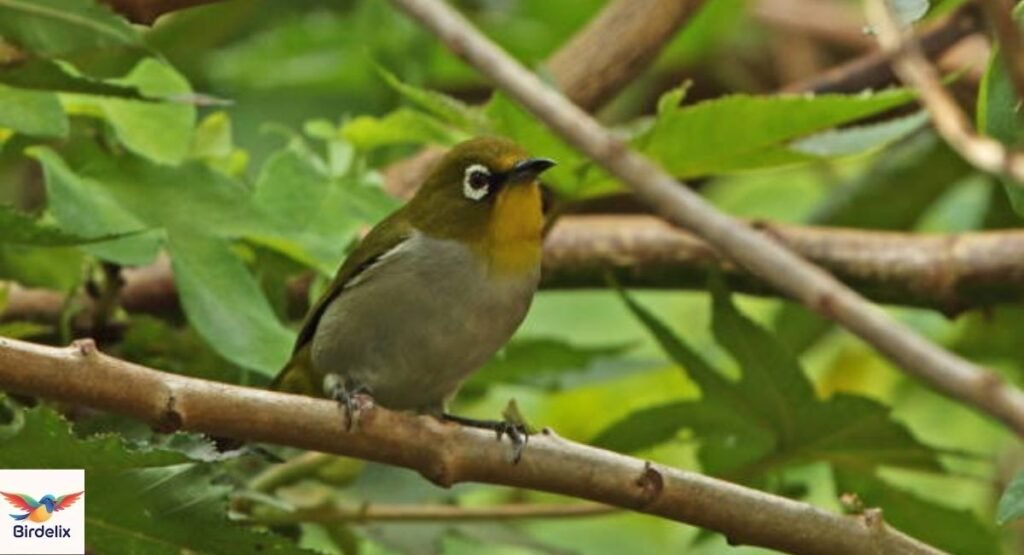
Scientific Name: Zosterops spp.
Family: Zosteropidae
The White-eye is an attractive Bird That Starts With W named for its distinctive pale ring around the eye. These small birds usually have greenish or yellowish plumage that blends well with leafy vegetation. They feed on insects, fruit, and nectar depending on the species and season. White-eyes often move through trees in active social groups. Their nectar feeding can also make them useful pollinators. Most species occur in Africa, Asia, and nearby islands, where they occupy forests, gardens, and shrublands.
10. Wood Pigeon
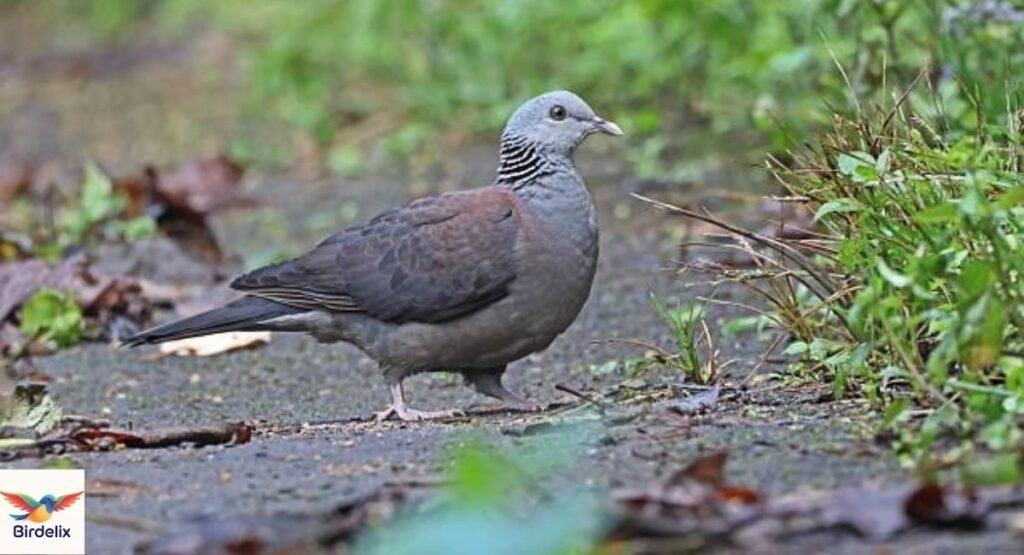
Scientific Name: Columba palumbus
Family: Columbidae
The Wood Pigeon is a large and familiar Bird That Starts With W across Europe and parts of western Asia. It has a sturdy body, soft gray plumage, and a noticeable white patch on the side of its neck. These pigeons commonly inhabit woodlands, farmland, parks, and gardens. Their diet consists mainly of seeds, grains, leaves, and other plant material. A deep, rhythmic coo often reveals their presence before they appear. Their adaptability has also allowed them to thrive around human settlements.
11. White-tailed Tropicbird
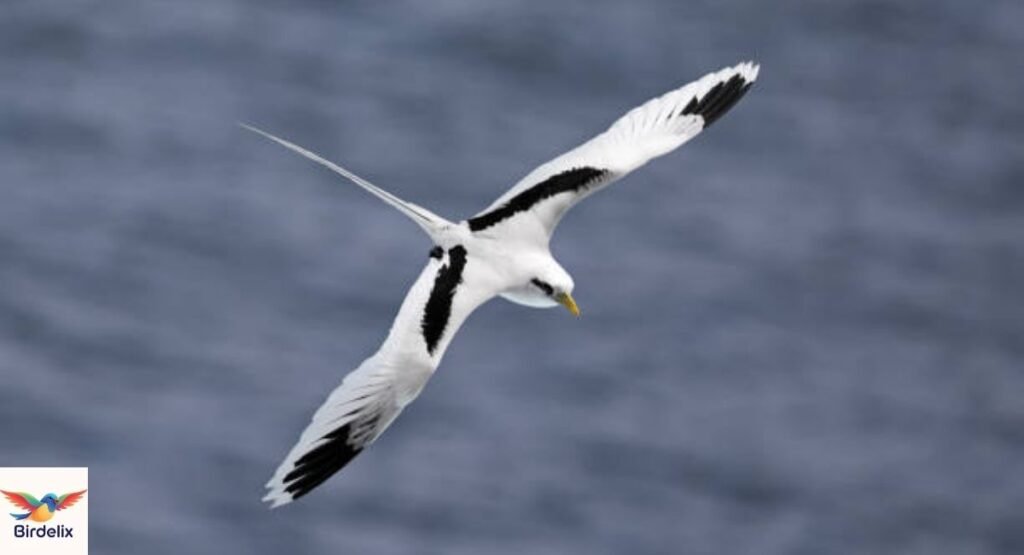
Scientific Name: Phaethon lepturus
Family: Phaethontidae
The White-tailed Tropicbird is a graceful Bird That Starts With W associated with tropical oceans and islands. Its mostly white body contrasts with dark markings around the eyes and wings. Long white tail streamers make adults particularly easy to recognize in flight. These seabirds hunt fish and squid by plunging into the ocean from above. They spend much of their lives at sea but return to islands to breed. Their streamlined body and powerful flight make them superbly adapted to an oceanic lifestyle.
12. Wattled Crane
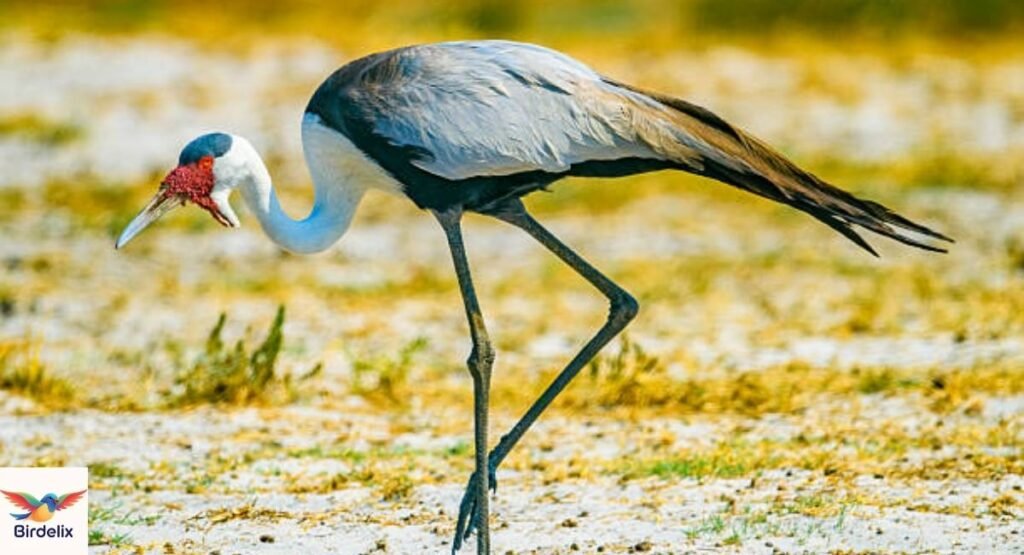
Scientific Name: Bugeranus carunculatus
Family: Gruidae
The Wattled Crane is a large African Bird That Starts With W strongly associated with wetlands. Its most unusual feature is the pair of fleshy wattles hanging beneath its throat. These cranes use their long legs to move through shallow water while searching for aquatic plants and small animals. They occur mainly in wetland regions south of the Sahara. Habitat loss and changes to wetland systems can threaten their populations. Their size, elegant posture, and unusual throat wattles make them unmistakable.
13. Wandering Albatross
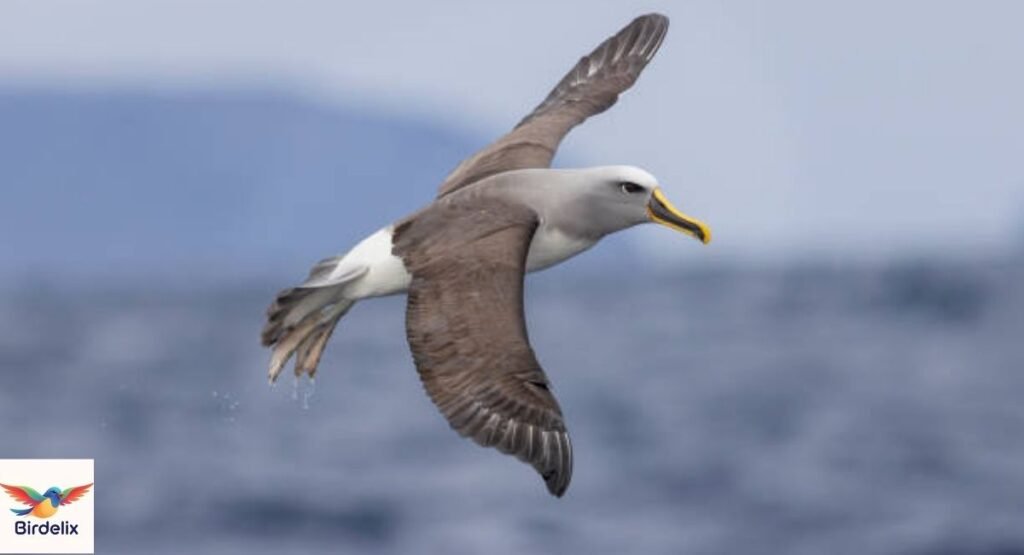
Scientific Name: Diomedea exulans
Family: Diomedeidae
The Wandering Albatross is one of the most spectacular Birds That Start With W and one of the world’s greatest soaring seabirds. Its enormous wings allow it to glide over the Southern Ocean with remarkable efficiency. Rather than constantly flapping, it uses wind currents to travel vast distances. It feeds on marine prey such as squid and fish. These birds spend most of their lives at sea and return to remote islands for breeding. Their extraordinary wingspan can reach more than 11 feet.
14. Wagtail
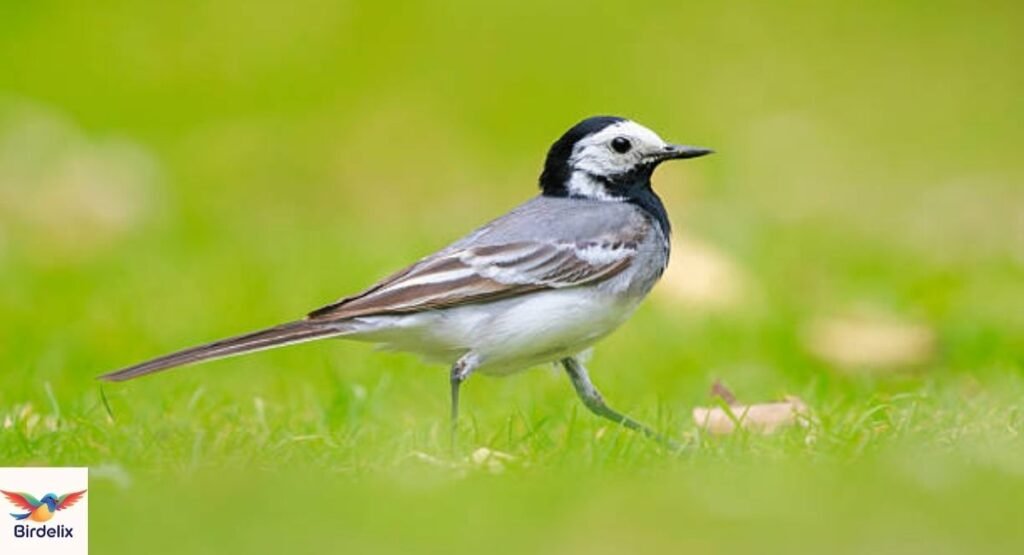
Scientific Name: Motacilla spp.
Family: Motacillidae
The Wagtail is a slender Bird That Starts With W named for its characteristic habit of moving its long tail up and down. Many wagtails prefer open ground near water, grasslands, farms, and human settlements. They usually feed on insects and other small invertebrates. Their quick walking style makes them easy to distinguish from many other small songbirds. Different wagtail species show varied combinations of black, white, gray, and yellow plumage.
15. Wallcreeper
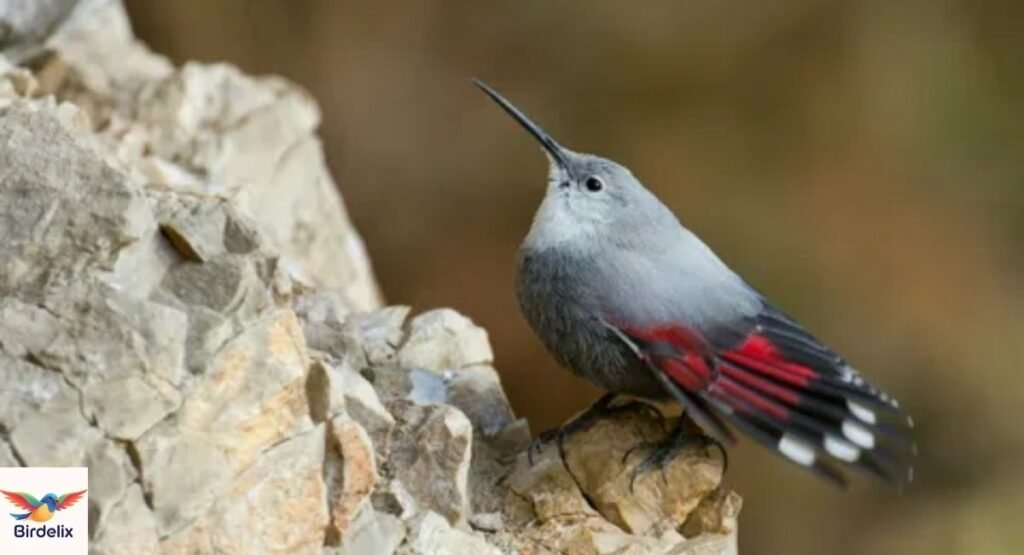
Scientific Name: Tichodroma muraria
Family: Tichodromidae
The Wallcreeper is an unusual mountain Bird That Starts With W that spends much of its time around steep cliffs and rocky surfaces. Its broad wings reveal striking crimson-red patches when it flies. The bird uses its specialized feet to move across nearly vertical rock faces while searching for insects. It breeds across mountainous regions of Europe and Asia. Because it favors remote and difficult terrain, seeing a Wallcreeper can be a memorable birdwatching experience.
16. Waterthrush
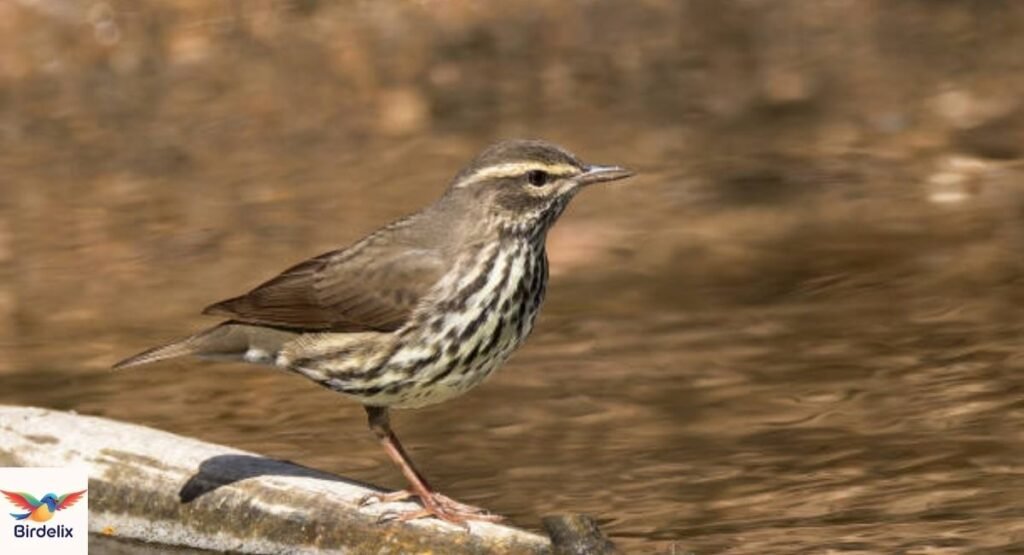
Scientific Name: Parkesia spp.
Family: Parulidae
The Waterthrush is a fascinating Bird That Starts With W because its behavior differs from many typical warblers. Instead of spending most of its time high in trees, it walks along streams and wet forest floors while searching for food. It feeds mainly on insects and other small aquatic or terrestrial invertebrates. Northern and Louisiana Waterthrushes are important North American examples. Their preference for moving water makes habitat one of the best clues for identification.
17. Whimbrel
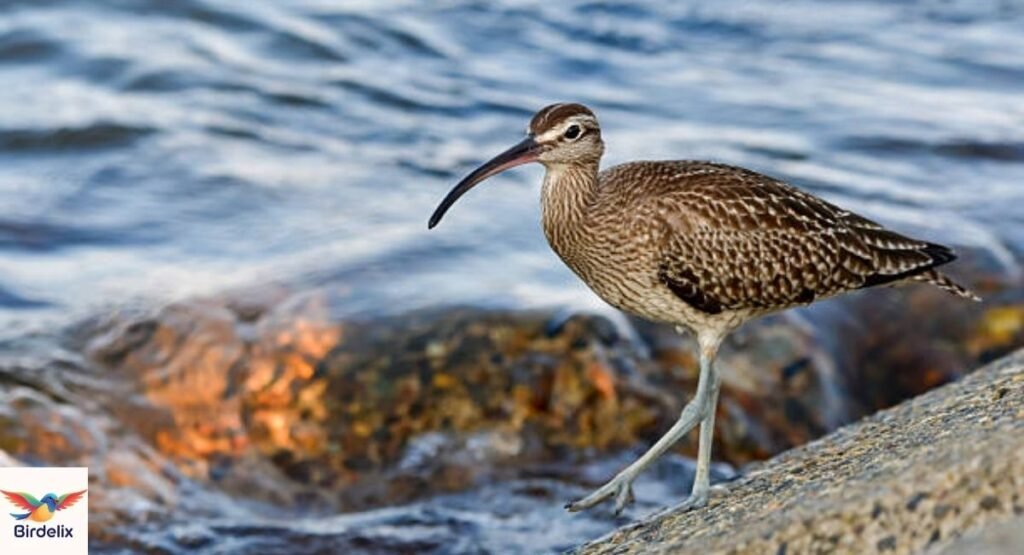
Scientific Name: Numenius phaeopus
Family: Scolopacidae
The Whimbrel is a distinctive shorebird and an impressive Bird That Starts With W. Its long, downward-curving bill helps it probe mud and soft ground for crabs, worms, and other invertebrates. Whimbrels use coastal beaches, mudflats, marshes, and tundra during different stages of their annual cycle. Some populations migrate enormous distances between northern breeding grounds and southern wintering areas. Their curved bills and striped heads make them easier to recognize among shorebirds.
18. Whinchat
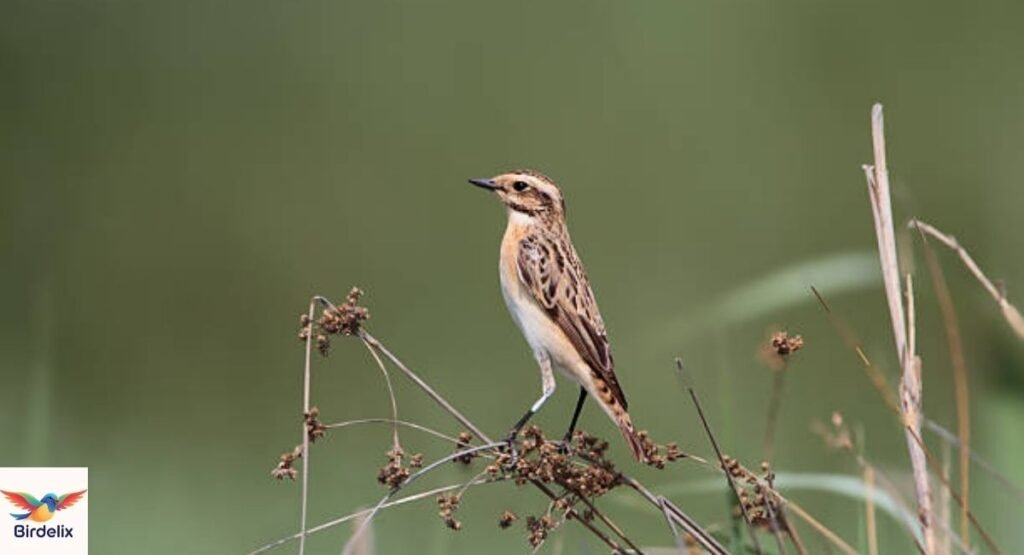
Scientific Name: Saxicola rubetra
Family: Muscicapidae
The Whinchat is a small Bird That Starts With W associated with grasslands, meadows, and other open habitats. It often perches upright on stems, fences, or low vegetation while watching for insects. When prey appears, the bird quickly drops down to capture it. Its brown and buff plumage provides useful camouflage in grassy landscapes. Whinchats are migratory and can travel considerable distances between breeding and wintering areas.
19. Whiskered Tern
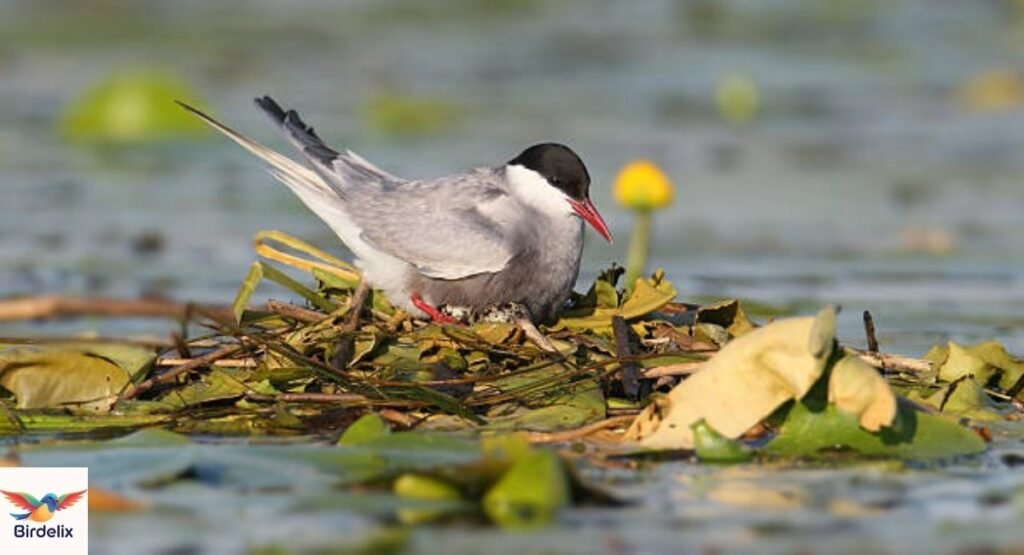
Scientific Name: Chlidonias hybrida
Family: Laridae
The Whiskered Tern is an elegant wetland Bird That Starts With W with a slender body and pointed wings. It often flies low over lakes, marshes, and shallow wetlands while searching for insects and small aquatic prey. Adults develop darker breeding plumage that makes them especially striking. Their agile flight allows them to change direction quickly while hunting. Unlike many large terns, this species frequently feeds around freshwater wetlands rather than open coastlines.
20. White-crowned Sparrow
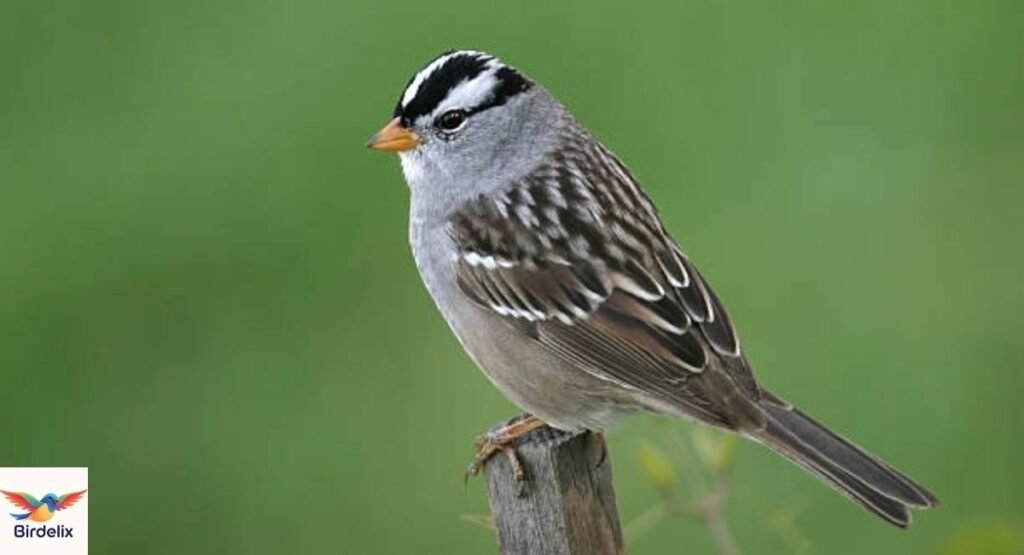
Scientific Name: Zonotrichia leucophrys
Family: Passerellidae
The White-crowned Sparrow is one of the most recognizable Birds That Start With W in North America. Its bold black-and-white head stripes make identification relatively easy. These sparrows forage on seeds, grains, and insects while moving through brushy habitats and open areas. Many populations migrate seasonally, appearing across much of the United States during winter. Their clear whistles and distinctive head pattern make them favorites among backyard birdwatchers.
21. White-eyed Vireo
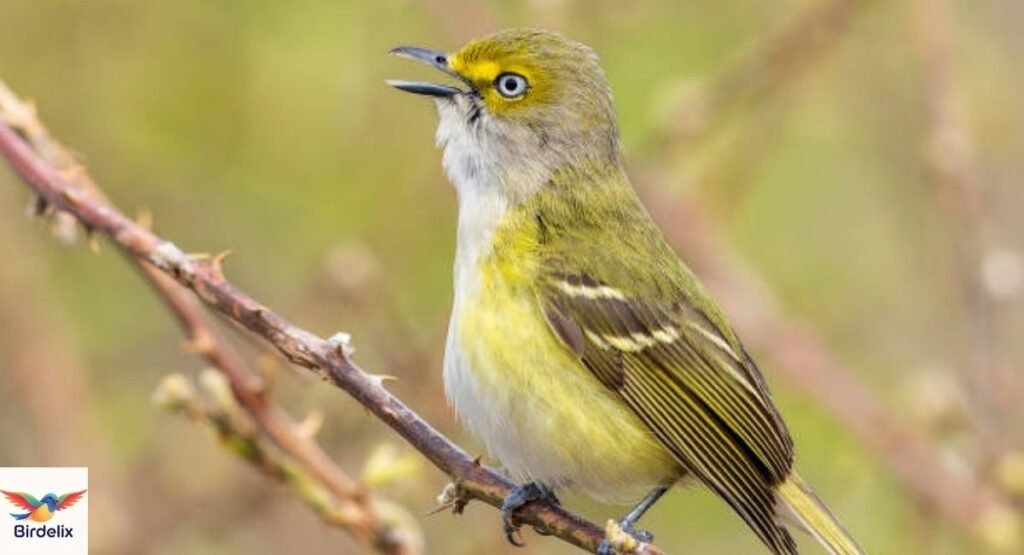
Scientific Name: Vireo griseus
Family: Vireonidae
The White-eyed Vireo is a lively Bird That Starts With W found mainly in the eastern and southern United States. Its bright white eye contrasts with olive-green upperparts and pale underparts. This bird favors dense shrubs, thickets, and tangled vegetation where it searches for insects. It is often heard before it is seen because it sings frequently from concealed locations. Its energetic song and striking eye make it a rewarding species for careful observers.
22. White-faced Ibis
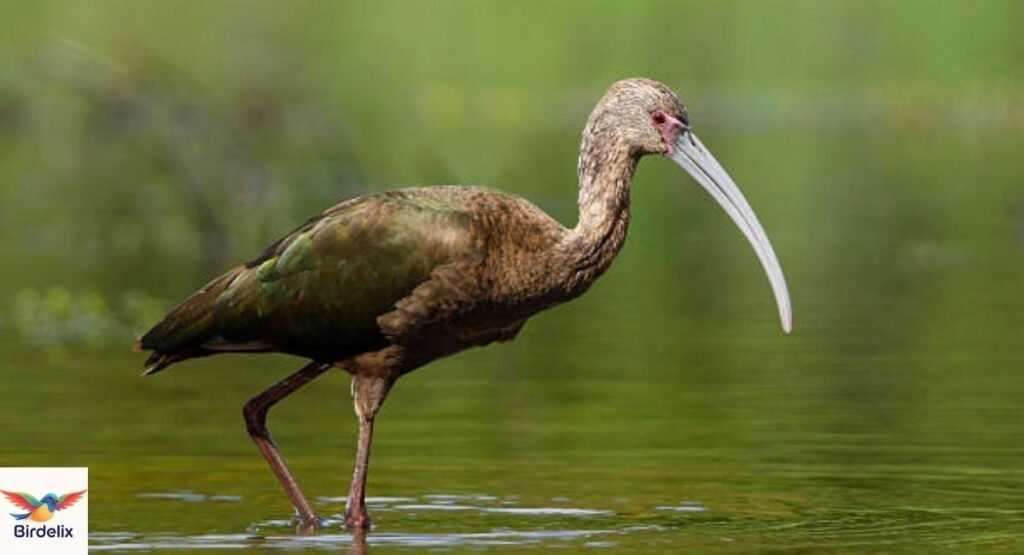
Scientific Name: Plegadis chihi
Family: Threskiornithidae
The White-faced Ibis is a glossy wetland Bird That Starts With W found mainly across western North America and parts of South America. Its dark plumage can show beautiful green, purple, and bronze reflections in sunlight. The long curved bill helps it probe mud and shallow water for aquatic invertebrates. It often gathers in wetlands, flooded fields, and marshes. During breeding season, the pale facial border becomes more noticeable.
23. White-throated Kingfisher
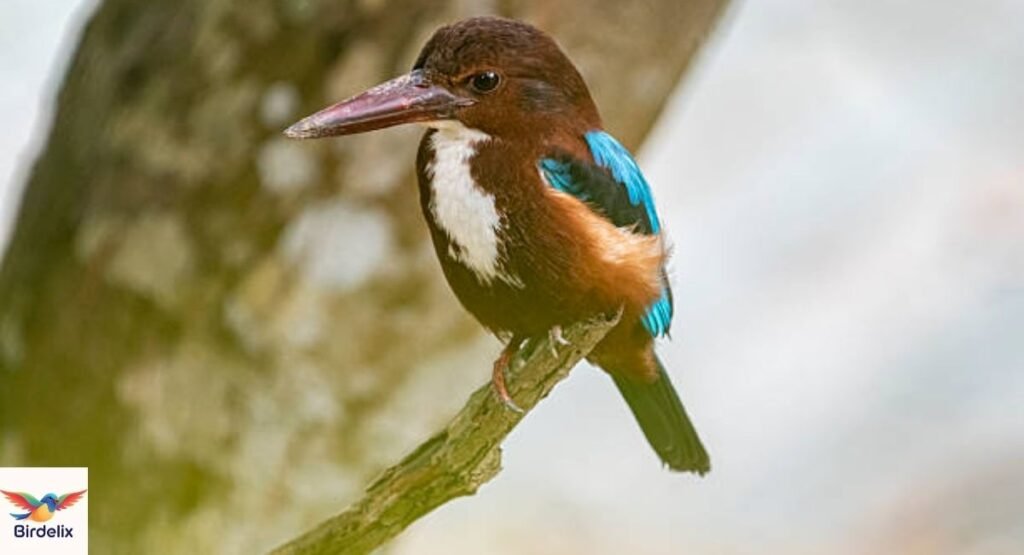
Scientific Name: Halcyon smyrnensis
Family: Alcedinidae
The White-throated Kingfisher is a striking Bird That Starts With W recognized by its bright blue wings, rich brown head, white throat, and large red bill. Despite being a kingfisher, it doesn’t depend entirely on fish. It can capture insects, frogs, lizards, and other small animals. The species favors open habitats with suitable perches. Its bold colors make it one of the easiest W birds to recognize.
24. White-winged Dove
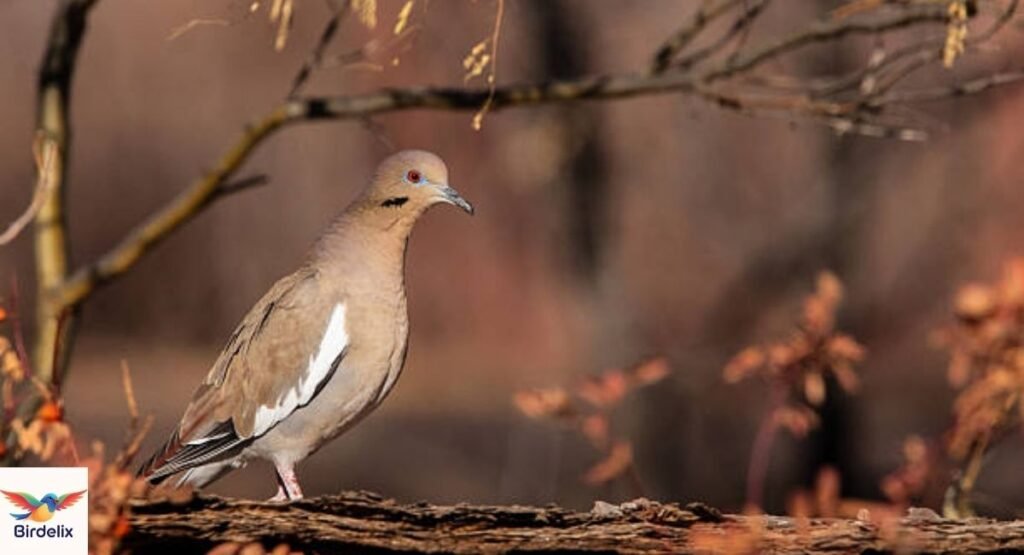
Scientific Name: Zenaida asiatica
Family: Columbidae
The White-winged Dove is a familiar Bird That Starts With W across the southern United States and parts of Mexico and Central America. Its most obvious feature is the bright white patch visible across the wings during flight. These doves eat seeds, grains, and other plant foods. They commonly live in deserts, scrublands, agricultural areas, parks, and suburbs. Their soft cooing calls are especially familiar in warm regions of the United States.
25. Willow Ptarmigan
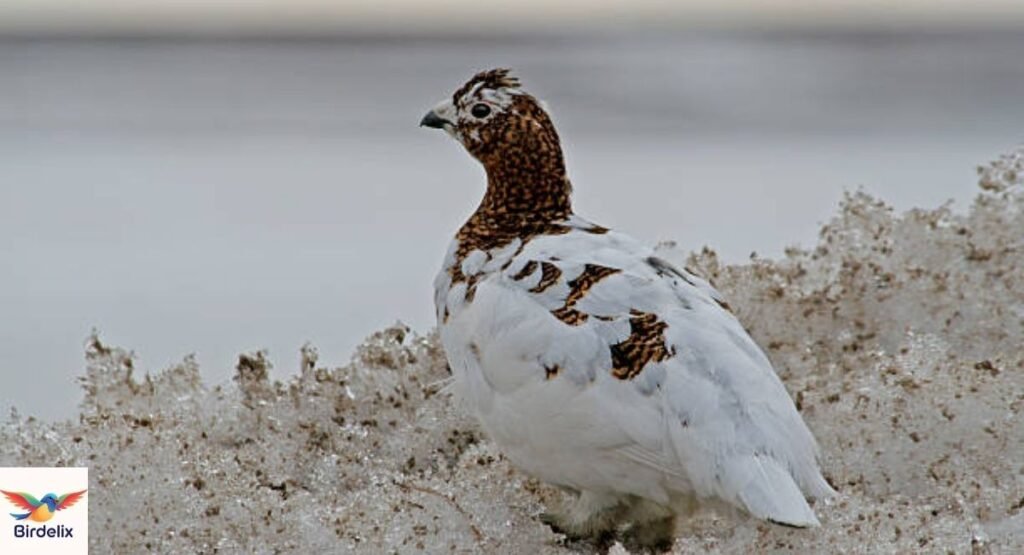
Scientific Name: Lagopus lagopus
Family: Phasianidae
The Willow Ptarmigan is a remarkable cold-adapted Bird That Starts With W found across northern regions. Its plumage changes with the seasons, allowing it to blend into both snowy winter landscapes and summer vegetation. Feathered feet provide insulation and help the bird move across snow. It feeds on buds, leaves, berries, and other plant material. This seasonal camouflage is one of its most impressive survival adaptations.
Small Birds That Start With W
When people search for a small bird that starts with W, they often want an easy-to-recognize species. Wrens, White-eyes, Warblers, Whinchats, and Wrentits fit this theme. Their sizes vary, yet all rely heavily on quick movements, camouflage, or dense vegetation for survival.
| Bird | Approx. Size | Main Habitat | Key Feature |
| Wren | Small | Woodland, gardens | Powerful song |
| White-eye | Small | Tropical forests | White eye-ring |
| Warbler | Small | Woodlands | Active insect hunter |
| Whinchat | Small | Grasslands | Upright posture |
| Wrentit | Small | Shrublands | Secretive behavior |
Common Birds That Start With W
Several common W birds are familiar to American birdwatchers. Wrens can visit yards, White-crowned Sparrows appear during winter, and White-winged Doves thrive around southern towns. Woodpeckers also turn up in parks and backyards, especially where mature trees provide food and nesting opportunities.
For beginners, these species offer an excellent starting point. You don’t need expensive equipment. A quiet walk, a little patience, and a basic field guide can reveal more birds than you might expect.
Rare and Unusual Birds That Start With W
Some W-named species are far less familiar. Wallcreepers cling to mountain cliffs, Wrybills have uniquely shaped bills, and Wrynecks use camouflage rather than bright colors. Wrentits also remain secretive inside dense shrublands, making them more difficult to spot than their names might suggest.
The wider source list includes additional unusual names such as Wing-snapping Cisticola, Whiskered Auklet, White-winged Snowfinch, Wompoo Fruit Dove, Woodchat Shrike, Woolly-necked Stork, and Worm-eating Warbler.
Colorful Birds That Start With W
Color gives birdwatchers another useful identification clue. Some colorful birds that start with W display bright blue, yellow, red, or metallic tones. Others use stark white-and-black patterns instead. Plumage can also change with age, season, sex, or breeding condition.
The White-throated Kingfisher offers vivid blue wings, while the White-faced Ibis develops glossy bronze, green, and purple tones. Willow Ptarmigan takes the opposite approach, changing its plumage to blend into snowy surroundings.
White Birds That Start With W
White-tailed Tropicbirds and Wandering Albatrosses are excellent examples of mostly white W birds. Their pale bodies help create striking silhouettes against darker water or sky. However, neither species is completely plain, since black facial markings or darker wing areas add useful contrast.
Red or Red-Breasted Birds That Start With W
Some W birds show noticeable red or rusty tones rather than a fully red breast. Waxwings can have red waxy feather tips, while Willow Ptarmigan males develop rich reddish-brown breeding colors. Always check the exact species before labeling a bird as red-breasted.
Black and White Birds That Start With W
Several W birds use bold black-and-white patterns for easy recognition. White-crowned Sparrows have a sharply striped head, while some wagtails combine black, white, and gray plumage. These strong contrasts can remain visible even when the bird sits at a distance.
4-, 5-, 6-, and 7-Letter Birds That Start With W
Letter-count searches are useful for quizzes, classroom activities, crossword puzzles, and word games. However, common bird names can create confusion because spaces, hyphens, and multi-word names change the count. For that reason, exact spelling should always determine the category.
| Letter Length | Bird Example |
| 4 letters | Wren |
| 5 letters | Verify species name before use |
| 6 letters | Verify species name before use |
| 7 letters | Verify species name before use |
4-Letter Birds
| Bird Name | Letters | Type |
| Wren | 4 | Songbird |
5-Letter Birds
| Bird Name | Letters | Type |
| Wader | 5 | Shorebird |
6-Letter Birds
| Bird Name | Letters | Type |
| Wigeon | 6 | Waterfowl |
7-Letter Birds
| Bird Name | Letters | Type |
| Warbler | 7 | Songbird |
| Wagtail | 7 | Songbird |
| Waxwing | 7 | Songbird |
| Wryneck | 7 | Woodpecker |
Songbirds That Start With W
Many songbirds that start with W belong to groups known for complex vocal behavior. Wrens, Warblers, White-eyes, White-crowned Sparrows, White-eyed Vireos, Willow Warblers, and Winter Wrens all use songs or calls for communication. Their voices often help birders identify hidden birds.
Winter Wrens are especially impressive for their size. This tiny eastern forest bird can produce a remarkably rich and loud song while moving through fallen logs and dense understory.
Water and Shore Birds That Start With W
Wet habitats contain some of the most specialized W birds. Waterthrushes hunt beside streams, Whimbrels search coastal mudflats, and White-faced Ibises probe wet soil. White-tailed Tropicbirds take the story offshore, where they spend most of their lives over tropical seas.
Wood Storks add another impressive example. These large southeastern wading birds use their long bills to search wetlands for fish and crustaceans. They also nest in colonies above standing water.
Birds of Prey That Start With W
This category needs careful treatment because not every predatory W bird qualifies as a true raptor. A bird may eat insects, fish, or small animals without belonging to the traditional birds-of-prey group. Accurate classification matters more than forcing a species into a convenient keyword category.
For this reason, don’t label Whip-poor-wills, kingfishers, or terns as raptors simply because they hunt prey. They have different evolutionary relationships and feeding adaptations. This distinction adds genuine value for readers rather than creating misleading SEO content.
North American Birds That Start With W
North America offers plenty of American birds that start with W. Depending on season and region, birdwatchers may encounter Wrens, Whip-poor-wills, White-crowned Sparrows, White-eyed Vireos, White-winged Doves, Wilson’s Snipe, Wilson’s Warblers, Winter Wrens, and Woodpeckers.
Regional timing matters. White-crowned Sparrows are widespread winter visitors across much of the United States, while Wilson’s Warblers often become easier to find during migration. Their seasonal movements can turn an ordinary park walk into a surprisingly productive birding trip.
W Birds by Habitat
Habitat can quickly narrow down identification when several species share similar colors. A bird beside a stream suggests a different set of possibilities than one soaring above an ocean. The table below gives you a simple way to connect W birds with their preferred environments.
| Habitat | Examples |
| Woodlands | Wren, Woodpecker, Warbler |
| Wetlands | Waterthrush, White-faced Ibis |
| Grasslands | Whinchat, Wheatear |
| Coastlines | Whimbrel, Whiskered Tern |
| Open ocean | Wandering Albatross, White-tailed Tropicbird |
| Mountains | Wallcreeper |
| Arctic and subarctic | Willow Ptarmigan |
W Birds by Diet
Food habits reveal another layer of bird diversity. Wrens and many Warblers focus heavily on insects, while Waxwings specialize in fruit. White-eyes often combine nectar with insects, and wetland birds such as White-faced Ibises search for aquatic invertebrates.
Wood Storks target fish and crustaceans in shallow wetlands. Wandering Albatrosses depend on marine prey, while White-winged Doves mostly eat seeds. These differences show how birds sharing one starting letter can occupy completely different ecological niches.
Interesting Facts About Birds That Start With W
W birds have plenty of quirky stories. Wrens can produce surprisingly powerful songs for their tiny bodies, while Cedar Waxwings may survive for months on fruit. Wilson’s Snipes can produce a distinctive aerial sound with their tail feathers, adding another layer to their unusual behavior.
The Willow Ptarmigan offers another remarkable example. Its heavily feathered feet help it move through deep snow, and it can shelter inside snow during harsh weather. Some winter flocks may contain thousands of birds when food is plentiful.
Birds That Start With W for Kids
Kids can have fun learning W bird names because many are easy to picture. Wren sounds tiny and energetic, Woodpecker suggests a tree-climbing bird, and Waxwing brings to mind colorful feathers. Wagtail is especially memorable because its name hints at its characteristic tail movement.
For a simple learning activity, ask children to match each bird with its habitat or favorite food. This turns an alphabet lesson into a miniature nature expedition. Even better, take the activity outdoors and see which W bird you can actually spot.
Conclusion
Exploring Birds That Start With W reveals an amazing range of shapes, habitats, and behaviors. From tiny Wrens and lively Warblers to colorful Waxwings and giant Wandering Albatrosses, every species has something special to offer. You’ve also discovered small birds, songbirds, shorebirds, wetland species, and fascinating birds found across North America.
Whether you’re learning bird names, helping kids with a school project, or enjoying birdwatching, this list gives you plenty to explore. So, grab your binoculars and keep looking. Your next W bird could be closer than you think!
FAQs
What is a common bird that starts with W?
Wren, Woodpecker, Warbler, Waxwing, and White-winged Dove are recognizable examples. Their ranges differ across North America.
What is a small bird that starts with W?
The Wren is an excellent example. White-eyes and many Warblers are also small W-named birds.
What birds start with W in North America?
North American examples include Wren, Whip-poor-will, White-crowned Sparrow, White-eyed Vireo, Wilson’s Snipe, and Wilson’s Warbler.
What is a 4-letter bird that starts with W?
Wren is a four-letter bird name. It is also one of the best-known short W bird names.
What is the largest bird that starts with W?
The Wandering Albatross is the standout example. Its wingspan can exceed 11 feet.
Are there rare birds that start with W?
Yes. Wallcreeper, Wrybill, Wryneck, Wrentit, and Wattled Crane are less familiar examples.
Which W birds are songbirds?
Wren, Warbler, Wheatear, White-eye, White-crowned Sparrow, White-eyed Vireo, Willow Warbler, and Winter Wren are notable songbirds.

Welcome to Birdelix! I’m Anam Sattar, an AI-powered SEO Specialist and Content Writer with over 5 years of experience in creating high-quality, search-optimized content. I help businesses improve their search engine rankings, increase organic traffic, and build beautiful, user-friendly websites. My mission is to make SEO, content creation, and web design simple, effective, and accessible for everyone. Let’s grow your online presence and achieve success together!