

Birds That Start With P offer a fascinating mix of colorful, powerful, tiny, and unusual species. This guide explores P-letter birds from different habitats and regions around the world. You’ll discover familiar birds such as parrots, pelicans, penguins, and peacocks alongside lesser-known species that deserve attention. The list also includes bird species, Arctic birds, North American birds, seabirds, water birds, and birds of prey.
Whether you’re a birdwatcher, student, or simply curious about bird names, these examples make learning enjoyable. From the lightning-fast Peregrine Falcon to the brilliantly colored Painted Bunting, each species has distinctive traits, habitats, and behaviors that make it worth discovering.
Birds That Start With P
The world of P-named birds is remarkably varied. Some are powerful predators while others are tiny insect hunters. Many occupy wetlands or forests, while others thrive along rocky coasts or frozen tundra. This variety makes bird identification especially interesting.
The table below gives you a quick overview of 50 species. Scientific names and habitats help separate similar-looking birds and provide useful context for readers researching bird species starting with P.
50 Birds That Start With P: Complete List
| No. | Bird Name | Scientific Name | Type | Main Color | Habitat | Region |
| 1 | Pelican | Pelecanus | Water bird | White/Brown | Wetlands, coasts | Worldwide |
| 2 | Parrot | Psittacidae | Parrot | Green/Various | Tropical forests | Worldwide |
| 3 | Penguin | Spheniscidae | Seabird | Black/White | Coastal waters | Southern Hemisphere |
| 4 | Peregrine Falcon | Falco peregrinus | Bird of prey | Blue-gray | Cliffs, cities | Worldwide |
| 5 | Puffin | Fratercula | Seabird | Black/White | Rocky coasts | North Atlantic |
| 6 | Peacock | Pavo cristatus | Ground bird | Blue/Green | Forests, open areas | South Asia |
| 7 | Parakeet | Psittacula | Parrot | Green/Various | Forests, towns | Asia, Africa |
| 8 | Plover | Charadrius | Wader | Brown/White | Beaches, wetlands | Worldwide |
| 9 | Ptarmigan | Lagopus | Ground bird | White/Brown | Tundra | North America, Eurasia |
| 10 | Partridge | Perdix | Game bird | Brown | Grasslands | Europe, Asia |
| 11 | Phoebe | Sayornis | Passerine | Gray/Brown | Open woodland | Americas |
| 12 | Pipit | Anthus | Passerine | Brown | Grasslands | Worldwide |
| 13 | Pitta | Pittidae | Forest bird | Multicolored | Tropical forests | Asia, Africa, Australasia |
| 14 | Prinia | Prinia | Passerine | Brown/Gray | Grasslands | Africa, Asia |
| 15 | Prothonotary Warbler | Protonotaria citrea | Warbler | Yellow/Blue-gray | Swamps, forests | North America |
| 16 | Palm Cockatoo | Probosciger aterrimus | Cockatoo | Black | Rainforests | Australia, New Guinea |
| 17 | Pied Kingfisher | Ceryle rudis | Kingfisher | Black/White | Wetlands | Africa, Asia |
| 18 | Pinyon Jay | Gymnorhinus cyanocephalus | Jay | Blue-gray | Pine forests | Western USA |
| 19 | Pochard | Aythya ferina | Diving duck | Brown/Gray | Wetlands | Europe, Asia |
| 20 | Palmchat | Dulus dominicus | Passerine | Brown | Palm groves | Caribbean |
| 21 | Painted Bunting | Passerina ciris | Songbird | Multicolored | Grasslands, scrub | North America |
| 22 | Painted Stork | Mycteria leucocephala | Wading bird | White/Pink | Wetlands | South Asia |
| 23 | Pale-billed Woodpecker | Campephilus guatemalensis | Woodpecker | Black/White | Forests | Central America |
| 24 | Pallid Harrier | Circus macrourus | Raptor | Pale Brown | Grasslands | Eurasia |
| 25 | Palila | Loxioides bailleui | Finch | Yellow/Gray | Mountain forest | Hawaii |
| 26 | Pallas’s Fish Eagle | Haliaeetus leucoryphus | Eagle | Brown/White | Wetlands | Asia |
| 27 | Pallas’s Gull | Ichthyaetus ichthyaetus | Gull | Black/White | Lakes, coasts | Eurasia |
| 28 | Palm Tanager | Thraupis palmarum | Tanager | Gray/Green | Forest edges | South America |
| 29 | Palm Swift | Cypsiurus parvus | Swift | Brown | Palm groves | Africa |
| 30 | Palau Ground Dove | Pampusana erythroptera | Dove | Brown | Forests | Palau |
| 31 | Pale-blue Monarch | Hypothymis puella | Monarch | Blue | Forests | Philippines |
| 32 | Pampas Meadowlark | Leistes superciliaris | Meadowlark | Brown/Black | Grasslands | South America |
| 33 | Panama Flycatcher | Myiarchus panamensis | Flycatcher | Brown/Yellow | Woodland | Central America |
| 34 | Panay Striped Babbler | Zosterornis latistriatus | Babbler | Brown/Gray | Forests | Philippines |
| 35 | Papuan Hawk-Owl | Ninox theomacha | Owl | Brown | Forests | New Guinea |
| 36 | Parrot-billed Sparrow | Passer gongonensis | Sparrow | Brown | Grasslands | Africa |
| 37 | Parrotfinch | Erythrura | Finch | Green/Red | Forests | Pacific regions |
| 38 | Pauraque | Nyctidromus albicollis | Nightjar | Brown | Woodland | Americas |
| 39 | Pavonine Cuckoo | Dromococcyx pavoninus | Cuckoo | Brown/Green | Forests | South America |
| 40 | Pearl Kite | Gampsonyx swainsonii | Raptor | White/Gray | Open country | Americas |
| 41 | Pectoral Sandpiper | Calidris melanotos | Sandpiper | Brown | Wetlands | Americas |
| 42 | Pelagic Cormorant | Urile pelagicus | Seabird | Black | Rocky coasts | North Pacific |
| 43 | Peruvian Booby | Sula variegata | Seabird | White/Brown | Coastal waters | South America |
| 44 | Peruvian Sheartail | Thaumastura cora | Hummingbird | Green/White | Dry scrub | South America |
| 45 | Peruvian Tern | Sternula lorata | Tern | Gray/White | Coastal areas | South America |
| 46 | Petrel | Procellariidae | Seabird | Gray/White | Open ocean | Worldwide |
| 47 | Pewee | Contopus | Flycatcher | Gray/Brown | Woodland | Americas |
| 48 | Phaeton | Phaethon | Seabird | White | Tropical oceans | Tropical regions |
| 49 | Philippine Falconet | Microhierax erythrogenys | Falcon | Black/White | Forests | Philippines |
| 50 | Philippine Trogon | Harpactes ardens | Forest bird | Red/Green | Forests | Philippines |
The extended P-bird list in the supplied source also includes many uncommon names such as Painted Bunting, Palila, Pauraque, Pectoral Sandpiper, Petrel, Pewee, and Philippine Falconet.
25 Most Popular Birds That Start With P
1. Pelican
Scientific Name: Pelecanus spp.
Family: Pelecanidae
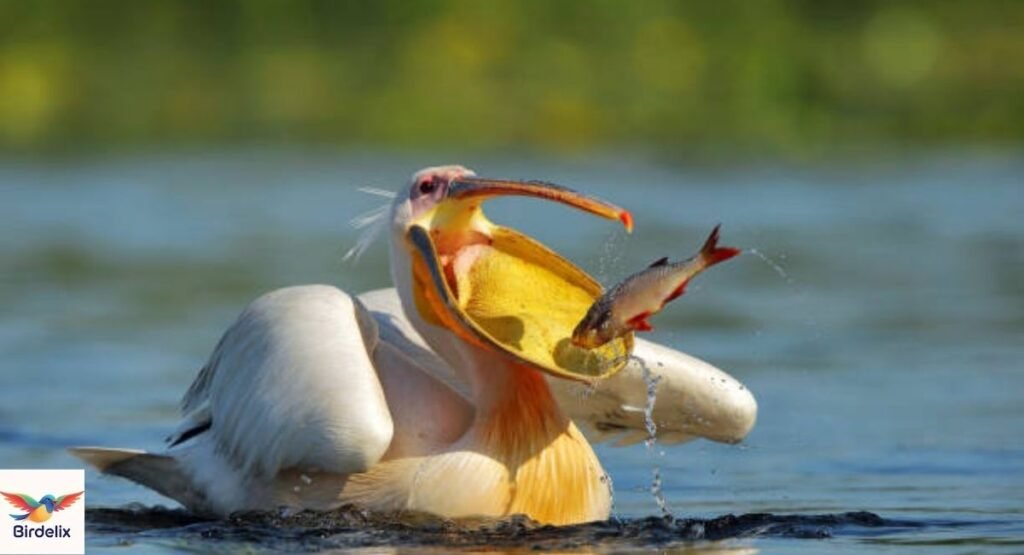
The Pelican is one of the most recognizable Birds That Start With P because of its enormous bill and stretchy throat pouch. These large water birds commonly live around lakes, rivers, wetlands, estuaries, and coastal waters. They mainly eat fish and often work together when feeding. Their broad wings allow them to soar gracefully over water despite their heavy bodies. Different pelican species range from white and gray to brownish plumage. An interesting fact is that the throat pouch works like a fishing net, helping pelicans scoop prey from the water.
2. Parrot
Scientific Name: Psittacidae
Family: Psittacidae
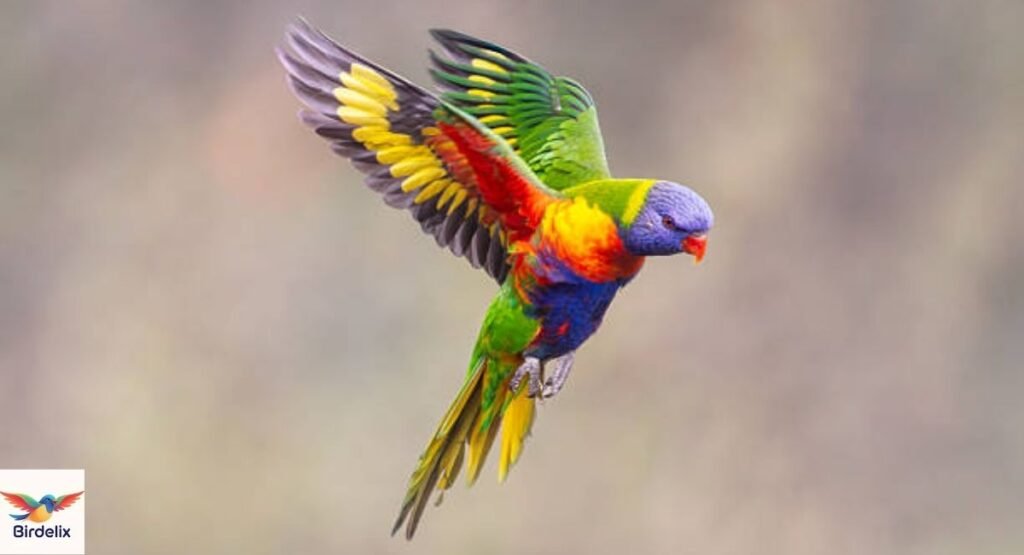
The Parrot is a famous Bird That Starts With P because of its brilliant colors, curved bill, and remarkable ability to mimic sounds. These intelligent birds mainly inhabit tropical and subtropical forests, although some species live in grasslands, woodlands, and urban areas. Their diet often includes fruits, seeds, nuts, flowers, and other plant foods. Strong feet with two toes forward and two backward help parrots grip branches and food. Many species form close social bonds. Some parrots can learn a surprising number of sounds and use them in complex social interactions.
3. Penguin
Scientific Name: Spheniscidae
Family: Spheniscidae
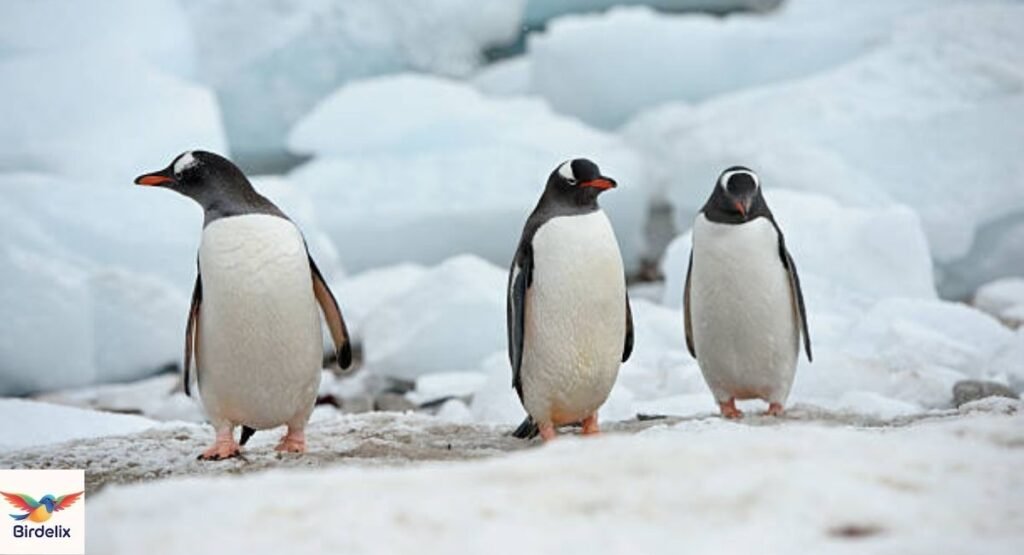
The Penguin is a unique Bird That Starts With P because it cannot fly yet moves remarkably well through water. Penguins are mostly associated with the Southern Hemisphere, particularly Antarctica and nearby cold regions. Their wings have evolved into powerful flippers that help them swim after fish, krill, and other marine prey. A streamlined body reduces resistance underwater and allows efficient movement. Penguins often live in large colonies where adults cooperate around nesting areas. Interestingly, not every penguin lives on ice. Several species inhabit temperate and even relatively warm coastal environments.
4. Peregrine Falcon
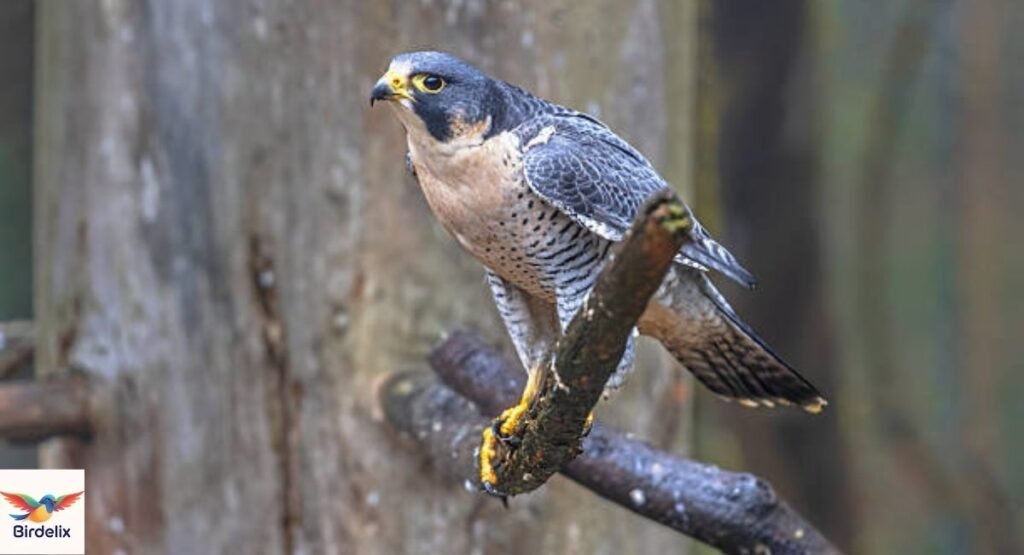
Scientific Name: Falco peregrinus
Family: Falconidae
The Peregrine Falcon is one of the most impressive Birds That Start With P because of its extraordinary speed and hunting ability. It occurs across much of the world and can live near cliffs, coastlines, open landscapes, and even large cities. This powerful bird of prey mainly catches other birds during dramatic aerial pursuits. Its pointed wings and streamlined body help it maneuver quickly. During a hunting dive, it can reach remarkable speeds. An interesting fact is that Peregrine Falcons occur on every continent except Antarctica, making them one of the world’s most widespread raptors.
5. Puffin
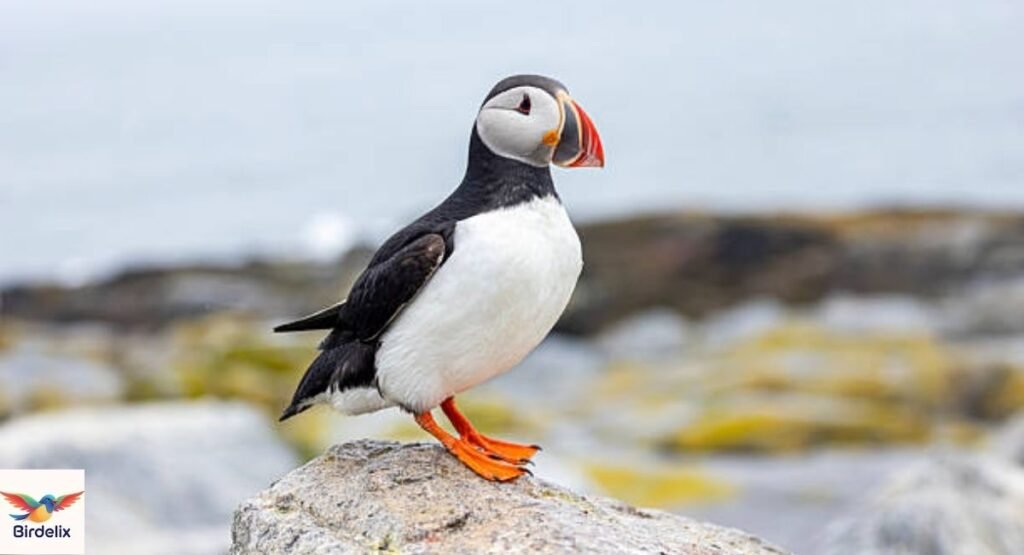
Scientific Name: Fratercula spp.
Family: Alcidae
The Puffin is a charming Bird That Starts With P known for its colorful bill, compact body, and excellent diving ability. These seabirds mainly inhabit cold coastal regions, particularly around the North Atlantic and North Pacific depending on the species. They feed largely on small fish and spend considerable time at sea outside the breeding season. Their wings help them fly through the air and propel themselves underwater. During breeding season, their bills become especially vivid. Puffins are sometimes nicknamed “sea parrots” because their colorful faces and bills create a striking resemblance.
6. Peacock
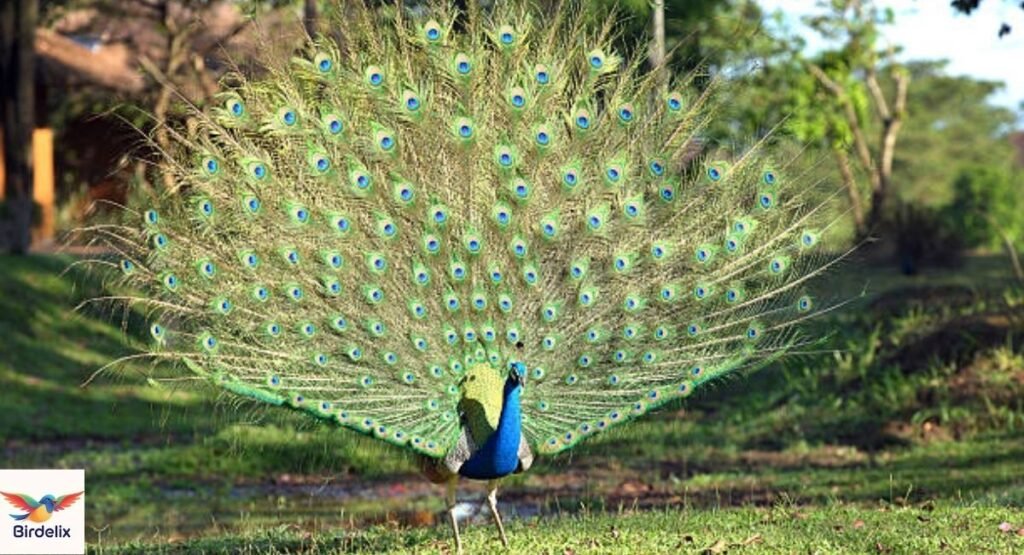
Scientific Name: Pavo cristatus
Family: Phasianidae
The Peacock is among the most spectacular Birds That Start With P because of the male’s enormous train covered with eye-like markings. The name “peacock” specifically refers to the male, while the female is called a peahen. Native to South Asia, these birds commonly inhabit forests, open woodland, farmland, and areas near people. Males spread their long tail feathers during courtship displays to attract females. Their diet includes seeds, grains, fruits, plants, and small animals. One fascinating detail is that the famous train isn’t the true tail itself. It consists of elongated upper tail coverts.
7. Parakeet
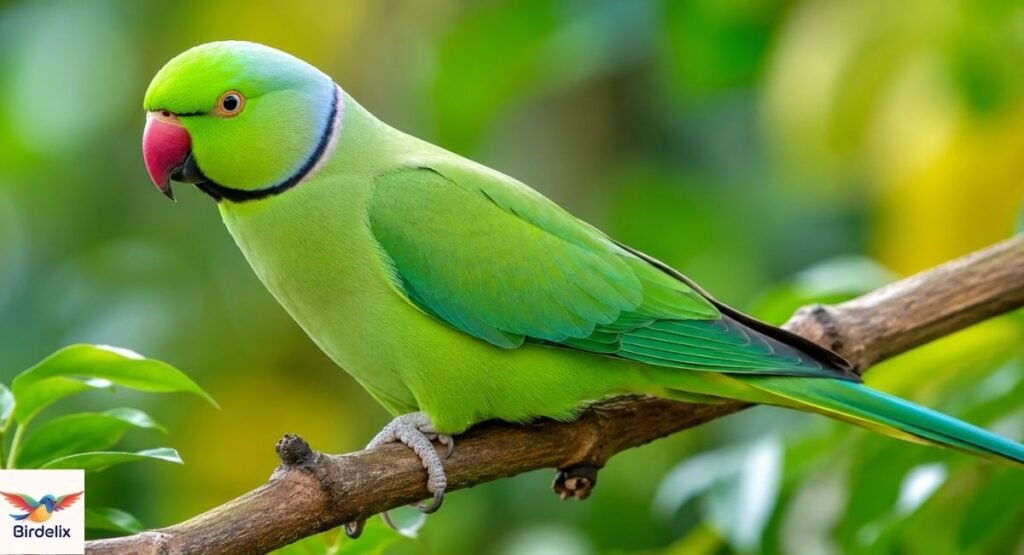
Scientific Name: Psittacidae
Family: Psittacidae
The Parakeet is a popular Bird That Starts With P recognized for its slender body, long tail, and lively personality. The term covers many small and medium-sized parrots rather than one single species. They occur naturally across several warm regions and many species have also become established in cities outside their native ranges. Parakeets commonly eat seeds, fruits, nuts, berries, flowers, and other plant foods. Their strong feet help them climb and handle food. Many species are highly social and communicate with energetic calls. Their playful behavior makes them popular companion birds.
8. Plover
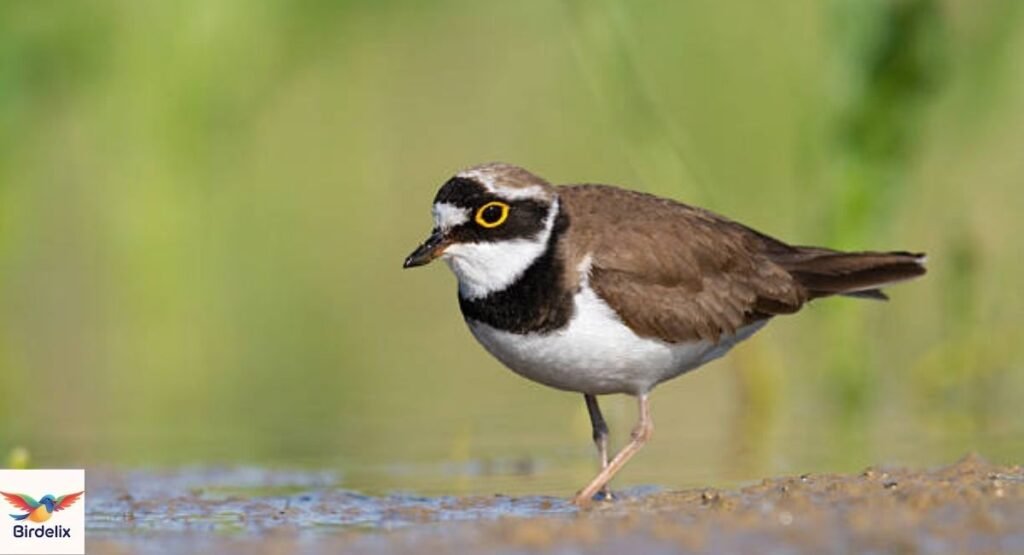
Scientific Name: Charadriidae
Family: Charadriidae
The Plover is a fascinating Bird That Starts With P commonly associated with beaches, mudflats, grasslands, and wetlands. These small to medium-sized wading birds often have rounded heads, short bills, and relatively compact bodies. They feed on insects, worms, crustaceans, and other small invertebrates. Many plovers use a distinctive run-stop-run feeding method while searching for prey along the ground. Their camouflage often blends with sand, mud, or vegetation. Some species also use clever distraction displays around nests. The famous broken-wing display can draw predators away from vulnerable chicks.
9. Ptarmigan
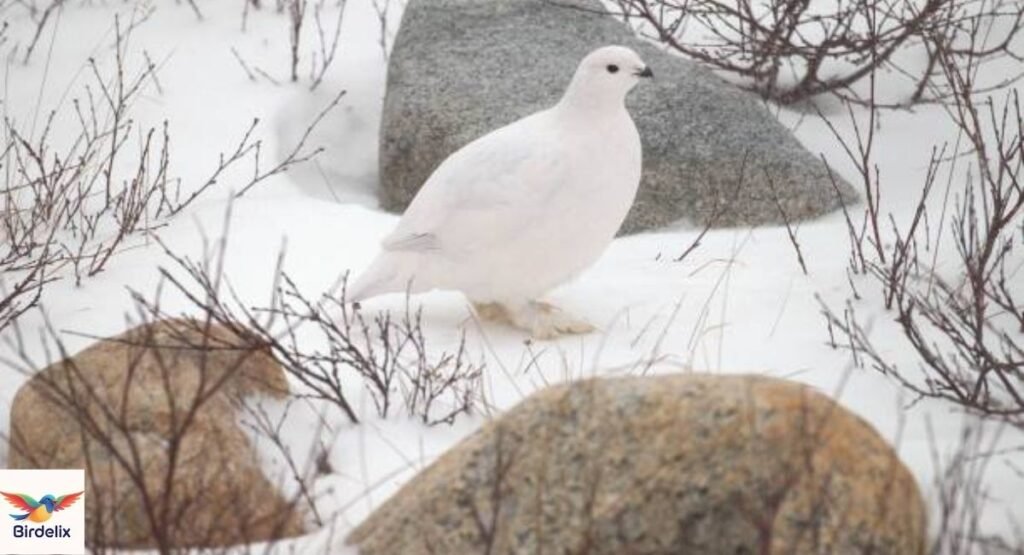
Scientific Name: Lagopus spp.
Family: Phasianidae
The Ptarmigan is a remarkable Bird That Starts With P specially adapted for life in cold northern environments. These ground-dwelling birds occur across Arctic and sub-Arctic regions of North America and Eurasia. Their most unusual feature is seasonal plumage. Several species become white during winter and develop brown or mottled feathers during warmer months. This natural camouflage helps them disappear against changing landscapes. Their feather-covered feet also provide insulation and improve movement across snow. Interestingly, “ptarmigan” begins with a silent P in English, so the word sounds very different from how it looks.
10. Partridge
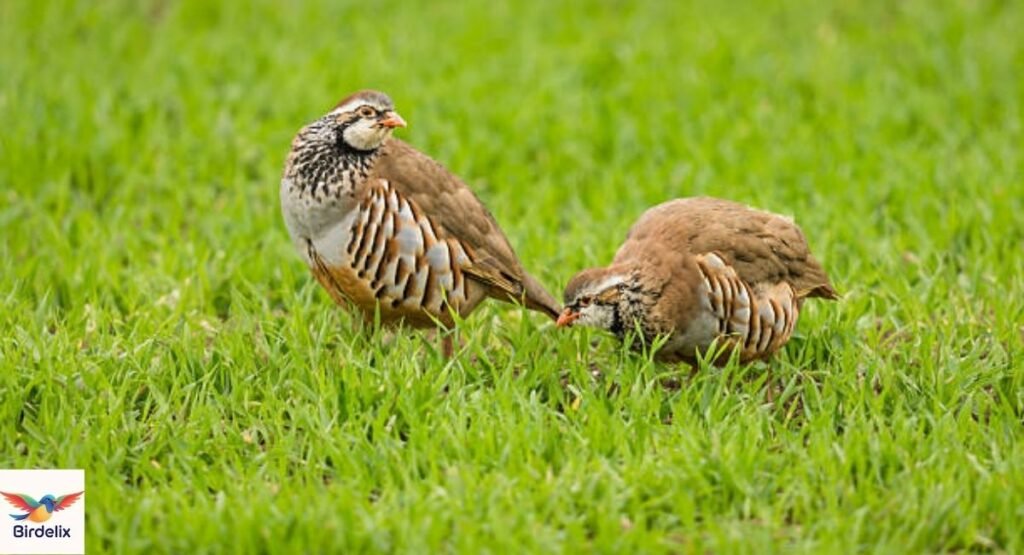
Scientific Name: Perdix spp.
Family: Phasianidae
The Partridge is a familiar Bird That Starts With P associated with grasslands, farmland, scrub, and open countryside. These sturdy ground birds spend much of their time walking and searching for food rather than flying long distances. Their diet commonly includes seeds, grains, berries, plants, and small insects. Their brown and patterned plumage provides useful camouflage against soil and vegetation. When threatened, a partridge may suddenly burst into flight after remaining hidden on the ground. The bird also has strong cultural significance and appears famously in the traditional song “The Twelve Days of Christmas.”
11. Phoebe
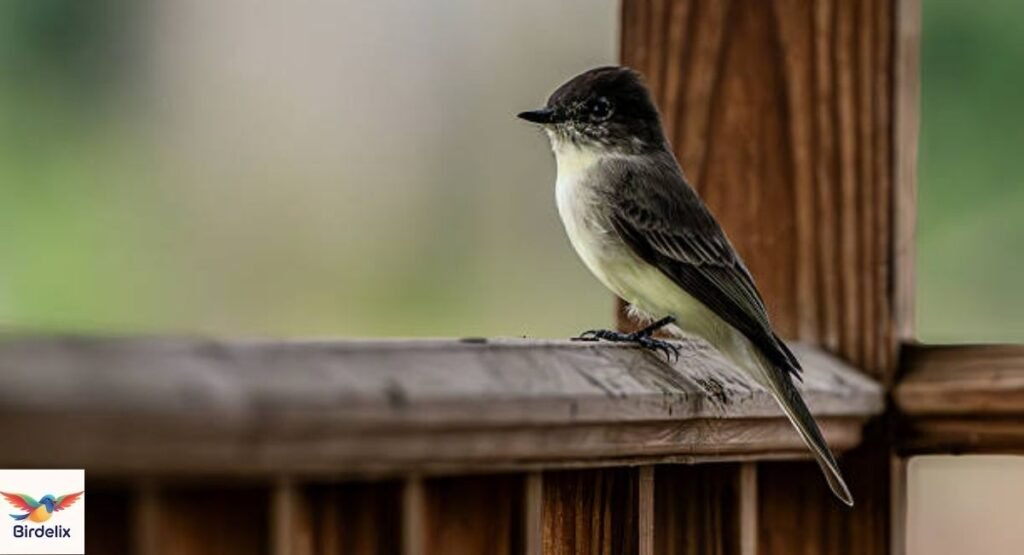
Scientific Name: Sayornis spp.
Family: Tyrannidae
The Phoebe is a small Bird That Starts With P found across parts of North and South America. These active flycatchers often live around woodland edges, farms, gardens, streams, parks, and buildings. They usually perch quietly before darting outward to capture flying insects. Their grayish-brown upperparts and pale undersides provide a simple but attractive appearance. One easy clue is their habit of repeatedly wagging or pumping the tail while perched. Phoebes often return to familiar breeding areas, making them a rewarding sight for backyard birdwatchers.
12. Pipit
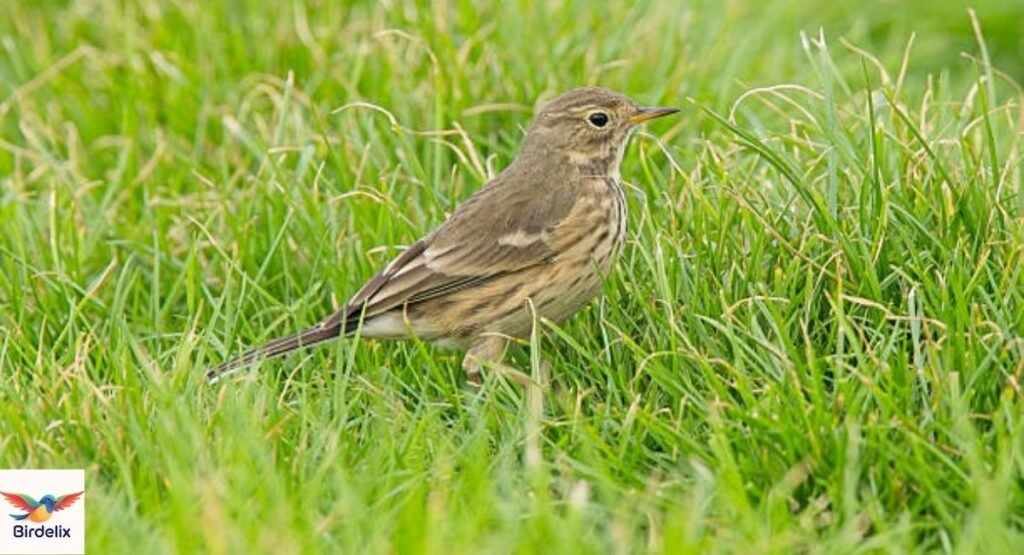
Scientific Name: Anthus spp.
Family: Motacillidae
The Pipit is a slender Bird That Starts With P that commonly lives in meadows, grasslands, marshes, tundra, and other open landscapes. These small birds usually have streaked brown plumage that helps them blend into grasses and soil. They feed mainly on insects, seeds, and other small foods found on the ground. Their flight often looks undulating, with quick wingbeats followed by brief glides. Pipits can resemble larks at first glance. However, their habit of walking across the ground instead of hopping provides a useful identification clue.
13. Pitta
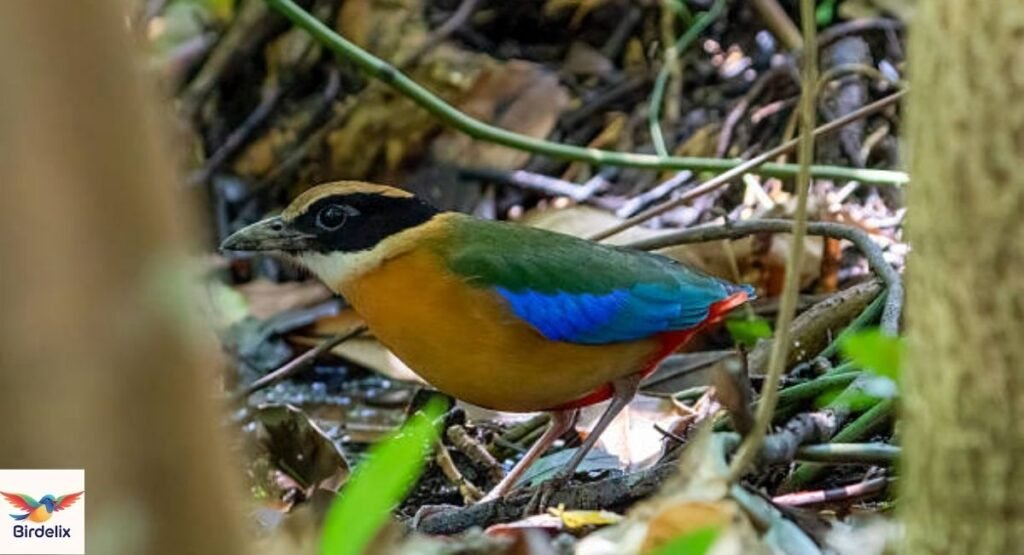
Scientific Name: Pittidae
Family: Pittidae
The Pitta is a striking Bird That Starts With P famous for jewel-like colors and secretive forest behavior. Pittas mainly inhabit tropical forests across Asia, Africa, and Australasia. Many species spend considerable time on the forest floor while searching through leaf litter for insects, worms, and other small prey. Their plumage can combine blue, green, red, and yellow in remarkably vivid patterns. Despite those bright colors, pittas can be surprisingly difficult to spot because they move quietly through dense vegetation. Their short tails and strong legs suit their ground-focused lifestyle.
14. Prinia
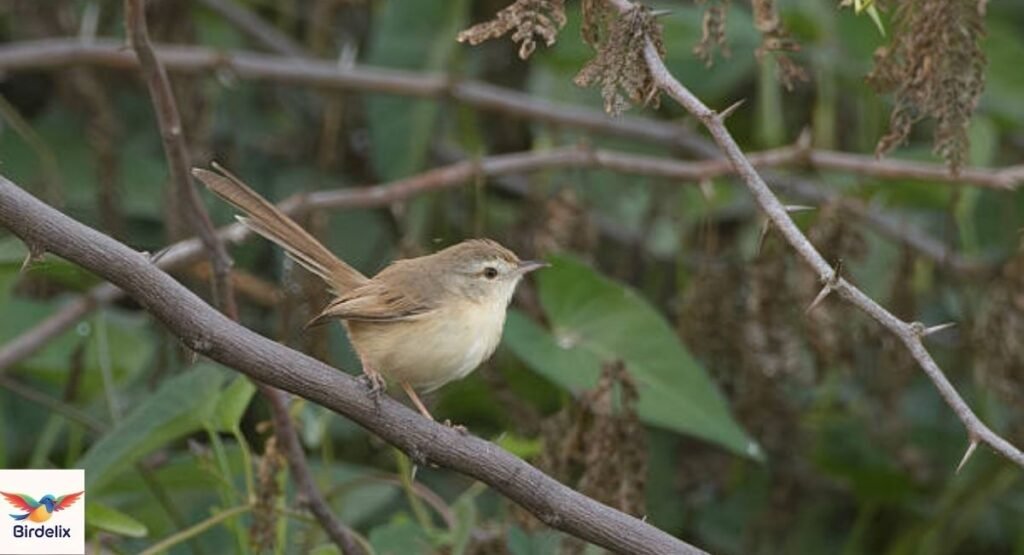
Scientific Name: Prinia spp.
Family: Cisticolidae
The Prinia is a small Bird That Starts With P commonly found in grasslands, scrublands, agricultural areas, and low vegetation across Africa and Asia. These energetic birds often move quickly through grasses while searching for insects. Their long tails are frequently held upright, which creates a useful field mark. Prinias produce lively calls and can remain active for long periods. Their appearance may change subtly between breeding and non-breeding seasons. During breeding periods, some species develop richer plumage that makes them more noticeable to both mates and birdwatchers.
15. Prothonotary Warbler
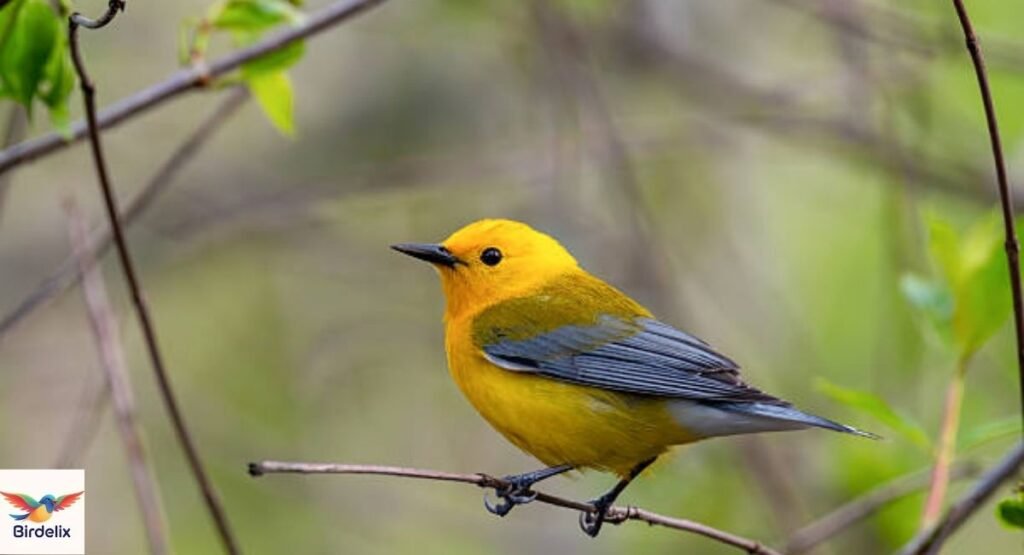
Scientific Name: Protonotaria citrea
Family: Parulidae
The Prothonotary Warbler is a beautiful Bird That Starts With P known for its vivid golden-yellow head and breast. It breeds mainly around swamps, wooded wetlands, and forests in eastern North America. Unlike many warblers that nest in open cups, this species often uses cavities such as abandoned woodpecker holes. Its bright plumage contrasts with bluish-gray wings, making it relatively easy to recognize. The species gets its unusual name from the yellow robes historically associated with prothonotaries. It also has a strong connection with water and often nests close to wetlands.
16. Palm Cockatoo
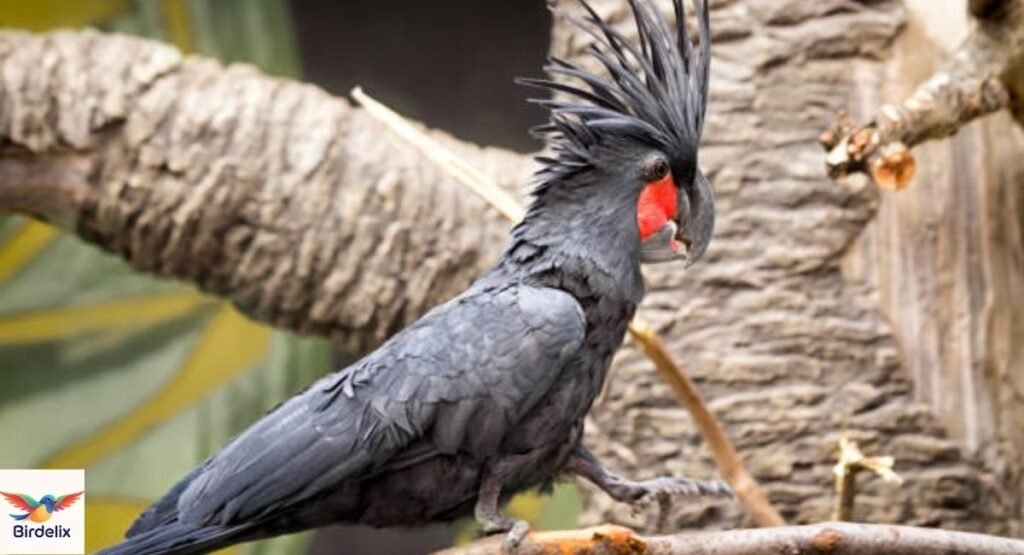
Scientific Name: Probosciger aterrimus
Family: Cacatuidae
The Palm Cockatoo is an unusual Bird That Starts With P recognized by its enormous bill, dark plumage, tall crest, and colorful cheek patch. It inhabits rainforests and woodland areas across northern Australia, New Guinea, and nearby islands. Its powerful bill helps it handle very hard foods that smaller parrots struggle to open. Palm Cockatoos also display unusual tool use. They may select sticks and drum them against tree trunks during communication or courtship displays. Their large size and distinctive behavior make them one of the most memorable cockatoos in the world.
17. Pied Kingfisher
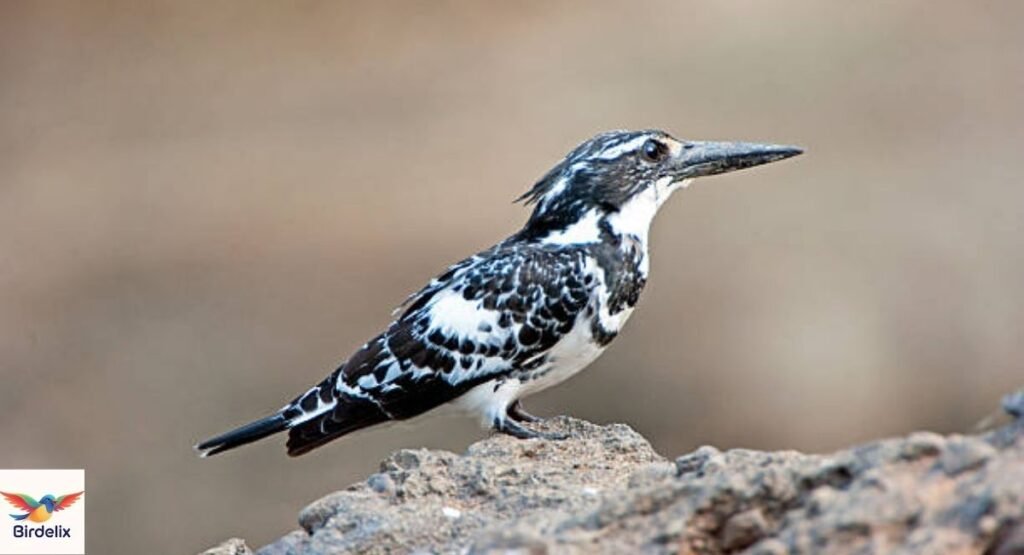
Scientific Name: Ceryle rudis
Family: Alcedinidae
The Pied Kingfisher is a striking Bird That Starts With P recognized by its black-and-white plumage and remarkable fishing technique. It often lives beside rivers, lakes, reservoirs, and other wetlands across parts of Africa and Asia. Instead of simply sitting and waiting, it can hover above water while searching for fish. Once it spots prey, it dives sharply toward the surface. This hovering behavior makes the species especially exciting to watch. Females can also show a more elaborate breast pattern than males, providing a useful identification detail.
18. Pinyon Jay
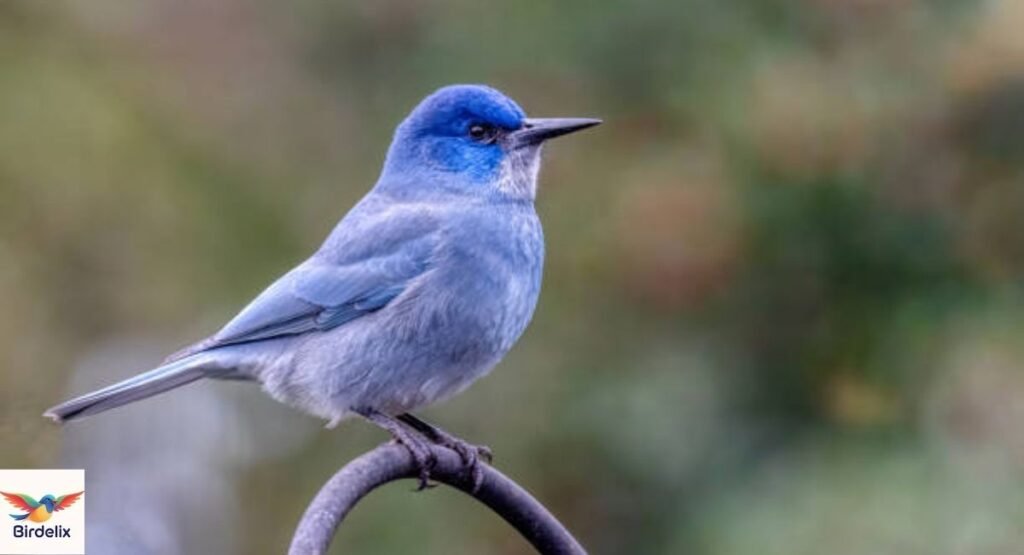
Scientific Name: Gymnorhinus cyanocephalus
Family: Corvidae
The Pinyon Jay is an important Bird That Starts With P of western North America. It commonly inhabits pine woodlands, especially areas where pinyon pine produces nutritious seeds. These social jays often travel in large flocks while searching for food. Their blue-gray body and deeper blue head give them a distinctive appearance. They play an important ecological role because they carry and bury pine seeds across the landscape. Remarkably, they can remember numerous storage locations. Those forgotten seeds may later germinate and help regenerate pine forests.
19. Pochard
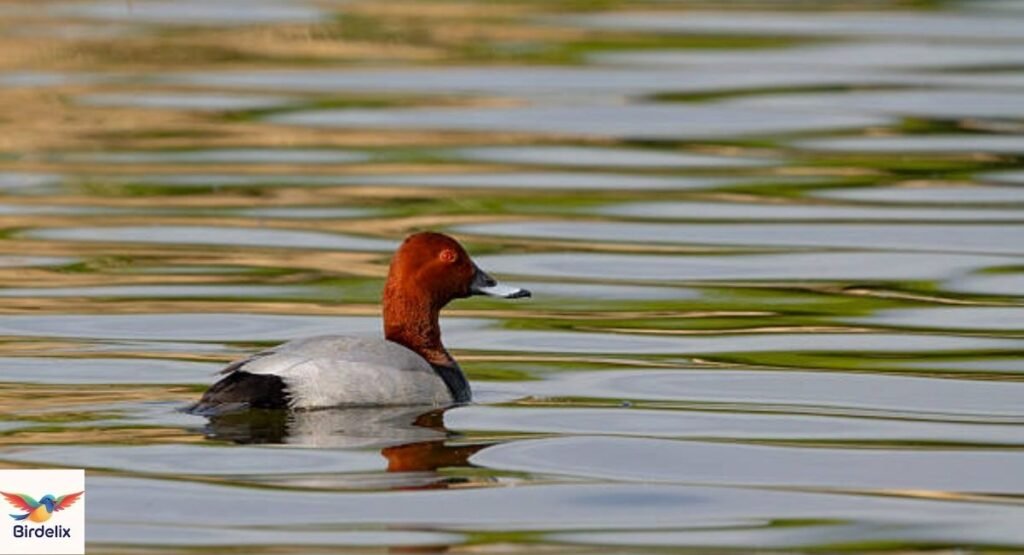
Scientific Name: Aythya ferina
Family: Anatidae
The Pochard is a medium-sized diving duck associated with lakes, marshes, and other wetland habitats across Europe and Asia. Adult males often show a rich chestnut-colored head, reddish eyes, and a darker body. Females tend to have more subdued brown coloring. Pochards feed by diving beneath the surface to collect aquatic plants and other foods. When danger approaches, they may dive rather than immediately fly away. Their underwater escape strategy demonstrates how strongly their body and behavior are adapted to life around water.
20. Palmchat
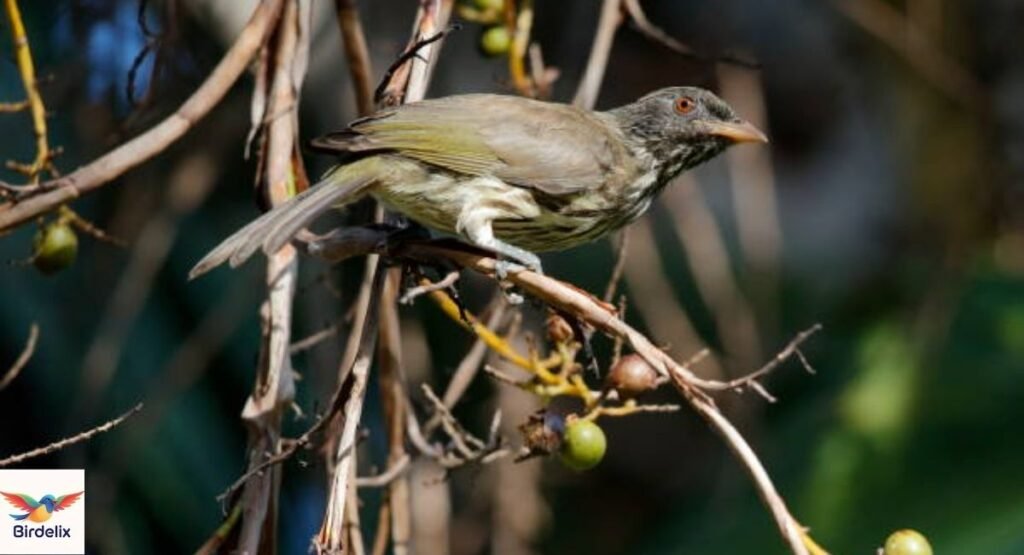
Scientific Name: Dulus dominicus
Family: Dulidae
The Palmchat is a distinctive Bird That Starts With P native to Hispaniola in the Caribbean. It has brownish plumage, a noticeable crest, and a highly social lifestyle. Palmchats are famous for constructing enormous communal nests in palm trees. These structures contain separate chambers where different pairs can raise their young. Their diet includes fruits, berries, seeds, and insects. Unlike many familiar songbirds, the Palmchat belongs to its own family, Dulidae. It also holds special cultural importance because it is the national bird of the Dominican Republic.
21. Painted Bunting
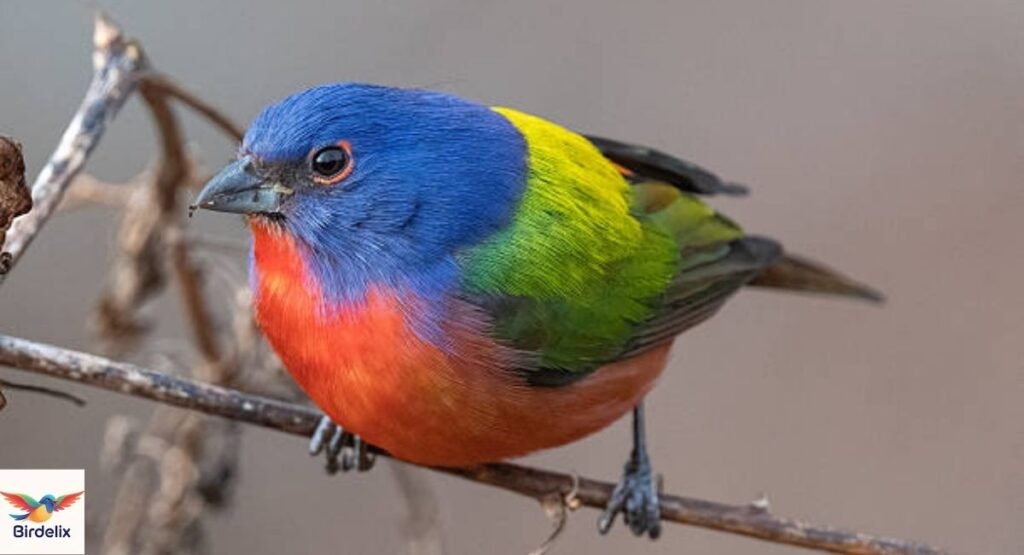
Scientific Name: Passerina ciris
Family: Cardinalidae
The Painted Bunting is one of the most colorful Birds That Start With P found in North America. Breeding males can display a striking mixture of blue, red, green, and other rich tones. They prefer brushy areas, grasslands, woodland edges, and suitable open habitats. Their diet includes seeds and small invertebrates, especially during periods when young birds need additional protein. Females and immature birds look much less colorful, which can surprise first-time observers. This dramatic difference between age and sex makes the species especially interesting for birdwatchers.
22. Painted Stork
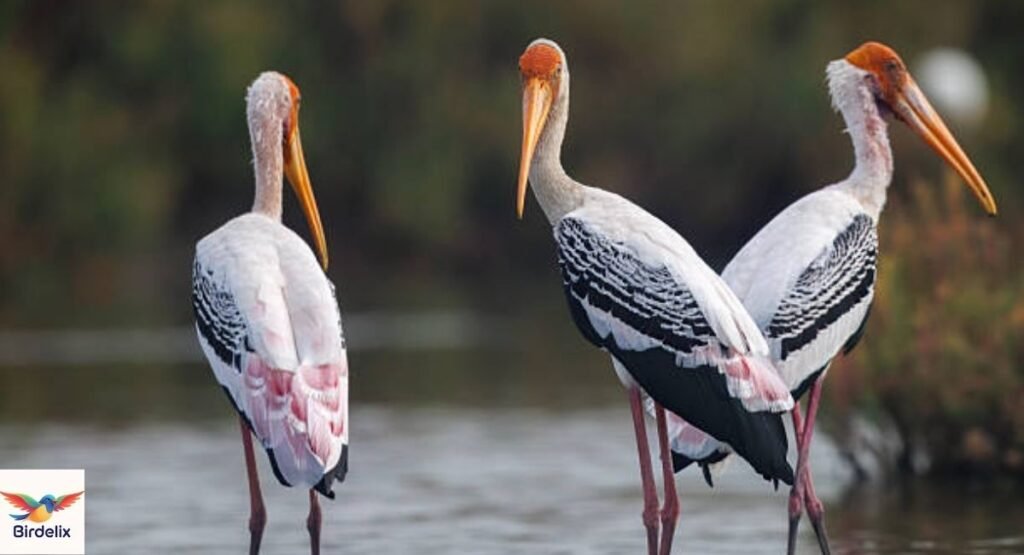
Scientific Name: Mycteria leucocephala
Family: Ciconiidae
The Painted Stork is a large water bird recognized by its long legs, heavy bill, and patterned wings. It lives mainly around wetlands, shallow lakes, marshes, and rivers in South Asia. These storks search for fish and other aquatic prey by moving their bills through shallow water. Their pinkish and black markings become more noticeable as adults mature. They often gather around productive wetlands where food is plentiful. Like other storks, they rely strongly on suitable water levels and healthy wetland ecosystems for feeding and breeding.
23. Pauraque
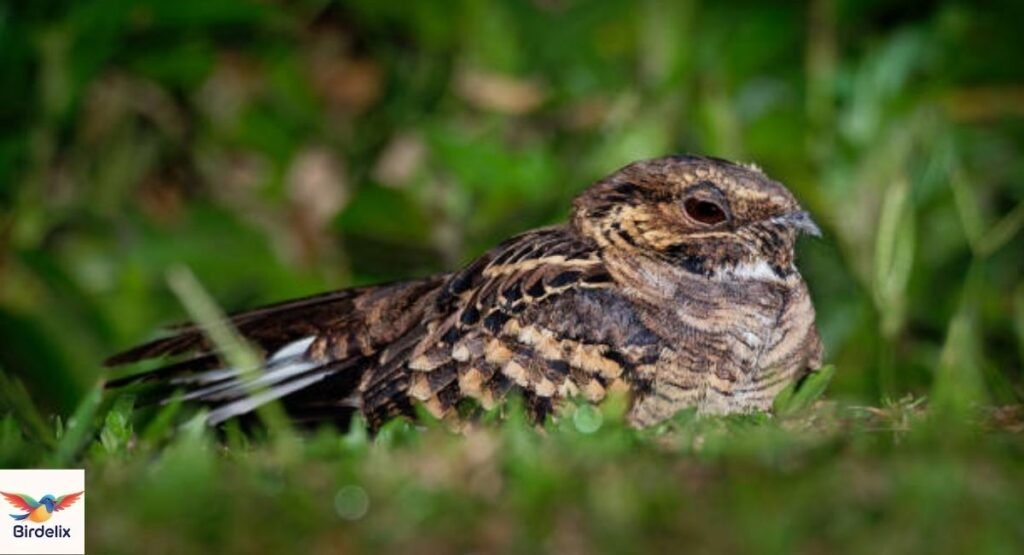
Scientific Name: Nyctidromus albicollis
Family: Caprimulgidae
The Pauraque is a fascinating nocturnal bird that starts with P and lives across parts of the Americas. It becomes most active after sunset when it searches for insects around woodland edges, open areas, and roadsides. Its brown and mottled plumage provides excellent camouflage during the daytime. Large eyes help it function in low light, while its wide mouth assists with catching flying insects. You may hear a Pauraque before seeing one. Its nighttime activity and cryptic appearance make it an intriguing species for patient observers.
24. Pectoral Sandpiper
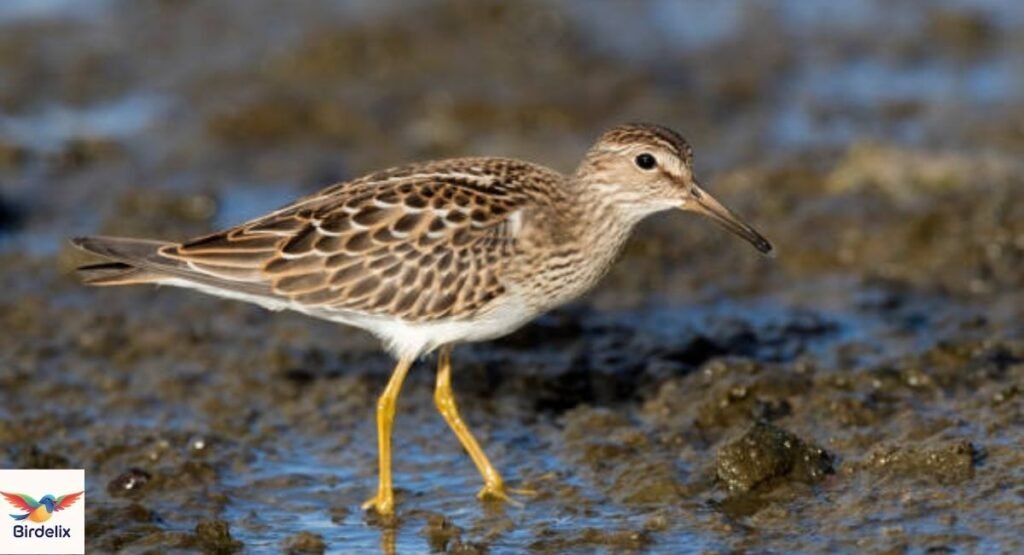
Scientific Name: Calidris melanotos
Family: Scolopacidae
The Pectoral Sandpiper is a long-distance migratory bird that uses wetlands, mudflats, grasslands, and shallow water habitats during different stages of its annual journey. It has a distinctive streaked chest that creates a sharp boundary above its plain belly. These shorebirds feed by probing wet ground for insects, small invertebrates, and other prey. They undertake impressive seasonal movements between breeding and non-breeding regions. Their migration makes them an excellent example of how bird species can connect distant ecosystems across continents.
25. Pewee
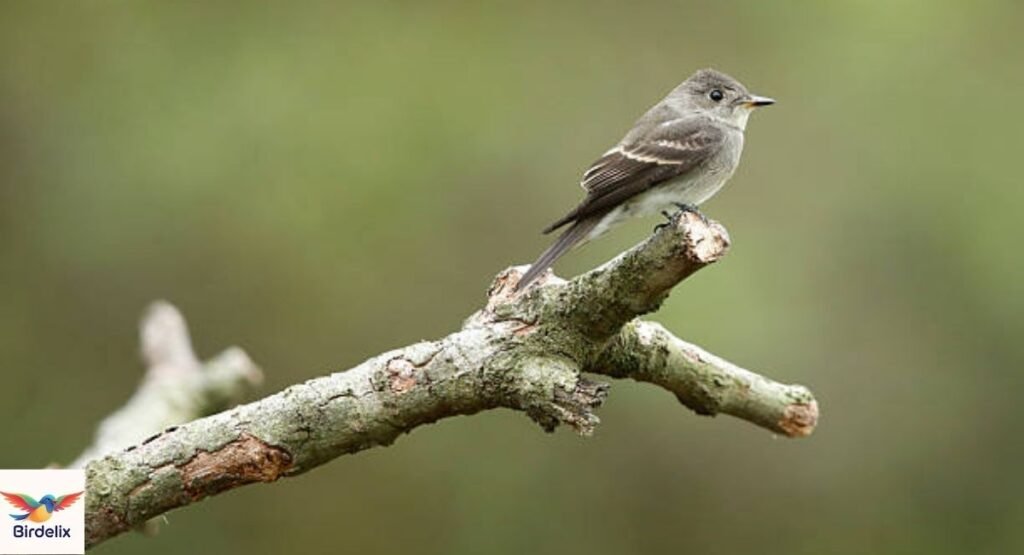
Scientific Name: Contopus spp.
Family: Tyrannidae
The Pewee is a small Bird That Starts With P known for its quiet posture and insect-catching skills. These flycatchers commonly inhabit forests, woodland edges, and open areas across the Americas. They often sit motionless on a branch before suddenly flying out to capture insects in midair. Their muted gray, brown, and olive tones help them blend into branches and foliage. Because they can look similar to other flycatchers, habitat, call, posture, and behavior become valuable identification clues. For birdwatchers, that patient perch-and-pounce style is a useful field mark.
Types of Birds That Start With P
P birds don’t belong to one neat category. They include predators, seabirds, waders, parrots, songbirds, and ground-dwelling species. This range shows how a single starting letter can represent remarkably different ecological roles.
Birds of Prey
Birds of prey beginning with P include Peregrine Falcon, Pallas’s Fish Eagle, Pallid Harrier, Pearl Kite, and Pied Goshawk. These raptors generally rely on sharp talons, hooked bills, excellent eyesight, or agile flight to capture prey. Peregrine Falcons are especially famous for high-speed hunting dives.
Water Birds
Water-associated P birds include Pelican, Plover, Pochard, Pectoral Sandpiper, and Pied Oystercatcher. Their lifestyles vary considerably. Some dive for food, while others probe mud or chase small prey along shorelines. Their wetland habitats often provide food, nesting sites, and shelter.
Seabirds
Puffins, Petrels, Pelagic Cormorants, Peruvian Boobies, and Peruvian Terns represent several types of seabirds. Many spend long periods around marine environments. Their bodies often show useful adaptations for swimming, diving, gliding, or catching prey over open water.
Songbirds and Passerines
Phoebes, Pipits, Prinias, and Pewees represent smaller perching birds. Many rely heavily on insects and other tiny prey. Phoebes often leave a perch to catch flying insects, while Pipits commonly walk across open ground rather than hopping.
Parrots and Parrot-Like Birds
Parrots, Parakeets, and Palm Cockatoos share traits associated with strong bills and grasping feet. Parrots can crack hard foods with their curved bills. Their colorful plumage also makes them popular with bird lovers. Palm Cockatoos add an unusual twist because they use sticks in drumming displays.
Ground-Dwelling
Ptarmigans, Partridges, and Pittas spend substantial time on or near the ground. Their reasons differ. Ptarmigans survive snowy environments, partridges often forage on open land, and pittas search forest floors for insects. These ground-dwelling birds show how varied P species can be.
Birds That Start With P by Letter Length
Letter length offers a fun way to organize bird names. It can also help students solve word puzzles or find species that match a particular naming pattern. For consistency, count only letters in the common name and ignore spaces, hyphens, and apostrophes.
4-Letter Birds That Start With P
Very short P bird names are less common than longer names. Pied can appear within compound names, while names such as Pica may occur in broader bird naming contexts. Always verify the exact common-name convention before using a species in a word-length puzzle.
| Bird Name | Letter Count |
| Pica | 4 |
| Pita | 4 |
5-Letter Birds That Start With P
Five-letter names provide a useful middle ground for word games and classroom activities. Pipit is a particularly familiar example. Its slender shape and open-country lifestyle make it easy to discuss alongside other short P bird names.
| Bird Name | Letter Count |
| Pipit | 5 |
| Pitta | 5 |
| Plover | 6 |
6-Letter Birds That Start With P
Six-letter P names include several familiar groups. Puffin is perhaps the easiest example for general readers. Pinyon Jay and other compound names require the counting rule to remain consistent because spaces aren’t counted.
| Bird Name | Letter Count |
| Puffin | 6 |
| Parrot | 6 |
| Plover | 6 |
| Pewee | 5 |
7-Letter Birds That Start With P
Seven-letter names become more varied. They include several common-name forms associated with parrots, water birds, and passerines. When a name contains two words, count letters only if your chosen convention removes spaces.
| Bird Name | Letter Count |
| Parakeet | 8 |
| Partridge | 9 |
| Pelican | 7 |
| Peacock | 7 |
8-Letter Birds That Start With P
Longer names often reveal more about a bird’s appearance, family, location, or behavior. Parakeet contains eight letters and is one of the most recognizable examples. Compound names can become much longer.
| Bird Name | Letter Count |
| Parakeet | 8 |
| Pochard | 7 |
| Ptarmigan | 9 |
| Pauraque | 8 |
9-Letter Birds That Start With P
Nine-letter names include several familiar species and make excellent examples for vocabulary activities. Ptarmigan has nine letters despite its unusual pronunciation. Its first letter is silent in English.
| Bird Name | Letter Count |
| Ptarmigan | 9 |
| Partridge | 9 |
| Pelican | 7 |
| Prothonotary | 12 |
10+ Letter Birds That Start With P
Long P names often identify a specific species rather than a broad group. Prothonotary Warbler, Pectoral Sandpiper, and Philippine Falconet demonstrate how geographic or descriptive words can create lengthy names.
| Bird Name | Letter Count* |
| Prothonotary | 12 |
| Pectoral | 8 |
| Philippine | 10 |
| Peregrine | 9 |
| Parrotfinch | 11 |
*Compound bird names should be counted consistently according to the chosen naming method.
Small Birds That Start With P
Small P birds often reward patient observation. Phoebes, Pipits, Prinias, Pewees, and Piculets can move quickly through vegetation or open spaces. Their small body size doesn’t make them uninteresting. In fact, tiny birds often display fascinating feeding habits and energetic flight.
| Bird | Scientific Name | Approx. Size | Habitat | Key Feature |
| Phoebe | Sayornis | Small | Open woodland | Tail wagging |
| Pipit | Anthus | Small | Grasslands | Walking behavior |
| Prinia | Prinia | Small | Scrublands | Upright tail |
| Pewee | Contopus | Small | Woodland | Insect catching |
| Piculet | Picumnus | Very small | Forests | Tiny woodpecker relative |
The supplied source notes that Phoebes catch flying insects from perches and that Pipits often walk rather than hop.
Large Birds That Start With P
Large P birds often dominate their surroundings. Pelicans have impressive wingspans and specialized bills, while Palm Cockatoos possess exceptionally powerful bills. Pallas’s Fish Eagles also command attention around wetlands. Their body structure reflects different feeding strategies.
| Bird | Scientific Name | Approx. Size | Habitat | Key Feature |
| Pelican | Pelecanus | Large | Wetlands, coasts | Throat pouch |
| Peacock | Pavo cristatus | Large | Forest edges | Long train |
| Palm Cockatoo | Probosciger aterrimus | Large | Rainforests | Massive bill |
| Pallas’s Fish Eagle | Haliaeetus leucoryphus | Large | Wetlands | Fish-hunting ability |
| Painted Stork | Mycteria leucocephala | Large | Wetlands | Long bill and legs |
Pelicans can carry substantial amounts of water in their throat pouches, while Palm Cockatoos possess a powerful bill suited to hard foods.
Arctic Birds That Start With P
Cold regions demand special adaptations. Ptarmigans are the strongest P example because they live in tundra environments and change plumage with the seasons. Their feathered feet also help them move across snow. This makes them excellent examples of Arctic birds.
| Bird | Arctic/Polar Range | Habitat | Adaptation |
| Ptarmigan | Arctic and sub-Arctic | Tundra | Feathered feet |
| Rock Ptarmigan | Arctic regions | Rocky tundra | Seasonal camouflage |
| Willow Ptarmigan | Northern regions | Shrub tundra | Seasonal plumage |
The supplied source specifically explains that ptarmigans inhabit tundra in North America and Eurasia. It also notes their seasonal change from white winter plumage to brown summer coloration.
North American Birds That Start With P
North America offers an impressive selection of P birds. USA birdwatchers may encounter Peregrine Falcons, Pinyon Jays, Prothonotary Warblers, Pectoral Sandpipers, Phoebes, Pewees, Painted Buntings, and several ptarmigan species. Their habitats range from cities to mountains.
| Bird | Typical North American Habitat | Identification Clue |
| Peregrine Falcon | Cities, cliffs | Fast flight |
| Pinyon Jay | Western pine forests | Blue-gray body |
| Prothonotary Warbler | Eastern wetlands | Golden-yellow plumage |
| Pectoral Sandpiper | Wetlands | Streaked breast |
| Painted Bunting | Scrub, grassland | Bright male plumage |
| Phoebe | Open woodland | Tail wagging |
| Pewee | Forest edges | Fly-catching |
| Ptarmigan | Northern tundra | Seasonal plumage |
The source specifically places Pinyon Jays in western U.S. pine forests and Prothonotary Warblers around swamps and wooded areas of eastern North America.
Colorful Birds That Start With P
Color can be one of the quickest visual clues during birdwatching. However, lighting and seasonal plumage can change what you see. A better approach combines color with body shape, habitat, behavior, and bill structure when identifying colorful P species.
Blue Birds
Blue-gray or vivid blue tones appear in several P birds. The Pinyon Jay has a blue-gray body with a brighter blue head. Pittas can also show blue among their vivid mixtures of red, green, yellow, and blue.
Yellow Birds
Yellow stands out strongly in the Prothonotary Warbler. Its golden-yellow head and chest contrast with bluish-gray wings. This striking combination makes the bird easier to recognize in its eastern North American wetland habitat.
Red Birds
Some P birds display red through their bodies, faces, bills, or special patches. Palm Cockatoos provide an unusual example because their cheeks contain a bright red or pink patch that can become more noticeable when the bird becomes excited.
Black and White Birds
Black-and-white patterns can create strong visual contrast. Pied Kingfishers are a clear example. Their plumage helps distinguish them around water while their hovering behavior offers another useful identification clue. They often dive headfirst after spotting fish below.
Multicolored Birds
Peacocks, parrots, parakeets, and pittas bring some of the most dramatic colors to this list. Peacock males use their long train during courtship, while parrots combine vivid plumage with powerful curved bills. Pittas add jewel-like colors to dense forest floors.
Rare and Unusual Birds That Start With P
Beyond familiar names lies a much stranger collection. Palila, Palmchat, Pelzeln’s Tody-Tyrant, Perija Thistletail, Philippine Falconet, and Pied Falconet may be unfamiliar to casual readers. These rare bird species make the P category far more intriguing.
The supplied source includes these and many other uncommon names in its extended list. Such species can add depth to a bird-name article because they show that P birds extend far beyond the best-known parrots, penguins, and pelicans.
Nocturnal Birds That Start With P
Night-active birds have a different rhythm from daytime species. Their camouflage, calls, hearing, and low-light vision become especially important. Pauraques and Papuan Hawk-Owls are useful examples of P-named nocturnal birds with nighttime activity.
| Bird | Region | Nocturnal Behavior | Habitat |
| Pauraque | Americas | Hunts after dark | Woodland |
| Papuan Hawk-Owl | New Guinea | Active at night | Forest |
The supplied source specifically names Pauraque and Papuan Hawk-Owl as nocturnal P birds.
Migratory Birds That Start With P
Migration can transform a bird’s life across the seasons. Some species travel thousands of miles between breeding and wintering grounds. Pectoral Sandpipers are an excellent example because their migration connects distant parts of the Americas and other regions.
| Bird | Migration Pattern | Breeding Area | Wintering Area |
| Pectoral Sandpiper | Long-distance | Northern breeding grounds | Southern regions |
| Peregrine Falcon | Regional or long-distance | Multiple regions | Multiple regions |
| Plover species | Often seasonal | Northern or temperate areas | Warmer regions |
The supplied source specifically identifies the Pectoral Sandpiper as a known long-distance migrant.
Birds That Start With P by Habitat
Habitat can quickly narrow an identification. A bird seen over a lake deserves a different starting point than one spotted in a pine forest. Understanding bird habitat therefore helps you connect a name with its lifestyle and feeding strategy.
| Habitat | Example P Birds |
| Wetlands | Pelican, Plover, Pochard |
| Forests | Pitta, Palm Cockatoo, Pinyon Jay |
| Grasslands | Pipit, Prinia |
| Coastal Areas | Puffin, Pelican, Plover |
| Tundra | Ptarmigan |
| Tropical Regions | Parrot, Parakeet, Pitta |
| Urban/Suburban Areas | Phoebe, Pewee |
The source shows this impressive habitat spread, from wetlands and coastal waters to grasslands, tropical forests, and tundra.
Fascinating Facts About Birds That Start With P
A good bird list becomes more memorable when each name carries a story. Some P birds have unusual feeding tools, while others rely on speed, camouflage, intelligence, or social behavior. These bird facts reveal why ordinary-looking species can be surprisingly remarkable.
| Bird | Fascinating Fact |
| Peregrine Falcon | Can reach extraordinary speed during hunting dives |
| Pelican | Uses its throat pouch while feeding |
| Penguin | Uses wings as swimming flippers |
| Puffin | Can pursue fish underwater |
| Peacock | Uses its train during courtship |
| Parrot | Can learn and mimic sounds |
| Pinyon Jay | Remembers locations of stored seeds |
The source highlights the Peregrine Falcon’s remarkable diving speed, the pelican’s large throat pouch, penguin swimming adaptations, puffin diving, peacock courtship, parrot intelligence, and Pinyon Jay seed storage.
How to Identify Birds That Start With P
Identification becomes easier when you combine several clues. Start with bird size, then examine the bill, wings, tail, and plumage. Next, consider habitat and behavior. A bird’s call can provide another strong clue, especially when dense foliage hides its body.
Geographic range matters too. A P bird seen on an eastern U.S. swamp may differ greatly from one found on an Arctic tundra. When possible, note feeding habits, flight style, and seasonal appearance before deciding on an identification.
Birds That Start With P for Birdwatchers
Birdwatchers can find P birds in surprisingly different places. Wetlands may reveal Pelicans, Plovers, Pochards, or Sandpipers. Forest trails can produce Pittas, Pewees, Parrots, or warblers. Coastal locations offer Puffins, Petrels, and other marine species.
For USA readers, local parks, wetlands, forests, mountain regions, and coastal reserves can all provide useful opportunities. Carry binoculars, observe quietly, and record habitat details. A simple note about location and behavior can make later birdwatching identification much easier.
Conclusion
Exploring Birds That Start With P reveals far more variety than most readers expect. You’ll find swift raptors, colorful parrots, graceful water birds, tiny songbirds, unusual nocturnal species, and hardy Arctic survivors. The names also span different letter lengths, habitats, sizes, and geographic ranges. For USA readers, North American species offer plenty of opportunities for real-world observation.
Whether you’re building vocabulary, solving a word puzzle, or planning your next birdwatching trip, these P birds provide a fascinating place to begin. Keep your eyes open. The next remarkable species may be closer than you think.
FAQs
What is the most common bird that starts with P?
There isn’t one universal answer because commonness varies by region. However, familiar names include Pelican, Parrot, Pigeon, Peacock, and Parakeet.
What are some popular birds that start with P?
Popular examples include Penguin, Parrot, Peacock, Puffin, Pelican, Peregrine Falcon, Parakeet, and Plover. Their unusual looks or behavior make them widely recognized.
What birds start with P and have 6 letters?
Examples include Parrot and Puffin. Plover also contains six letters when spaces and punctuation aren’t involved.
What Arctic birds start with P?
Ptarmigans are the clearest P-named Arctic birds. They survive cold tundra conditions with seasonal plumage and feathered feet that help them move over snow.
What North American birds start with P?
North American examples include Peregrine Falcon, Pinyon Jay, Prothonotary Warbler, Pectoral Sandpiper, Painted Bunting, Phoebe, Pewee, and several ptarmigan species.

Welcome to Birdelix! I’m Anam Sattar, an AI-powered SEO Specialist and Content Writer with over 5 years of experience in creating high-quality, search-optimized content. I help businesses improve their search engine rankings, increase organic traffic, and build beautiful, user-friendly websites. My mission is to make SEO, content creation, and web design simple, effective, and accessible for everyone. Let’s grow your online presence and achieve success together!