

If you’re curious about Birds That Start With O, you’ll find a fascinating mix of colorful songbirds, powerful hunters, coastal species, and unusual forest birds. From the bright Oriole and fish-catching Osprey to the secretive Oilbird and striking Oystercatcher, these birds show how diverse the letter O can be. Some species are familiar across North America, while others live in tropical forests, mountain regions, islands, or remote wetlands.
You’ll also discover 5-letter bird names, large O birds, small species, and remarkable birds of prey. This guide explores their names, scientific classifications, habitats, diets, sizes, behaviors, and interesting facts. Whether you’re a birdwatcher, student, or curious nature lover, these O bird names make a fascinating collection.
What Birds Start With O?
Several well-known birds begin with O, including Oriole, Osprey, Oystercatcher, Owl, Ovenbird, Oilbird, and Ouzel. These names represent very different birds, ranging from songbirds and raptors to shorebirds and specialized cave dwellers.
For USA readers, Osprey, Ovenbird, Oriole, and Oak Titmouse are especially useful names to know. Their habitats vary widely, too. Ospreys favor open water, Ovenbirds prefer forests, while Oak Titmice commonly inhabit dry oak woodlands.
50 Birds That Start With O: Complete List
The table below brings together 50 O-starting names for quick reference. Because common names sometimes describe groups rather than single species, entries such as Owl, Oriole, and Oystercatcher represent broader bird groups. This distinction matters when you’re researching bird identification or scientific classification.
| No. | Bird Name | Scientific Name | Bird Type | Main Color | Habitat | Size |
| 1 | Oriole | Icterus spp. | Songbird | Yellow/Orange | Woodlands | Medium |
| 2 | Osprey | Pandion haliaetus | Raptor | Brown/White | Lakes, Coasts | Large |
| 3 | Oystercatcher | Haematopus spp. | Shorebird | Black/White | Coasts | Medium-Large |
| 4 | Owl | Strigiformes | Raptor | Brown/Gray | Forests, Open Areas | Small-Large |
| 5 | Ouzel | Cinclus spp. | Songbird | Brown/Black | Fast Streams | Small |
| 6 | Ovenbird | Seiurus aurocapilla | Warbler | Olive/Brown | Forests | Small |
| 7 | Oilbird | Steatornis caripensis | Nocturnal Bird | Brown/White | Caves, Forests | Medium |
| 8 | Olive Warbler | Peucedramus taeniatus | Songbird | Olive/Orange | Mountain Forests | Small |
| 9 | Oriental Magpie-Robin | Copsychus saularis | Songbird | Black/White | Woodlands | Small |
| 10 | Oriental Stork | Ciconia boyciana | Stork | White/Black | Wetlands | Very Large |
| 11 | Ocellated Antbird | Phaenostictus mcleannani | Antbird | Black/White | Rainforests | Medium |
| 12 | Orange-breasted Sunbird | Anthobaphes violacea | Sunbird | Orange/Green | Fynbos | Small |
| 13 | Olive-backed Pipit | Anthus hodgsoni | Pipit | Olive/Brown | Grasslands, Forest Edges | Small |
| 14 | Olive-throated Parakeet | Eupsittula nana | Parrot | Green | Woodlands | Small |
| 15 | Olive Sparrow | Arremonops rufivirgatus | Sparrow | Olive/Brown | Brush, Woodland | Small |
| 16 | Ochre-breasted Antpitta | Grallaricula flavirostris | Antpitta | Brown/Ochre | Andean Forests | Small |
| 17 | Orange-fronted Barbet | Capito squamatus | Barbet | Orange/Yellow | Tropical Forests | Medium |
| 18 | Osprey Kingfisher | Historical/variant usage | Kingfisher | Blue/White | Coastal Areas | Medium |
| 19 | Olive-crowned Yellowthroat | Geothlypis semiflava | Warbler | Yellow/Olive | Wetlands | Small |
| 20 | Oak Titmouse | Baeolophus inornatus | Songbird | Gray/Brown | Oak Woodlands | Small |
| 21 | Oahu Amakihi | Chlorodrepanis flava | Hawaiian Honeycreeper | Green/Yellow | Hawaiian Forests | Small |
| 22 | Oahu Elepaio | Chasiempis ibidis | Flycatcher | Brown/Gray | Hawaiian Forests | Small |
| 23 | Oaxaca Sparrow | Aimophila notosticta | Sparrow | Brown/Gray | Scrub, Woodland | Small |
| 24 | Oberholser’s Fruit Dove | Ptilinopus gularis group | Fruit Dove | Green | Tropical Forests | Small |
| 25 | Obi Woodcock | Scolopax rochussenii | Shorebird | Brown | Forests | Medium |
| 26 | Oceanic Flycatcher | Regional common-name usage | Flycatcher | Variable | Islands | Small |
| 27 | Ochre-bellied Flycatcher | Mionectes oleagineus | Flycatcher | Olive/Ochre | Rainforests | Small |
| 28 | Ochre-breasted Tanager | Chlorothraupis stolzmanni | Tanager | Olive/Ochre | Forests | Small |
| 29 | Ochre-cheeked Spinetail | Synallaxis scutata | Spinetail | Brown/Ochre | Woodland | Small |
| 30 | Ochre-collared Monarch | Arses insularis | Monarch Flycatcher | Black/White | Forests | Small |
| 31 | Ochre-marked Parakeet | Pyrrhura cruentata group | Parakeet | Green/Orange | Forests | Small |
| 32 | Ochre-rumped Bunting | Emberiza group | Bunting | Brown/Ochre | Grasslands | Small |
| 33 | Ochre-striped Antpitta | Grallaria group | Antpitta | Brown/Ochre | Forest Floor | Small |
| 34 | Ochraceous Attila | Attila torridus | Flycatcher | Ochre/Brown | Forests | Small |
| 35 | Ochraceous Pewee | Contopus ochraceus | Flycatcher | Brown/Ochre | Mountains | Small |
| 36 | Ochraceous Wren | Troglodytes ochraceus | Wren | Brown | Mountain Forests | Small |
| 37 | Ochre-breasted Brushfinch | Arremon brunneinucha group | Brushfinch | Brown/Ochre | Forests | Small |
| 38 | Ochre-faced Tody-Flycatcher | Poecilotriccus plumbeiceps group | Flycatcher | Olive/Ochre | Forests | Tiny |
| 39 | Ochre-lored Flatbill | Tolmomyias flaviventris group | Flycatcher | Yellow/Olive | Tropical Forests | Small |
| 40 | Ochre-winged Trumpeter | Psophia ochroptera | Trumpeter | Gray/Brown | Amazon Forests | Medium |
| 41 | Okinawa Rail | Hypotaenidia okinawae | Rail | Brown/Black | Okinawa Forests | Medium |
| 42 | Olrog’s Gull | Larus atlanticus | Gull | Black/White | Coasts | Medium-Large |
| 43 | Olson’s Petrel | Regional taxonomic usage | Petrel | Dark/White | Ocean | Medium |
| 44 | Olive-backed Euphonia | Euphonia gouldi | Songbird | Olive/Yellow | Tropical Forests | Small |
| 45 | Olive-backed Quail-Dove | Zentrygon group | Dove | Brown/Olive | Forests | Medium |
| 46 | Olive-capped Warbler | Leiothlypis group | Warbler | Olive/Yellow | Forests | Small |
| 47 | Olive-chested Flycatcher | Myiozetetes group | Flycatcher | Olive/Brown | Forests | Small |
| 48 | Olive-spotted Hummingbird | Regional common-name usage | Hummingbird | Olive/Green | Forests | Tiny |
| 49 | Olivaceous Cormorant | Nannopterum brasilianum | Waterbird | Dark Brown | Wetlands | Medium |
| 50 | Olivaceous Warbler | Iduna pallida | Warbler | Gray/Olive | Scrub, Woodland | Small |
Names in this table draw from the supplied reference list, which includes many additional O-starting birds. However, common-name usage can vary between regions and taxonomic sources, so unusual entries should be checked against a current bird checklist before publication.
25 Most Popular Birds That Start With O
1. Oriole
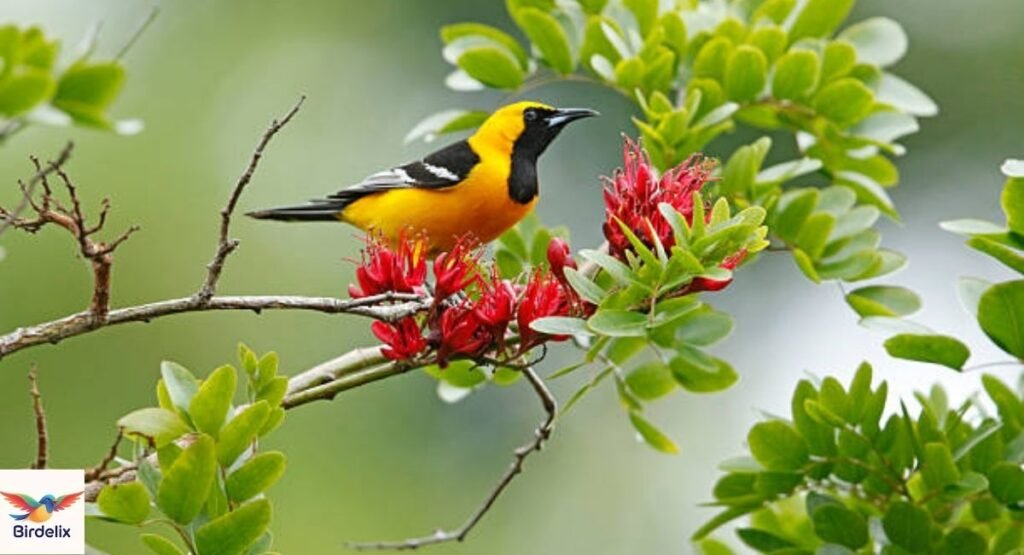
Scientific Name: Icterus spp.
Family: Icteridae
The Oriole is one of the most recognizable Birds That Start With O because of its bright yellow, orange, and black plumage. Different oriole species live across North and Central America, where they commonly inhabit open woodlands, gardens, parks, and forest edges. These attractive songbirds mainly feed on insects, fruit, nectar, and other small foods. Their slender, pointed bills help them reach fruit and flowers while also catching insects. Orioles are medium-sized birds with long tails and graceful flight. An interesting fact is that many orioles build distinctive hanging nests that sway from tree branches like small woven baskets.
2. Osprey
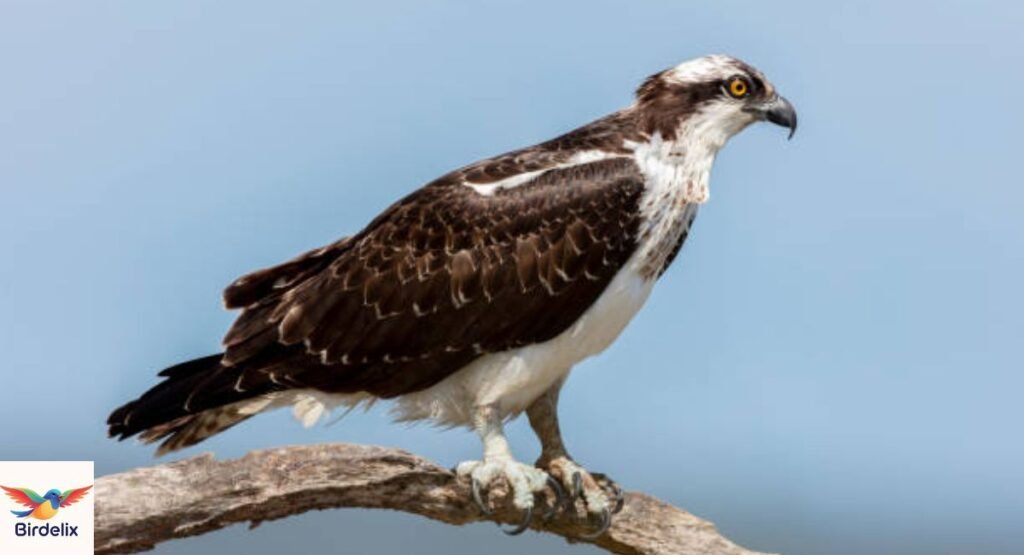
Scientific Name: Pandion haliaetus
Family: Pandionidae
The Osprey is a remarkable Bird That Starts With O and one of the best fish-hunting raptors in the world. It lives near lakes, rivers, reservoirs, estuaries, and coastal waters where fish are plentiful. Its diet consists mainly of live fish, which it catches by diving feet-first into the water. The Osprey has long wings, a white head, dark eye markings, and powerful talons designed to grip slippery prey. Adults can reach about 24 inches in length with a wingspan that may exceed 5 feet. A fascinating fact is that its outer toe can rotate backward to create a strong two-forward, two-backward grip.
3. Oystercatcher
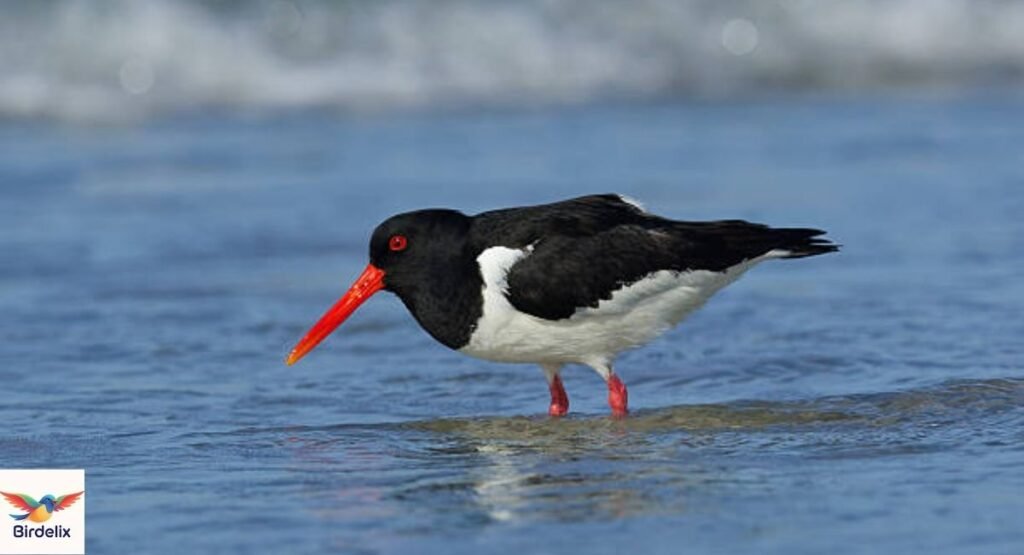
Scientific Name: Haematopus spp.
Family: Haematopodidae
The Oystercatcher is a distinctive Bird That Starts With O recognized by its long legs, dark-and-white body, and powerful orange-red bill. These coastal birds live along beaches, rocky shorelines, mudflats, estuaries, and tidal areas where they search for food. They mainly eat oysters, mussels, clams, worms, crabs, and other shoreline animals. Their strong bills allow them to pry open shells or hammer through them depending on the species and feeding method. Oystercatchers are medium-sized shorebirds with sturdy bodies. One interesting fact is that their name comes from their ability to feed on oysters and other shellfish along coastal shores.
4. Owl
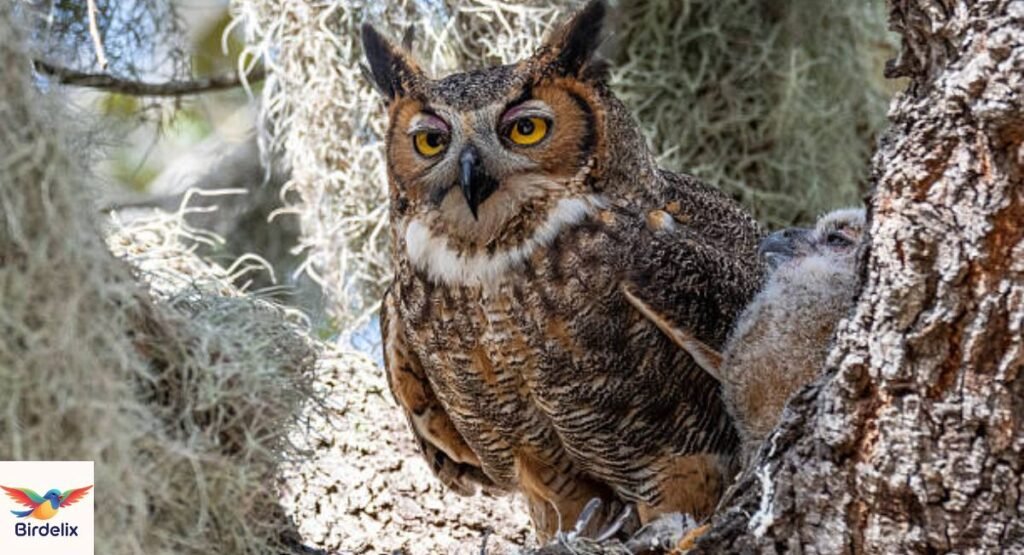
Scientific Name: Strigiformes
Family: Strigidae and Tytonidae
The Owl is a famous Bird That Starts With O known for its large eyes, rounded face, silent flight, and powerful talons. Owls live in forests, grasslands, deserts, wetlands, farmland, and even urban areas depending on the species. They mainly hunt mice, rats, insects, small birds, reptiles, amphibians, and other animals. Their exceptional hearing helps them locate prey even when visibility is poor. Owl sizes range from tiny species to large birds such as the Great Horned Owl. An interesting fact is that specialized feather edges help many owls fly with remarkably little noise.
5. Ouzel
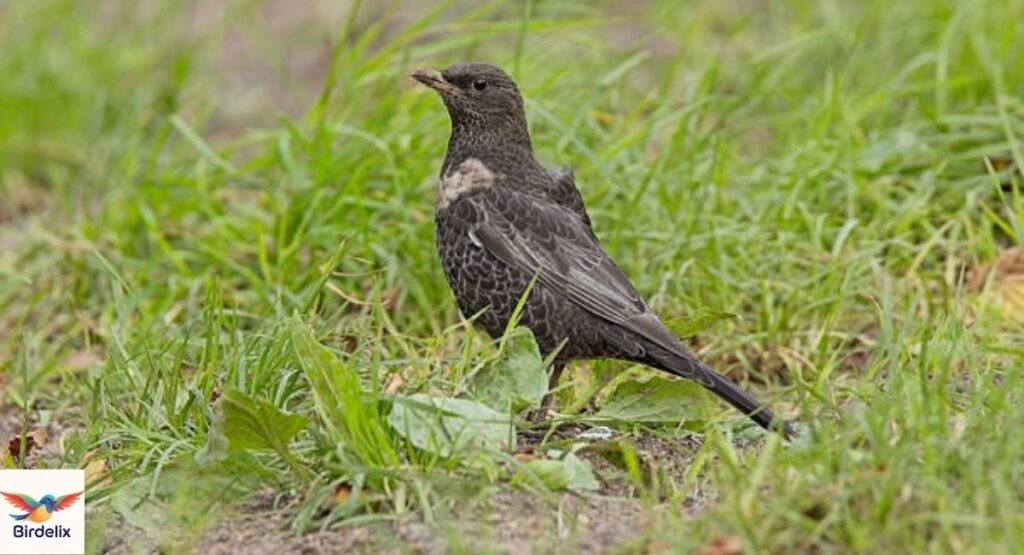
Scientific Name: Cinclus spp.
Family: Cinclidae
The Ouzel is a traditional name associated with dippers and is an unusual Bird That Starts With O. These fascinating birds live beside fast-flowing streams, rivers, and mountain waterways where clean water provides plenty of aquatic prey. They feed mainly on aquatic insects, larvae, small crustaceans, and other tiny organisms. Their compact bodies, strong legs, and special feathers help them survive around cold moving water. Ouzels are small birds but have surprisingly strong swimming and diving abilities. One fascinating fact is that dippers can walk underwater against flowing currents while searching beneath stones for food.
6. Ovenbird
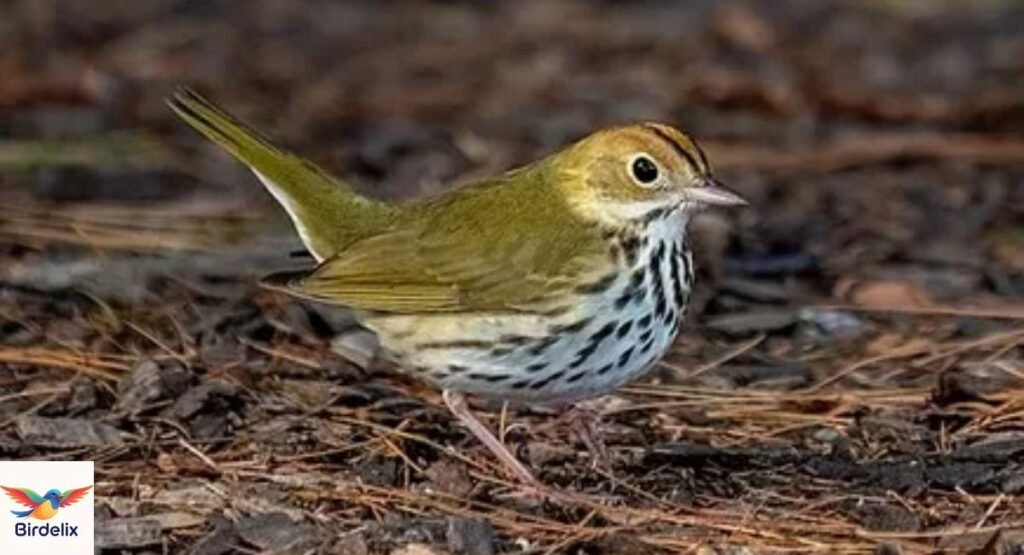
Scientific Name: Seiurus aurocapilla
Family: Parulidae
The Ovenbird is an interesting Bird That Starts With O that belongs to the New World warbler family. It commonly inhabits mature forests across eastern and northern North America, especially during its breeding season. This small bird searches the forest floor for insects, spiders, caterpillars, and other tiny creatures. Its olive-brown back, spotted breast, white eye-ring, and orange crown stripe make identification easier. Despite its small size, the Ovenbird produces a loud and distinctive song. An interesting fact is that its ground nest resembles a small oven or dome, which inspired the bird’s common name.
7. Oilbird
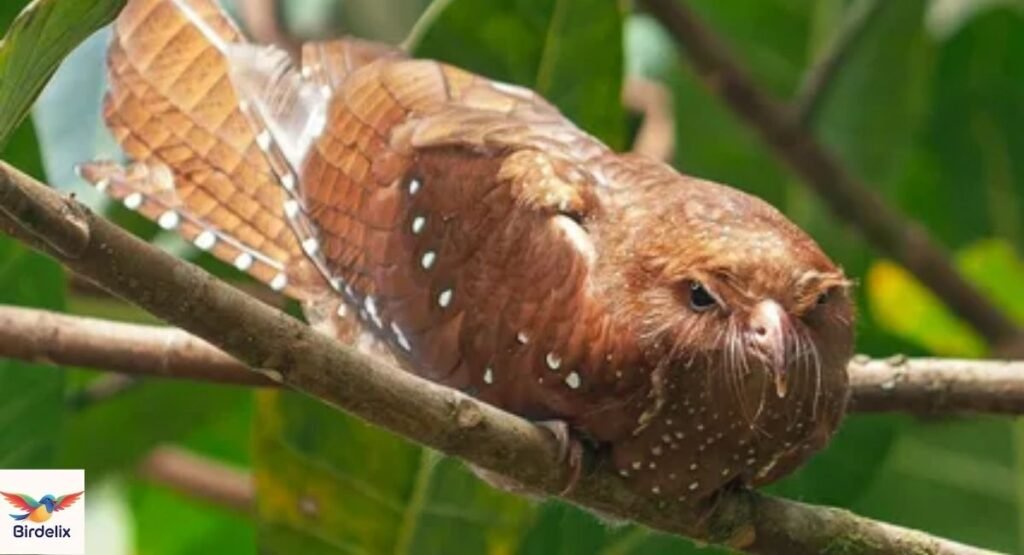
Scientific Name: Steatornis caripensis
Family: Steatornithidae
The Oilbird is one of the most unusual Birds That Start With O because it spends much of its life around dark caves and feeds primarily on fruit. It occurs in northern South America and nearby regions, usually in forested areas containing suitable cave or cavern habitats. Unlike most fruit-eating birds, Oilbirds leave their roosts mainly at night to search for food. They have strong wings and excellent low-light adaptations. Their most remarkable feature is their ability to use echolocation for navigating through dark caves. This unusual sensory skill makes the Oilbird one of the most fascinating birds beginning with O.
8. Olive Warbler
Scientific Name: Peucedramus taeniatus
Family: Peucedramidae
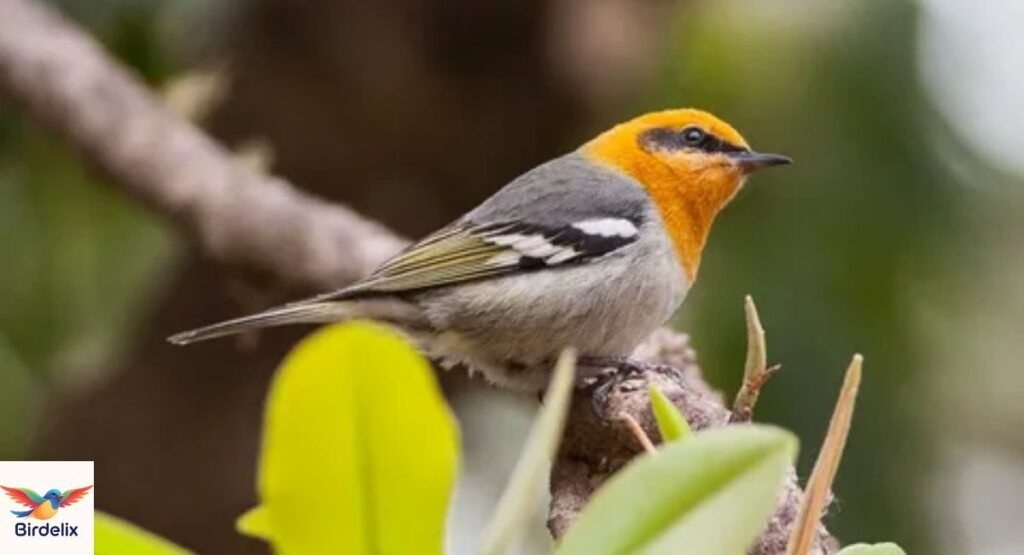
The Olive Warbler is a small and attractive Bird That Starts With O found mainly in mountainous forests of Mexico and parts of Central America. It prefers pine, fir, and other high-elevation woodland habitats where it searches among branches for insects. Males are particularly striking because they can have orange-colored heads combined with darker bodies and olive tones. Females usually show more subdued coloration. These birds mainly eat insects and other small invertebrates found among foliage. An interesting fact is that the Olive Warbler belongs to its own unique family rather than the typical New World warbler family.
9. Oriental Magpie-Robin
Scientific Name: Copsychus saularis
Family: Muscicapidae
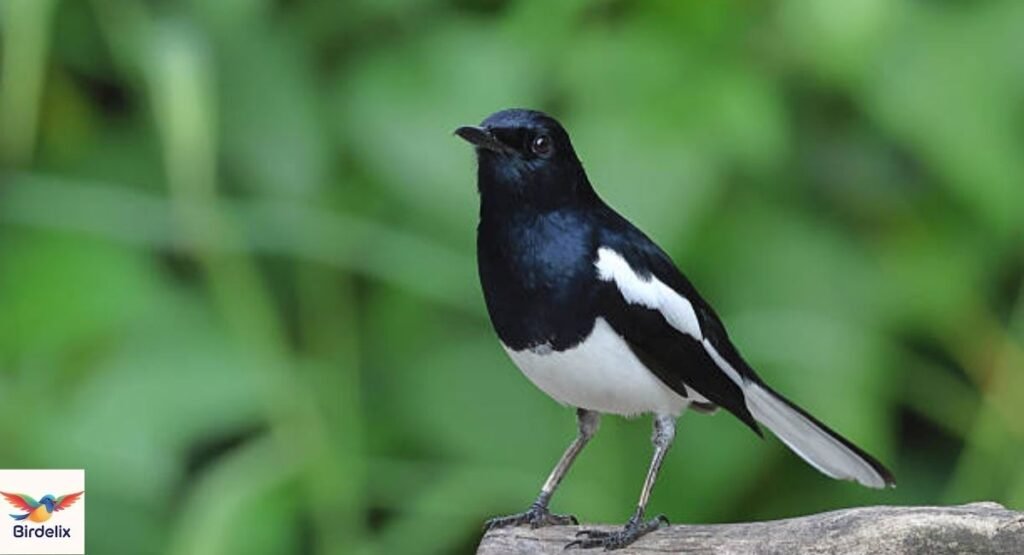
The Oriental Magpie-Robin is a striking black-and-white Bird That Starts With O found throughout parts of South and Southeast Asia. It commonly lives in gardens, woodland edges, parks, villages, and other semi-open habitats. The bird feeds on insects, worms, small invertebrates, and occasionally other available foods. Males usually have bold black-and-white plumage, while females appear somewhat grayer. Their upright posture and long tail make them easy to recognize. An interesting fact is that the Oriental Magpie-Robin is highly regarded for its rich and varied singing ability and is one of the better-known songbirds across its native range.
10. Oriental Stork
Scientific Name: Ciconia boyciana
Family: Ciconiidae
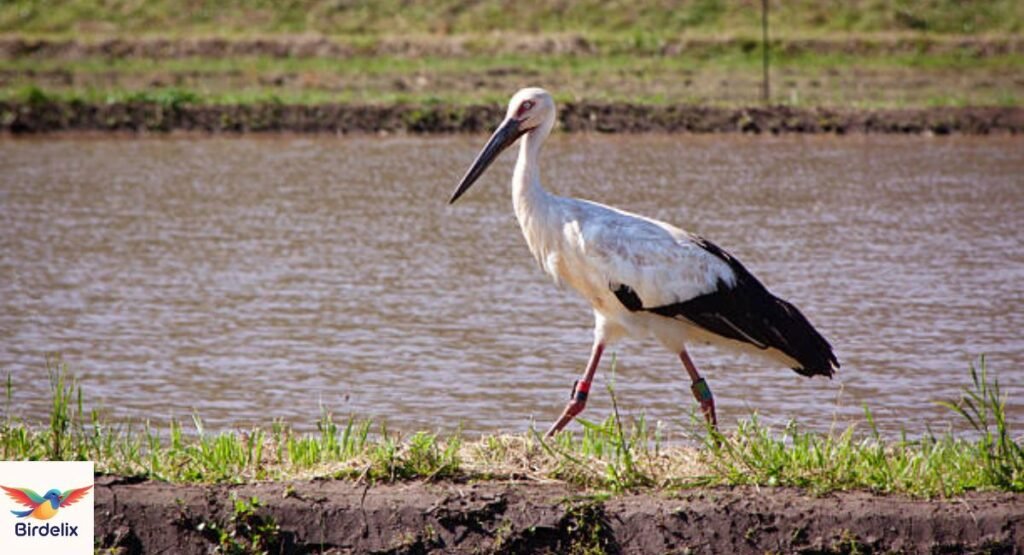
The Oriental Stork is a huge Bird That Starts With O known for its long legs, large wings, and striking black-and-white plumage. It lives mainly around wetlands, rivers, marshes, lakes, and other areas with shallow water. The bird searches these habitats for fish, frogs, insects, small reptiles, and other aquatic animals. Its long pointed bill allows it to grab prey from shallow water and wet ground. Oriental Storks can appear impressive when soaring because of their broad wings. One fascinating fact is that this species has a highly restricted range and has faced serious conservation concerns.
11. Ocellated Antbird
Scientific Name: Phaenostictus mcleannani
Family: Thamnophilidae
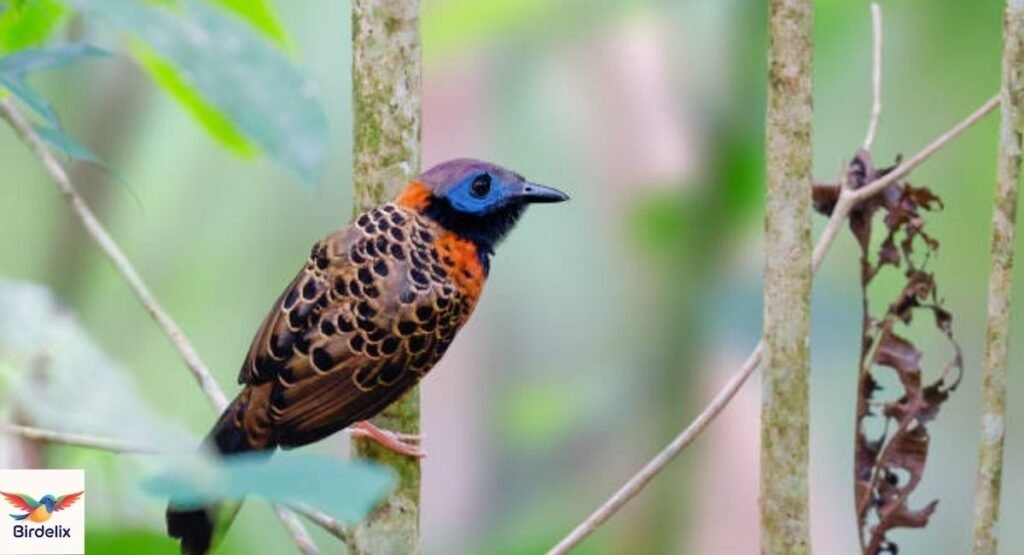
The Ocellated Antbird is a fascinating tropical Bird That Starts With O named for the spotted patterns on its body. It lives in humid forests of Central America and parts of northwestern South America. Rather than searching randomly for food, it often follows army-ant swarms through the forest. These ants disturb insects and other small creatures hiding in vegetation or leaf litter. The antbirds then capture fleeing prey. They are medium-sized forest birds with bold markings and active behavior. An interesting fact is that following army ants allows the bird to exploit prey that would otherwise remain hidden.
12. Orange-breasted Sunbird
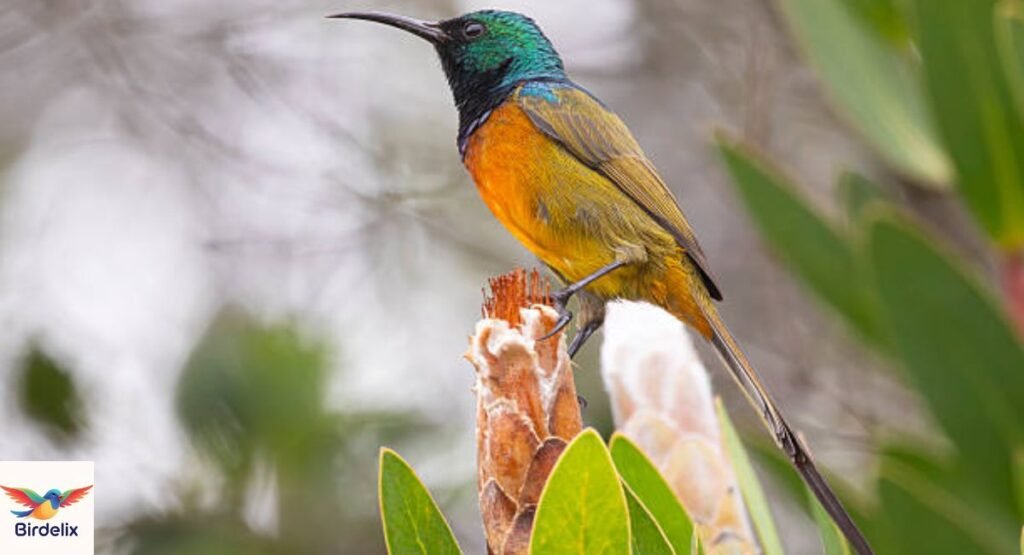
Scientific Name: Anthobaphes violacea
Family: Nectariniidae
The Orange-breasted Sunbird is a colorful Bird That Starts With O associated with the flowering landscapes of southern Africa. It is especially common in fynbos habitats where nectar-rich plants provide an important food source. Males have bright orange breasts and attractive iridescent coloring, while females are generally less colorful. These small birds mainly drink nectar but also consume insects for additional nutrients. Their slender bills and active movements make them well adapted to visiting flowers. An interesting fact is that the bird can help transfer pollen as it moves between flowers while feeding.
13. Olive-backed Pipit
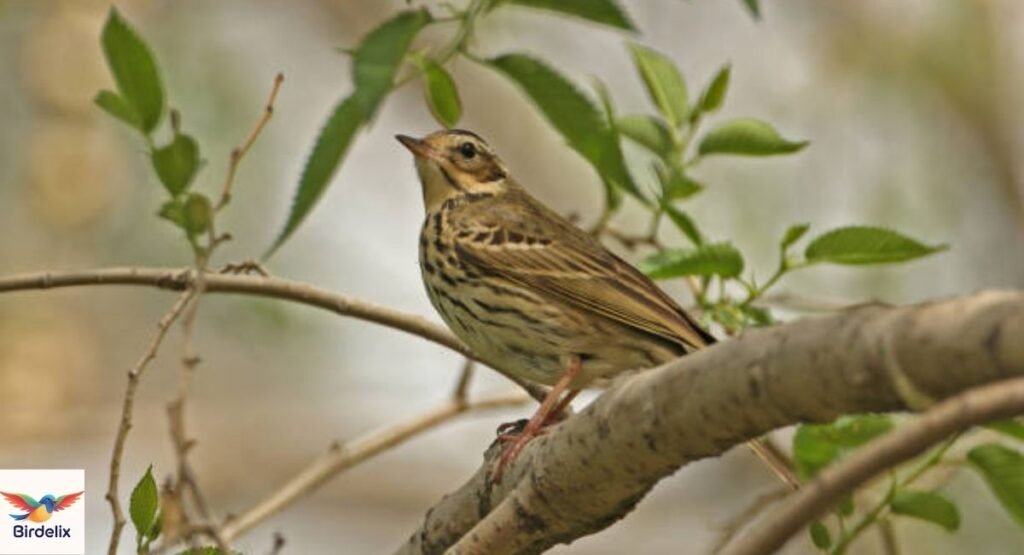
Scientific Name: Anthus hodgsoni
Family: Motacillidae
The Olive-backed Pipit is a small Bird That Starts With O recognized by its olive-colored upperparts and streaked underparts. It occurs across large areas of Asia and uses forests, woodland edges, grasslands, and open habitats depending on the season. The bird feeds mainly on insects, small invertebrates, and other tiny organisms found on or near the ground. Its subdued plumage provides excellent camouflage among leaves and grasses. Olive-backed Pipits can also travel considerable distances during migration. One interesting fact is that their understated appearance can make them difficult to notice even when they are feeding nearby.
14. Olive-throated Parakeet
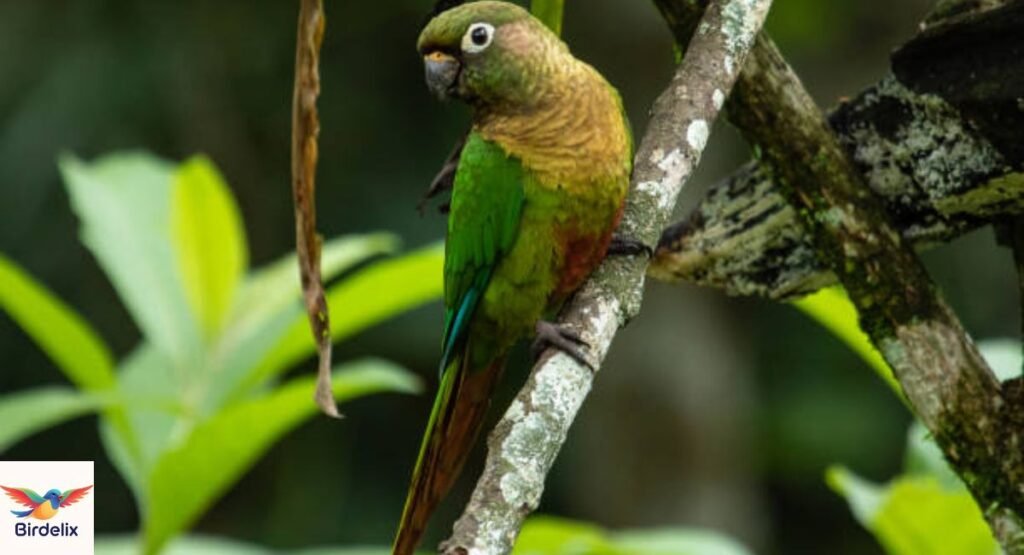
Scientific Name: Eupsittula nana
Family: Psittacidae
The Olive-throated Parakeet is a lively green Bird That Starts With O found across parts of Mexico, Central America, and the Caribbean. It commonly occupies forests, woodland edges, plantations, savannas, and other areas with trees. These social parrots feed on seeds, fruits, berries, flowers, and other plant material. Their green feathers help them blend into leafy canopies. They often travel in pairs or small groups and produce loud calls during flight. An interesting fact is that their ability to adapt to several modified habitats has helped them remain relatively familiar across parts of their range.
15. Olive Sparrow
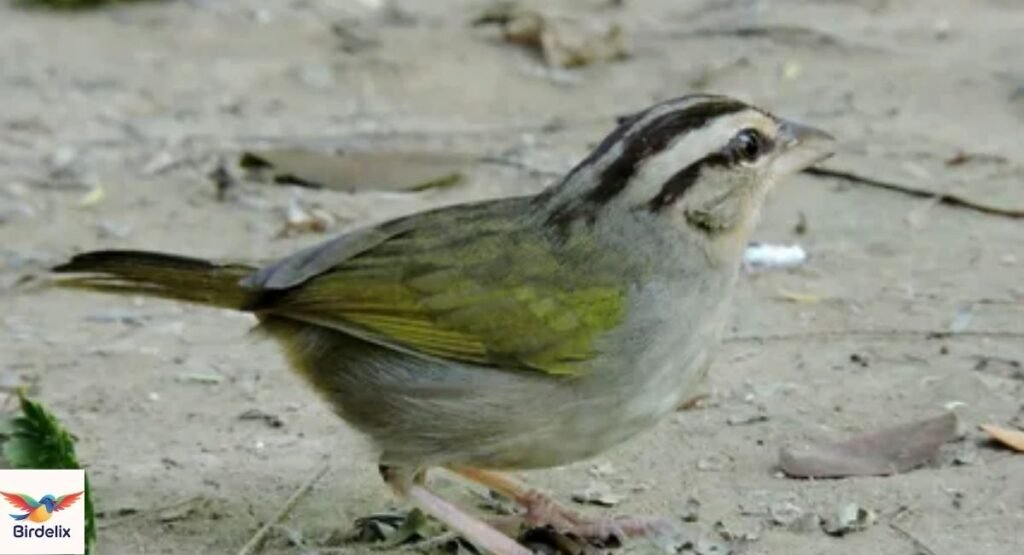
Scientific Name: Arremonops rufivirgatus
Family: Passerellidae
The Olive Sparrow is a subtle but attractive Bird That Starts With O found mainly in southern Texas, Mexico, and parts of Central America. It prefers dense brush, thorny woodland, scrub, and forest edges where thick vegetation provides shelter. The bird searches on or near the ground for seeds, insects, berries, and other small foods. Its olive-brown body and warm reddish crown help distinguish it from many other sparrows. It often stays hidden inside dense vegetation. An interesting fact is that southern Texas provides one of the best opportunities for birdwatchers in the United States to see this species.
16. Ochre-breasted Antpitta
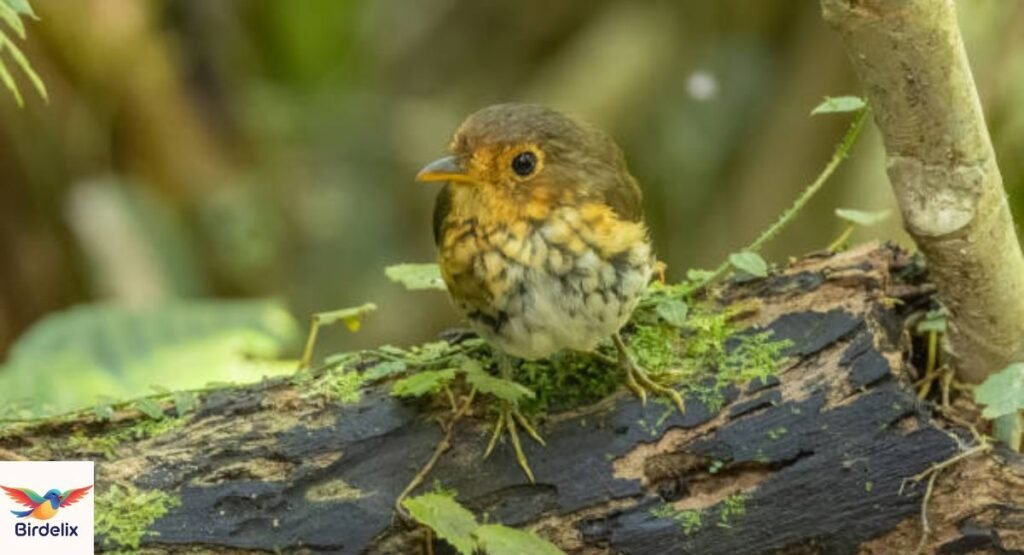
Scientific Name: Grallaricula flavirostris
Family: Grallariculidae
The Ochre-breasted Antpitta is a secretive Bird That Starts With O associated with humid mountain forests in parts of South America. It usually stays close to the forest floor where it searches through leaf litter for insects, spiders, and other small invertebrates. Its brown and ochre coloring provides excellent camouflage among fallen leaves and shadows. Because it moves quietly through dense vegetation, seeing one can require patience. The bird’s compact body and short tail give it a distinctive shape. An interesting fact is that its cryptic lifestyle makes its calls especially valuable for locating it.
17. Orange-fronted Barbet
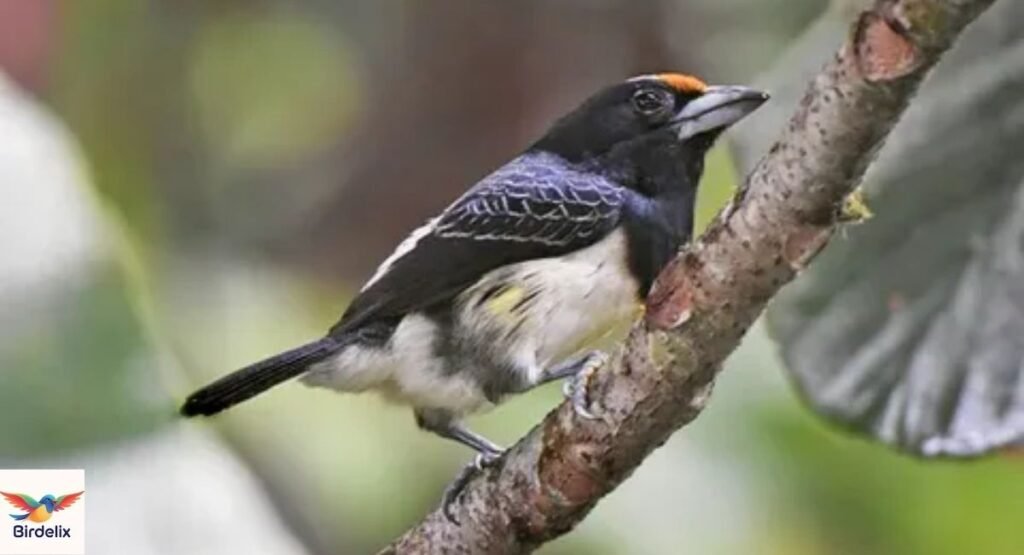
Scientific Name: Capito squamatus
Family: Capitonidae
The Orange-fronted Barbet is a colorful tropical Bird That Starts With O known for its orange, yellow, black, and white markings. It inhabits humid forests where fruiting trees provide much of its food. The species mainly eats fruit but may also consume insects and other small food items. Its sturdy bill is useful for handling fruits and other foods. These birds contribute to forest ecosystems by moving seeds after consuming fruit. An interesting fact is that its vivid facial and frontal markings make it especially noticeable compared with many muted-colored forest birds.
18. Sacred Kingfisher
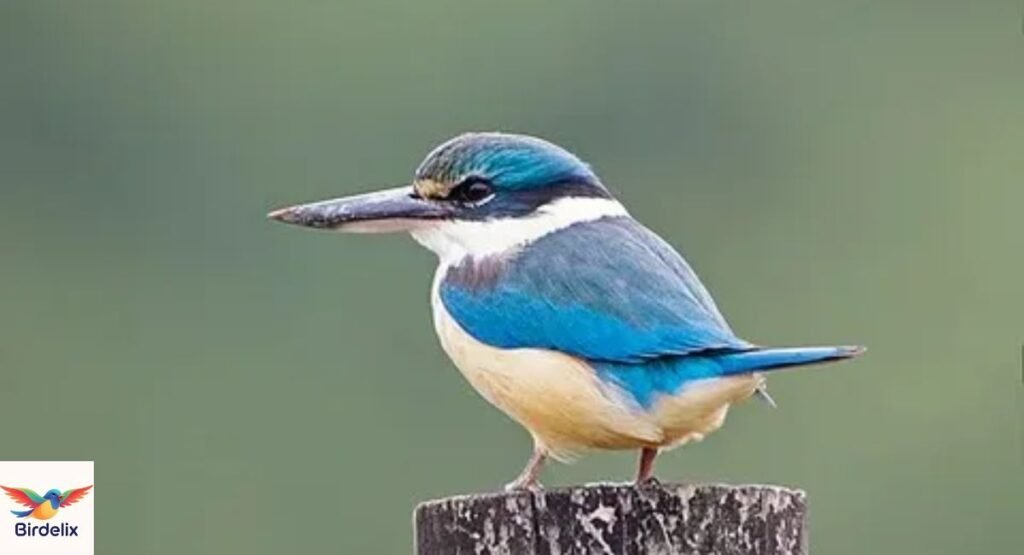
Scientific Name: Todiramphus sanctus
Family: Alcedinidae
The Sacred Kingfisher is sometimes incorrectly listed under the name “Osprey Kingfisher,” but it is generally recognized by its established common name. This colorful Bird That Starts With O in some informal lists is associated with Australia, New Zealand, and nearby islands. It uses forests, mangroves, wetlands, coastal areas, and open habitats depending on location. Its diet includes insects, small reptiles, crustaceans, and other prey. The bird has a strong bill suited to catching and striking prey. An interesting fact is that it can adapt to surprisingly varied habitats, including areas modified by people.
19. Olive-crowned Yellowthroat
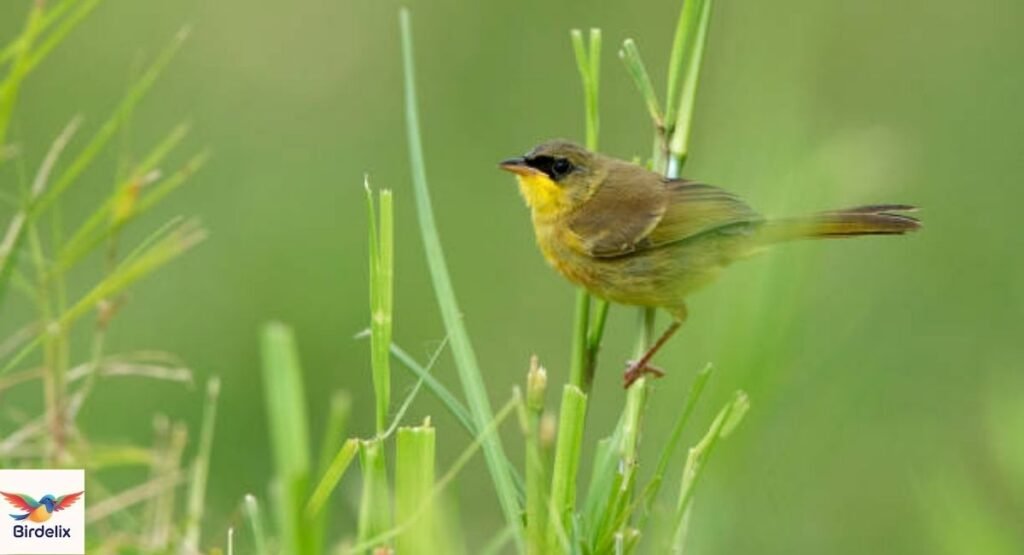
Scientific Name: Geothlypis semiflava
Family: Parulidae
The Olive-crowned Yellowthroat is a small Bird That Starts With O found mainly in parts of Central and northern South America. It prefers wetlands, marshy vegetation, forest edges, and areas with dense low growth. Its diet includes insects and other small invertebrates that it finds among vegetation. Males have a dark facial mask that contrasts with yellow underparts and an olive crown. This combination makes the species easier to recognize when seen clearly. An interesting fact is that its habitat preference often brings it close to water, even though it is not a waterbird.
20. Oak Titmouse
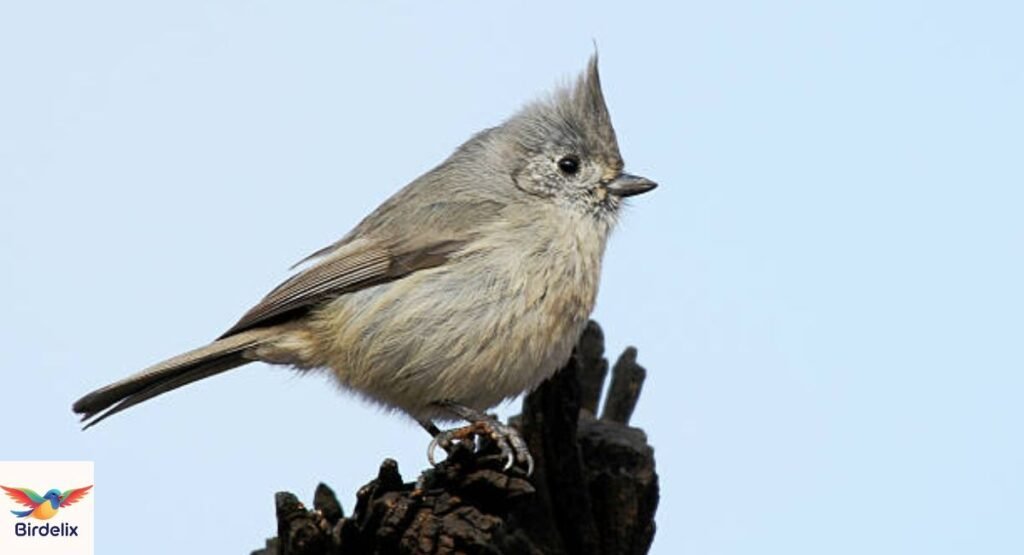
Scientific Name: Baeolophus inornatus
Family: Paridae
The Oak Titmouse is a small gray-brown Bird That Starts With O closely associated with oak and oak-pine woodlands of the western United States. It commonly occurs in California and nearby regions where mature trees provide food and nesting cavities. These active birds eat insects, seeds, berries, and other available foods. Their short crest gives the head a distinctive pointed appearance. They often move quickly through branches while searching for food. An interesting fact is that Oak Titmice readily use natural cavities and may also accept nest boxes in suitable habitat.
21. Oahu Amakihi
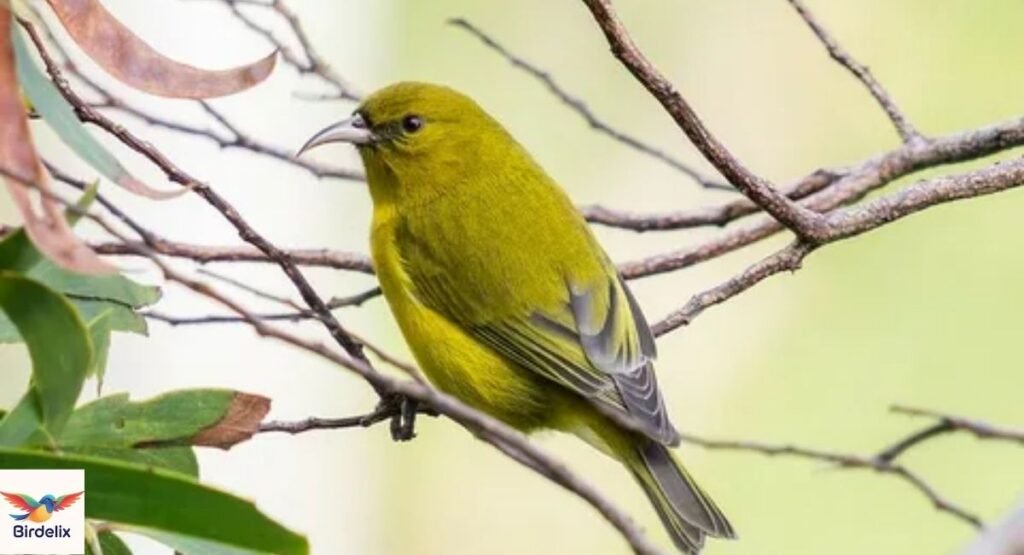
Scientific Name: Chlorodrepanis flava
Family: Fringillidae
The Oahu Amakihi is a small Hawaiian Bird That Starts With O native to the island of Oahu. It lives in forests and woodland habitats where native plants provide nectar, insects, and other food resources. Its greenish-yellow plumage helps it blend into leafy vegetation while its slightly curved bill assists with feeding. The species can occupy a variety of elevations and habitats compared with some other Hawaiian forest birds. An interesting fact is that it has shown an impressive ability to persist in areas affected by environmental changes.
22. Oahu Elepaio
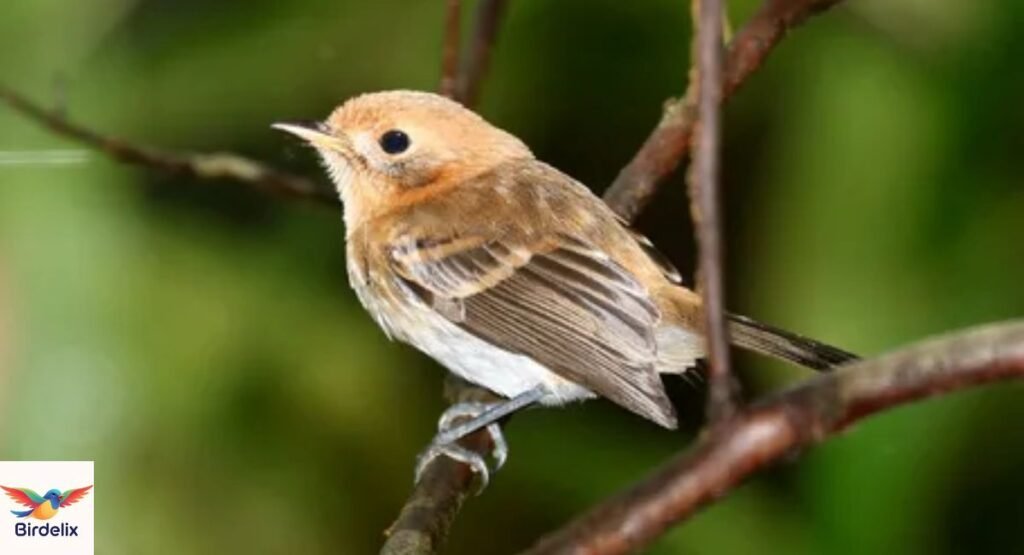
Scientific Name: Chasiempis ibidis
Family: Monarchidae
The Oahu Elepaio is a small Hawaiian Bird That Starts With O found only on Oahu. It inhabits forests and woodland areas where it searches branches and vegetation for insects. Its brown, gray, and white plumage provides useful camouflage against tree trunks and leaves. The bird is active and often moves rapidly while foraging. Because it has such a restricted geographic range, habitat quality is especially important to its survival. One interesting fact is that this species is endemic to Oahu, meaning it naturally occurs nowhere else in the world.
23. Okinawa Rail
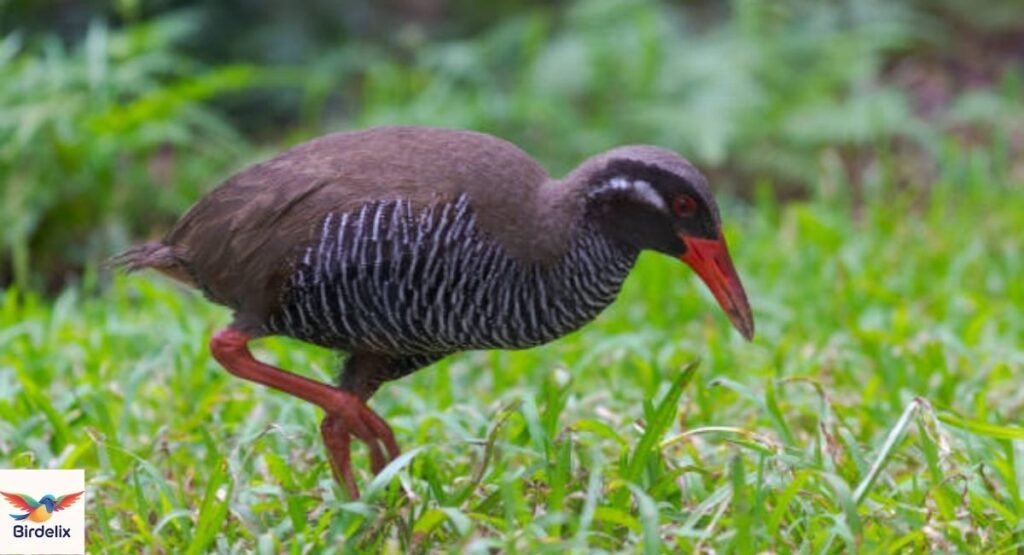
Scientific Name: Hypotaenidia okinawae
Family: Rallidae
The Okinawa Rail is a distinctive Bird That Starts With O found only on Okinawa Island in Japan. It mainly lives in dense subtropical forests where it searches the ground for insects, small animals, seeds, and other food. The species has a compact body, strong legs, and limited ability to fly compared with many other birds. Its restricted range makes it vulnerable to changes in habitat and introduced predators. An interesting fact is that the Okinawa Rail is one of the world’s notable island-endemic birds and is strongly associated with northern Okinawa’s forest ecosystem.
24. Olivaceous Warbler
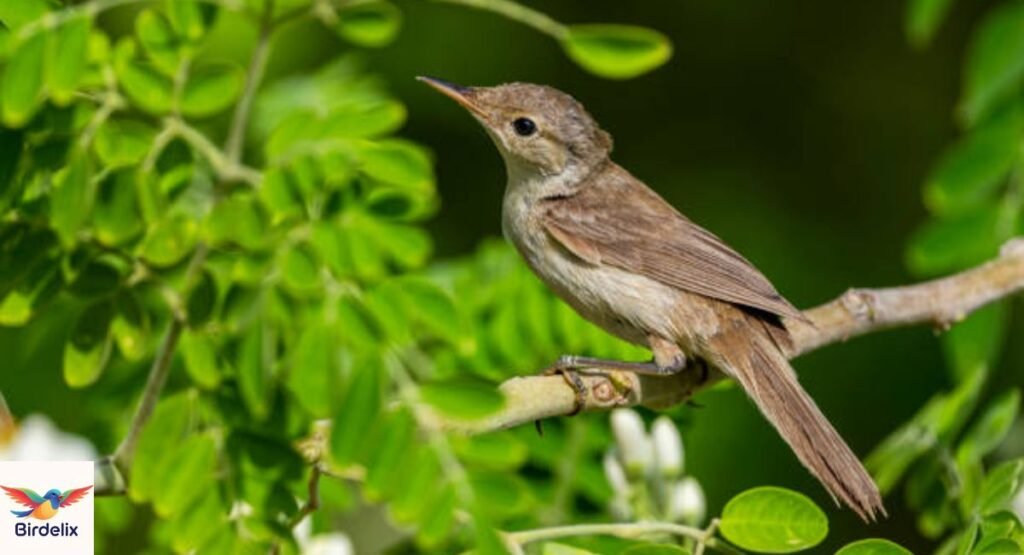
Scientific Name: Iduna pallida
Family: Acrocephalidae
The Olivaceous Warbler is a small Bird That Starts With O found across parts of Europe, North Africa, and western Asia. It prefers dry woodland, scrub, bushes, and open habitats where it can search for insects. Its grayish-olive plumage is relatively plain and provides camouflage among leaves and branches. During migration it can travel considerable distances between breeding and wintering areas. The bird has a slender appearance and an active feeding style. An interesting fact is that despite its modest coloring, its repeated song can make it easier to locate than its appearance suggests.
25. Olrog’s Gull
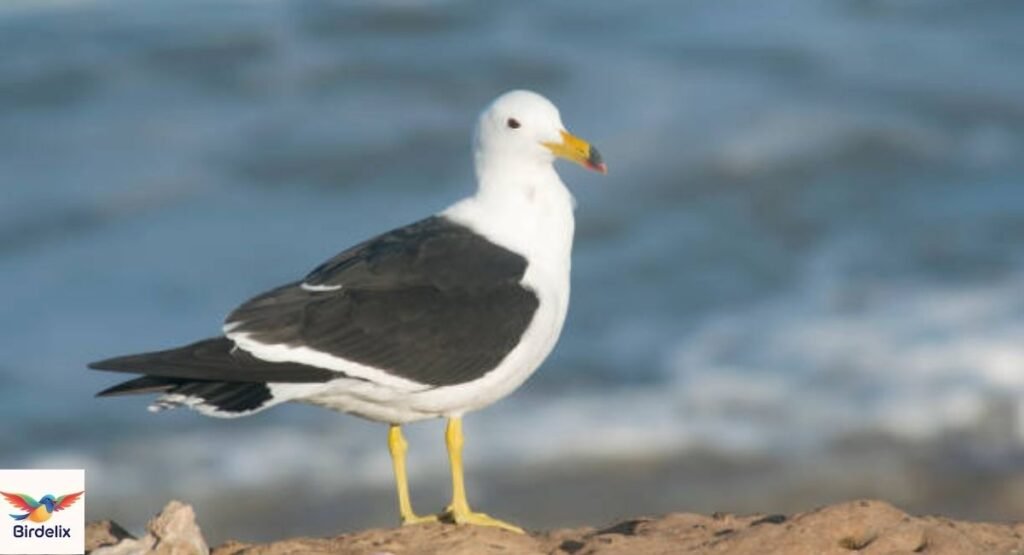
Scientific Name: Larus atlanticus
Family: Laridae
Olrog’s Gull is a coastal Bird That Starts With O found along parts of the Atlantic coast of South America. It uses beaches, estuaries, mudflats, and other shoreline habitats where marine food is available. Its diet can include crabs, shellfish, fish, and other coastal prey. Adults have a sturdy gull-like body with contrasting dark and light plumage. The species is particularly associated with coastal environments and tidal feeding areas. An interesting fact is that its restricted South American range makes it a much less familiar gull than the widespread species commonly seen across North America.
Birds That Start With O by Letter Length
Short bird names are popular for classroom activities, crossword puzzles, word games, and quick vocabulary searches. However, common bird names don’t always fit neat spelling patterns. Some O names are extremely short, while compound names can stretch across several words.
3-Letter Bird Names That Start With O
| Bird Name | Letters | Bird Type | Note |
| No widely recognized example | 3 | — | Genuine 3-letter O bird names are extremely uncommon |
4-Letter Bird Names That Start With O
| Bird Name | Letters | Bird Type | Note |
| No widely recognized example | 4 | — | Standard English O bird names rarely contain only four letters |
5-Letter Birds That Start With O
| Bird Name | Letters | Bird Type | Note |
| Ouzel | 5 | Songbird | Traditional name associated with dippers |
6-Letter Birds That Start With O
| Bird Name | Letters | Bird Type | Note |
| Oriole | 6 | Songbird | Colorful bird known for yellow and orange plumage |
7-Letter Birds That Start With O
| Bird Name | Letters | Bird Type | Note |
| Osprey | 7 | Raptor | Fish-eating bird of prey |
8-Letter Birds That Start With O
| Bird Name | Letters | Bird Type | Note |
| Oilbird | 8 | Nocturnal bird | Famous for cave-dwelling and echolocation |
9-Letter Birds That Start With O
| Bird Name | Letters | Bird Type | Note |
| Ovenbird | 9 | Warbler | Forest bird found across North America |
Long Bird Names That Start With O
| Bird Name | Approx. Letters | Bird Type | Name Meaning / Feature |
| Olive-backed Pipit | 16 | Pipit | Describes its olive-colored back |
| Orange-breasted Sunbird | 21 | Sunbird | Named for its orange breast |
| Ochre-breasted Antpitta | 21 | Antpitta | Refers to its ochre-colored breast |
| Olive-crowned Yellowthroat | 25 | Warbler | Describes its olive-colored crown |
| Olive-throated Parakeet | 22 | Parrot | Named for its olive-colored throat |
Big Birds That Start With O
Several O birds are impressive because of their wingspan, body length, or hunting power. The Osprey is especially notable in North America, while the Oriental Stork is much larger. Some owls also become formidable predators despite having a very different body shape.
Large bird species often need expansive habitats and dependable food. Ospreys need productive waters, while storks depend on wetlands and shallow feeding areas. Size also affects flight. A large soaring bird can conserve energy differently from a compact forest hunter.
| Bird Name | Scientific Name | Size | Main Habitat | Key Feature |
| Osprey | Pandion haliaetus | Large | Lakes, rivers, coasts | Specialized fish hunter |
| Oriental Stork | Ciconia boyciana | Very Large | Wetlands, rivers, marshes | Long legs and broad wings |
| Oystercatcher | Haematopus spp. | Medium-Large | Beaches, mudflats, coasts | Powerful orange-red bill |
| Great Horned Owl | Bubo virginianus | Large | Forests, deserts, open areas | Powerful talons and ear tufts |
| Olrog’s Gull | Larus atlanticus | Medium-Large | South American coasts | Dark-backed coastal gull |
| Oilbird | Steatornis caripensis | Medium | Caves and tropical forests | Nocturnal fruit eater |
Small Birds That Start With O
| Bird Name | Scientific Name | Size | Main Habitat | Key Feature |
| Olive Sparrow | Arremonops rufivirgatus | Small | Brush, scrub, woodland | Olive-brown plumage |
| Olive-backed Pipit | Anthus hodgsoni | Small | Forests, grasslands | Streaked underparts |
| Olive Warbler | Peucedramus taeniatus | Small | Mountain forests | Orange-headed males |
| Oak Titmouse | Baeolophus inornatus | Small | Oak woodlands | Short pointed crest |
| Olive-crowned Yellowthroat | Geothlypis semiflava | Small | Wetlands, dense vegetation | Yellow body and olive crown |
| Oriental Magpie-Robin | Copsychus saularis | Small | Gardens, woodland edges | Black-and-white plumage |
| Oahu Amakihi | Chlorodrepanis flava | Small | Hawaiian forests | Greenish-yellow body |
| Oahu Elepaio | Chasiempis ibidis | Small | Hawaiian forests | Endemic to Oahu |
Birds of Prey That Start With O
| Bird Name | Scientific Name | Type | Main Prey | Hunting Style |
| Osprey | Pandion haliaetus | Raptor | Fish | Dives feet-first into water |
| Owl | Strigiformes | Nocturnal raptor | Mammals, birds, insects | Silent flight and ambush |
| Great Horned Owl | Bubo virginianus | Owl | Mammals, birds, reptiles | Perches and surprise attacks |
| Other Owl Species | Strigidae / Tytonidae | Raptors | Small animals | Exceptional hearing and vision |
Beach and Coastal Birds That Start With O
| Bird Name | Scientific Name | Coastal Habitat | Main Food | Key Feature |
| Oystercatcher | Haematopus spp. | Beaches, mudflats, rocky shores | Shellfish, worms | Strong bill |
| Osprey | Pandion haliaetus | Coasts, estuaries, bays | Fish | Fish-catching dives |
| Olrog’s Gull | Larus atlanticus | Atlantic coastline | Crabs, fish, shellfish | Coastal specialist |
| Sacred Kingfisher | Todiramphus sanctus | Coastal forests, mangroves | Insects, small animals | Strong pointed bill |
Colorful Birds That Start With O
| Bird Name | Main Colors | Type | Where Found |
| Oriole | Yellow, Orange, Black | Songbird | North & Central America |
| Orange-breasted Sunbird | Orange, Green, Dark | Nectar-feeder | Southern Africa |
| Orange-fronted Barbet | Orange, Yellow, Black, White | Forest bird | Tropical forests |
| Olive-throated Parakeet | Green, Olive | Parrot | Mexico & Central America |
| Oriental Magpie-Robin | Black, White | Songbird | South & Southeast Asia |
| Olive Warbler | Olive, Orange, Gray | Warbler | Mountain forests |
Rare and Unusual Birds That Start With O
| Bird Name | Scientific Name | Why It’s Unusual | Habitat |
| Oilbird | Steatornis caripensis | Uses echolocation | Caves, tropical forests |
| Ocellated Antbird | Phaenostictus mcleannani | Follows army-ant swarms | Tropical forests |
| Ochre-breasted Antpitta | Grallaricula flavirostris | Secretive forest-floor bird | Andean forests |
| Okinawa Rail | Hypotaenidia okinawae | Island-endemic rail | Okinawa forests |
| Oahu Elepaio | Chasiempis ibidis | Found only on Oahu | Hawaiian forests |
| Oahu Amakihi | Chlorodrepanis flava | Hawaiian endemic species | Forests and woodland |
North American Birds That Start With O
| Bird Name | Scientific Name | Main Habitat | Size | Key Feature |
| Oriole | Icterus spp. | Woodlands, gardens, parks | Medium | Bright yellow, orange, and black plumage |
| Osprey | Pandion haliaetus | Lakes, rivers, coasts | Large | Expert fish-catching raptor |
| Ovenbird | Seiurus aurocapilla | Mature forests | Small | Loud “teacher-teacher” song |
| Oak Titmouse | Baeolophus inornatus | Oak and oak-pine woodland | Small | Short crest and gray-brown body |
| Olive Sparrow | Arremonops rufivirgatus | Dense brush and scrub | Small | Olive-brown plumage and reddish crown |
| Olive Warbler | Peucedramus taeniatus | Mountain pine forests | Small | Orange-headed males |
| Ouzel | Cinclus spp. | Fast-flowing streams | Small | Can forage underwater |
| Owl | Strigiformes | Forests, deserts, grasslands | Small–Large | Excellent hearing and silent flight |
For birdwatchers in the United States, Osprey, Oriole, Ovenbird, Oak Titmouse, Olive Sparrow, and Olive Warbler are particularly useful O-starting names to know. Their habitats range from coastal waters and lakes to mature forests, oak woodland, and dense brush. Availability varies by state and season, so local range maps are helpful when identifying a species.
O Birds by Habitat
Habitat often provides the fastest shortcut to identification. A bird found beside a rushing stream probably isn’t an osprey by default, while a forest-floor songbird may fit Ovenbird better. Location narrows possibilities before you even study fine details.
Different bird habitats support different food sources. Wetlands offer fish and aquatic prey, forests provide insects and fruit, while coasts supply shellfish and marine food. Understanding these links makes bird identification much easier.
Forest Birds
Forests support many O birds, including Ovenbirds, Olive Warblers, Oak Titmice, antbirds, barbets, and flycatchers. Forest structure matters too. Some species forage on the ground, while others remain high in the canopy or search bark and leaves.
Wetland Birds
Wetlands attract Ospreys, Oriental Storks, and many other water-associated birds. Shallow water provides fish, frogs, insects, and other prey. Birds with long legs or specialized bills often exploit areas that smaller terrestrial species cannot use effectively.
Coastal Birds
Coasts support Oystercatchers and Ospreys particularly well. Tidal flats provide shellfish, while bays and estuaries can provide fish. Strong winds also influence flight behavior. Many coastal birds have body shapes suited to long-distance movement over open water.
Mountain Birds
Mountain forests shelter species such as Olive Warblers and various ochre-colored flycatchers. Elevation changes temperature, vegetation, and food availability. Consequently, a bird that lives in warm lowland forest may disappear entirely as you climb into cooler mountain habitats.
Tropical Birds
Tropical forests contain an impressive collection of O birds, including Oilbirds, Ocellated Antbirds, barbets, antpittas, and many flycatchers. Dense vegetation supports abundant insects and fruit. However, that same vegetation can make visual identification challenging.
Grassland and Open-Habitat O Birds
Open habitats suit species that hunt or forage close to the ground. Some seriemas and pipits fit this ecological pattern. Grasslands also offer insects, seeds, and small vertebrates, creating several food opportunities for ground-feeding birds.
Cave-Dwelling Birds
The Oilbird is the standout example. It uses caves as roosting and nesting sites while leaving at night to forage. Its echolocation is especially useful in darkness. This rare adaptation makes the Oilbird one of the most remarkable O birds.
O Birds by Diet
Food tells a fascinating story about bird evolution. Bills, feet, wings, and even hunting techniques often reflect what a bird eats. Ospreys have fish-gripping feet, while nectar-feeding sunbirds have specialized bills suited to flowers.
Looking at bird diet also helps predict habitat. Fish-eaters stay near water, fruit-eaters seek productive vegetation, and insectivores often patrol foliage or leaf litter. Diet and habitat therefore work together like pieces of the same puzzle.
Fish-Eating Birds
Ospreys are the clearest O example. They specialize in live fish and have physical adaptations that make slippery prey easier to grip. Their hunting strategy involves scanning water from above before diving feet-first toward a target.
Insect-Eating Birds
Ovenbirds, flycatchers, antbirds, and many warblers consume insects or other small invertebrates. Some glean prey from leaves, while others capture insects from the air. This variety shows that “insect-eater” describes a diet, not one specific hunting technique.
Fruit-Eating Birds
Oilbirds are famous fruit specialists, while orioles, barbets, and some tropical songbirds also consume fruit. Fruit provides energy-rich food, especially when insects become less available. Birds can also contribute to seed movement after eating ripe fruits.
Nectar-Feeding Birds
The Orange-breasted Sunbird is a strong example of a nectar feeder. Its slender bill helps it reach flowers. Nectar provides quick energy, while insects can supply additional nutrients. This combination is common among many active nectar-feeding birds.
Seed-Eating Birds
Sparrows, buntings, finches, and several other songbirds rely partly on seeds. O-starting species such as the Olive Sparrow can combine seeds with insects and other foods. A flexible diet helps birds survive when seasonal food supplies change.
Birds That Hunt Other Animals
Owls and Ospreys are obvious predators, but many smaller O birds also hunt insects. Their prey can include beetles, moths, larvae, fish, frogs, reptiles, or small mammals. Hunting style depends heavily on body size, habitat, and available food.
O Birds by Bird Type
The letter O crosses many branches of bird diversity. A single list can contain songbirds, raptors, shorebirds, parrots, storks, flycatchers, and antbirds. This variety is one reason alphabet-based bird searches can become surprisingly informative.
| Bird Type | Examples |
| Songbirds | Oriole, Ovenbird |
| Raptors | Osprey, Owl |
| Shorebirds | Oystercatcher |
| Parrots | Olive-throated Parakeet |
| Storks | Oriental Stork |
| Flycatchers | Old World Flycatchers |
| Antbirds | Ocellated Antbird |
| Kingfishers | Sacred Kingfisher |
“Old World Flycatcher” is a family-level name rather than one single species. The U.S. Fish and Wildlife Service identifies Old World Flycatchers within the family Muscicapidae. Modern taxonomic resources also recognize this as a large and diverse songbird family.
Fascinating Facts About Birds That Start With O
O birds have some truly memorable adaptations. Ospreys can grip slippery fish with specialized feet, while Great Horned Owls use powerful talons and excellent night vision. Ovenbirds walk across forest floors like tiny chickens, and Oak Titmice remain active among oak branches.
The Oilbird may be the biggest surprise. It uses echolocation inside dark caves, while Ouzels can forage underwater in rushing streams. Orioles construct hanging nests, and antbirds can exploit army-ant swarms. These behaviors prove that bird adaptations can be as fascinating as bright feathers.
Birds That Start With O: Identification Guide
Identifying an unfamiliar bird becomes easier when you combine several clues. Don’t depend on color alone. Instead, note the bird’s size, body shape, habitat, bill, wings, movement, call, and feeding behavior. This method is especially useful when several species share similar plumage.
A good field observation works like a detective case. First, identify the broad shape. Then consider location and behavior. Finally, compare details such as plumage patterns, bill shape, and vocalizations with a trusted field guide or birding database.
Size
Start by estimating whether the bird resembles a sparrow, robin, crow, goose, or larger raptor. Size isn’t exact in the field, yet relative comparisons are helpful. Ovenbirds, for example, are small warblers, while Ospreys are unmistakably large and long-winged.
Color and Plumage
Look for dominant colors and unique patterns. Orioles may show yellow and black, Olive Warblers appear more subdued, and Oriental Magpie-Robins show strong black-and-white contrast. Also check wing bars, eye-rings, crowns, throat patches, and breast markings.
Beak Shape
The bill often reveals what a bird eats. Ospreys have strong gripping feet rather than a specialized shell-cracking bill, while Oystercatchers possess powerful bills suited to coastal prey. Slender bills often point toward nectar feeding or insect probing.
Wing Shape
Long, broad wings can suggest soaring or open-water flight. Shorter rounded wings often suit maneuvering through vegetation. Osprey wings are especially distinctive when the bird circles over water. Observing wingbeats can also help separate similar-looking birds.
Habitat
Ask where you saw the bird. A forest floor, open oak woodland, beach, river, wetland, or mountain forest each narrows the possibilities. Habitat is one of the most powerful clues because many bird species occupy surprisingly specific ecological niches.
Bird Calls
A bird’s voice can reveal its identity even when the bird stays hidden. Ovenbirds have a famously loud repeated song, while Oak Titmice produce distinctive vocalizations. Learning a few common calls can transform your birdwatching experience.
Feeding Behavior
Watch what the bird does with its bill and feet. Does it dive for fish, probe mud, pick insects from leaves, walk on the ground, or visit flowers? Feeding behavior often provides the final clue when appearance alone isn’t enough.
Birds That Start With O for Kids
Kids can learn bird names more easily when each name connects with a memorable fact. Oriole can represent bright colors, Owl can introduce nighttime hunters, and Osprey can demonstrate fish catching. These simple links turn vocabulary practice into nature discovery.
For younger readers, keep explanations short and visual. Oystercatcher can be linked with beaches, while Ovenbird connects with forests. Ouzels offer an especially fun example because they can walk underwater while searching for food.
Conclusion
From bright orioles to stealthy owls, the letter O offers remarkable variety. Birds That Start With O include raptors, songbirds, shorebirds, parrots, storks, and unusual tropical species. Their habitats range from American oak woods and coastal waters to Andean forests and dark caves.
Whether you’re building a bird-name list or planning your next birdwatching trip, these species offer plenty to explore. Pay attention to habitat, plumage, calls, feeding behavior, and body shape. Those clues can turn a simple bird sighting into a rewarding identification experience.
FAQs
What is the most common bird that starts with O?
The Oriole is one of the most familiar O bird names in North America. Ospreys and owls are also widely recognized by American birdwatchers.
What are 5-letter birds that start with O?
“Ouzel” is a clear five-letter bird name. It is traditionally associated with dippers in the genus Cinclus.
What big birds start with O?
Osprey and Oriental Stork are notable large O birds. Larger owl species also belong in this category because some have substantial bodies and broad wings.
What birds of prey start with O?
Osprey and owls are the strongest examples. Ospreys specialize in fish, while owls use stealth, hearing, eyesight, and powerful talons to capture prey.
What beach birds start with O?
Oystercatchers are classic beach and coastal birds. Ospreys also commonly hunt around coastlines, estuaries, lakes, and other open-water habitats.

Welcome to Birdelix! I’m Anam Sattar, an AI-powered SEO Specialist and Content Writer with over 5 years of experience in creating high-quality, search-optimized content. I help businesses improve their search engine rankings, increase organic traffic, and build beautiful, user-friendly websites. My mission is to make SEO, content creation, and web design simple, effective, and accessible for everyone. Let’s grow your online presence and achieve success together!