

From powerful eagles soaring above mountains to tiny owls hiding in desert cacti, Birds That Start With E include some of the most fascinating species on Earth. Whether you’re a beginner, student, or passionate birdwatcher, this guide will help you discover birds with unique appearances, behaviors, and habitats. You’ll explore their scientific names, bird identification features, diets, conservation status, and where they live across the world.
Along the way, you’ll learn about colorful songbirds, majestic raptors, graceful water birds, and remarkable flightless species. This complete resource makes identifying Birds That Start With E simple while expanding your knowledge of bird species, bird habitats, birds of prey, and flightless birds in an easy-to-understand way.
What Birds Start With E?
Many amazing Birds That Start With E live across North America and other parts of the world. Popular examples include the Eagle, Eastern Bluebird, Eastern Phoebe, Egret, Eider, Elf Owl, Egyptian Vulture, Elegant Tern, Eurasian Jay, and Emu. These birds belong to different bird families and inhabit forests, wetlands, mountains, grasslands, coastal regions, and deserts. Some are expert hunters while others feed on insects, seeds, fish, fruit, or aquatic plants.
The variety among Birds That Start With E is impressive. You’ll find colorful songbirds, powerful birds of prey, graceful water birds, nocturnal owls, and even large flightless birds. Some species are widespread and easy to spot while others are rare or endangered, making every discovery exciting for bird lovers.
Birds That Start With E (Complete List)
The table below features 50 Birds That Start With E from around the world. It includes each bird’s Scientific Name, Family, Habitat, Diet, and Conservation Status to help you quickly compare species. Whether you’re a birdwatcher, student, or nature enthusiast, this complete reference makes it easy to identify both common and rare birds that begin with the letter E.
| No. | Bird Name | Scientific Name | Family | Habitat | Diet | Conservation Status |
| 1 | Eagle | Aquila spp. | Accipitridae | Mountains, forests | Carnivore | Varies |
| 2 | Eastern Bluebird | Sialia sialis | Turdidae | Woodlands, fields | Insects, berries | Least Concern |
| 3 | Eastern Phoebe | Sayornis phoebe | Tyrannidae | Open woodland | Insects | Least Concern |
| 4 | Eastern Meadowlark | Sturnella magna | Icteridae | Grasslands | Insects, seeds | Least Concern |
| 5 | Eastern Towhee | Pipilo erythrophthalmus | Passerellidae | Shrublands | Seeds, insects | Least Concern |
| 6 | Eastern Kingbird | Tyrannus tyrannus | Tyrannidae | Fields, forests | Flying insects | Least Concern |
| 7 | Eastern Screech Owl | Megascops asio | Strigidae | Forests | Rodents, insects | Least Concern |
| 8 | Egyptian Goose | Alopochen aegyptiaca | Anatidae | Wetlands | Plants, insects | Least Concern |
| 9 | Egyptian Vulture | Neophron percnopterus | Accipitridae | Cliffs, dry regions | Carrion | Endangered |
| 10 | Elegant Tern | Thalasseus elegans | Laridae | Coastal waters | Fish | Near Threatened |
| 11 | Elegant Trogon | Trogon elegans | Trogonidae | Forests | Insects, fruit | Least Concern |
| 12 | Eider | Somateria mollissima | Anatidae | Coastal seas | Mollusks | Least Concern |
| 13 | Eared Grebe | Podiceps nigricollis | Podicipedidae | Lakes | Fish, insects | Least Concern |
| 14 | Eurasian Blue Tit | Cyanistes caeruleus | Paridae | Woodlands | Insects, seeds | Least Concern |
| 15 | Eurasian Bullfinch | Pyrrhula pyrrhula | Fringillidae | Forests | Seeds, buds | Least Concern |
| 16 | Eurasian Coot | Fulica atra | Rallidae | Wetlands | Plants, insects | Least Concern |
| 17 | Eurasian Eagle-Owl | Bubo bubo | Strigidae | Mountains, forests | Mammals, birds | Least Concern |
| 18 | Eurasian Hoopoe | Upupa epops | Upupidae | Open woodland | Insects | Least Concern |
| 19 | Eurasian Jay | Garrulus glandarius | Corvidae | Woodlands | Acorns, insects | Least Concern |
| 20 | Eurasian Magpie | Pica pica | Corvidae | Fields, towns | Omnivore | Least Concern |
| 21 | Eurasian Nuthatch | Sitta europaea | Sittidae | Forests | Insects, seeds | Least Concern |
| 22 | Eurasian Skylark | Alauda arvensis | Alaudidae | Grasslands | Seeds, insects | Least Concern |
| 23 | Eurasian Spoonbill | Platalea leucorodia | Threskiornithidae | Marshes | Fish, frogs | Least Concern |
| 24 | Elf Owl | Micrathene whitneyi | Strigidae | Deserts | Insects | Least Concern |
| 25 | Emu | Dromaius novaehollandiae | Dromaiidae | Australian plains | Plants, insects | Least Concern |
| 26 | Egret | Ardea spp. | Ardeidae | Wetlands | Fish | Least Concern |
| 27 | Eastern Cattle Egret | Bubulcus ibis coromandus | Ardeidae | Grasslands | Insects | Least Concern |
| 28 | Eastern Imperial Eagle | Aquila heliaca | Accipitridae | Steppes | Mammals | Vulnerable |
| 29 | Eastern Osprey | Pandion haliaetus cristatus | Pandionidae | Coasts, rivers | Fish | Least Concern |
| 30 | Echo Parakeet | Psittacula eques | Psittaculidae | Forests | Fruits, seeds | Endangered |
| 31 | Eclectus Parrot | Eclectus roratus | Psittaculidae | Rainforests | Fruit | Least Concern |
| 32 | Emerald Starling | Lamprotornis iris | Sturnidae | Woodlands | Insects, fruit | Least Concern |
| 33 | Emerald Tanager | Tangara florida | Thraupidae | Rainforests | Fruit, insects | Least Concern |
| 34 | Emerald Toucanet | Aulacorhynchus prasinus | Ramphastidae | Cloud forests | Fruit | Least Concern |
| 35 | Emperor Penguin | Aptenodytes forsteri | Spheniscidae | Antarctica | Fish, krill | Near Threatened |
| 36 | Emperor Goose | Anser canagicus | Anatidae | Arctic coast | Plants | Least Concern |
| 37 | Eleonora’s Falcon | Falco eleonorae | Falconidae | Islands, cliffs | Small birds | Least Concern |
| 38 | European Bee-eater | Merops apiaster | Meropidae | Open country | Flying insects | Least Concern |
| 39 | European Robin | Erithacus rubecula | Muscicapidae | Gardens, forests | Insects | Least Concern |
| 40 | European Goldfinch | Carduelis carduelis | Fringillidae | Woodland edges | Seeds | Least Concern |
| 41 | European Greenfinch | Chloris chloris | Fringillidae | Parks, gardens | Seeds | Least Concern |
| 42 | European Roller | Coracias garrulus | Coraciidae | Open woodland | Insects | Least Concern |
| 43 | European Honey Buzzard | Pernis apivorus | Accipitridae | Forests | Wasp larvae | Least Concern |
| 44 | European Turtle Dove | Streptopelia turtur | Columbidae | Farmland | Seeds | Vulnerable |
| 45 | European Nightjar | Caprimulgus europaeus | Caprimulgidae | Heathland | Insects | Least Concern |
| 46 | Evening Grosbeak | Coccothraustes vespertinus | Fringillidae | Conifer forests | Seeds | Least Concern |
| 47 | Eskimo Curlew | Numenius borealis | Scolopacidae | Tundra | Insects | Critically Endangered |
| 48 | Erect-crested Penguin | Eudyptes sclateri | Spheniscidae | Subantarctic Islands | Fish | Endangered |
| 49 | Eyebrowed Thrush | Turdus obscurus | Turdidae | Forests | Insects, berries | Least Concern |
| 50 | Eye-ringed Flatbill | Rhynchocyclus brevirostris | Tyrannidae | Tropical forests | Insects | Least Concern |
25 Most Popular Birds That Start With E (Detailed Guide)
1. Eagle
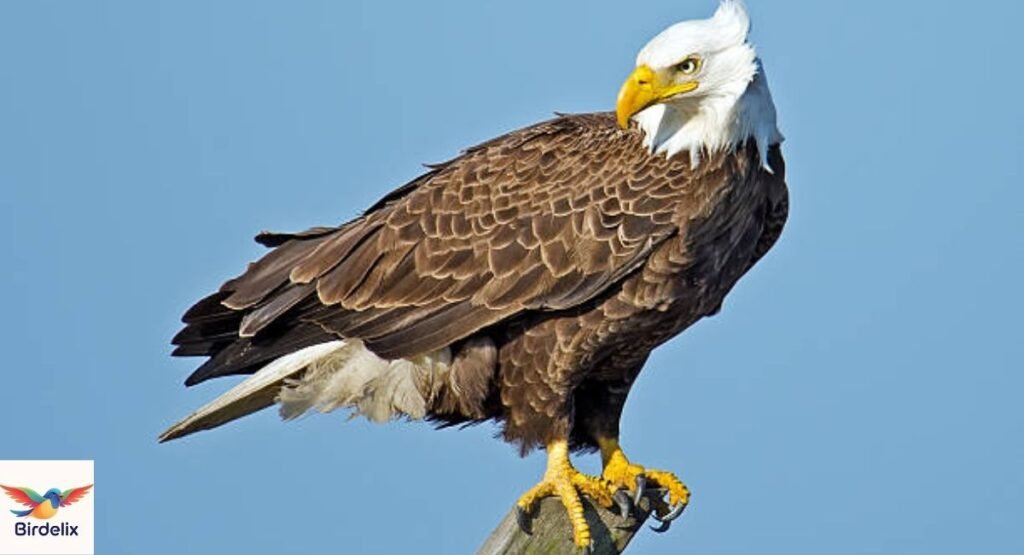
Scientific Name: Aquila spp.
Family: Accipitridae
The Eagle is one of the most powerful Birds That Start With E because of its impressive size, sharp eyesight, and excellent hunting ability. This magnificent bird has broad wings, a hooked beak, and strong talons that help it catch fish, rabbits, snakes, and other small animals. Eagles live in mountains, forests, grasslands, rivers, and coastal cliffs across North America, Europe, Asia, and Africa. Most species measure between 28 and 40 inches long with wingspans reaching more than 7 feet. An interesting fact is that Eagles can see prey from nearly two miles away, making them one of the most skilled birds of prey in the world.
2. Eastern Bluebird
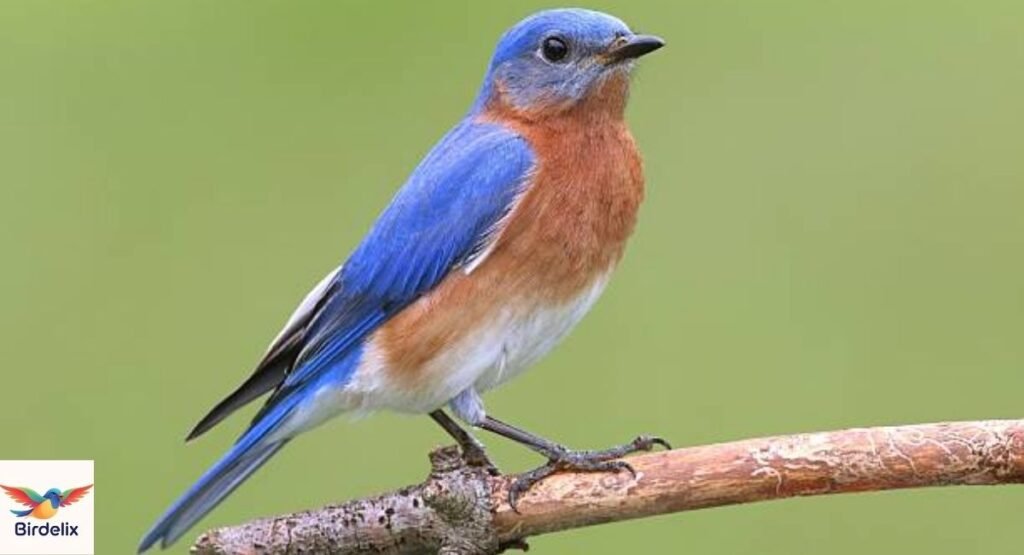
Scientific Name: Sialia sialis
Family: Turdidae
The Eastern Bluebird is one of the most beautiful Birds That Start With E because of its bright blue feathers and warm orange breast. This charming bird is commonly found in open woodlands, orchards, parks, meadows, and farmland throughout eastern North America. It mainly feeds on insects, caterpillars, beetles, spiders, berries, and other small fruits depending on the season. Adult Eastern Bluebirds usually measure between 6 and 8 inches long and often nest inside natural tree cavities or birdhouses. One fascinating fact is that Eastern Bluebirds help farmers by eating thousands of harmful insects every year.
3. Eastern Phoebe
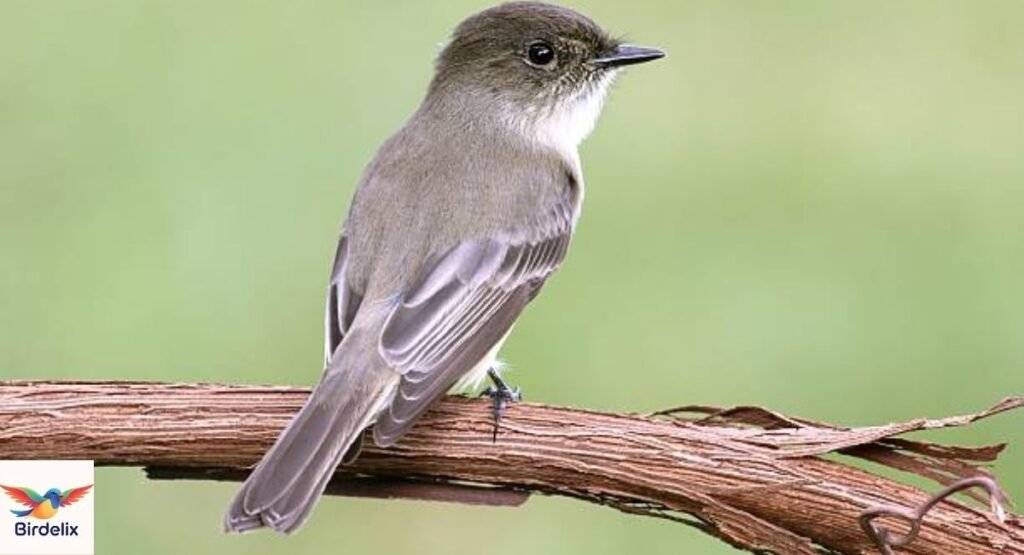
Scientific Name: Sayornis phoebe
Family: Tyrannidae
The Eastern Phoebe is among the most familiar Birds That Start With E, recognized for its soft gray plumage, pale belly, and constant tail-wagging habit. This friendly songbird lives near rivers, forests, farms, parks, bridges, and suburban gardens across eastern North America. It mainly feeds on flies, mosquitoes, beetles, wasps, and other flying insects that it catches in midair. Most Eastern Phoebes grow between 6 and 7 inches long and return to the same nesting sites each spring. An interesting fact is that they are one of the earliest migratory birds to arrive after winter.
4. Eastern Meadowlark
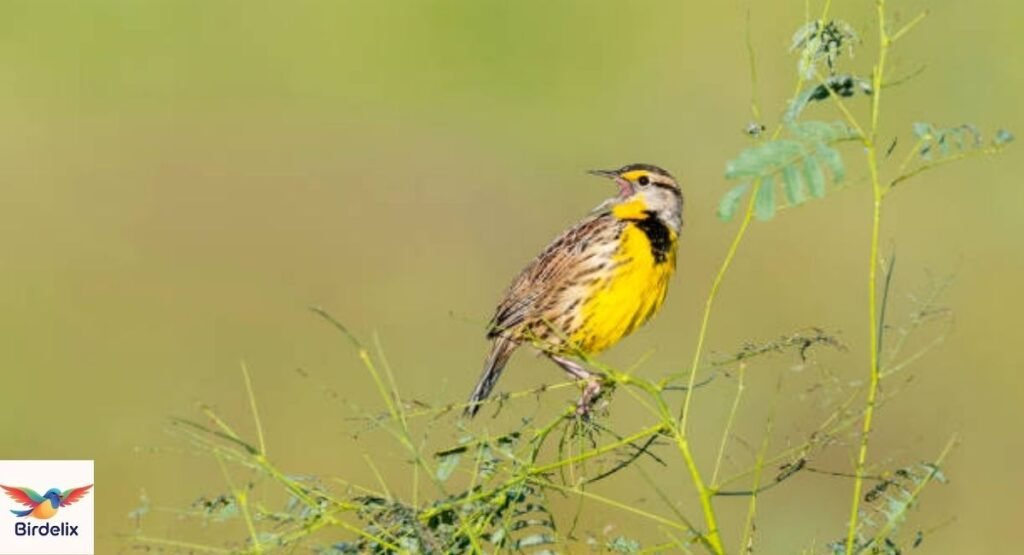
Scientific Name: Sturnella magna
Family: Icteridae
The Eastern Meadowlark is one of the most recognizable Birds That Start With E because of its bright yellow chest marked with a bold black V-shaped pattern. This attractive bird prefers grasslands, prairies, meadows, and farmland where it spends most of its time walking on the ground. Its diet includes insects, grasshoppers, beetles, seeds, and grains throughout the year. Adult Eastern Meadowlarks usually measure between 9 and 10 inches long. A fascinating fact is that their beautiful flute-like song can be heard across open fields long before the bird comes into view.
5. Eastern Towhee
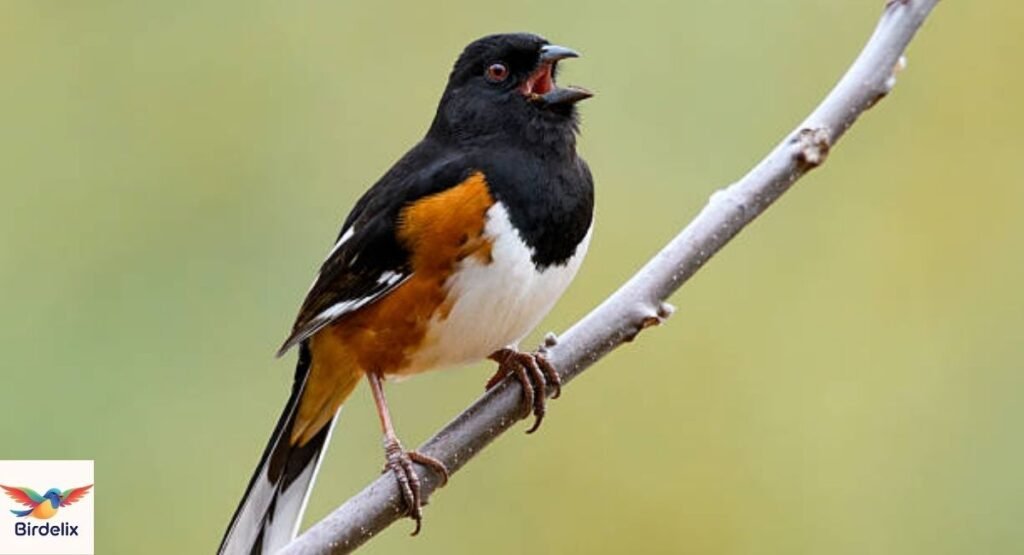
Scientific Name: Pipilo erythrophthalmus
Family: Passerellidae
The Eastern Towhee is one of the most striking Birds That Start With E because of its bold black, white, and rusty-orange feathers. It lives in forests, woodland edges, shrubby fields, and overgrown gardens throughout eastern North America. Eastern Towhees mainly feed on seeds, berries, insects, spiders, and small snails by scratching through dry leaves on the forest floor. Most adults measure between 7 and 9 inches long with a sturdy body and long tail. An interesting fact is that its cheerful song sounds remarkably like the words “drink your tea.”
6. Eastern Kingbird
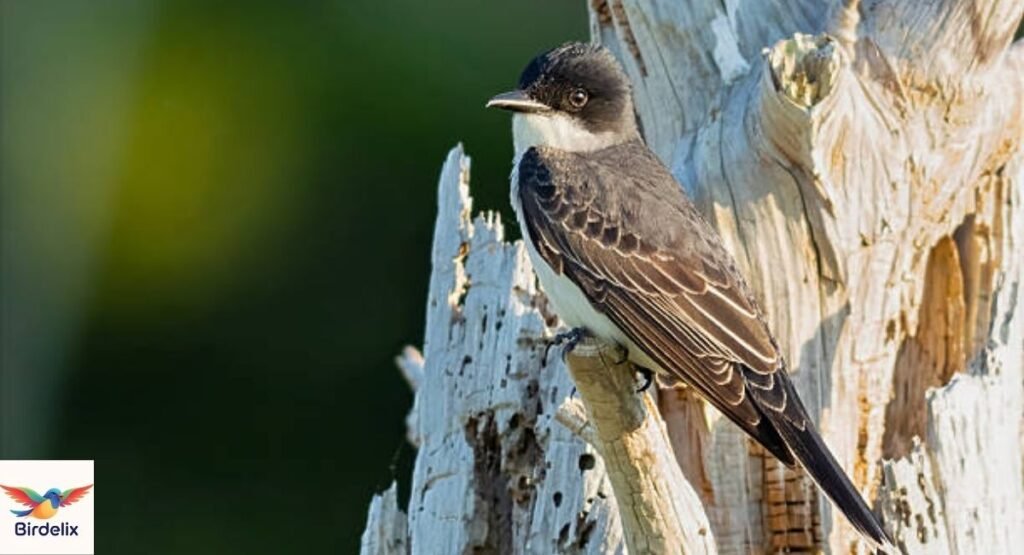
Scientific Name: Tyrannus tyrannus
Family: Tyrannidae
The Eastern Kingbird is among the bravest Birds That Start With E despite its medium size and simple black-and-white appearance. This fearless bird lives in open forests, grasslands, orchards, riversides, and farmland across North America. It mainly feeds on dragonflies, bees, beetles, flies, and other flying insects while also eating berries during migration. Adult Eastern Kingbirds usually grow between 8 and 9 inches long. One remarkable fact is that they aggressively chase hawks, crows, and even eagles away from their nests to protect their young.
7. Eastern Screech Owl
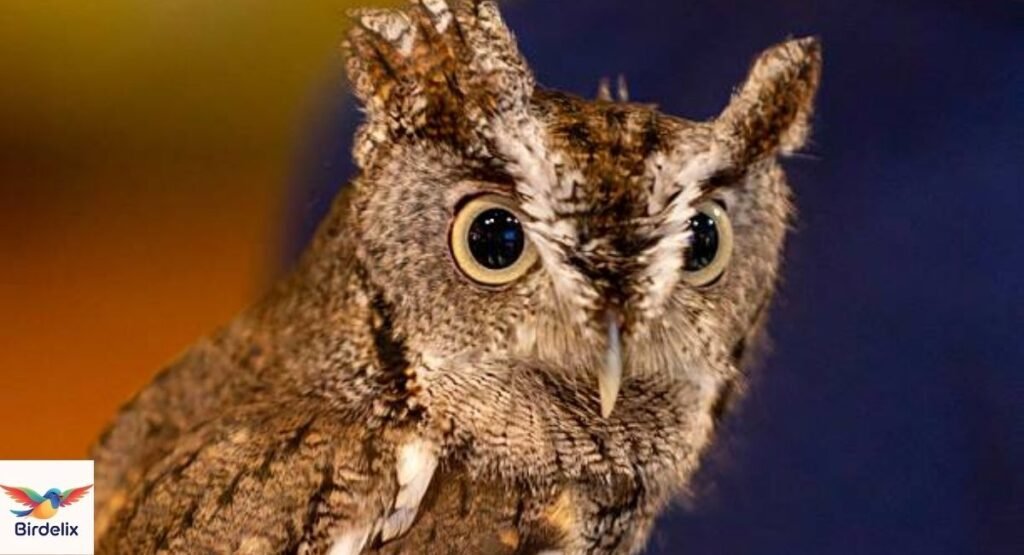
Scientific Name: Megascops asio
Family: Strigidae
The Eastern Screech Owl is one of the most fascinating Birds That Start With E because of its excellent camouflage and secretive nighttime lifestyle. This small owl has gray or reddish feathers that blend perfectly with tree bark in forests, parks, orchards, and suburban neighborhoods across eastern North America. It feeds on insects, mice, frogs, lizards, and small birds after sunset. Adult Eastern Screech Owls measure between 6 and 10 inches long. An interesting fact is that despite its name, this owl usually makes soft trills and whistles instead of loud screeches.
8. Egyptian Goose
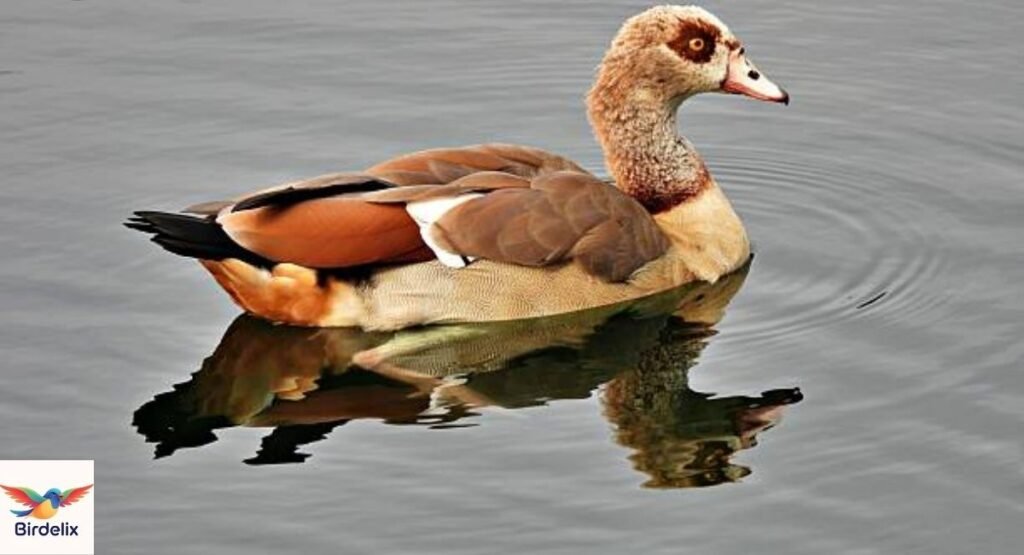
Scientific Name: Alopochen aegyptiaca
Family: Anatidae
The Egyptian Goose is one of the most unusual Birds That Start With E because of its colorful feathers and distinctive dark eye patches. Native to Africa, this attractive bird lives around lakes, rivers, marshes, wetlands, reservoirs, and grassy parks where food is plentiful. It mainly eats grasses, seeds, aquatic plants, insects, and small invertebrates throughout the year. Adult Egyptian Geese measure between 25 and 29 inches long with broad wings for powerful flight. A fascinating fact is that ancient Egyptians considered this bird sacred and often featured it in paintings, carvings, and temple art.
9. Egyptian Vulture
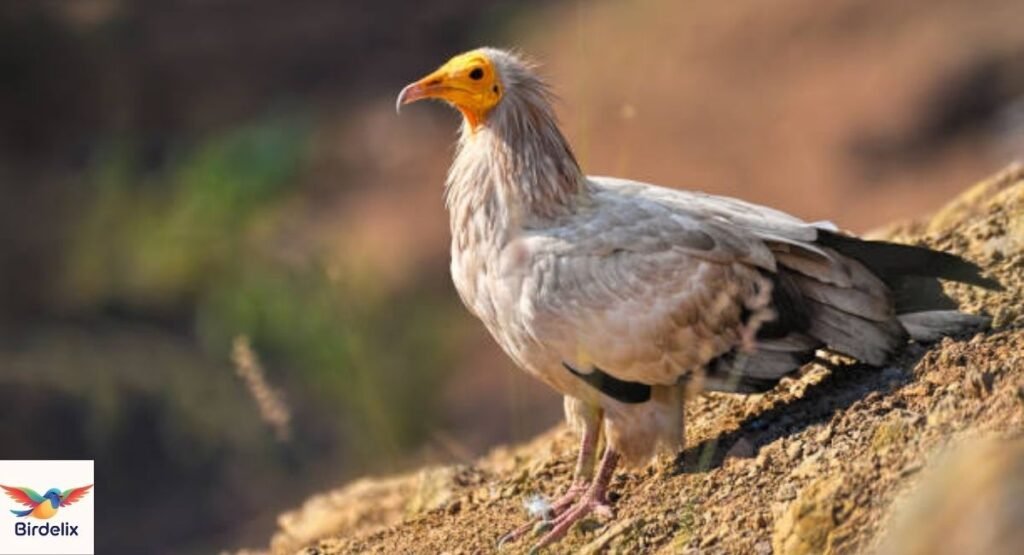
Scientific Name: Neophron percnopterus
Family: Accipitridae
The Egyptian Vulture is one of the most unique Birds That Start With E because of its white feathers, yellow face, and slender body. This intelligent bird lives in rocky cliffs, dry grasslands, deserts, and open countryside across southern Europe, Africa, and Asia. It mainly feeds on carrion, small reptiles, bird eggs, and leftover animal remains, helping keep the environment clean. Adult Egyptian Vultures measure between 23 and 28 inches long with a wingspan of nearly 6 feet. An interesting fact is that this species uses small stones to break open large eggs, making it one of the few birds known to use tools.
10. Elegant Tern
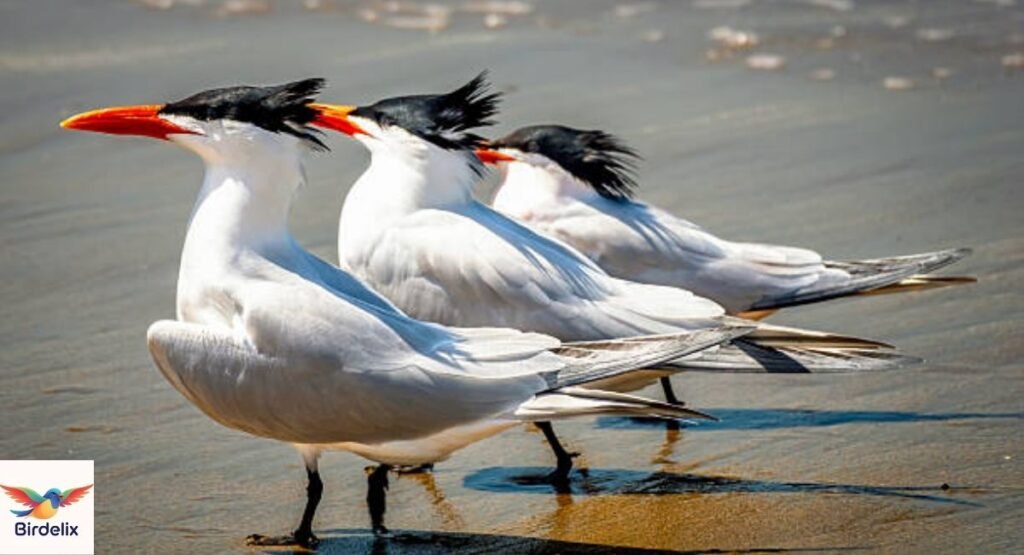
Scientific Name: Thalasseus elegans
Family: Laridae
The Elegant Tern is among the most graceful Birds That Start With E, recognized by its long orange bill, black crest, and slim white body. It lives along coastal beaches, islands, estuaries, and shallow ocean waters, especially along the Pacific coast of North America. Its diet mainly consists of small fish, squid, and marine crustaceans caught by diving into the sea. Adult Elegant Terns usually grow between 15 and 17 inches long with long pointed wings. A fascinating fact is that they can spot fish from high above the water before making a swift, accurate dive.
11. Elegant Trogon
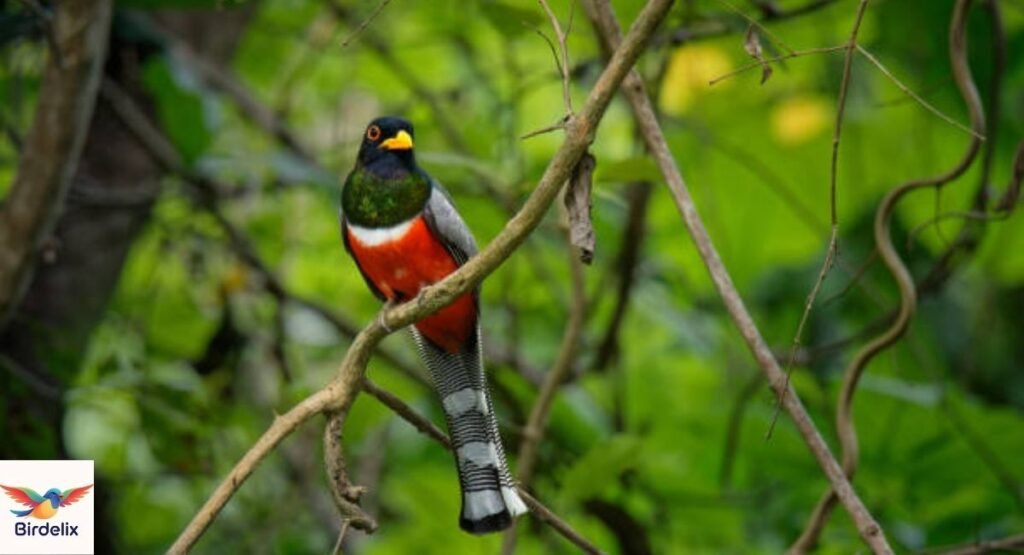
Scientific Name: Trogon elegans
Family: Trogonidae
The Elegant Trogon is one of the most colorful Birds That Start With E because of its shimmering green back, bright red belly, and long tail. This beautiful bird inhabits mountain forests, pine woodlands, and tropical canyons in the southwestern United States and Mexico. It mainly feeds on insects, berries, and small fruits while quietly resting among tree branches. Adults measure between 11 and 13 inches in length. An interesting fact is that the Elegant Trogon often nests inside abandoned woodpecker holes instead of building its own nest.
12. Eider
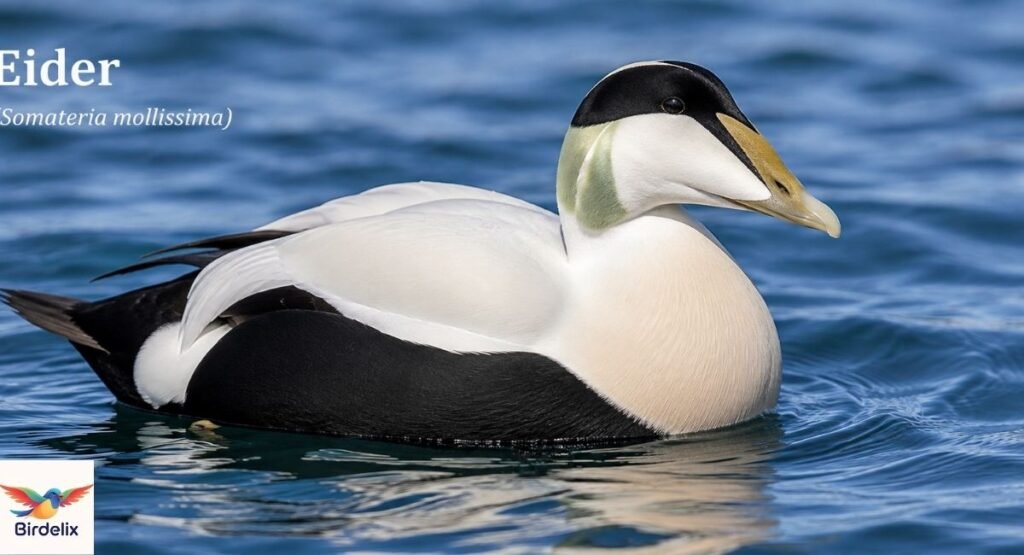
Scientific Name: Somateria mollissima
Family: Anatidae
The Eider is one of the largest sea ducks among the Birds That Start With E, famous for its thick feathers and excellent swimming skills. It lives along cold northern coastlines, rocky islands, and Arctic waters across North America and Europe. Eiders mainly feed on mussels, clams, crabs, sea urchins, and other shellfish by diving underwater. Adult birds usually measure between 20 and 28 inches long with powerful bodies built for cold climates. A remarkable fact is that Eider down is one of the warmest natural insulating materials used in luxury bedding.
13. Eared Grebe
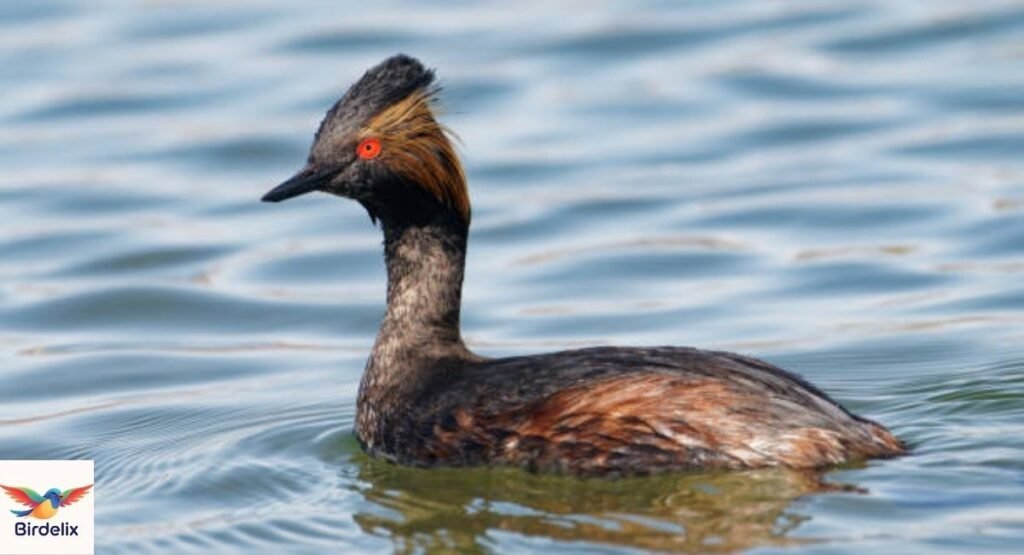
Scientific Name: Podiceps nigricollis
Family: Podicipedidae
The Eared Grebe is one of the most attractive Birds That Start With E because of its golden ear-like feathers and striking red eyes during the breeding season. It prefers freshwater lakes, marshes, ponds, and wetlands throughout North America and parts of Europe and Asia. This bird feeds on aquatic insects, small fish, crustaceans, and tiny water creatures while diving beneath the surface. Adults usually grow between 11 and 13 inches long. An interesting fact is that Eared Grebes can spend months at sea without coming onto land.
14. Eurasian Blue Tit
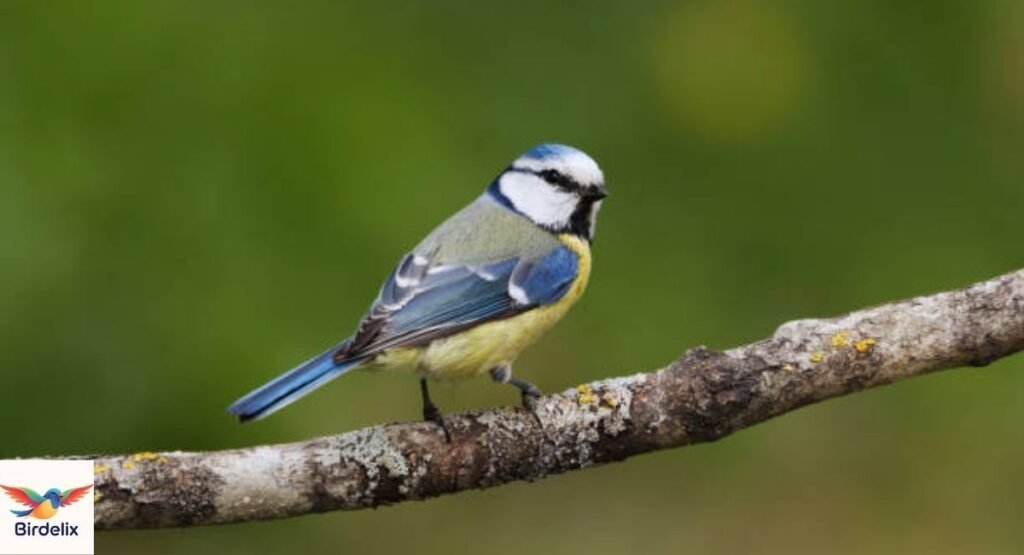
Scientific Name: Cyanistes caeruleus
Family: Paridae
The Eurasian Blue Tit is one of the smallest and most colorful Birds That Start With E, admired for its bright blue crown, yellow belly, and white face. It lives in woodlands, parks, orchards, and gardens throughout Europe and western Asia. Its diet includes caterpillars, insects, spiders, seeds, and berries depending on the season. Adult Blue Tits measure only 4 to 5 inches long but remain highly active throughout the day. One fascinating fact is that these clever birds quickly learn how to solve simple problems to reach hidden food.
15. Eurasian Bullfinch
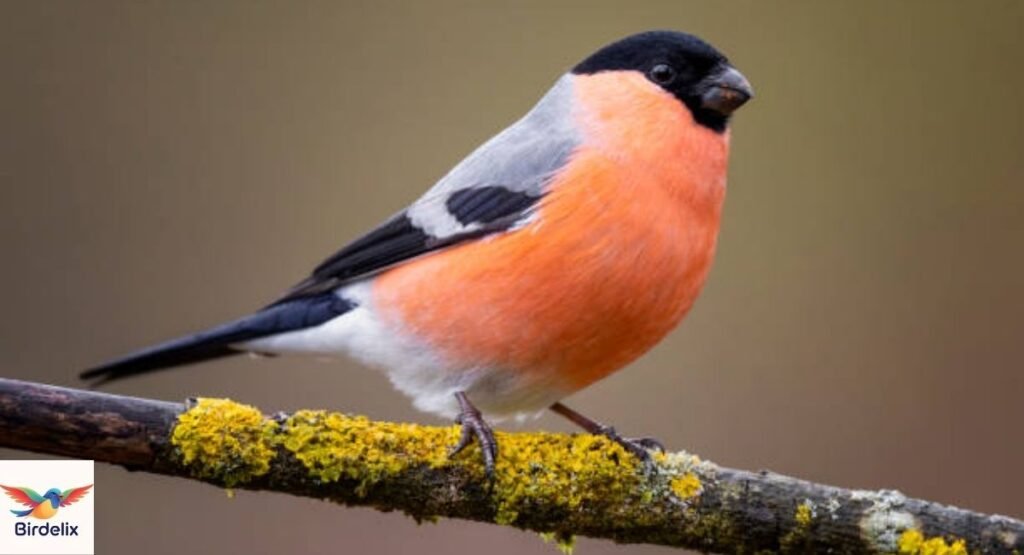
Scientific Name: Pyrrhula pyrrhula
Family: Fringillidae
The Eurasian Bullfinch is one of the most charming Birds That Start With E because of its bright pinkish-red chest and glossy black cap. This quiet bird lives in forests, hedgerows, orchards, and gardens across Europe and northern Asia. It mainly feeds on seeds, buds, berries, and young shoots throughout the year. Adults usually measure between 5 and 7 inches long with a short, thick beak designed for cracking seeds. An interesting fact is that Bullfinches are known for their soft whistles and calm behavior around people.
16. Eurasian Coot
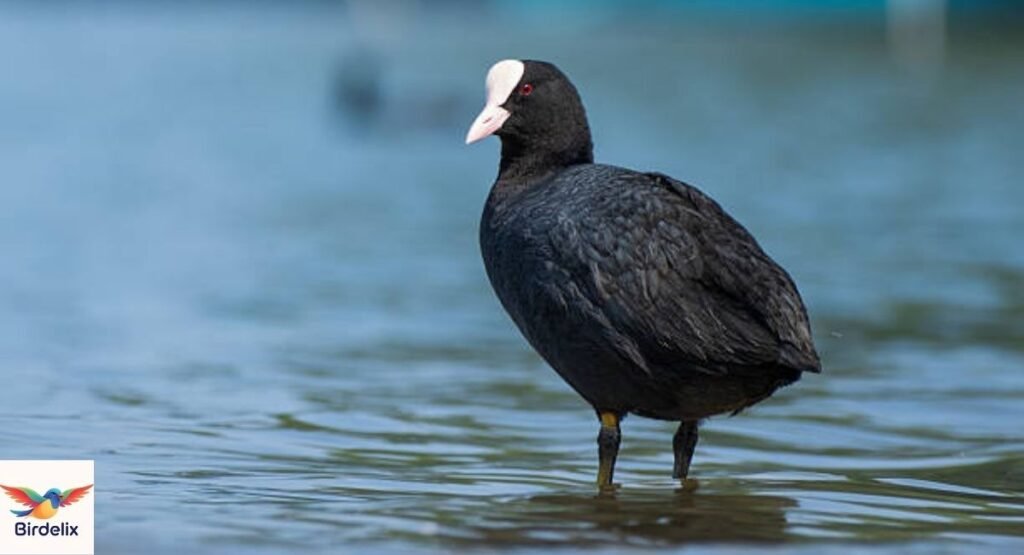
Scientific Name: Fulica atra
Family: Rallidae
The Eurasian Coot is one of the most recognizable Birds That Start With E because of its glossy black feathers and bright white forehead shield. It is commonly found in lakes, ponds, marshes, reservoirs, and slow-moving rivers across Europe, Asia, Australia, and parts of North Africa. Eurasian Coots mainly eat aquatic plants, algae, insects, snails, and small fish while swimming or diving. Adult birds grow between 14 and 17 inches long with large lobed feet that help them move easily through water. An interesting fact is that Eurasian Coots can run across the water’s surface before taking flight.
17. Eurasian Eagle-Owl
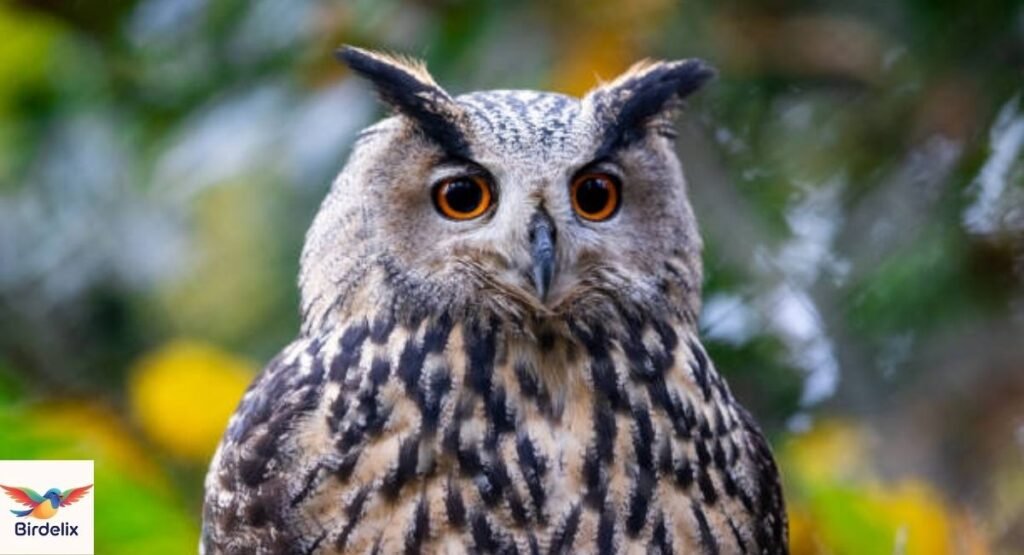
Scientific Name: Bubo bubo
Family: Strigidae
The Eurasian Eagle-Owl is one of the largest Birds That Start With E and is famous for its impressive size, bright orange eyes, and powerful hunting skills. This magnificent owl lives in forests, rocky mountains, cliffs, and woodland areas across Europe and Asia. It mainly feeds on rabbits, hedgehogs, rodents, birds, and other small mammals during the night. Adult Eurasian Eagle-Owls measure between 23 and 30 inches long with a wingspan reaching over 6 feet. An interesting fact is that this owl can hunt prey almost as large as a fox.
18. Eurasian Hoopoe
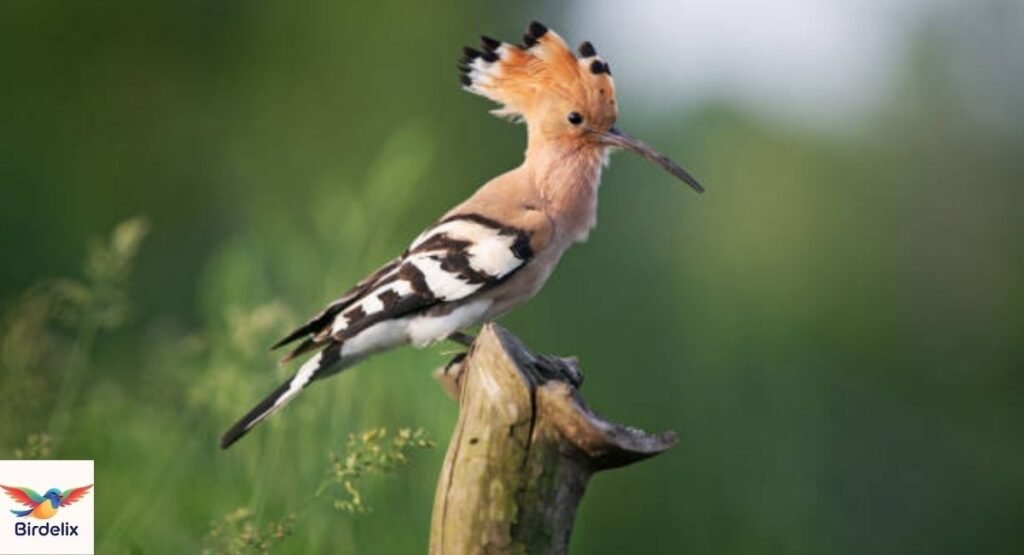
Scientific Name: Upupa epops
Family: Upupidae
The Eurasian Hoopoe is one of the most colorful Birds That Start With E because of its striking orange feathers, black-and-white wings, and fan-shaped crest. It is commonly found in open woodlands, grasslands, orchards, and farmland across Europe, Asia, and Africa. This bird mainly feeds on insects, beetles, worms, crickets, and larvae found in the soil. Adults usually grow between 10 and 12 inches long with a long curved bill. A fascinating fact is that the Eurasian Hoopoe can raise and lower its beautiful crest depending on its mood.
19. Eurasian Jay
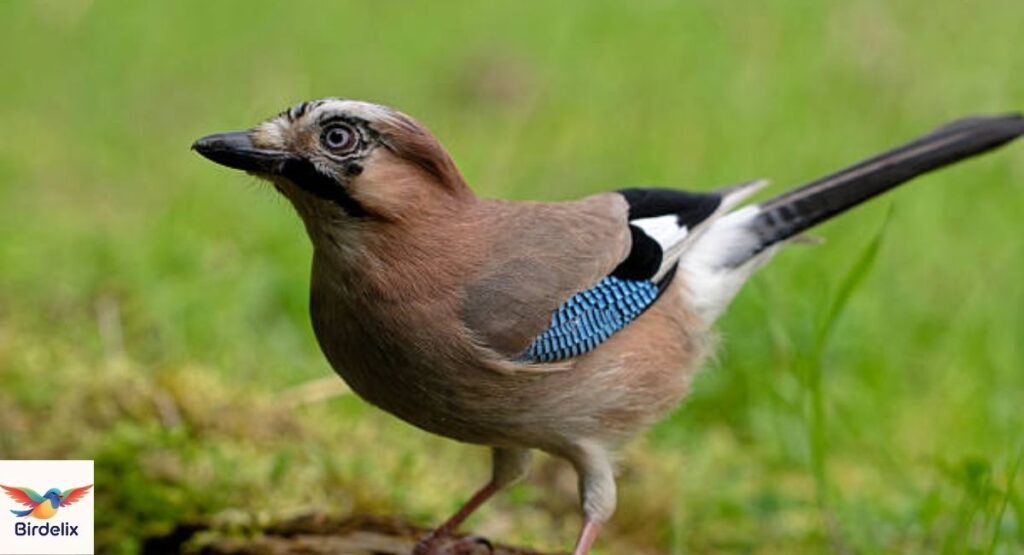
Scientific Name: Garrulus glandarius
Family: Corvidae
The Eurasian Jay is one of the smartest Birds That Start With E and is easily recognized by its pinkish-brown body, blue wing patches, and black facial markings. It lives in forests, parks, gardens, and woodland edges throughout Europe and parts of Asia. Its diet includes acorns, seeds, berries, insects, eggs, and small animals depending on the season. Adult Eurasian Jays measure between 13 and 15 inches long. An interesting fact is that they hide thousands of acorns each autumn, helping many oak trees grow naturally.
20. Eurasian Magpie
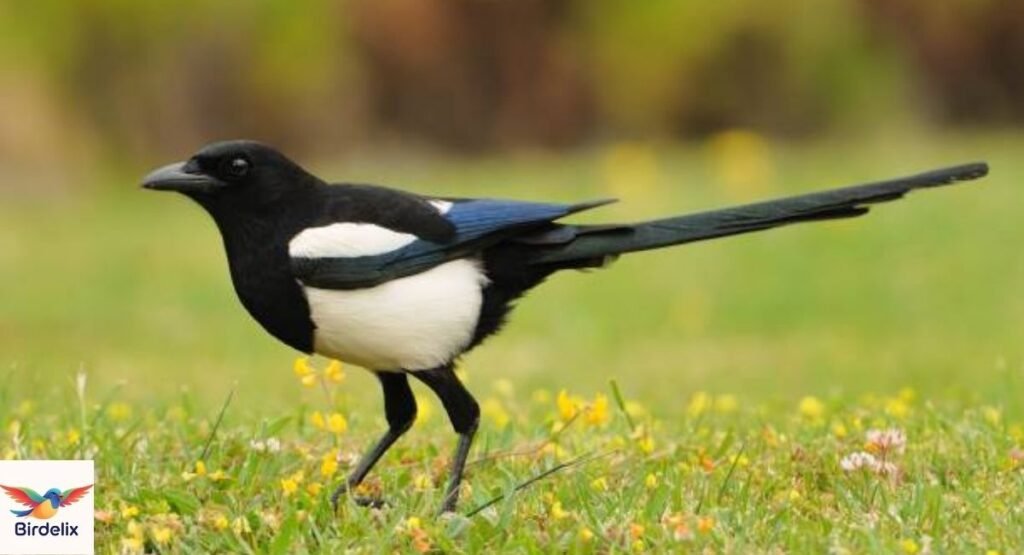
Scientific Name: Pica pica
Family: Corvidae
The Eurasian Magpie is among the most intelligent Birds That Start With E because of its glossy black-and-white feathers and long iridescent tail. It lives in woodlands, farmland, parks, villages, and suburban areas across Europe and Asia. This adaptable bird eats insects, fruits, seeds, eggs, small animals, and leftover food from humans. Adults usually measure between 17 and 18 inches long including their tail. One fascinating fact is that the Eurasian Magpie is one of the few bird species capable of recognizing itself in a mirror.
21. Eurasian Nuthatch
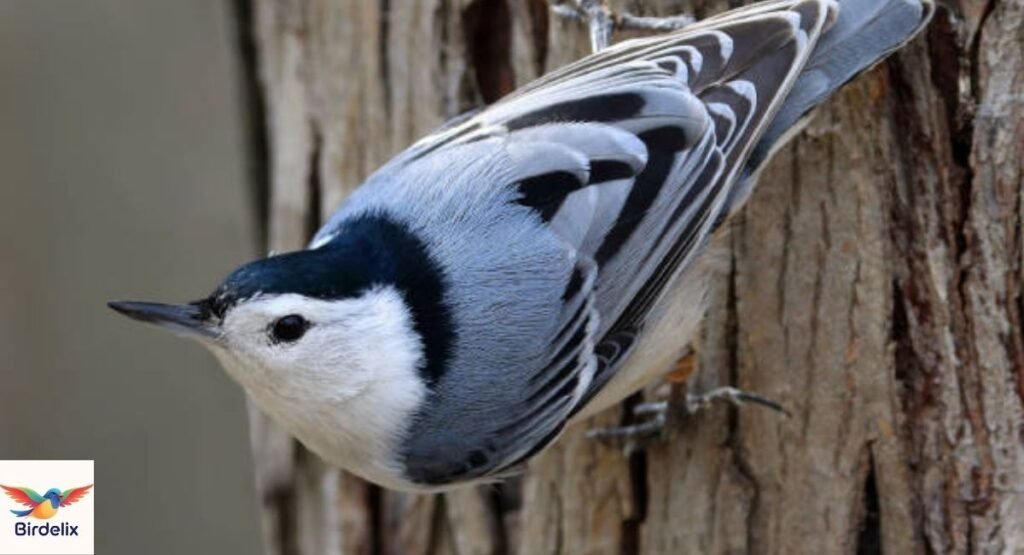
Scientific Name: Sitta europaea
Family: Sittidae
The Eurasian Nuthatch is one of the most active Birds That Start With E because of its unique ability to climb both up and down tree trunks. It has blue-gray upperparts, a white underside, and a strong pointed beak. This bird lives in mature forests, parks, and woodland gardens across Europe and Asia. It mainly feeds on insects, spiders, nuts, and seeds throughout the year. Adults measure between 5 and 6 inches long. An interesting fact is that it stores food in tree bark to eat later during winter.
22. Eurasian Skylark
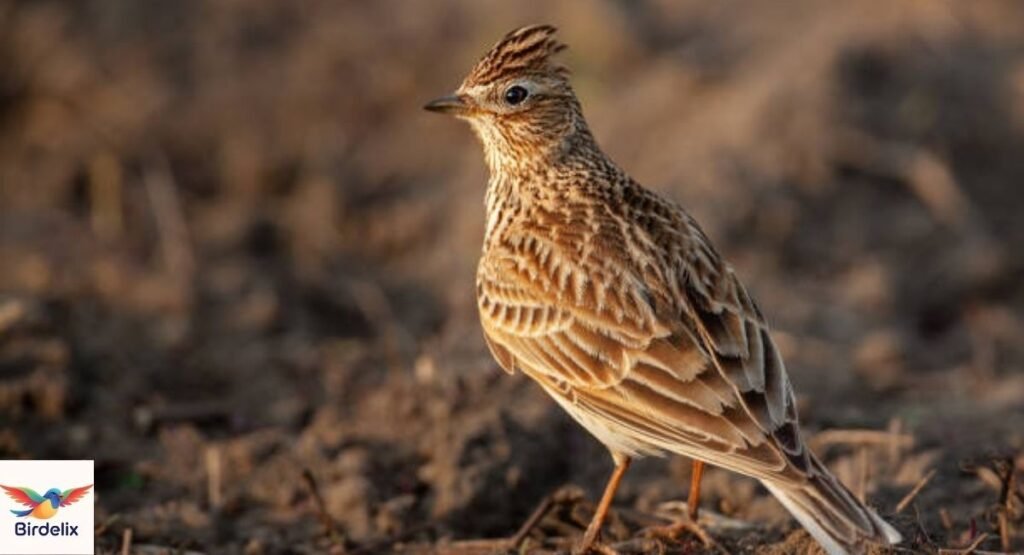
Scientific Name: Alauda arvensis
Family: Alaudidae
The Eurasian Skylark is one of the best-known Birds That Start With E because of its beautiful singing display high above open fields. This small brown bird lives in grasslands, meadows, farmland, and open countryside throughout Europe and Asia. It mainly feeds on seeds, grains, insects, and small larvae depending on the season. Adult Eurasian Skylarks usually measure between 7 and 8 inches long. A remarkable fact is that they can continue singing while flying several hundred feet above the ground for many minutes.
23. Eurasian Spoonbill
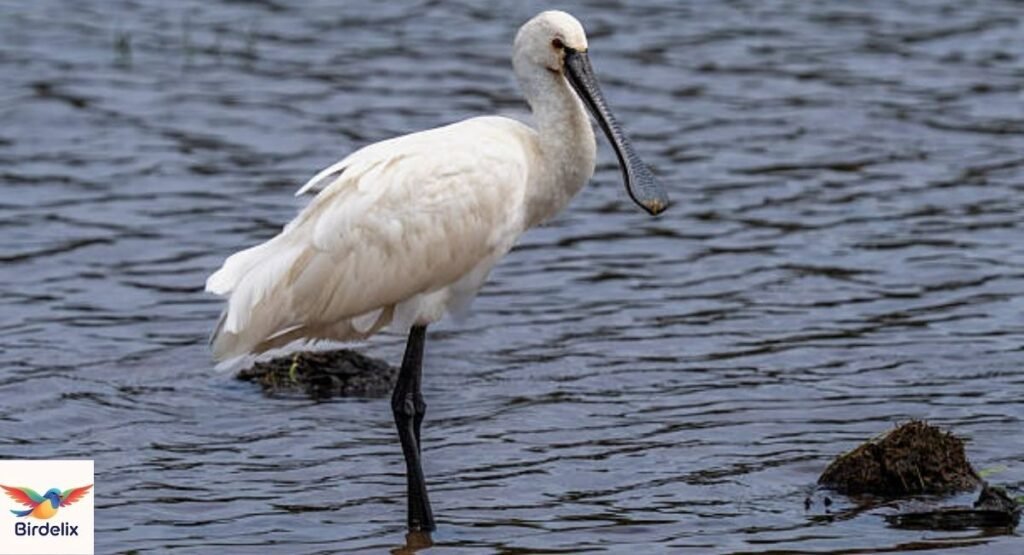
Scientific Name: Platalea leucorodia
Family: Threskiornithidae
The Eurasian Spoonbill is one of the most elegant Birds That Start With E because of its bright white feathers and long spoon-shaped bill. It inhabits wetlands, marshes, shallow lakes, estuaries, and coastal lagoons across Europe, Africa, and Asia. This graceful bird feeds on fish, frogs, insects, shrimp, and other aquatic animals by sweeping its bill through shallow water. Adults usually grow between 31 and 37 inches long. An interesting fact is that its unusual bill is specially designed to detect prey without relying on sight.
24. Elf Owl
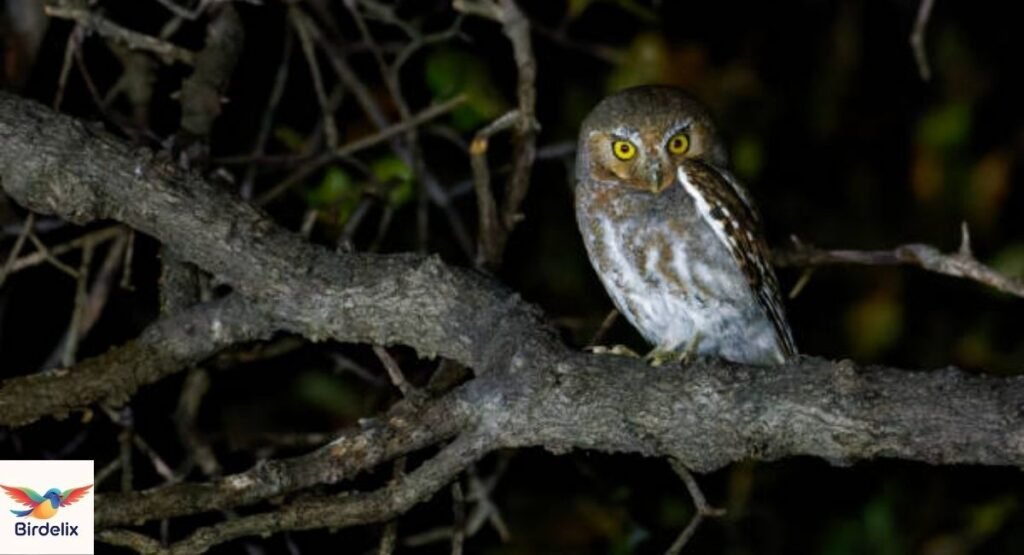
Scientific Name: Micrathene whitneyi
Family: Strigidae
The Elf Owl is one of the smallest Birds That Start With E and is famous for its tiny size and large yellow eyes. It lives in deserts, cactus forests, woodlands, and dry canyons across the southwestern United States and Mexico. This miniature owl mainly feeds on insects, spiders, moths, beetles, and small scorpions during the night. Adult Elf Owls measure only 5 to 6 inches long. An amazing fact is that they often nest inside abandoned woodpecker holes in giant saguaro cacti.
25. Emu
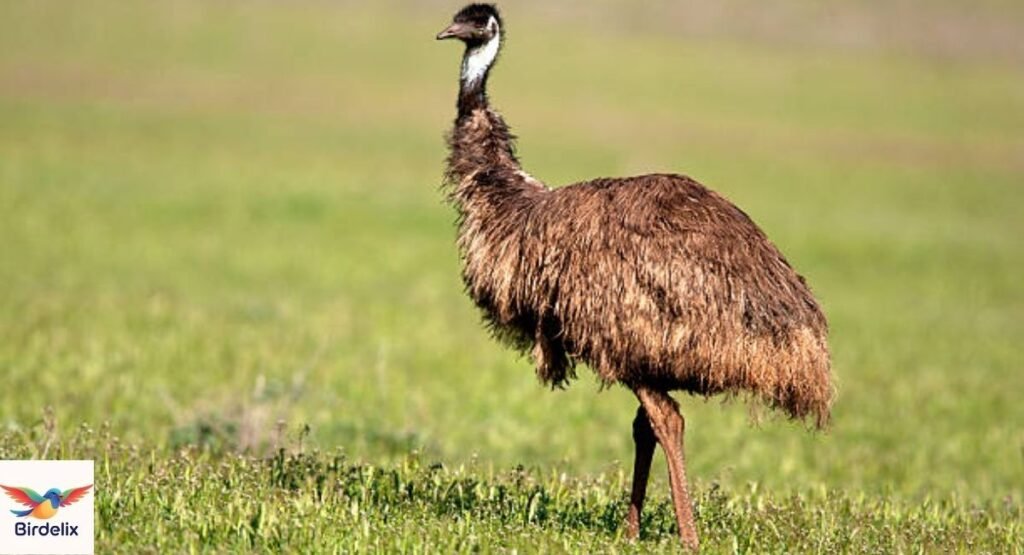
Scientific Name: Dromaius novaehollandiae
Family: Dromaiidae
The Emu is one of the largest Birds That Start With E and is the second-largest living bird in the world after the Ostrich. This flightless bird has long legs, soft brown feathers, and a powerful body built for running across Australia’s grasslands and open forests. Emus feed on grasses, seeds, fruits, flowers, insects, and small reptiles throughout the year. Adult Emus can grow between 5 and 6.5 feet tall and weigh up to 130 pounds. An interesting fact is that Emus can run at speeds of nearly 30 miles per hour when escaping danger.
Birds That Start With E by Bird Type
Birds that start with the letter E belong to many different groups. Some are powerful hunters that rule the skies, while others spend most of their lives on lakes, forests, or coastlines. Learning these groups makes it easier to identify each bird by its appearance, behavior, and preferred habitat.
Birds of Prey
Birds of prey have sharp talons, hooked beaks, and outstanding eyesight. These birds hunt mammals, reptiles, fish, and other birds.
| Bird Name | Main Diet | Habitat |
| Eagle | Fish, mammals, reptiles | Mountains, forests |
| Egyptian Vulture | Carrion, eggs | Cliffs, dry grasslands |
| Eastern Imperial Eagle | Mammals, birds | Open plains, forests |
| Eurasian Eagle-Owl | Rabbits, rodents, birds | Forests, rocky mountains |
| European Honey Buzzard | Wasp larvae, insects | Woodlands |
Water Birds
Water birds spend most of their lives around rivers, lakes, marshes, wetlands, and coastal waters. Many are excellent swimmers or divers.
| Bird Name | Water Habitat | Main Diet |
| Egret | Wetlands | Fish |
| Eider | Coastal seas | Shellfish |
| Eared Grebe | Lakes, ponds | Fish, insects |
| Eurasian Coot | Lakes, marshes | Plants, insects |
| Eurasian Spoonbill | Wetlands | Fish, shrimp |
| Egyptian Goose | Rivers, lakes | Plants, insects |
| Emperor Goose | Coastal wetlands | Grasses |
Songbirds
Songbirds are known for their pleasant calls and colorful feathers. Most feed on insects, seeds, berries, and small fruits.
| Bird Name | Favorite Food | Habitat |
| Eastern Bluebird | Insects, berries | Woodlands |
| Eastern Phoebe | Flying insects | Forest edges |
| Eastern Meadowlark | Seeds, insects | Grasslands |
| Eastern Towhee | Seeds, berries | Shrublands |
| Eastern Kingbird | Flying insects | Open countryside |
| Eurasian Blue Tit | Caterpillars, seeds | Forests |
| Eurasian Bullfinch | Seeds, buds | Woodlands |
| Eurasian Skylark | Seeds, insects | Meadows |
Owls
Owls are nocturnal birds with silent flight and excellent hearing. They usually hunt after sunset.
| Bird Name | Activity | Main Diet |
| Eastern Screech Owl | Nocturnal | Rodents, insects |
| Eurasian Eagle-Owl | Nocturnal | Mammals, birds |
| Elf Owl | Nocturnal | Insects |
Shorebirds & Seabirds
These birds are commonly found along beaches, islands, estuaries, and ocean coastlines where they feed on marine life.
| Bird Name | Habitat | Main Diet |
| Elegant Tern | Coastlines | Fish |
| Eider | Arctic seas | Shellfish |
| Emperor Penguin | Antarctic coast | Fish, krill |
| Erect-crested Penguin | Subantarctic Islands | Fish |
| Eskimo Curlew | Coastal tundra | Insects |
Birds That Start With E by Name Length
Some people search for bird names by the number of letters they contain. The following tables make it easy to find Birds That Start With E based on name length.
3-Letter Birds That Start With E
| Bird Name | Number of Letters | Bird Type |
| Emu | 3 | Flightless Bird |
4-Letter Birds That Start With E
| Bird Name | Number of Letters | Bird Type |
| None commonly recognized | 4 | — |
5-Letter Birds That Start With E
| Bird Name | Number of Letters | Bird Type |
| Eagle | 5 | Bird of Prey |
| Eider | 5 | Water Bird |
| Egret | 5 | Wading Bird |
6-Letter Birds That Start With E
| Bird Name | Number of Letters | Bird Type |
| Elanus | 6 | Bird of Prey (Kite) |
| Exmoor* | 6 | No widely accepted common bird name |
| Euphonia* | 8 (not 6) | Songbird |
White Birds That Start With E
Several Birds That Start With E are famous for their beautiful white feathers. These birds are commonly found in wetlands, coastlines, grasslands, and open water where their bright plumage makes them easy to recognize. While some remain white throughout the year, others develop decorative breeding feathers during the nesting season.
| Bird | Color | Habitat | Size |
| Egret | Pure White | Wetlands, rivers | 22–41 in |
| Elegant Tern | White with Gray Wings | Coastal beaches | 15–17 in |
| Eurasian Spoonbill | White | Marshes, lagoons | 31–37 in |
| Egyptian Vulture | White with Black Flight Feathers | Cliffs, dry grasslands | 23–28 in |
| Emperor Goose | White and Gray | Arctic coasts | 26–28 in |
| Eider (Male) | Black and White | Coastal seas | 20–28 in |
Flightless Birds That Start With E
Only a few Birds That Start With E cannot fly, but they are among the most fascinating birds on Earth. Instead of flying, these birds rely on powerful legs for running or strong bodies for swimming. They have adapted perfectly to their environments over millions of years.
| Bird | Native Region | Height | Weight |
| Emu | Australia | 5–6.5 ft | 66–130 lb |
| Emperor Penguin | Antarctica | 39–48 in | 49–99 lb |
| Erect-crested Penguin | New Zealand Subantarctic Islands | 23–28 in | 6–11 lb |
Birds That Start With E by Continent
Birds whose names begin with E are distributed across nearly every continent. Some species have a very limited range, while others migrate thousands of miles each year. Understanding where these birds live makes identification much easier for birdwatchers and nature enthusiasts.
North America
North America is home to many well-known Birds That Start With E, especially colorful songbirds and impressive birds of prey. Common species include the Eagle, Eastern Bluebird, Eastern Phoebe, Eastern Meadowlark, Eastern Towhee, Eastern Kingbird, Eastern Screech Owl, Elf Owl, Eared Grebe, Evening Grosbeak, and Elegant Tern. These birds inhabit forests, grasslands, wetlands, mountains, deserts, and coastal regions across the United States and Canada.
Europe
Europe has a rich variety of Birds That Start With E, ranging from woodland birds to waterbirds and powerful owls. Popular species include the Eurasian Jay, Eurasian Magpie, Eurasian Hoopoe, Eurasian Blue Tit, Eurasian Bullfinch, Eurasian Coot, Eurasian Nuthatch, Eurasian Skylark, Eurasian Spoonbill, Eurasian Eagle-Owl, European Robin, European Goldfinch, and European Bee-eater. These birds are commonly found in forests, parks, farmland, wetlands, and open countryside.
Asia
Asia supports an incredible diversity of Birds That Start With E because of its varied landscapes and climates. Birds such as the Eurasian Hoopoe, Eurasian Eagle-Owl, Eurasian Jay, Eurasian Spoonbill, Eastern Imperial Eagle, Eider, and Eurasian Skylark are found across forests, deserts, wetlands, mountains, and coastal habitats throughout the continent.
Africa
Africa is home to several unique Birds That Start With E, especially birds adapted to warm climates and open landscapes. The Egyptian Goose, Egyptian Vulture, Egret, Eurasian Spoonbill, and European Bee-eater can all be found in different parts of Africa. These birds thrive in wetlands, rivers, savannas, grasslands, and rocky cliffs where food is abundant.
Australia
Australia is best known for the Emu, one of the world’s largest flightless birds and one of the most famous Birds That Start With E. Other notable species include the Eastern Cattle Egret, Eastern Osprey, and Erect-crested Penguin, which can be seen in different regions depending on the season. These birds occupy grasslands, forests, coastlines, wetlands, and offshore islands.
South America
South America is home to several colorful Birds That Start With E, particularly tropical forest species. The Emerald Tanager, Emerald Toucanet, Eye-ringed Flatbill, Elegant Trogon, and Egret are commonly found in rainforests, cloud forests, rivers, and wetlands. Their bright colors and diverse habitats make them favorites among birdwatchers visiting the continent.
Birds That Start With E by Habitat
Different Birds That Start With E have adapted to unique environments around the world. Some thrive in dense forests while others depend on wetlands, mountains, deserts, or coastal regions for food and shelter. Understanding their habitats helps birdwatchers identify where each species is most likely to be found.
Forest Birds
Forest habitats provide food, nesting sites, and protection for many birds that start with E. These birds often feed on insects, seeds, berries, and fruits among trees and dense vegetation.
| Bird Name | Primary Forest Habitat | Main Diet |
| Eastern Bluebird | Open Woodlands | Insects, berries |
| Eastern Towhee | Forest Edges | Seeds, insects |
| Eurasian Jay | Deciduous Forests | Acorns, insects |
| Eurasian Nuthatch | Mature Forests | Insects, seeds |
| Elegant Trogon | Pine & Oak Forests | Fruit, insects |
| Eclectus Parrot | Tropical Rainforests | Fruits, seeds |
Wetland Birds
Wetlands are rich feeding grounds where birds find fish, insects, frogs, and aquatic plants throughout the year.
| Bird Name | Wetland Habitat | Main Diet |
| Egret | Marshes, Swamps | Fish |
| Egyptian Goose | Lakes, Rivers | Plants, insects |
| Eared Grebe | Freshwater Lakes | Fish, insects |
| Eurasian Spoonbill | Marshes | Fish, shrimp |
| Eurasian Coot | Wetlands | Aquatic plants |
| Emperor Goose | Coastal Wetlands | Grasses |
Grassland Birds
Grasslands provide open spaces where birds can search for insects, seeds, and small animals while watching for predators.
| Bird Name | Grassland Habitat | Main Diet |
| Eastern Meadowlark | Prairies | Insects, seeds |
| Eastern Kingbird | Open Fields | Flying insects |
| Emu | Australian Grasslands | Plants, insects |
| Eurasian Skylark | Meadows | Seeds, insects |
Mountain Birds
Mountain birds have adapted to cooler temperatures, rocky cliffs, and high elevations where fewer predators exist.
| Bird Name | Mountain Habitat | Main Diet |
| Eagle | Mountains | Mammals, fish |
| Eurasian Eagle-Owl | Rocky Cliffs | Mammals, birds |
| Eastern Imperial Eagle | Highlands | Small mammals |
Coastal Birds
Coastal habitats supply abundant seafood, making them ideal homes for seabirds and shorebirds.
| Bird Name | Coastal Habitat | Main Diet |
| Elegant Tern | Beaches | Fish |
| Eider | Arctic Coast | Shellfish |
| Erect-crested Penguin | Rocky Islands | Fish |
| Emperor Penguin | Antarctic Coast | Fish, krill |
Desert Birds
Desert birds have evolved to survive hot temperatures and limited water supplies.
| Bird Name | Desert Habitat | Main Diet |
| Elf Owl | Cactus Deserts | Insects |
| Egyptian Vulture | Dry Cliffs | Carrion |
| Eastern Screech Owl | Dry Woodlands | Insects, rodents |
Biggest Birds That Start With E
Some Birds That Start With E are among the largest birds in the world. Their impressive height, broad wings, and powerful bodies allow them to dominate their habitats, whether flying over mountains or running across open plains.
| Bird | Height | Wingspan | Weight |
| Emu | 5–6.5 ft | Flightless | 66–130 lb |
| Eagle | 28–40 in | 6–8 ft | 6–15 lb |
| Eurasian Eagle-Owl | 23–30 in | 5–6.5 ft | 3–10 lb |
| Eurasian Spoonbill | 31–37 in | 4–5 ft | 3–5 lb |
| Emperor Penguin | 39–48 in | Flightless | 49–99 lb |
| Egyptian Goose | 25–29 in | 4–5 ft | 3–6 lb |
Smallest Birds That Start With E
Several Birds That Start With E are surprisingly tiny, yet they play an important role in controlling insects and spreading seeds. Their small size allows them to move quickly through trees, shrubs, and gardens.
| Bird | Length | Weight | Habitat |
| Elf Owl | 5–6 in | 1.5 oz | Deserts |
| Eurasian Blue Tit | 4–5 in | 0.4 oz | Woodlands |
| Eastern Bluebird | 6–8 in | 1 oz | Open Woodlands |
| Eastern Phoebe | 6–7 in | 0.7 oz | Forest Edges |
| Eurasian Bullfinch | 5–7 in | 0.8 oz | Forests |
| Eurasian Nuthatch | 5–6 in | 0.8 oz | Mature Woodlands |
Endangered Birds That Start With E
While many Birds That Start With E remain stable, some face serious threats from habitat destruction, climate change, hunting, and pollution. Conservation programs are helping protect these remarkable species for future generations.
| Bird | IUCN Status | Main Threat |
| Egyptian Vulture | Endangered | Poisoning, habitat loss |
| Echo Parakeet | Endangered | Habitat destruction |
| Erect-crested Penguin | Endangered | Climate change, overfishing |
| Eskimo Curlew | Critically Endangered | Habitat loss, hunting |
| Eastern Imperial Eagle | Vulnerable | Power lines, habitat loss |
| European Turtle Dove | Vulnerable | Agricultural changes, hunting |
Interesting Facts About Birds That Start With E
The world of Birds That Start With E is full of surprising discoveries. Some birds can run faster than most mammals, while others migrate across continents or use tools to find food. These fascinating facts show how each species has adapted to survive in different environments and why birds remain one of nature’s most remarkable creatures.
| Bird | Interesting Fact |
| Eagle | Eagles can spot prey from nearly two miles away because of their exceptional eyesight. |
| Eastern Bluebird | Eastern Bluebirds often use birdhouses and help control insect populations in gardens and farms. |
| Eastern Phoebe | Eastern Phoebes frequently return to the exact same nesting site every spring. |
| Eastern Meadowlark | Its beautiful song can travel across large grasslands before the bird is even visible. |
| Eastern Towhee | This bird searches for food by scratching leaves backward with both feet at the same time. |
| Eastern Kingbird | Eastern Kingbirds fearlessly chase hawks and crows much larger than themselves. |
| Eastern Screech Owl | Despite its name, this owl usually whistles and trills instead of screeching loudly. |
| Egyptian Goose | Ancient Egyptians considered this bird sacred and often included it in artwork. |
| Egyptian Vulture | It is one of the few birds known to use stones as tools to crack open eggs. |
| Elegant Tern | Elegant Terns catch fish by diving headfirst into the ocean from the air. |
| Elegant Trogon | This colorful bird often nests inside abandoned woodpecker holes. |
| Eider | Eider down is one of the warmest natural materials used in luxury bedding. |
| Eared Grebe | Eared Grebes can remain at sea for several months without returning to land. |
| Eurasian Blue Tit | These clever birds quickly learn how to solve simple feeding puzzles. |
| Eurasian Bullfinch | Bullfinches are famous for their soft, gentle whistles and calm behavior. |
| Eurasian Coot | Their large lobed toes help them swim without having webbed feet. |
| Eurasian Eagle-Owl | It is one of the largest owl species on Earth with a wingspan over 6 feet. |
| Eurasian Hoopoe | The Hoopoe raises its colorful crest whenever it feels excited or threatened. |
| Eurasian Jay | Eurasian Jays help grow oak forests by hiding thousands of acorns every year. |
| Eurasian Magpie | Magpies are among the few birds capable of recognizing themselves in a mirror. |
| Eurasian Nuthatch | It can climb both upward and downward on tree trunks with ease. |
| Eurasian Skylark | This bird can sing continuously while flying hundreds of feet above the ground. |
| Eurasian Spoonbill | Its spoon-shaped bill allows it to catch prey without seeing it clearly. |
| Elf Owl | The Elf Owl is the world’s smallest owl species by height. |
| Emu | Emus can run at speeds of nearly 30 miles per hour despite being flightless. |
Conclusion
Birds That Start With E include some of the world’s most fascinating bird species, from the mighty Eagle soaring above mountains to the flightless Emu racing across Australia’s grasslands. This guide explored their scientific names, habitats, diets, conservation status, bird types, continents, habitats, and interesting facts to help you identify each species with confidence.
Whether you enjoy birdwatching, studying wildlife, or simply learning about nature, these Birds That Start With E showcase the incredible diversity of the avian world. From colorful songbirds and graceful water birds to powerful raptors and tiny owls, every species plays an important role in maintaining healthy ecosystems. Keep exploring nature, and you’ll discover that every bird has its own remarkable story to tell.
FAQs
What is the most famous bird that starts with E?
The Eagle is the most famous among Birds That Start With E because of its strength, sharp eyesight, and impressive hunting abilities. It is also the national bird of several countries.
Which bird that starts with E cannot fly?
The Emu is the best-known flightless bird that starts with E. Native to Australia, it uses its powerful legs to run at high speeds instead of flying.
Are there any white birds that start with E?
Yes. Egret, Eurasian Spoonbill, Elegant Tern, Egyptian Vulture, and Emperor Goose are well-known white birds that begin with the letter E.
Which Birds That Start With E are found in North America?
North America is home to several species, including the Eagle, Eastern Bluebird, Eastern Phoebe, Eastern Meadowlark, Eastern Towhee, Eastern Kingbird, Eastern Screech Owl, Elf Owl, and Eared Grebe.
Which Birds That Start With E are endangered?
Some endangered species include the Egyptian Vulture, Echo Parakeet, Erect-crested Penguin, and the critically endangered Eskimo Curlew, which face threats such as habitat loss, pollution, and climate change.

Welcome to Birdelix! I’m Anam Sattar, an AI-powered SEO Specialist and Content Writer with over 5 years of experience in creating high-quality, search-optimized content. I help businesses improve their search engine rankings, increase organic traffic, and build beautiful, user-friendly websites. My mission is to make SEO, content creation, and web design simple, effective, and accessible for everyone. Let’s grow your online presence and achieve success together!